
Galleries · August 31, 2025
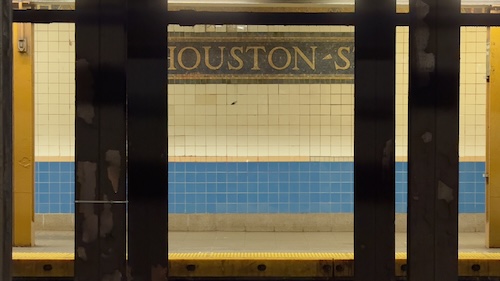
Most New York subway riders are focused on catching trains, making connections, or figuring out whether the express is running local again. Meanwhile, mosaics, murals, historic tilework, and public art quietly surround them. A photographic tour of some of the stations that made me stop, look up, and risk missing the next train.

Postcards · August 30, 2025
Rosemary and I visited the Central Park Zoo expecting a few hours of animals and people-watching. Instead, I discovered the zoo’s bizarre origin story, learned something unexpected about animal care, and spent part of the afternoon defending my sandwich from the most determined squirrel in Manhattan.

Postcards · August 29, 2025
Hidden inside a French château-style mansion on Fifth Avenue, the Ukrainian Institute of America combines Gilded Age excess, Ukrainian history, contemporary art, and wartime graphic design. What began as a failed museum visit turned into an exploration of eccentric owners, national identity, and one of New York’s most unusual cultural institutions.
Postcards · August 28, 2025
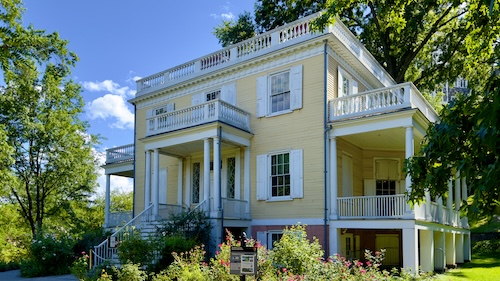
Alexander Hamilton built the Grange as a country retreat for his family, and then promptly died two years later. Today, the pleasant yellow house reveals a different side of the Founding Father—and the remarkable story of Eliza Hamilton and a home that somehow survived Manhattan itself.
Postcards · August 27, 2025
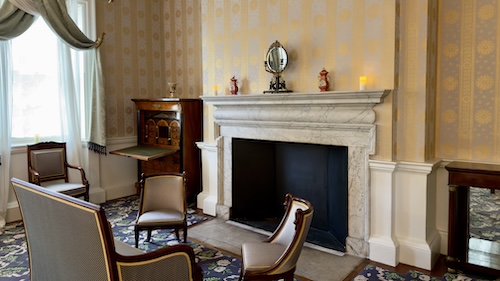
On a hill above Harlem, the Morris-Jumel Mansion has survived wars, lawsuits, and 260 years of New York history. Built by Loyalists and briefly occupied by George Washington, it ultimately became the stage for the extraordinary life of Eliza Jumel, one of Manhattan’s most fascinating residents.
Postcards · August 26, 2025
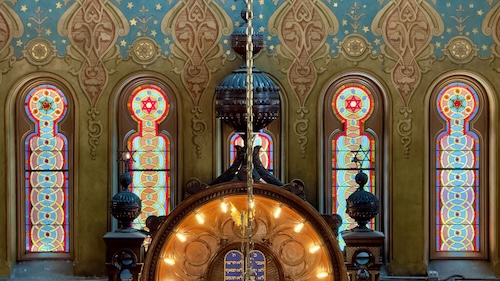
While wandering Manhattan’s Lower East Side with a friend, we accidentally stumbled into the Museum at Eldridge Street—an extraordinary 1887 immigrant synagogue hidden inside modern Chinatown. What followed was part architectural revelation, part neighborhood history, and part gloriously awkward conversation about mikvehs, migration, and the many layers underneath New York.
Essays · August 24, 2025
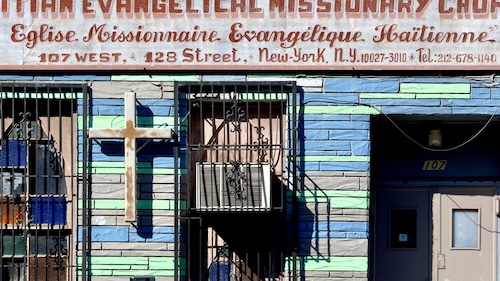
During a month in Harlem, I became fascinated by the neighborhood’s storefront churches. Some occupied former shops, others appeared to meet in homes, and many belonged to congregations I’d never heard of. What began as a photo safari led to a deeper story about migration, community, and the making of Harlem.
Galleries · August 23, 2025
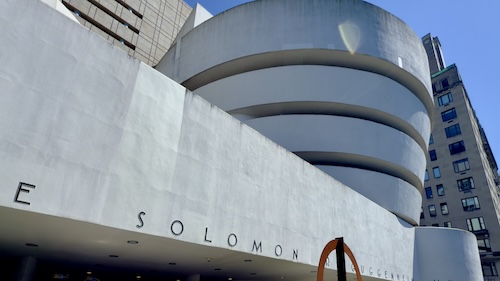
Frank Lloyd Wright’s spiraling Guggenheim rotunda competes constantly with the art inside it—and that’s part of the experience. From Chagall’s dreamlike Paris and Franz Marc’s joyful yellow cow to Rashid Johnson’s sprawling “A Poem for Deep Thinkers” exhibition, this visit became less about chronology than movement, atmosphere, and visual overload.
Postcards · August 22, 2025
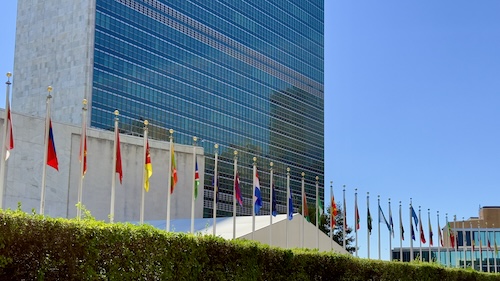
A visit to the United Nations headquarters in New York turns to be more interesting than expected—part security theater, part mid-century optimism, part global committee meeting, and part symbolic art installation. Beneath the bureaucracy and contradictions, the UN still runs on one stubborn premise—that countries should keep talking.
Postcards · August 21, 2025
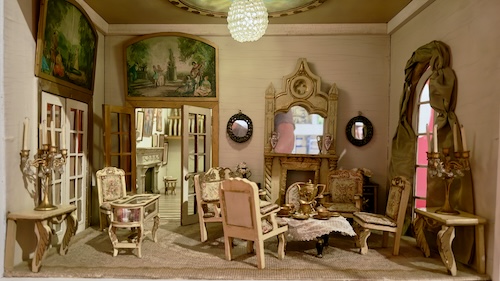
Inside the Museum of the City of New York, Carrie Stettheimer’s 28-inch dollhouse turns out to be far more than a rich woman’s hobby. Built over nearly 20 years, it holds family history, domestic labor, miniature modern art, absent dolls, and one very strange version of New York.