
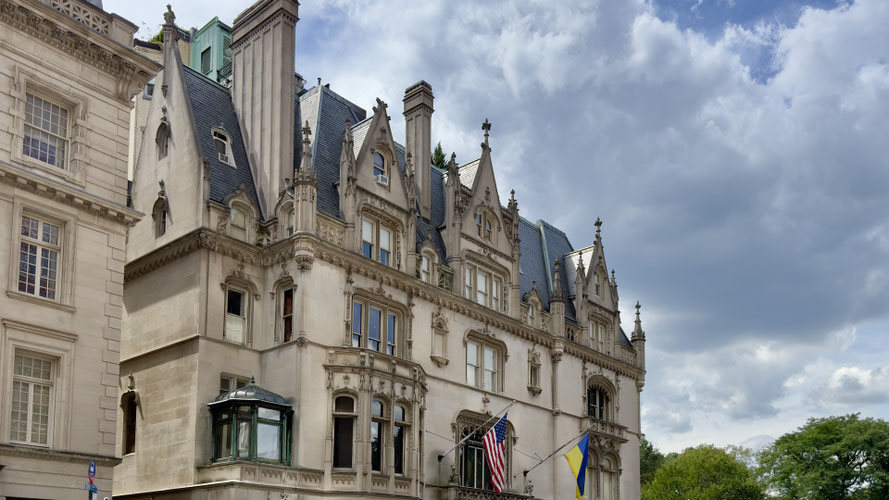
The first time I tried to visit the Ukrainian Institute of America, I got as far as the front desk. Everything suggested the place should have been open. Including Google. Unfortunately, some sort of private event had commandeered the building, and after a perfectly lovely interchange with the young Ukrainian behind the counter, it was clear I wasn’t going to sweet-talk my way in. I accepted defeat and wandered off.
My defeat only strengthened my resolve. If I couldn’t get in, it must be something fantastic—maybe even spectacular—I figured. How Rick disagreed with such sound reasoning, I’ll never know, but he declined to accompany me several days later when I went back.
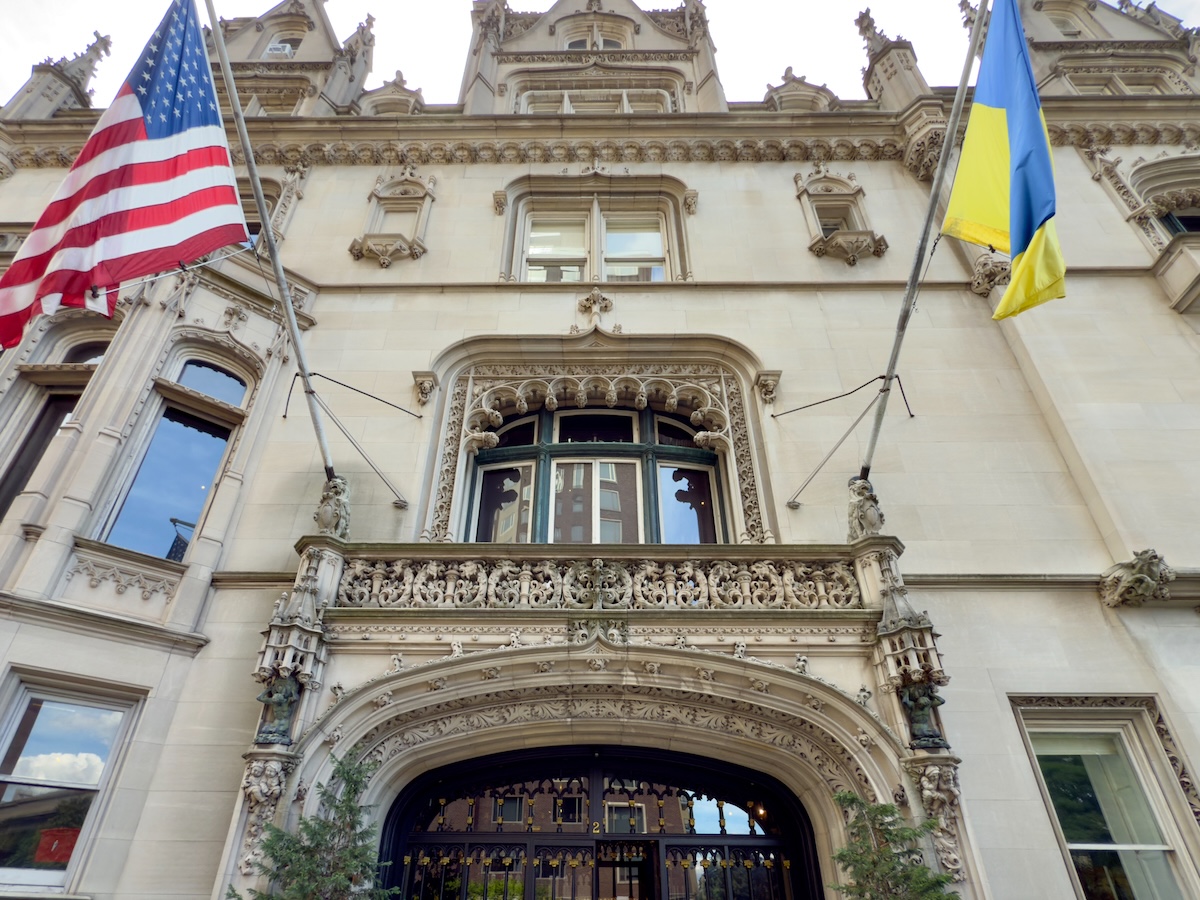
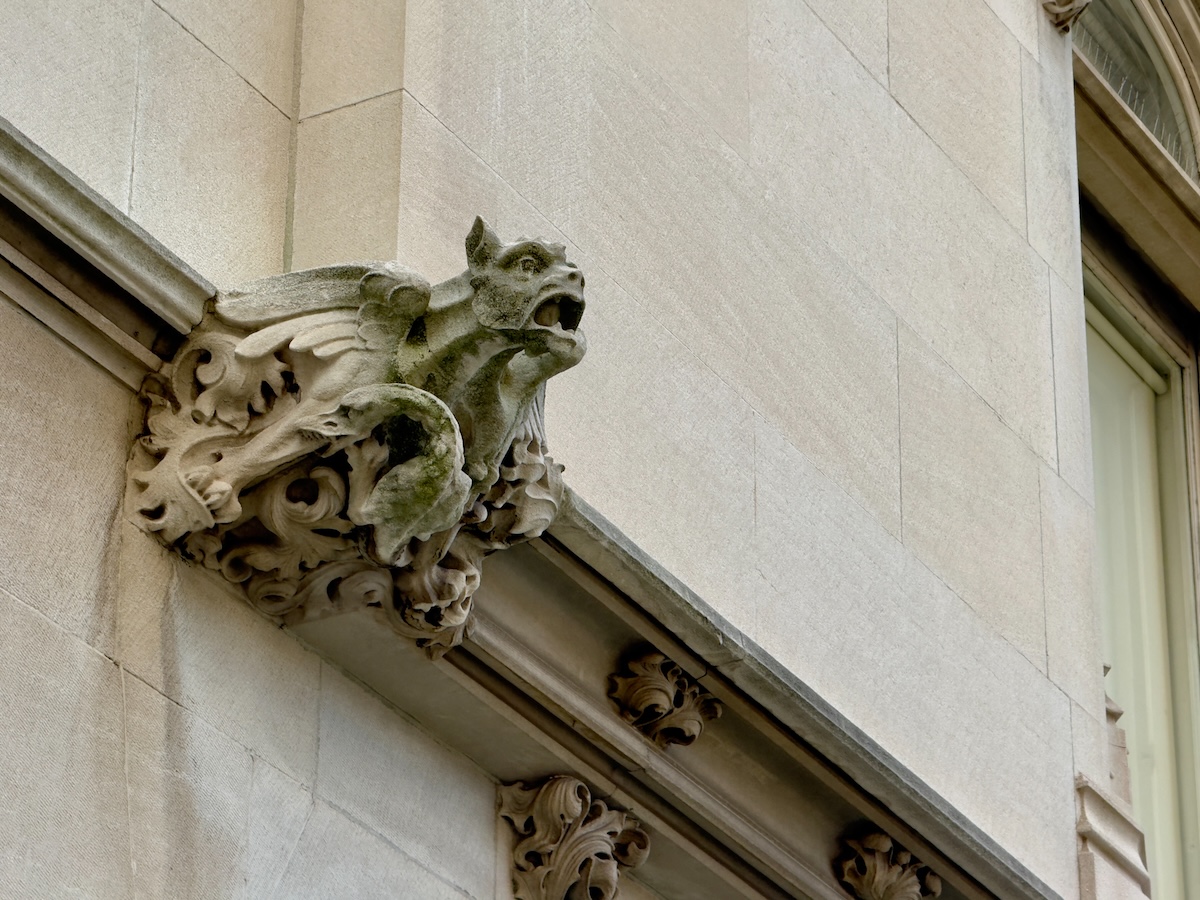
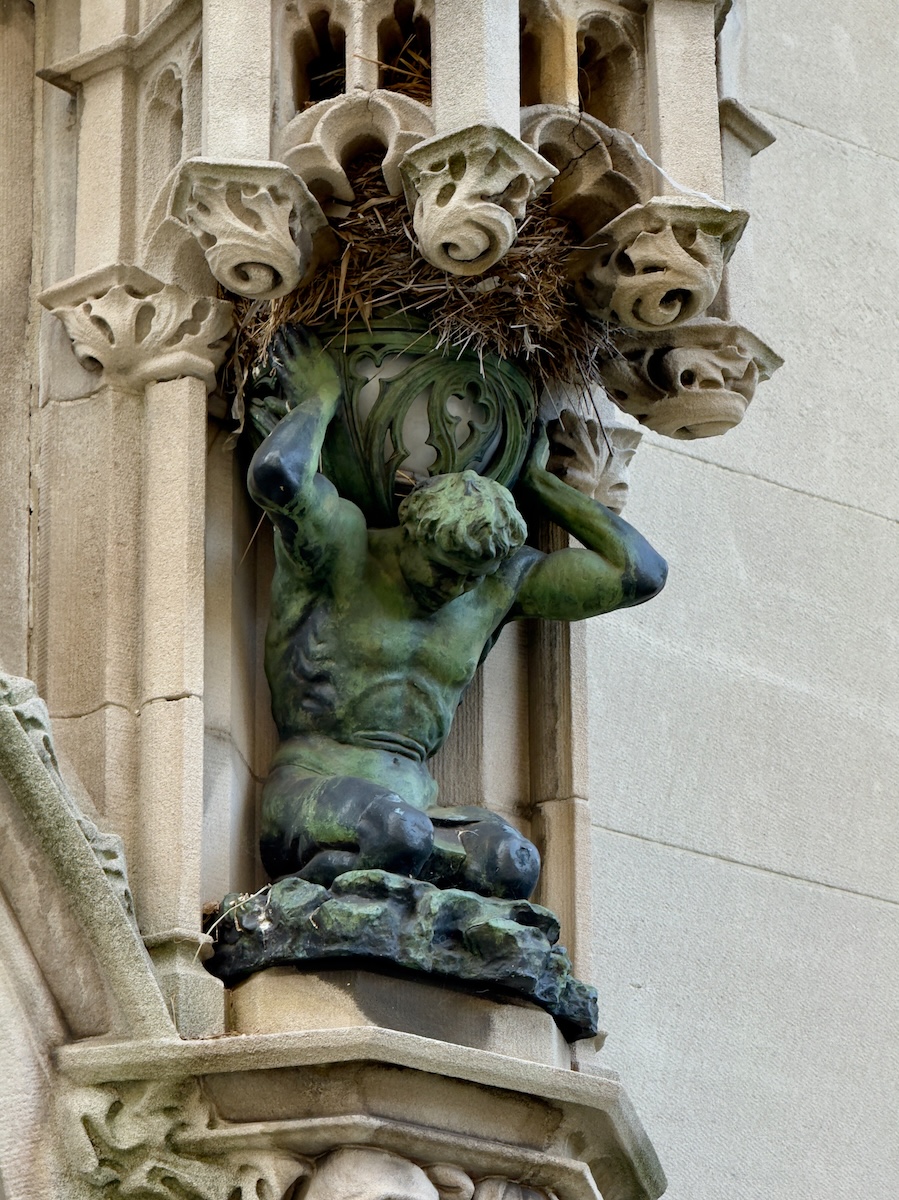
The Institute occupies a mansion on the corner of Fifth Avenue and 79th Street that appears to have been designed by someone who felt Normal Rich People weren’t sufficiently enamored of dragons, gargoyles, and terrifying human faces. Not here. Steep slate roofs rise above rows of pinnacles, stone creatures cling to the exterior, and bronze figures strain mightily beneath oversized candle holders.
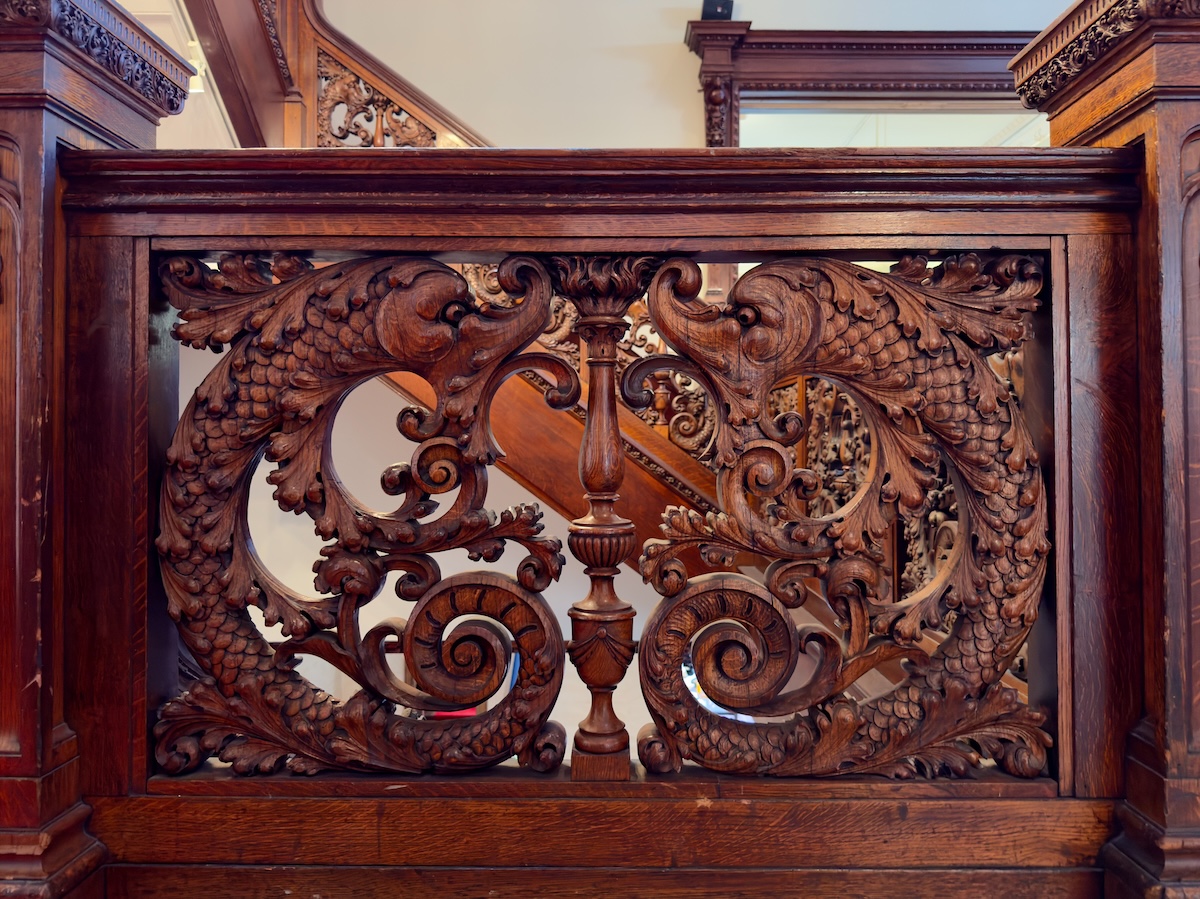
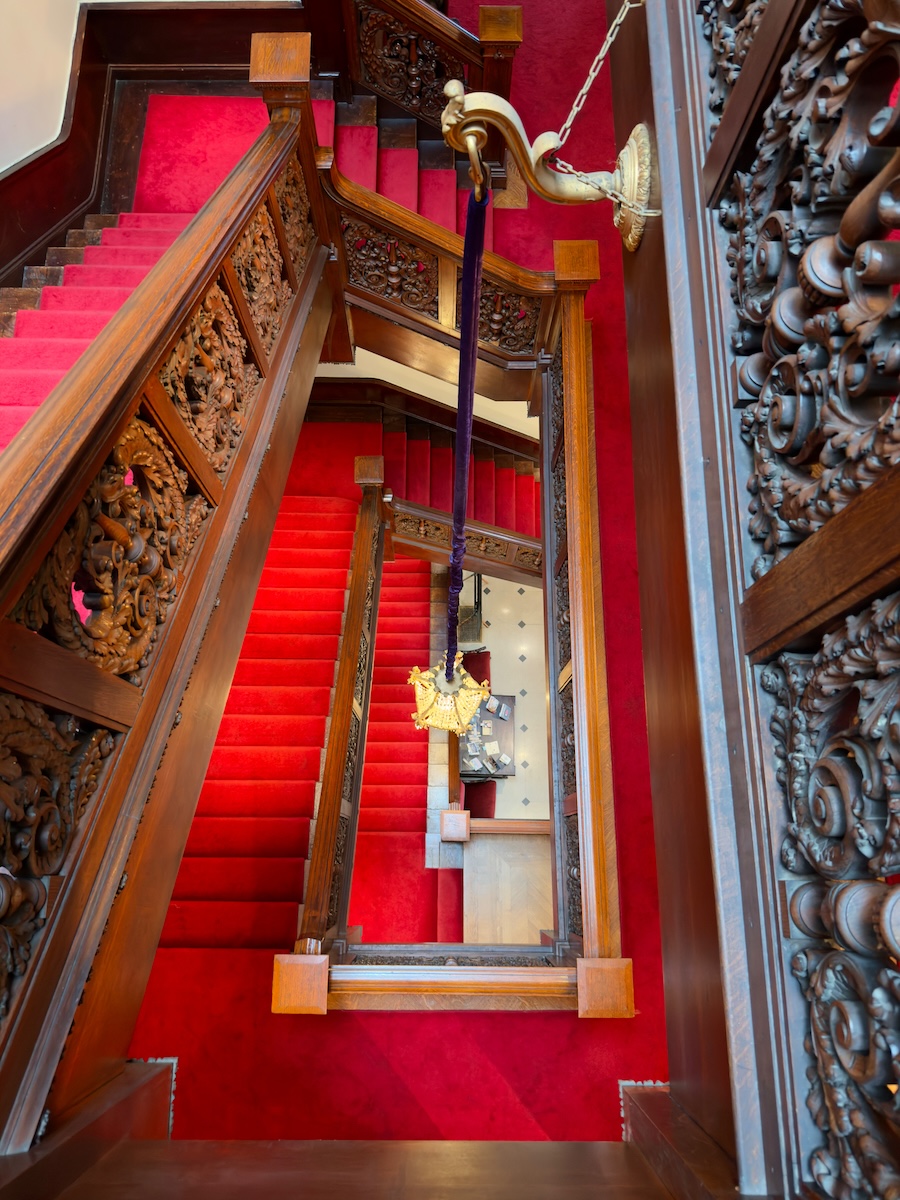
Inside, the theme continued. The grand staircase was decorated with dolphins that seemed an oddly specific design choice until I realized, with a quiet nod to myself, that the mansion had long ago left behind all common sense. Fish, lions, dragons—clearly, if one mythical or decorative creature was good, a dozen different species would be even better.
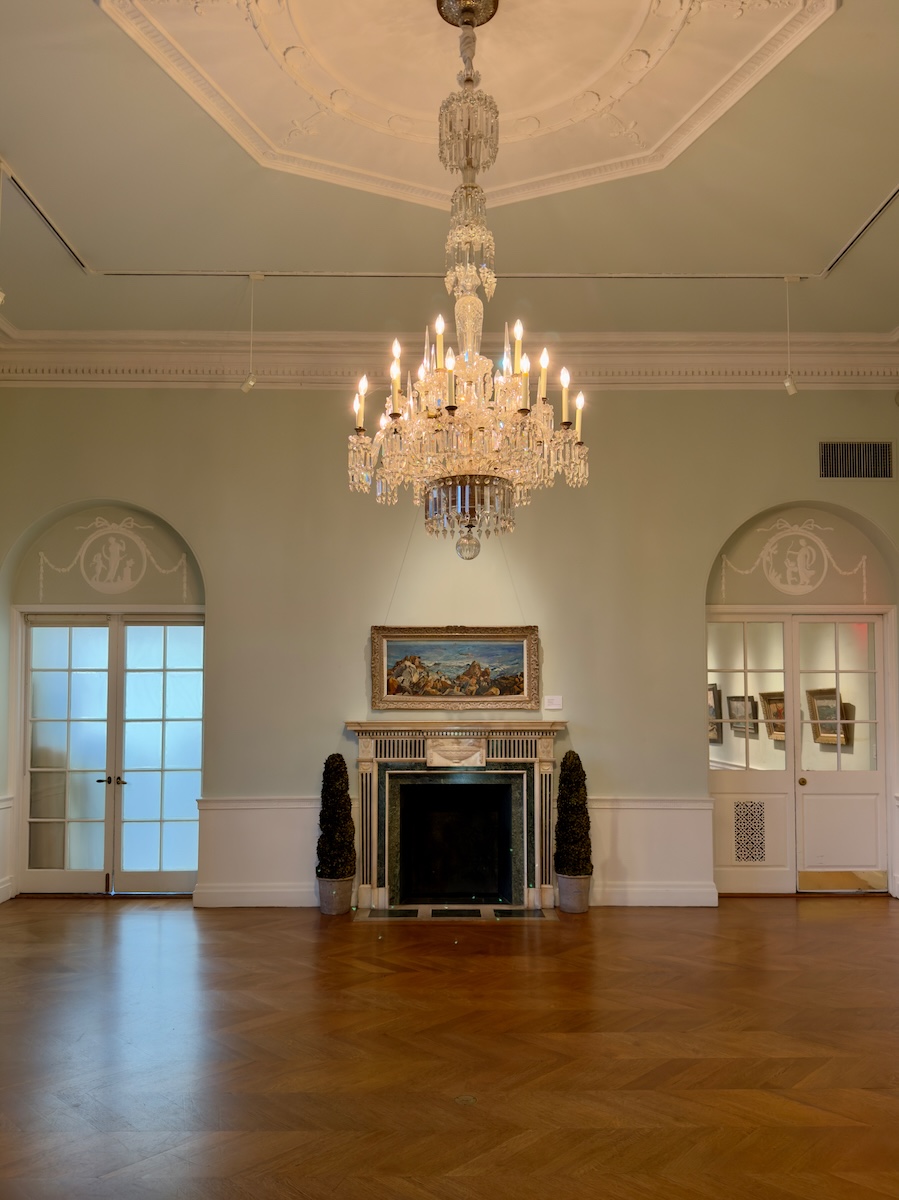
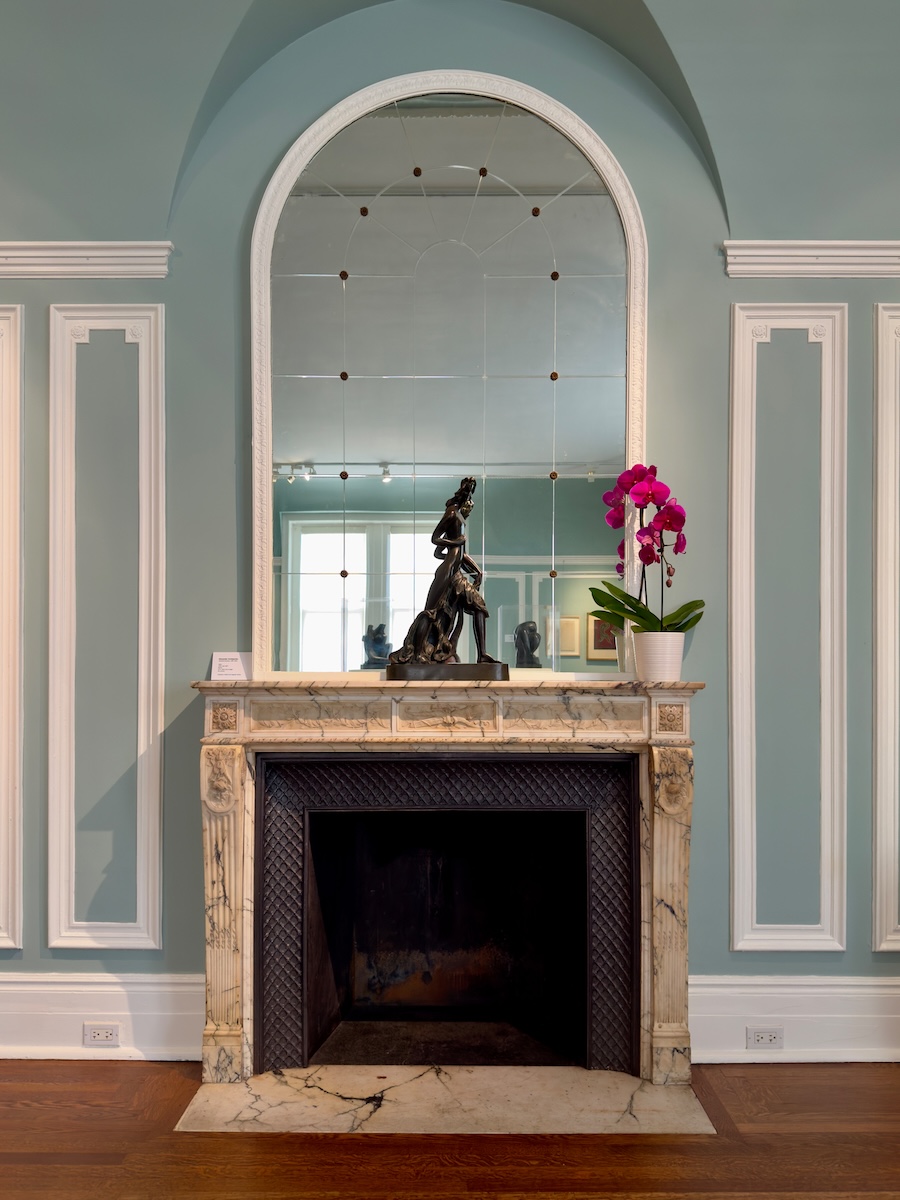
The Ukrainian Institute occupies the mansion today, but the house has enough personality to be a co-star. Every room seemed to contain another carved detail, another elaborate fireplace, or another reminder that the people commissioning Fifth Avenue mansions at the turn of the 20th century were operating with budgets and confidence levels that modern society wisely no longer permits.
The story actually begins with railroad tycoon Henry Cook, who acquired a large tract of land here in the late 19th century and thought to himself, “I’d like neighbors, in case I ever run out of sugar. But they’d have to be the right neighbors.” So he set about creating a block of mansions occupied by the sort of people he considered acceptable. Restrictive covenants controlled what could be built. A massive wrought-iron fence marked the boundaries, and potential neighbors were carefully screened.
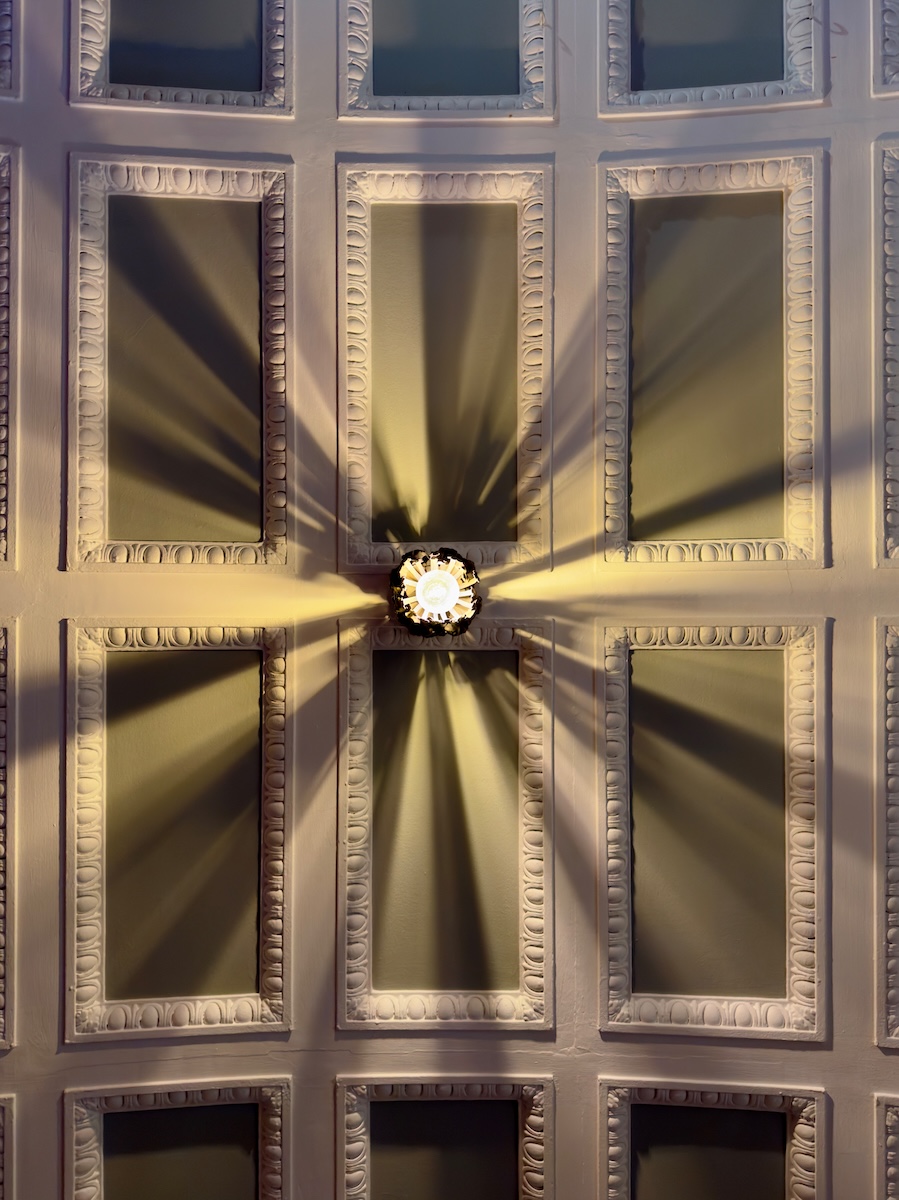
This mansion was built by one of Cook’s first approved neighbors, industrialist and art collector Isaac Fletcher. Rich art collectors are the norm today, but less so in the late 1800s—Fletcher was a trendsetter. And he took his hobby very seriously. He directed his architect, C.P.H. Gilbert, to use William Vanderbilt’s Loire Valley-inspired château as a model and to make sure to leave plenty of wall space for art. He saw every vertical surface as an opportunity. Gilbert even developed an early form of cove lighting to show off the collection.
Over the years, Fletcher filled those walls—and the rest of the house—with paintings, sculptures, textiles, ceramics, and decorative objects gathered during his many travels in Europe. The second floor alone reportedly displayed hundreds of pieces. By the time Fletcher died in 1917, the mansion had become a private art gallery, where its owner happened to sleep.
On his death, Fletcher bequeathed the mansion and more than 250 artworks to the Metropolitan Museum of Art, along with detailed instructions for how the works should be displayed. The Met gratefully accepted the gift—then promptly sold the mansion before Fletcher was cold. To be fair, they did use the proceeds to create the Fletcher Fund for the acquisition of prints and drawings.
The Met sold the mansion to Helen Hay Whitney—another familiar name from New York’s Gilded Age mansion circuit—before it passed to oil tycoon Harry Sinclair. Sinclair later became a central figure in Teapot Dome, one of the biggest political corruption scandals in American history. His efforts earned him prison time, which was not generally considered an aspirational outcome for a Fifth Avenue homeowner.
Later came Augustus Stuyvesant, the last direct descendant of Peter Stuyvesant, the Dutch governor of New Amsterdam before the British turned it into New York. Augustus and his sister, Anne, reportedly holed up here with 10 servants and the curtains drawn to avoid people. Augustus, the final heir to a colonial dynasty, died in the house, and his belongings were eventually sold at auction in what I can only assume was the mother of all estate sales.
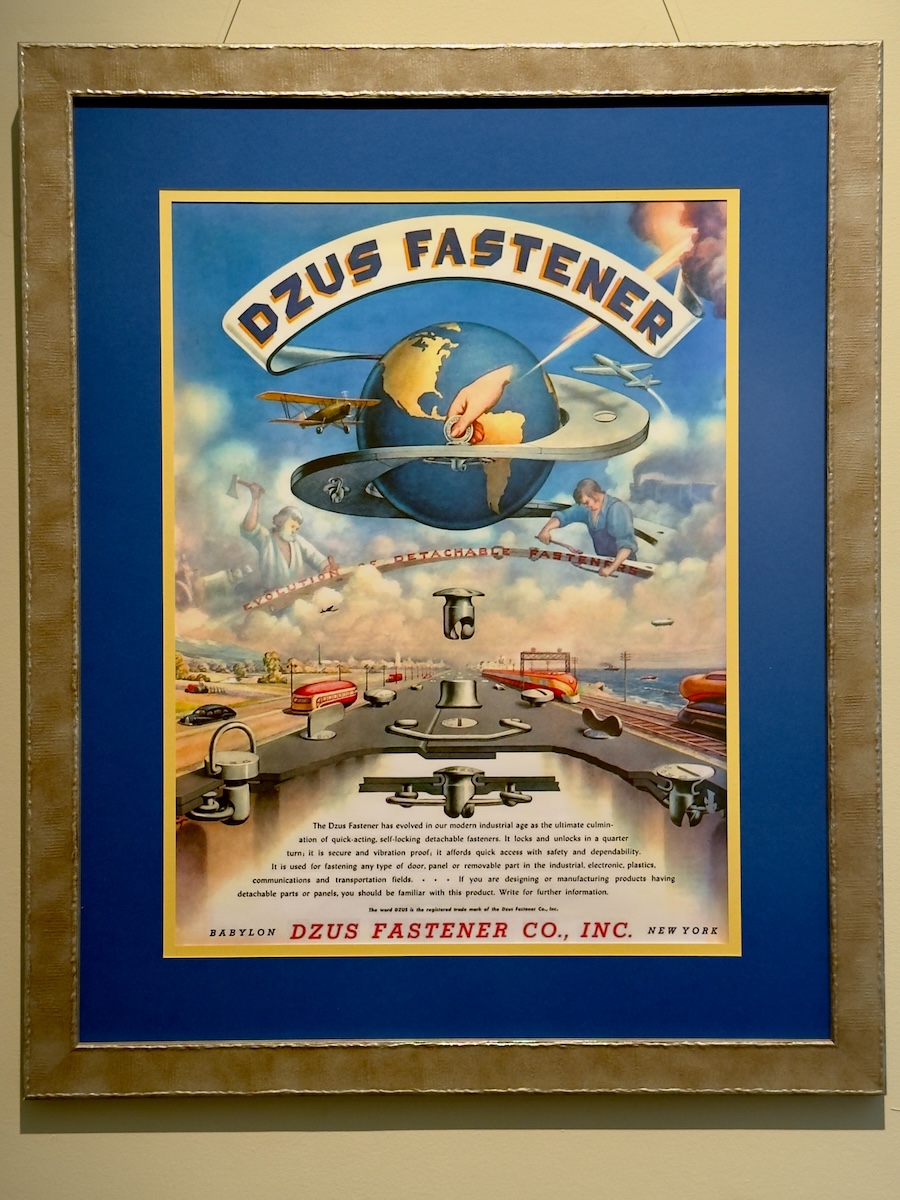
The mansion’s current and final chapter began in 1955 when it was purchased by the Ukrainian Institute of America. One of the Institute’s key backers was William Dzus, a Ukrainian immigrant who built his fortune manufacturing a small piece of hardware that most people have never heard of. Then again, most people have never heard of William Dzus either.
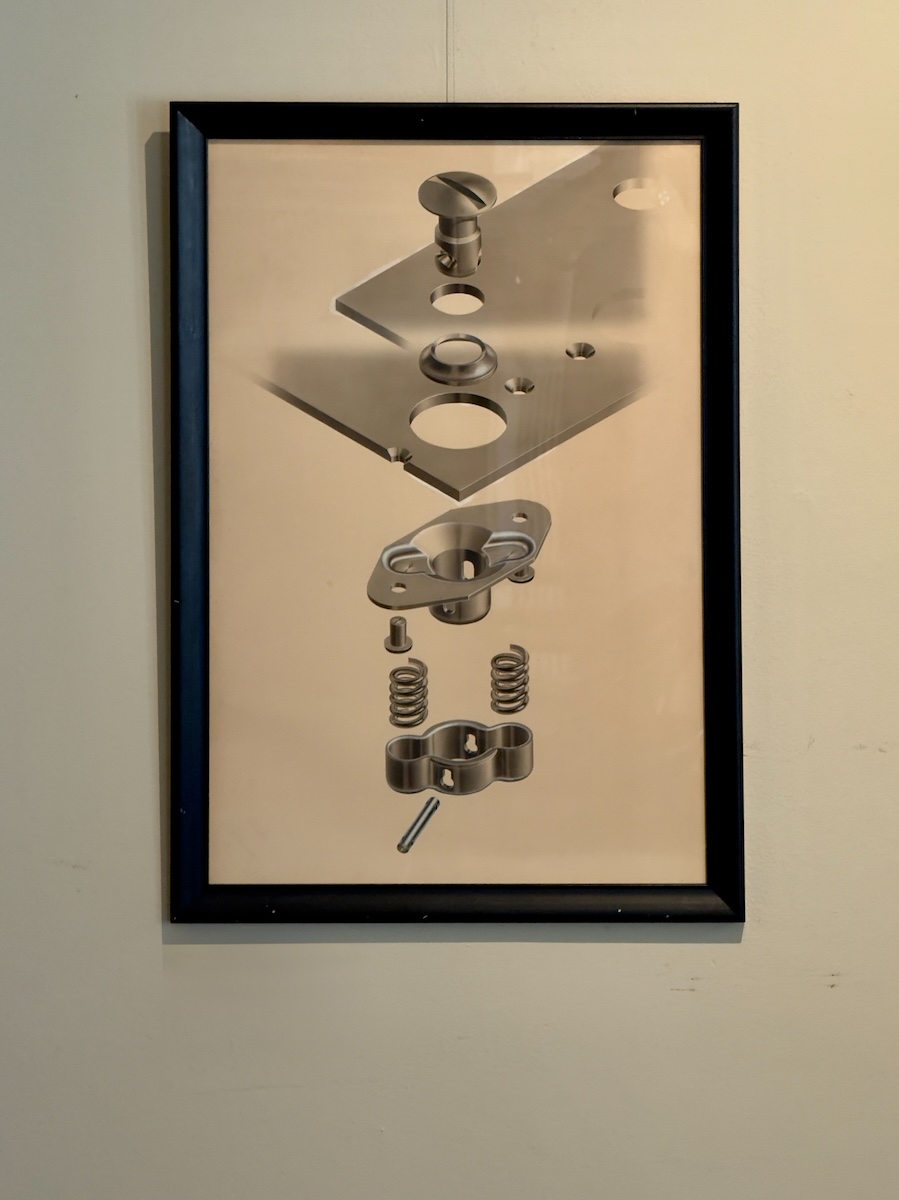
He invented the quarter-turn fastener used on aircraft, race cars, and other machinery where panels need to be removed quickly and secured reliably. It doesn’t feel like the sort of thing that typically earns you a historic Fifth Avenue mansion. Yet I found myself standing in a room devoted to Dzus Fasteners, surrounded by carved dragons, gargoyles, dolphins, and the accumulated eccentricities of New York high society.
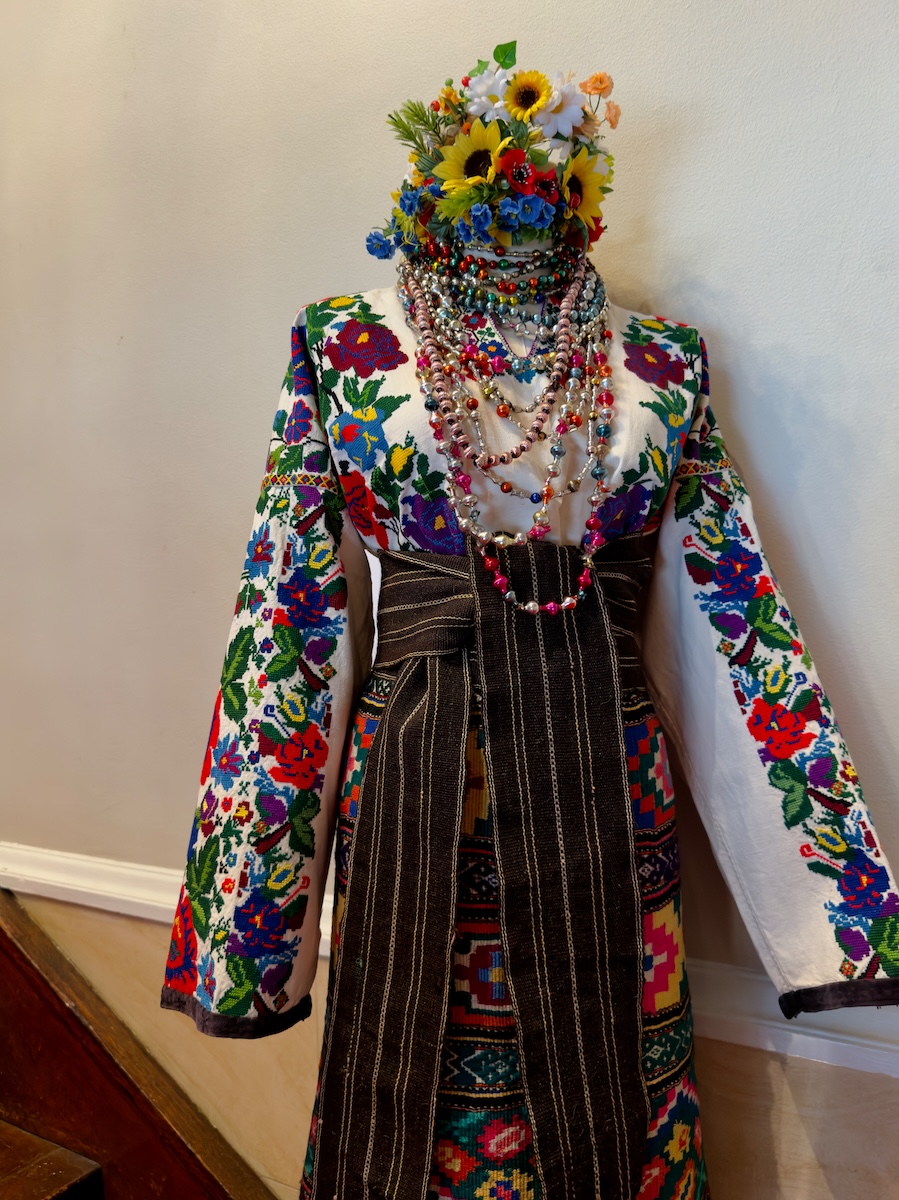
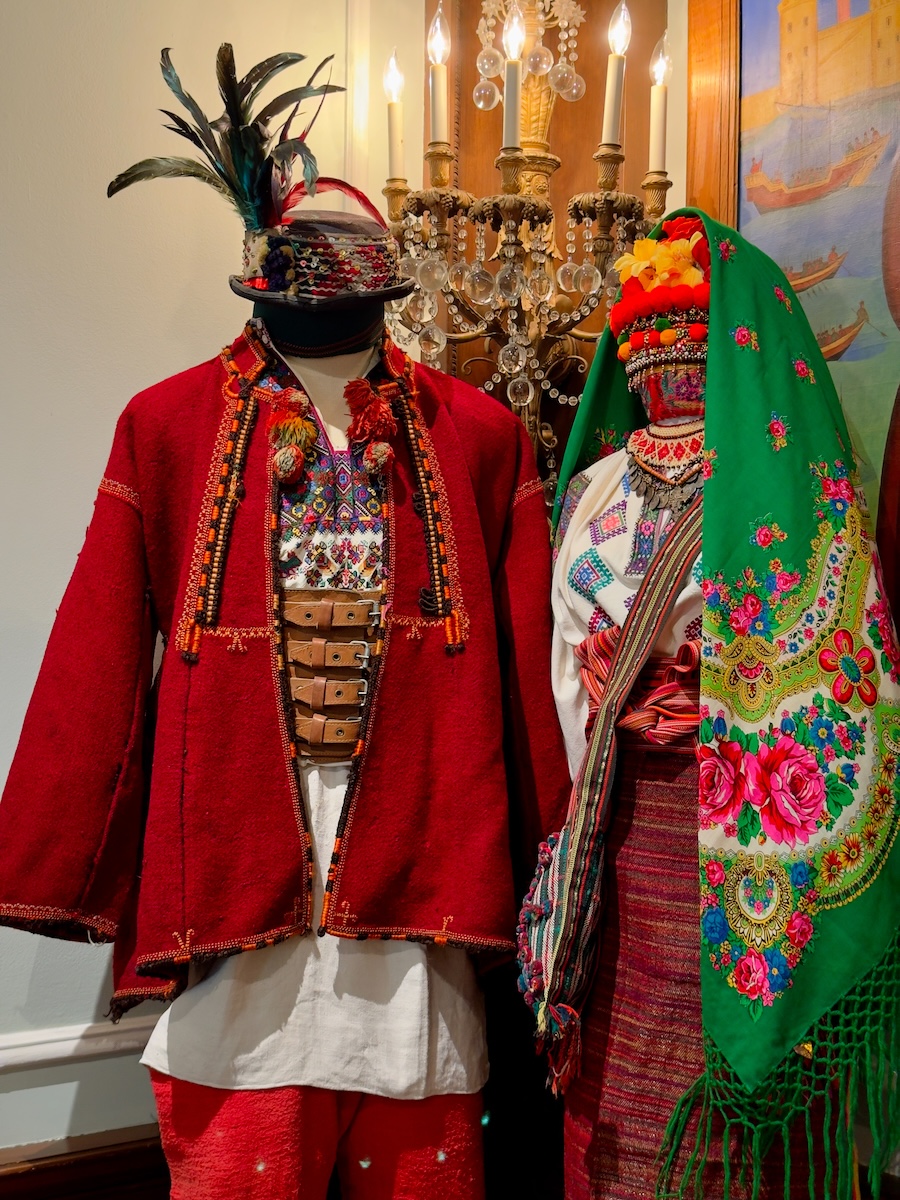
The Institute exists “to develop and promote knowledge and appreciation of the history and traditions of Ukraine.” Beyond that, I remained cheerfully underinformed. Exactly what else went on inside was hard for me to determine—the programming information was posted in Ukrainian, which remains stubbornly committed to an entirely different alphabet. Fortunately, the art required very little translation.
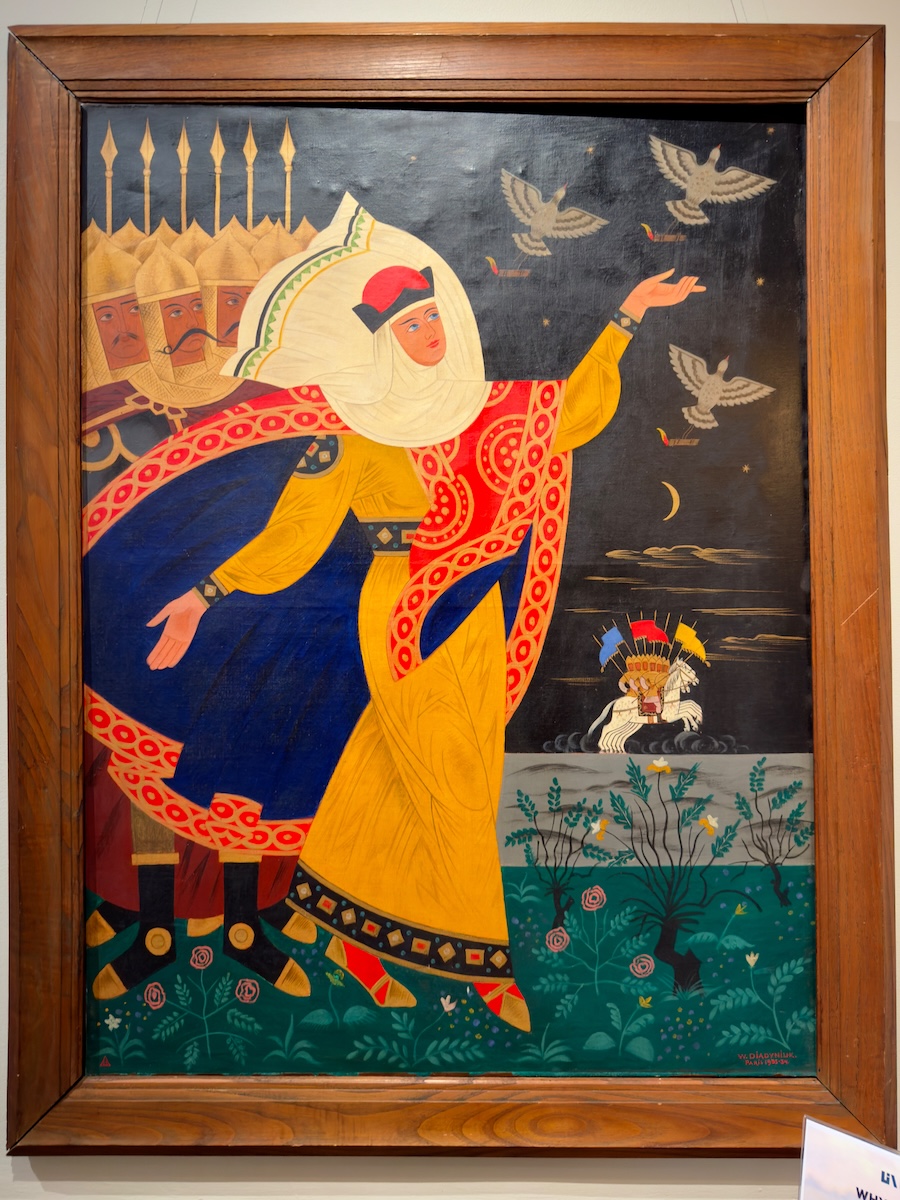
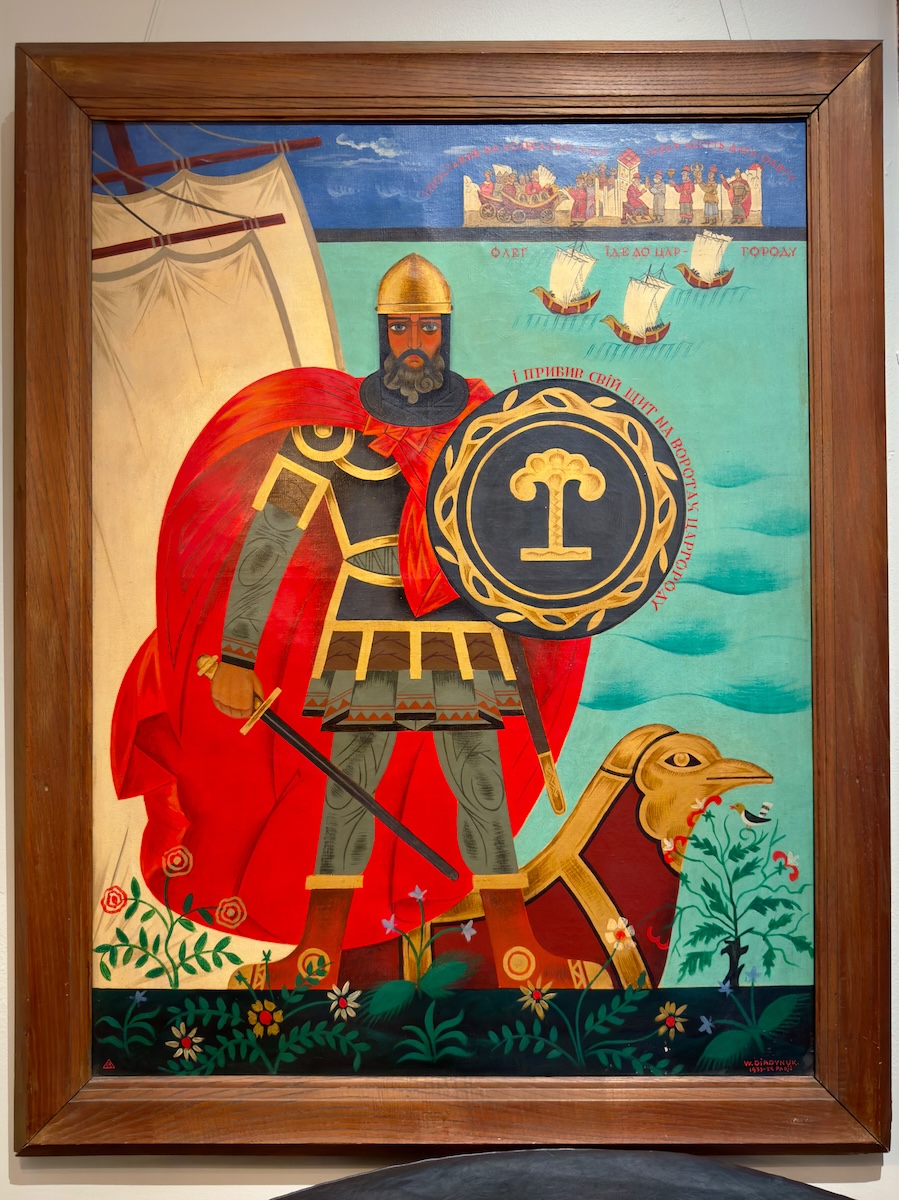
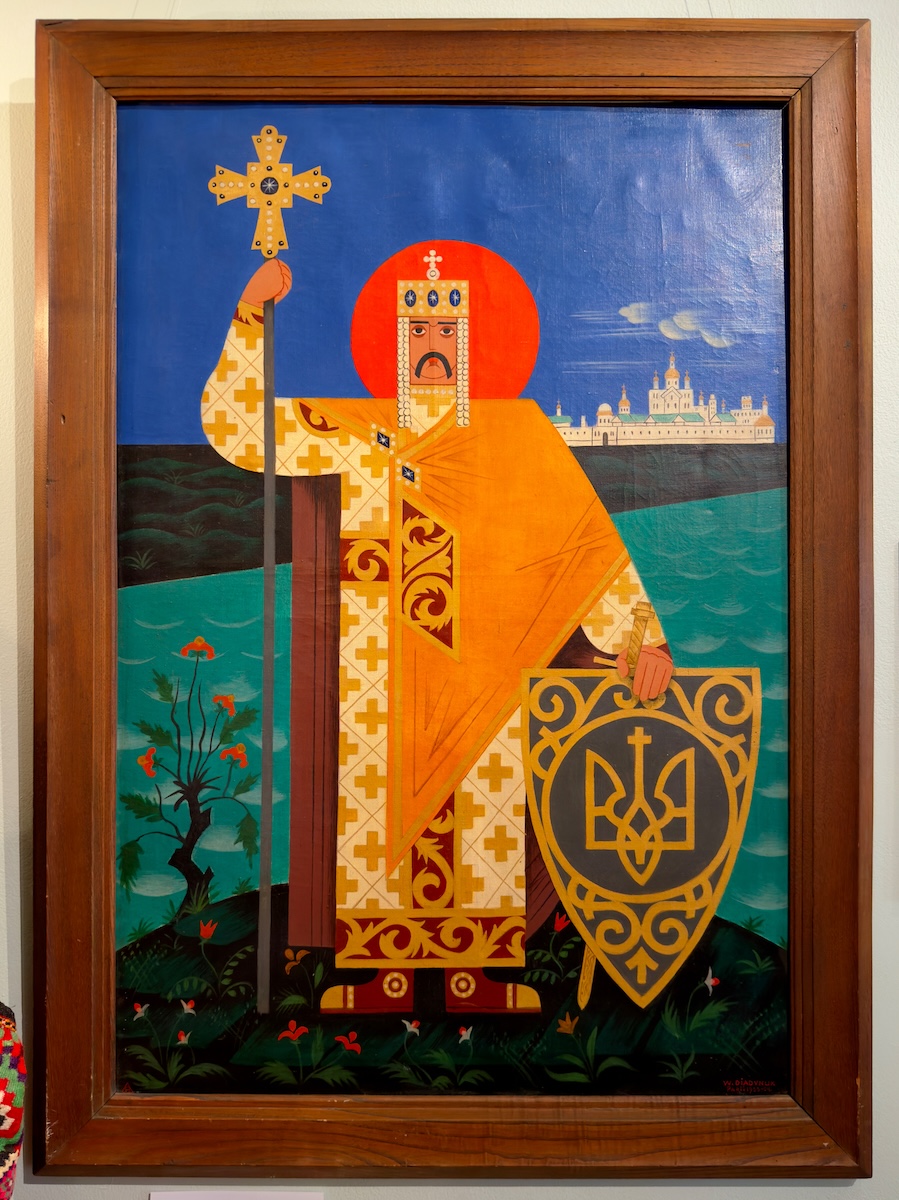
At the top of the grand staircase was a series of paintings by Ukrainian artist Vasyl Diadyniuk depicting people I didn't recognize. Apparently, I know embarrassingly little about Ukrainian history. But it didn’t seem to matter—their importance was pretty obvious. The figures staring back from the canvases possessed the unmistakable confidence of people whose biographies occupy entire chapters in somebody else’s textbooks.
The paintings depicted legendary rulers, military leaders, and cultural figures from across Ukraine’s history. Diadyniuk borrows heavily from the visual language of Eastern Orthodox religious icons. Gold backgrounds shimmer behind the figures. Faces stare directly outward. Rich colors and elaborate costumes fill the canvases. Everybody looks like they either founded a nation, defended a nation, wrote a nation’s literature, or died heroically for a nation. Sometimes all of them at once.
The icon-inspired style amplifies that effect. Saints, princes, poets, military commanders, and statesmen all receive roughly the same visual treatment. The bold colors and stylized figures felt less like traditional portraiture and more like character designs waiting to star in their own graphic novels. I found myself studying the paintings more like a collective family album. A very impressive family album, mind you. One with more crowns, swords, and halos than my own.
The contemporary galleries quickly dismantled any notion that Ukrainian art begins and ends with princes, saints, and heroic cavalry charges.
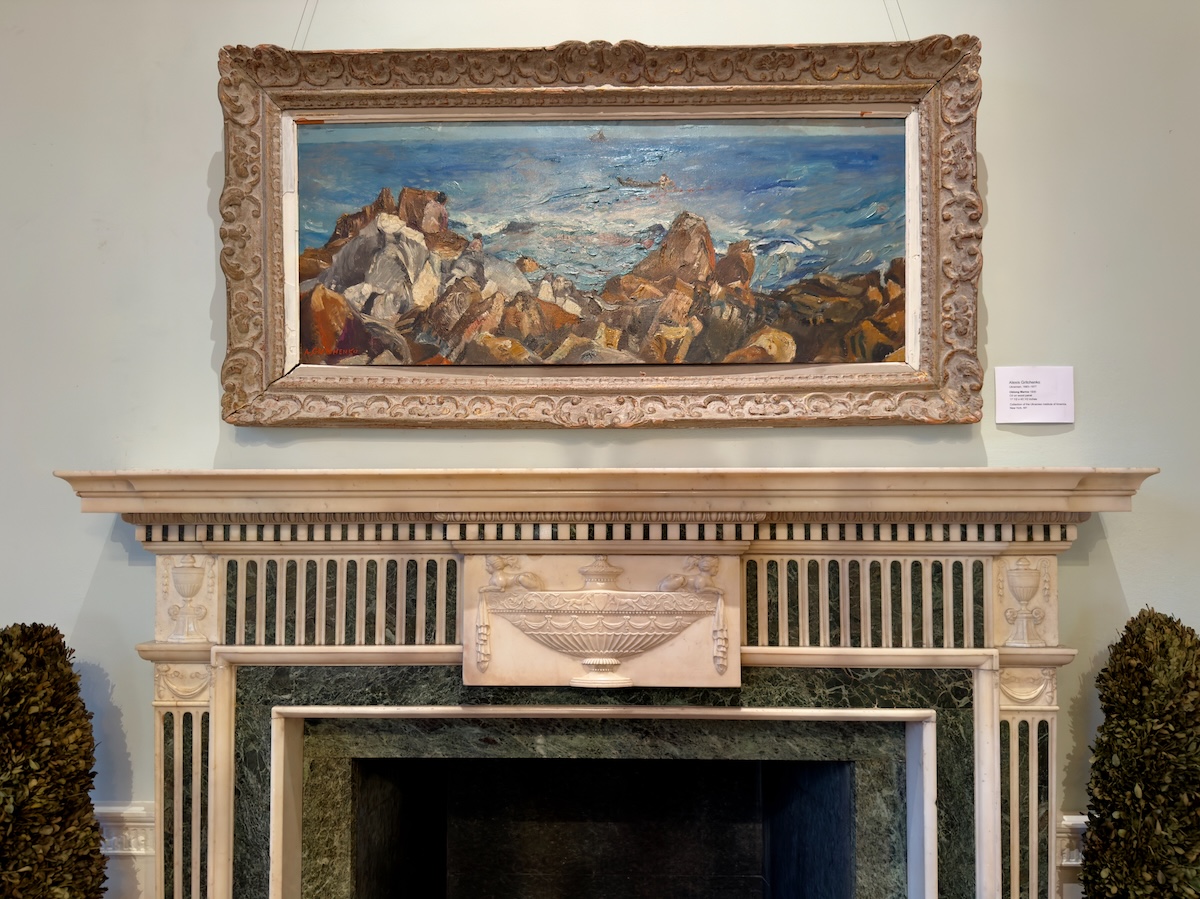
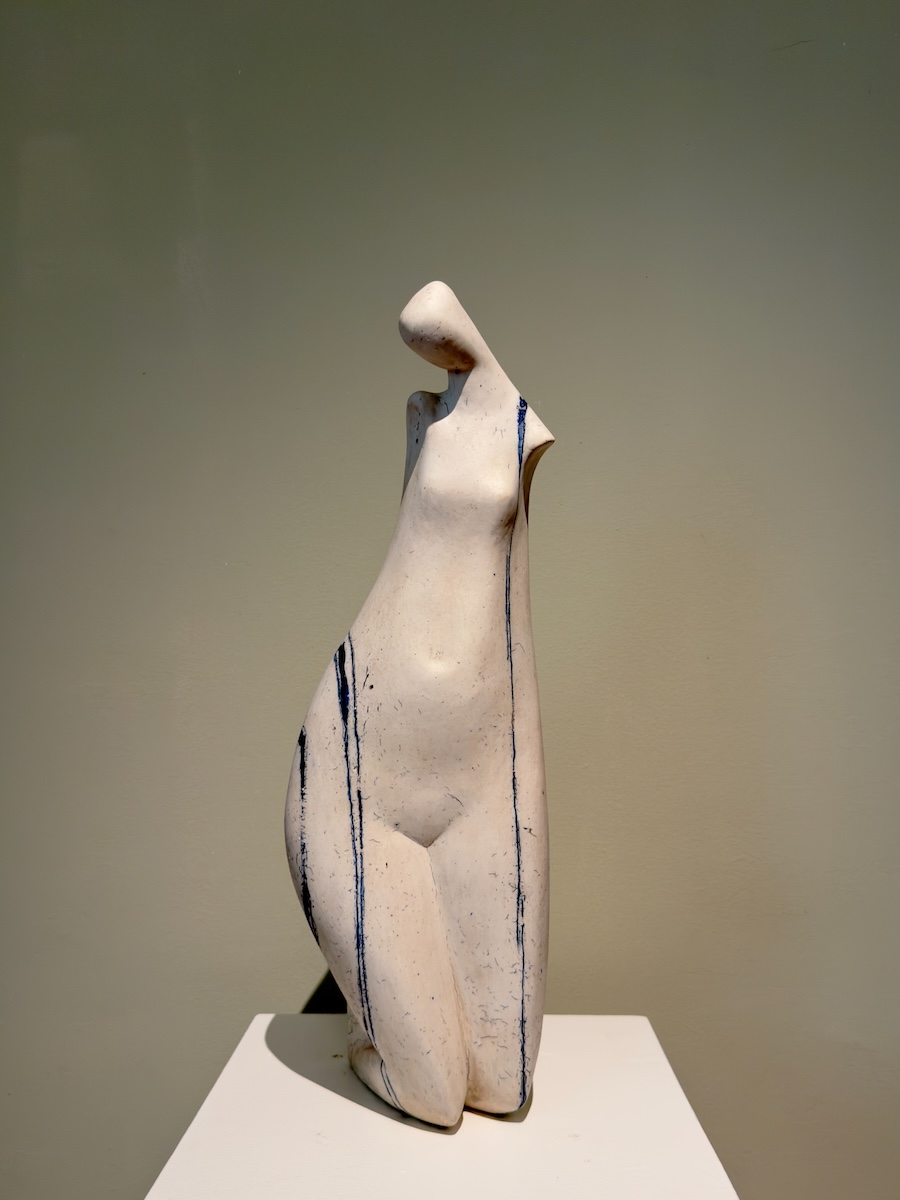
There were abstract sculptures, sleek modern figures, rough expressionist seascapes by artists with names like Fedchun, Gritchenko, and Archipenko. Some connected with me more than others. One abstract relief looked like it had stumbled into the wrong art show. “You got Art Nouveau in my Cubism!” A series of seascapes left me spending nearly as much time studying the mansion’s carved fireplaces as the paintings hanging above them.
That variety turned out to be part of the appeal. The collection defied a single definition of what Ukrainian art ought to be.
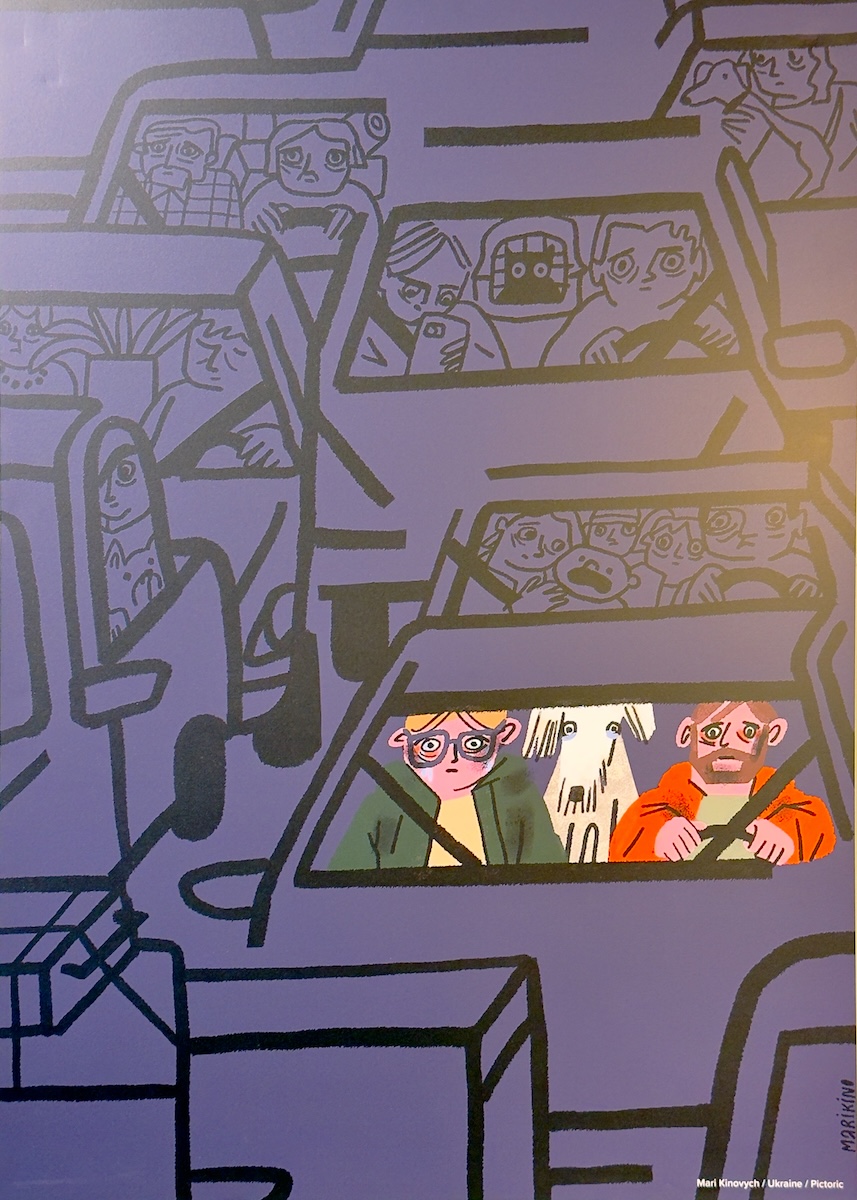
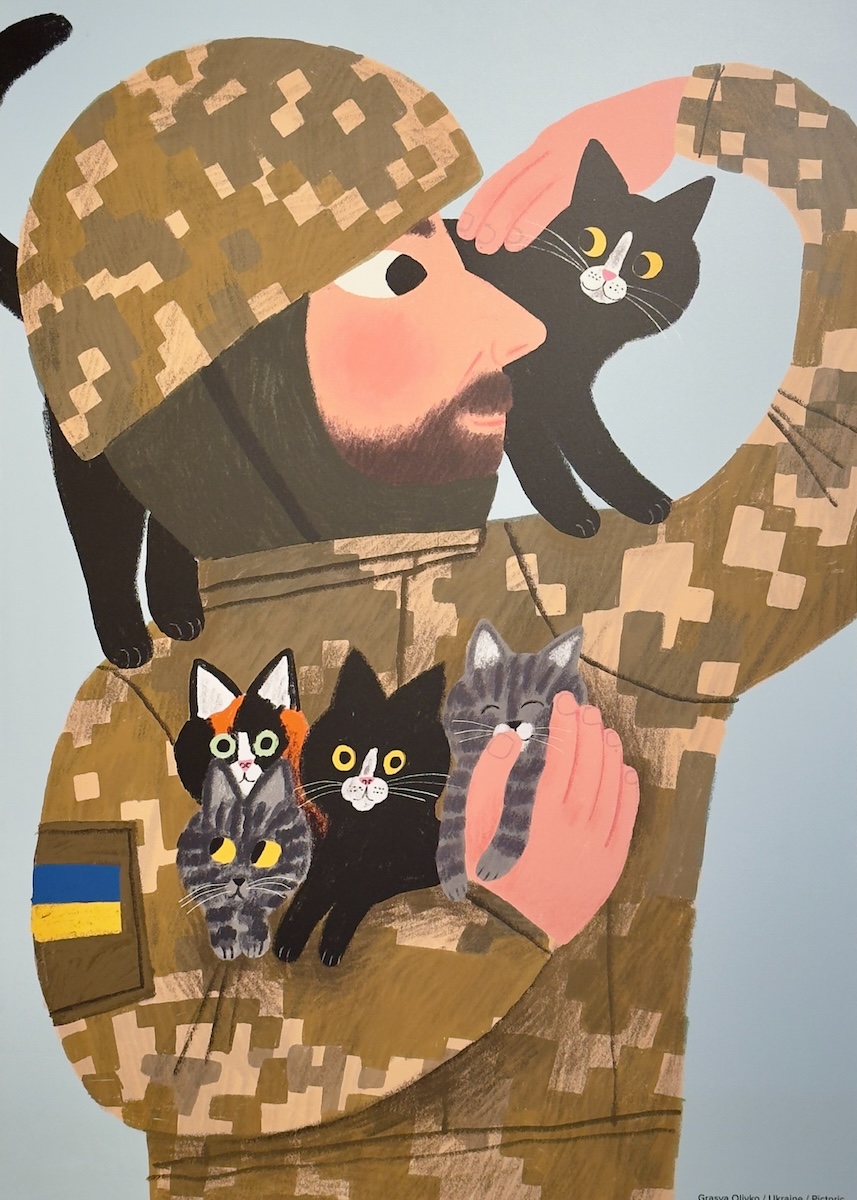
The exhibition that grabbed me most was a collection of contemporary war posters by Ukrainian artists. The subject matter was invasion, destruction, displacement, resistance, and death. The graphic design was fantastic. Which felt like an odd thing to enjoy.
Some posters felt intensely personal, almost domestic. Others delivered their message with the subtlety of a brick through a window. A cat in military uniform somehow managed to look both adorable and prepared to defend the homeland. A peace dove perched on top of anti-tank obstacles. A Molotov cocktail morphed into Ukraine’s trident emblem. One after another, the artists compressed complicated emotions and political arguments into images simple enough to absorb in just a few seconds.
I wasn’t sure how these posters fit into everyday life. Were they hung on walls? Shared online? Printed for protests? Fundraising campaigns? All of the above? The exhibition didn’t answer those questions. But it didn’t really matter.
The posters were impossible to ignore—and therefore effective. Some made me laugh. Some made me uncomfortable. Many did both at the same time. Seeing those posters in this place felt especially strange. Princes, saints, and national heroes rendered in gold leaf-inspired splendor stood in the next room over. A conference room extolled the virtues of an aerospace screw. The entire place was filled with carved monsters. And here were artists responding in real time to an ongoing war.
The contrast sounds like it should have been jarring, but it actually felt entirely consistent with a building devoted to preserving a culture still busy making history.
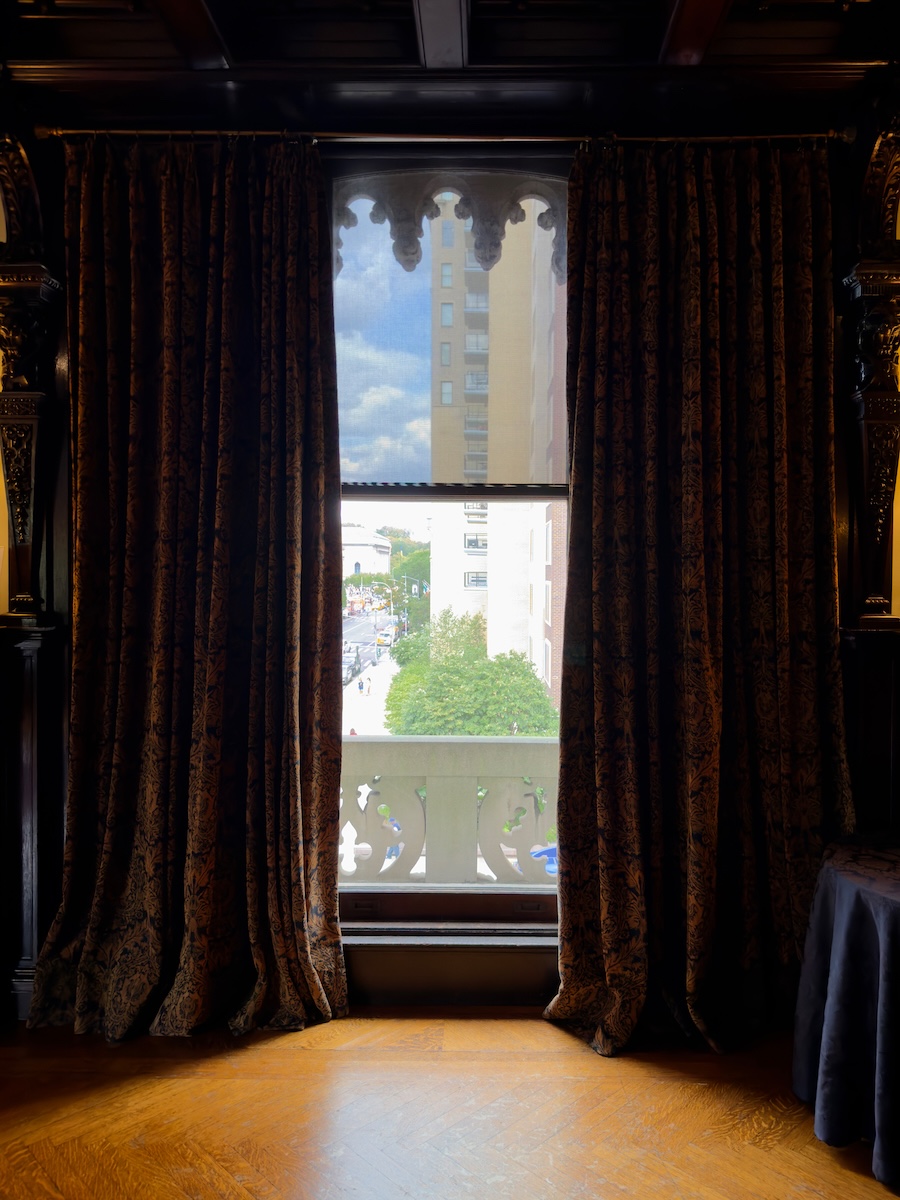
I spent as much time admiring the mansion at the Institute as I did looking through the exhibits. Some museums are primarily about what's hanging on the walls. This one isn't. The Ukrainian Institute would lose something essential without the Fletcher mansion. The house isn't merely a container for the art—it's one of the exhibits.






Write a comment