
New York’s museums get millions of visitors every year. People travel across oceans to see famous paintings, stand in line for special exhibitions, and spend days wandering the galleries. Meanwhile, another collection quietly goes about its business right under their feet.
The city’s subway stations are filled with mosaics, murals, decorative tilework, and public art. Some celebrate the neighborhoods above. Others reference nearby landmarks, local history, or the people who live there. A few seem designed purely to make the subway a little less routine.
Most riders never have much opportunity to appreciate any of it because they’re concentrating on catching a train, making a connection, or figuring out whether the express is running local again. Fair enough. New York’s subway system is many things, but “contemplative art space” isn’t one of them.
Over the course of our month in the city, though, I found myself paying more and more attention to the walls. Not at every station. Or even most stations. This isn’t a survey of the MTA’s greatest hits. It’s just a collection of station art that I liked enough to stop, pull out my camera, and risk missing the next train. Which did not make Rick happy. “Priorities,” he’d remind me, almost under his breath.
Consider this a small, incomplete tour through the museum that sits beneath New York.
Lower Manhattan
Delancey Street–Essex Street
F, J, M, Z trains
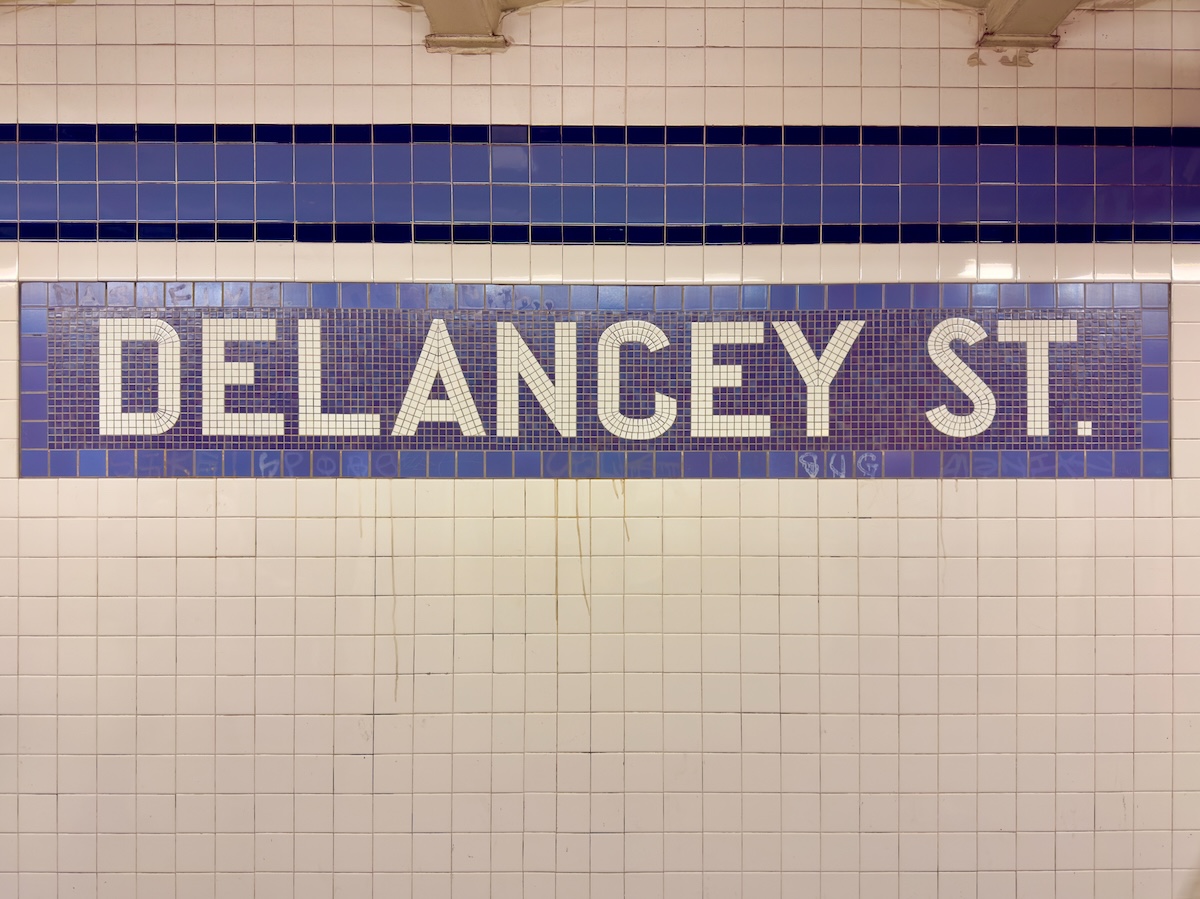
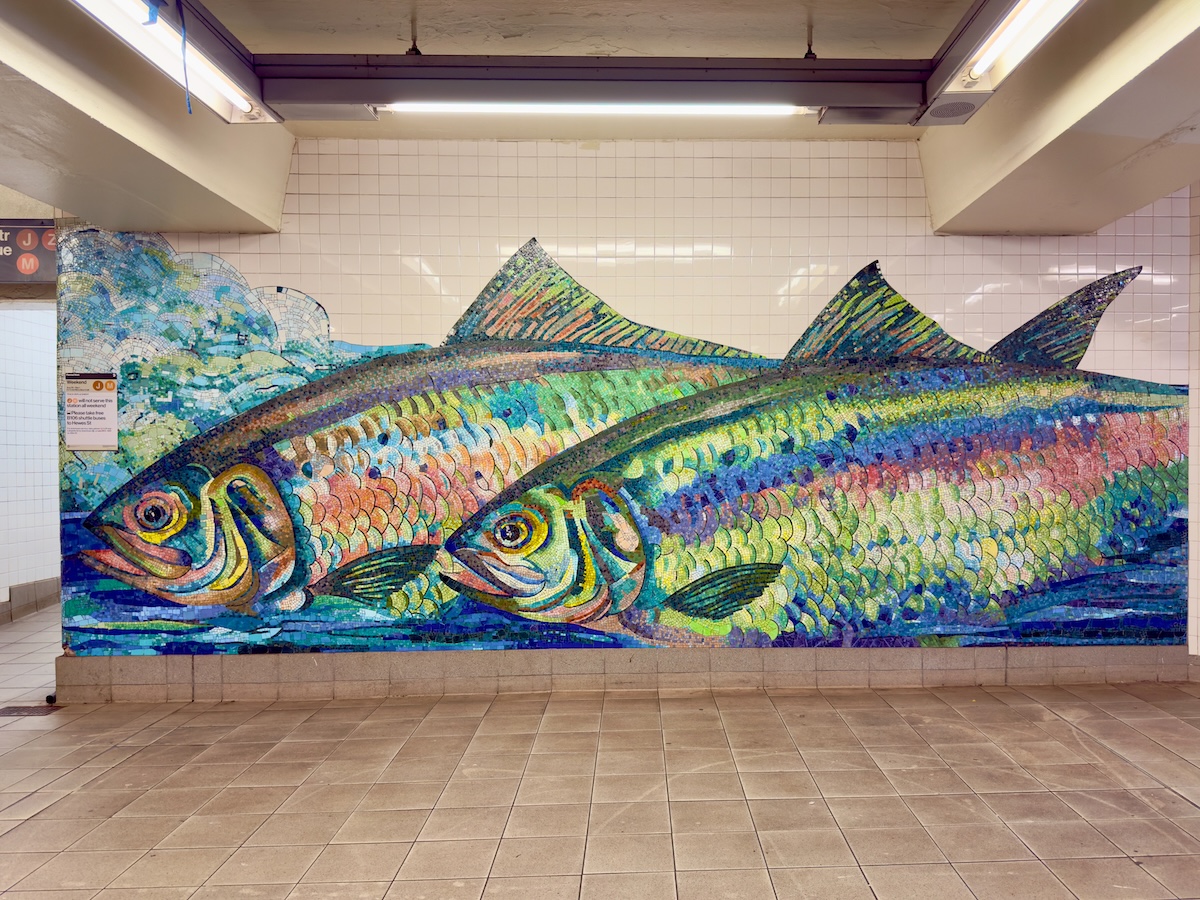
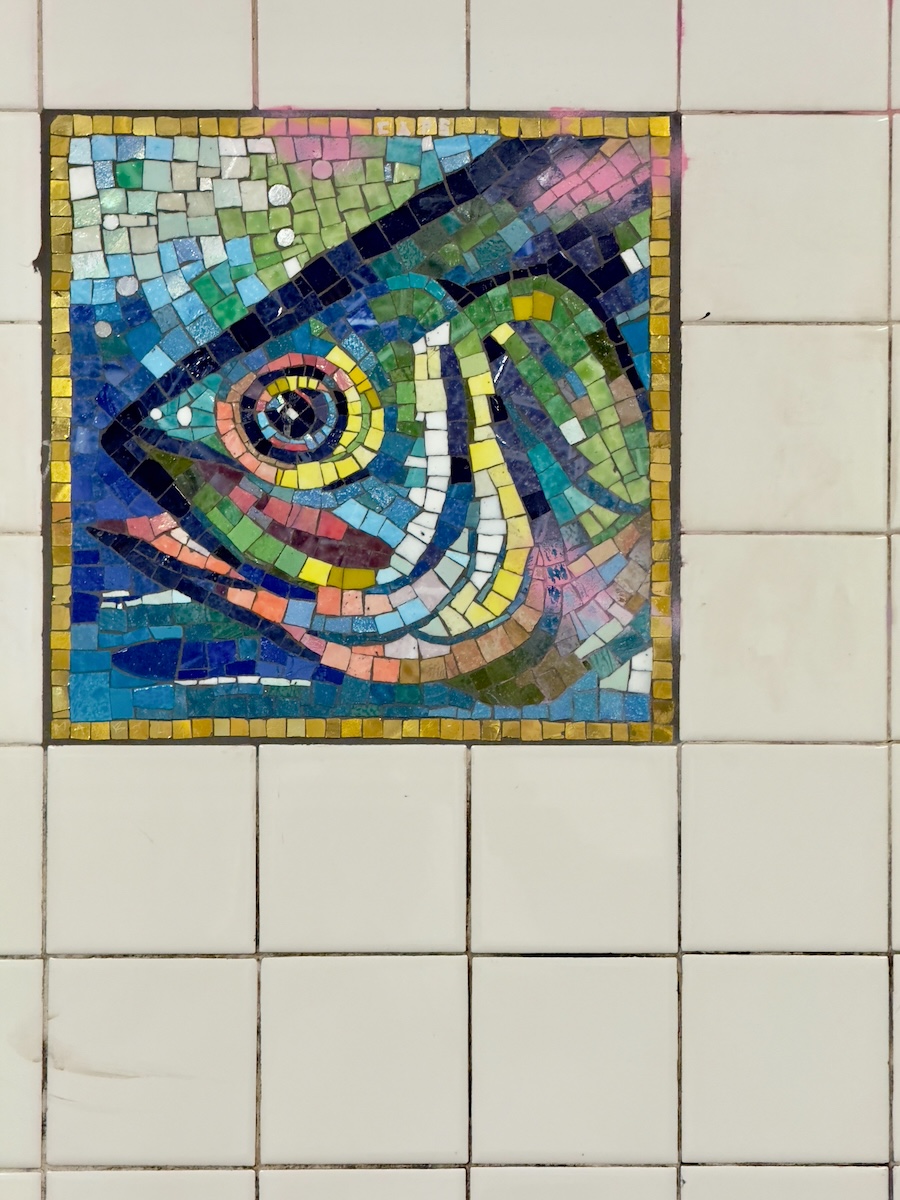
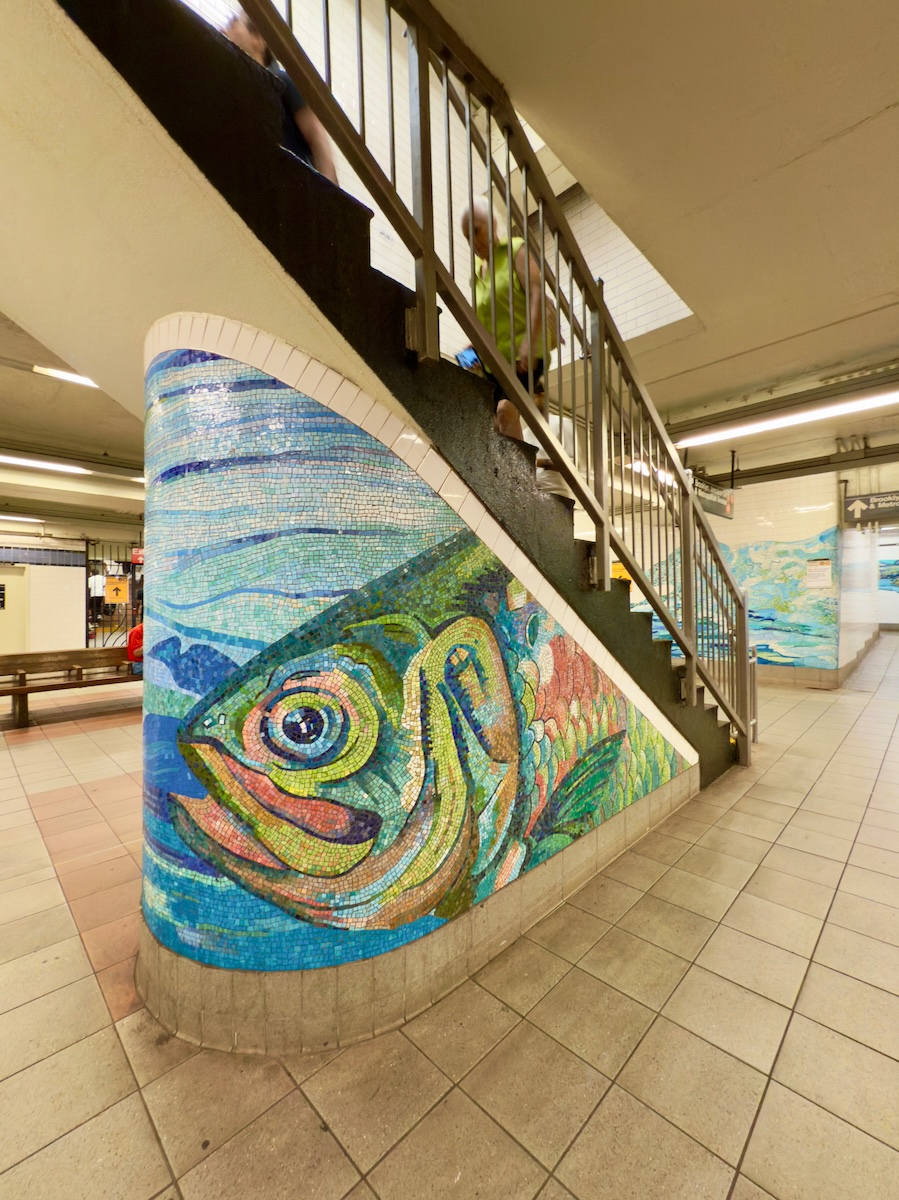
The fish here are impossible to ignore—and completely unexpected. Most subway stations settle for tile and typography, but Delancey installed a pair of giant herring as a reference to the neighborhood’s old fish markets. I approve.
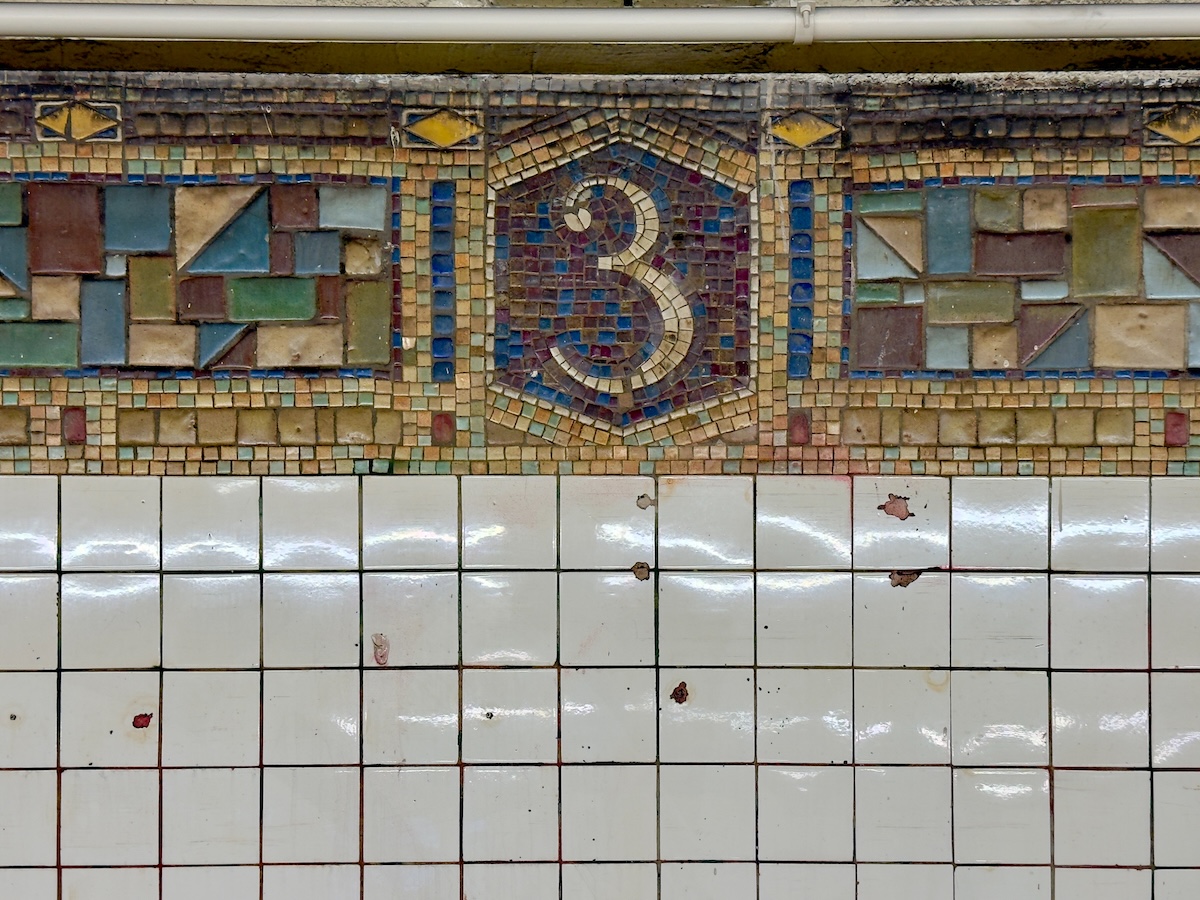
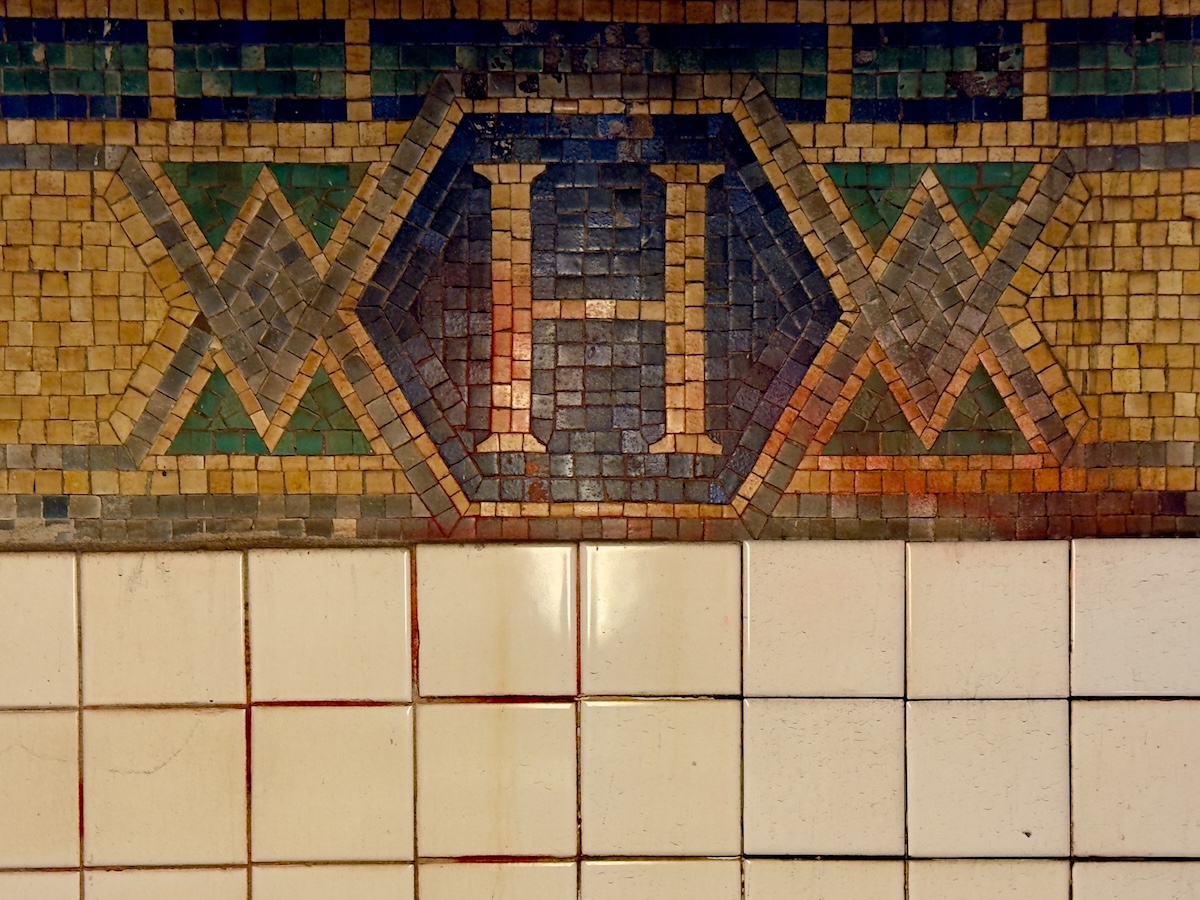
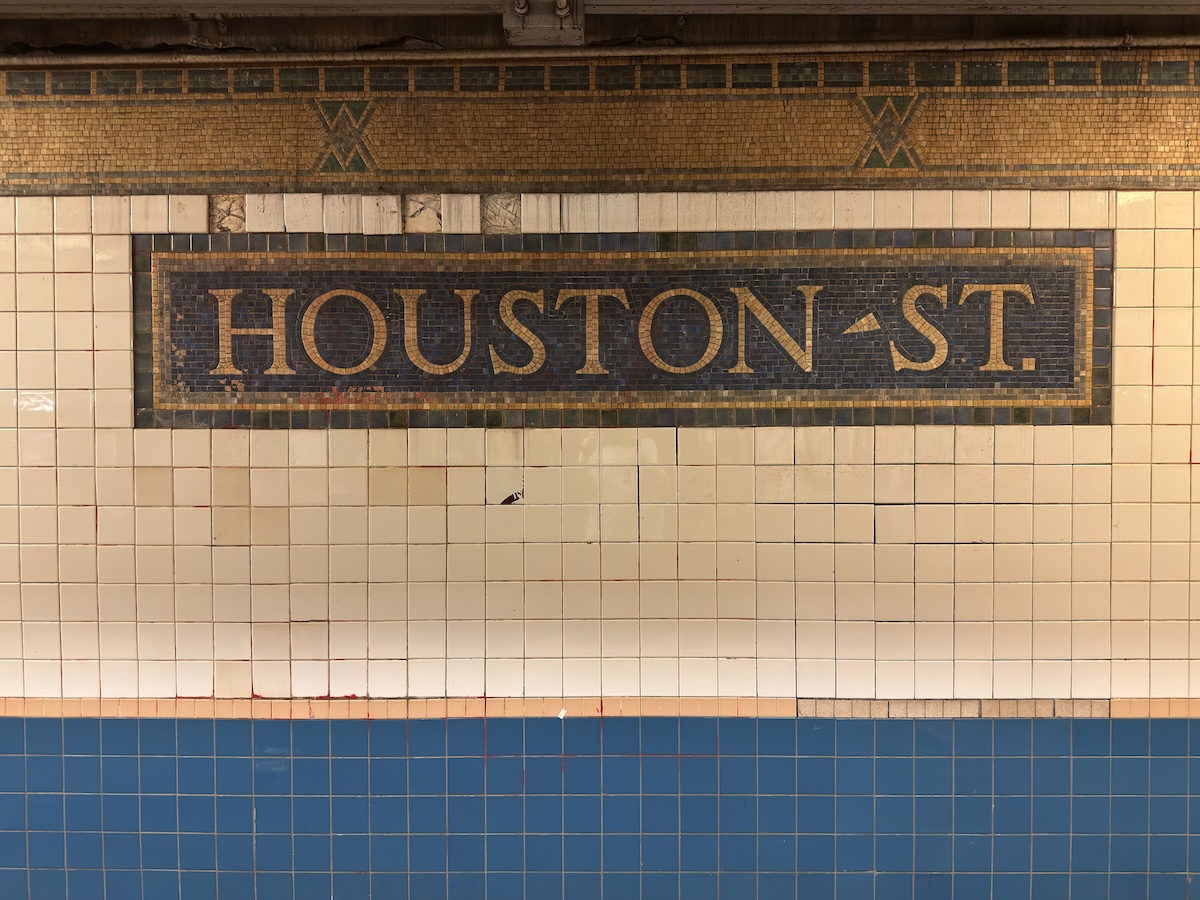
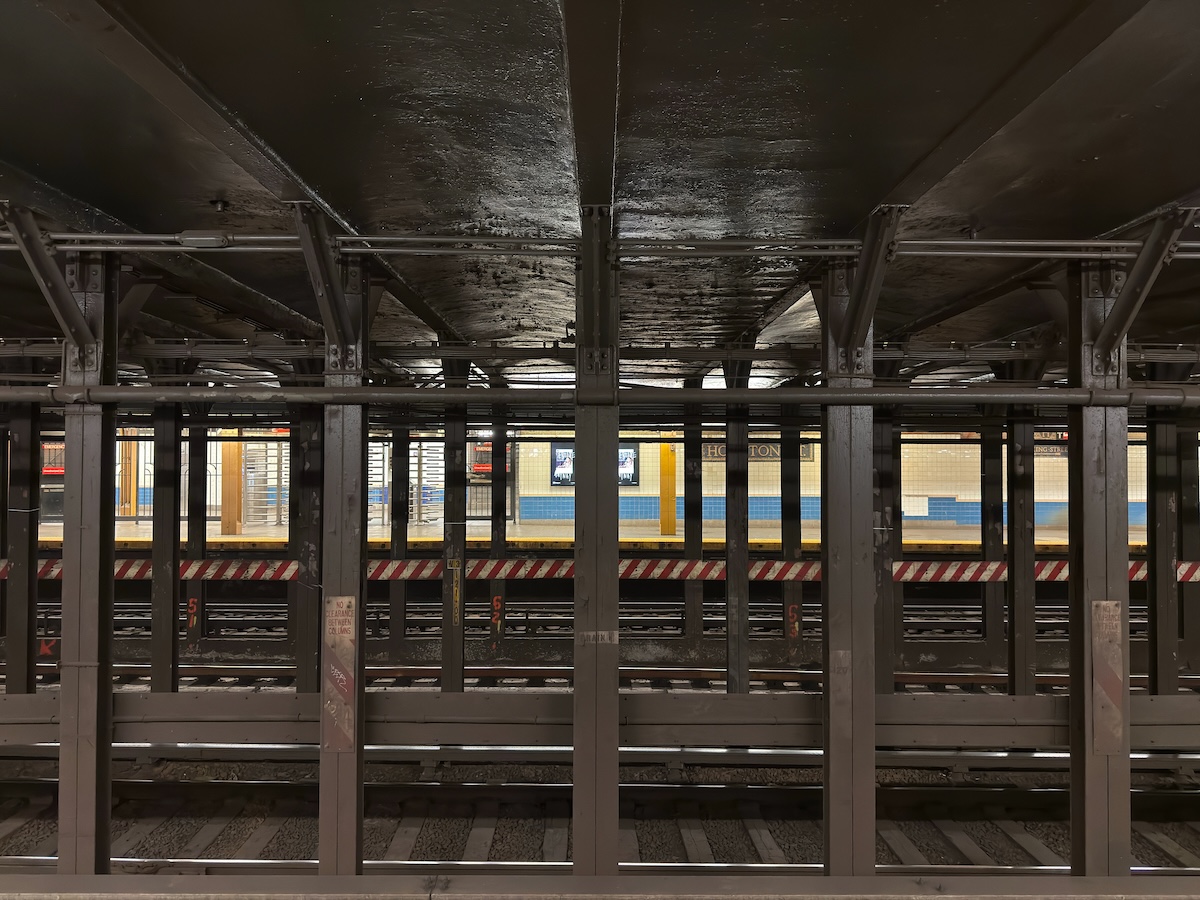
Houston Street
1 train
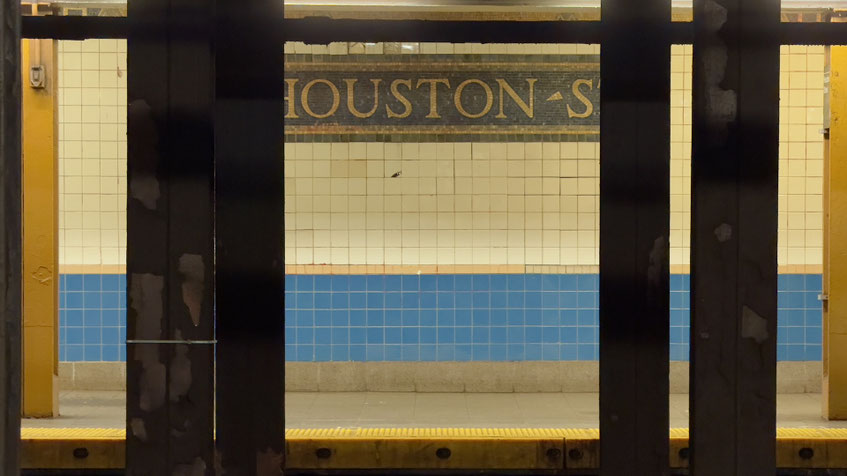
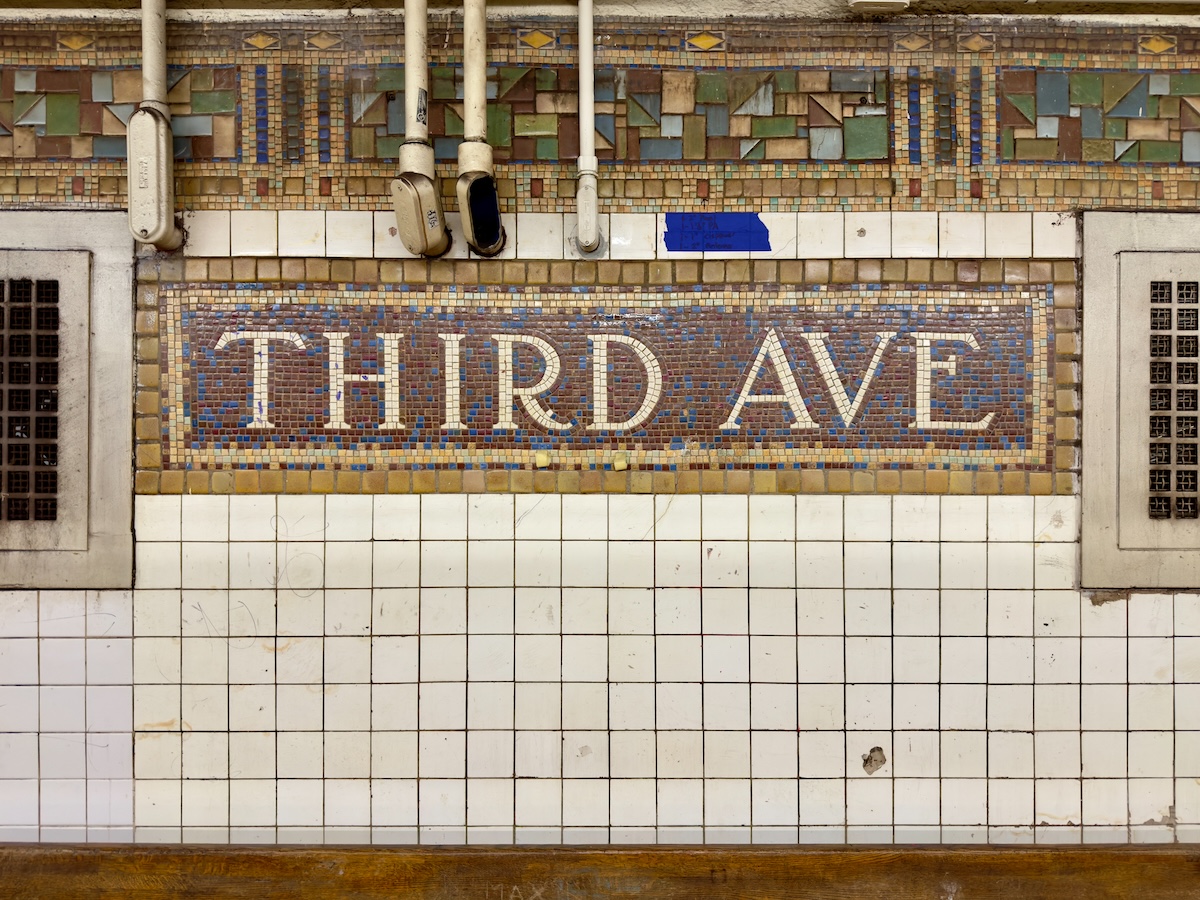
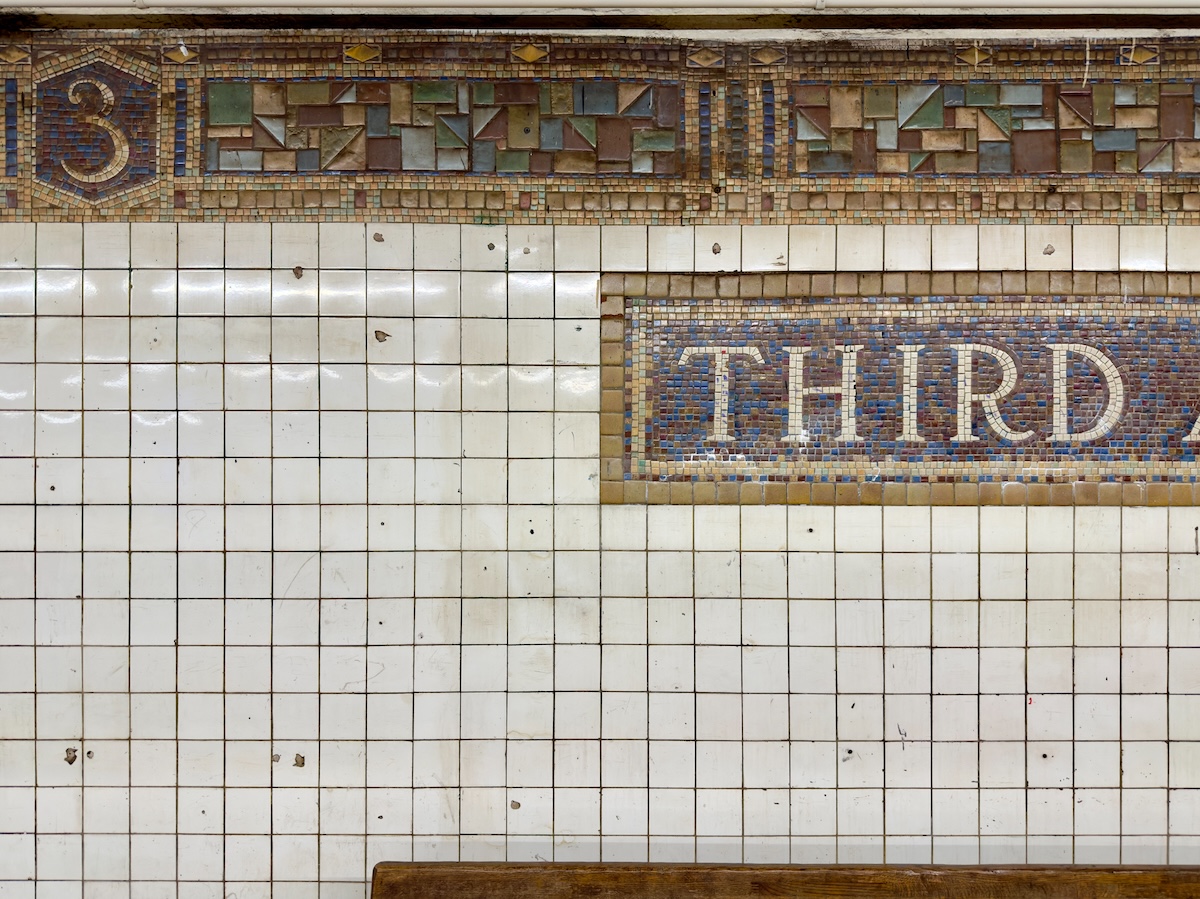
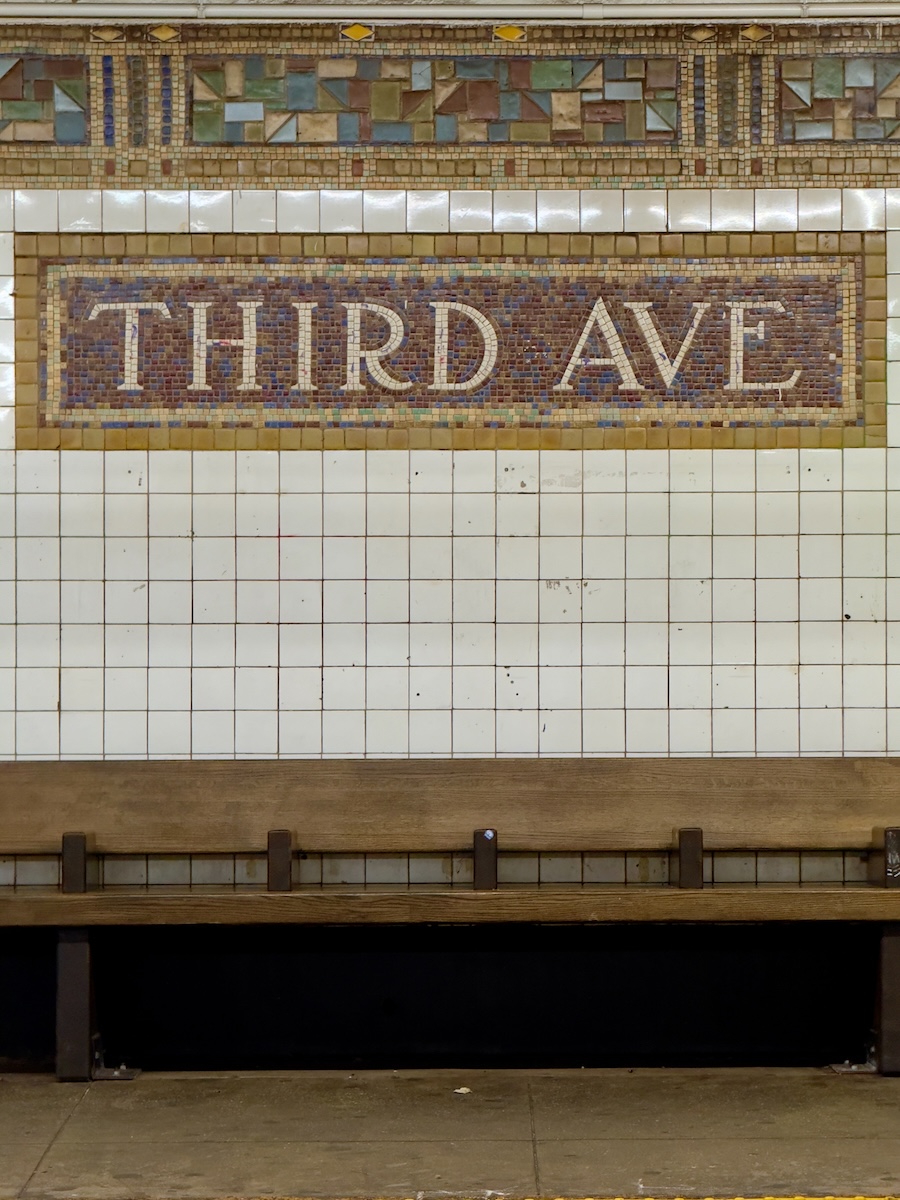
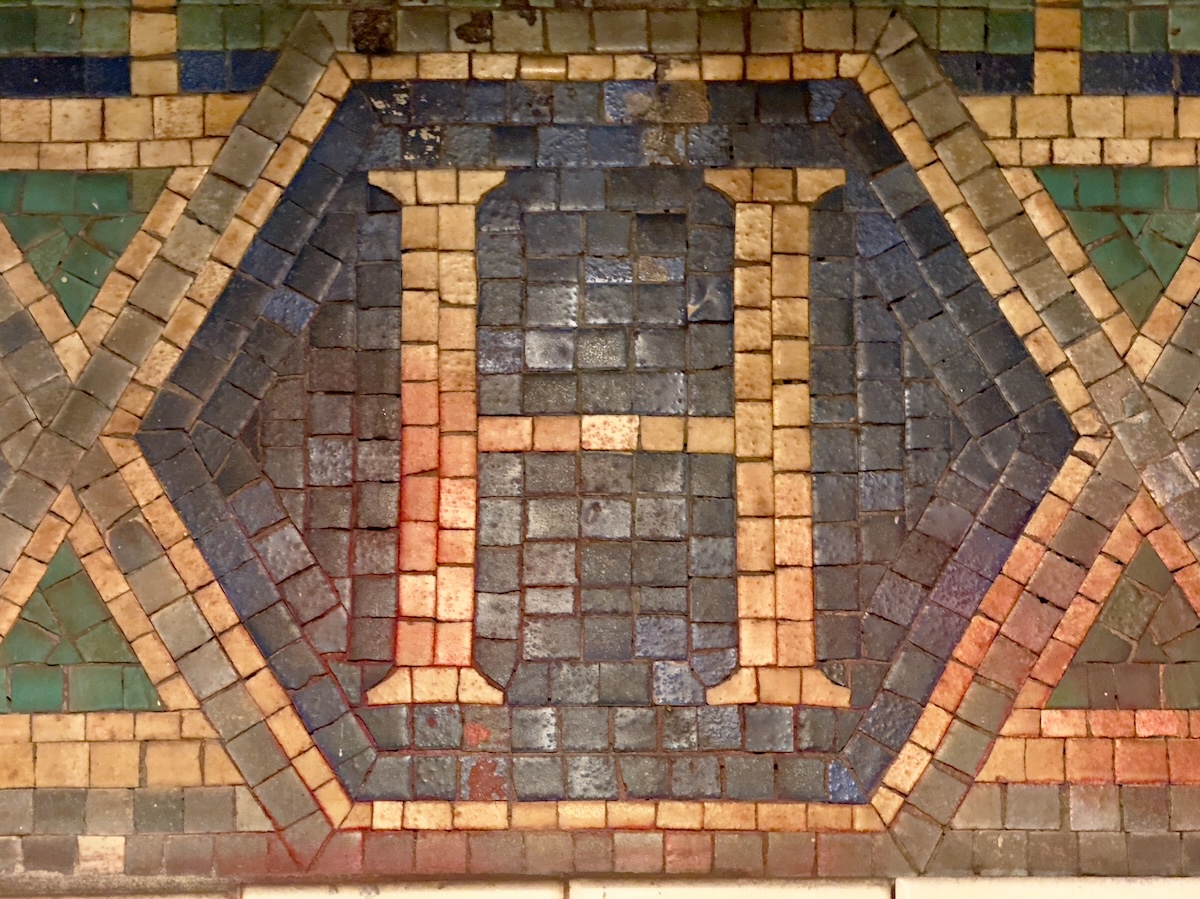
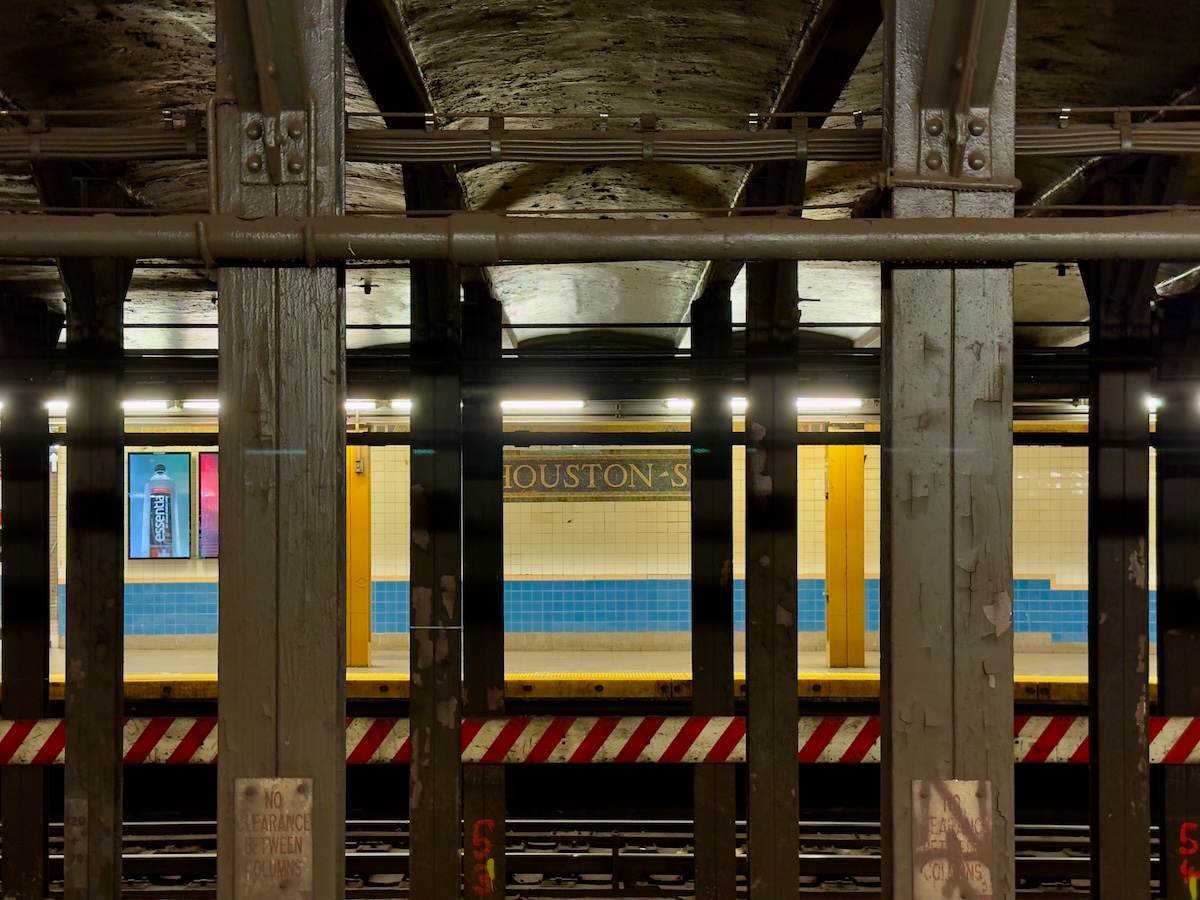
Some stations are designed. Others are old enough to have developed personalities. Houston Street belongs in the second category.
Bleecker Street
4, 6 trains
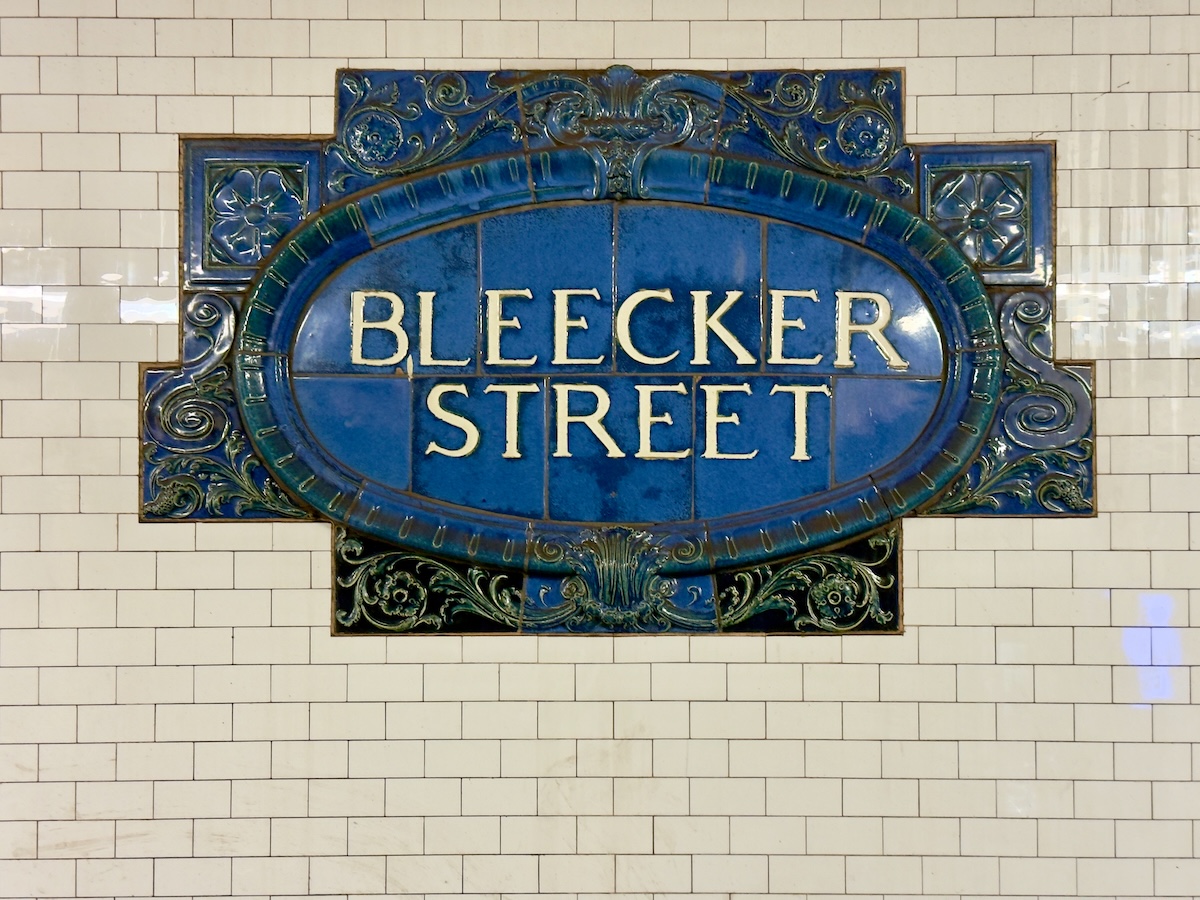
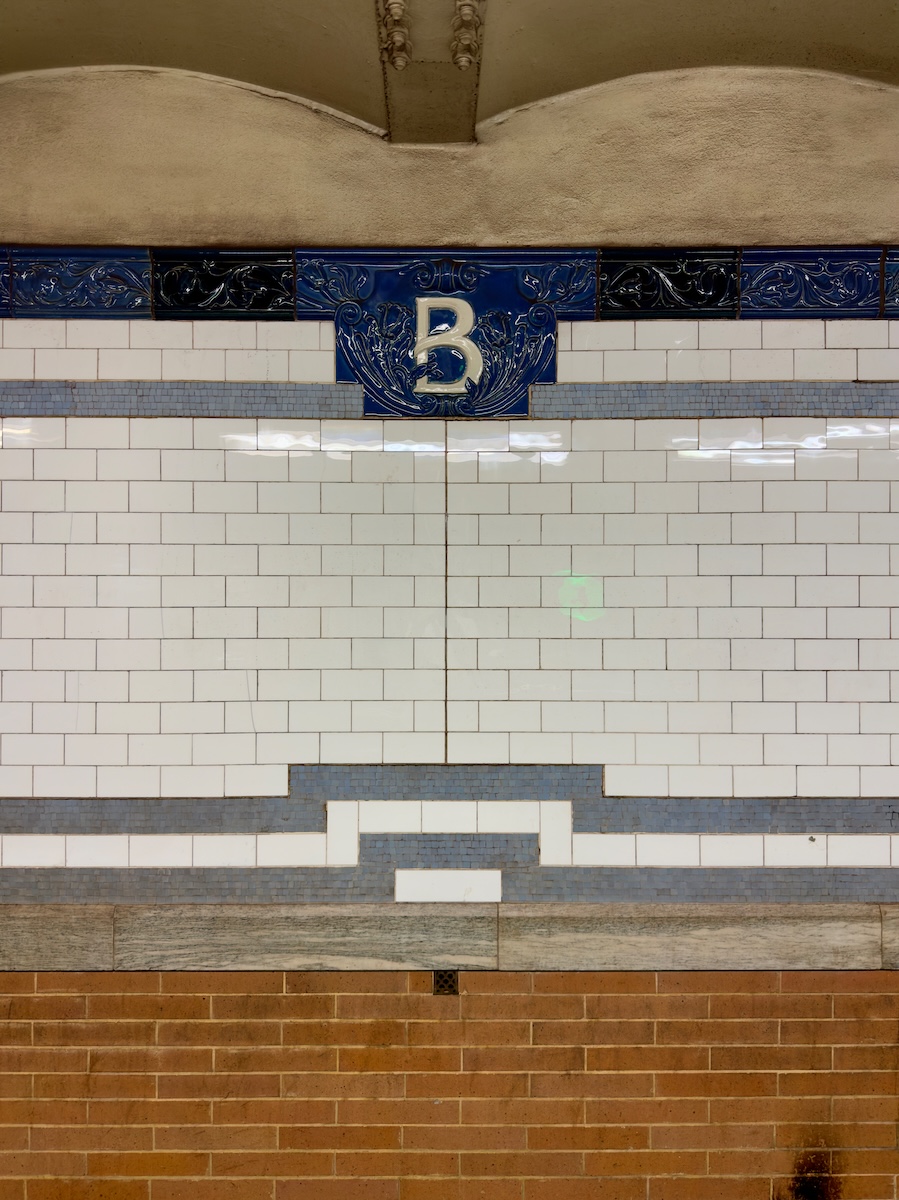
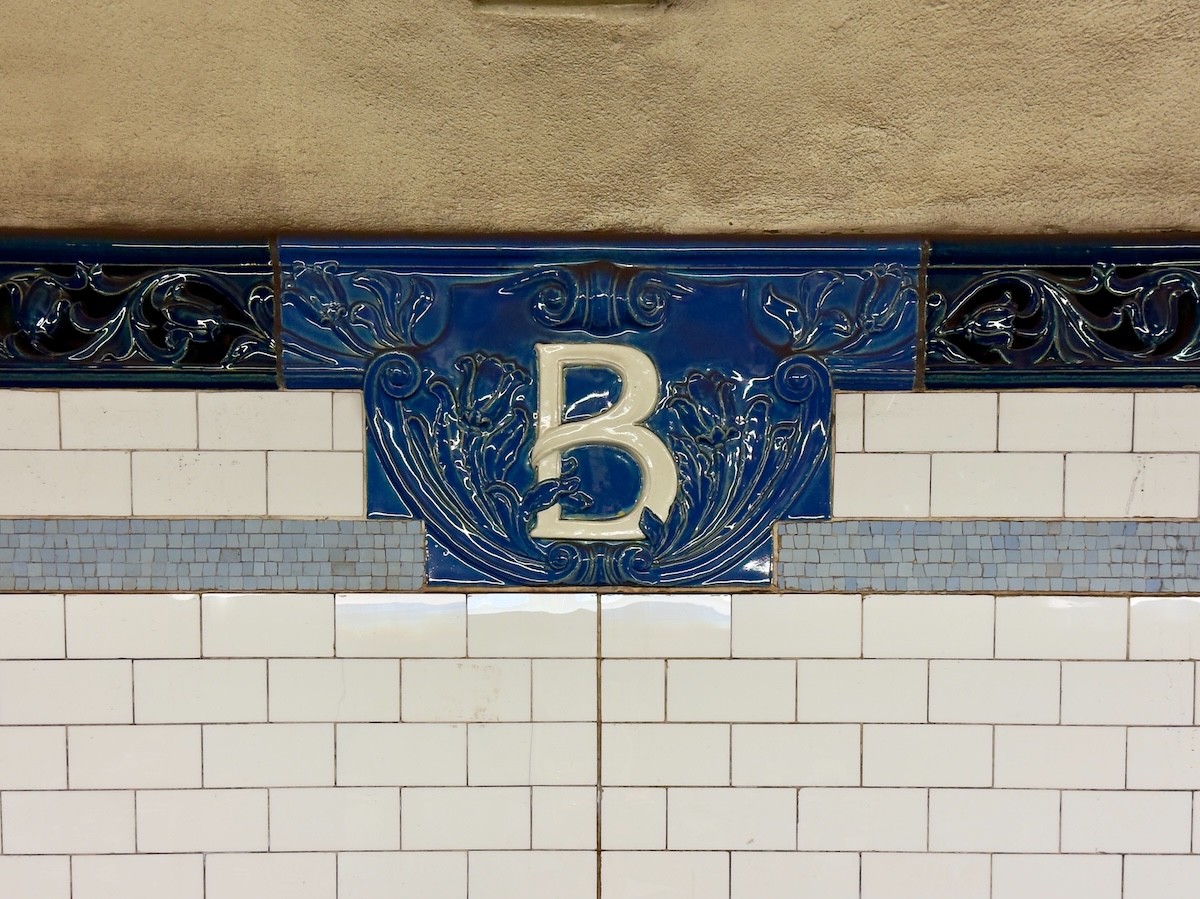
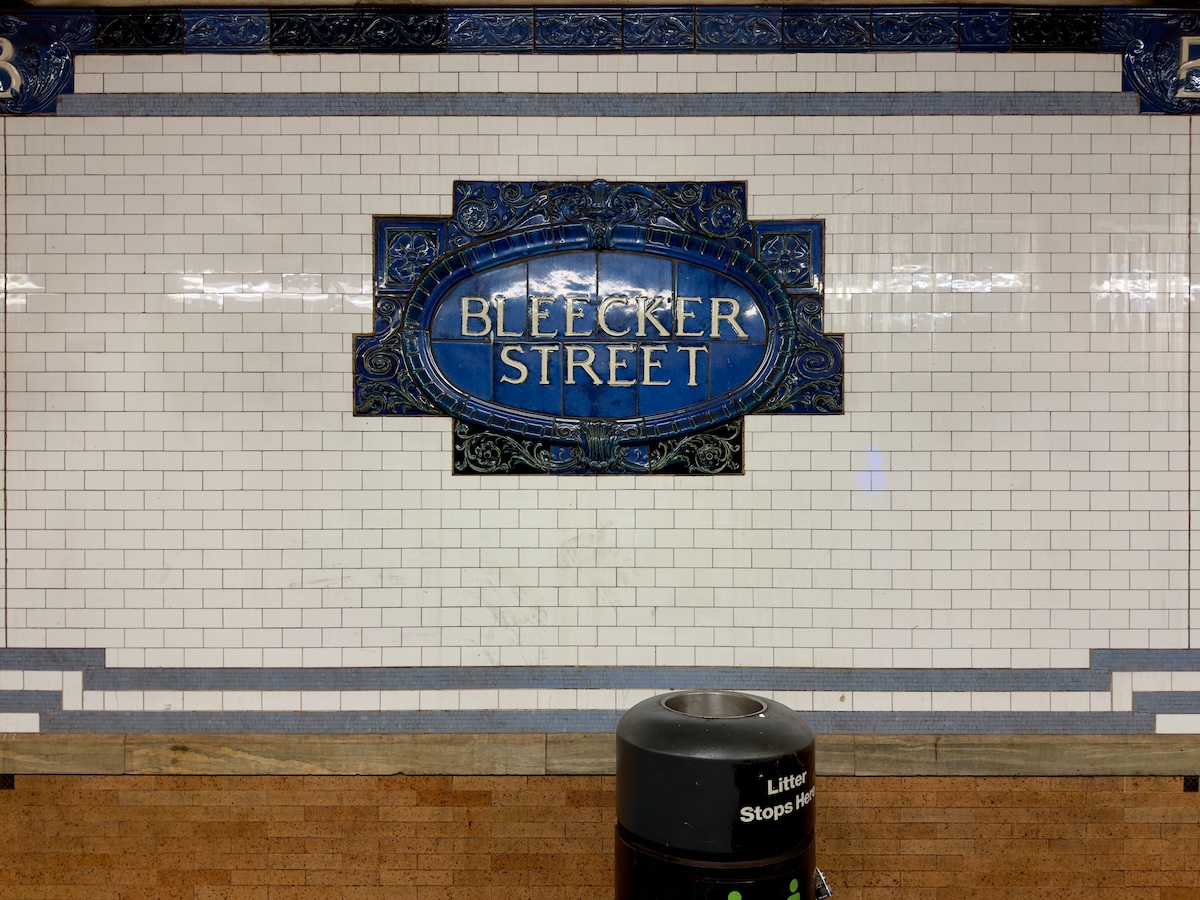
When I think of New York subway stations, this is exactly what I picture in my mind. The blue ceramic tablet somehow feels elegant and utilitarian at the same time.
Brooklyn Bridge–City Hall / Chambers Street
4, 5, 6, J, Z trains
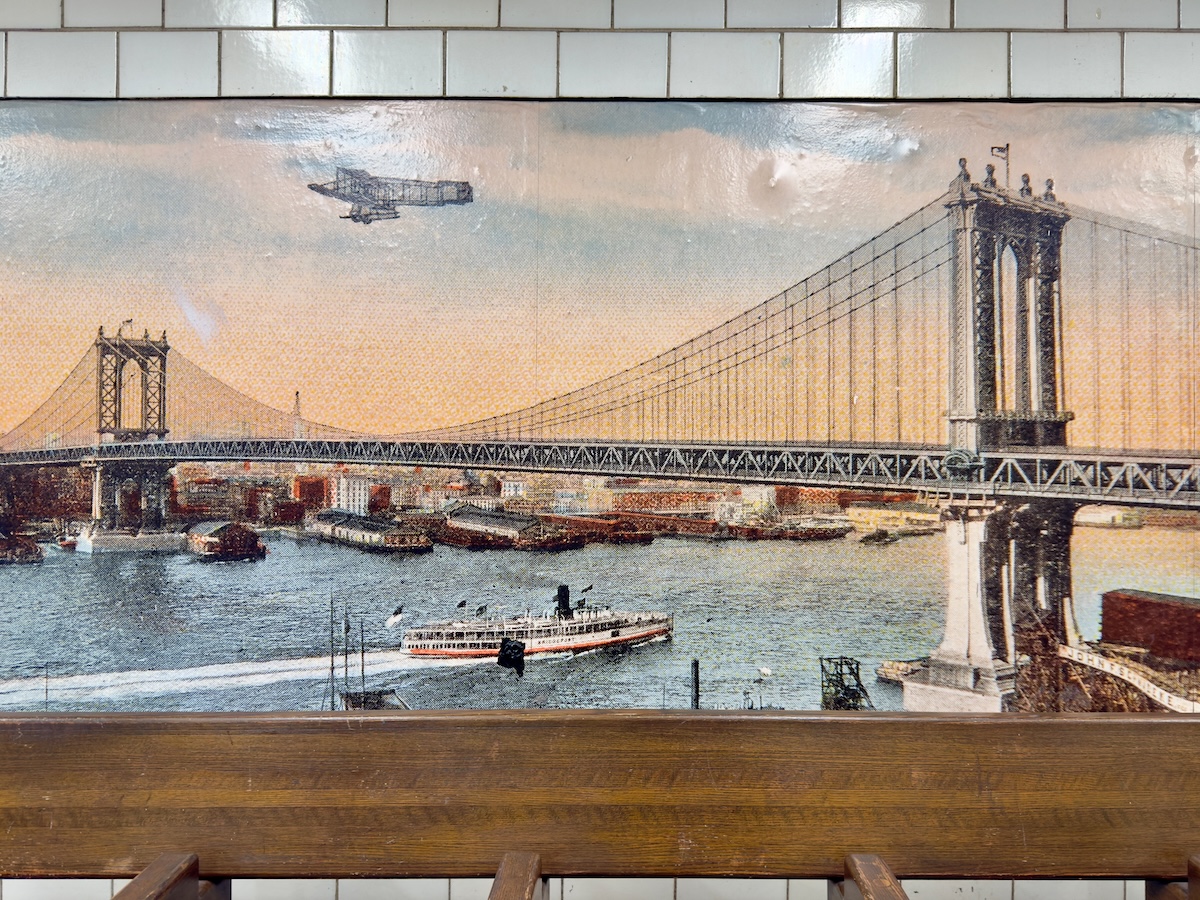
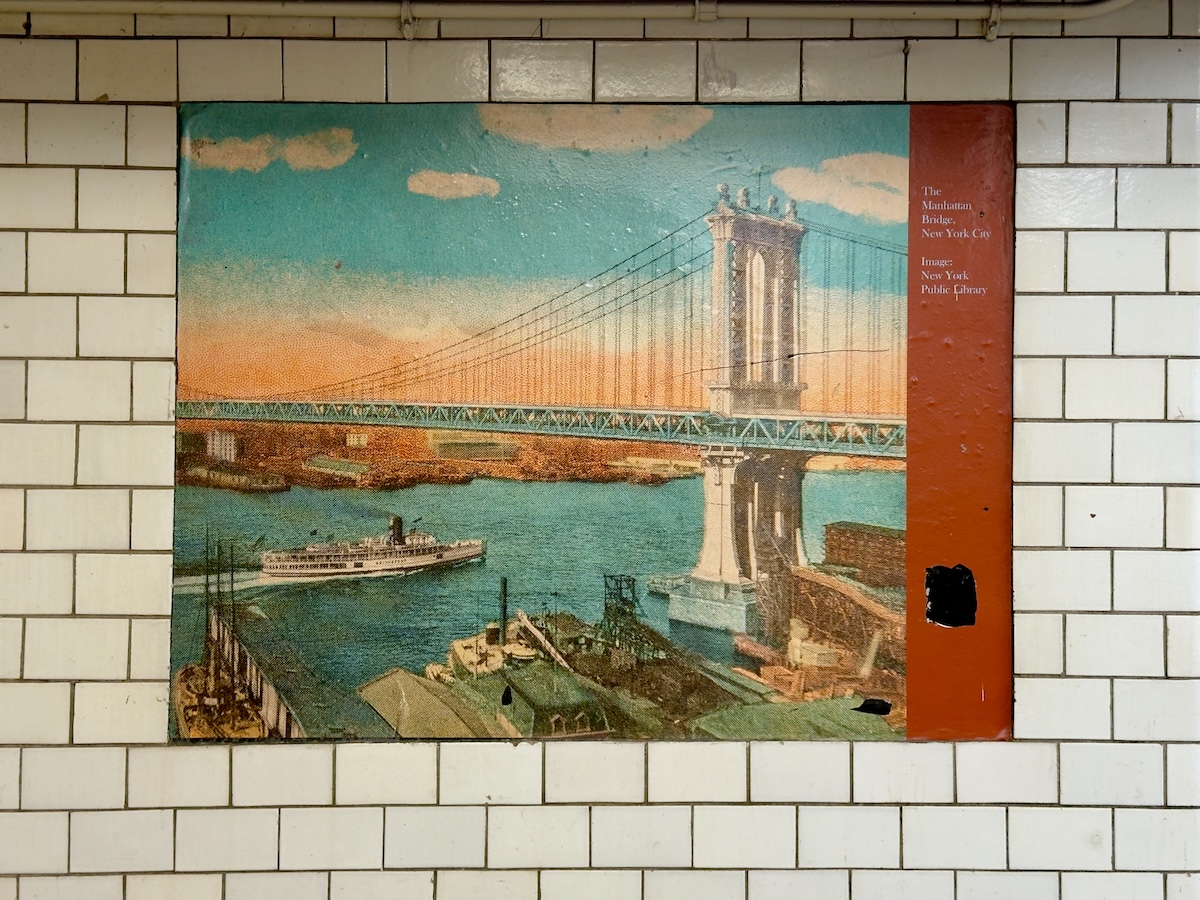
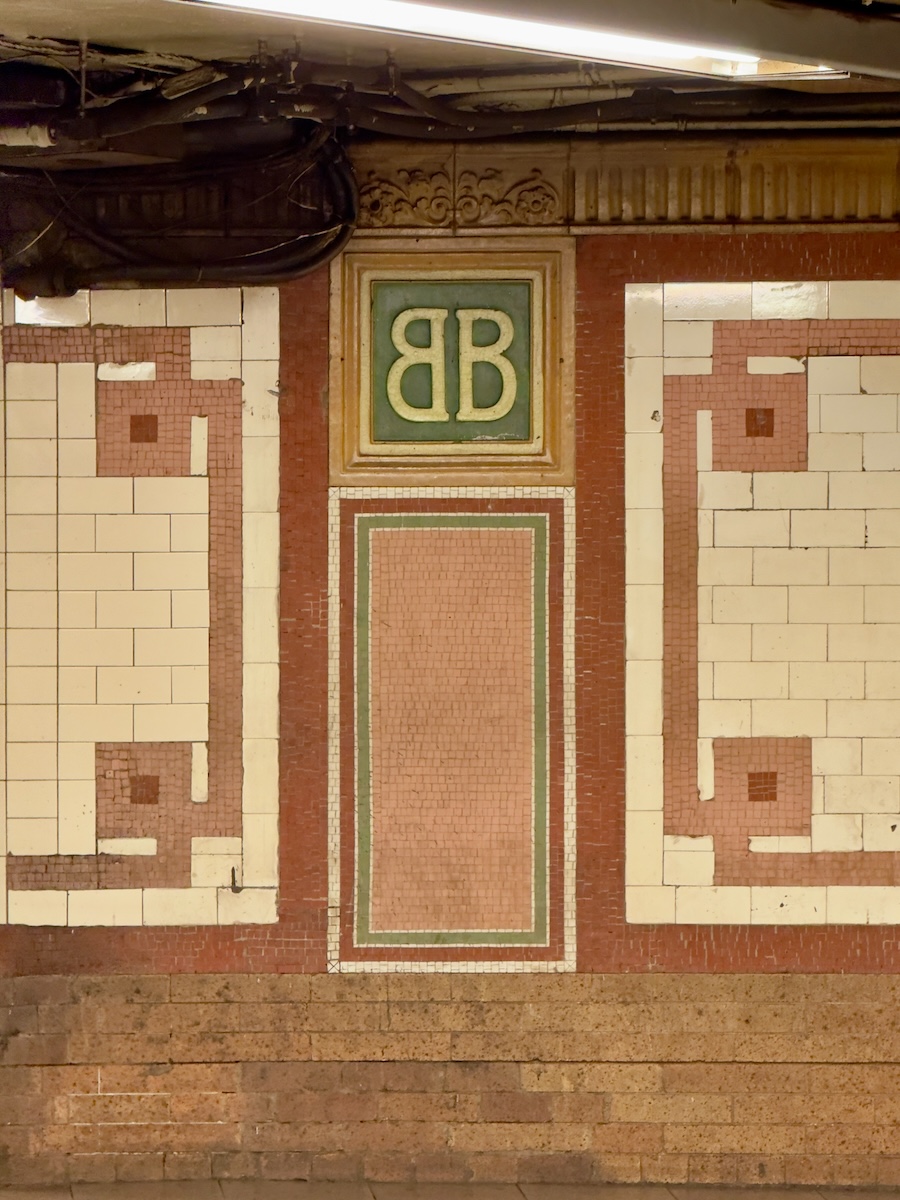
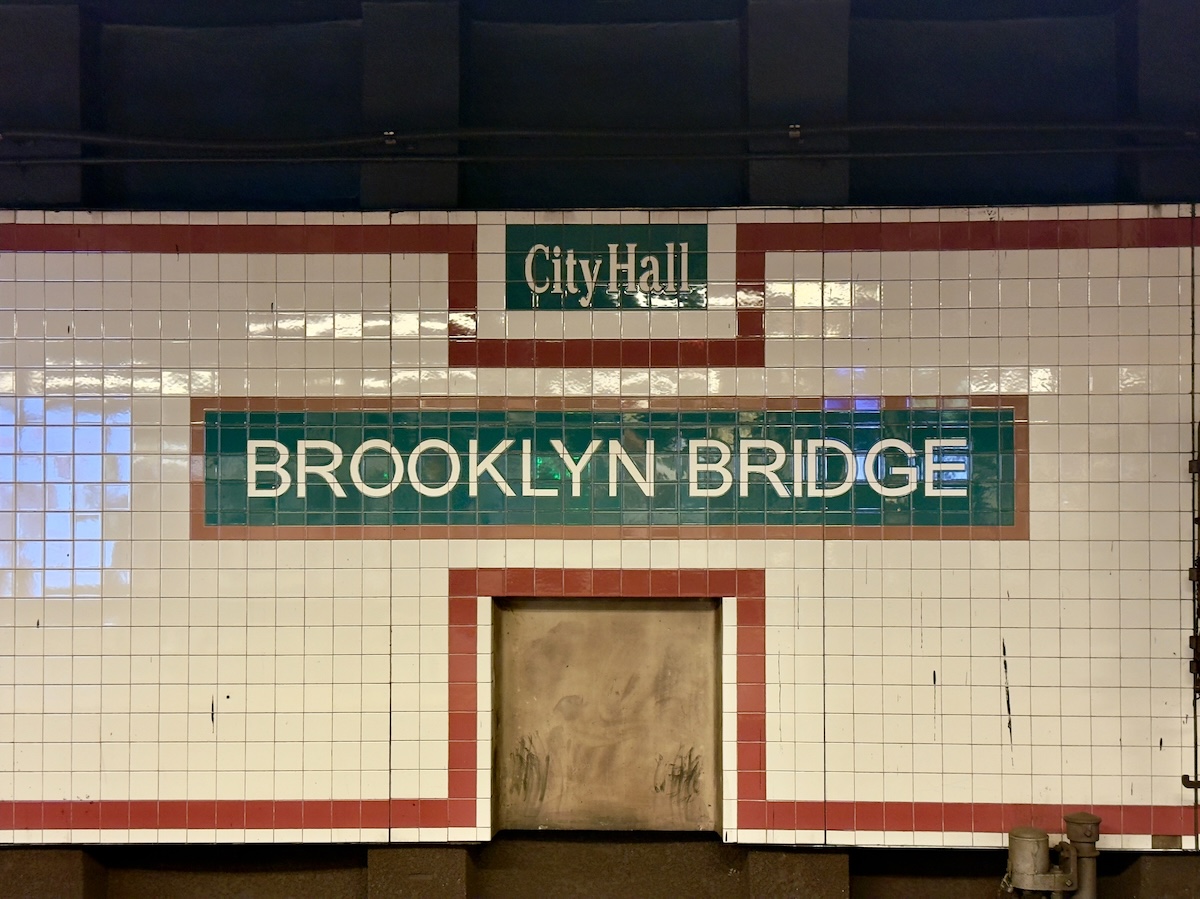
This station includes historical images of the city’s most famous bridge. New York has never been especially shy about reminding visitors that it built some impressive things.
Fulton Street
2, 3, 4, 5, A, C, J, Z trains
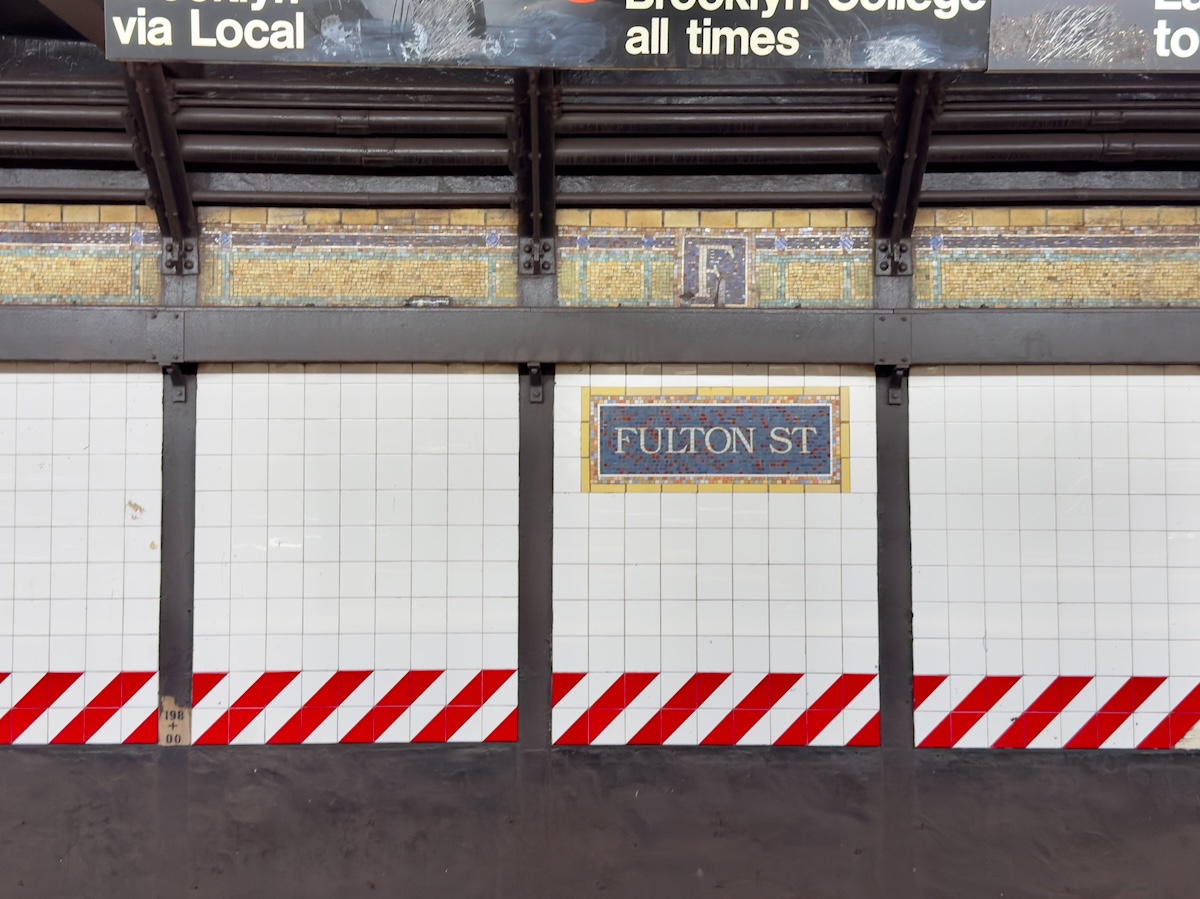
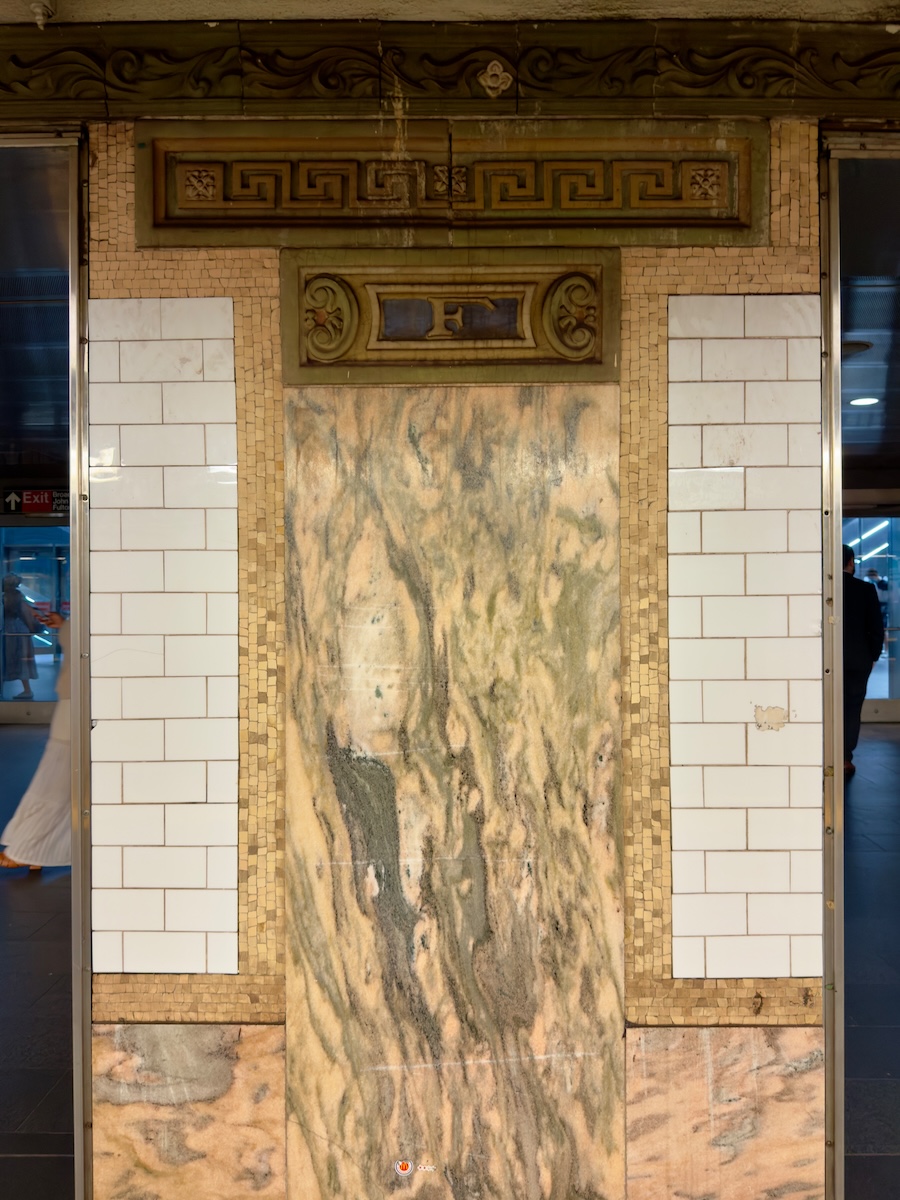
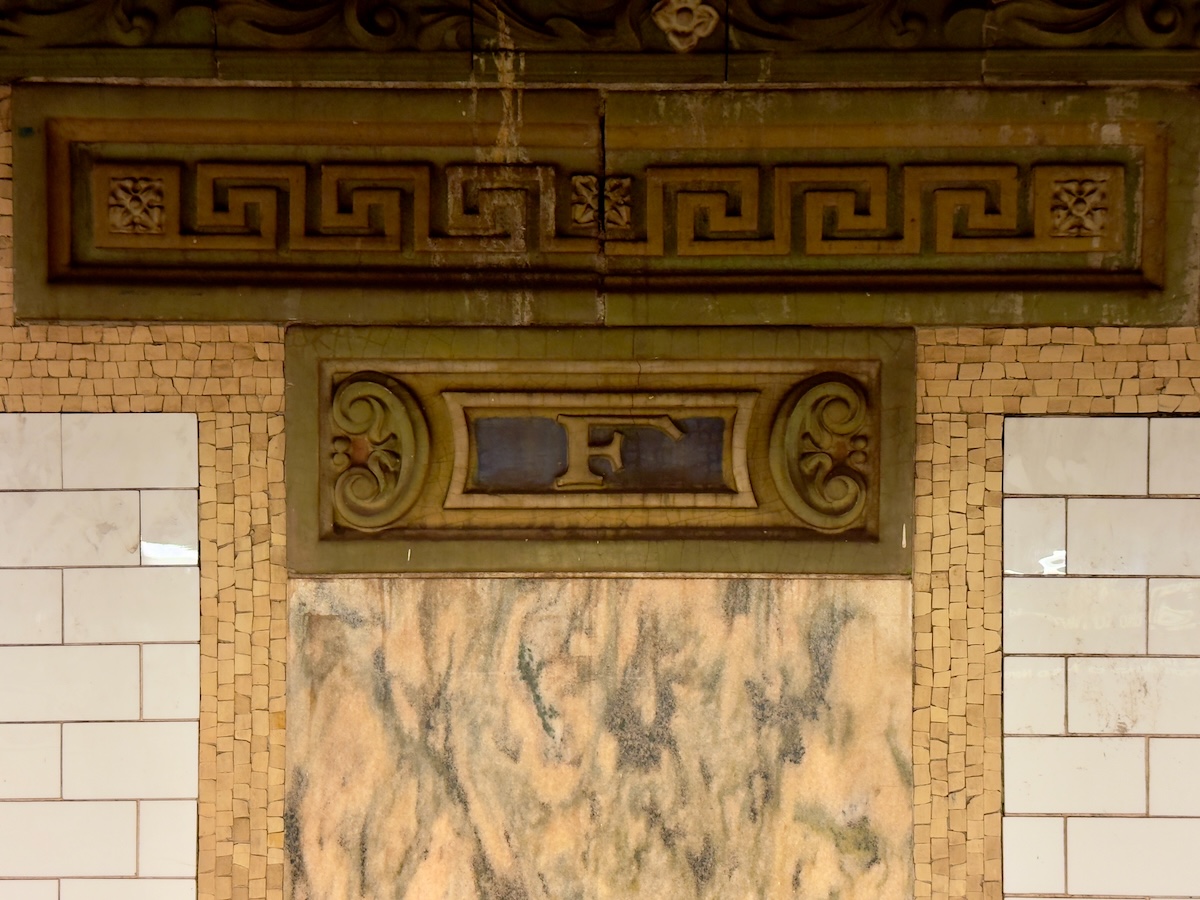
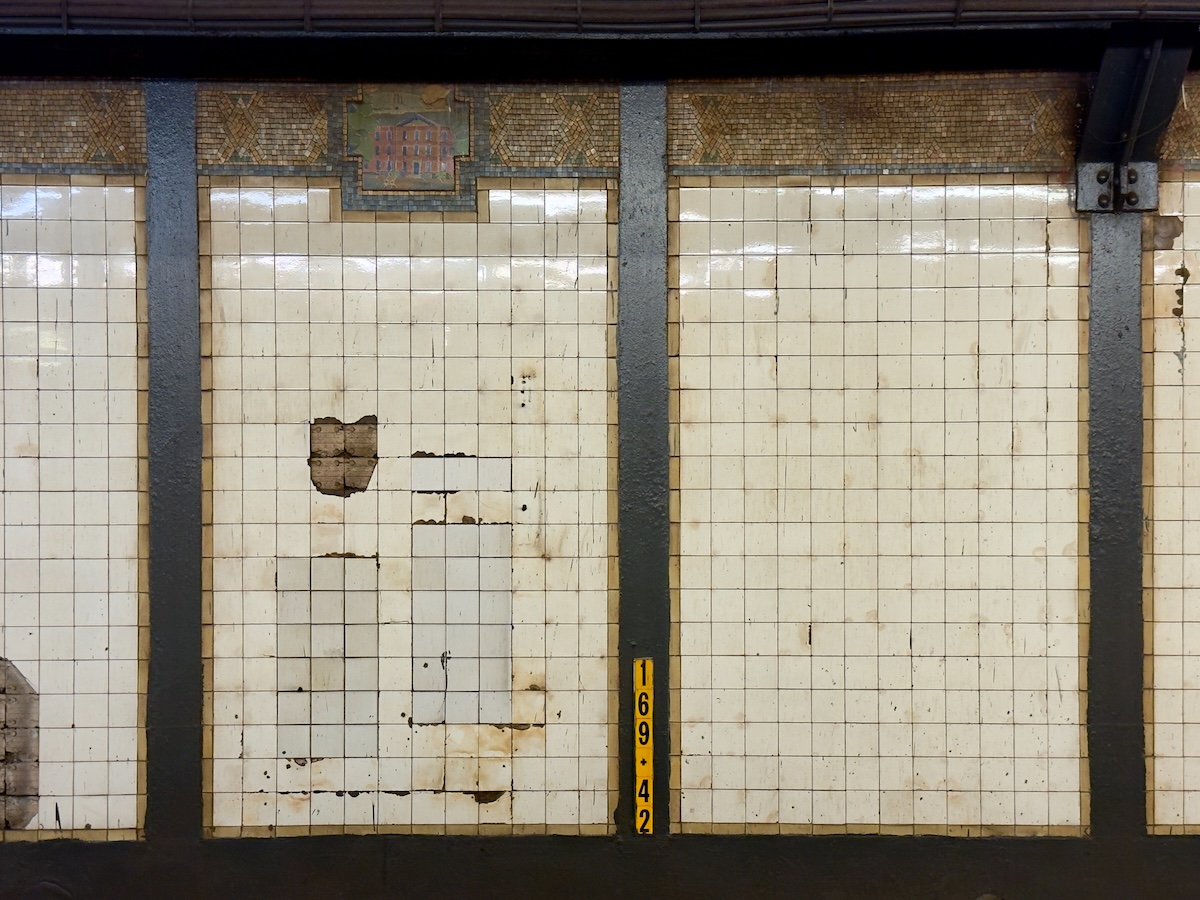
The station’s historic tilework rewards anyone willing to look past the signs, barriers, and endless stream of commuters. Sometimes New York hides its best details in plain sight and then relies on you to notice them.
Midtown
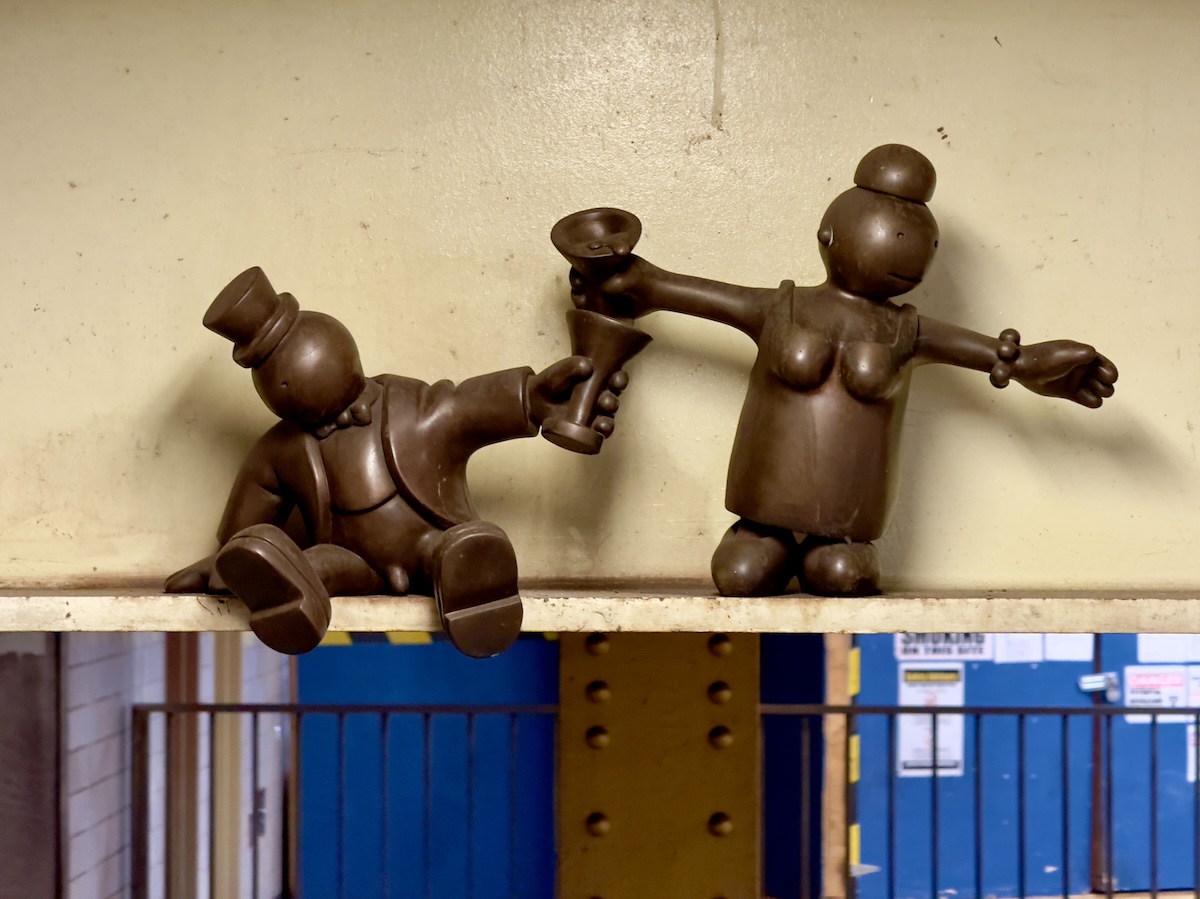
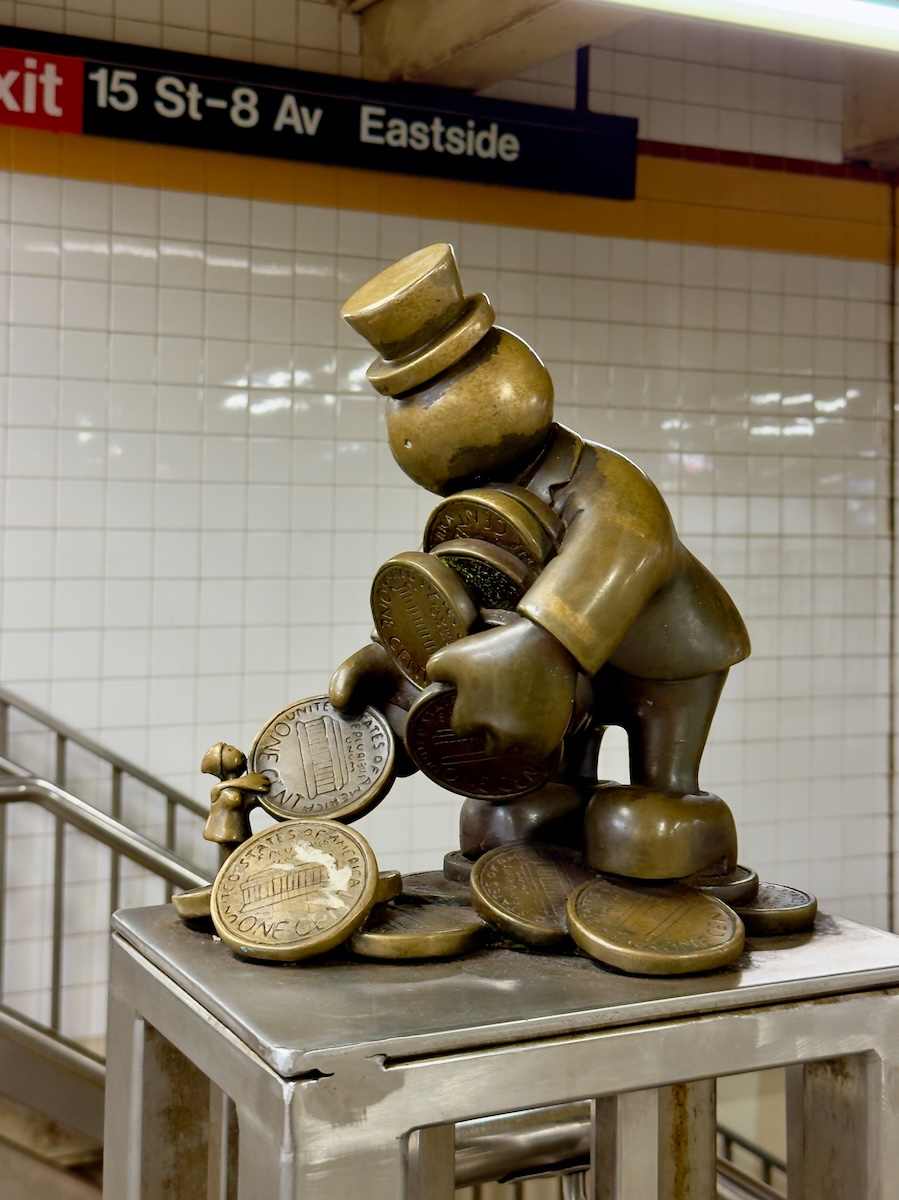
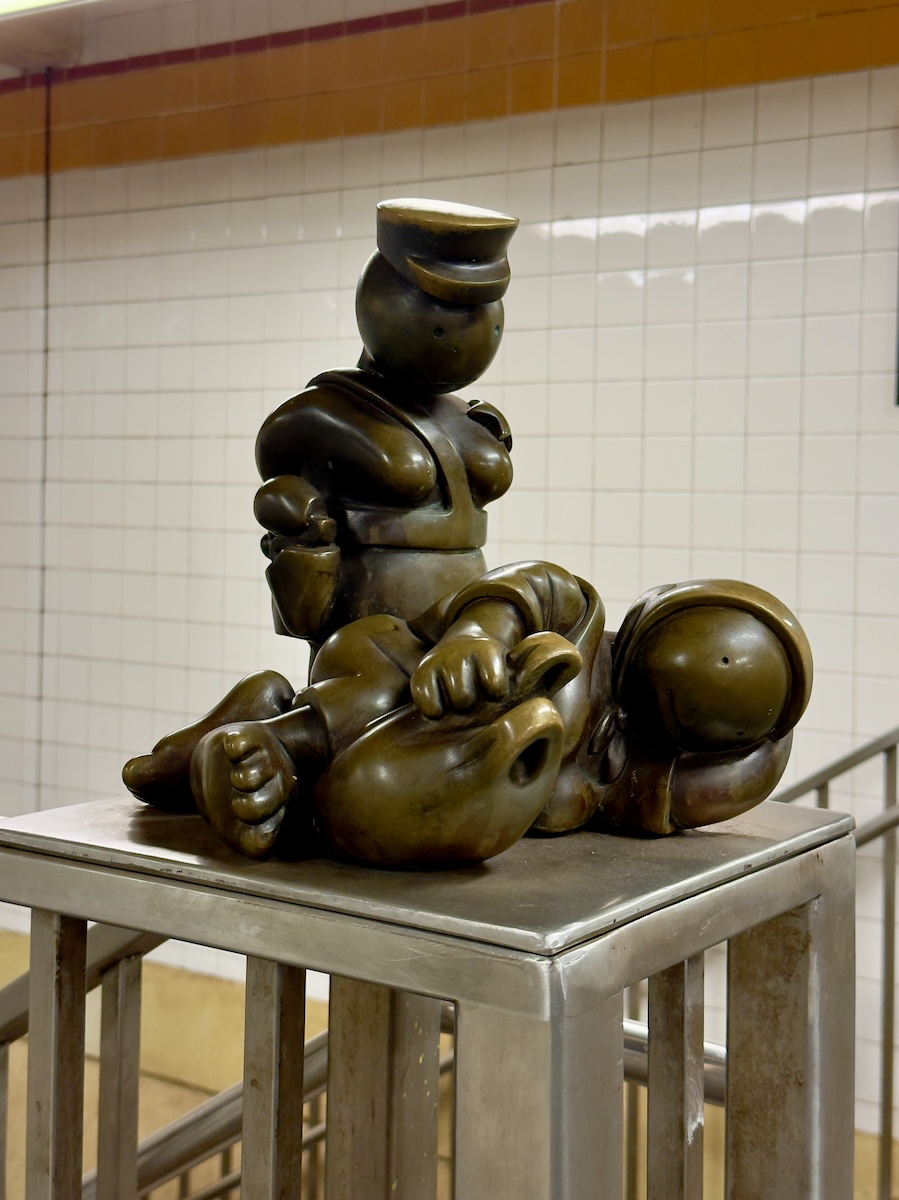
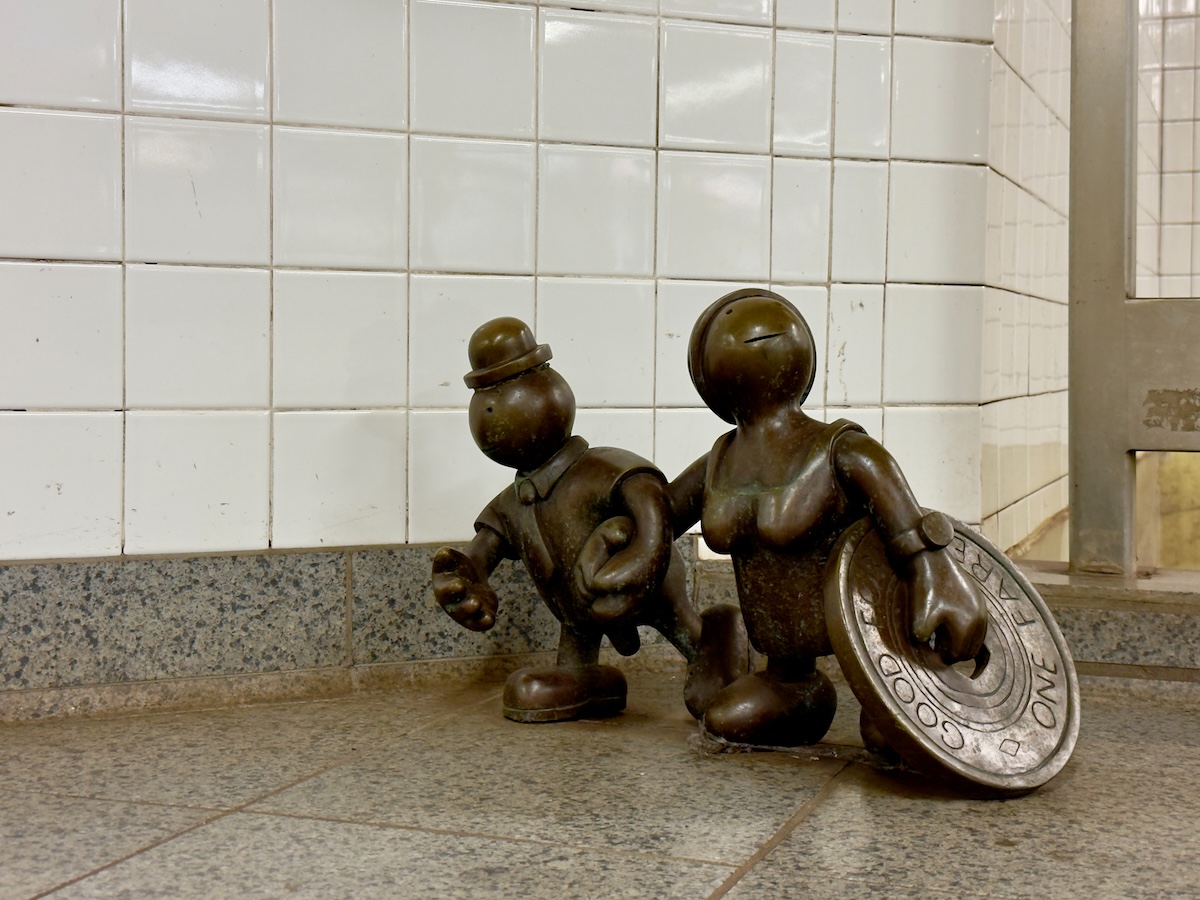
14th Street–8th Avenue
A, C, E, L trains
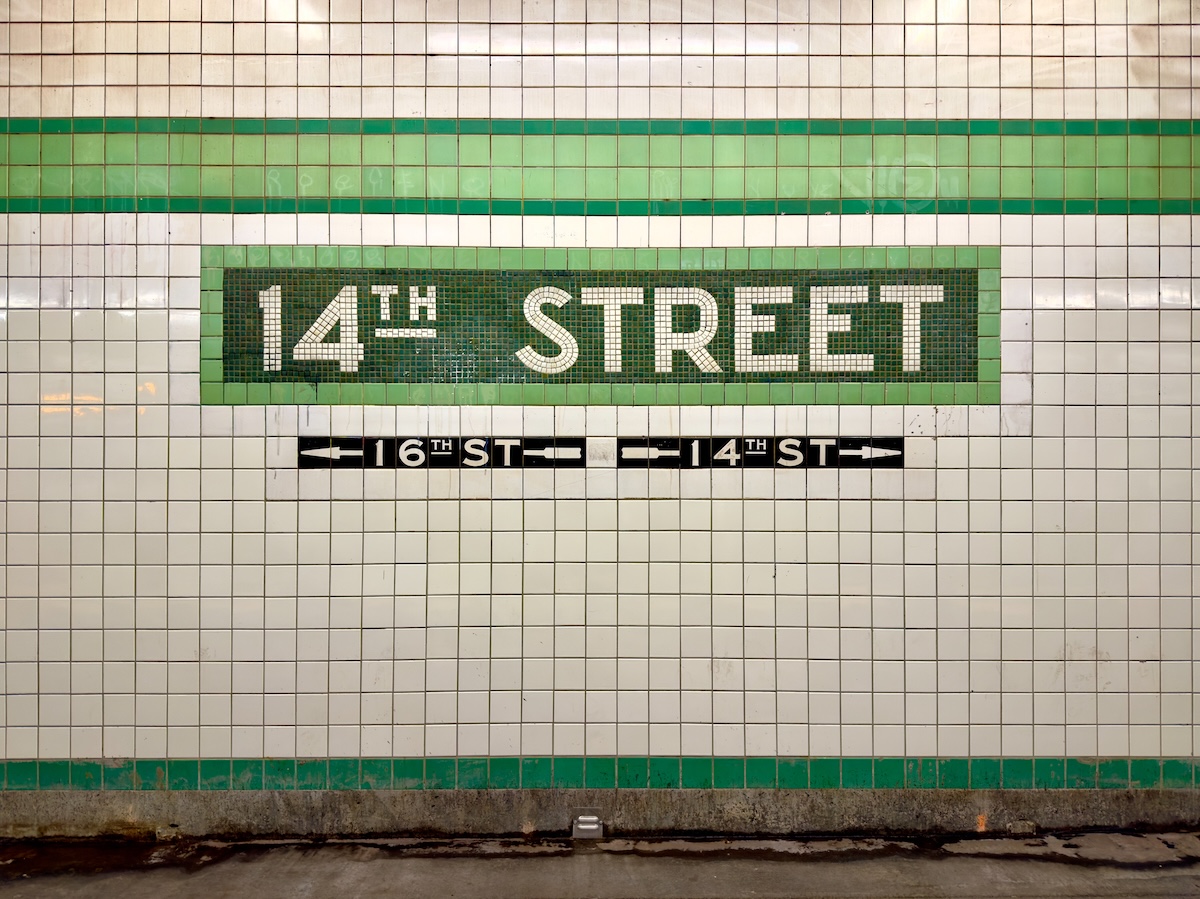
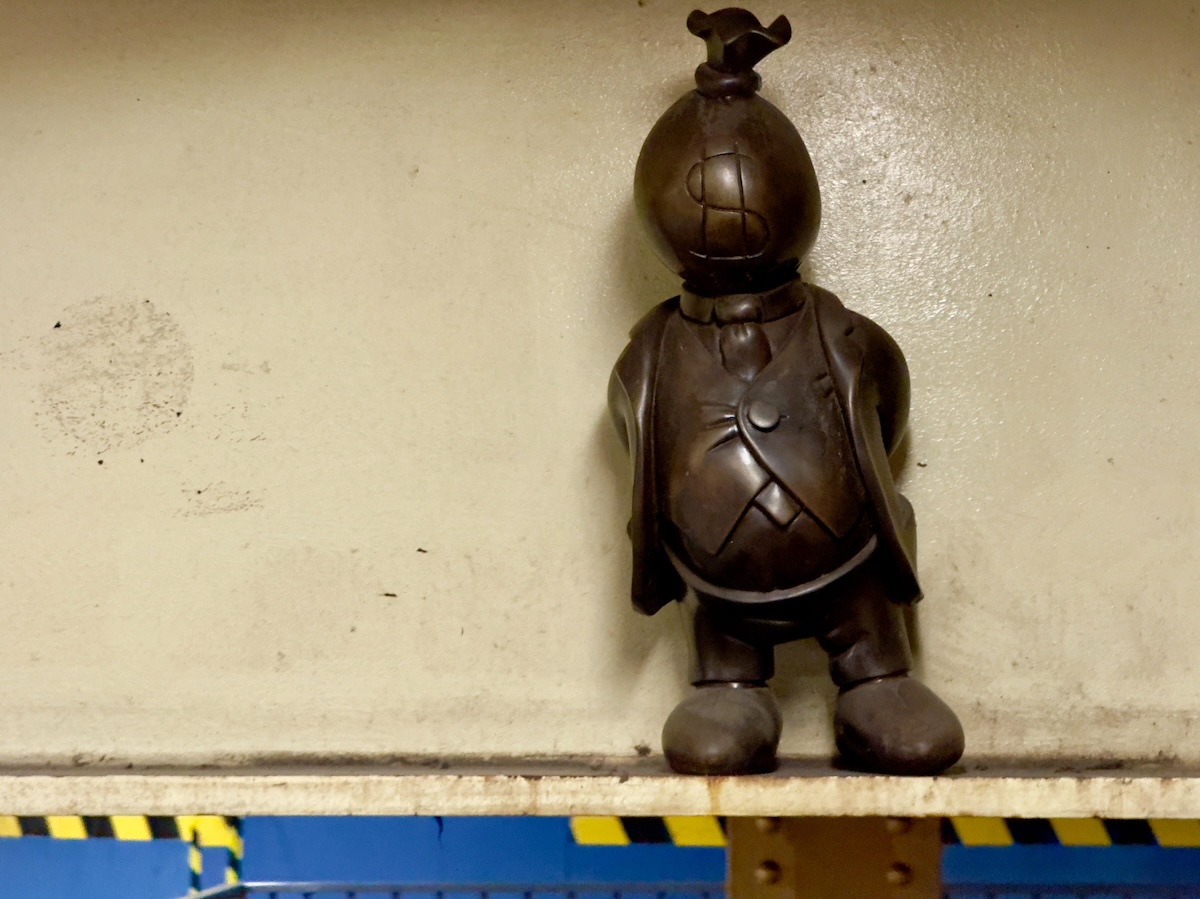
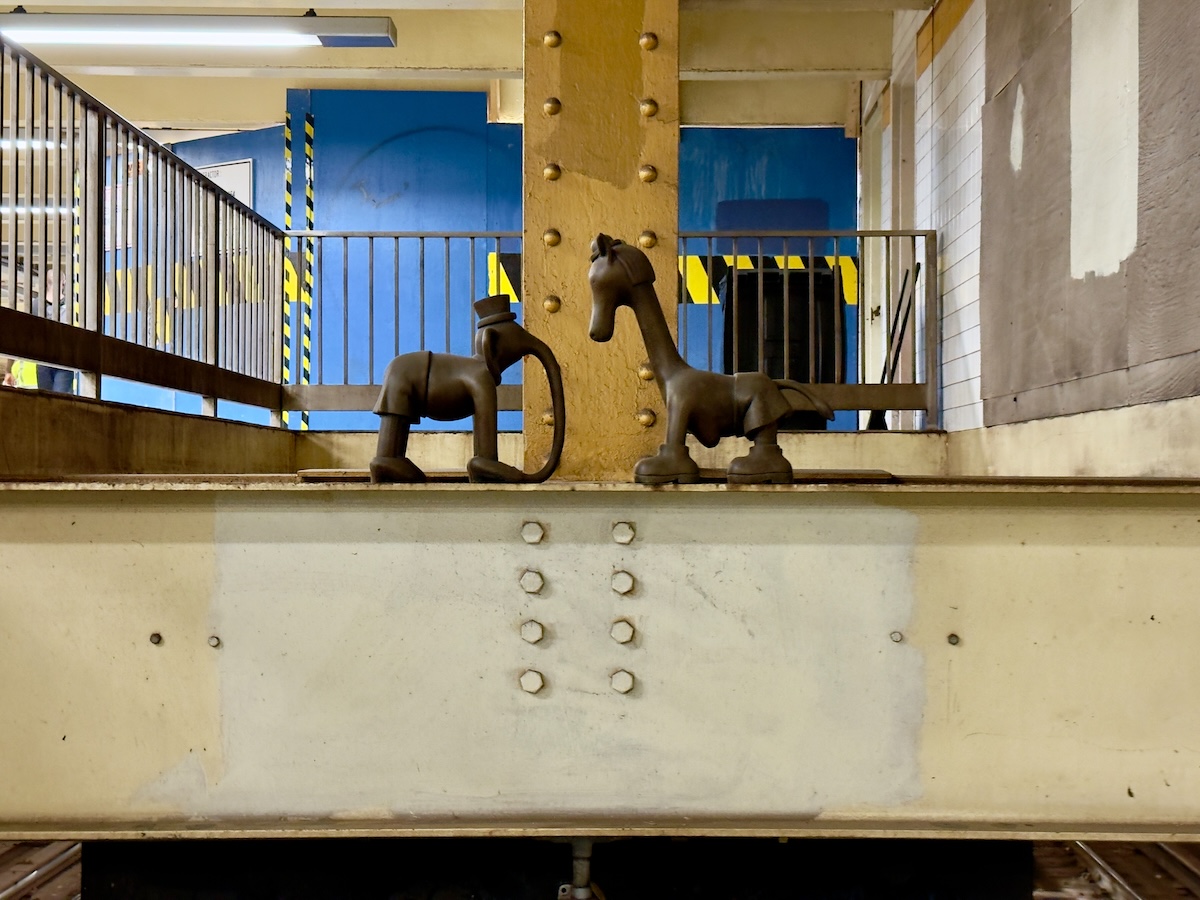
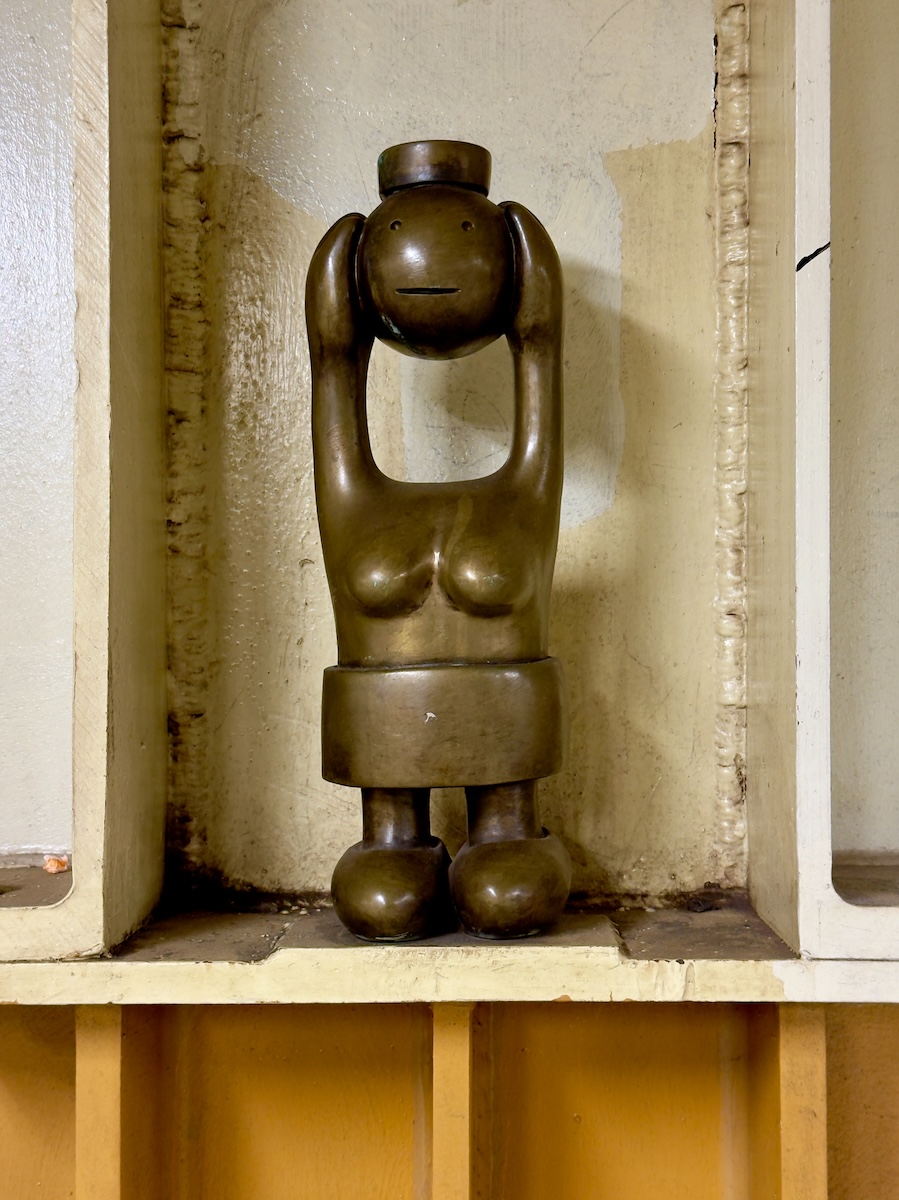
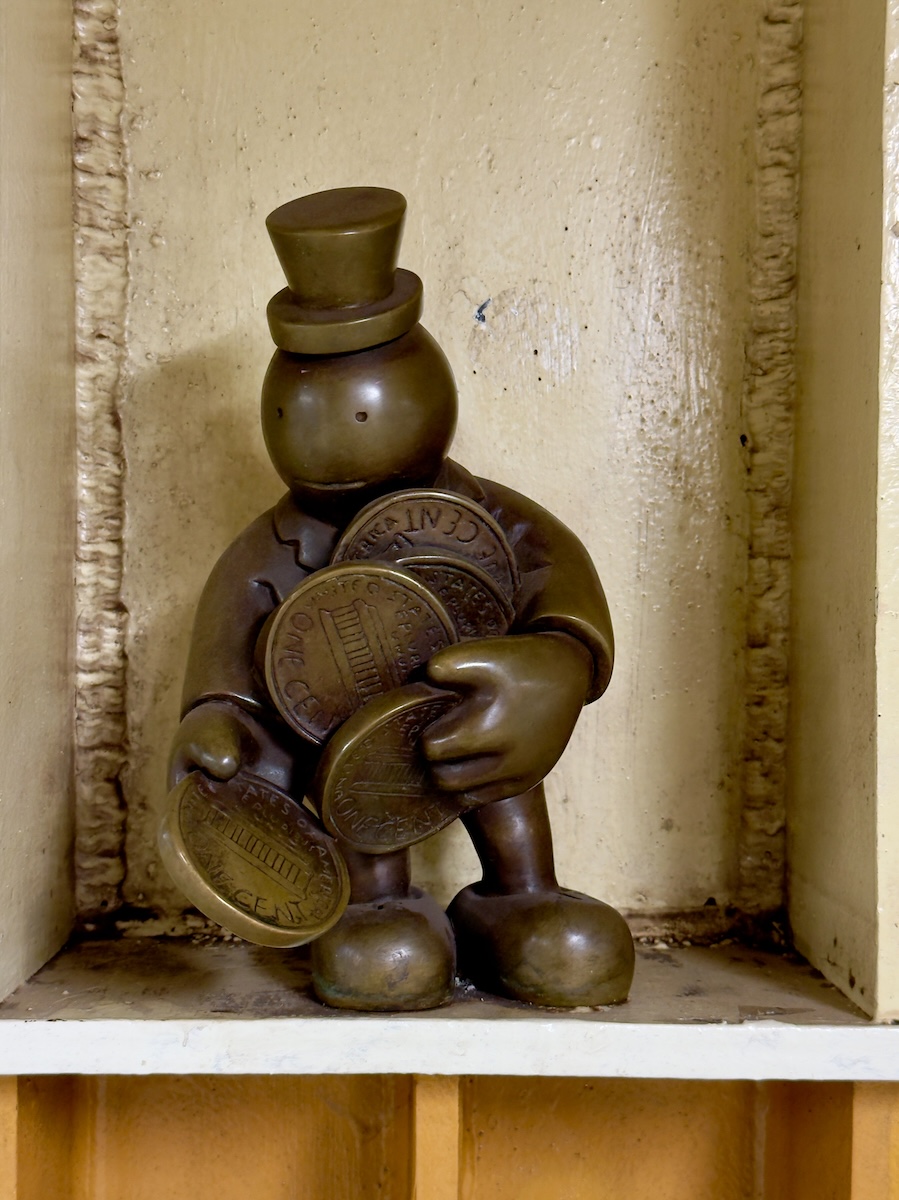
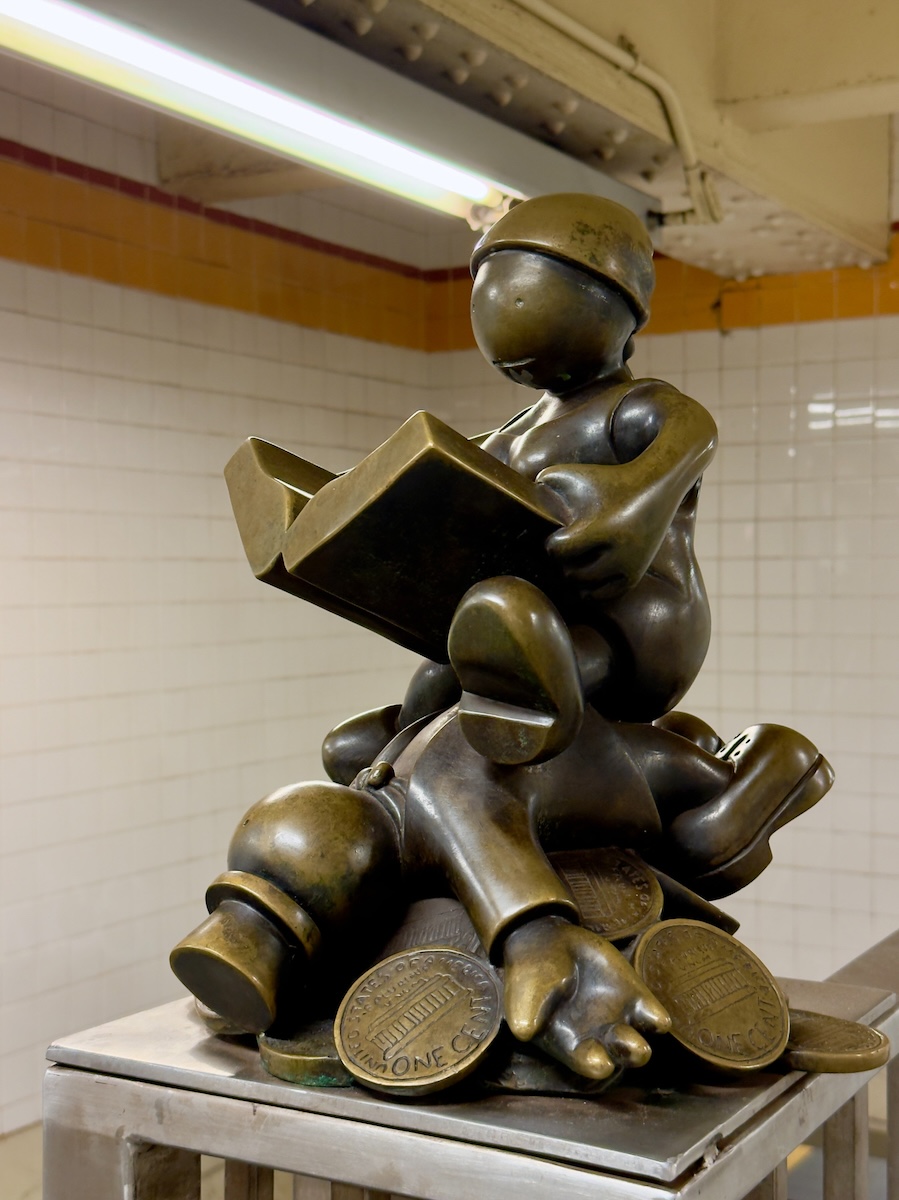
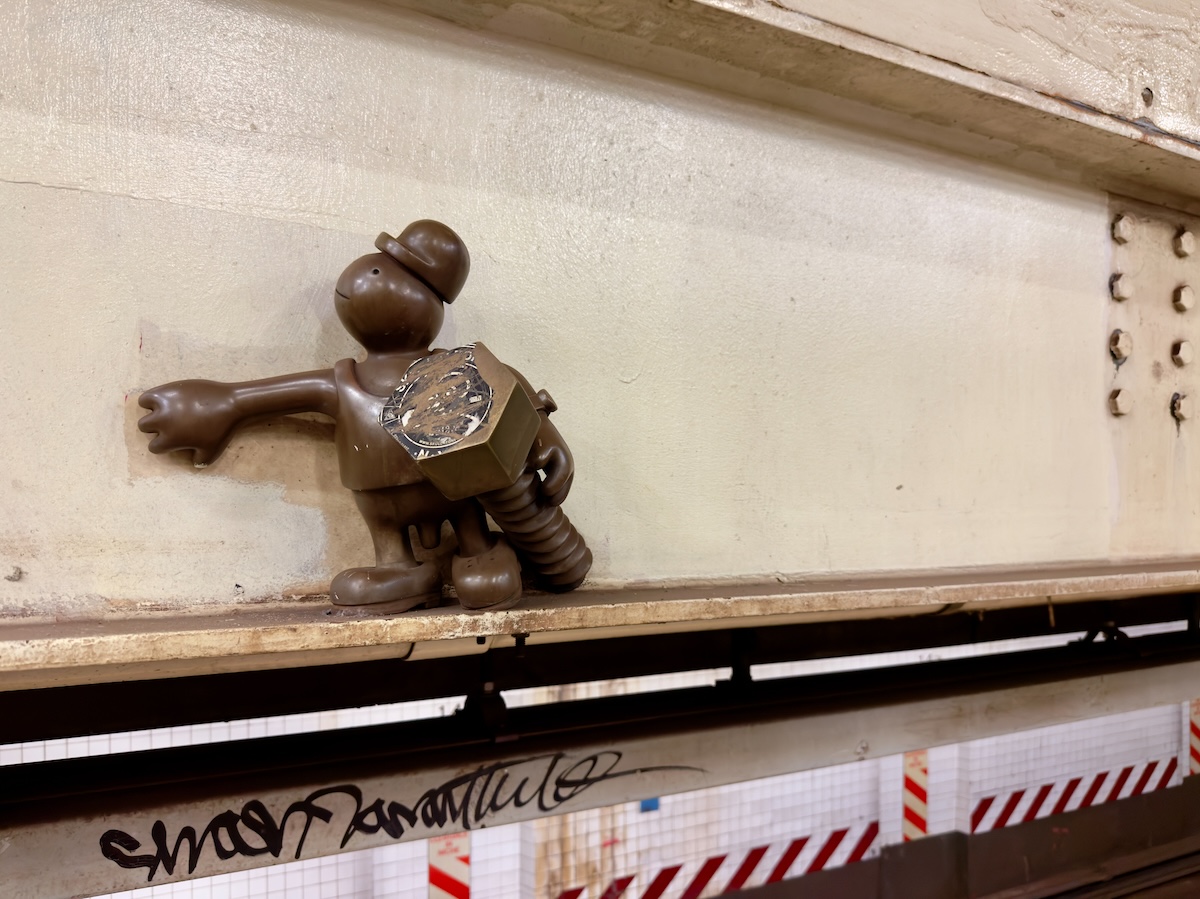
Most subway stations rely on signs to communicate. This one relies on tiny bronze people doing inexplicable things. Tom Otterness’s Life Underground scatters more than a hundred whimsical sculptures throughout the station. I love it.
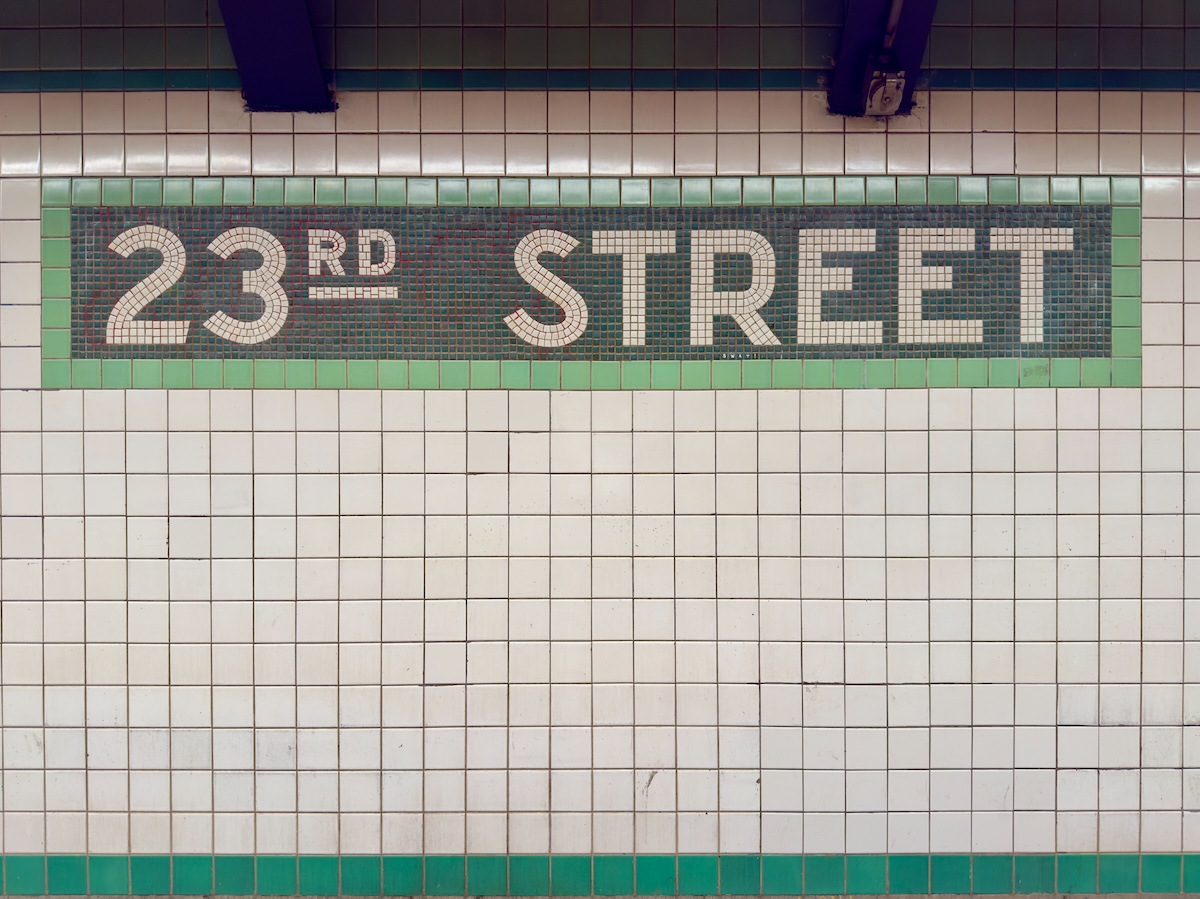
23rd Street
F, M trains
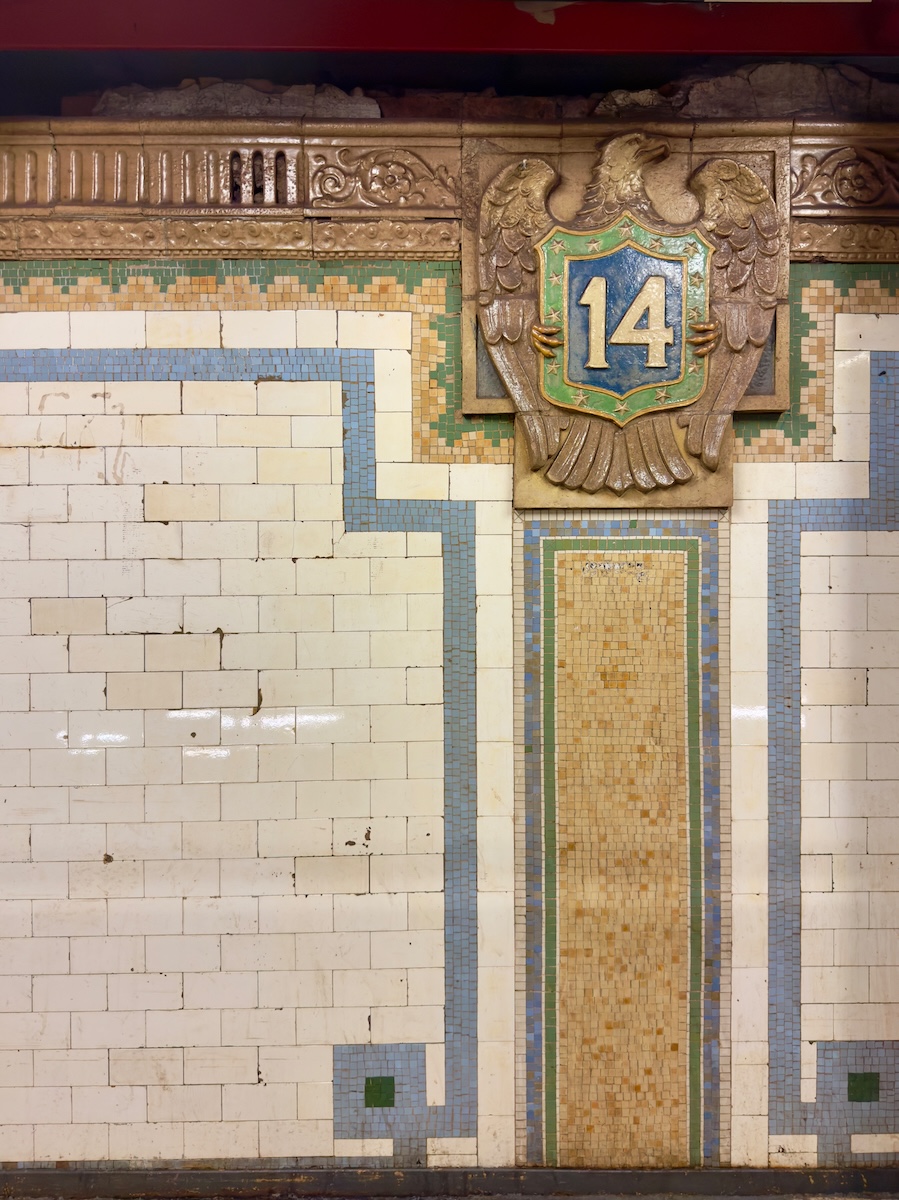
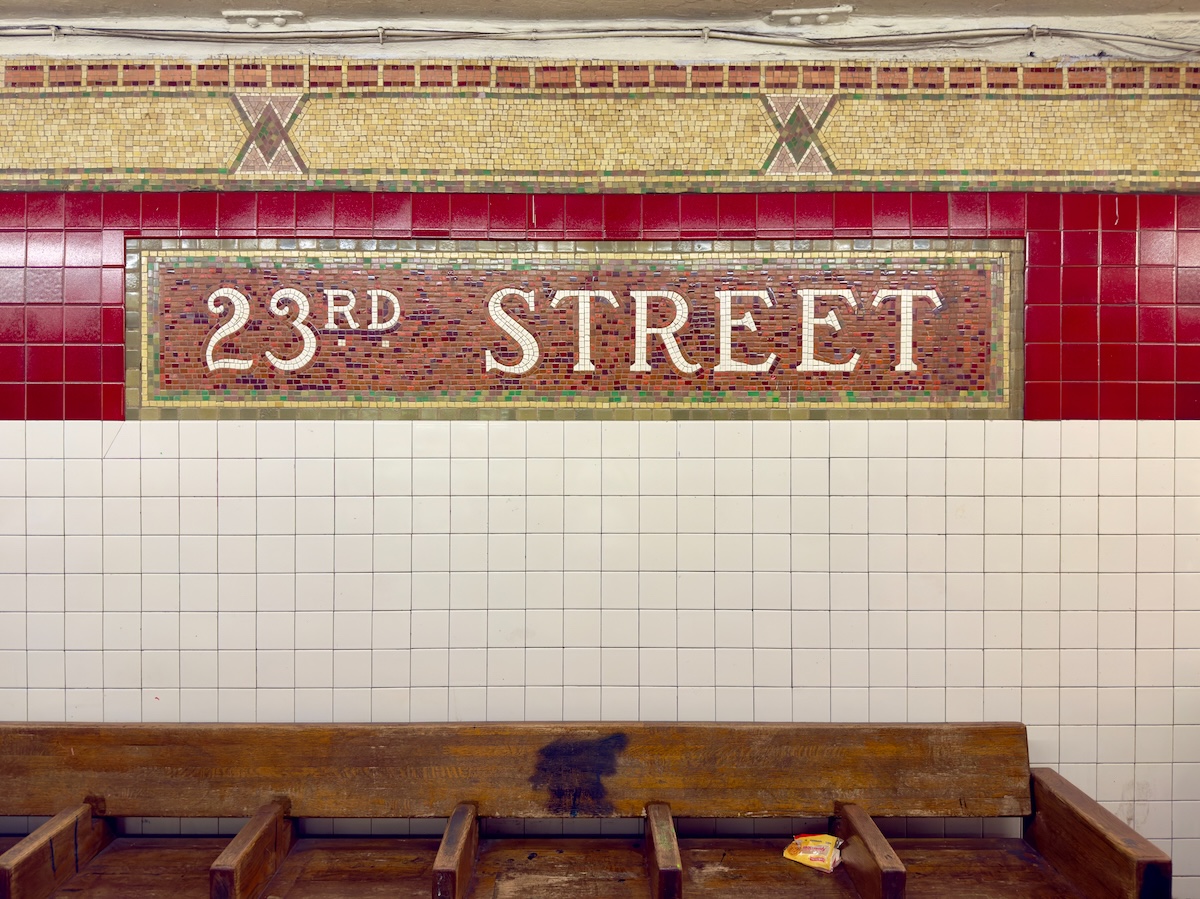
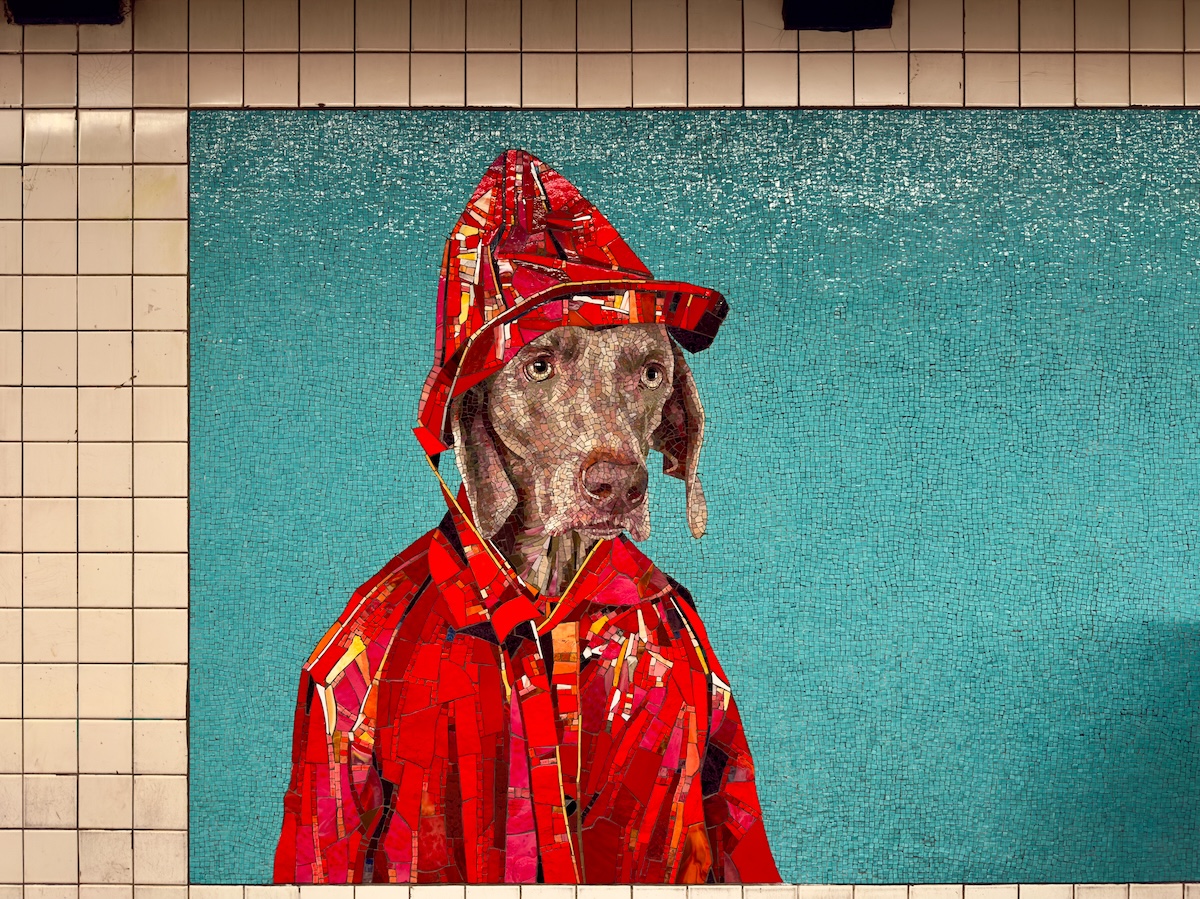
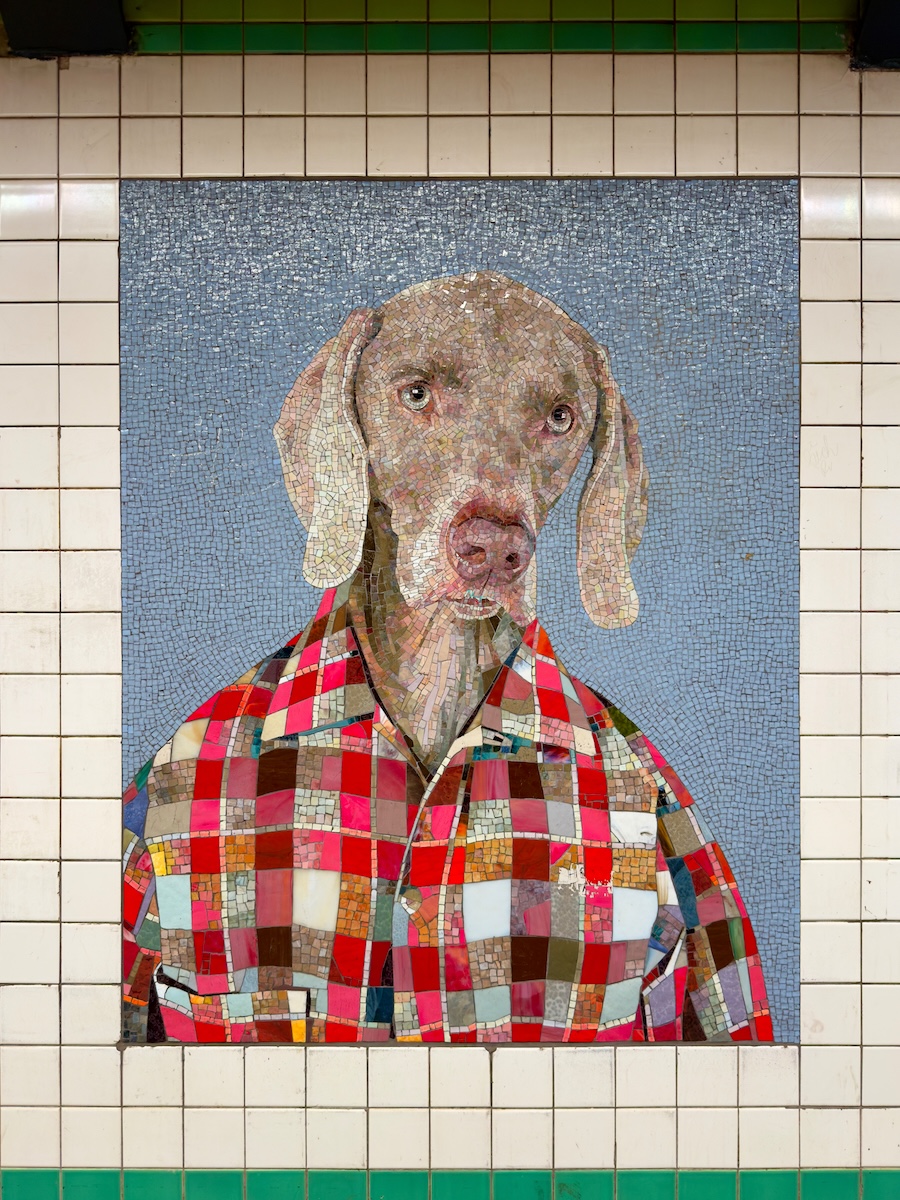
William Wegman’s Stationary Figures has no obvious reason to exist inside a subway station, which may be why it works so well. Few riders probably expect to make eye contact with a giant Weimaraner on their commute.
34th Street–Penn Station
1, 2, 3, A, C, E trains
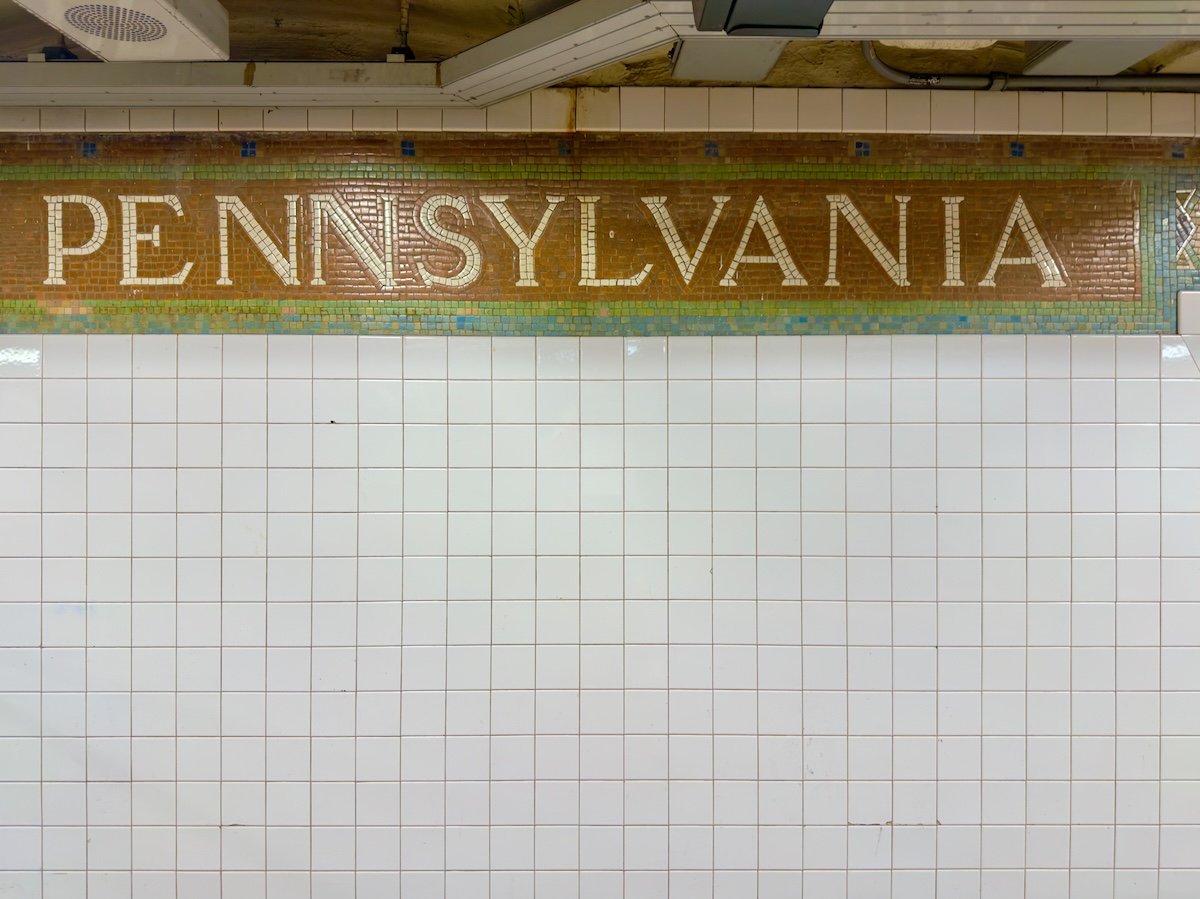
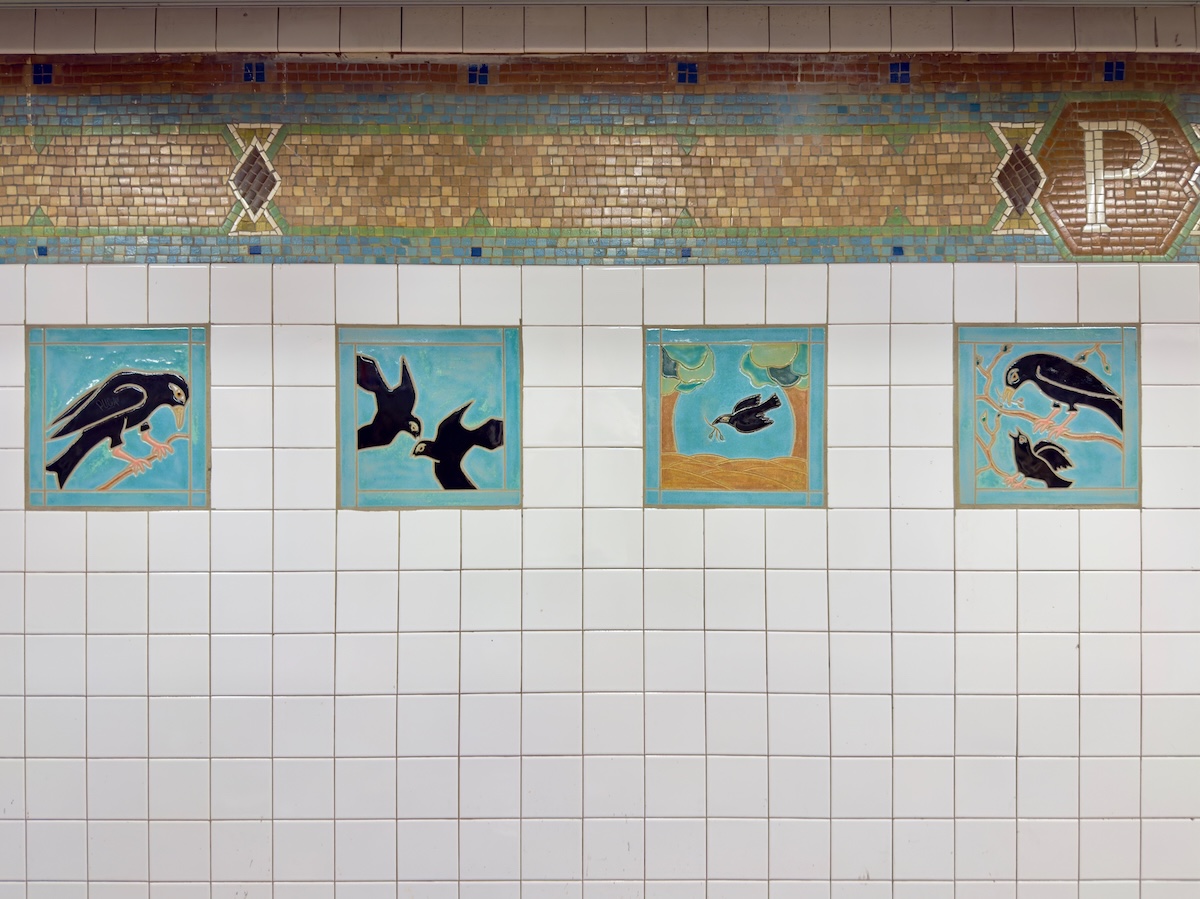
For a station famous mainly for crowds, delays, and mounting anxiety, Penn Station contains an unexpectedly charming collection of bird mosaics.

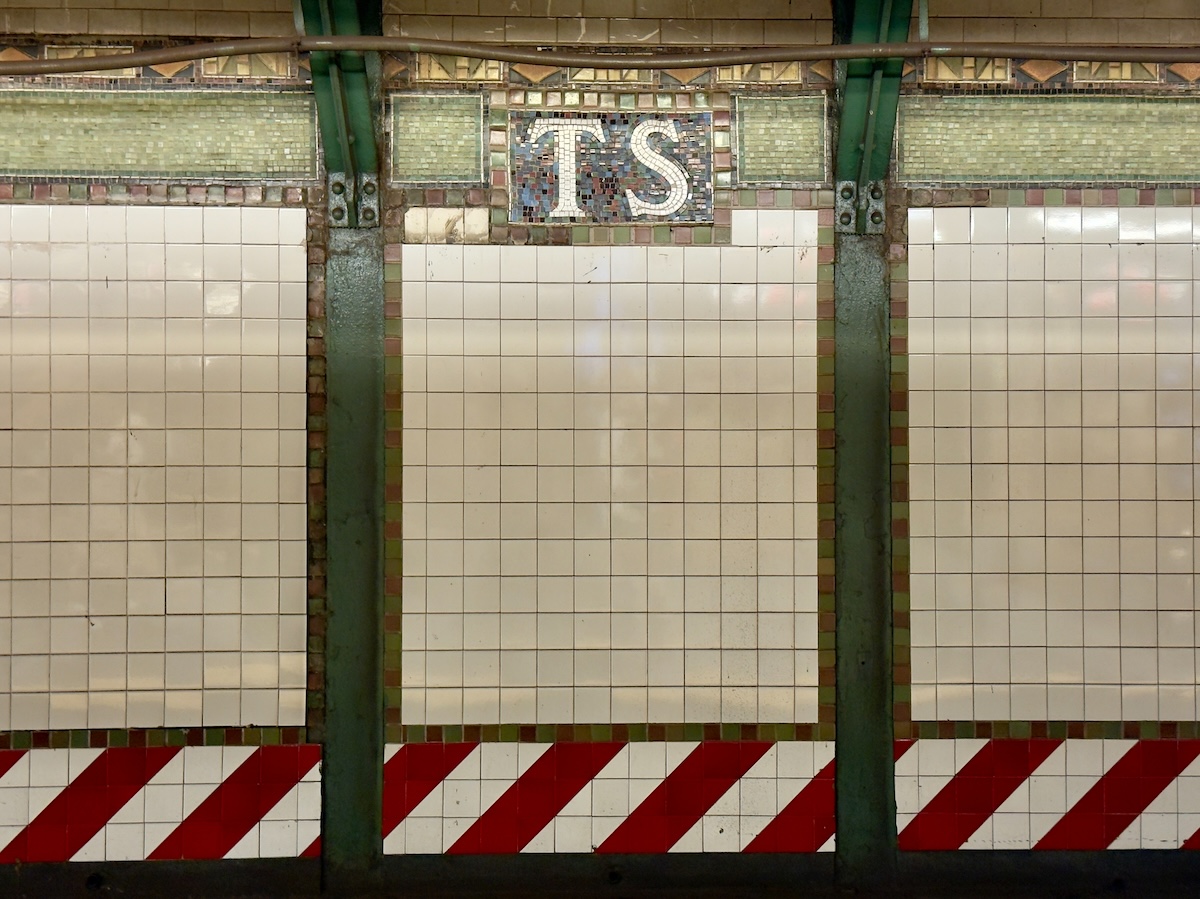
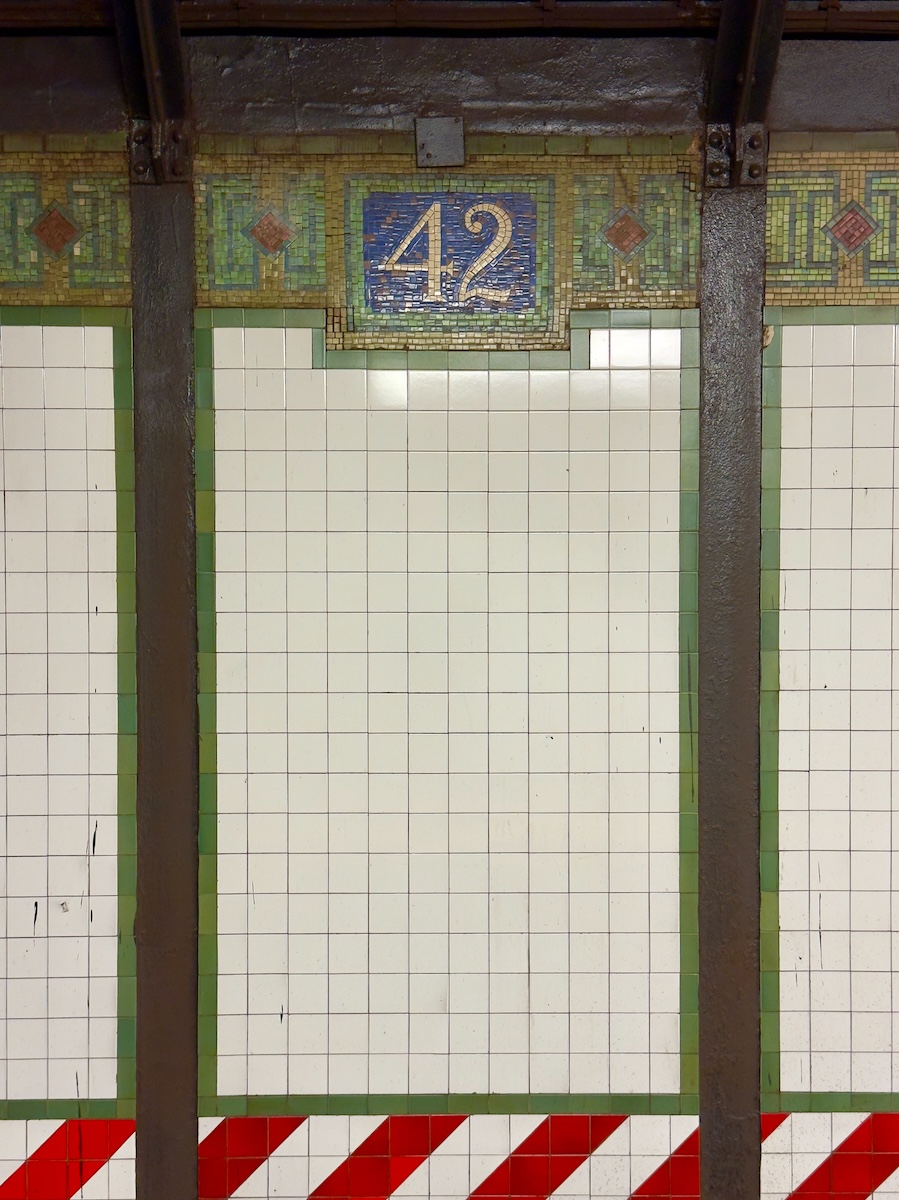
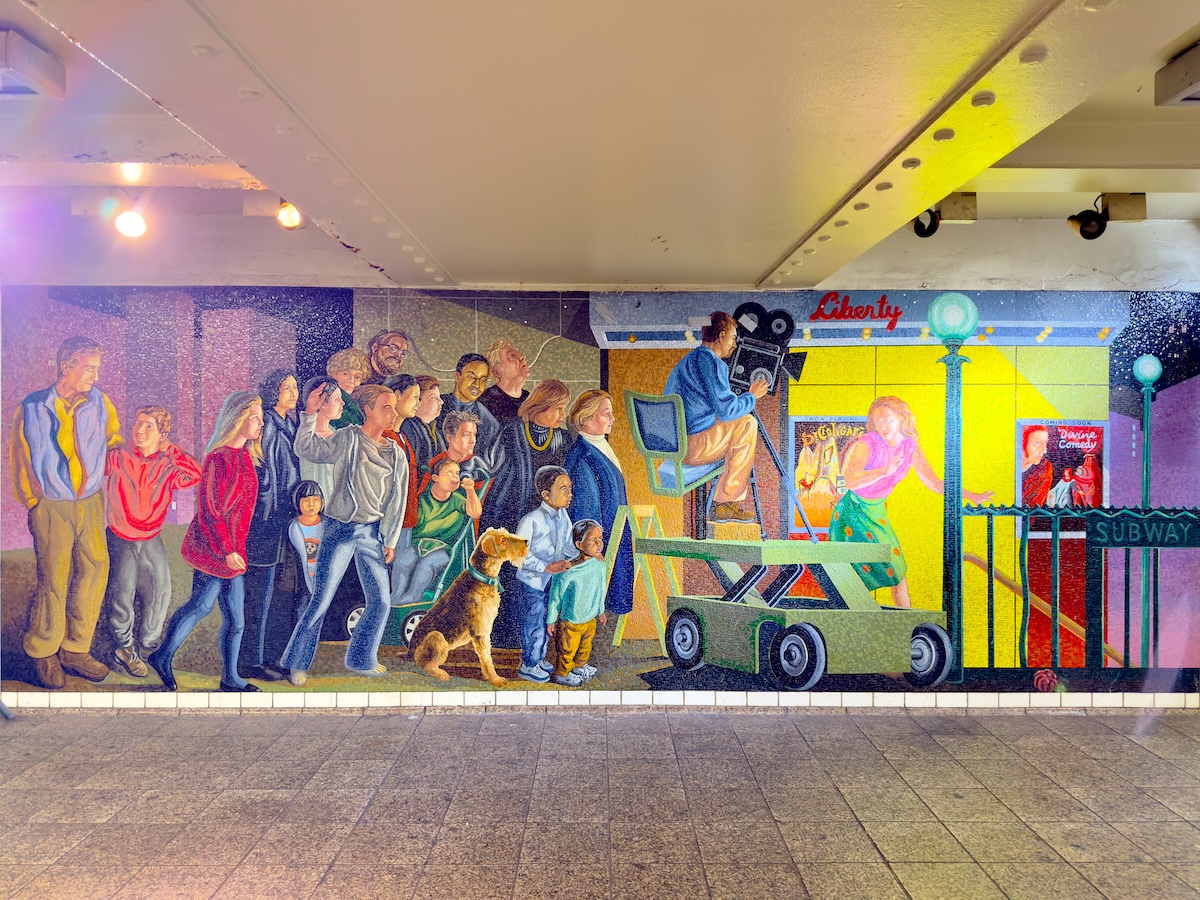
Times Square–42nd Street
1, 2, 3, 7, N, Q, R, W, S trains
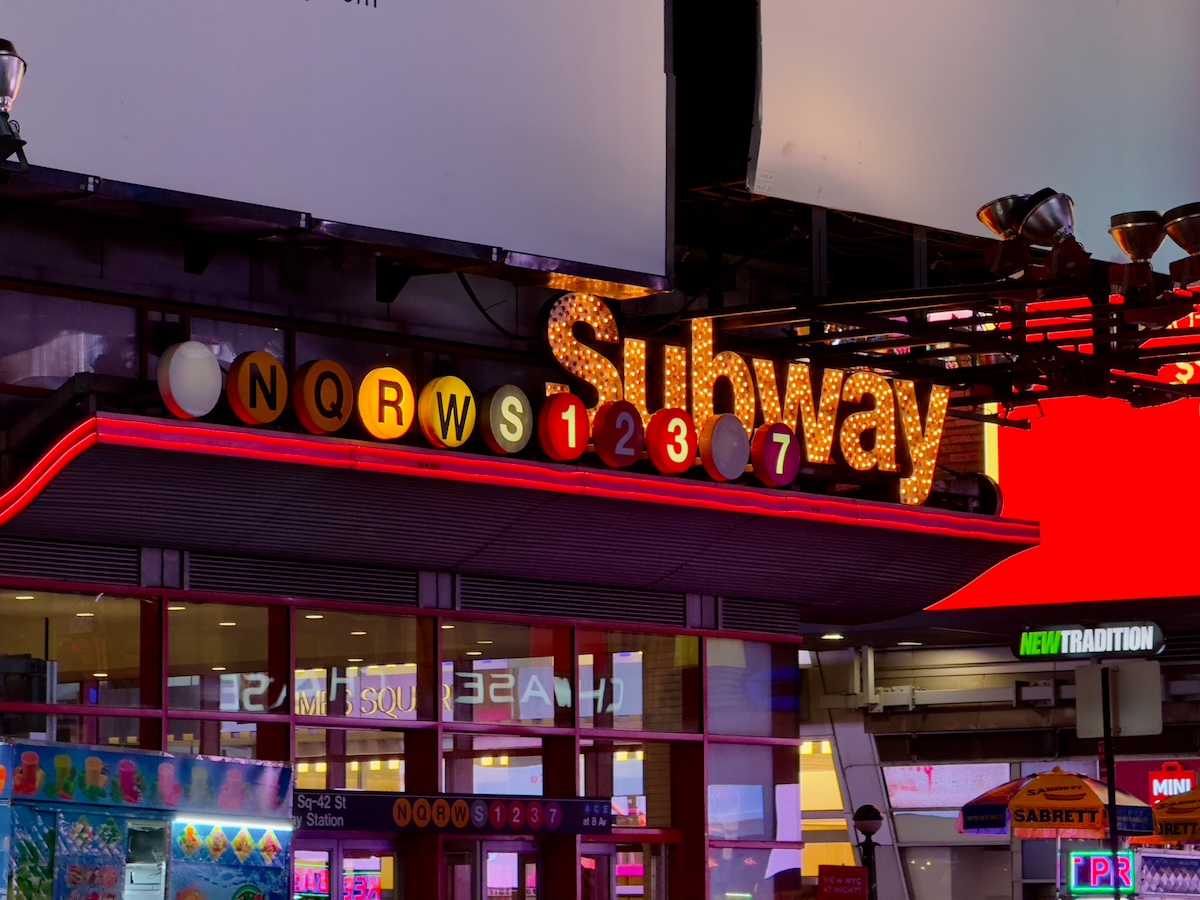
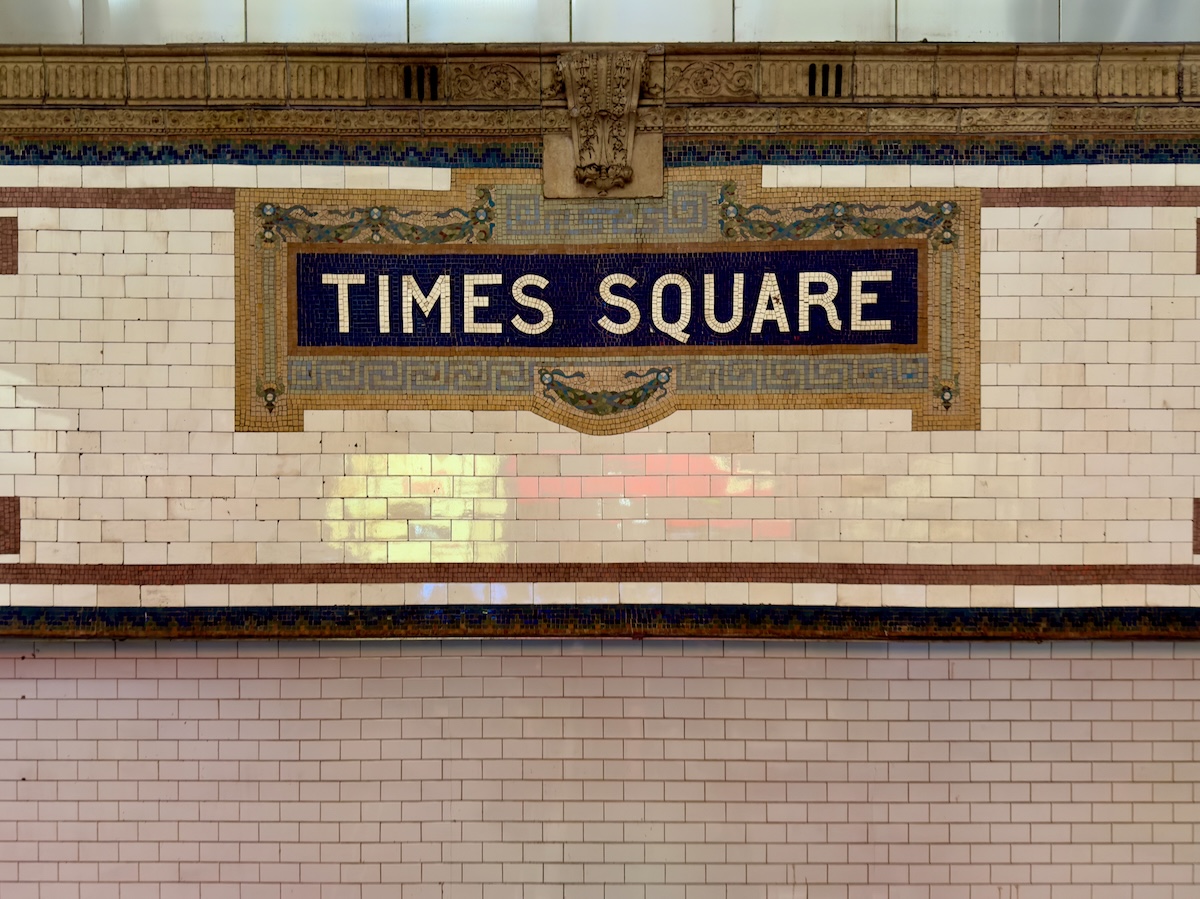
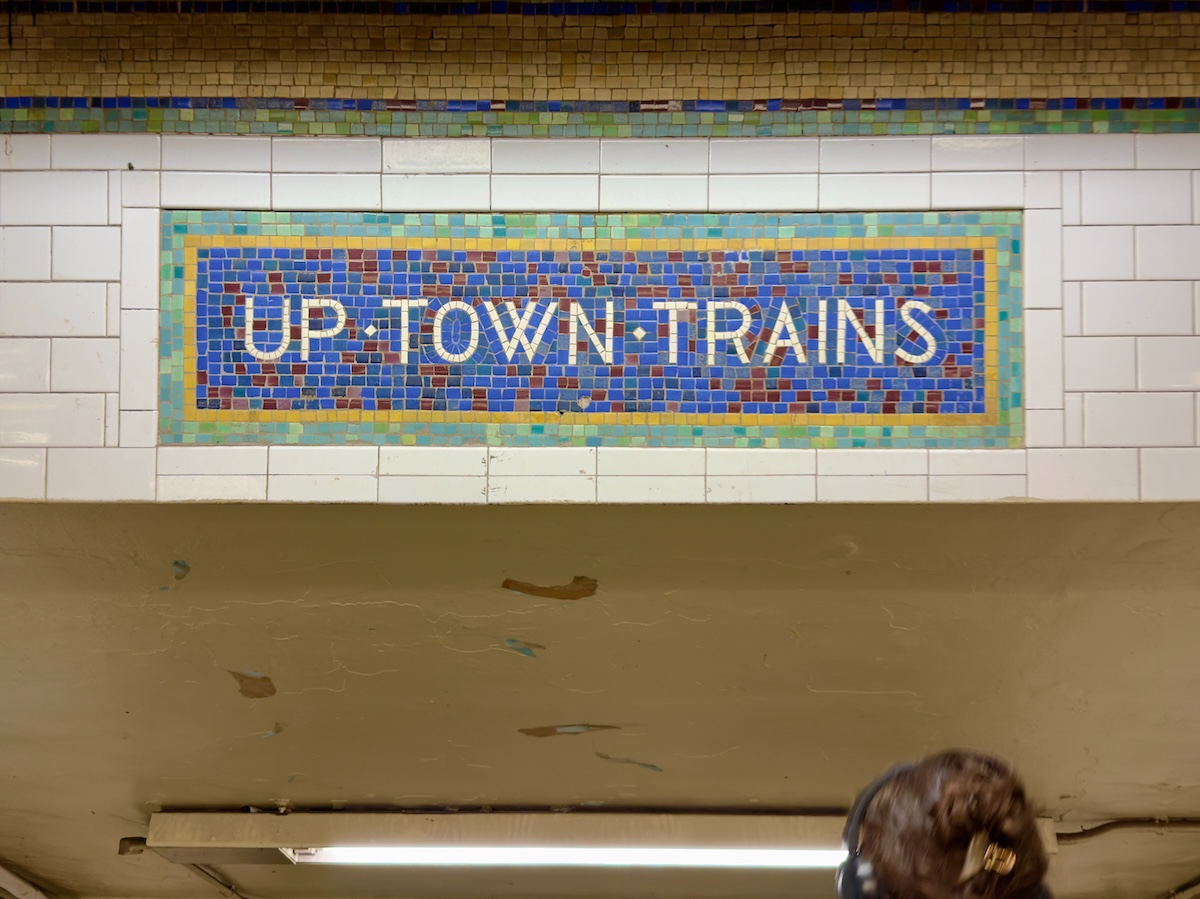
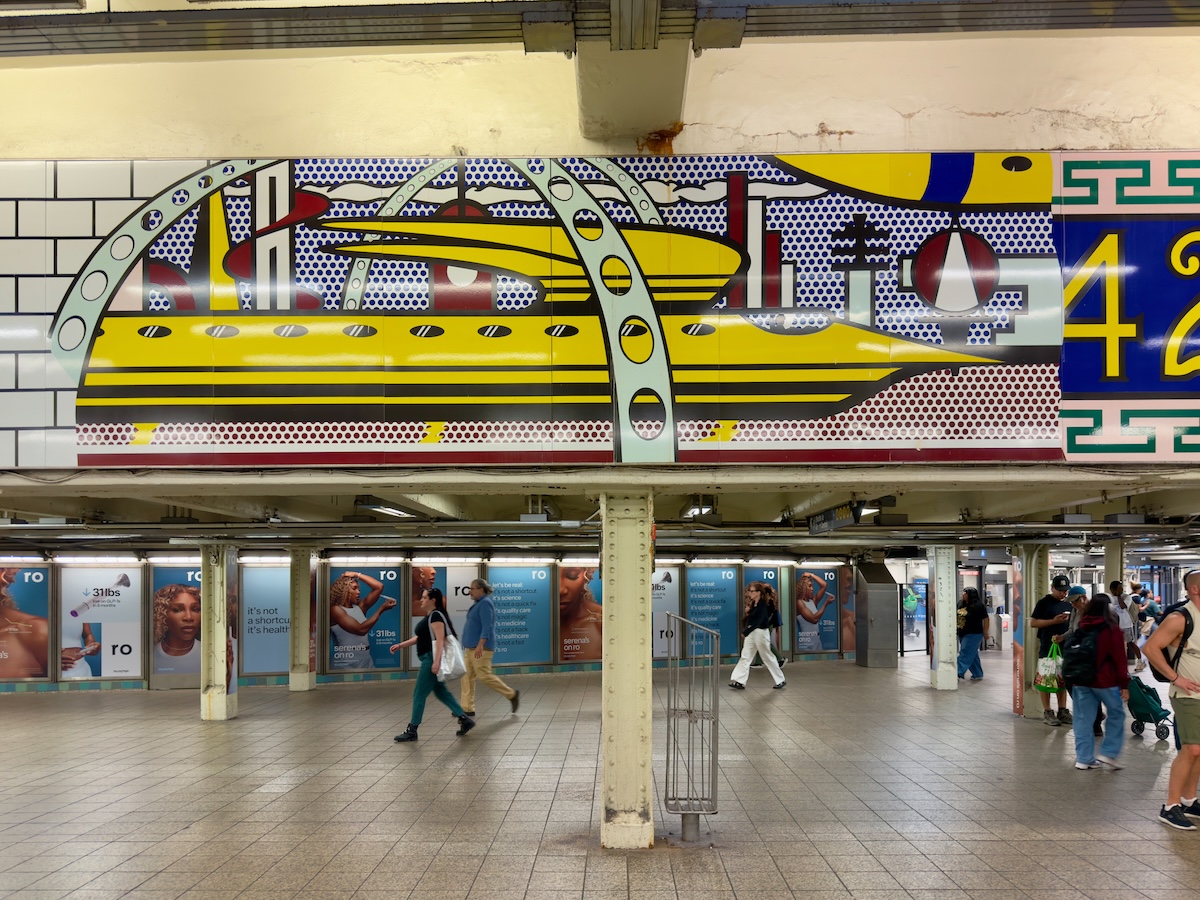
Times Square contains enough public art, historic tilework, tunnels, corridors, and confused tourists to qualify as its own neighborhood. Somewhere between Roy Lichtenstein’s Times Square Mural, Jane Dickson’s Times Square Times: 35 Times, and the seventh person who nearly walks into you while staring at their phone, it starts to feel less like a station and more like a state of mind.
34th Street–Hudson Yards
7 train
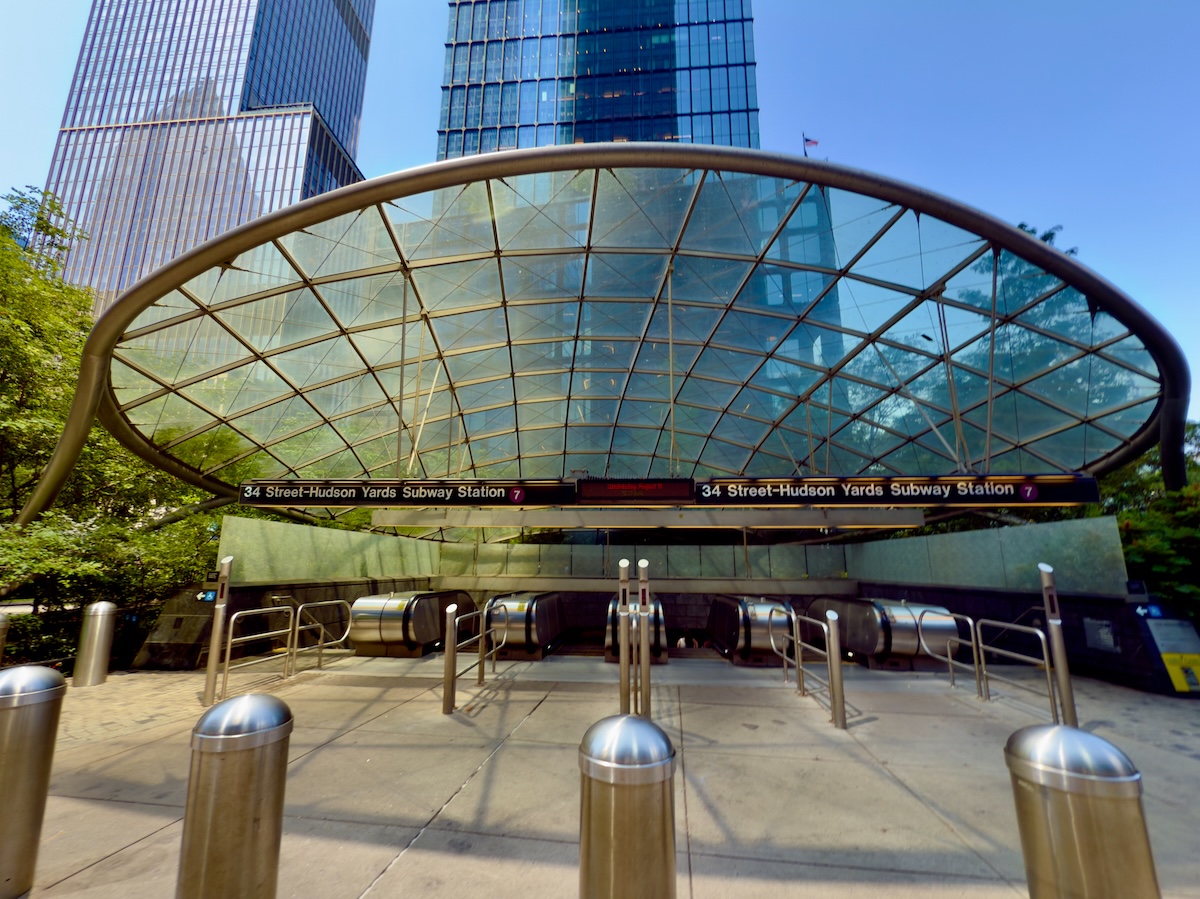
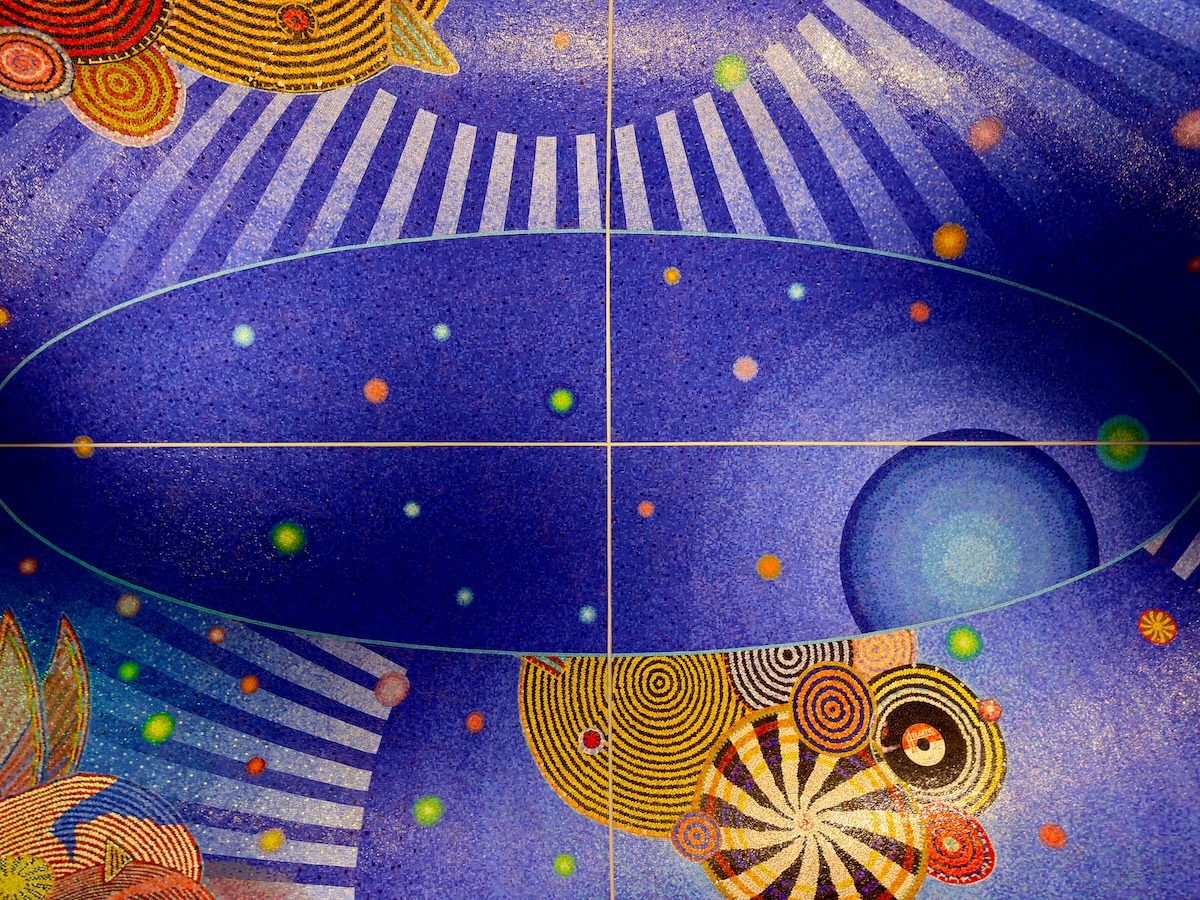
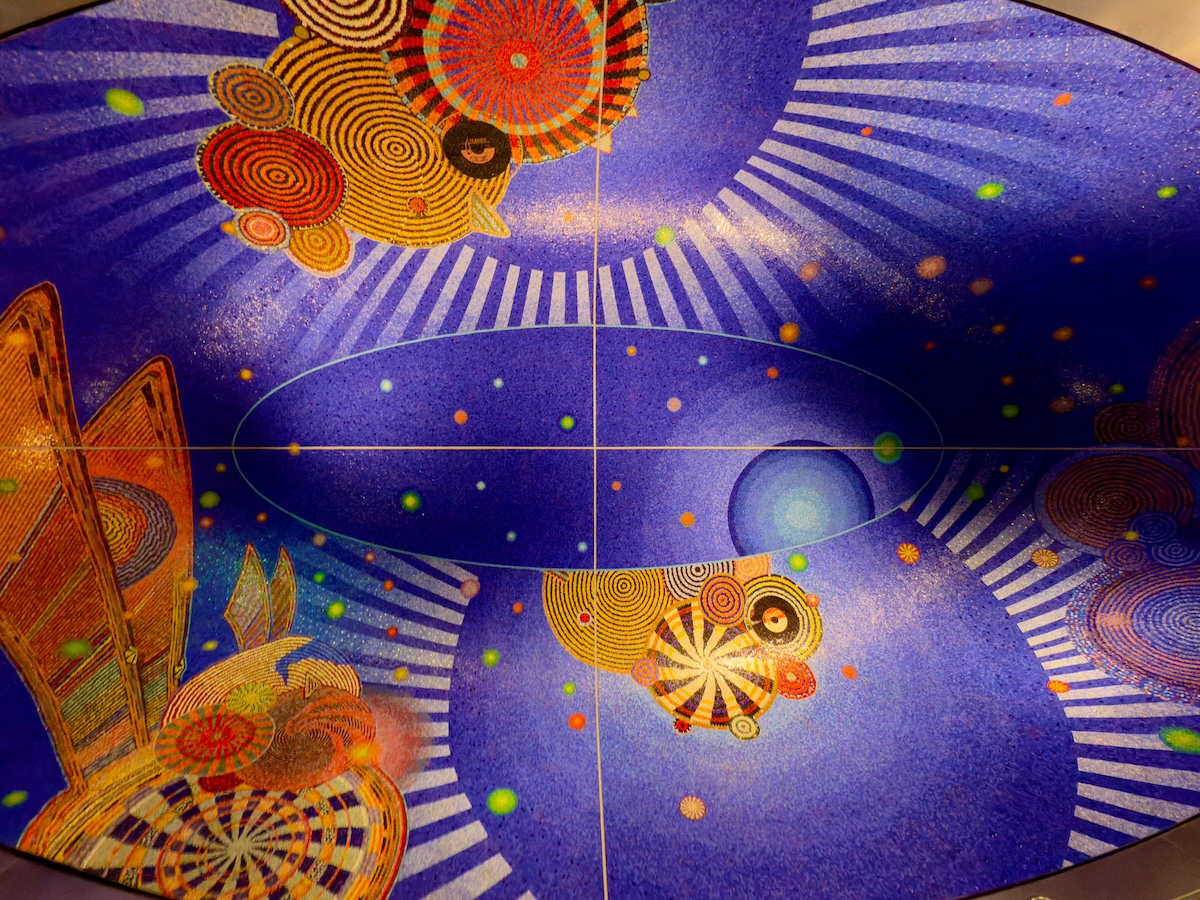
Hudson Yards looks like what someone in 1929 imagined a subway station would look like in the far future—clean lines, dramatic architecture, and not nearly enough grime. Xenobia Bailey’s Funktional Vibrations reinforces the feeling that you’ve wandered into a much newer version of New York.
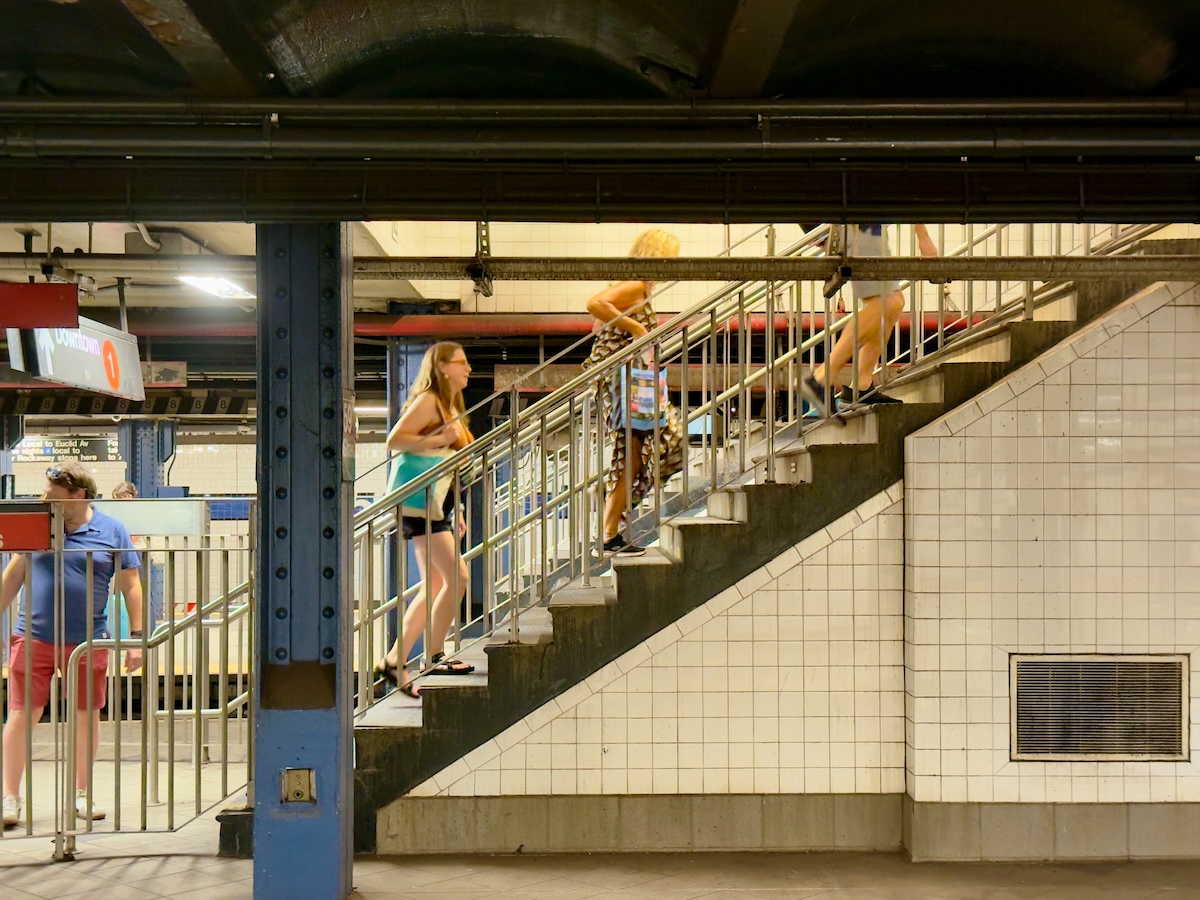
59th Street–Columbus Circle
A, B, C, D, 1 trains
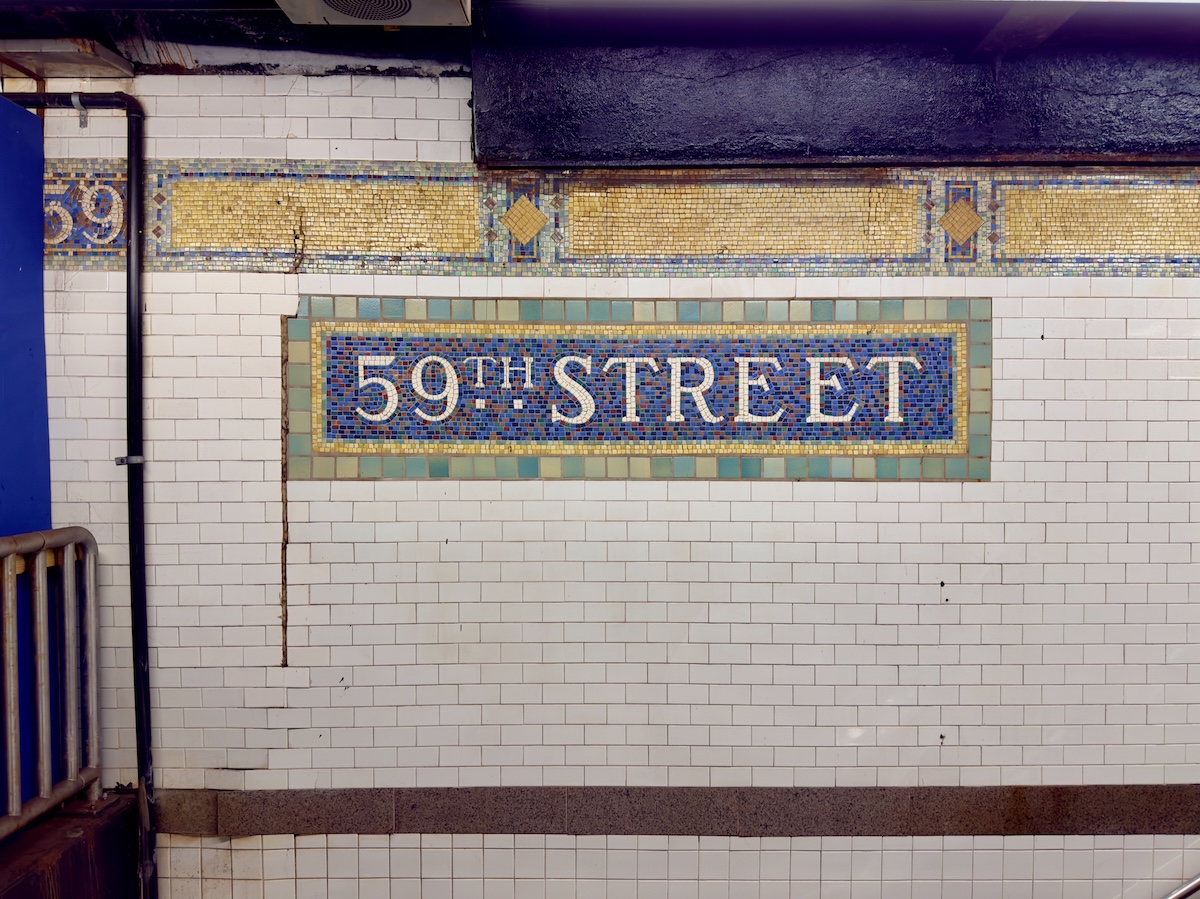
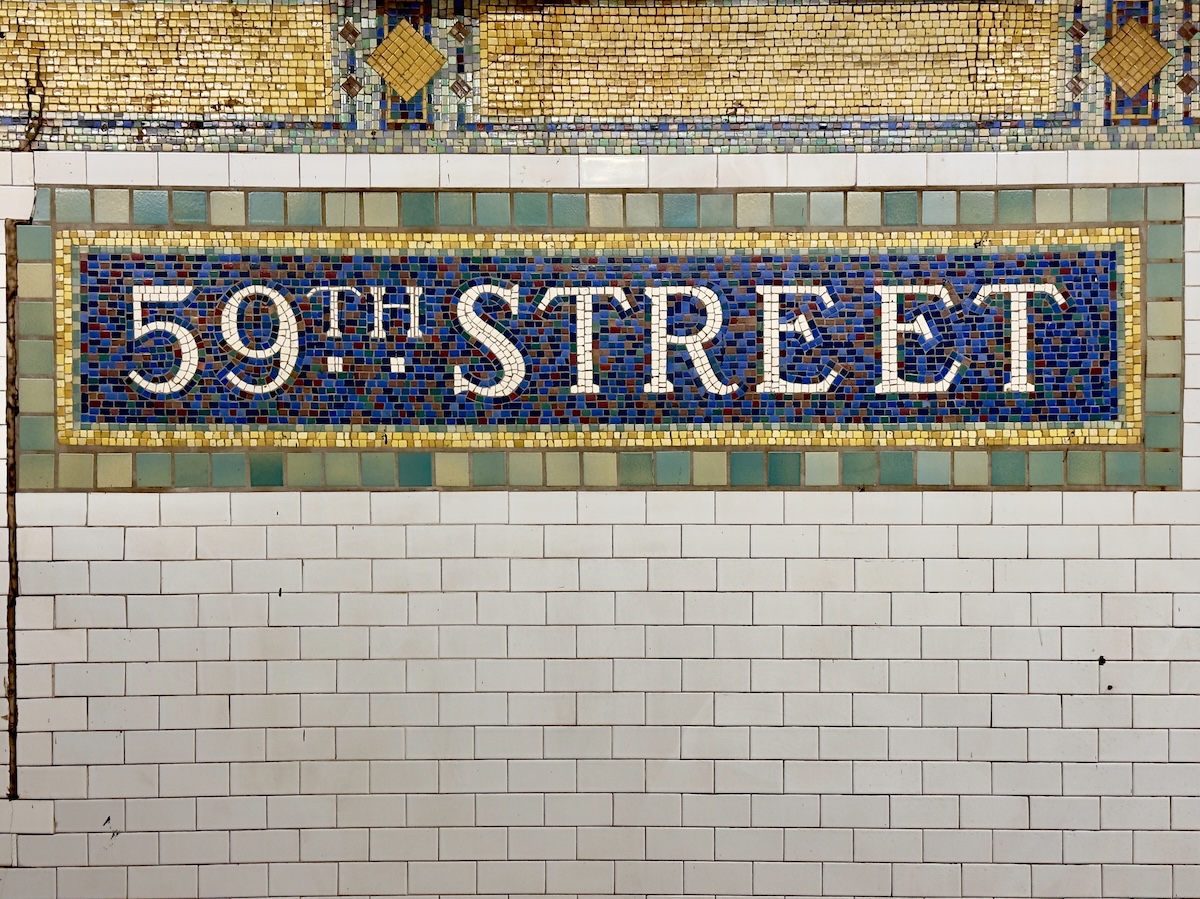
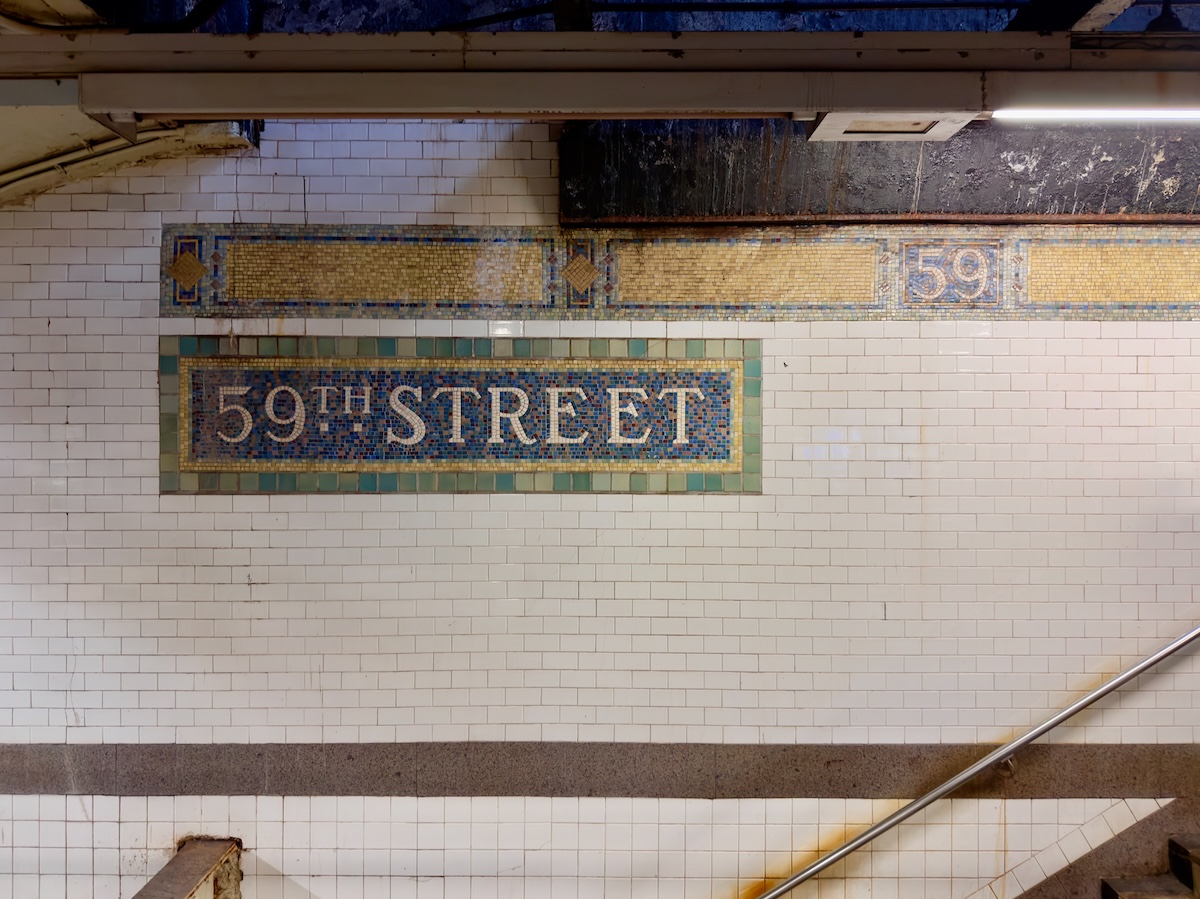
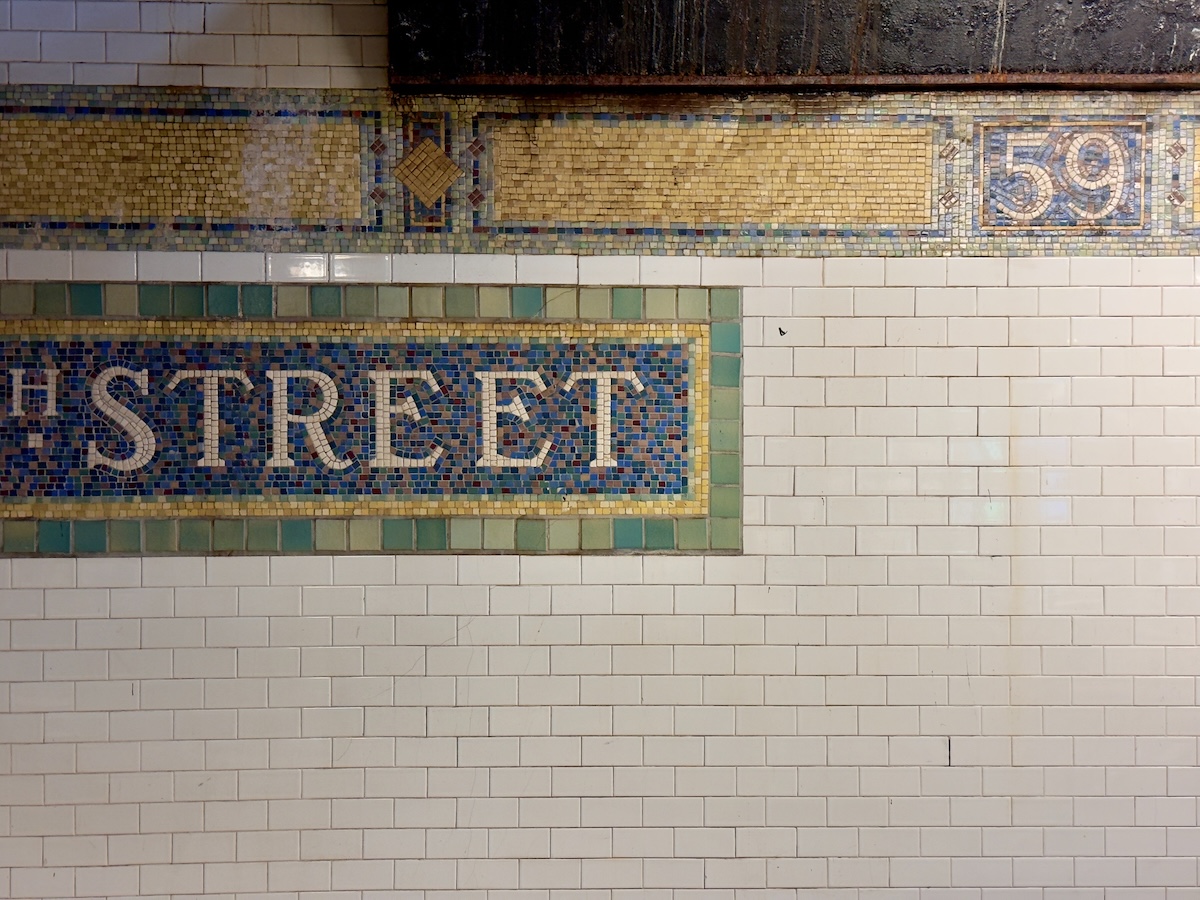
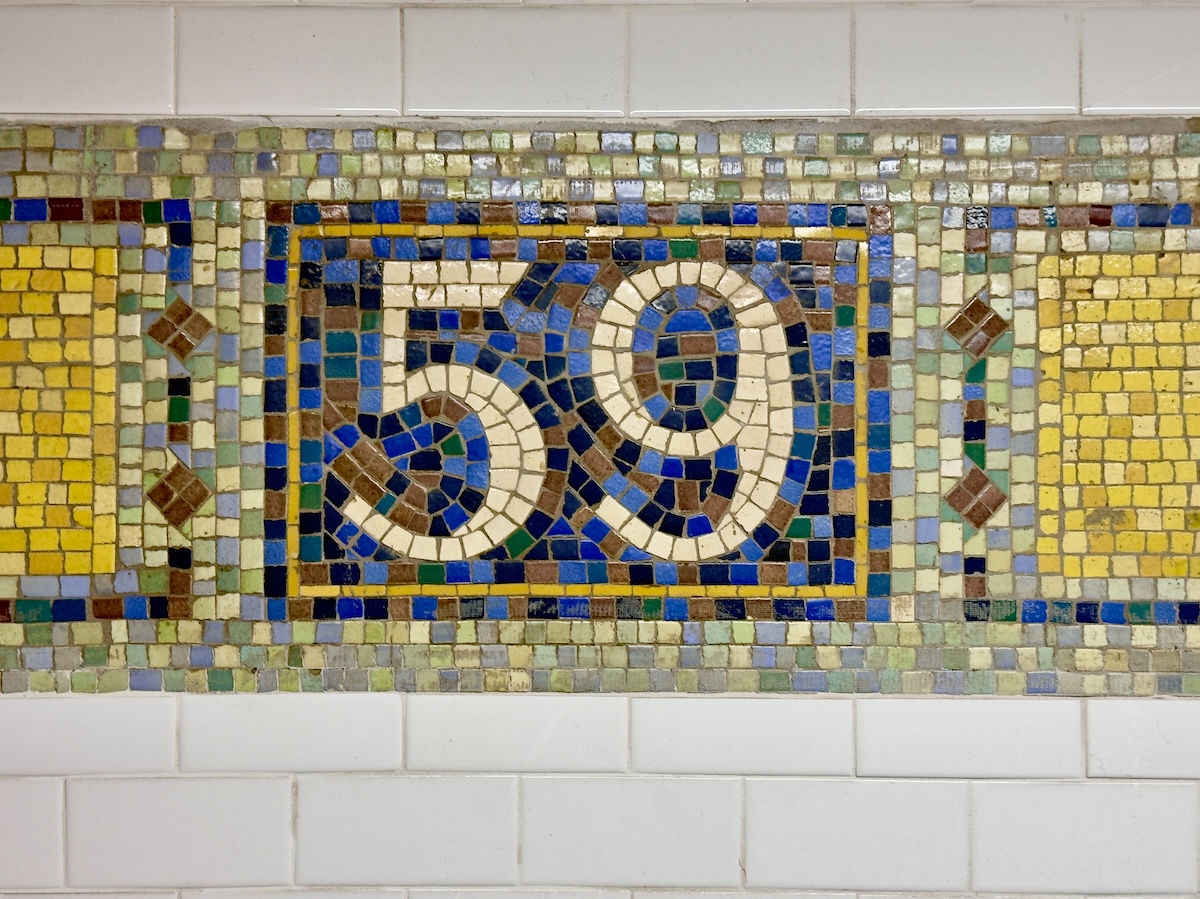
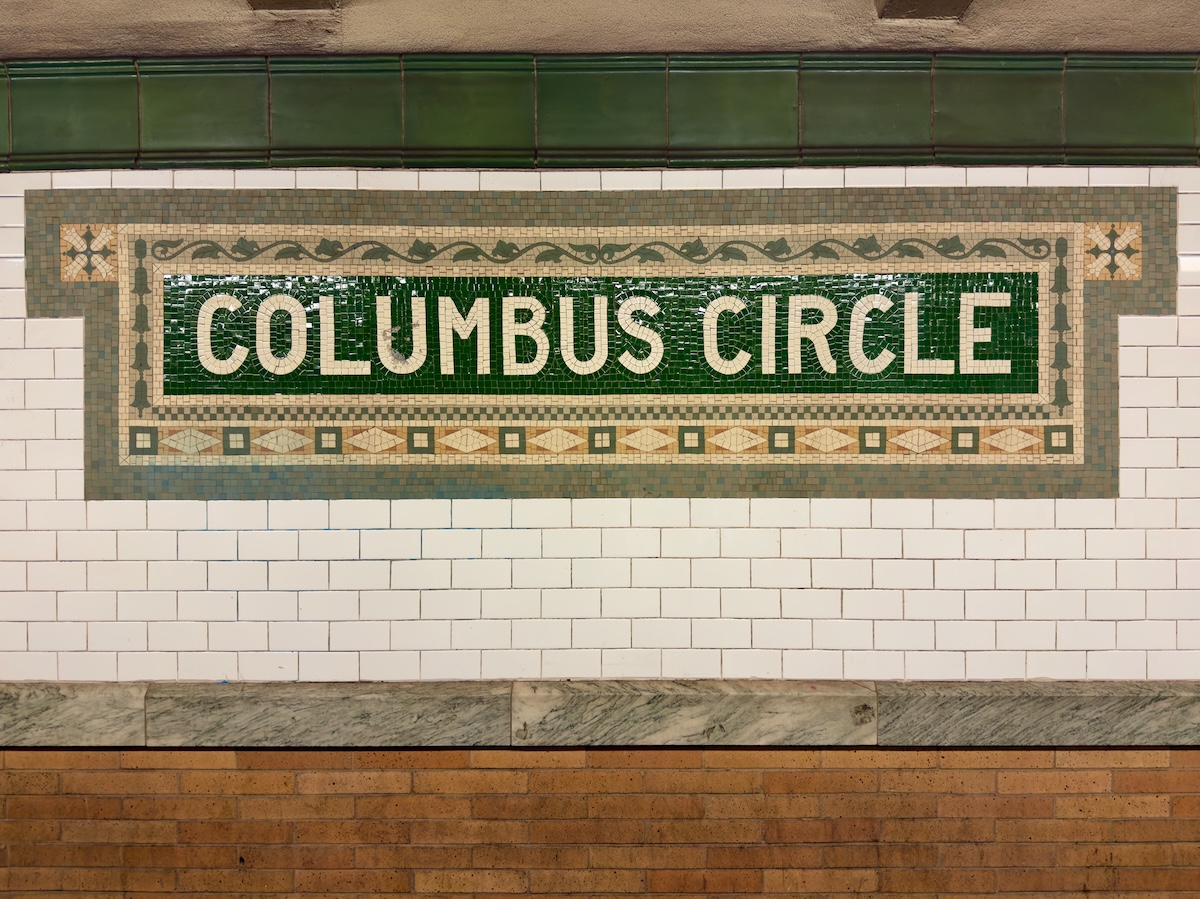
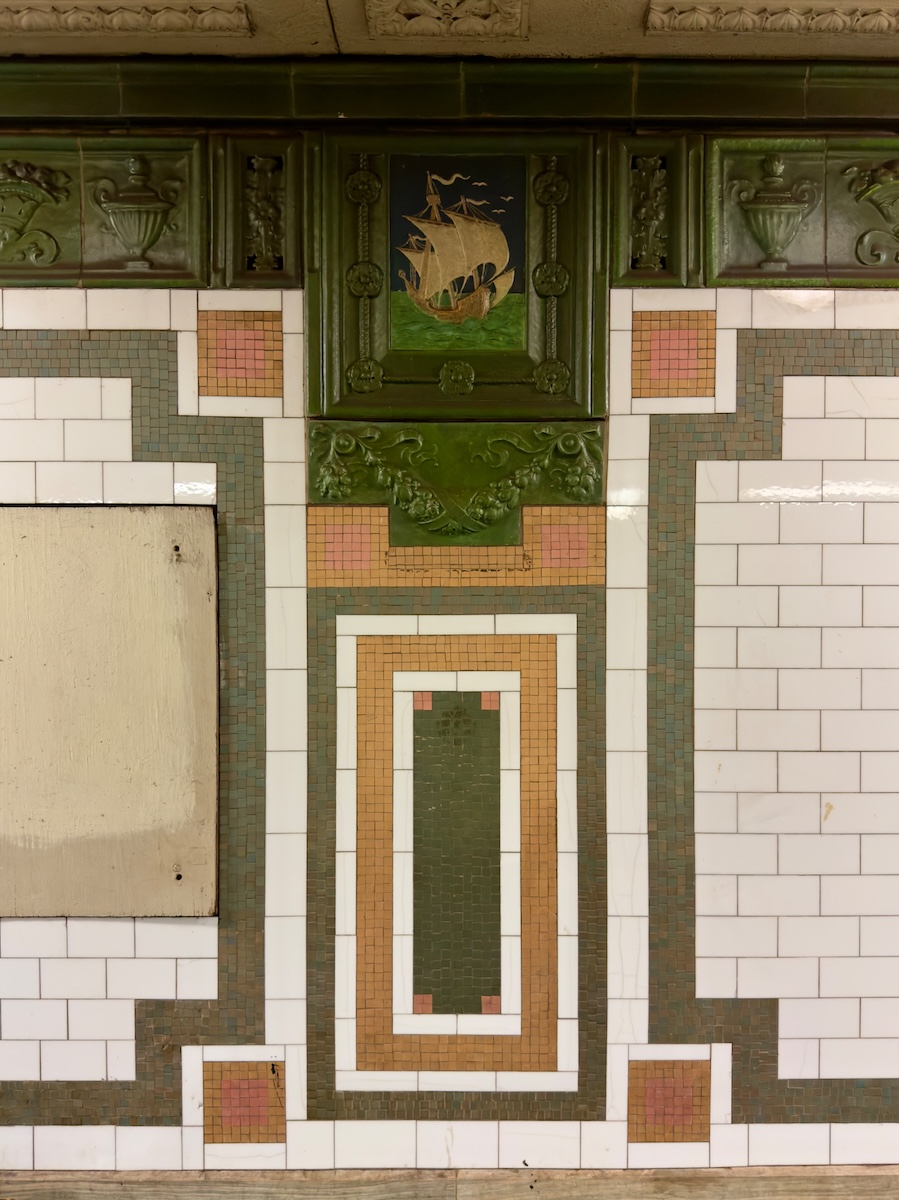
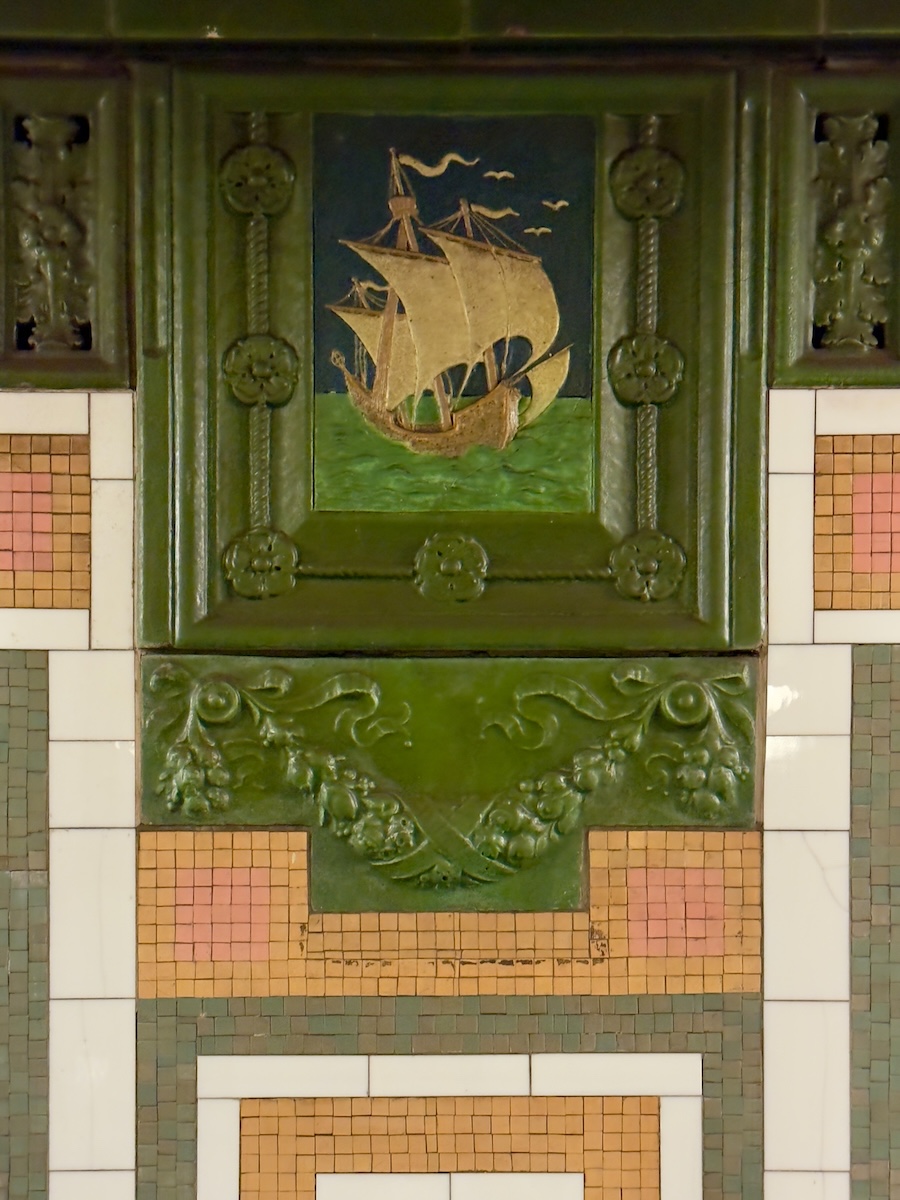
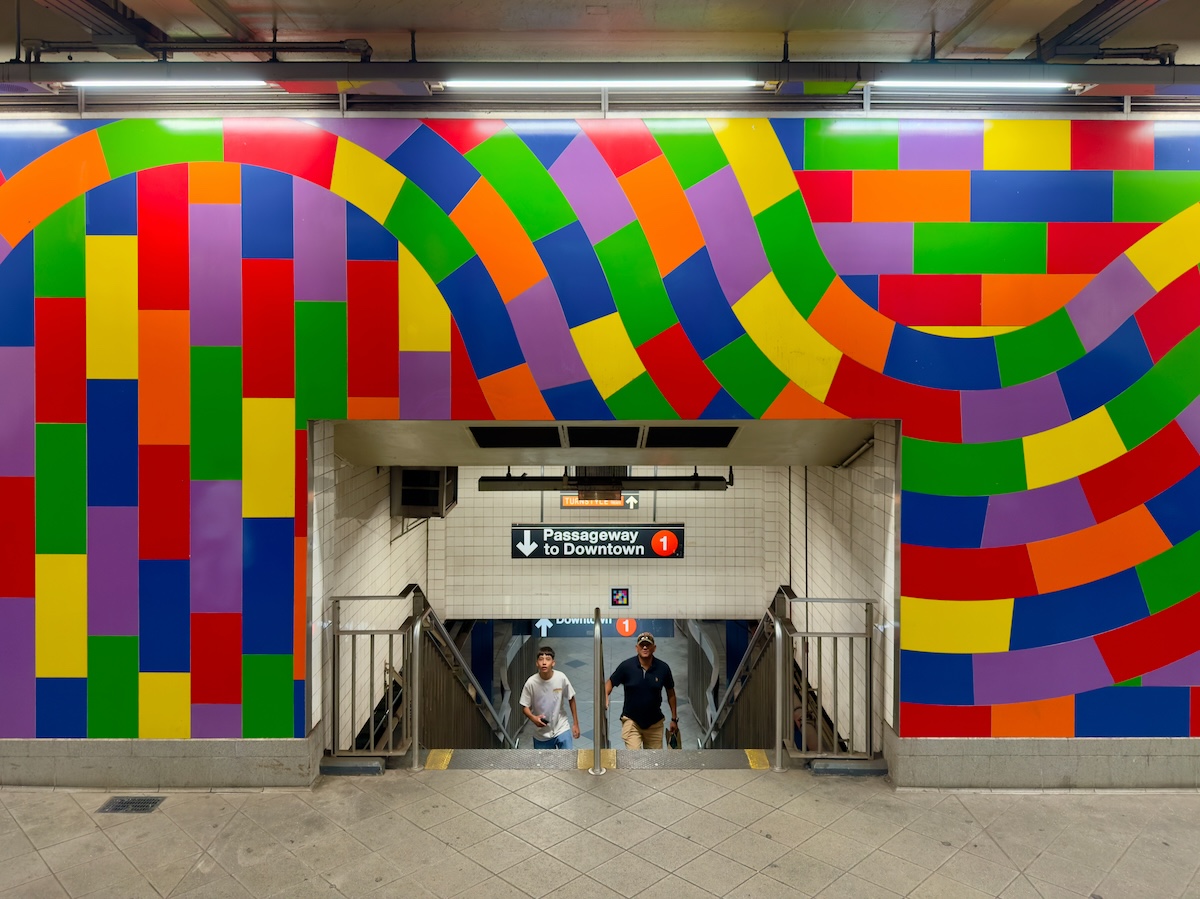
Most stations make you choose between old New York and new New York. Columbus Circle decided to do both.
Uptown
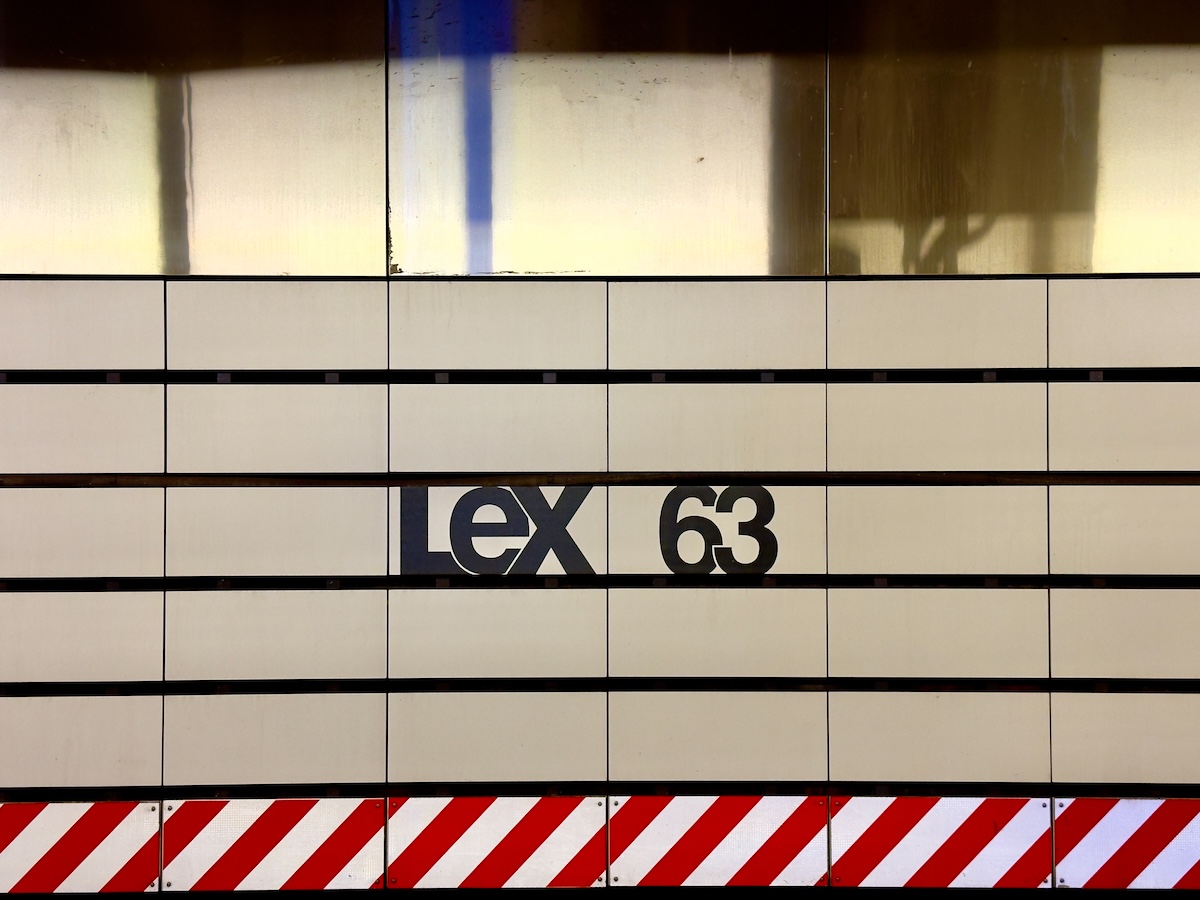
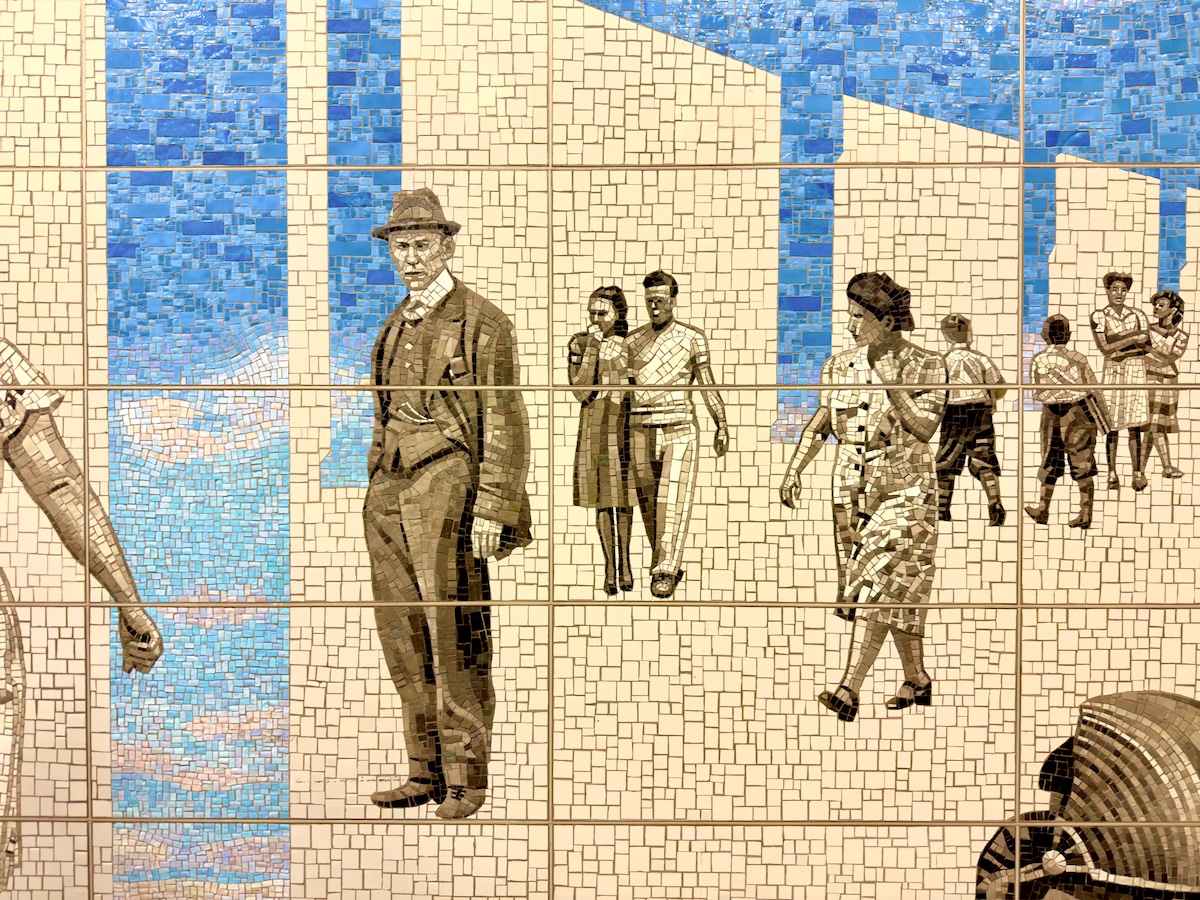
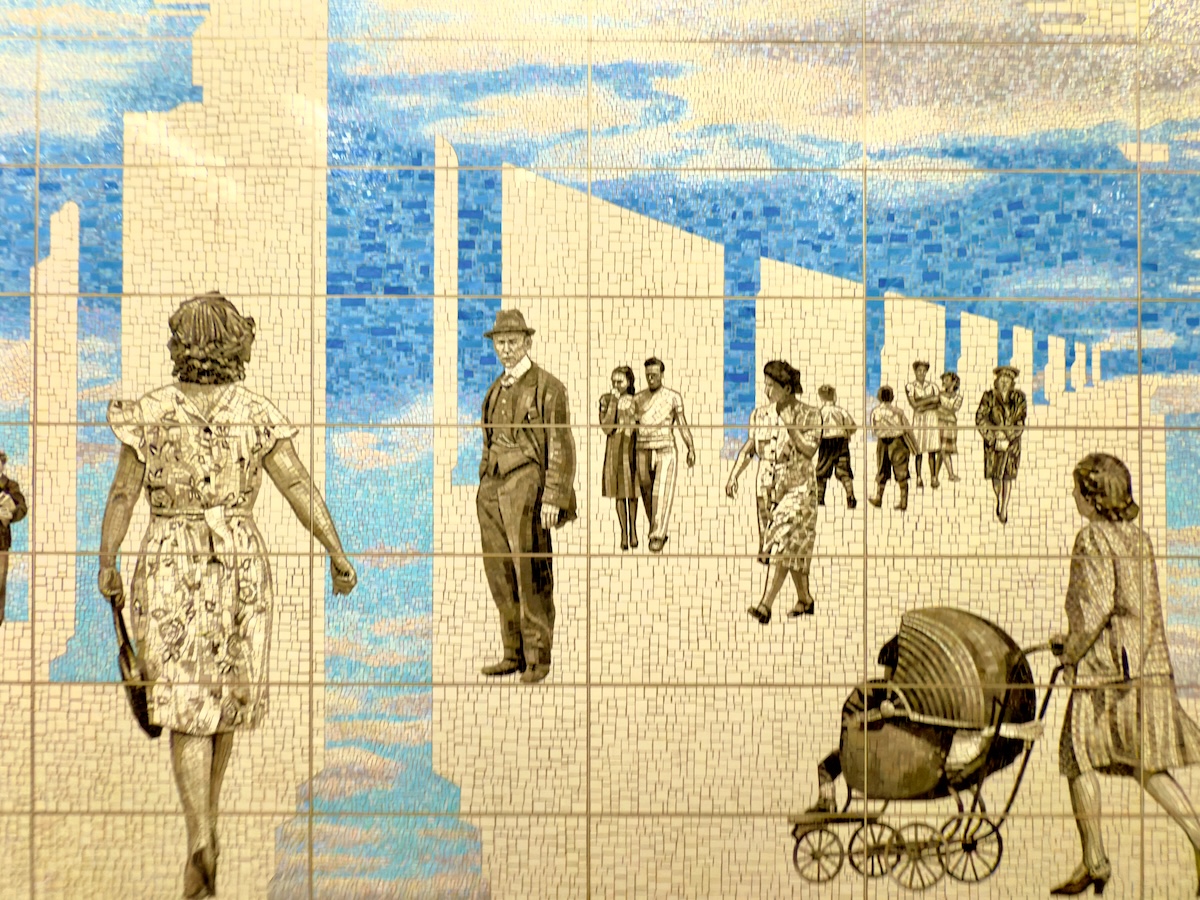
Lexington Avenue–63rd Street
F, Q trains
Most stations use artwork to brighten a wall or fill an empty space. Chuck Close’s Subway Portraits fills this one with people. Most are contentedly going about their business, but one guy appears to be looking directly at you. I was never entirely sure how to feel about that.
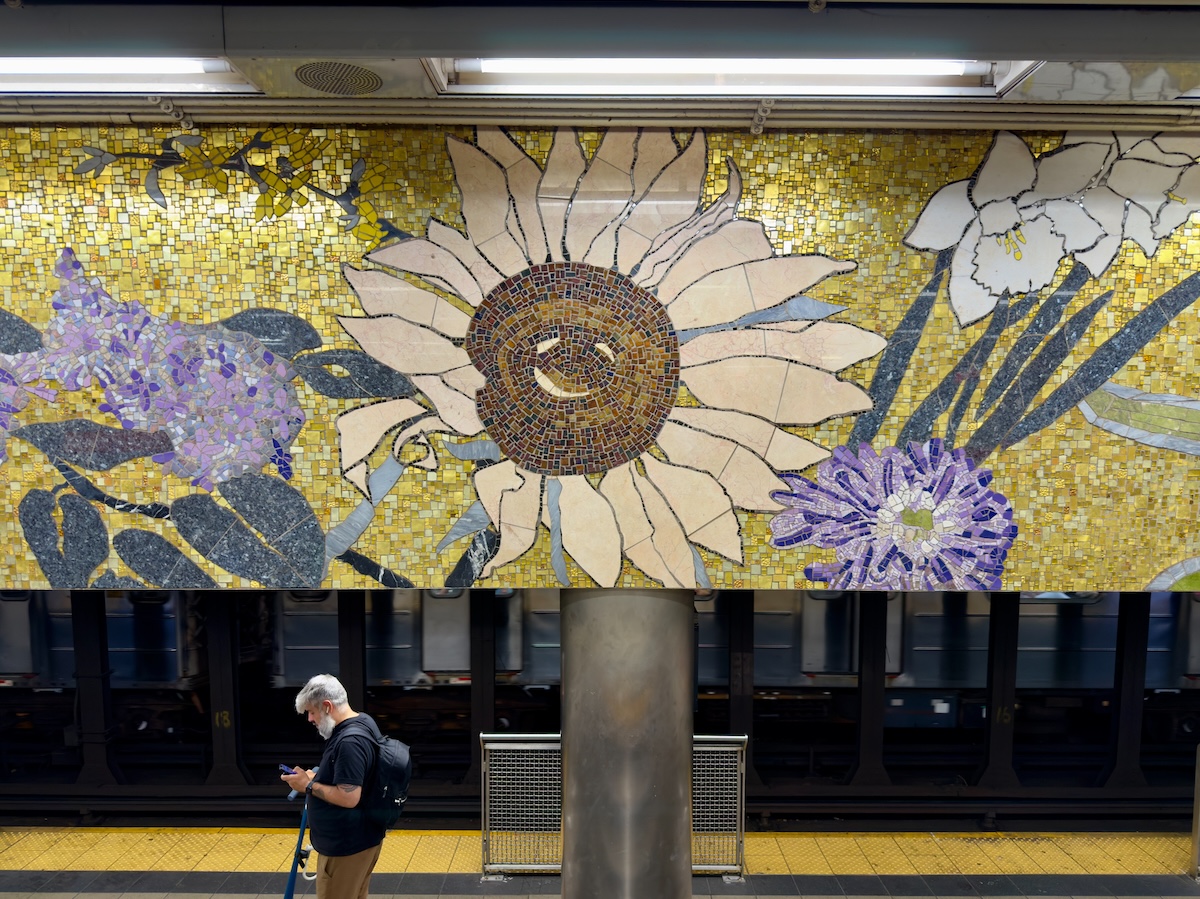
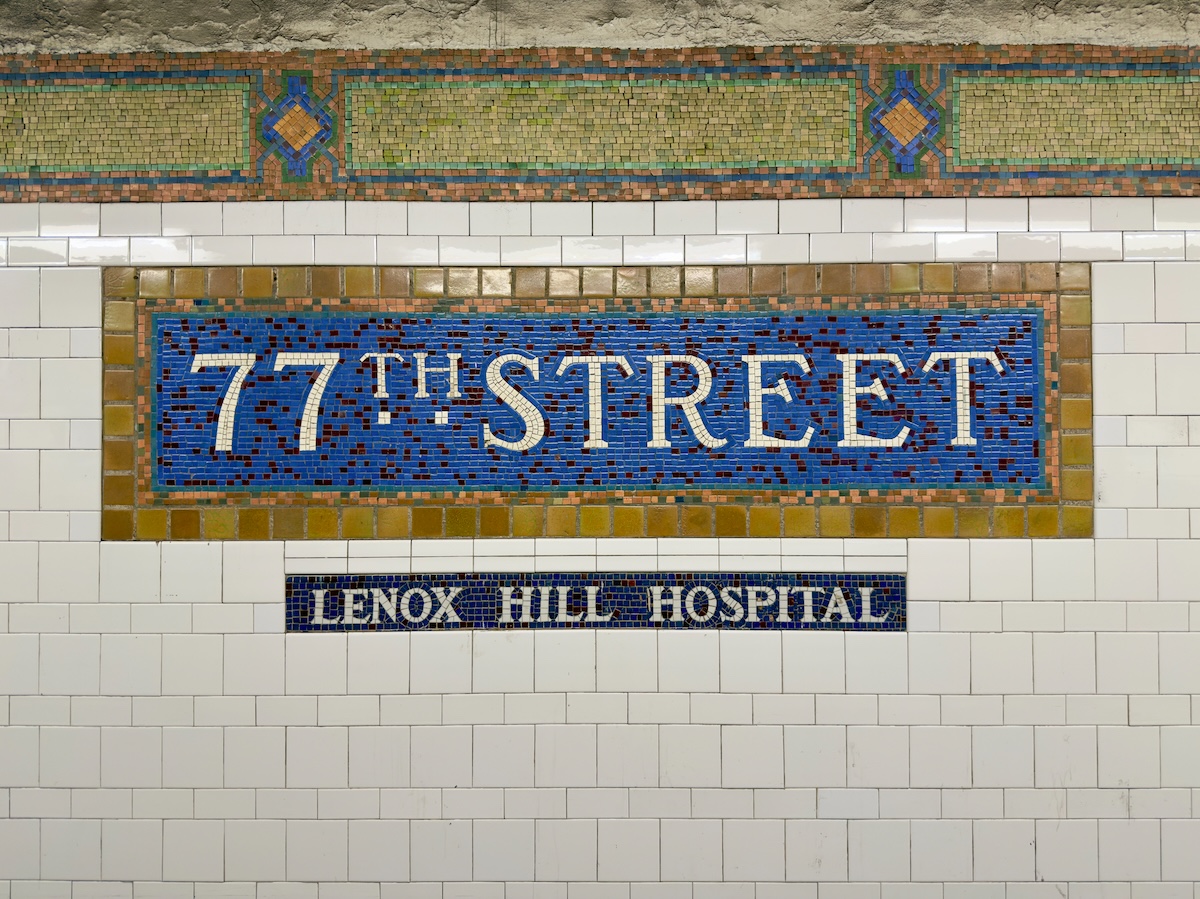
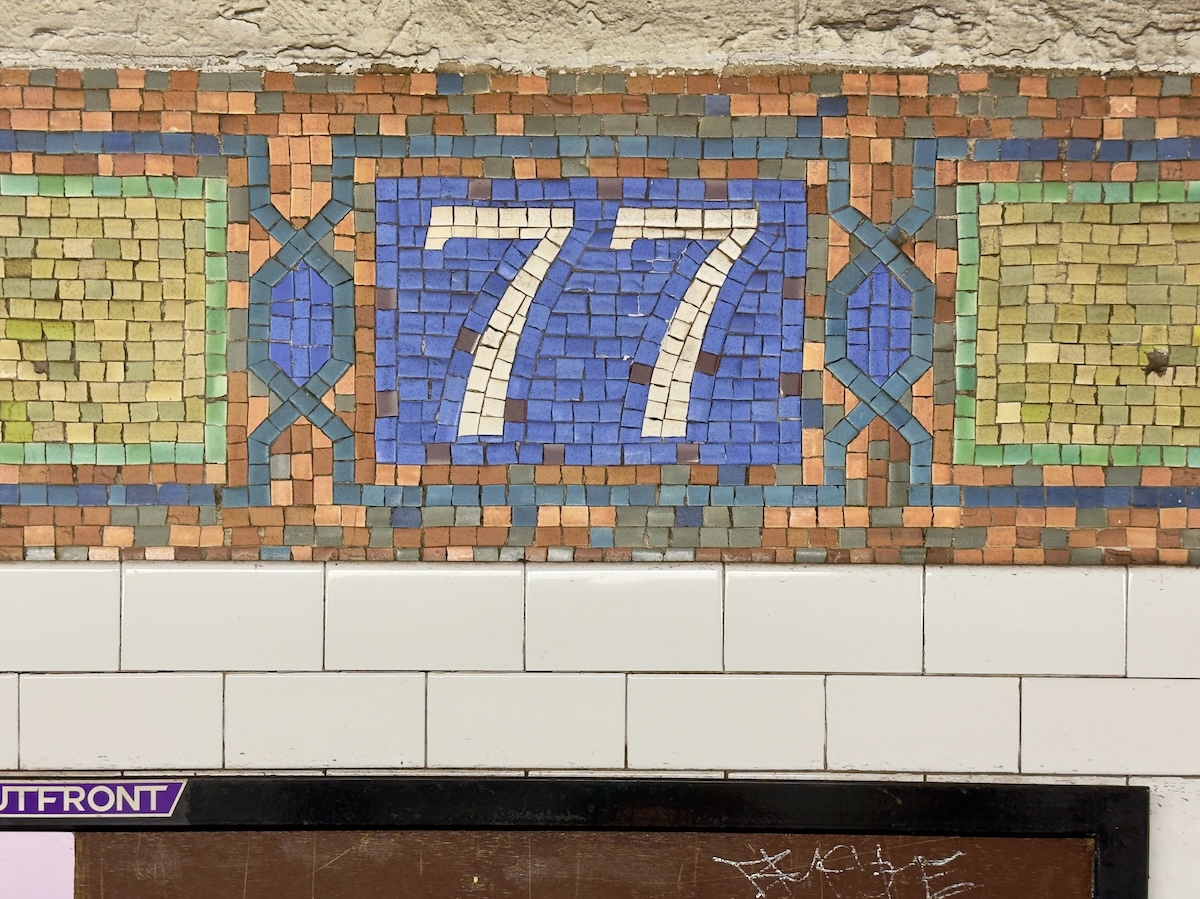
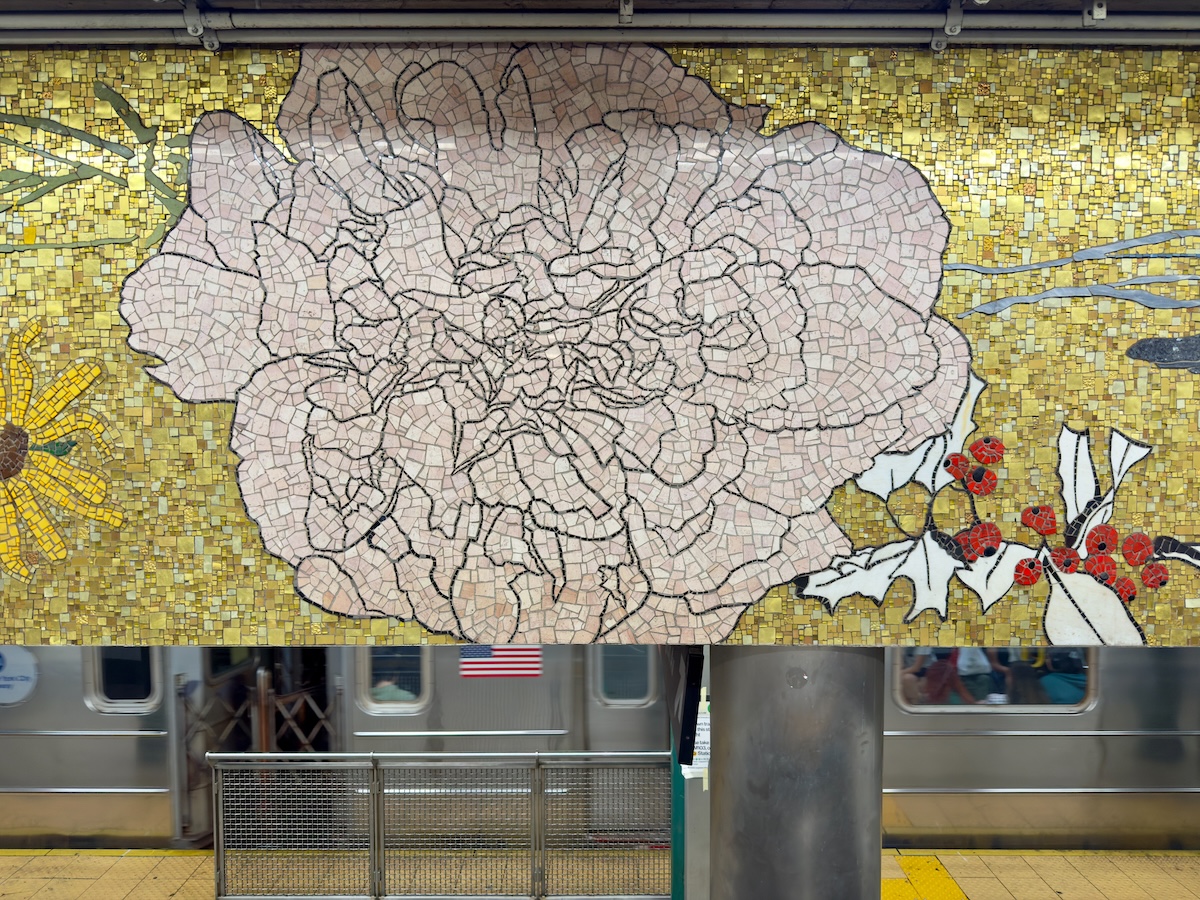
77th Street (Lexington Avenue)
6 train
Robert Kushner’s 4 Seasons Seasoned introduces an impressive amount of plant life into a place that otherwise consists mostly of tile, steel, and impatience. It’s a surprisingly cheerful change of pace.
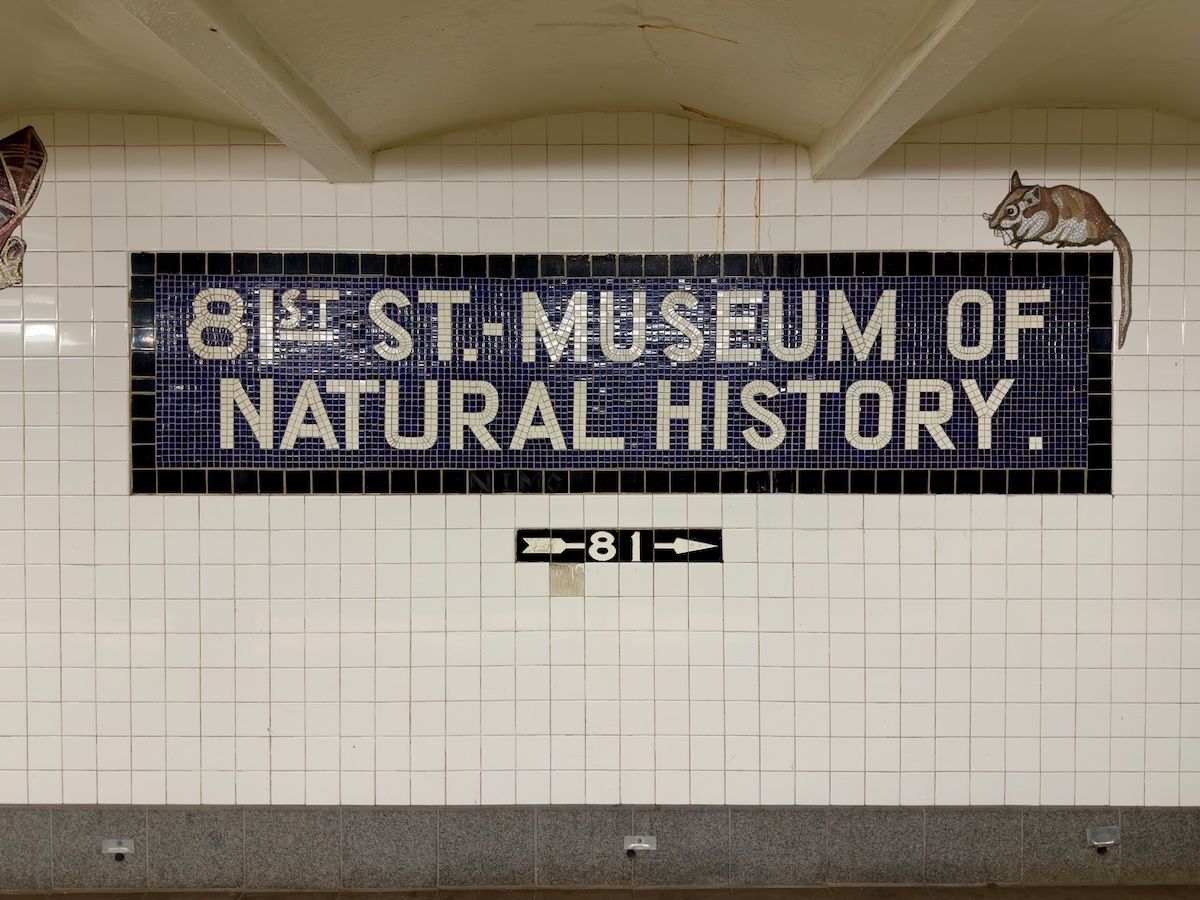
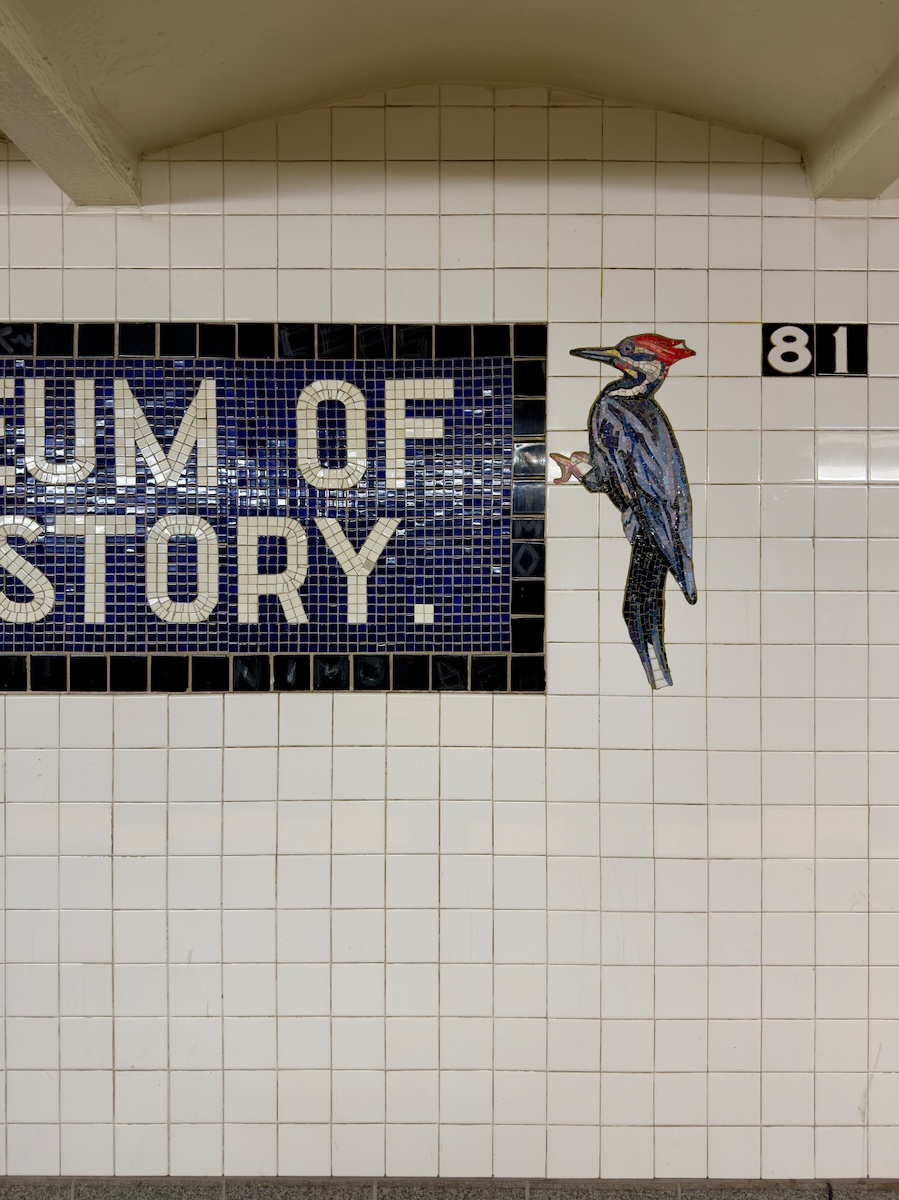
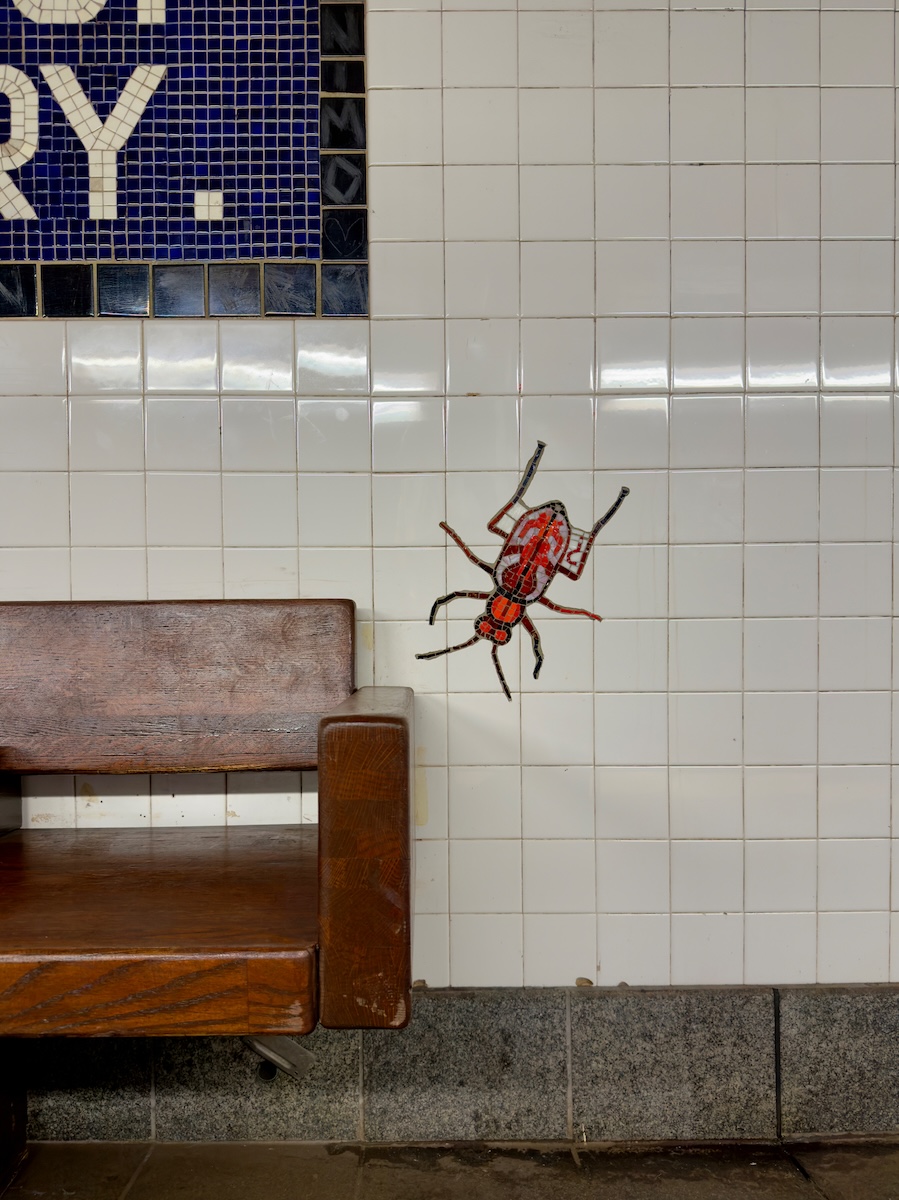
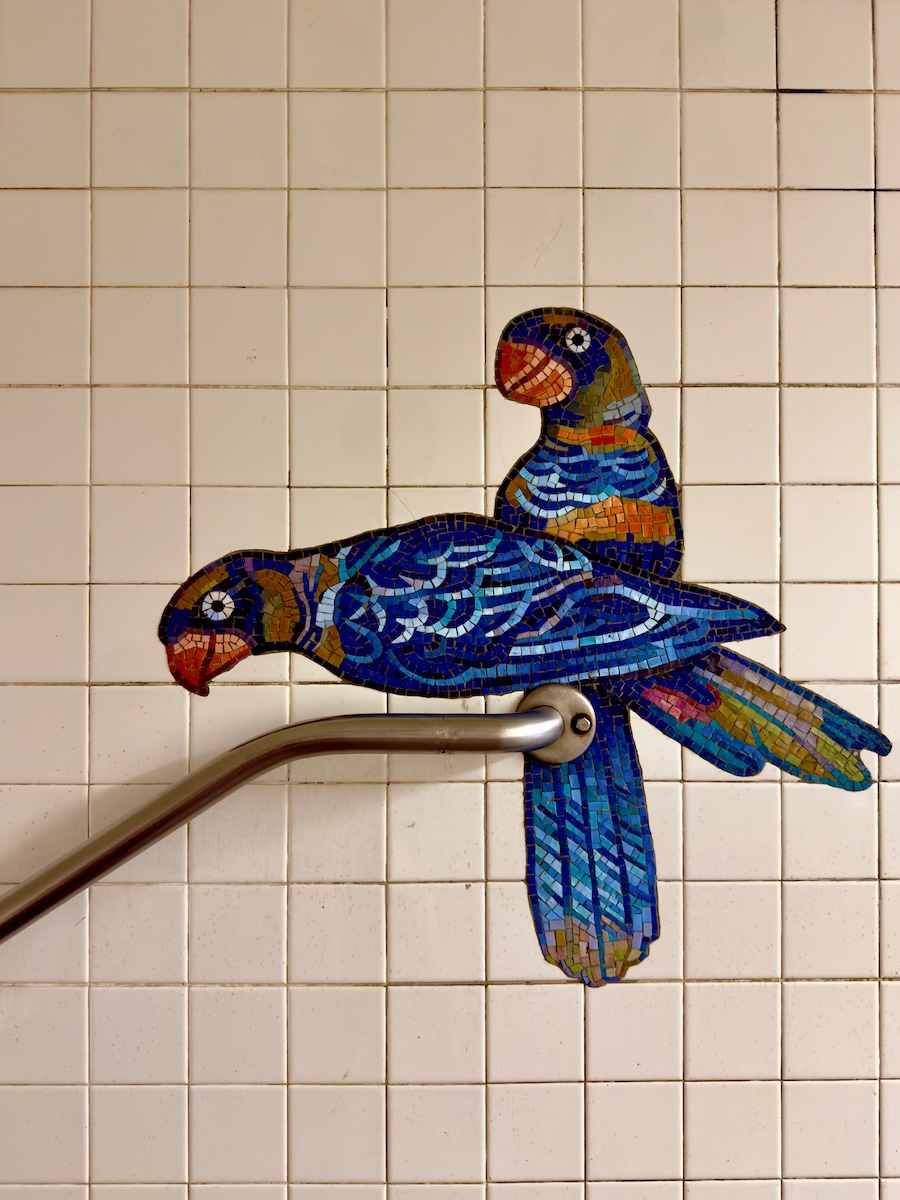
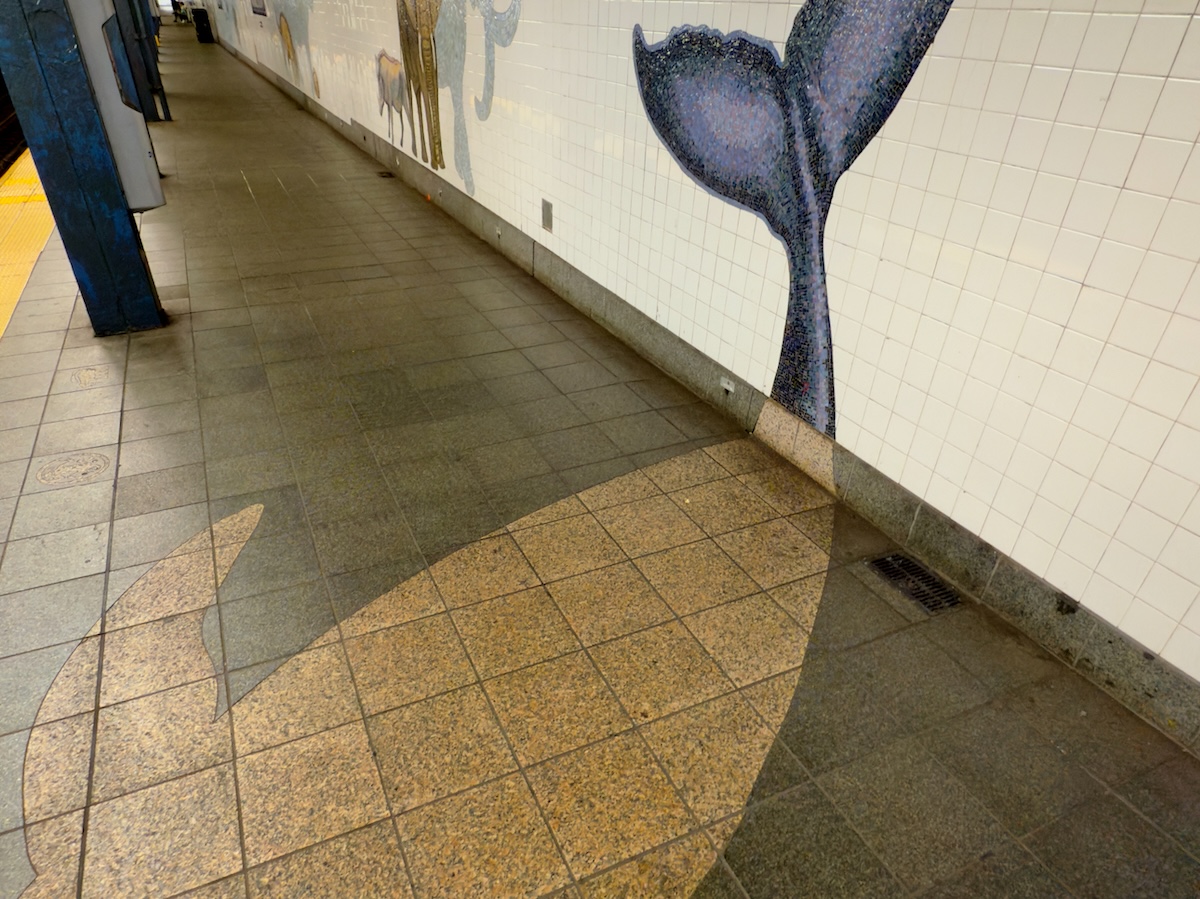
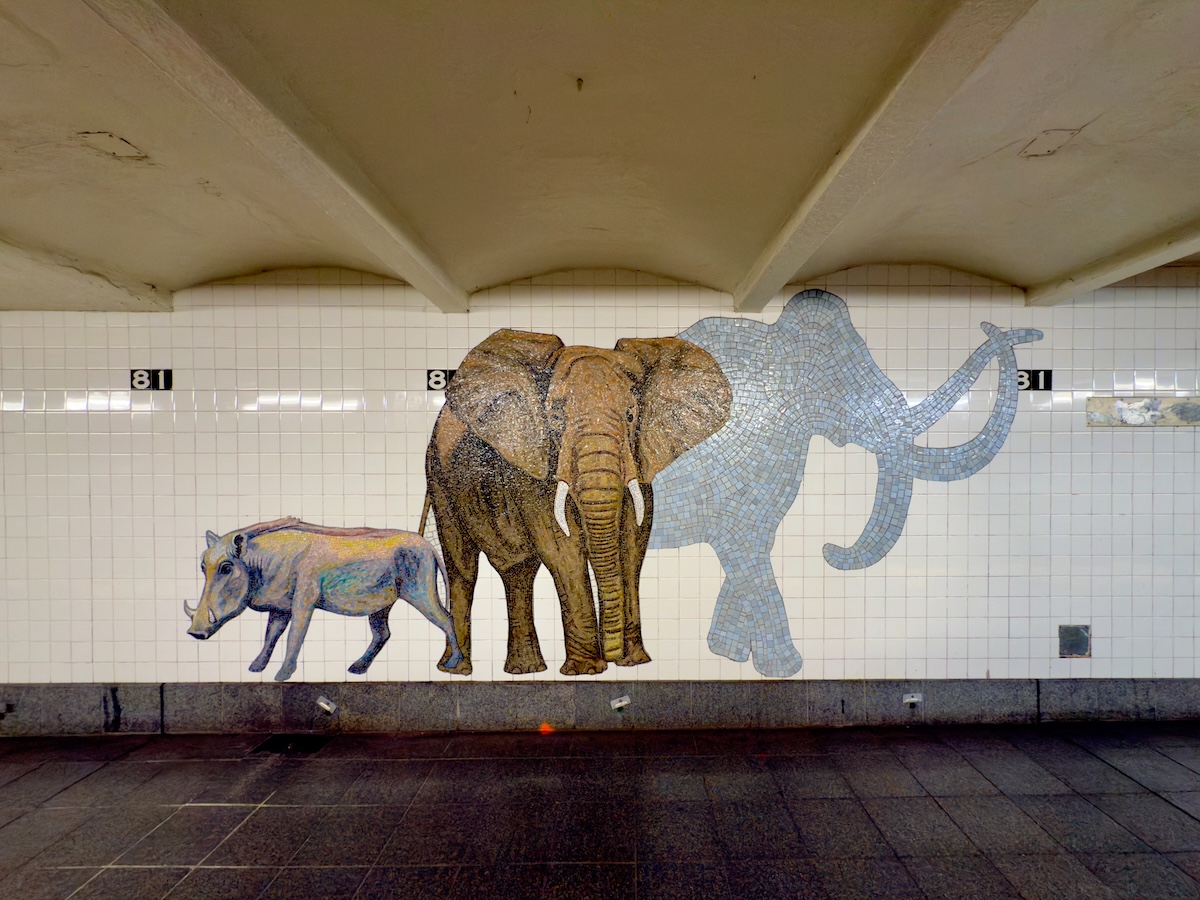
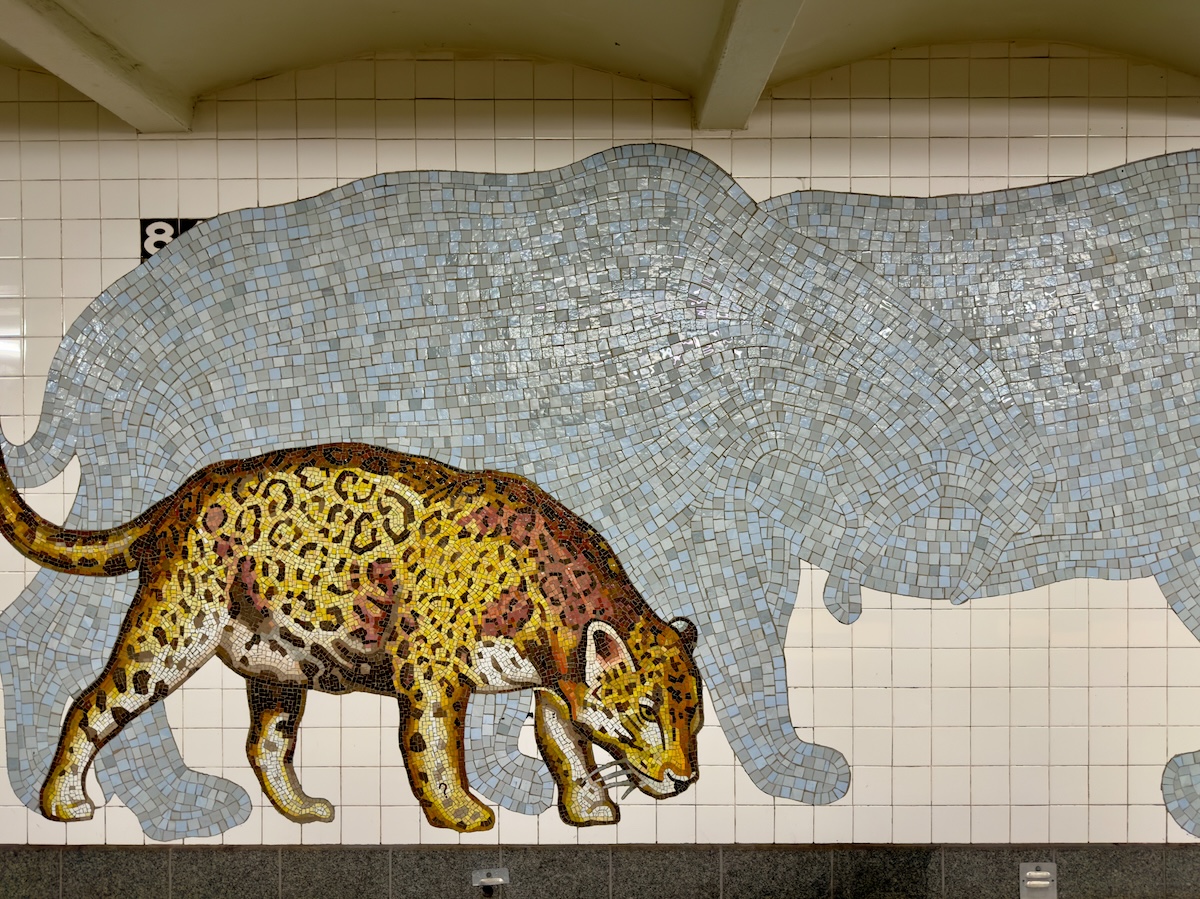
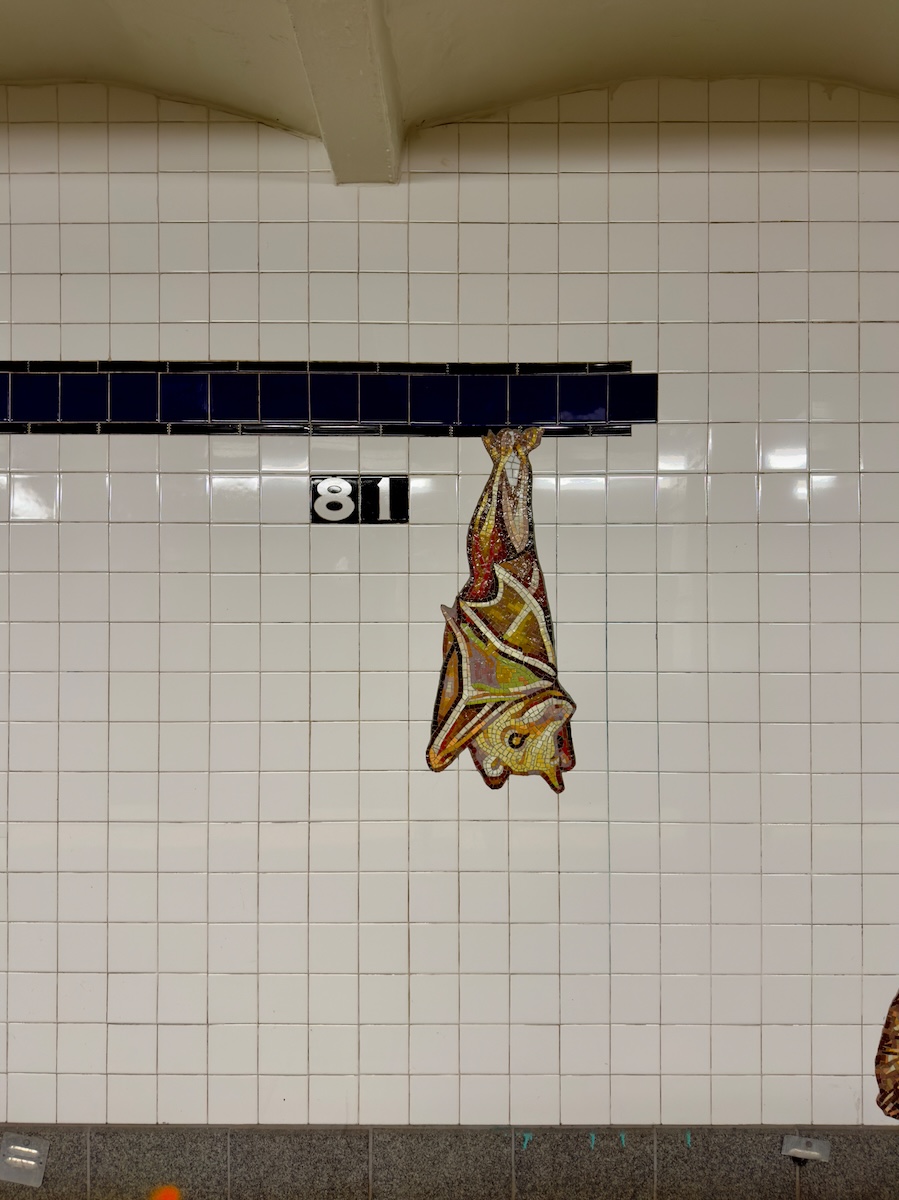
81st Street–Museum of Natural History
B, C trains
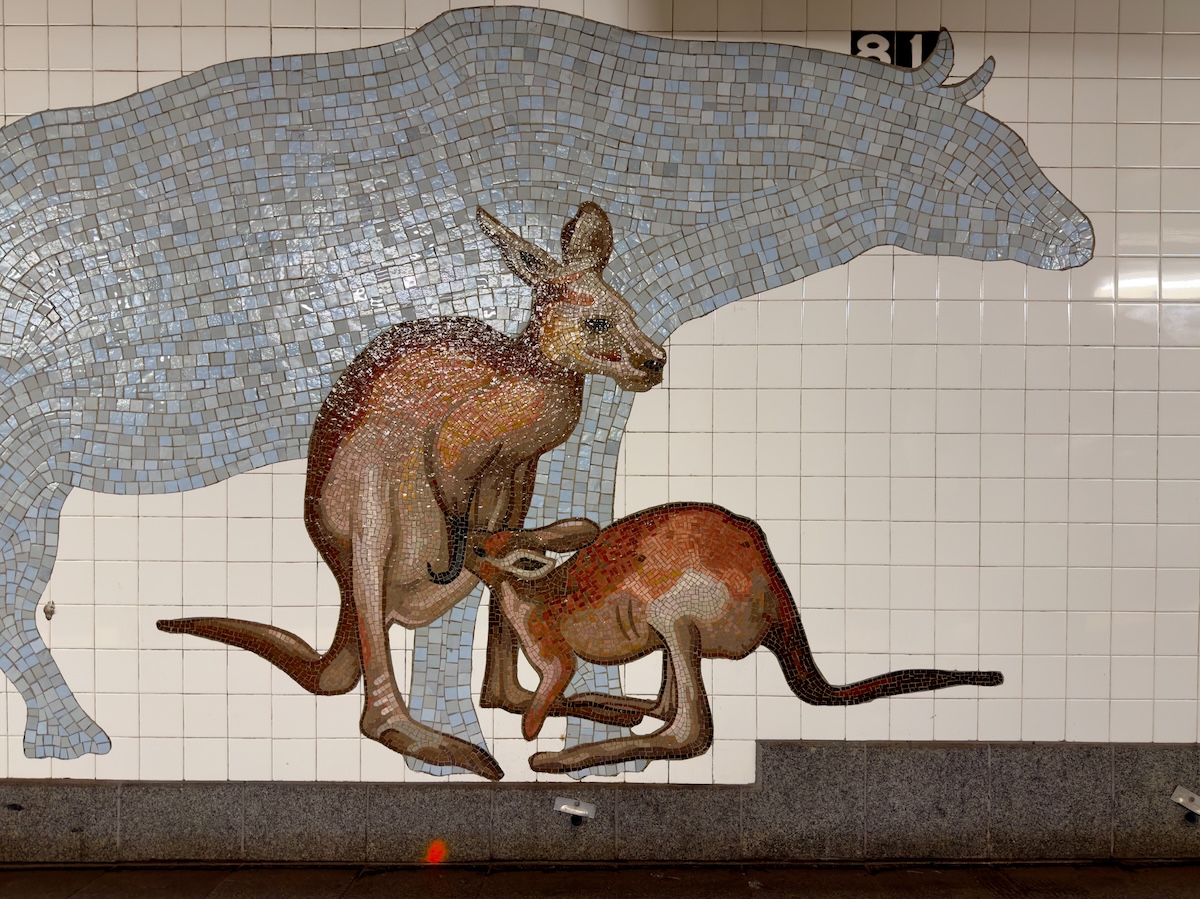
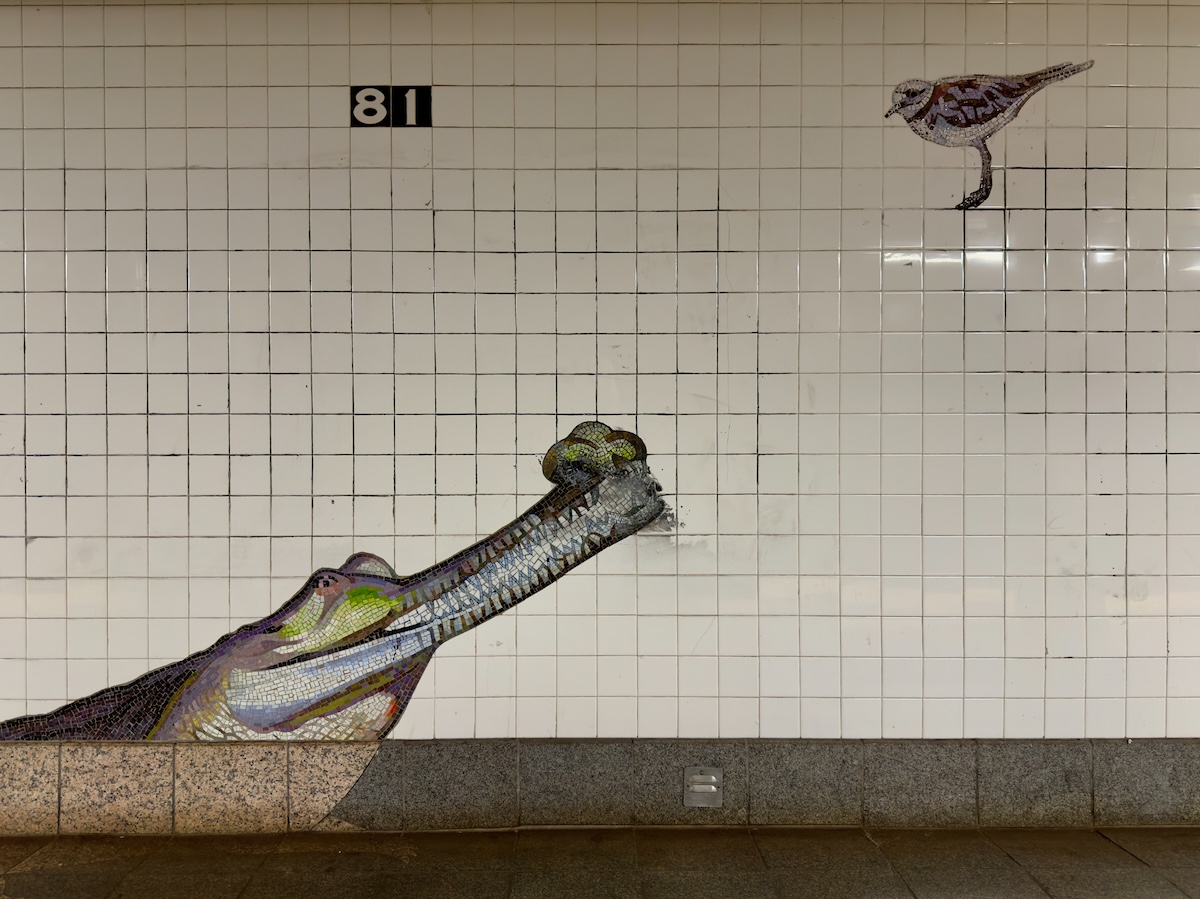
Most stations just tell you where you are. This one seems determined to bring the museum into the subway with you. Before you’ve even reached the street, you’re already surrounded by mammoths, bats, dinosaurs, and enough wildlife to qualify as an exhibit.
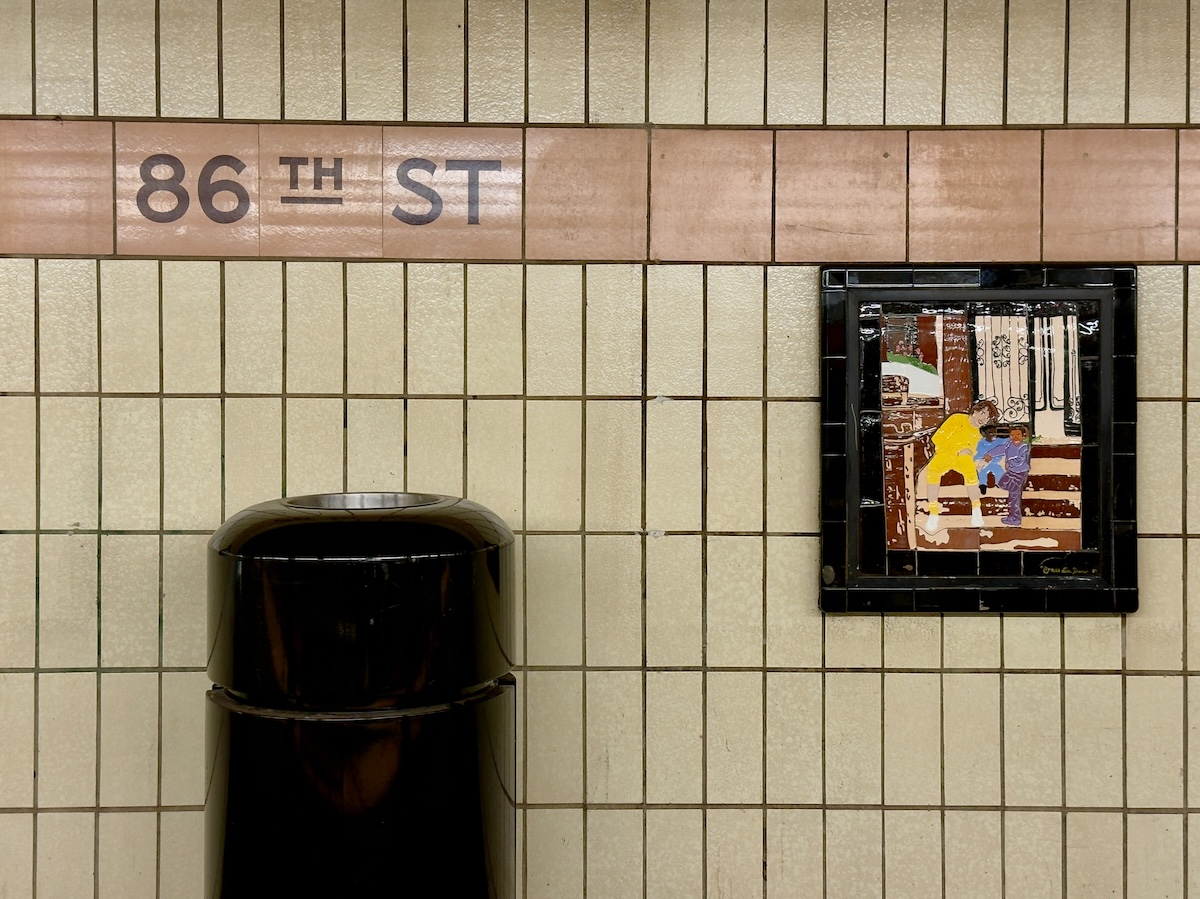
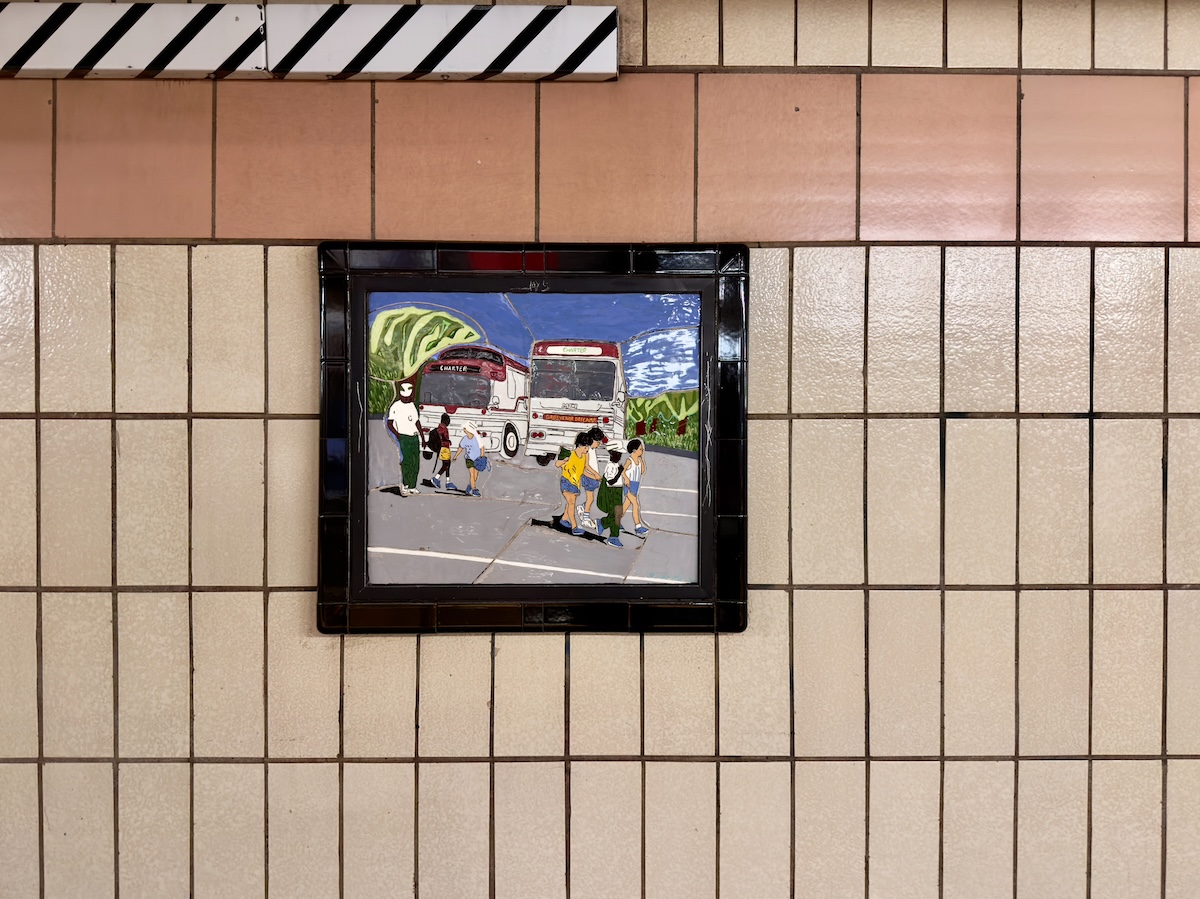
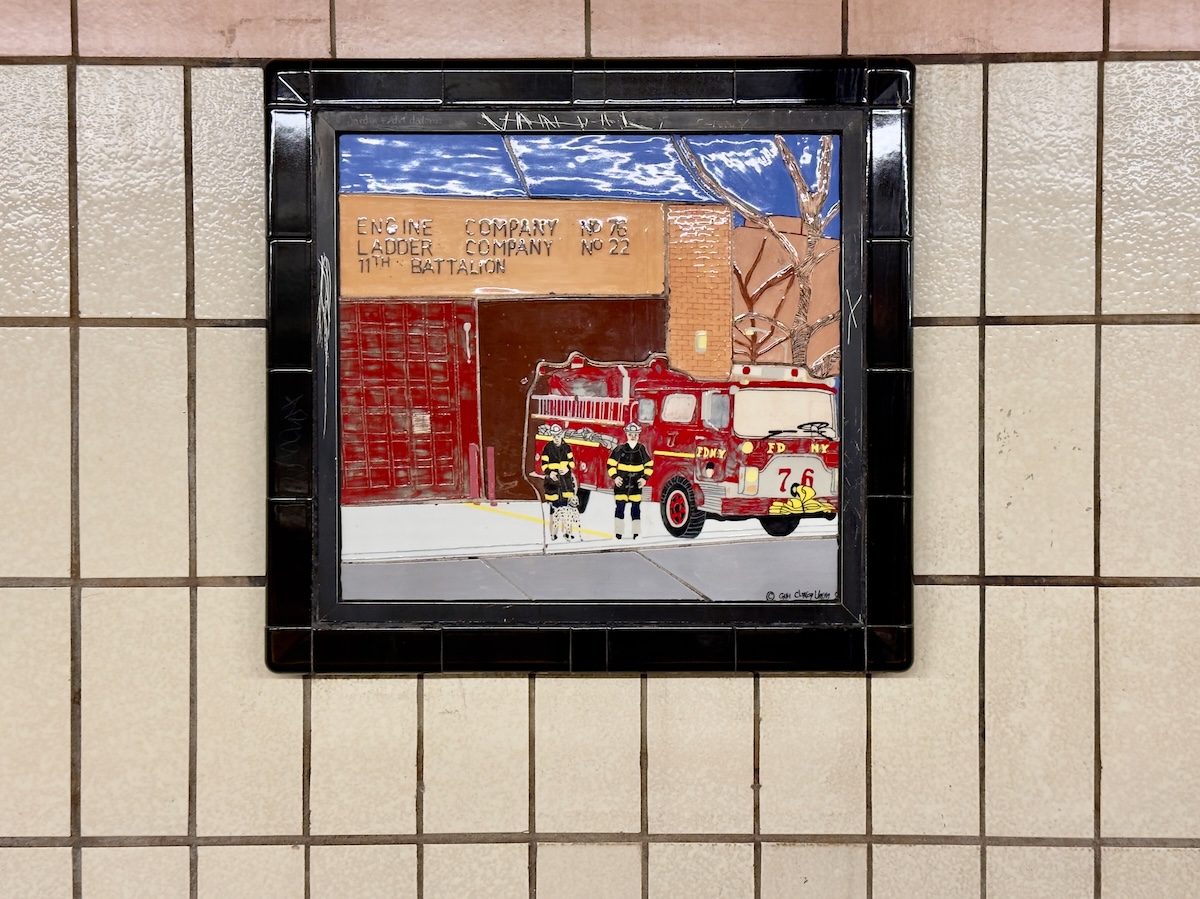
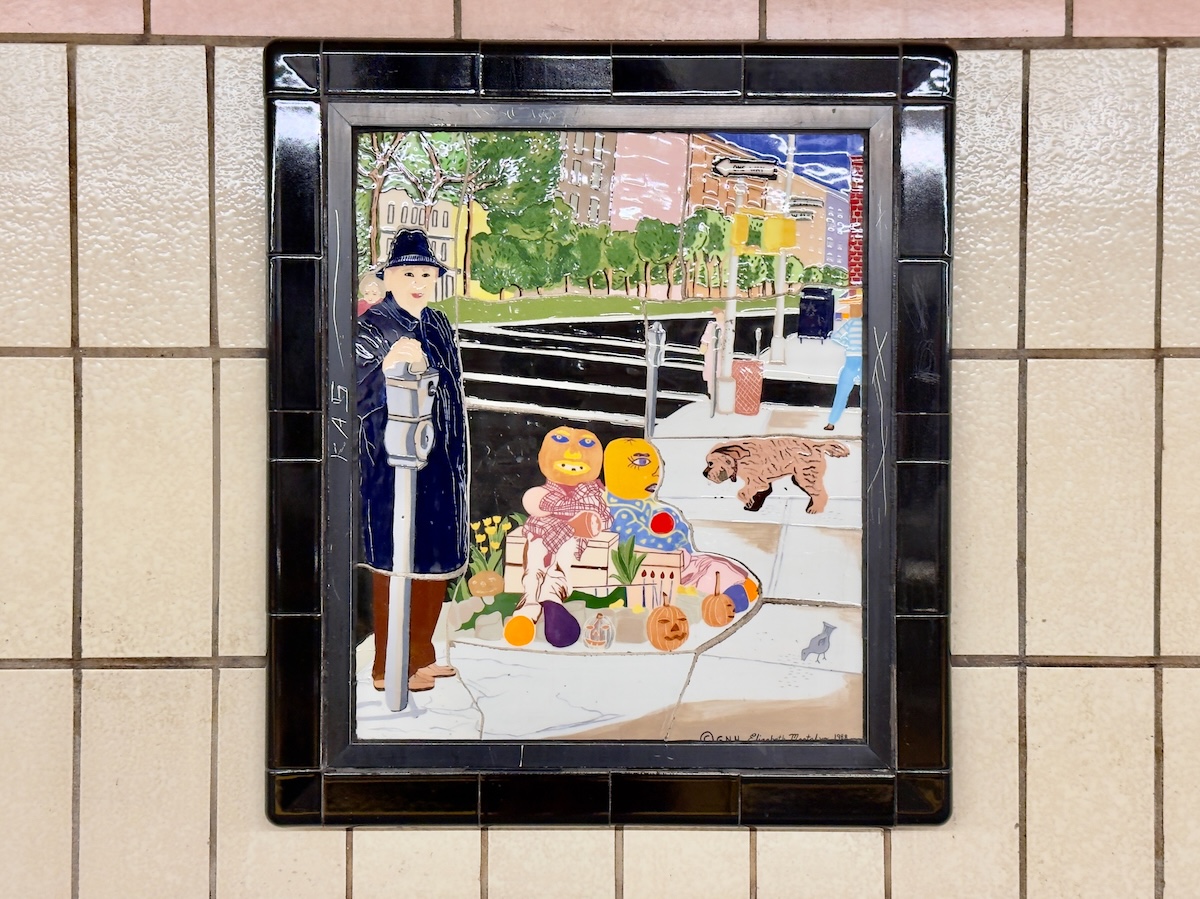
86th Street (Broadway)
1 train
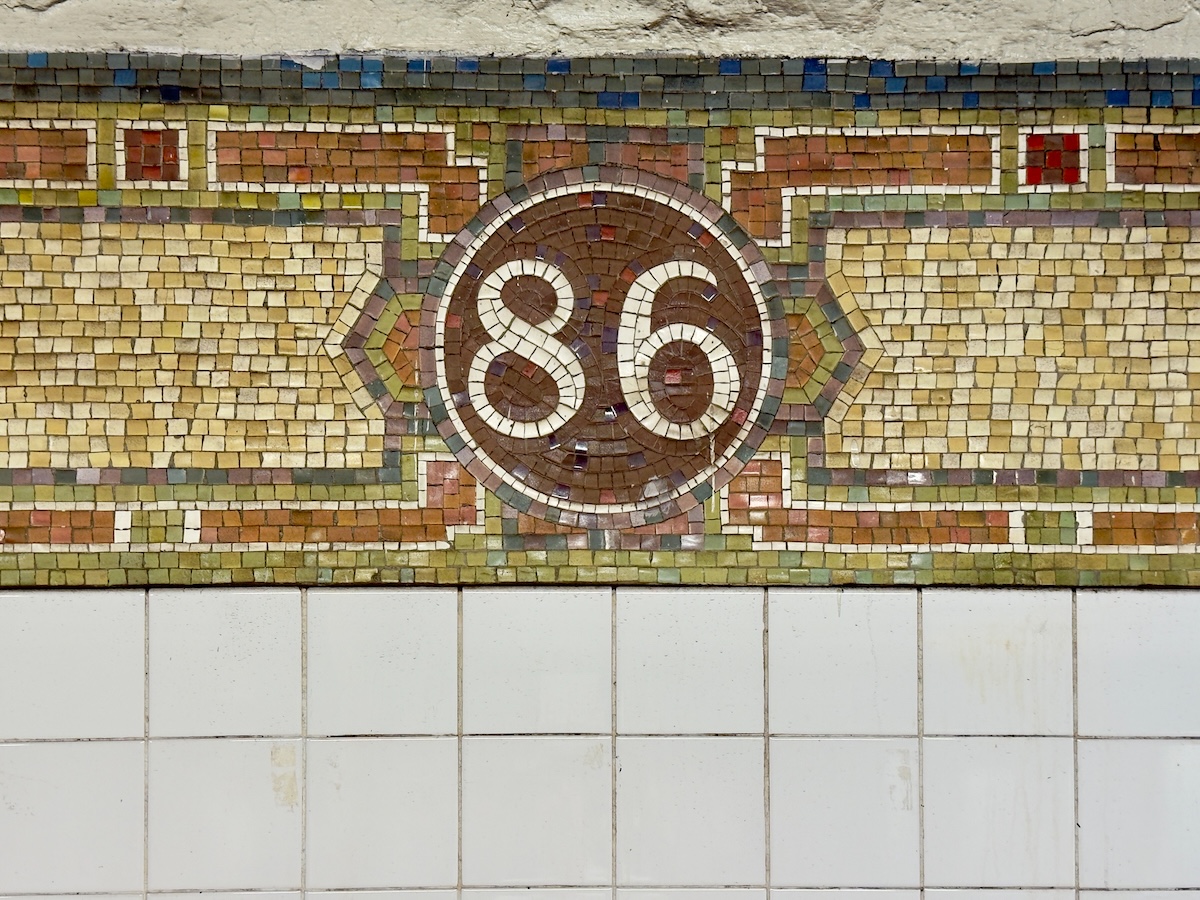
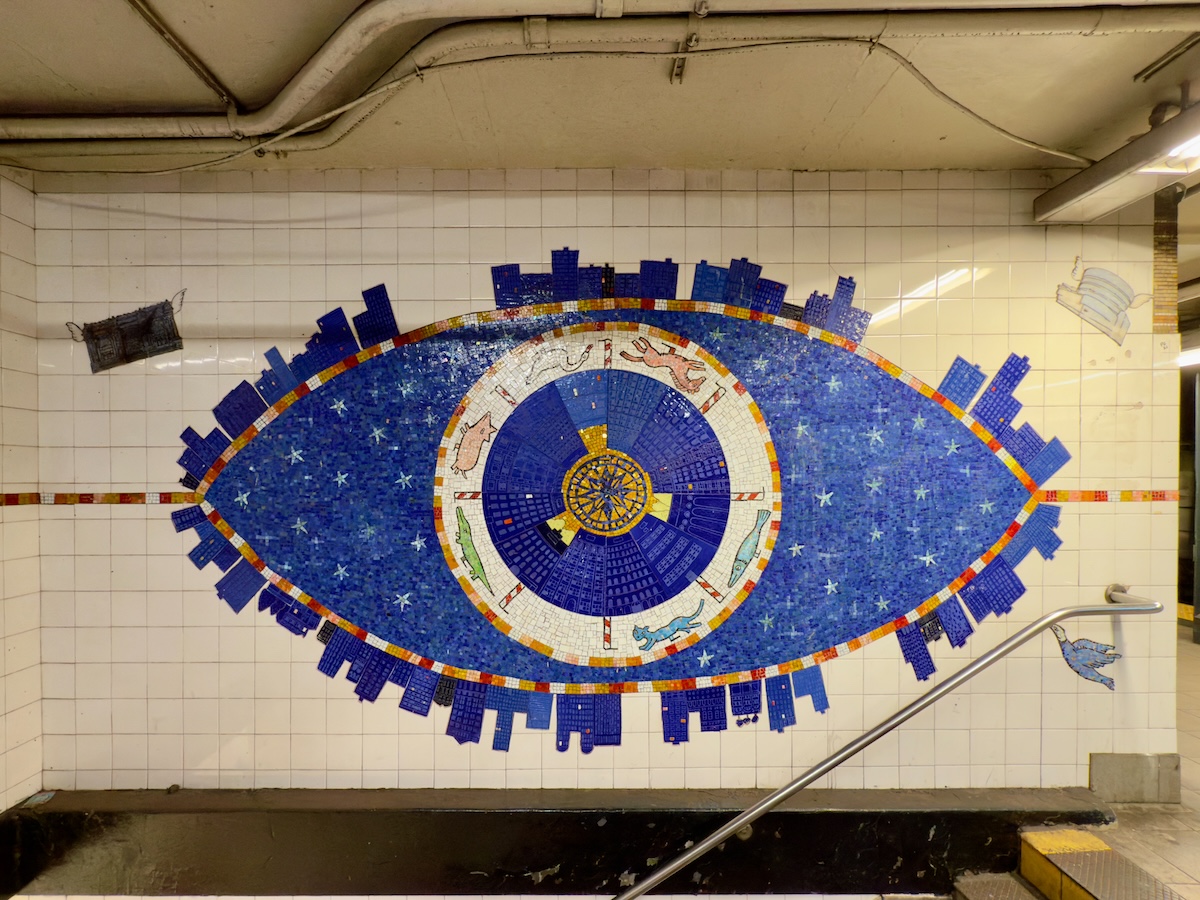
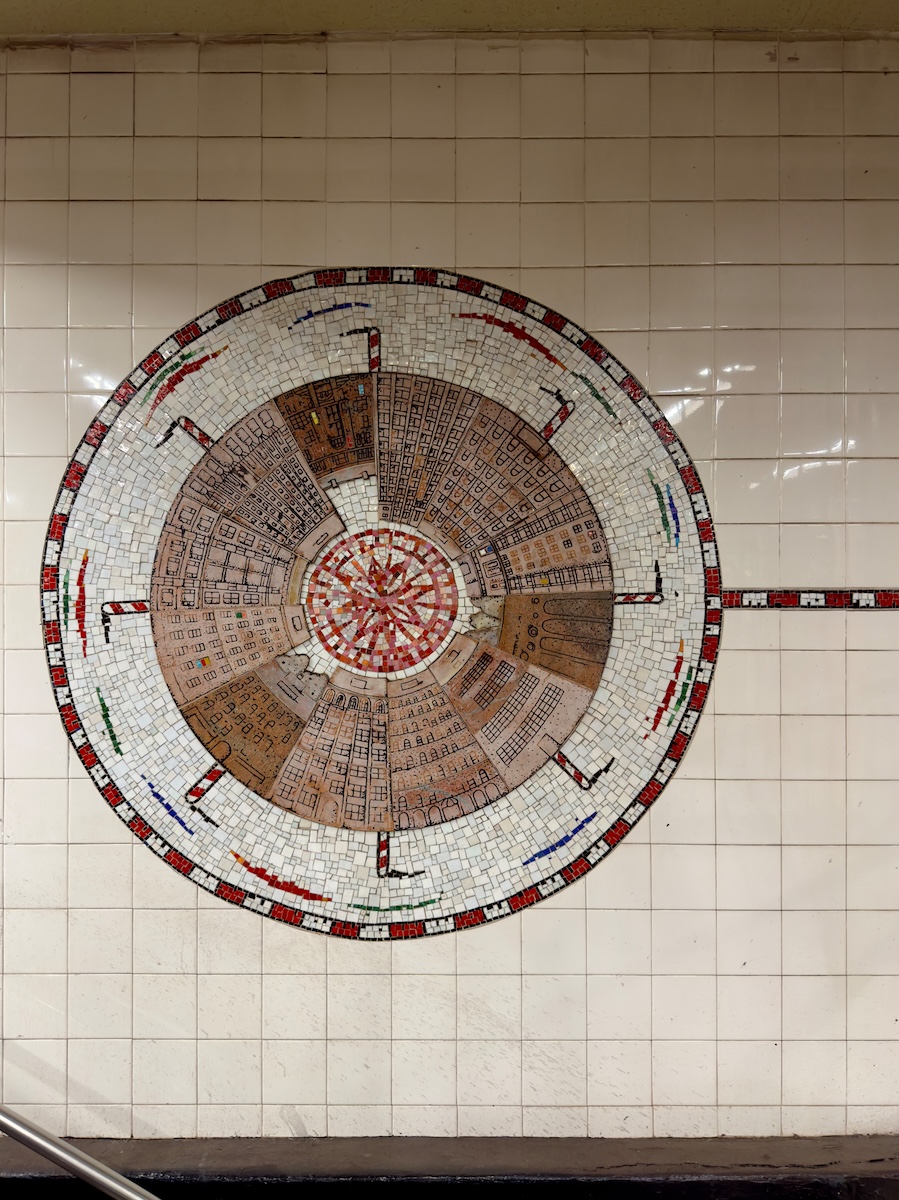
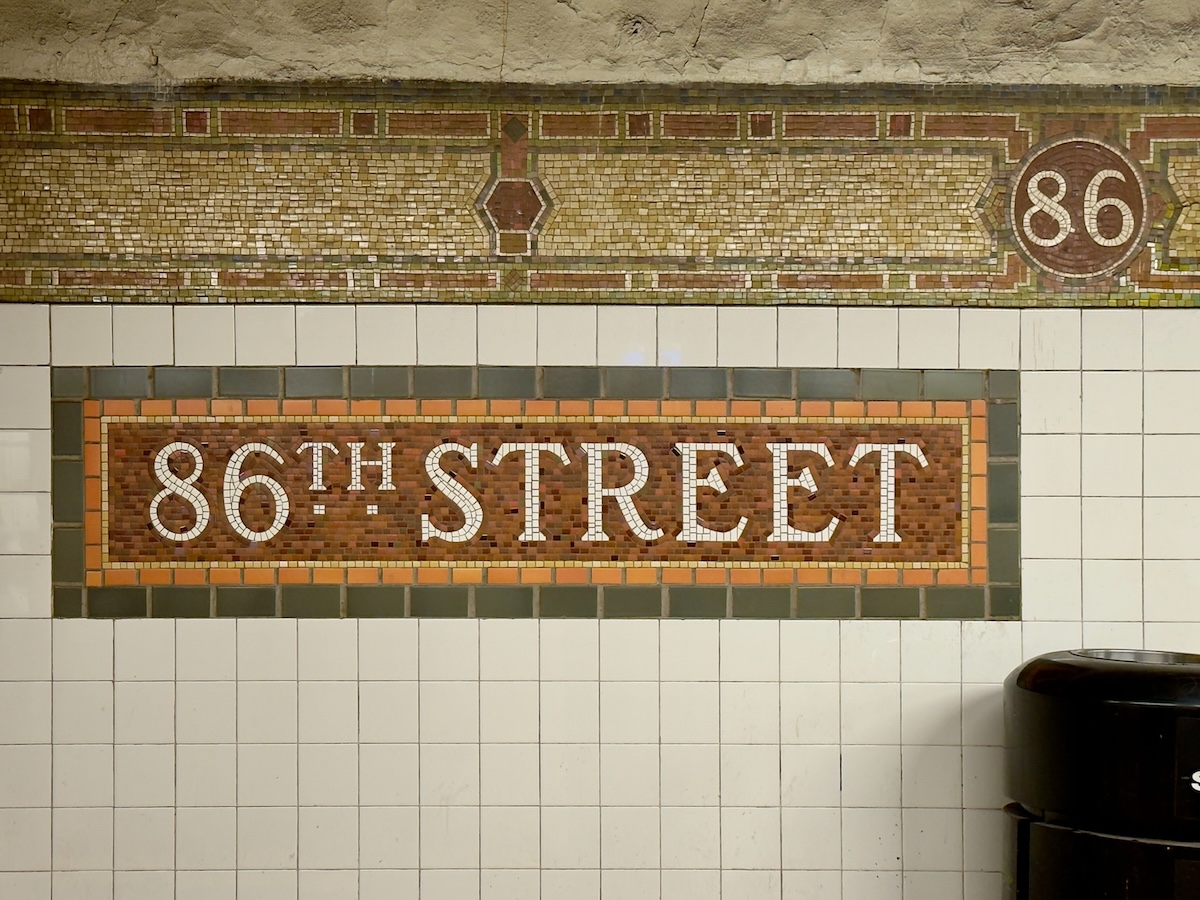
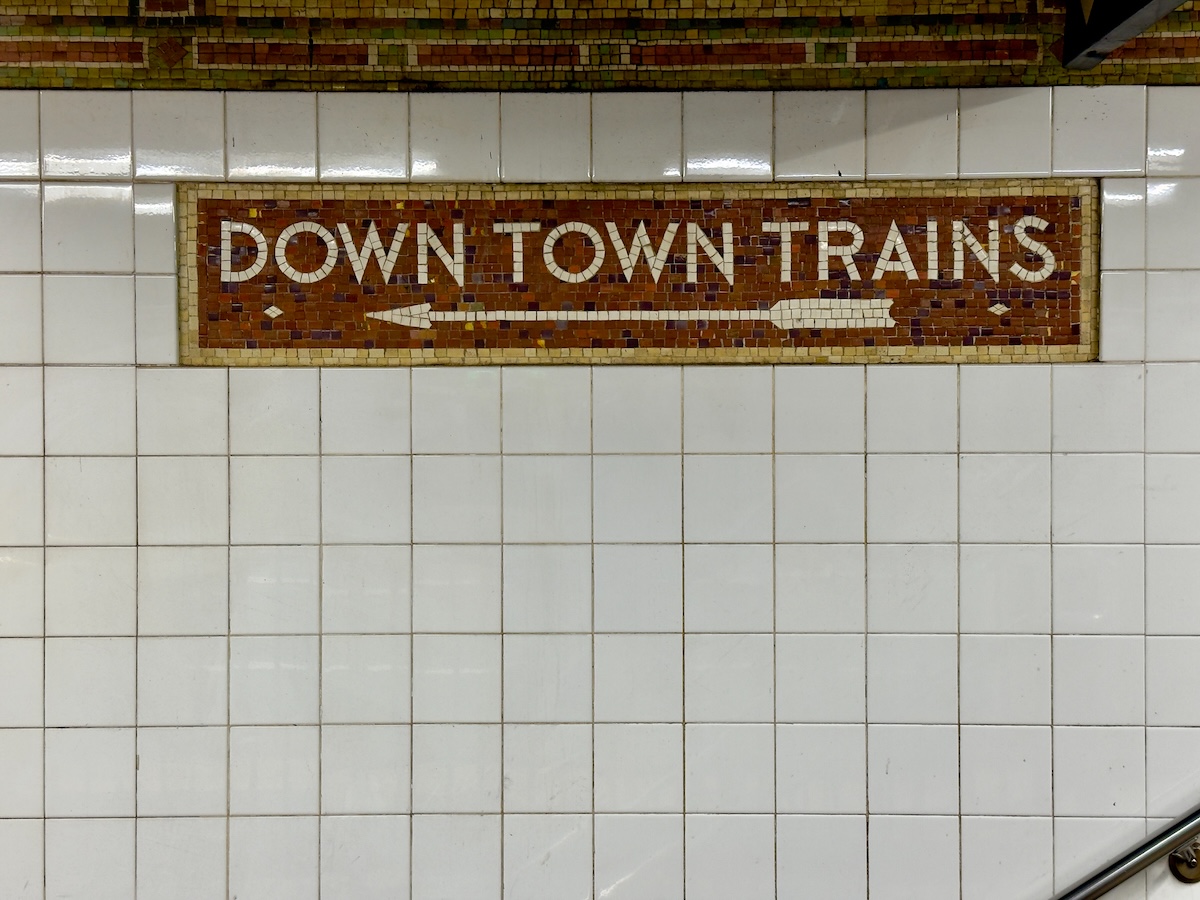
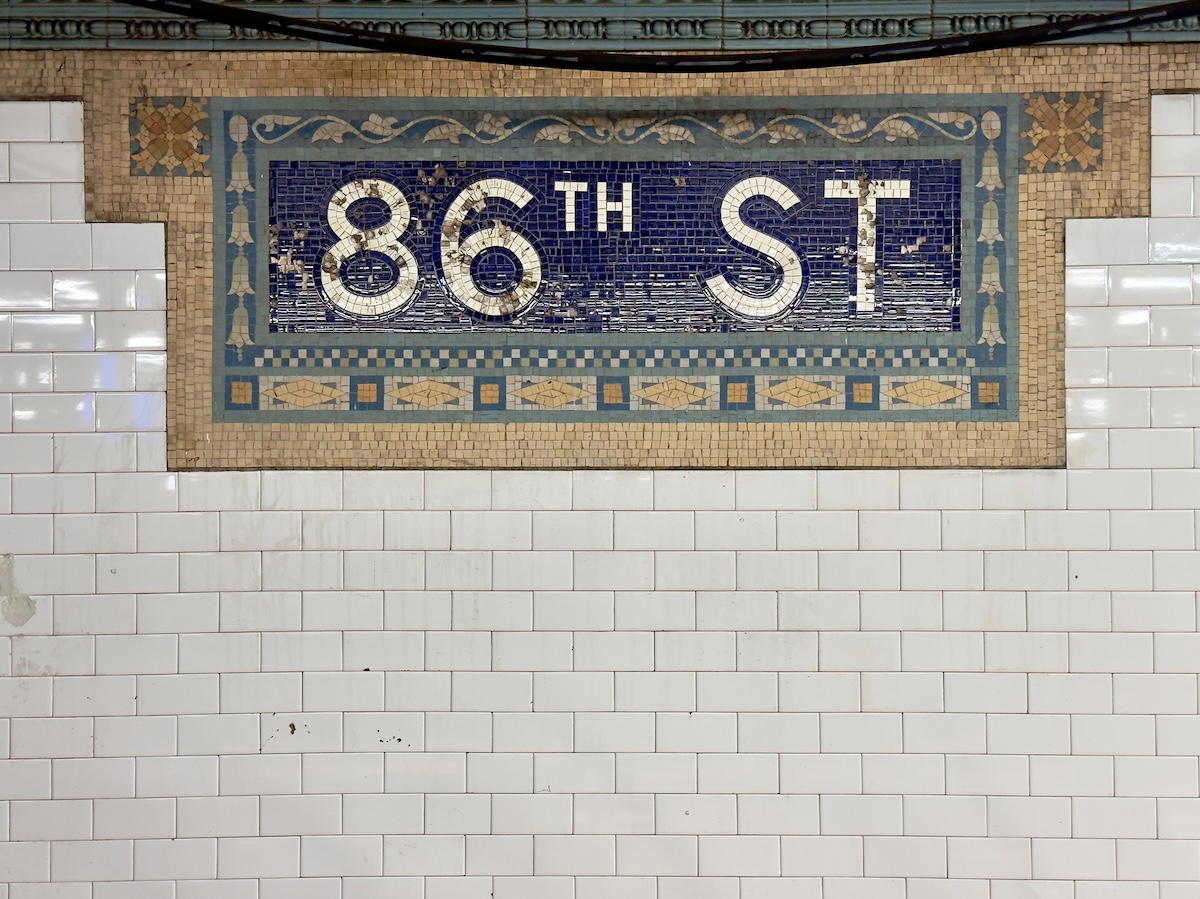
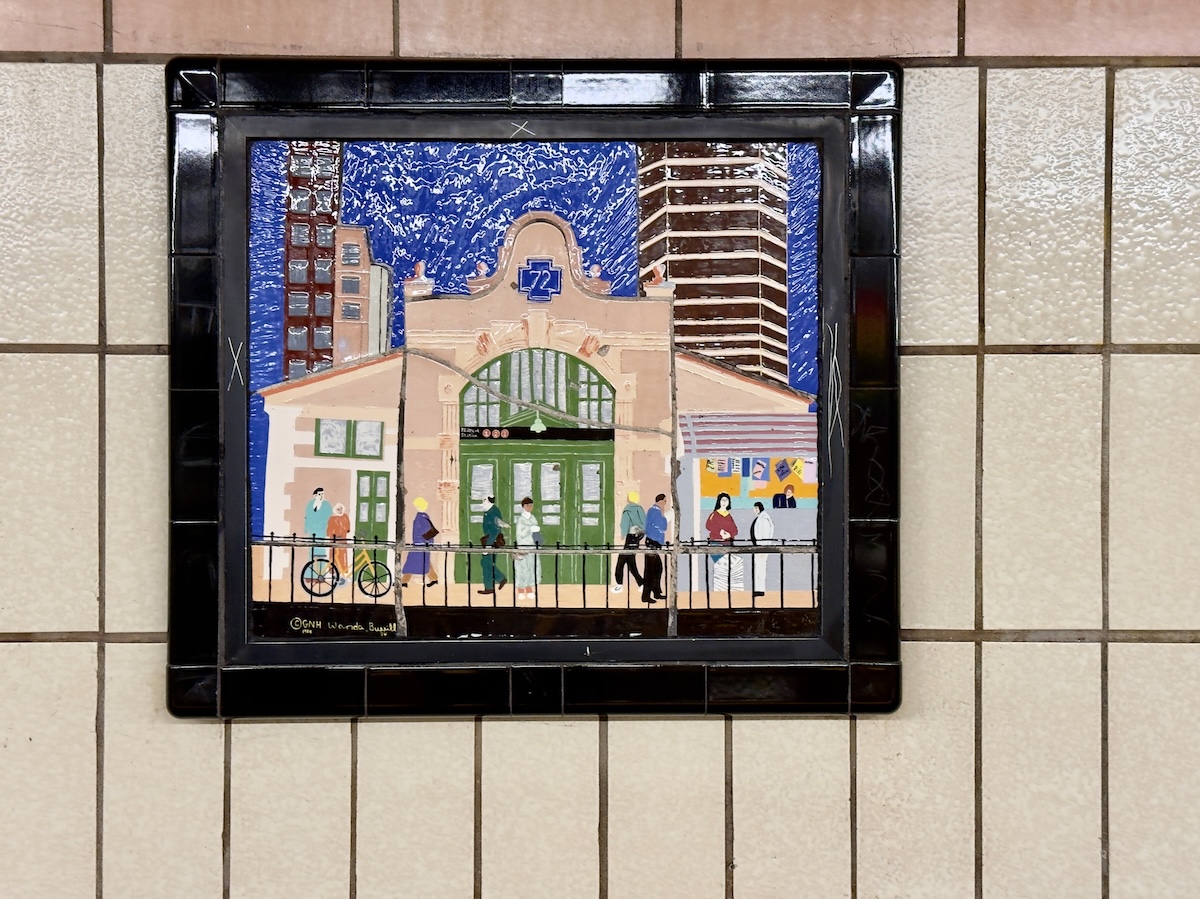
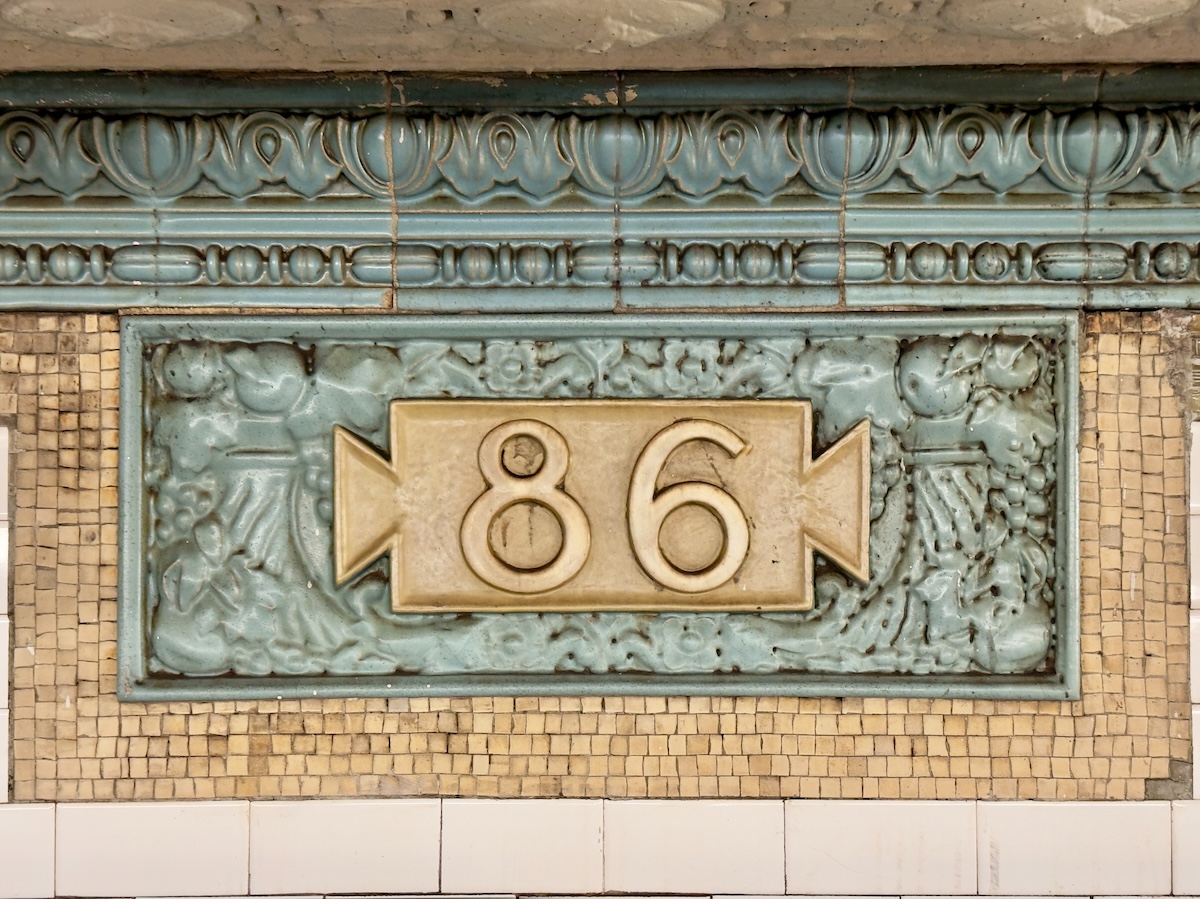
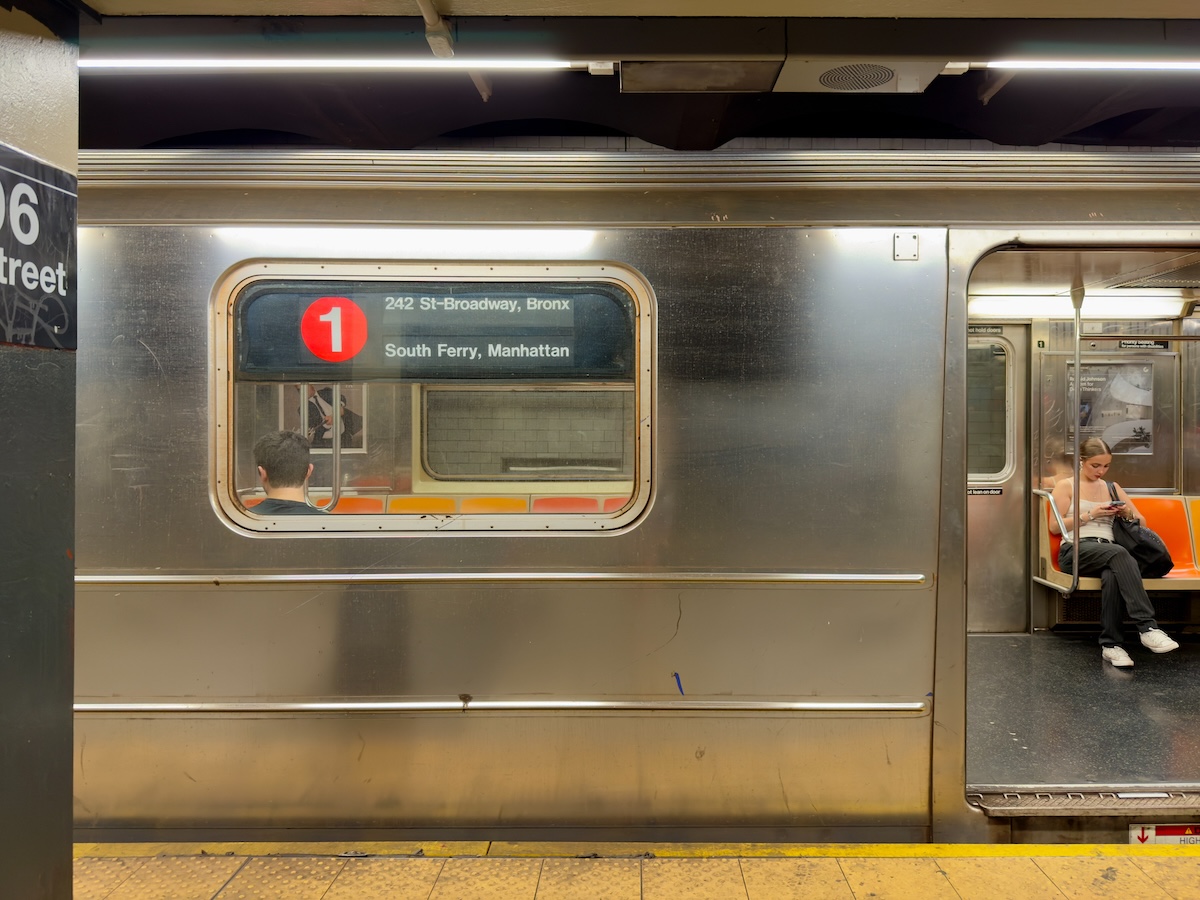
Some subway artwork aims for grandeur. Nitza Tufiño’s Westside Views is more interested in ordinary people going about their lives. I found that oddly refreshing.
103rd Street (Lexington Avenue)
B, C trains
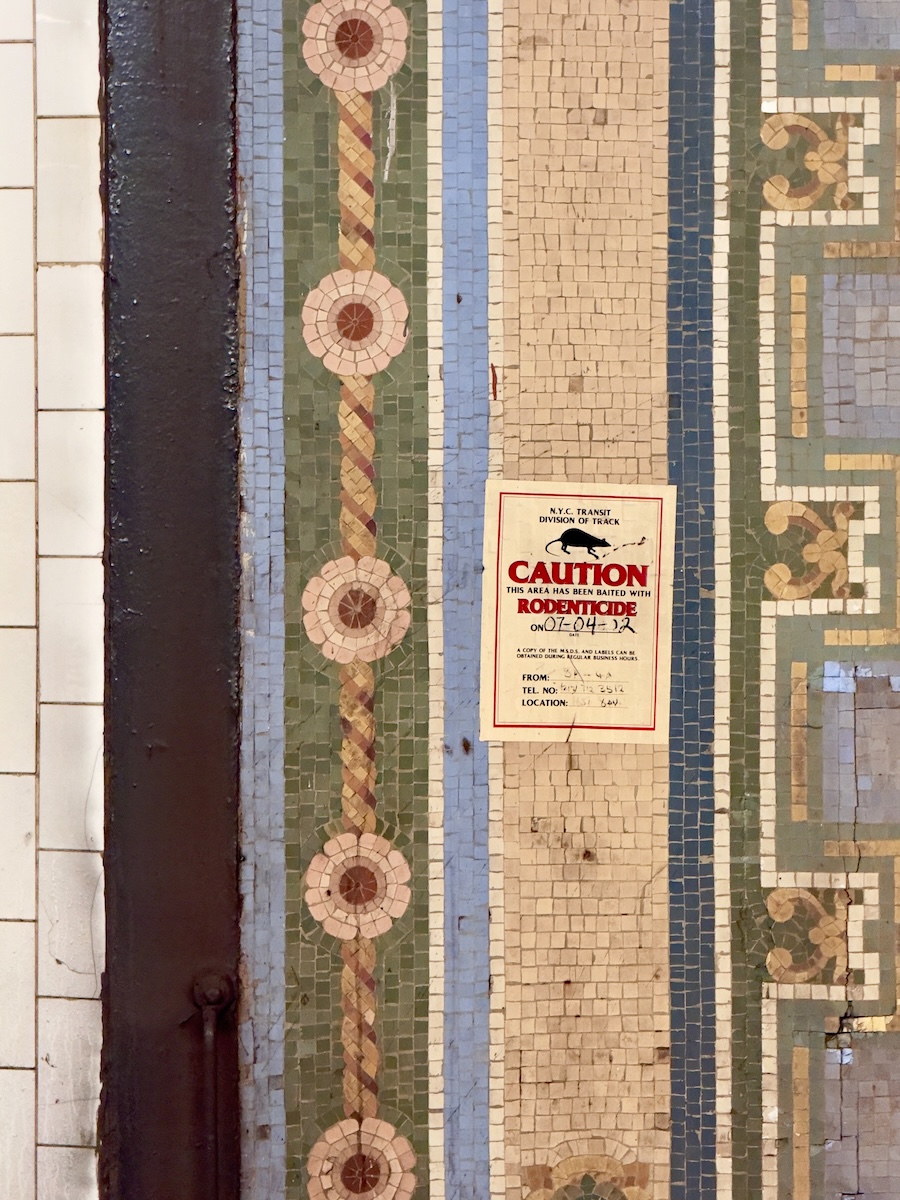
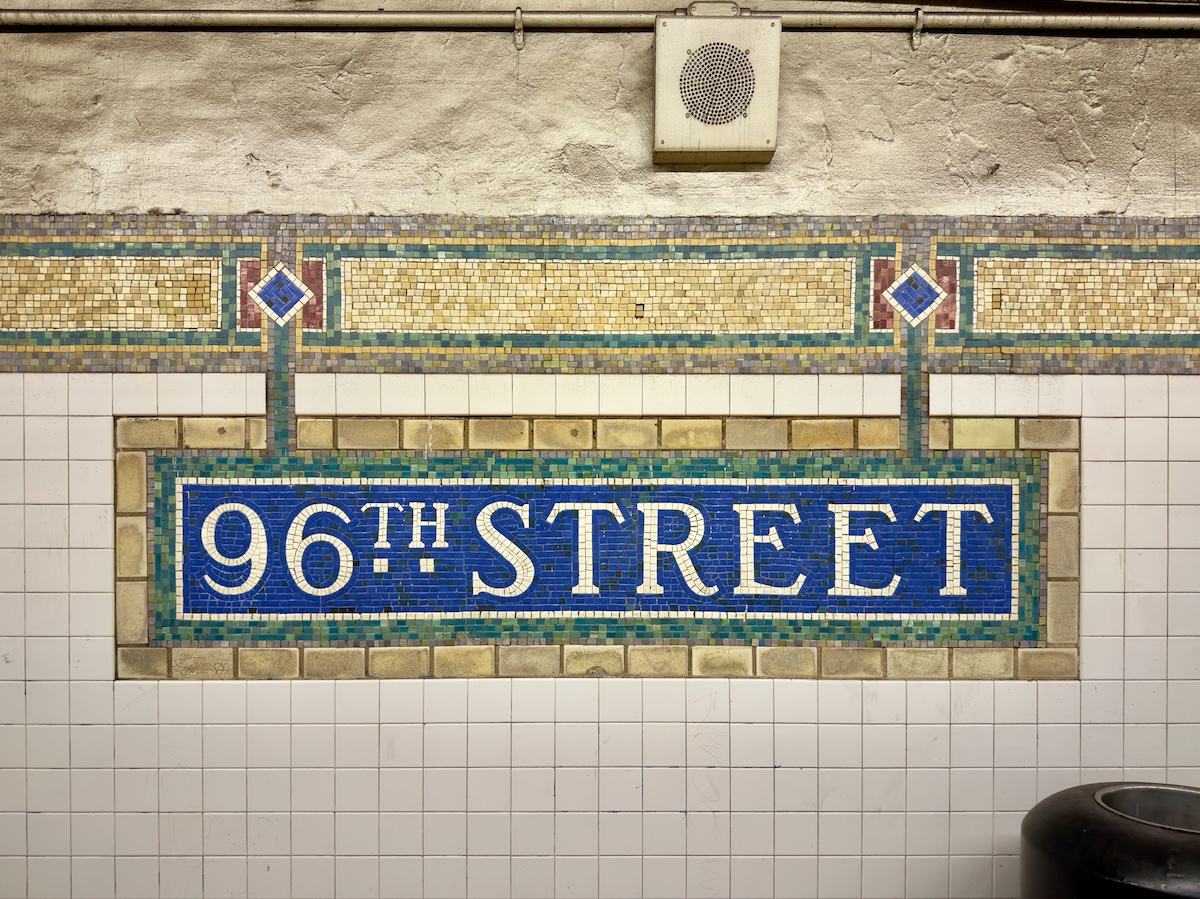
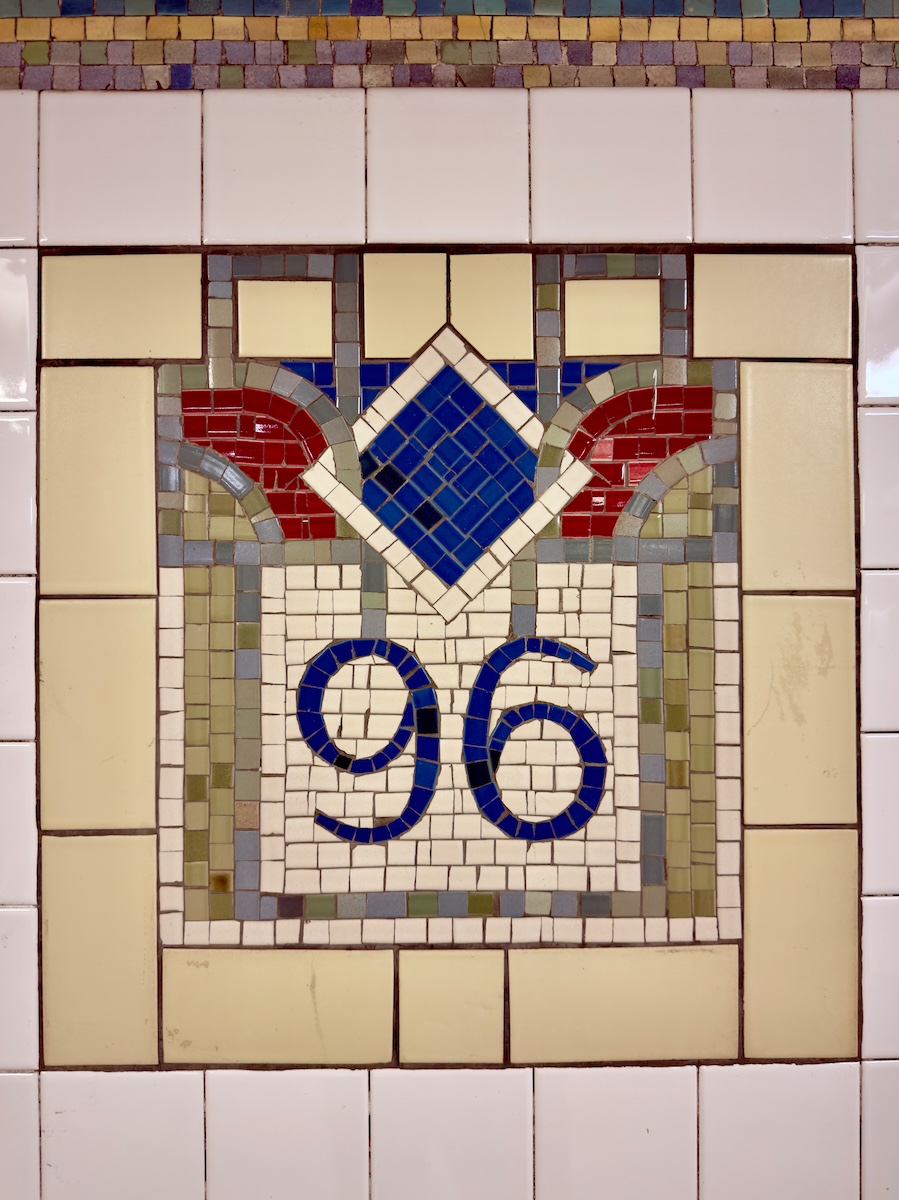
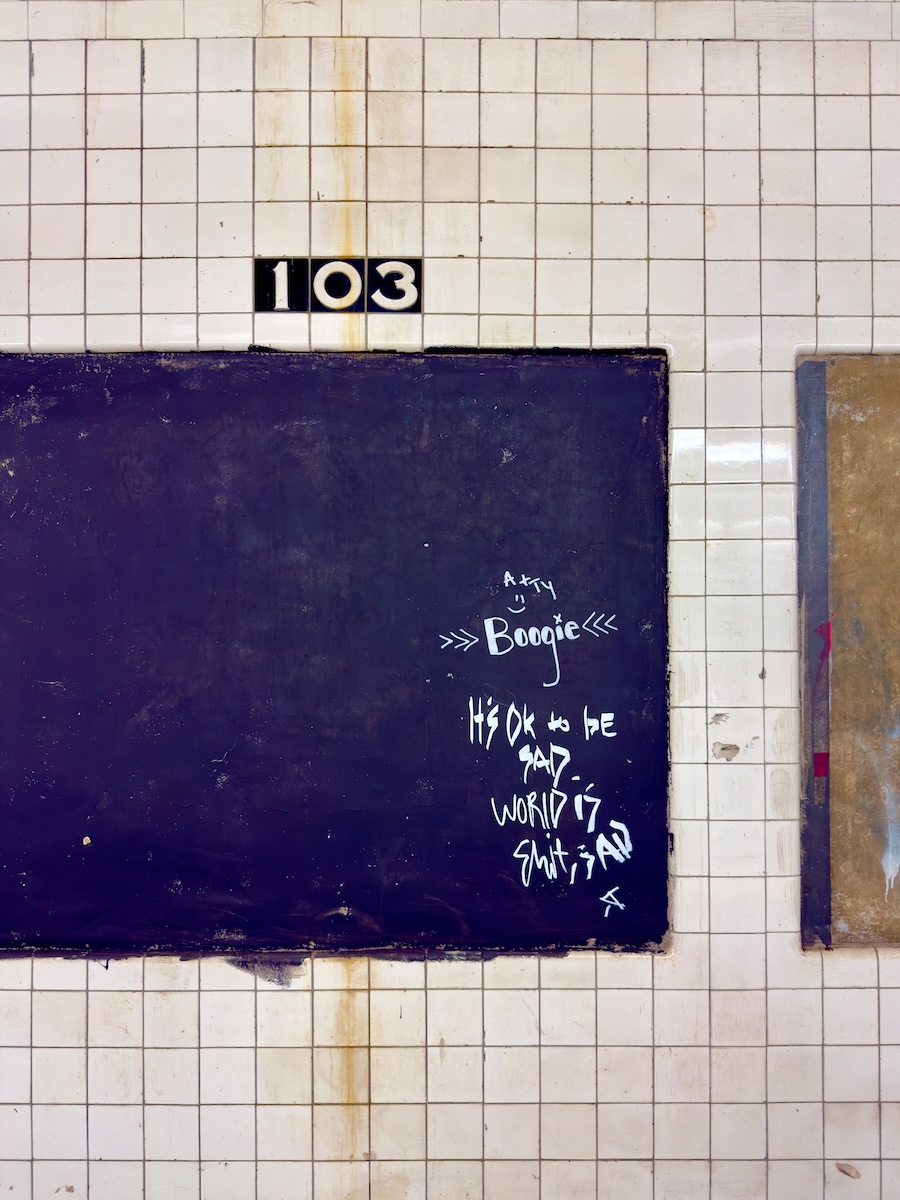
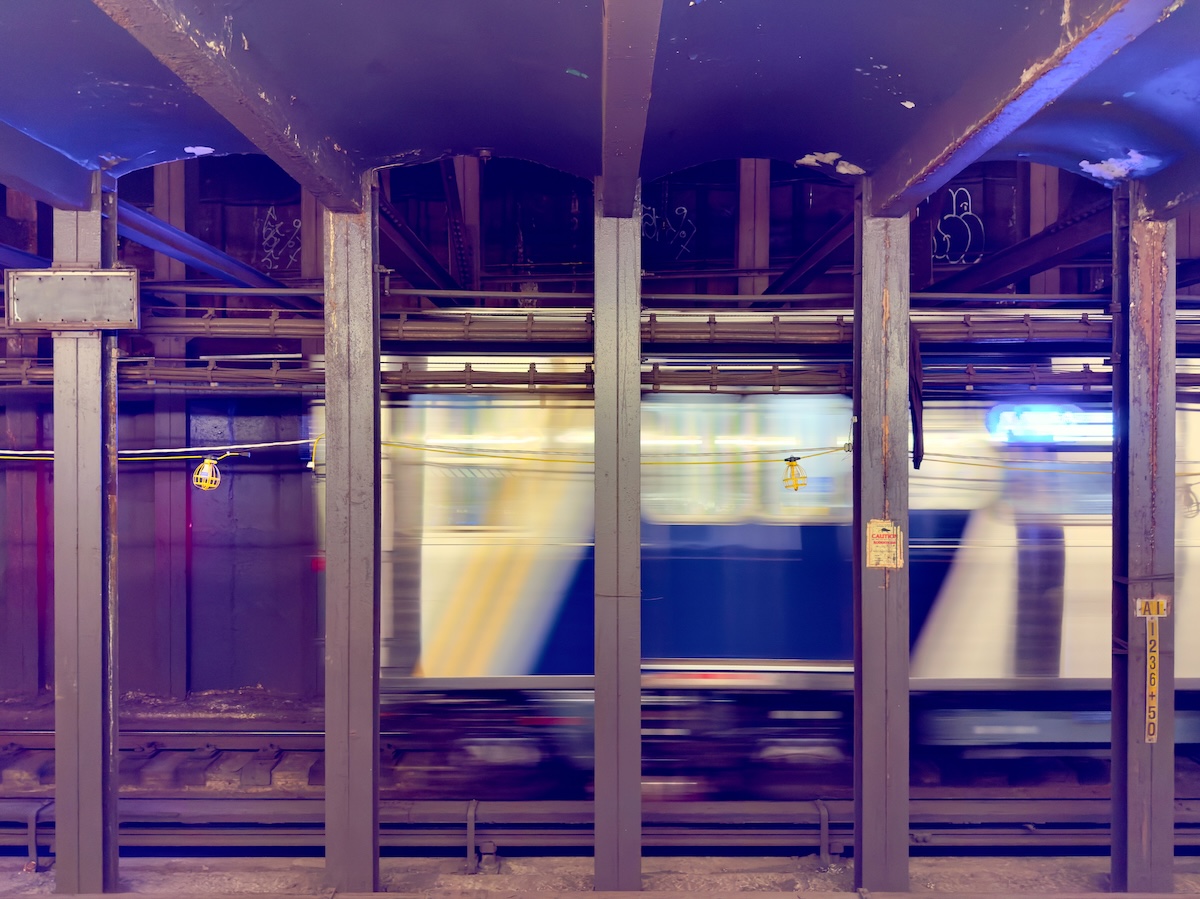
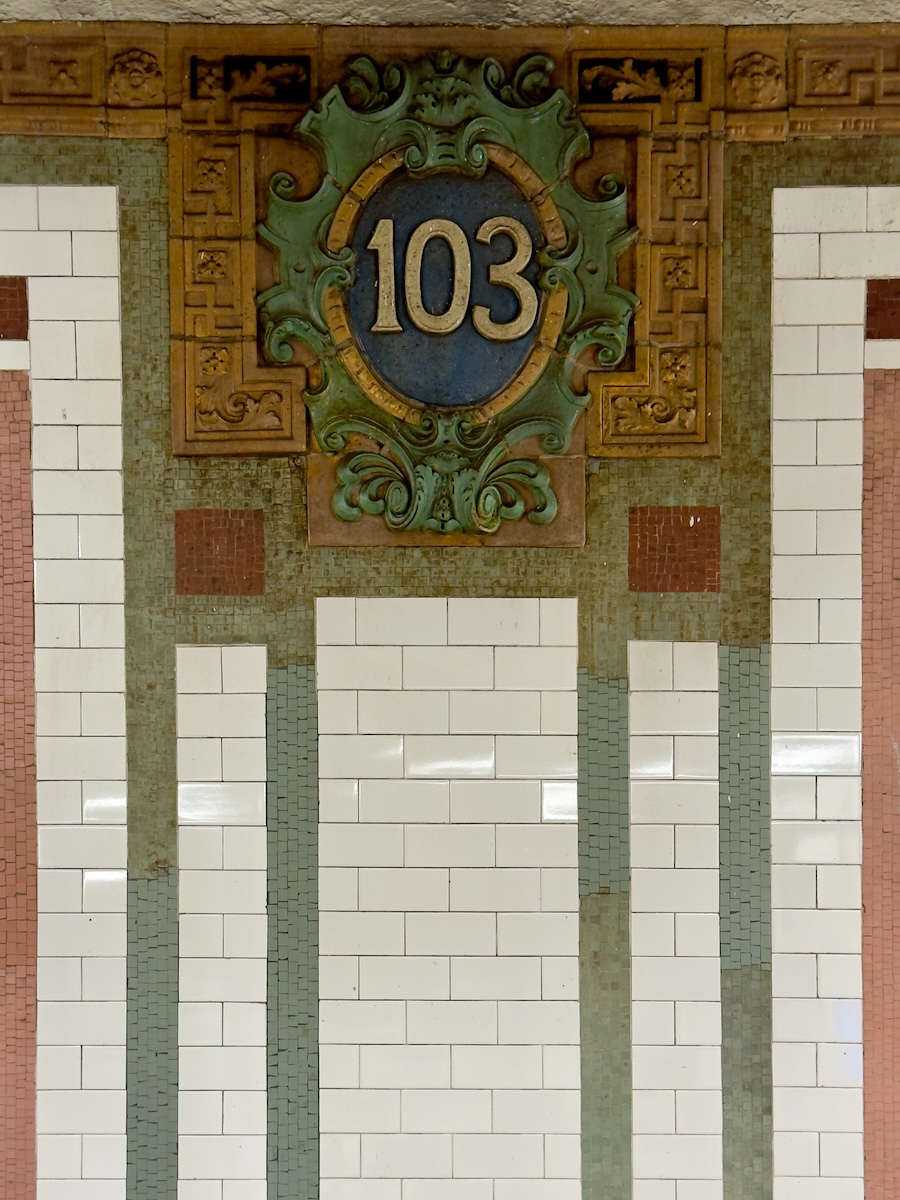
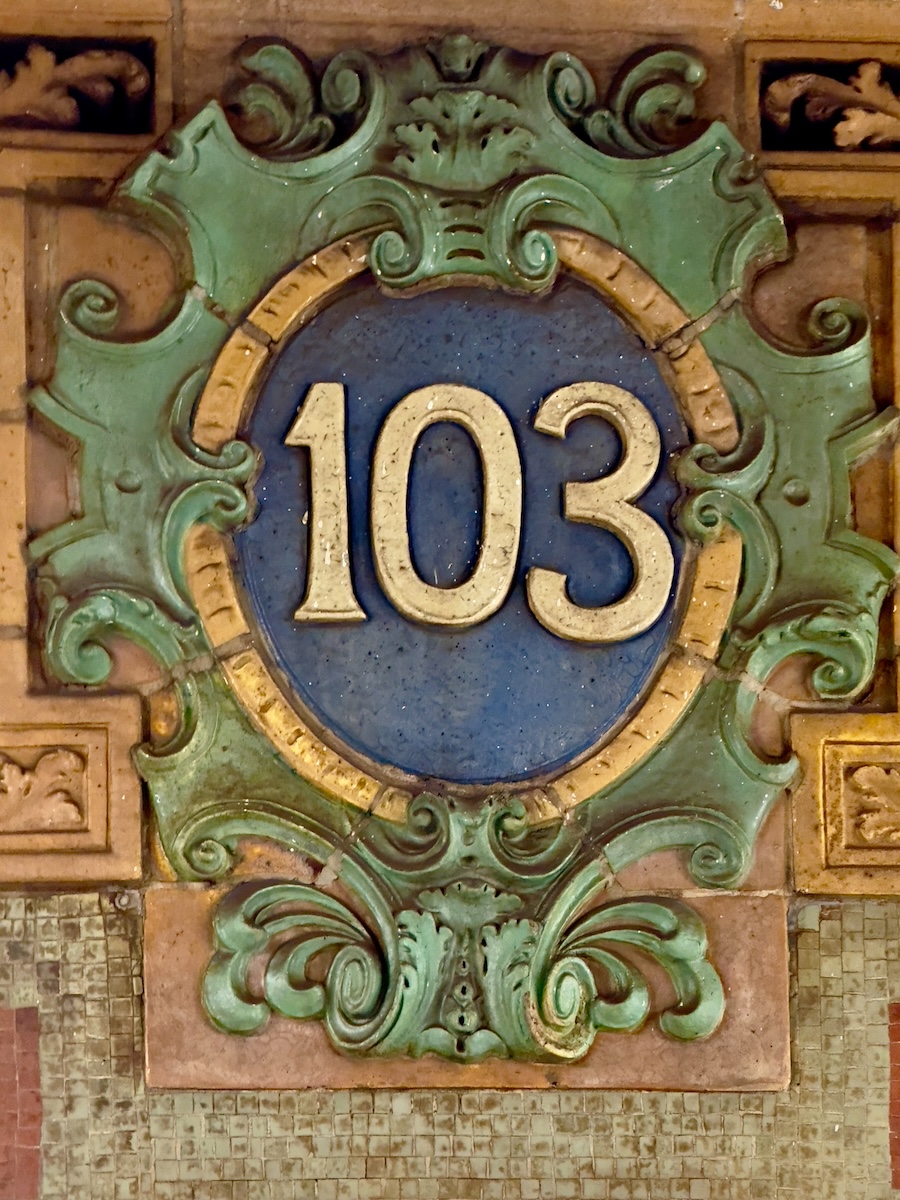
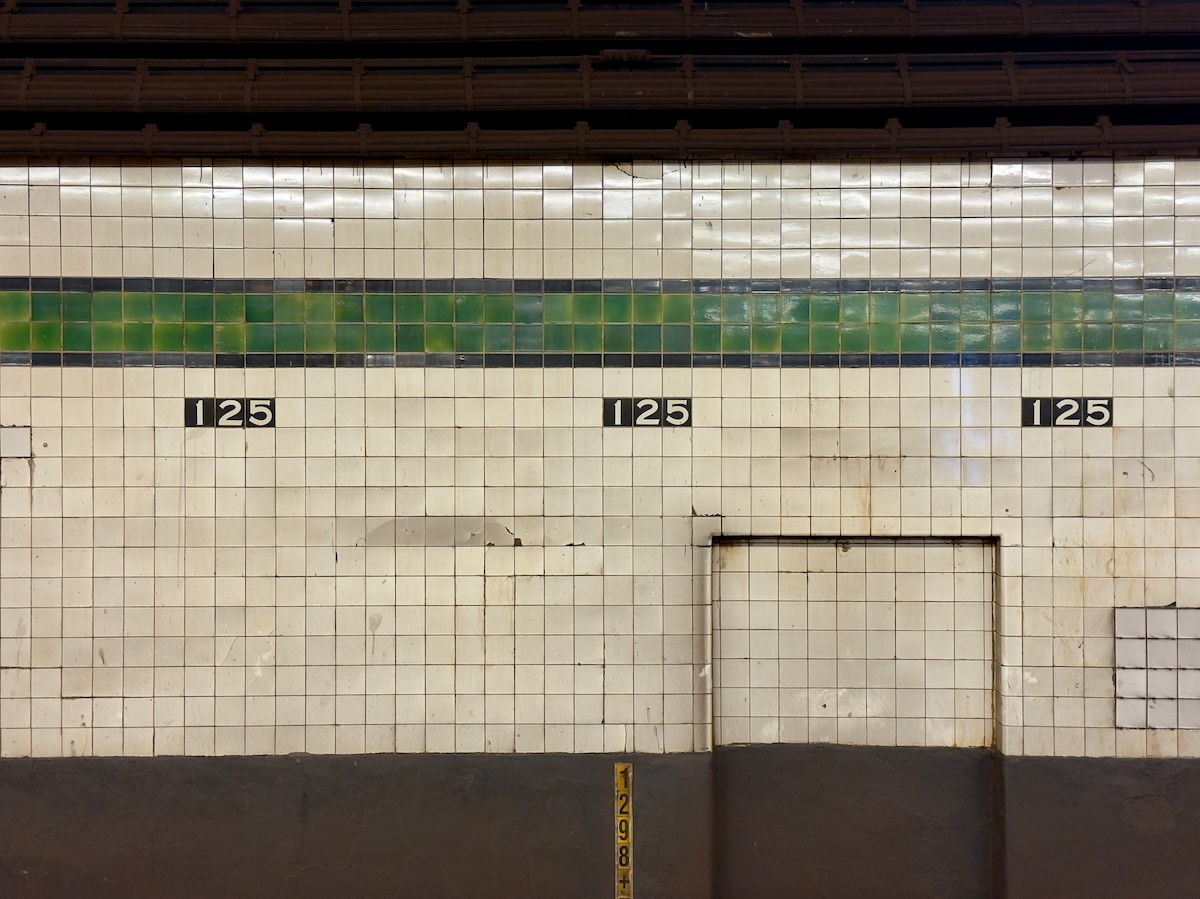
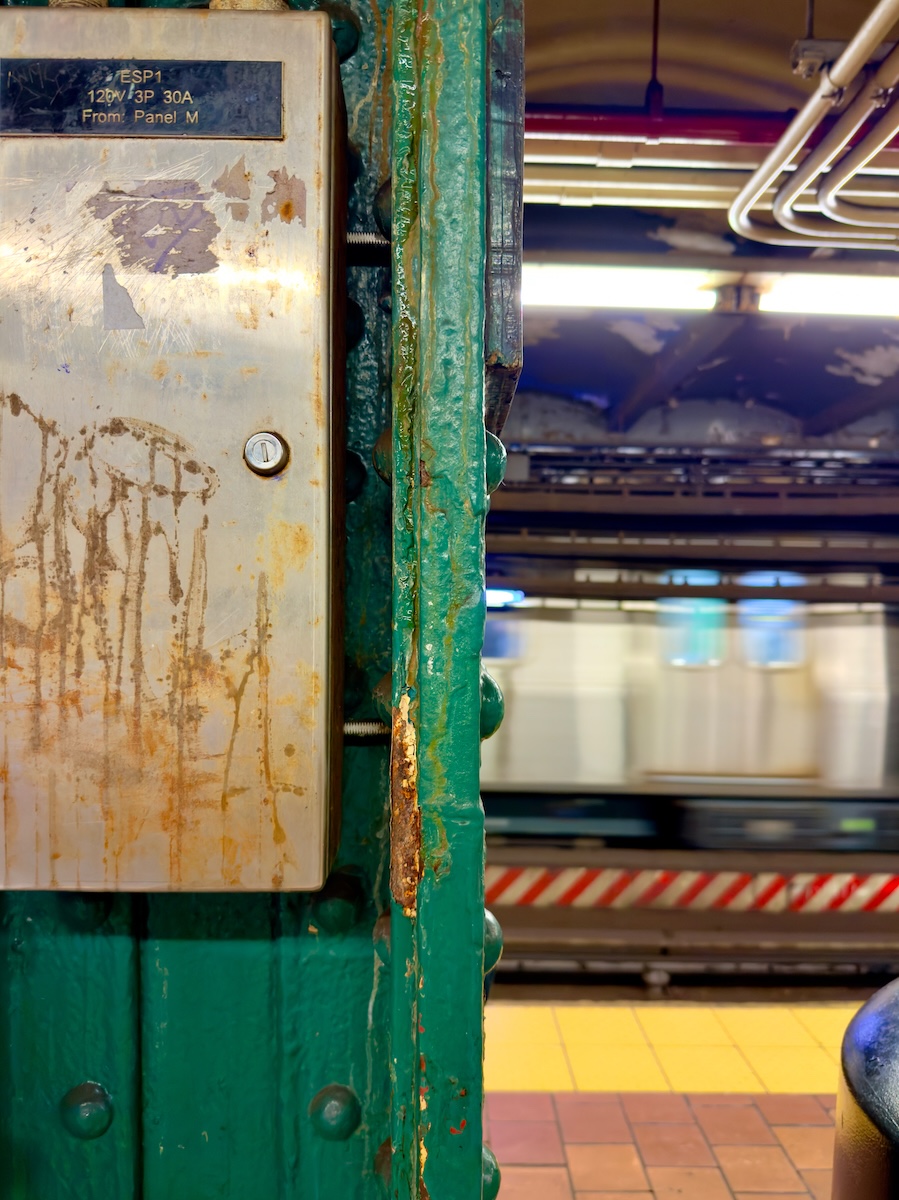
The subway occasionally feels like an argument between decorative arts and deferred maintenance. At 103rd Street, neither side appears to be winning.
103rd Street (Broadway)
1 train
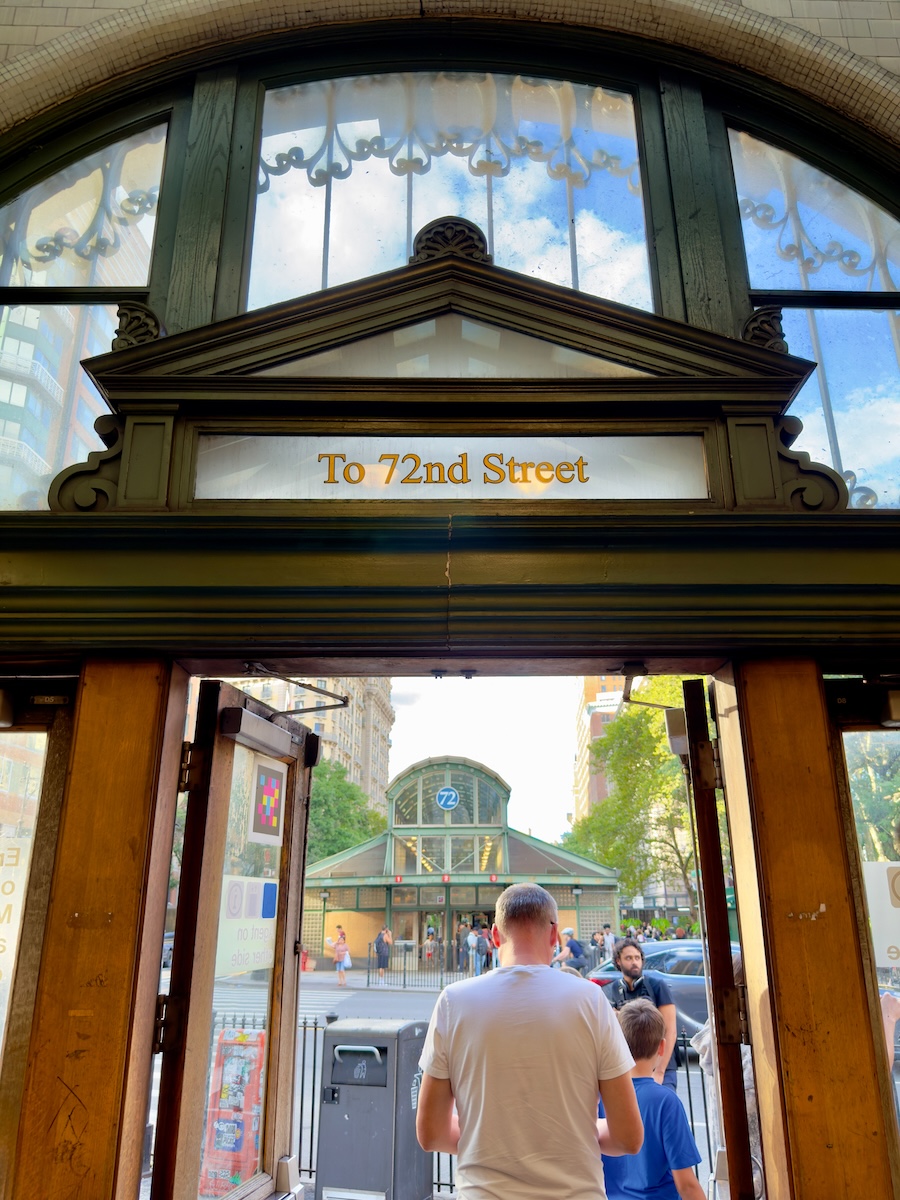
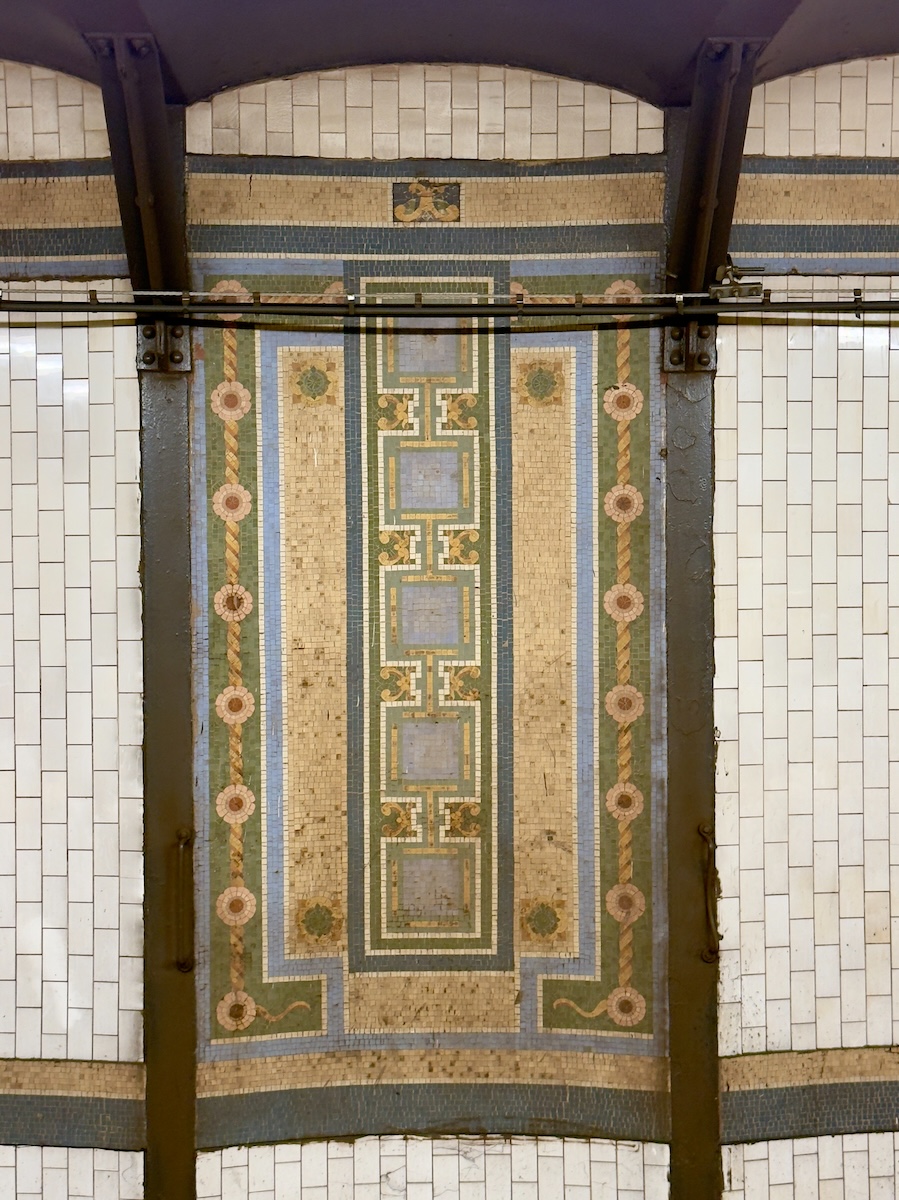
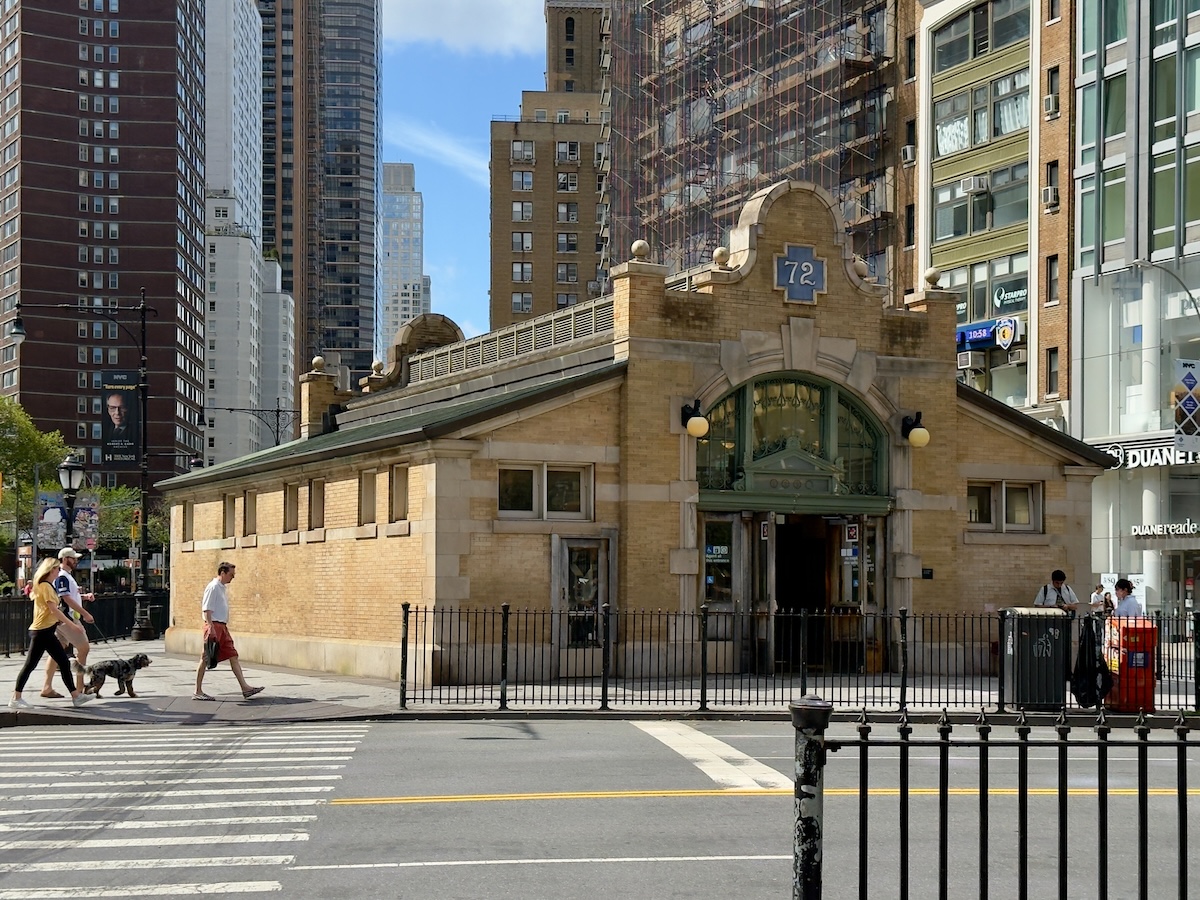
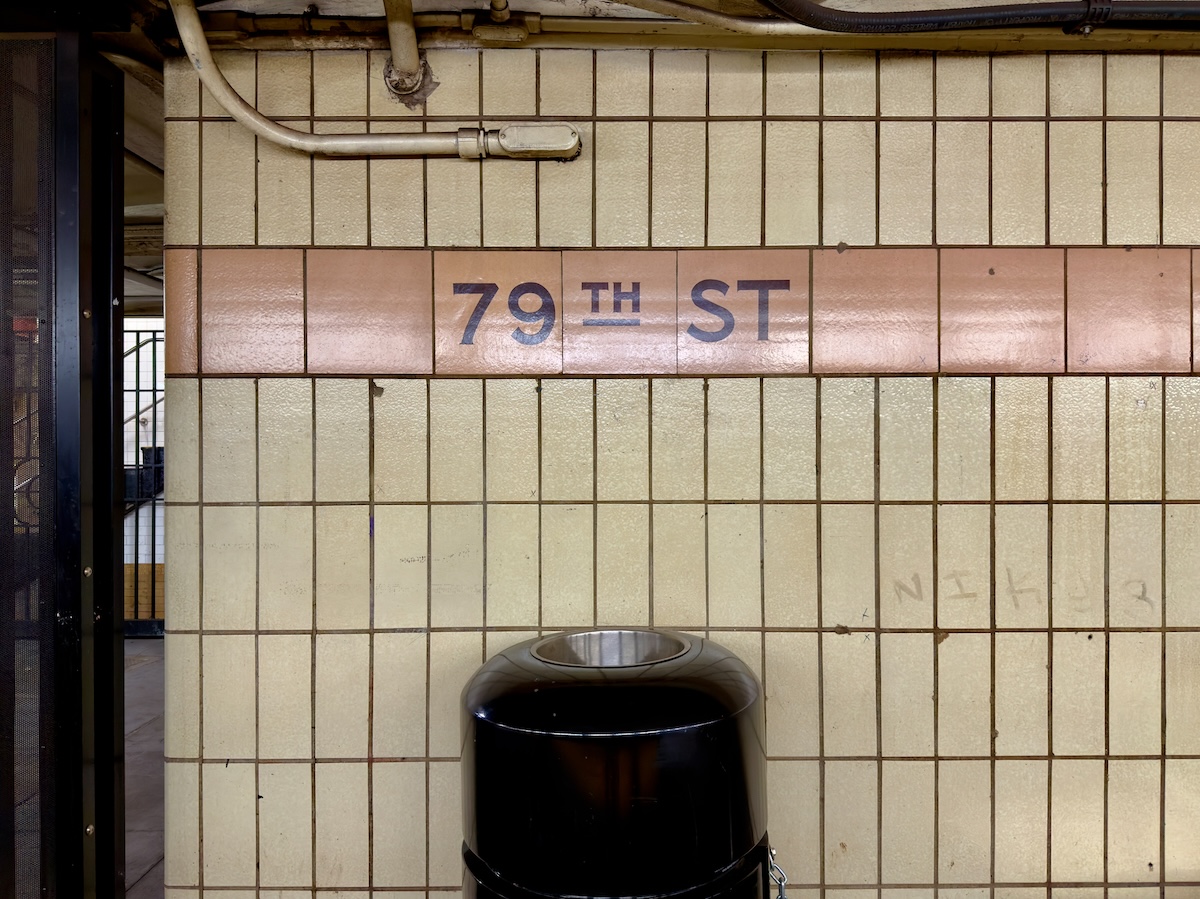
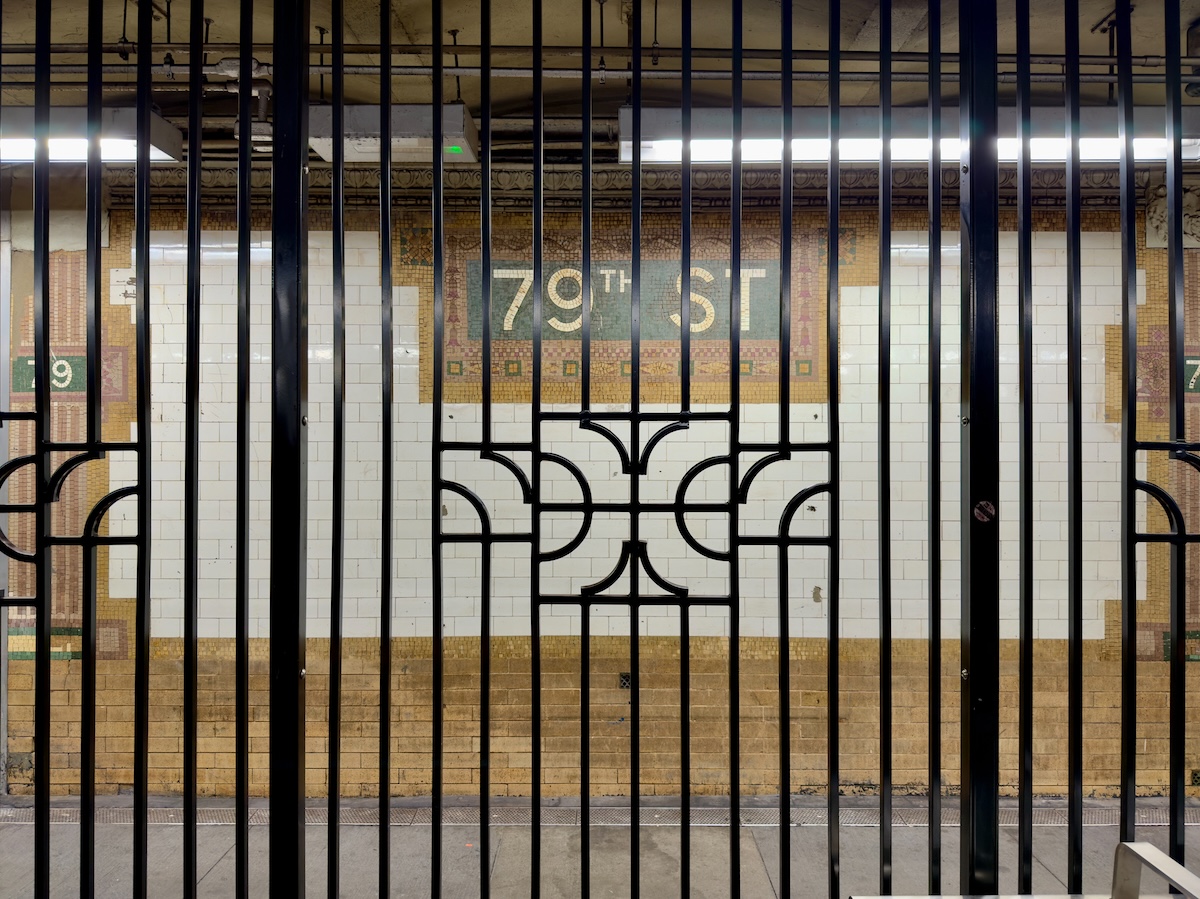
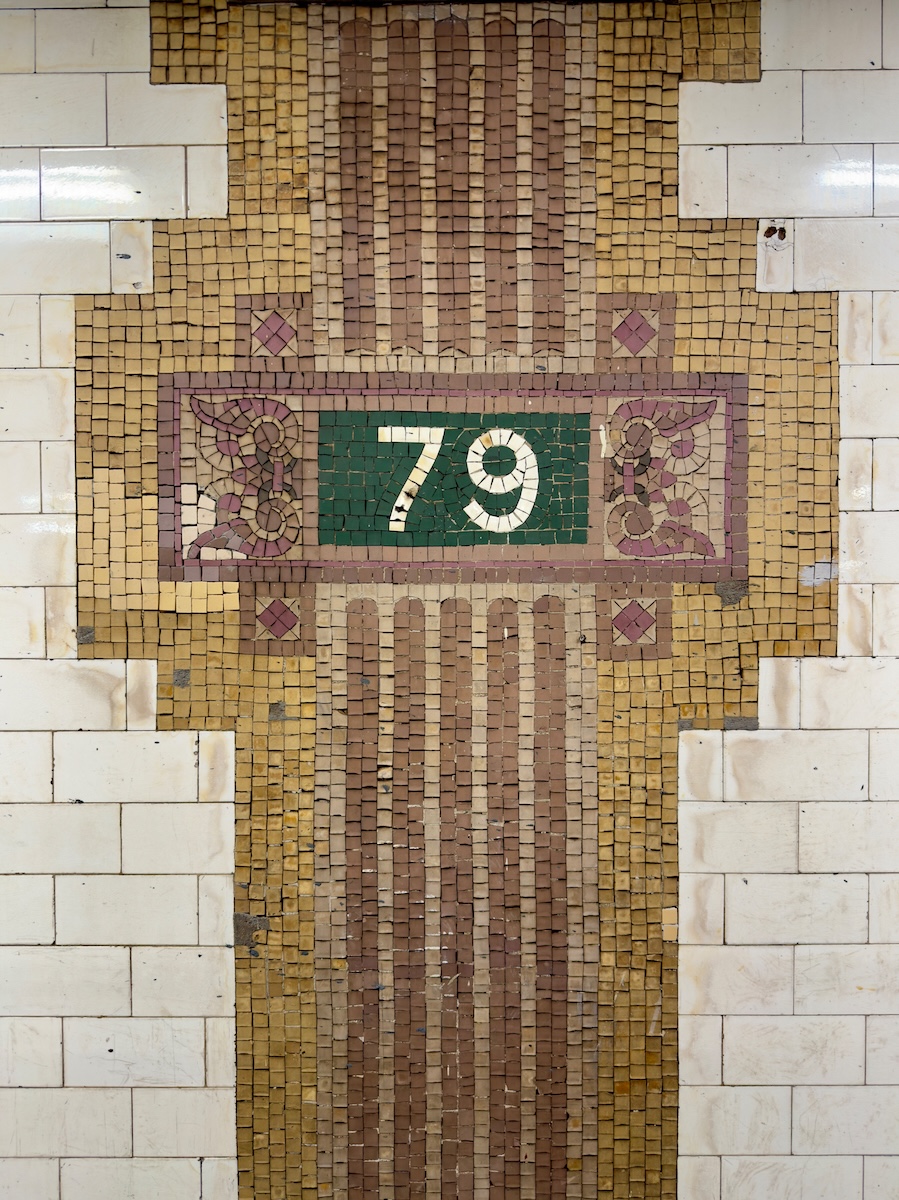
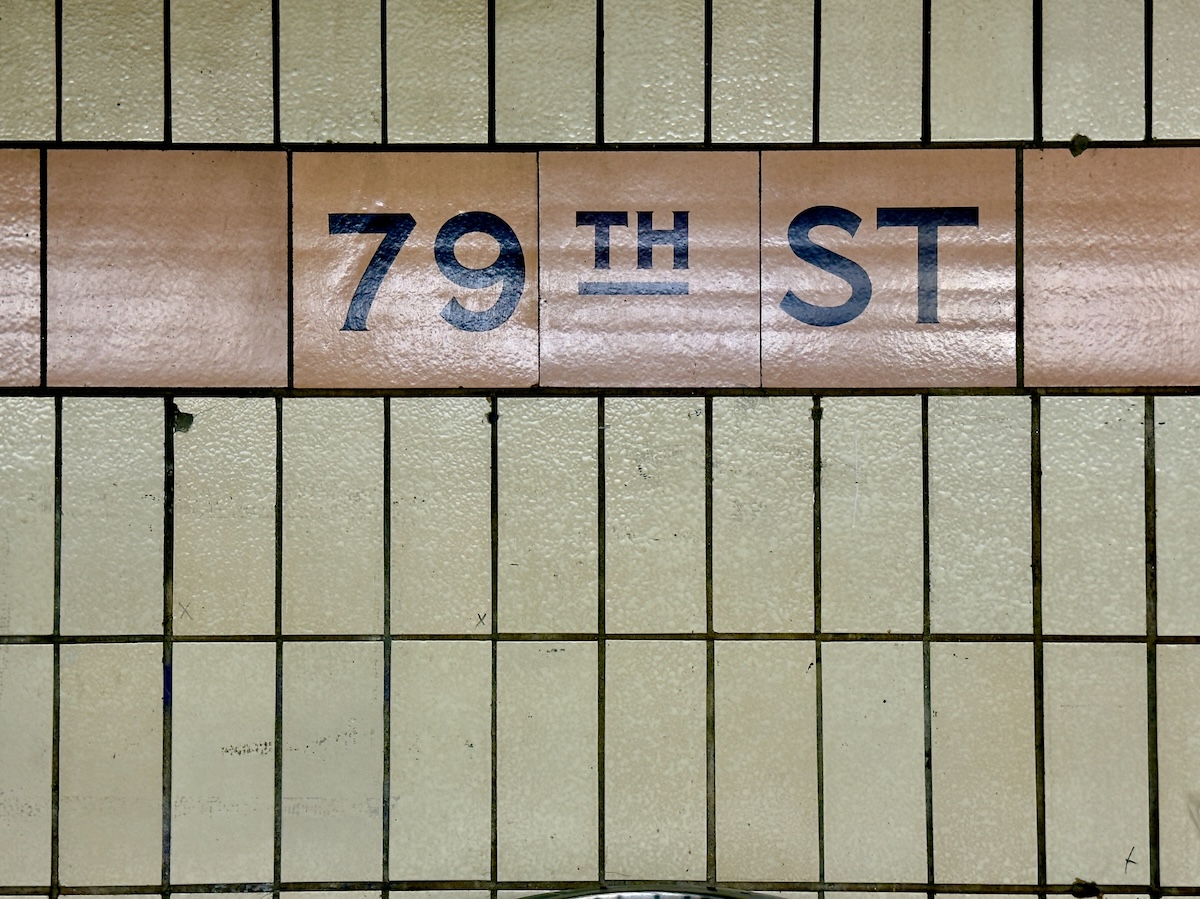
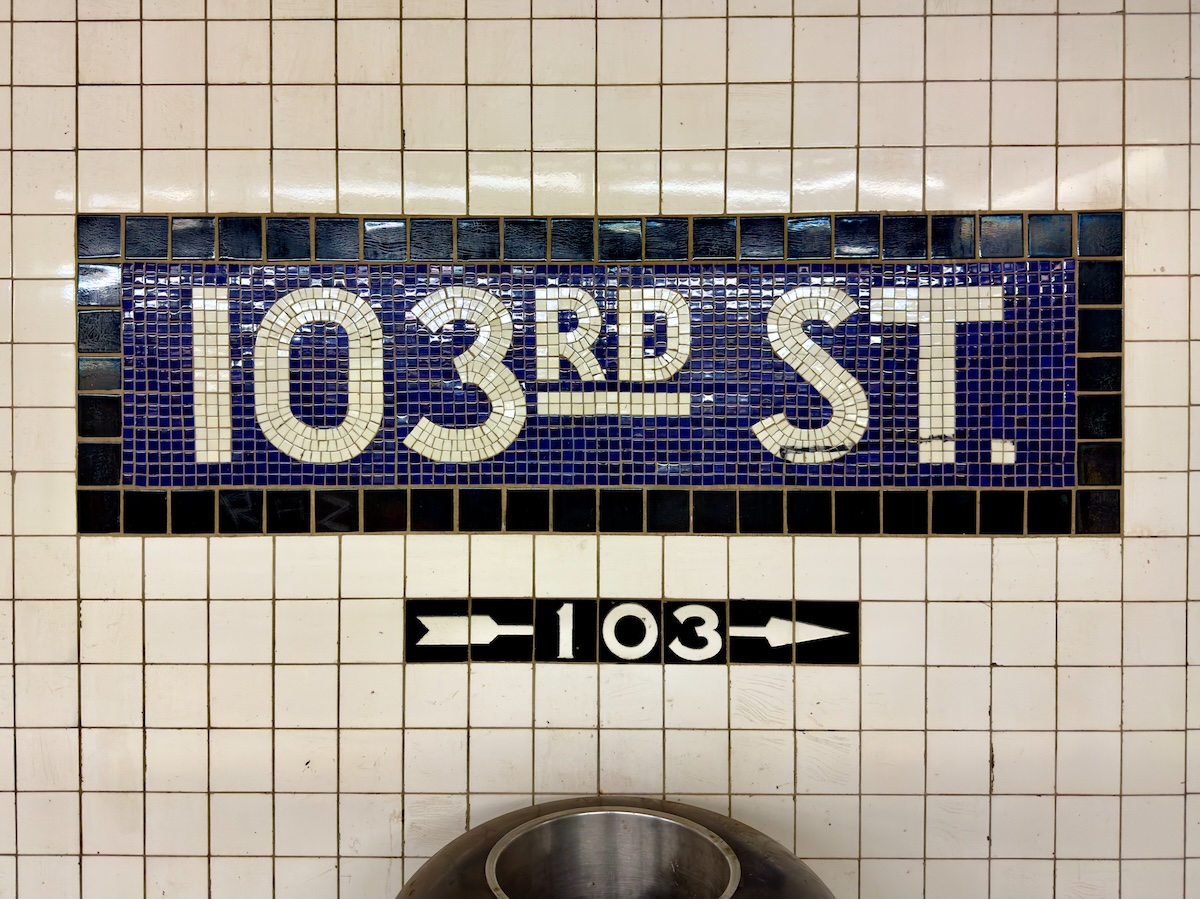
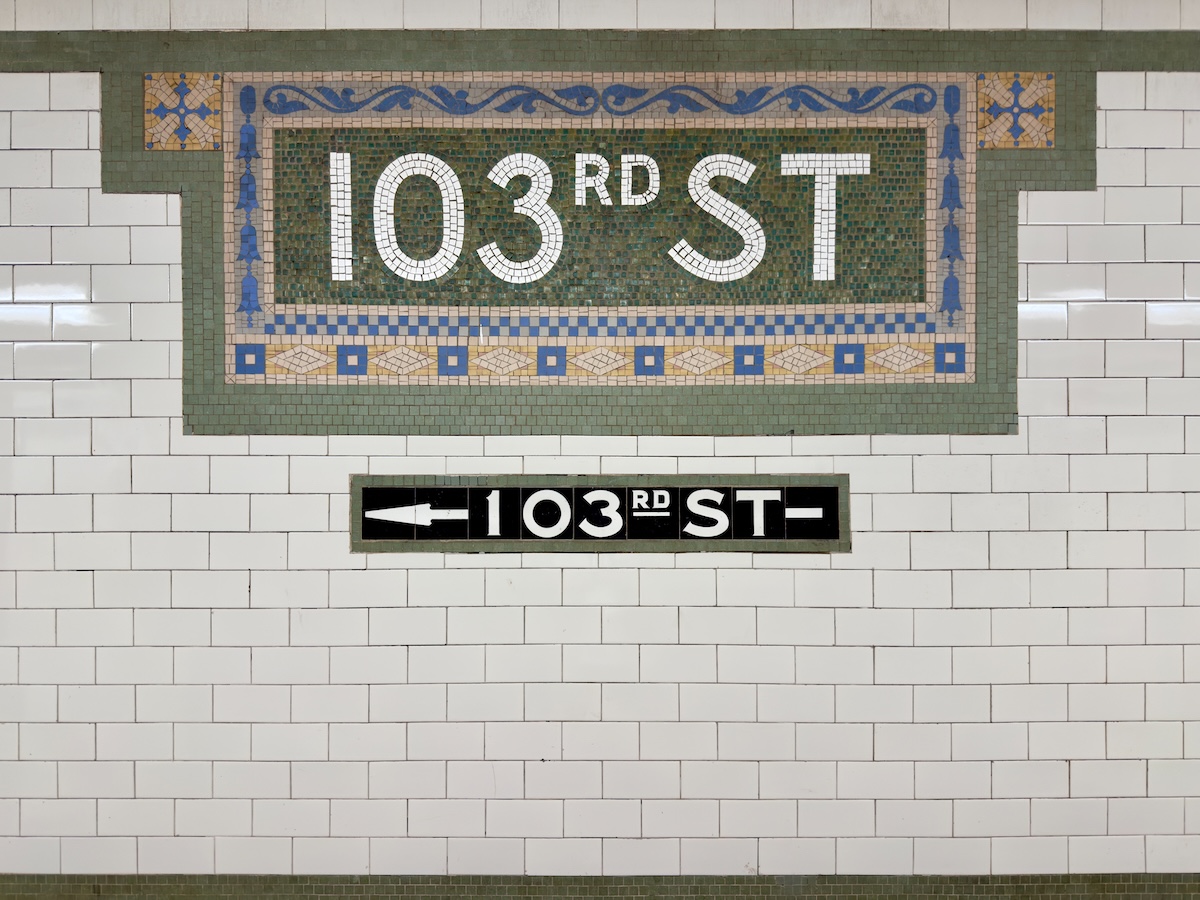
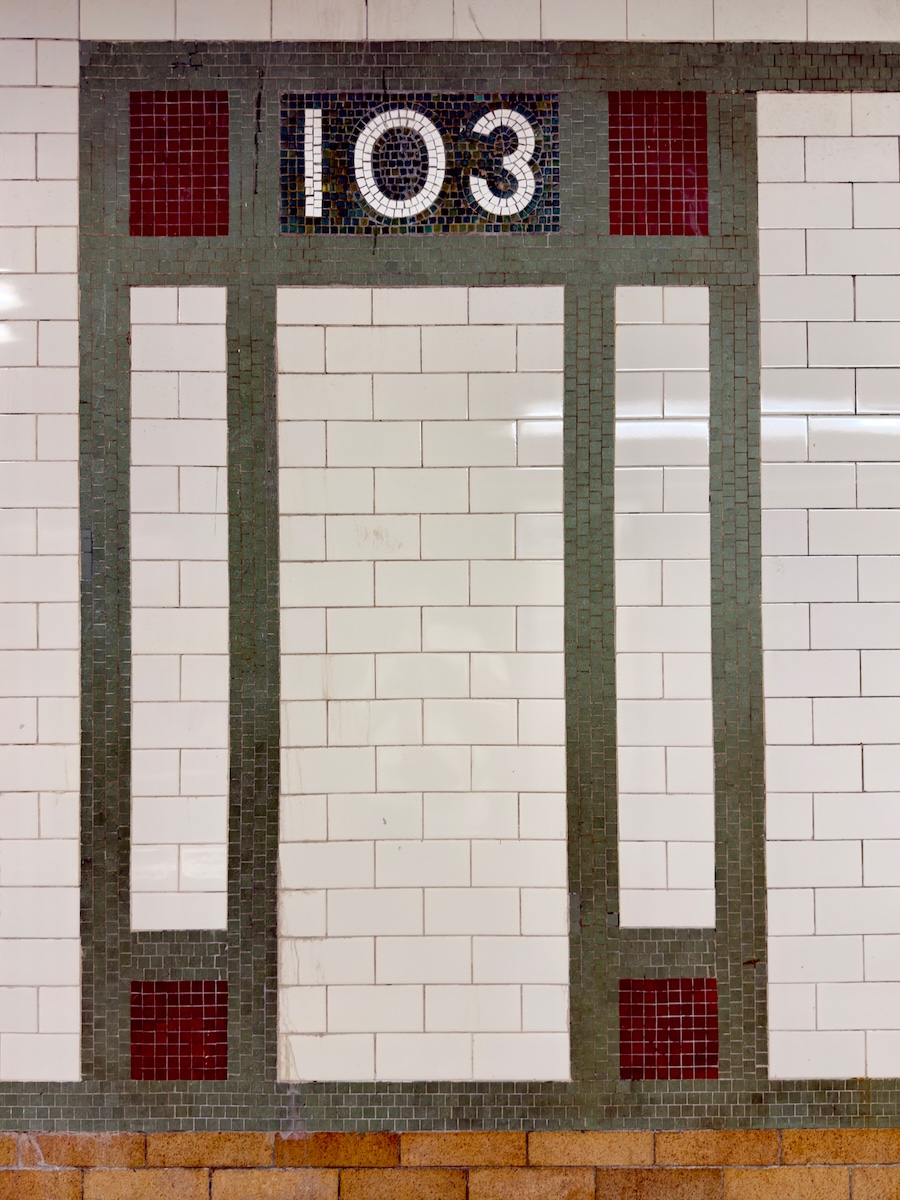
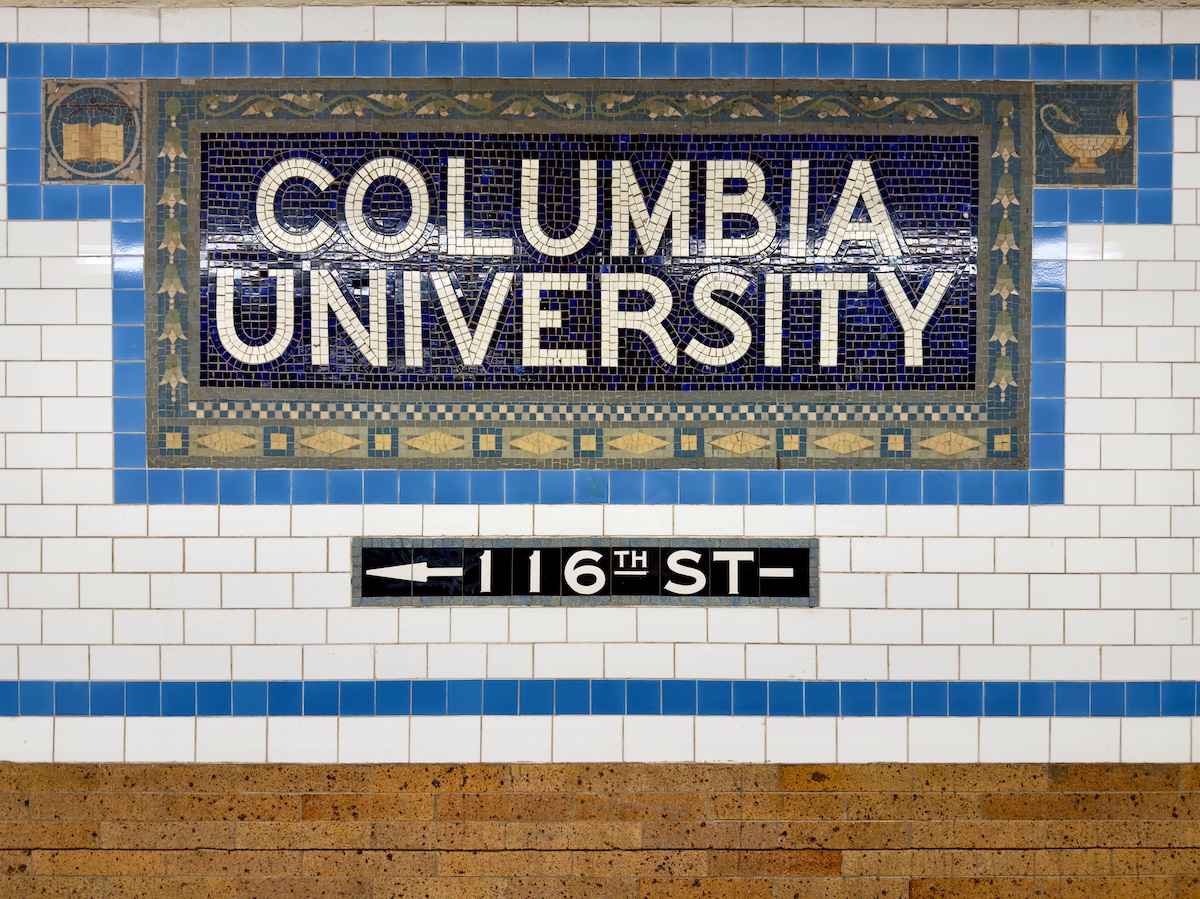
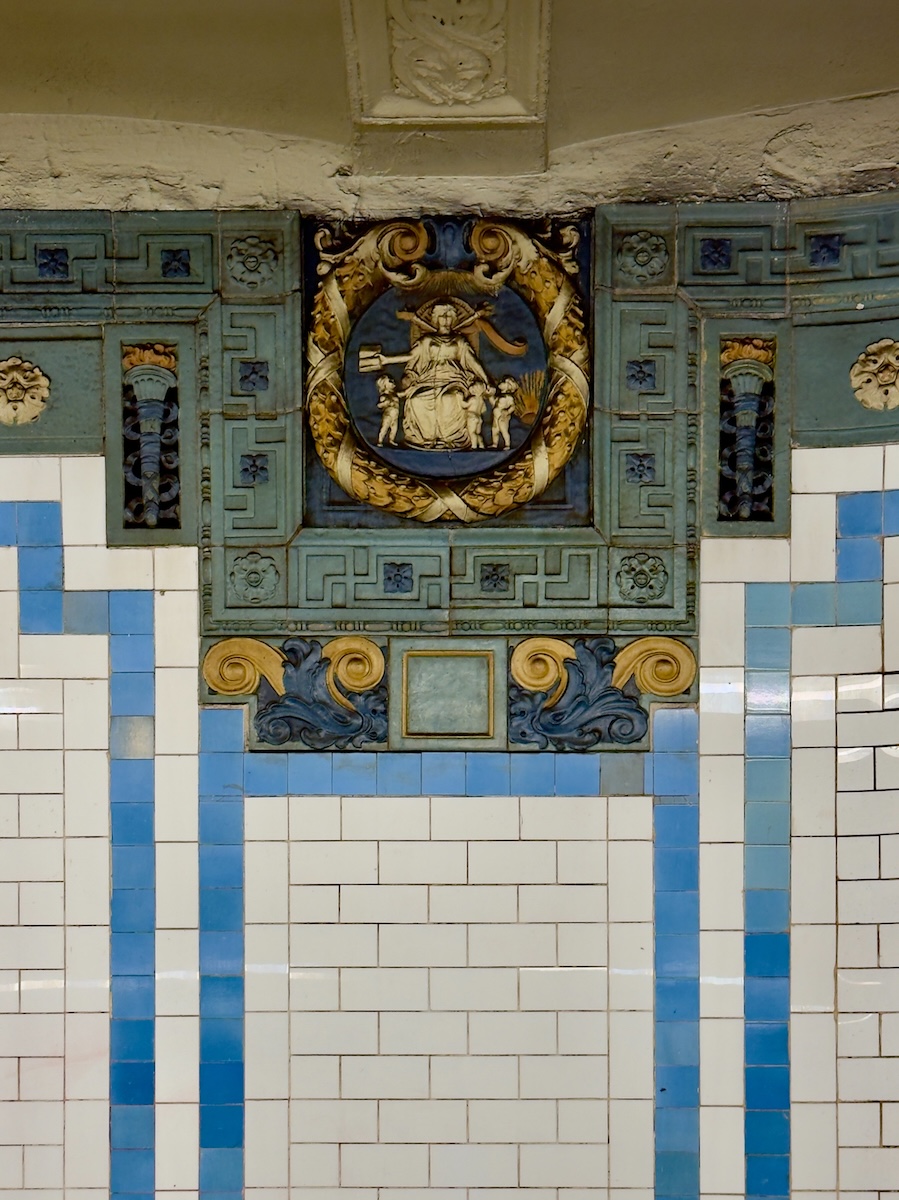
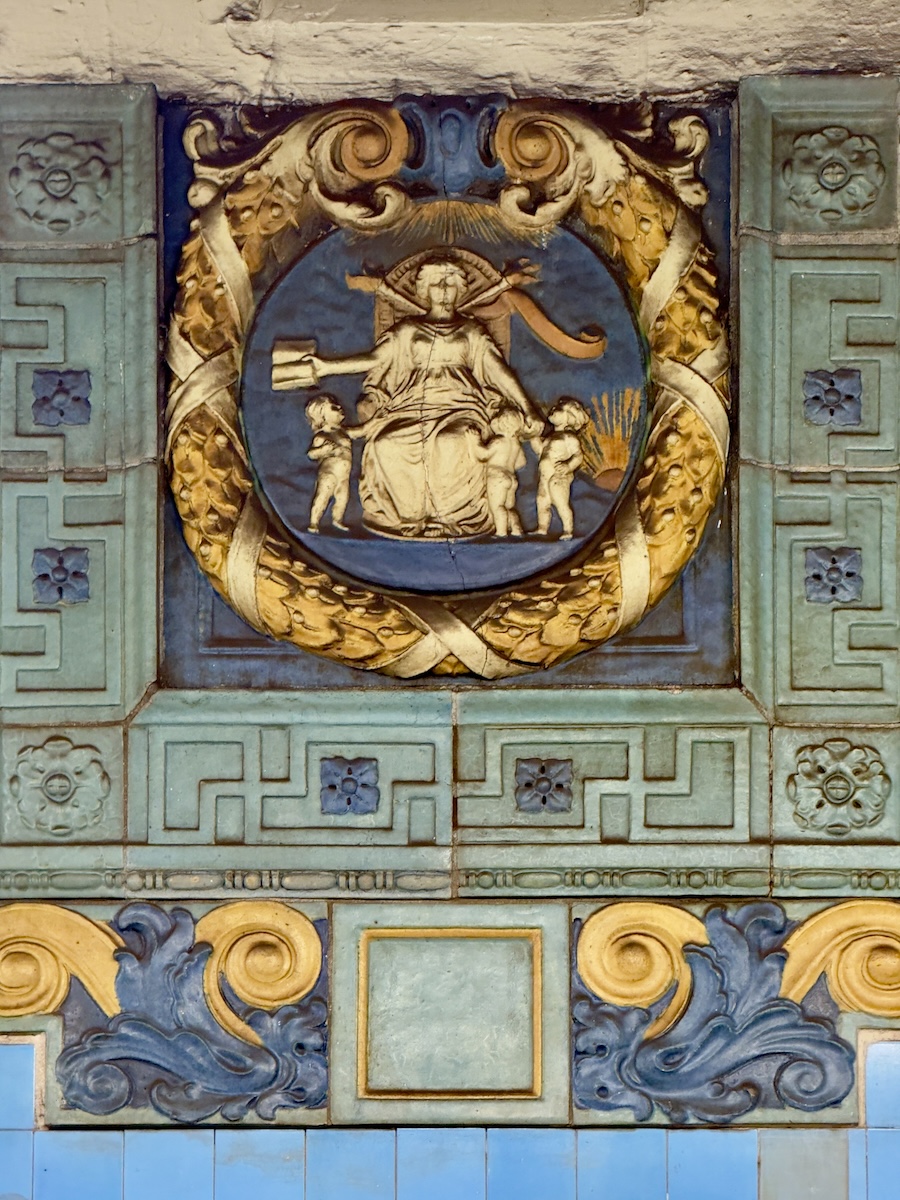
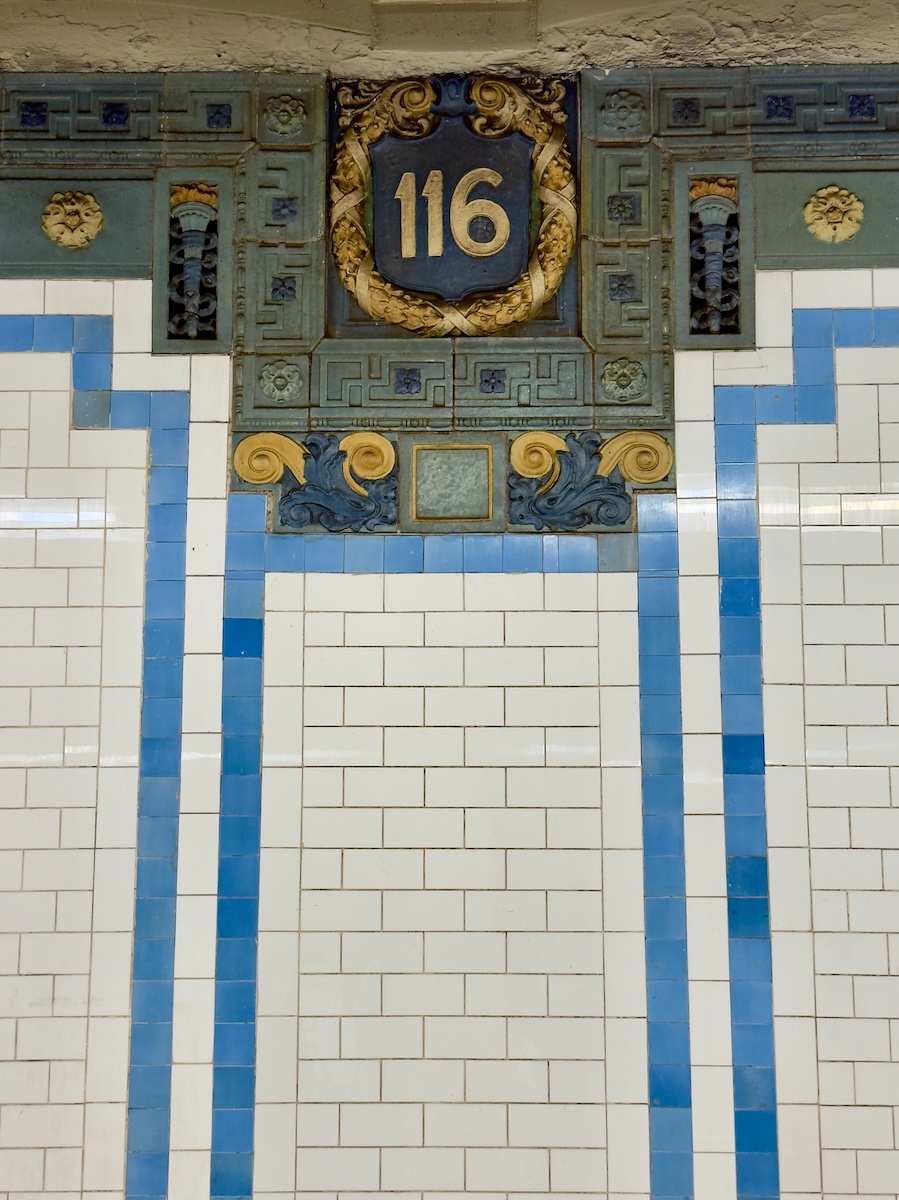
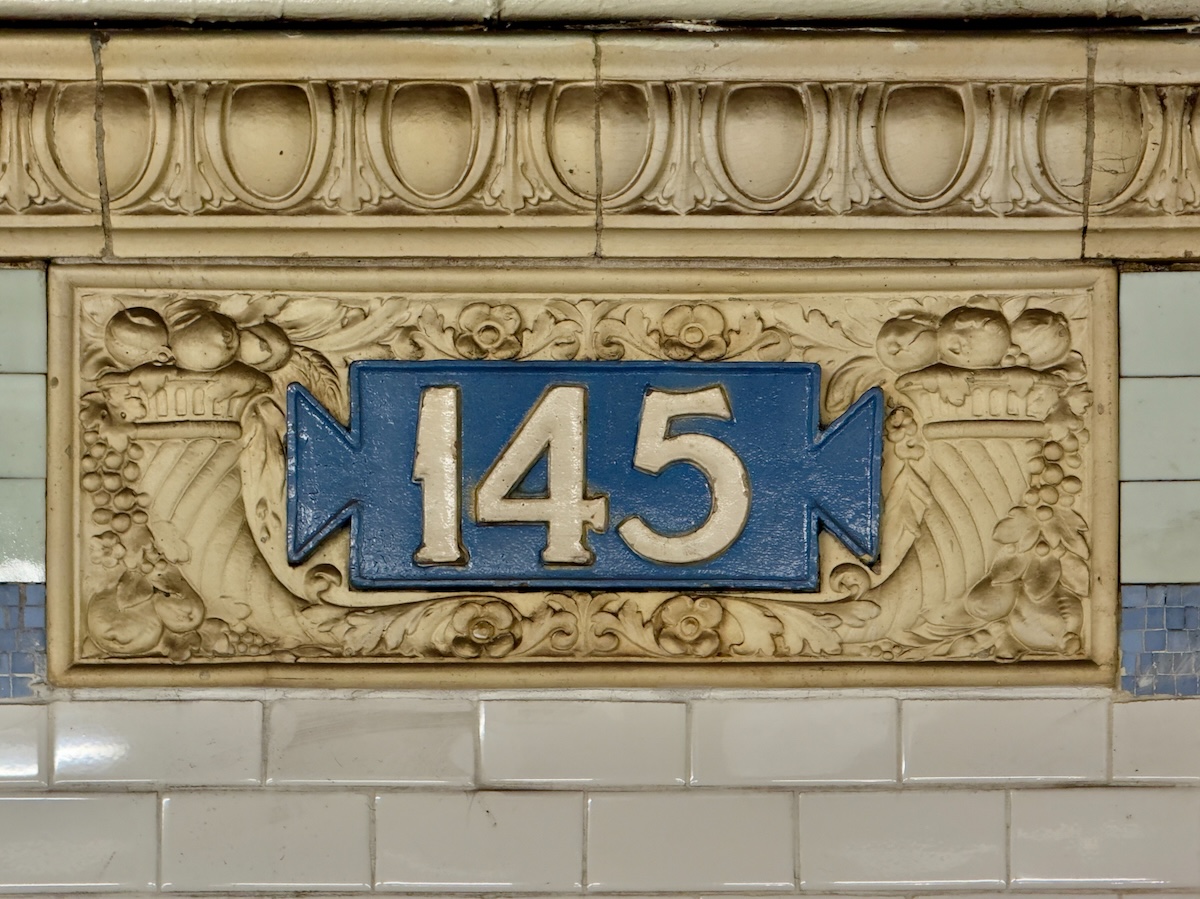
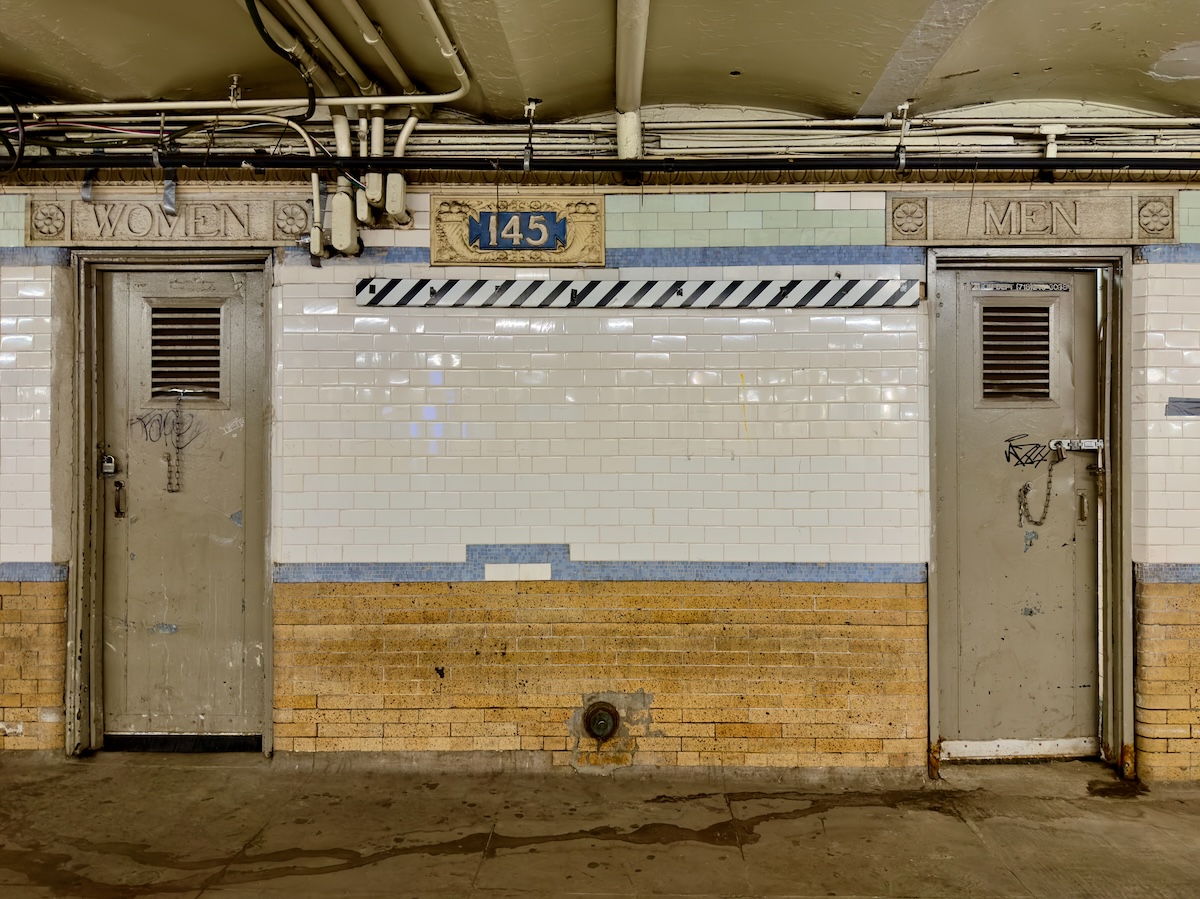
You get the sense that New York’s original subway builders decided somewhere along the way that station signs should also be works of art. More than a century later, the decorative cartouches and mosaic tablets at this station still support that theory.
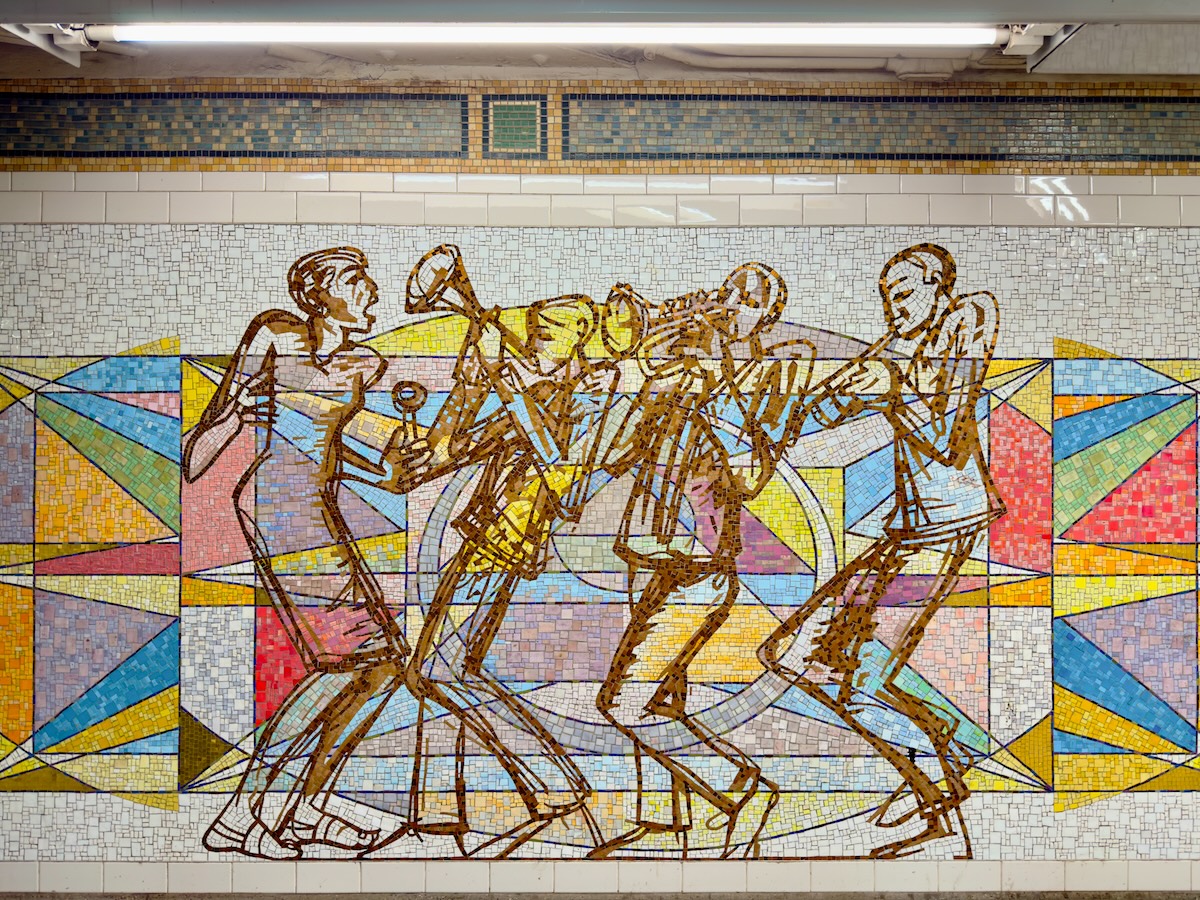
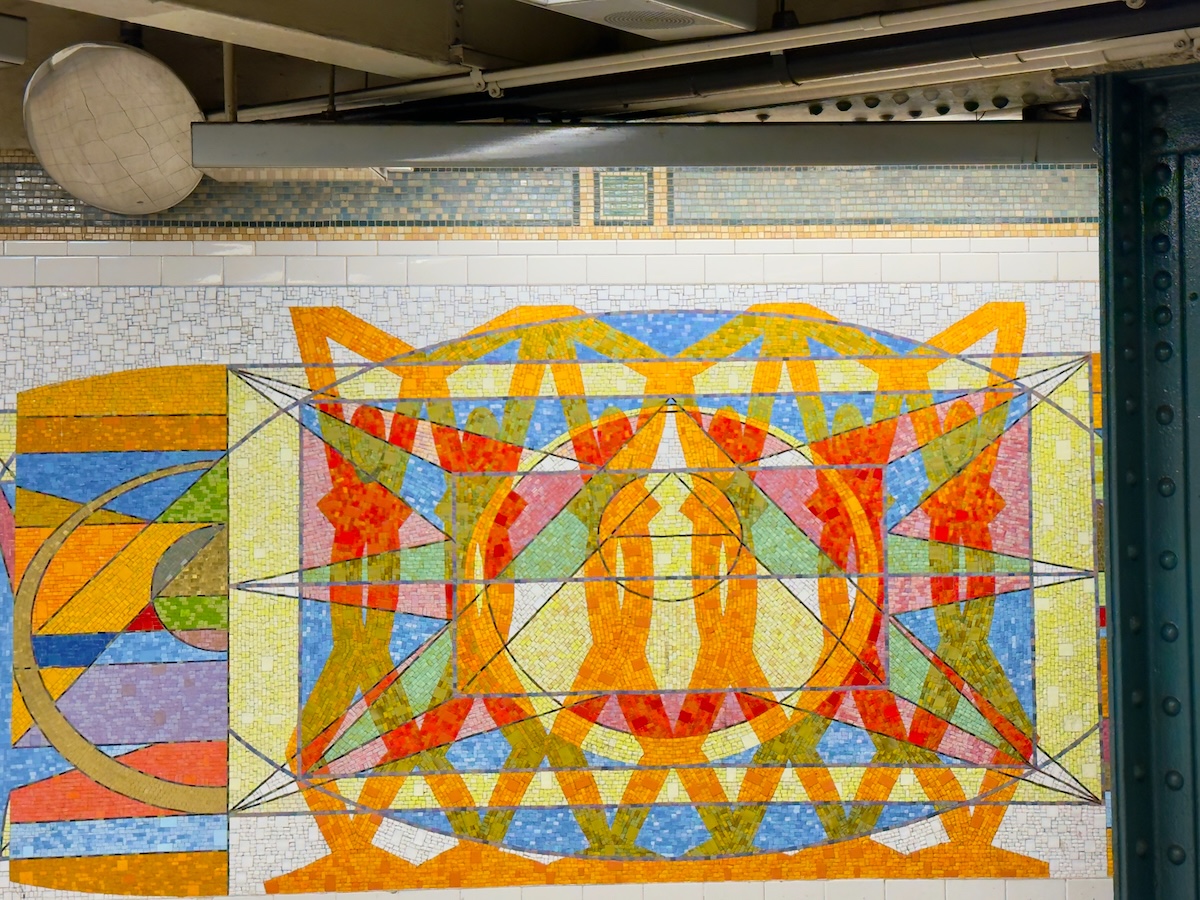
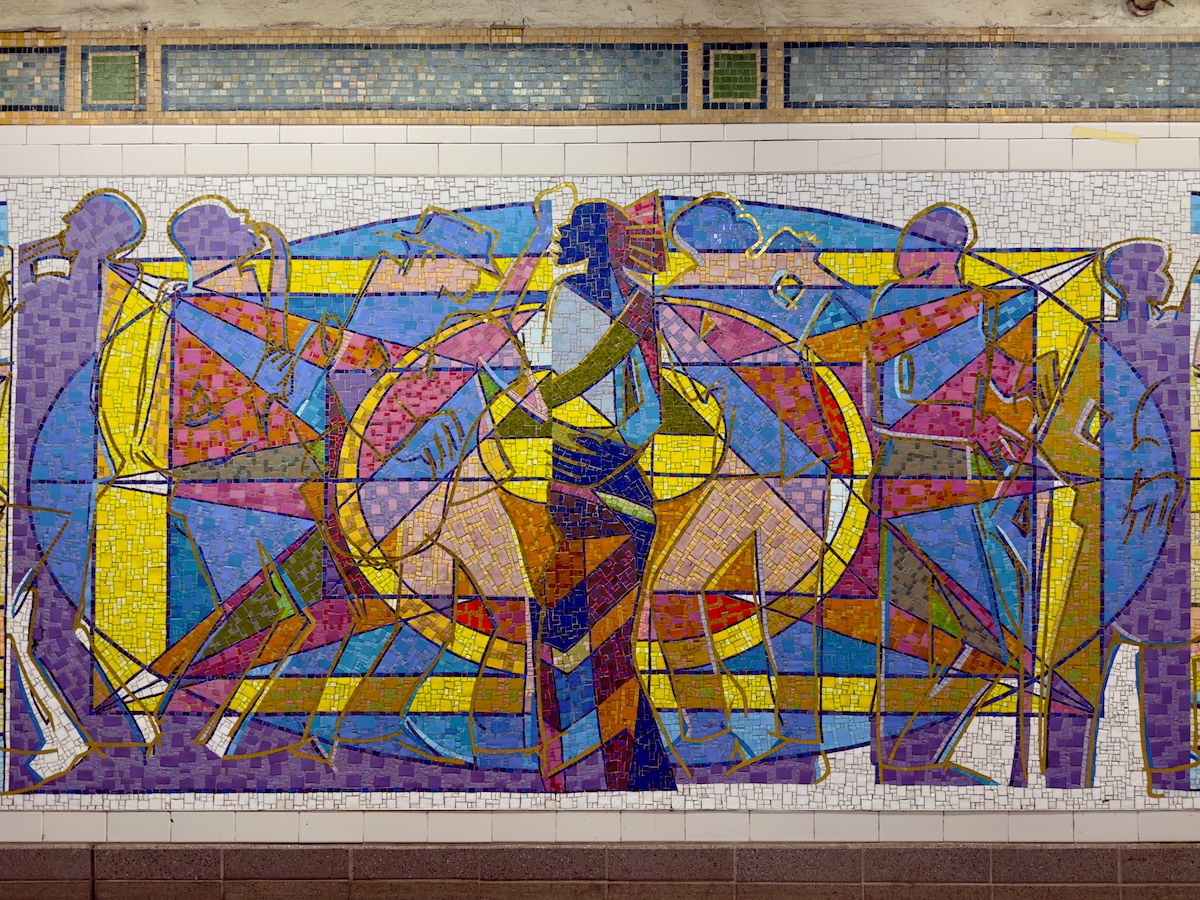
125th Street (Lexington Avenue)
4, 5, 6 trains
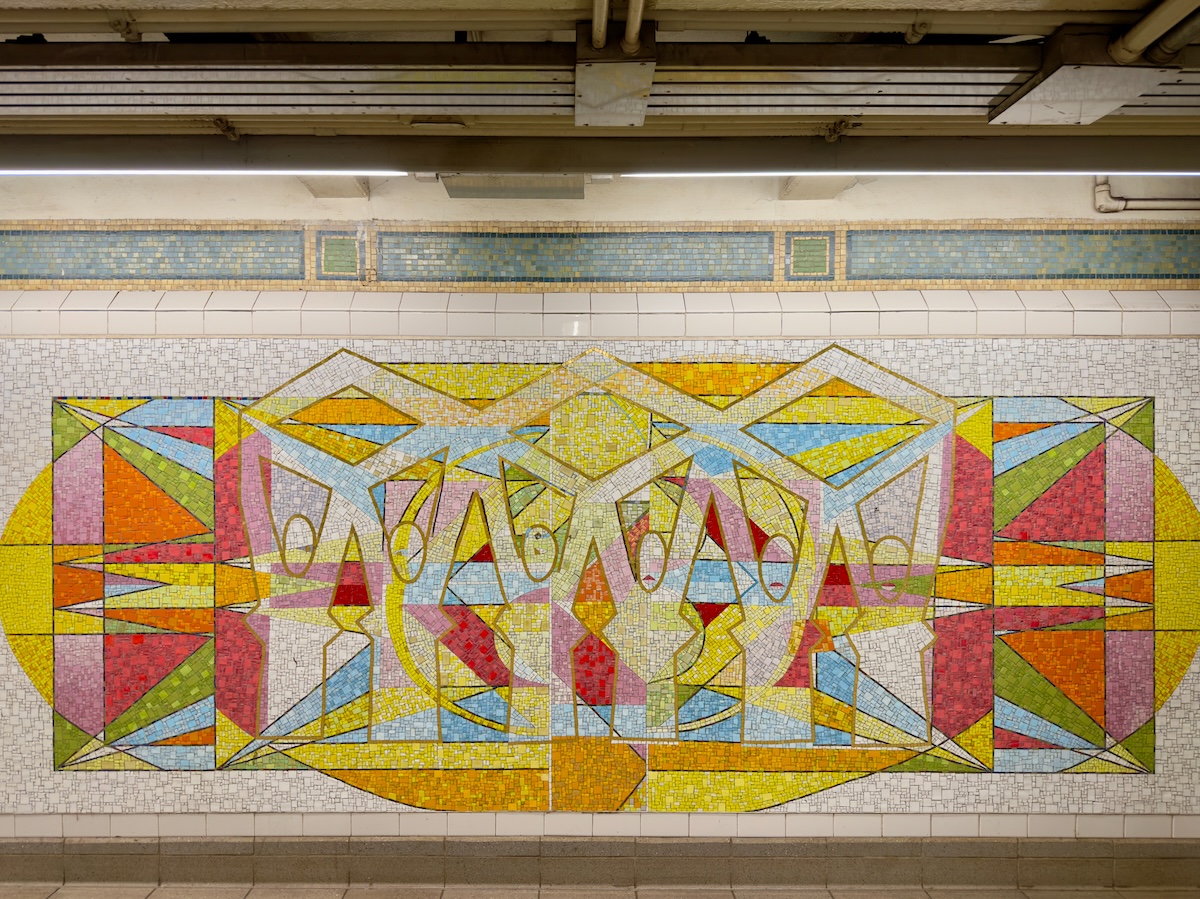
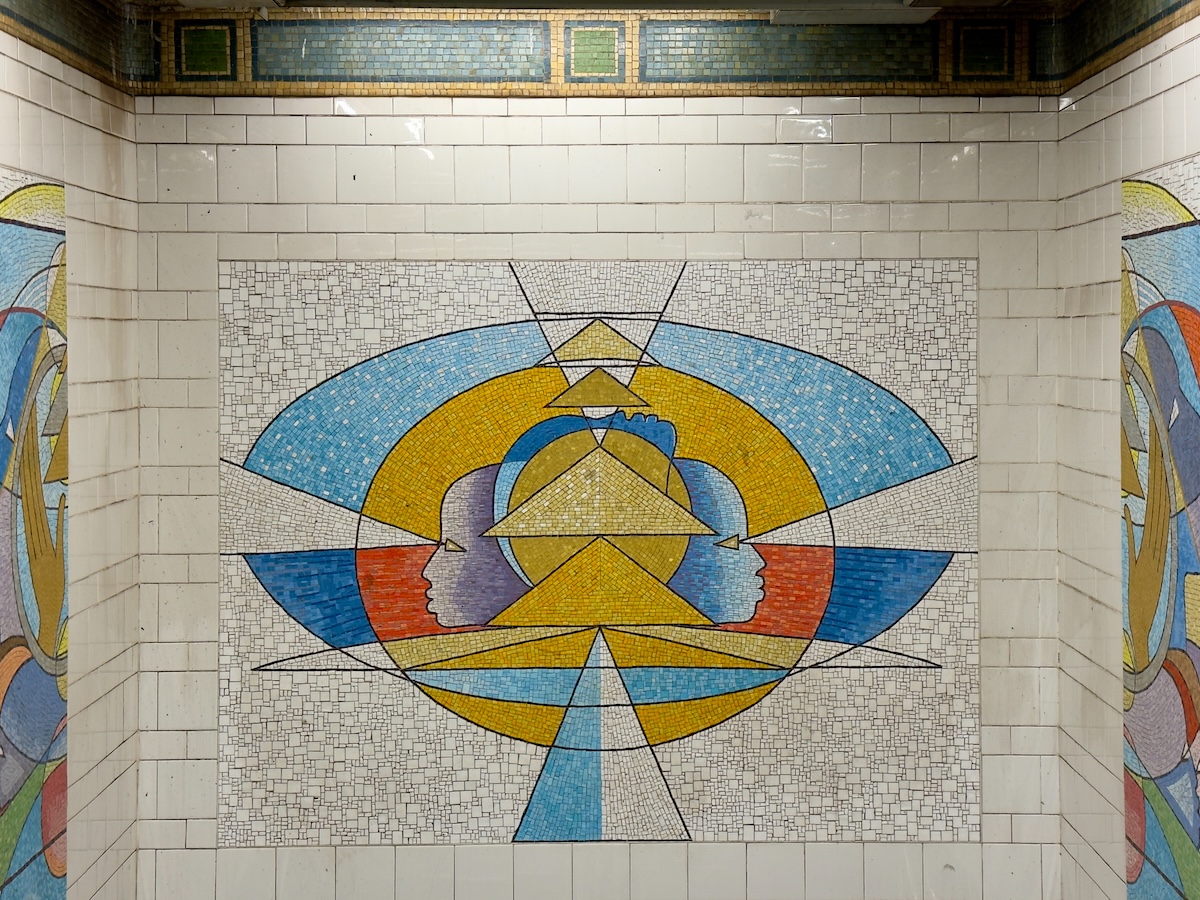
Valerie Maynard’s Polyrhythmics of Consciousness and Light feels like something borrowed from a modern art museum. I never figured out exactly what I was looking at, but I liked looking at it.
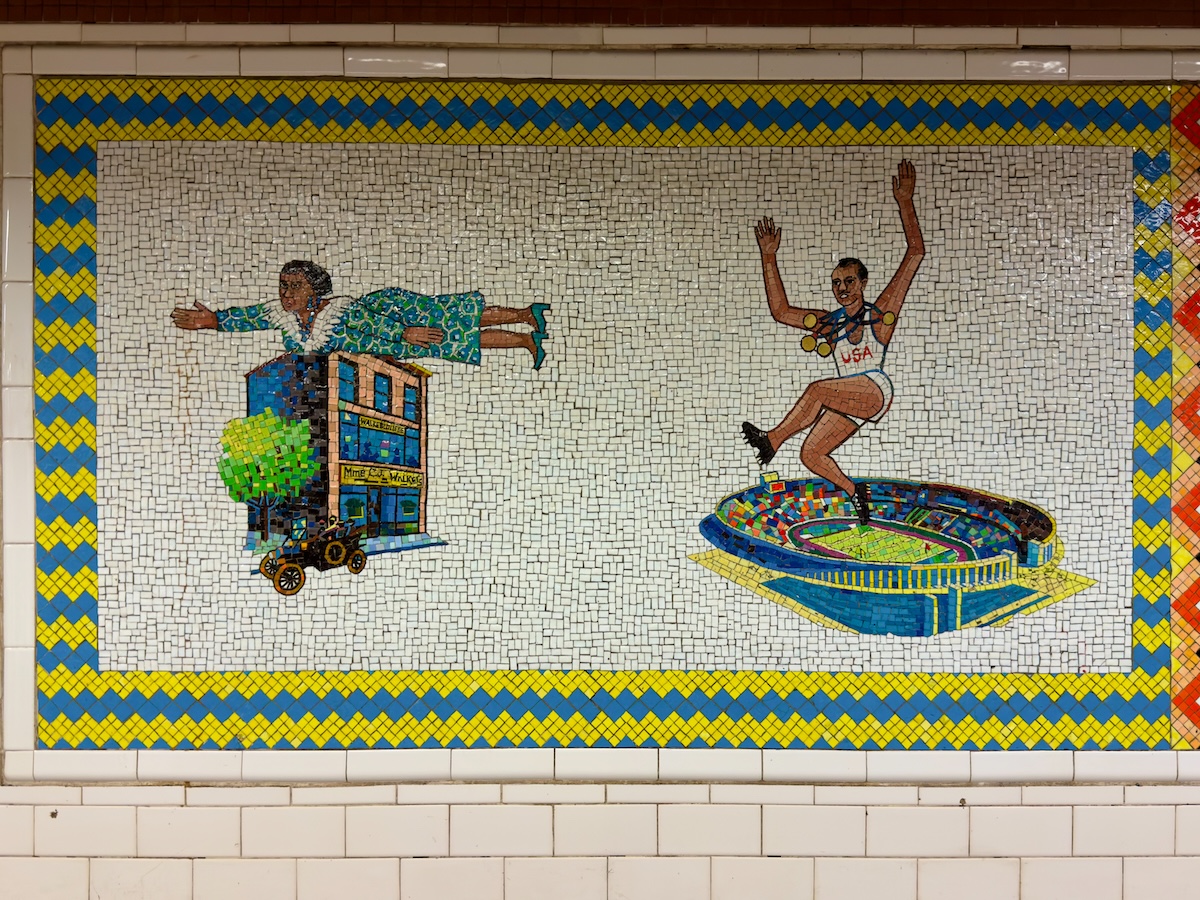
125th Street (Lenox Avenue)
2, 3 trains
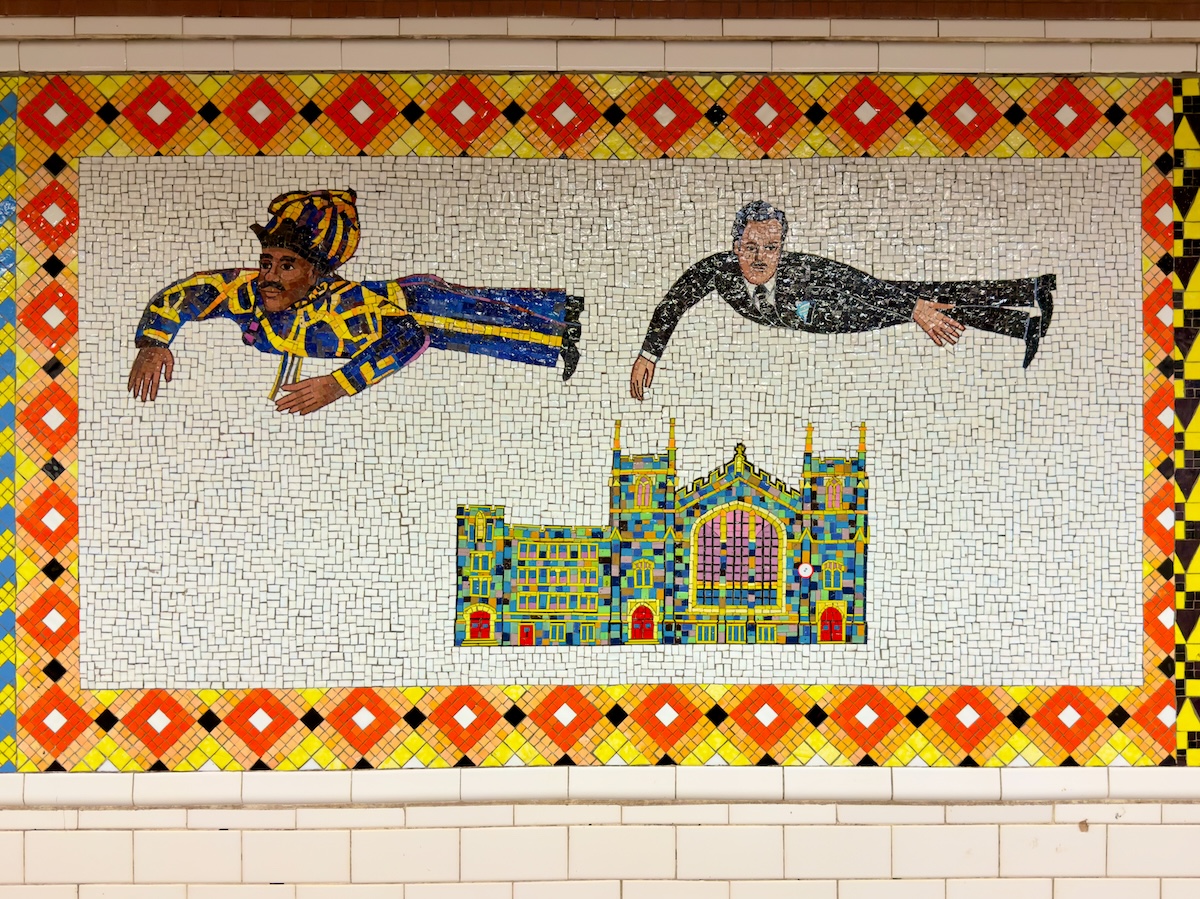
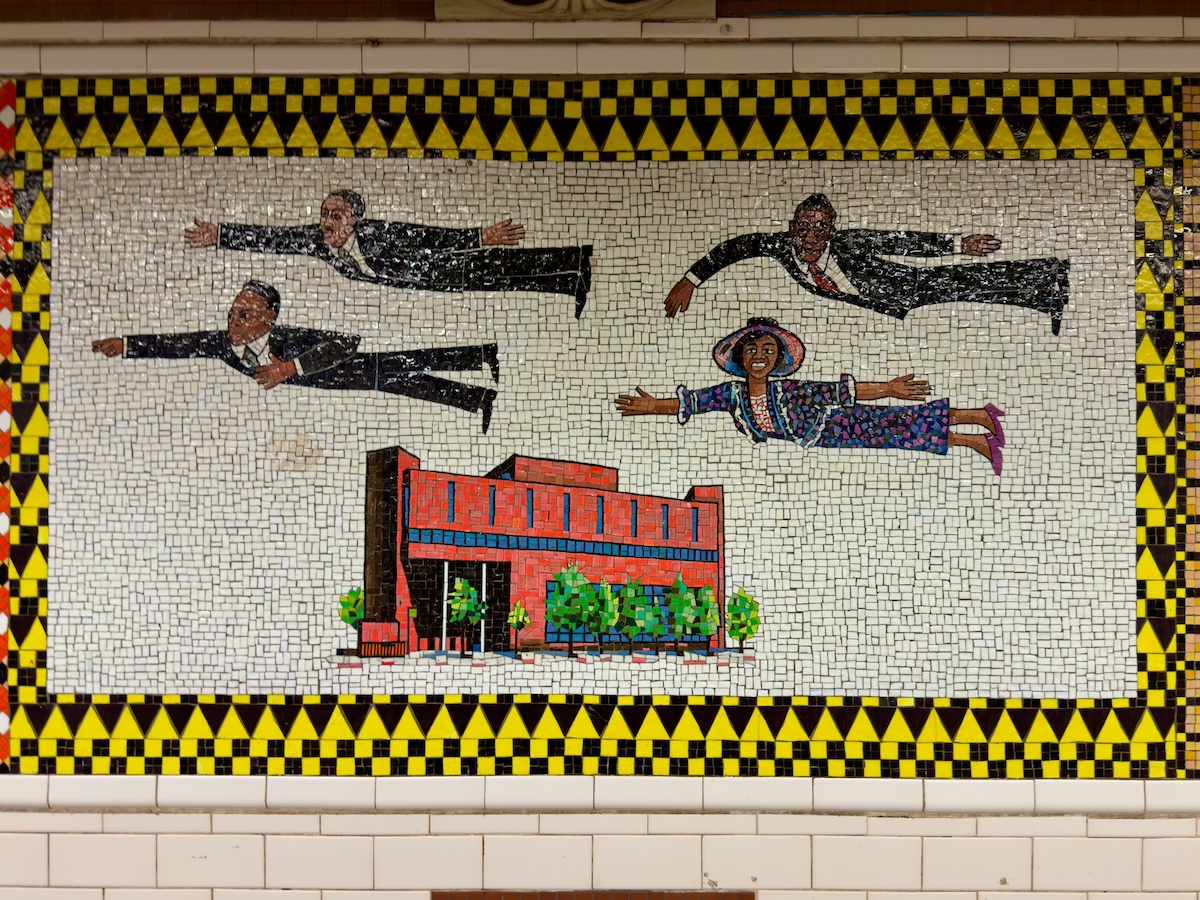
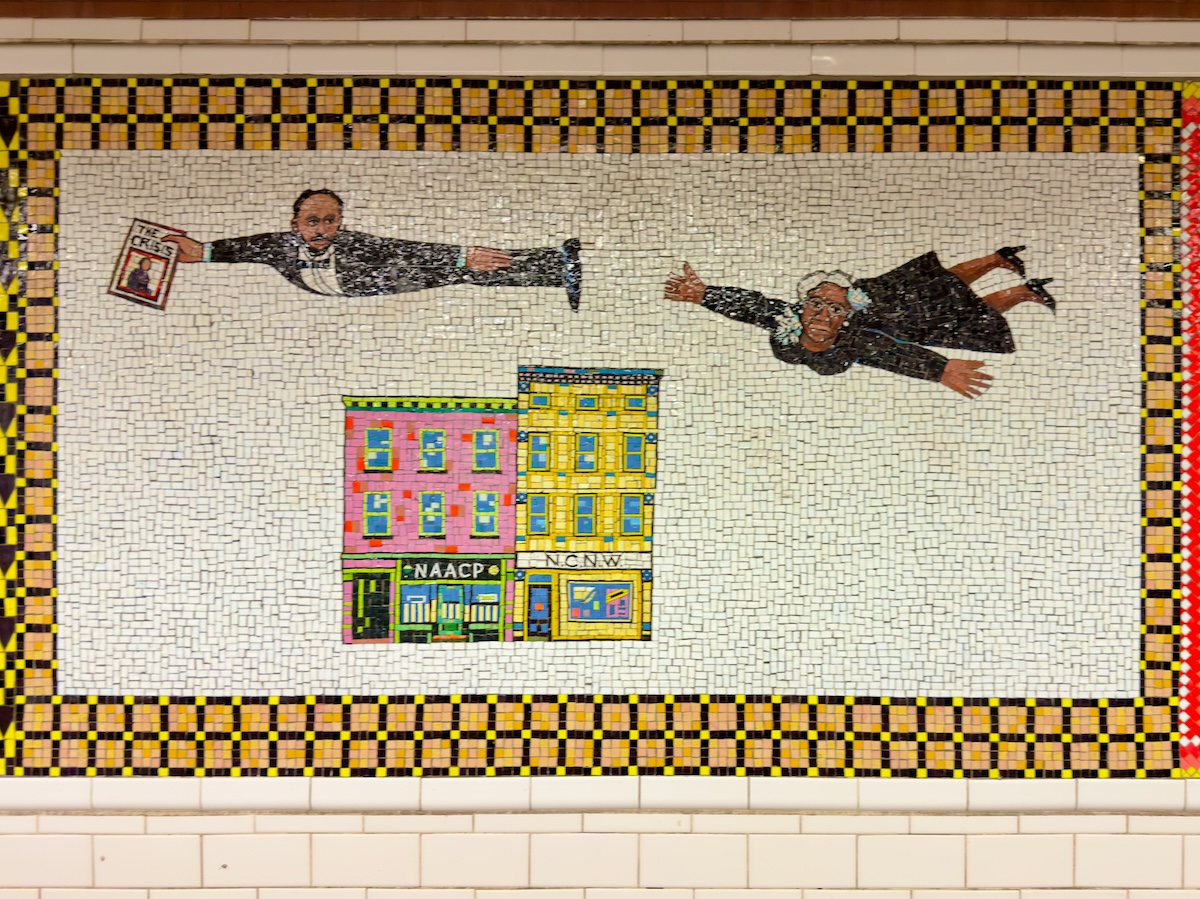
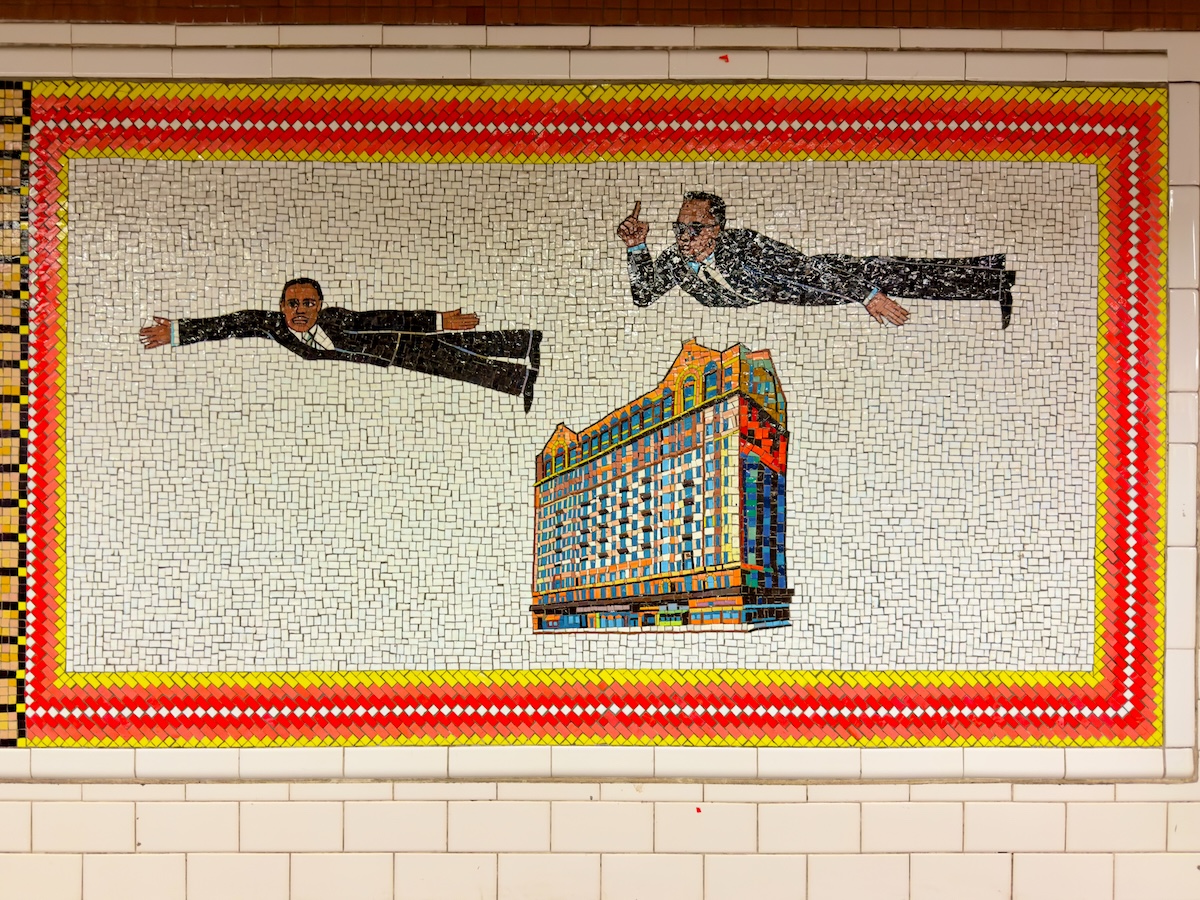
Harlem heroes soar above neighborhood landmarks in Faith Ringgold’s Flying Home. It’s whimsical, slightly surreal, and exactly the sort of thing that makes the subway more interesting than it strictly needs to be.
163rd Street / Amsterdam Avenue
C train
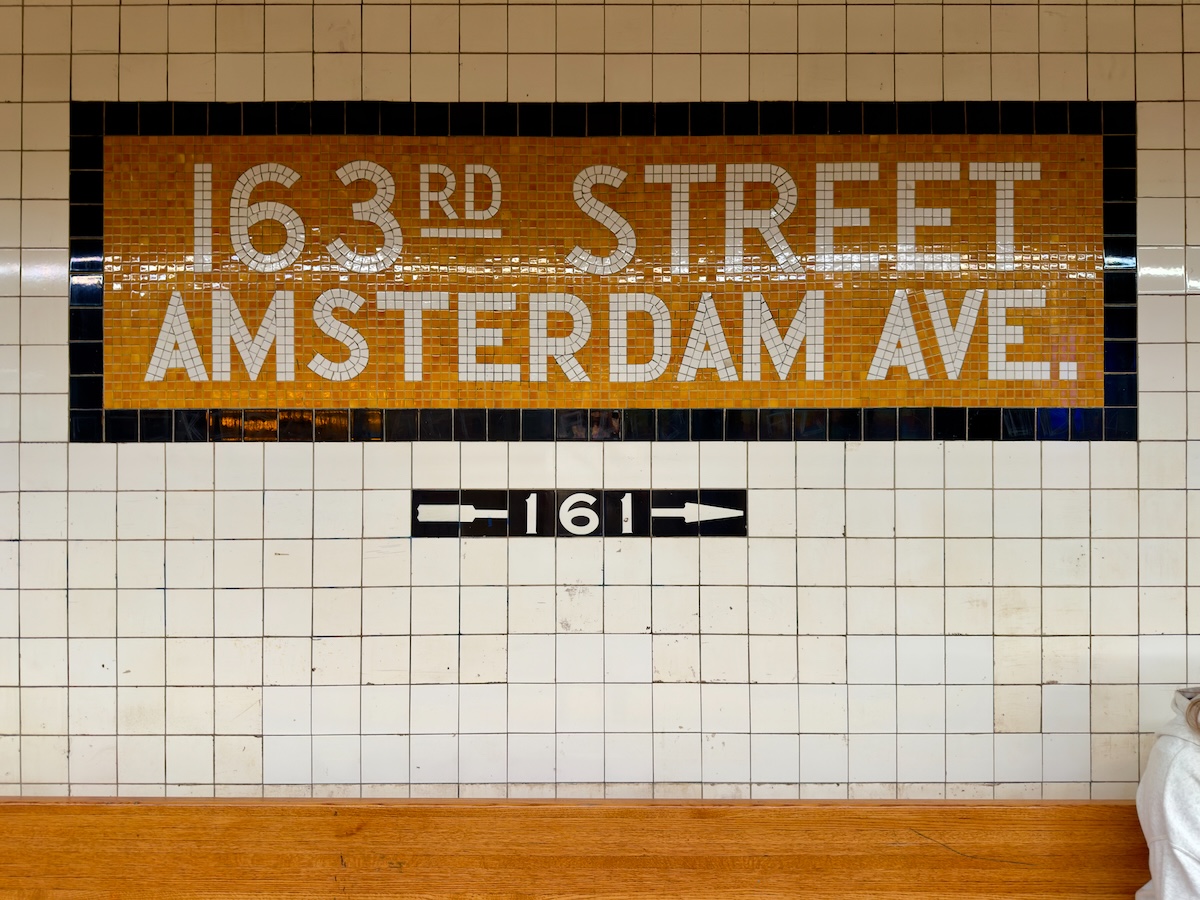
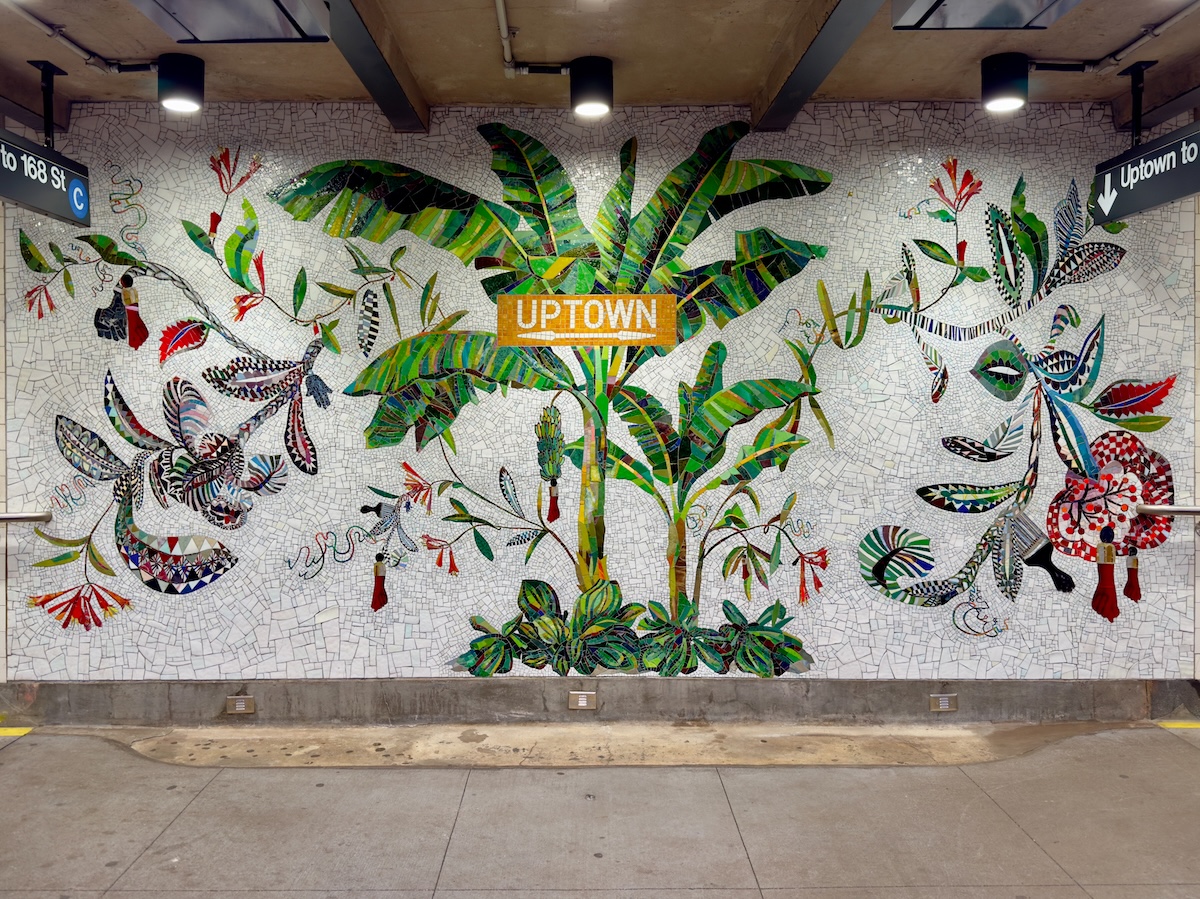
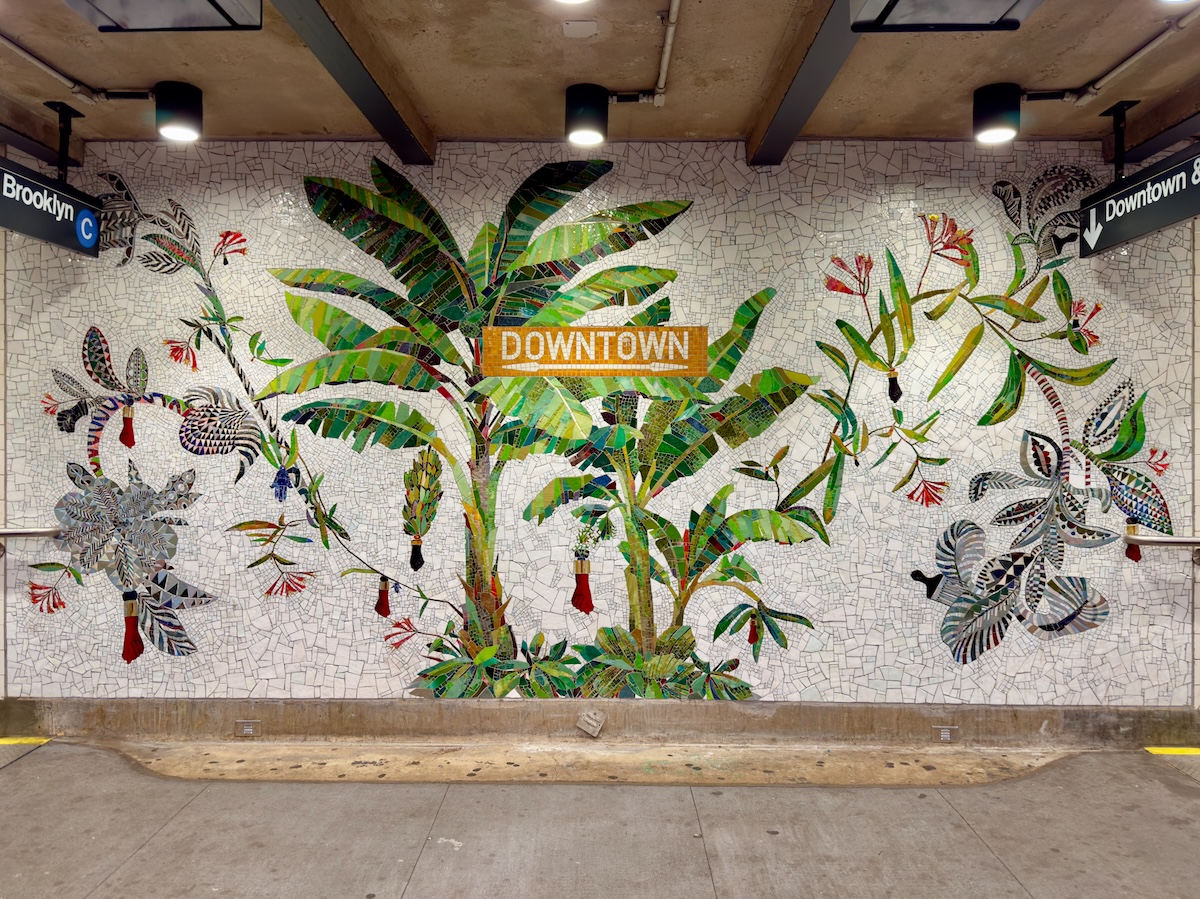
I’m not sure anyone expects a lush Caribbean garden in a subway station at the very northern tip of Manhattan, but here it is. Firelei Báez’s Ciguapa Antellana, me llamo sueño de la madrugada (who more sci–fi than us) mosaic doesn’t just decorate the station—it takes over the walls entirely.
The Bronx & Brooklyn

15th Street–Prospect Park
F, G trains
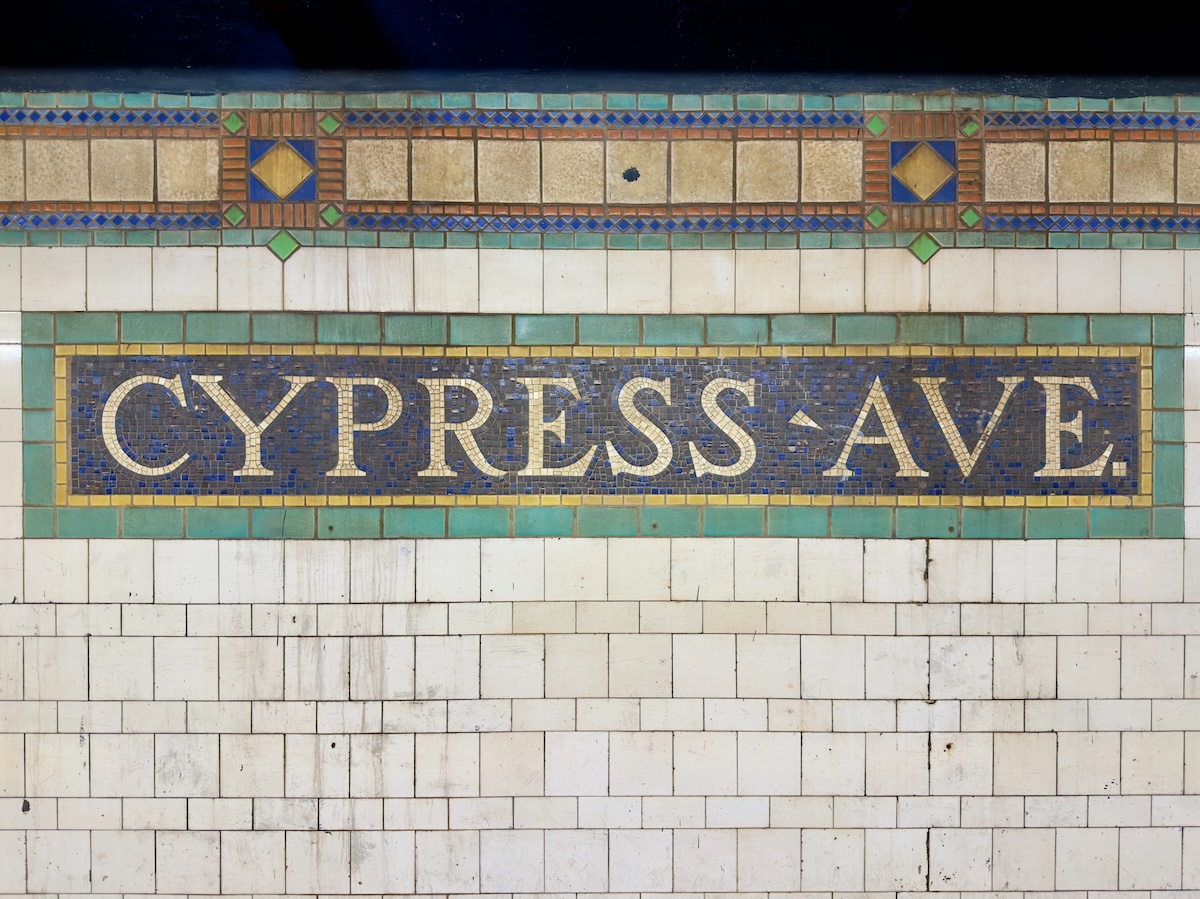
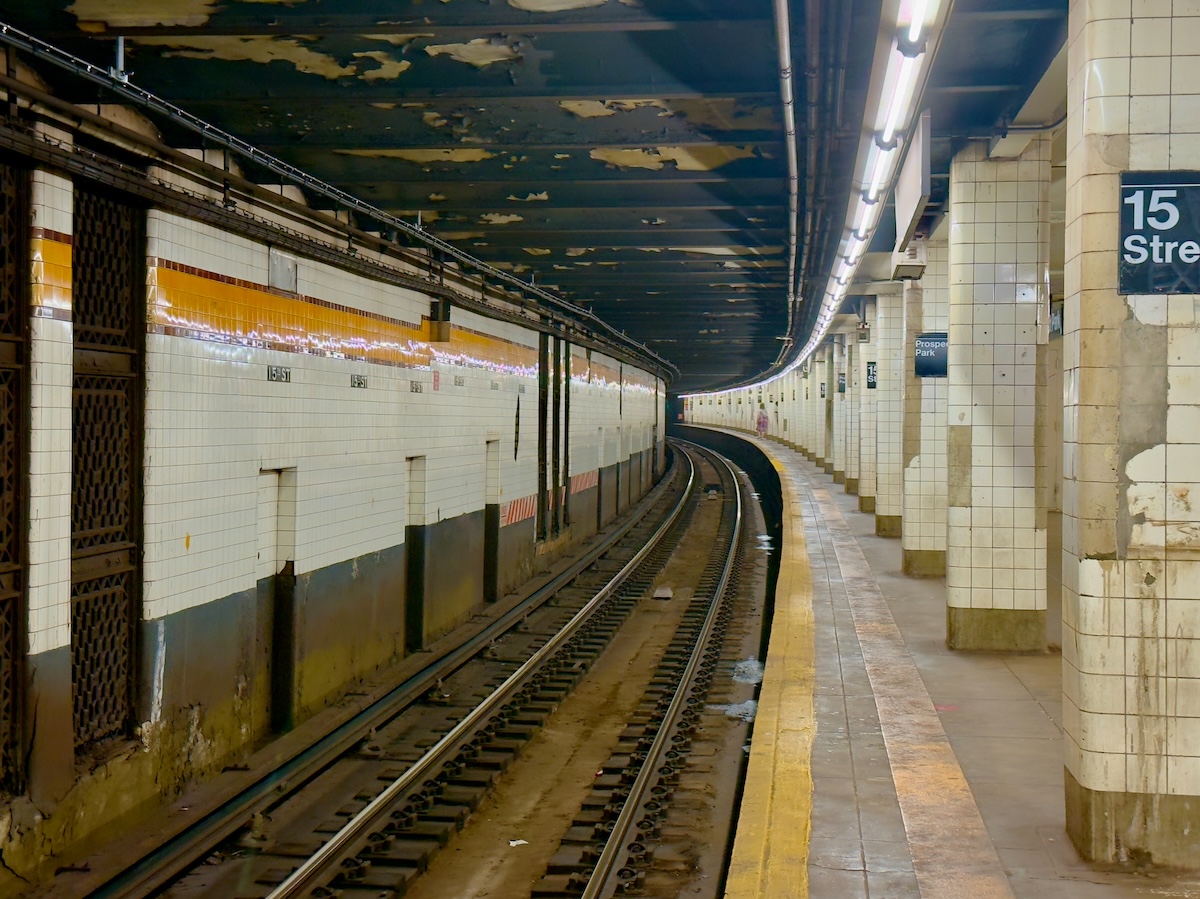
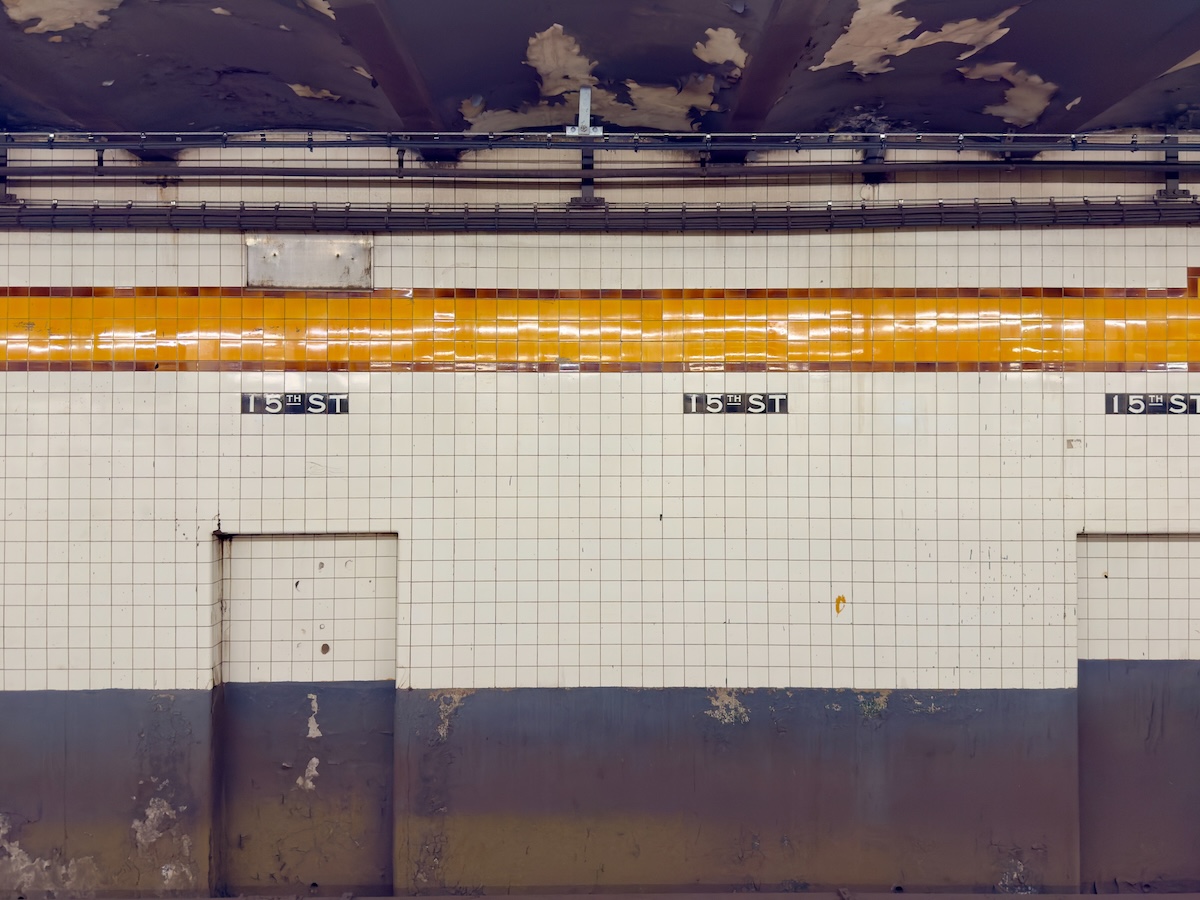
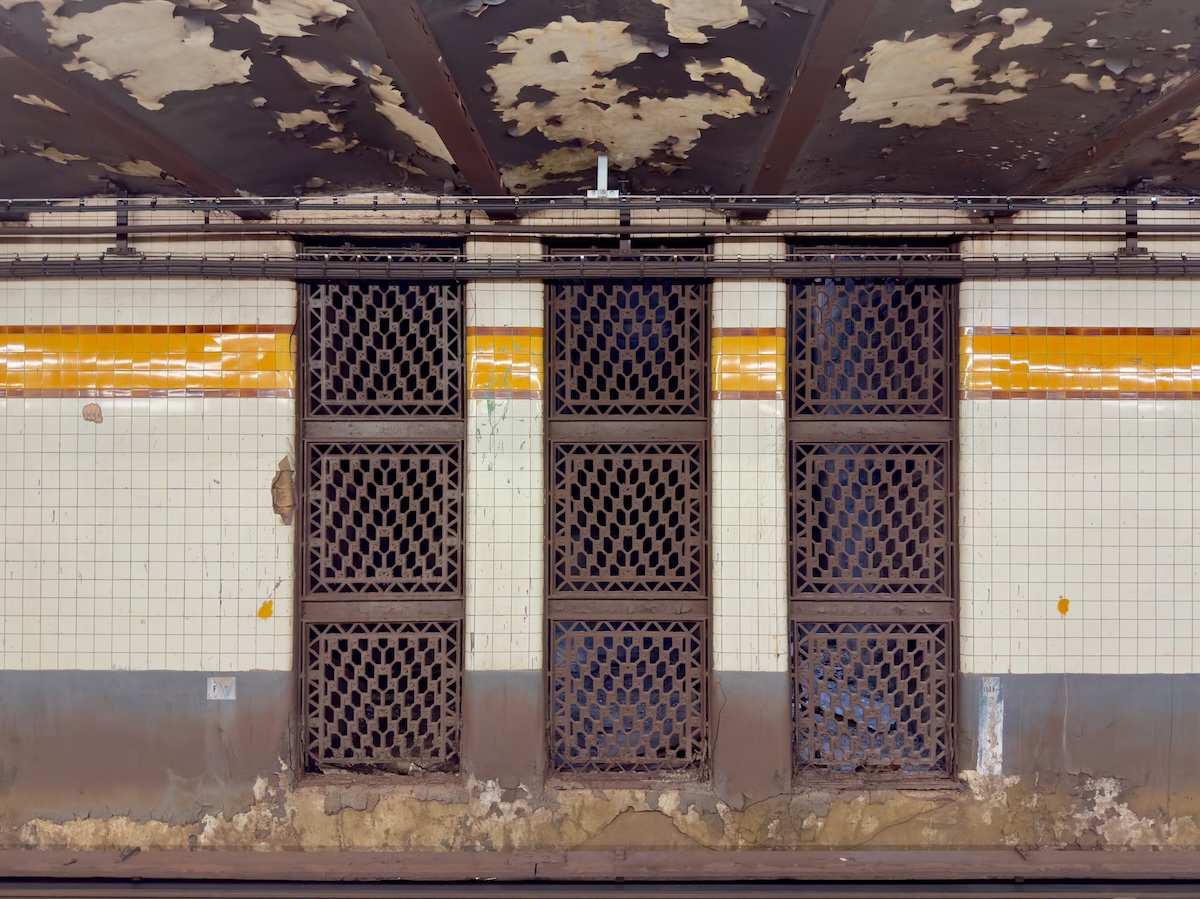
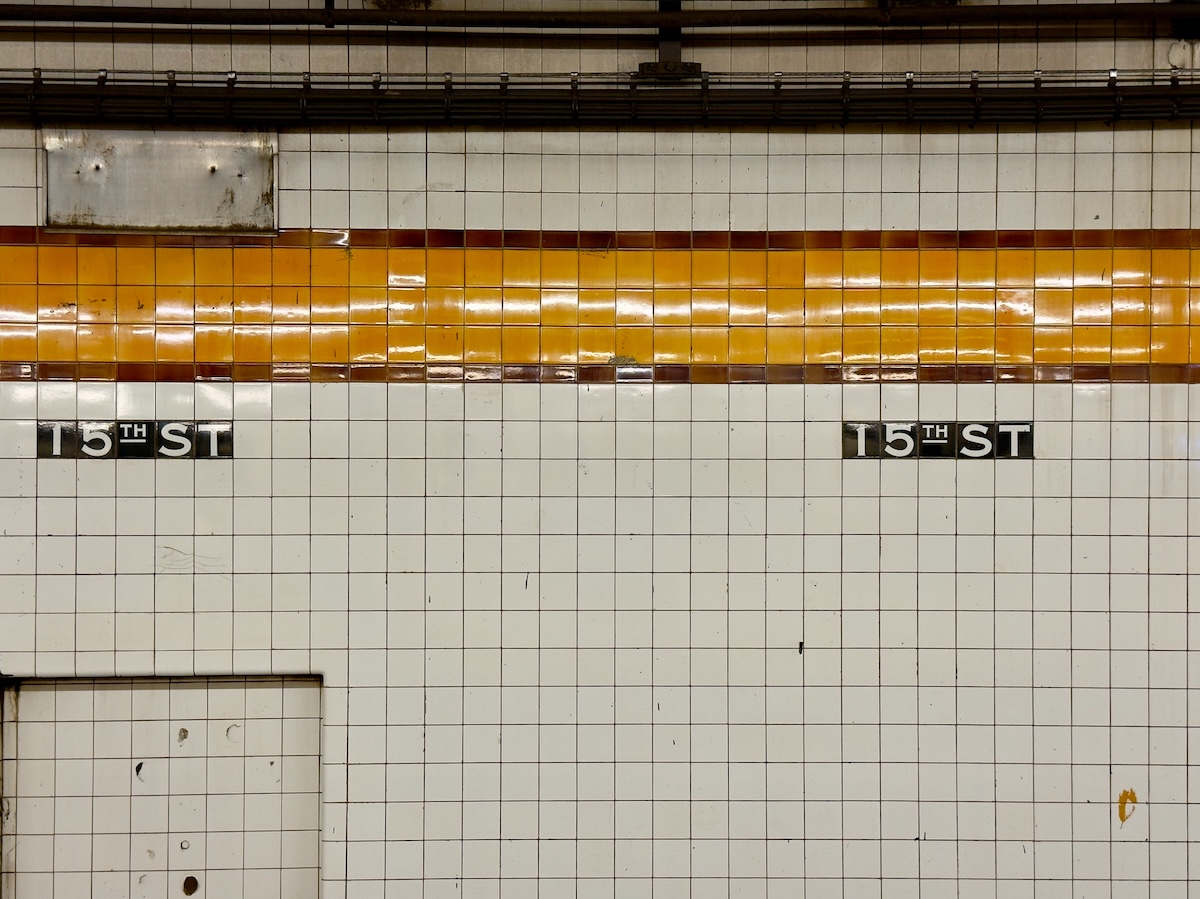
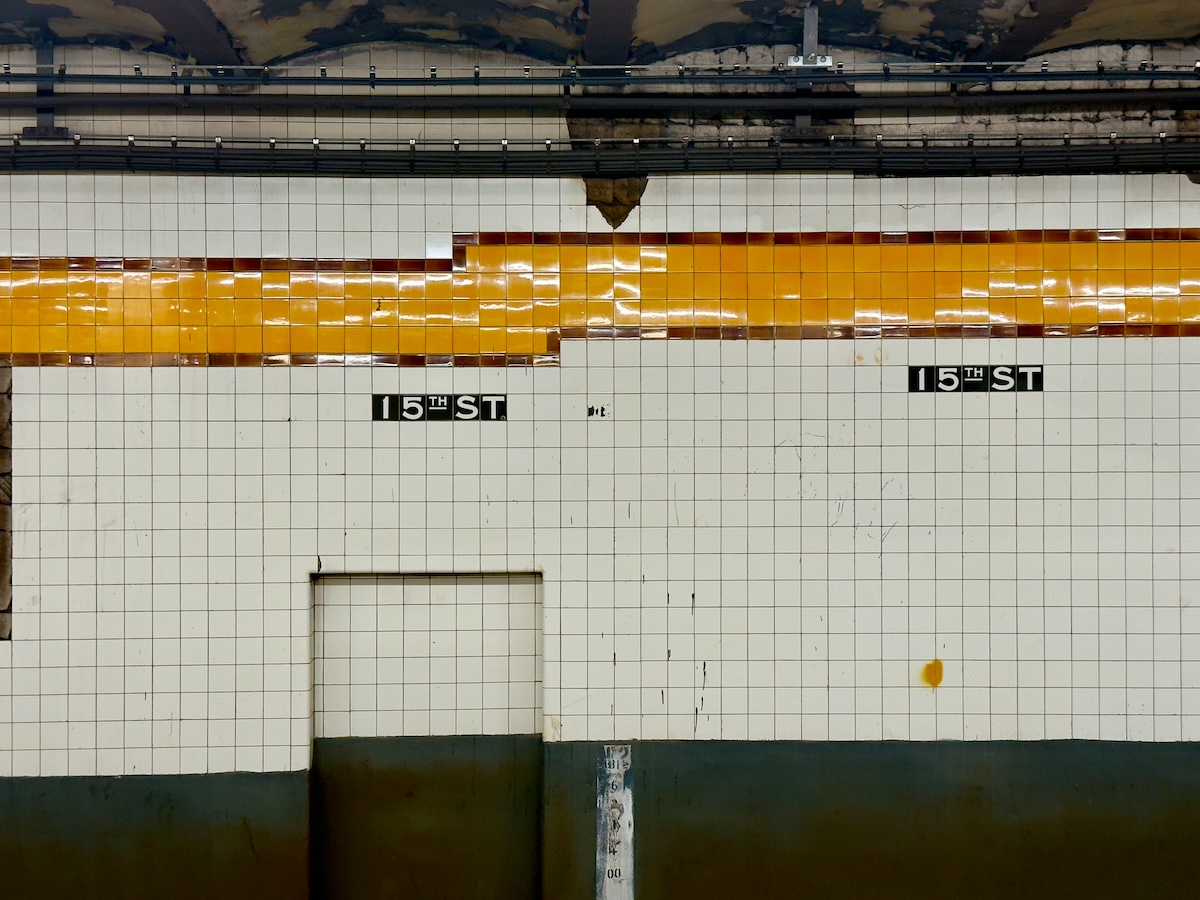
Some stations are memorable for their art. Others are memorable because they look just like the New York subway you imagined before you ever arrived.
Write a comment