
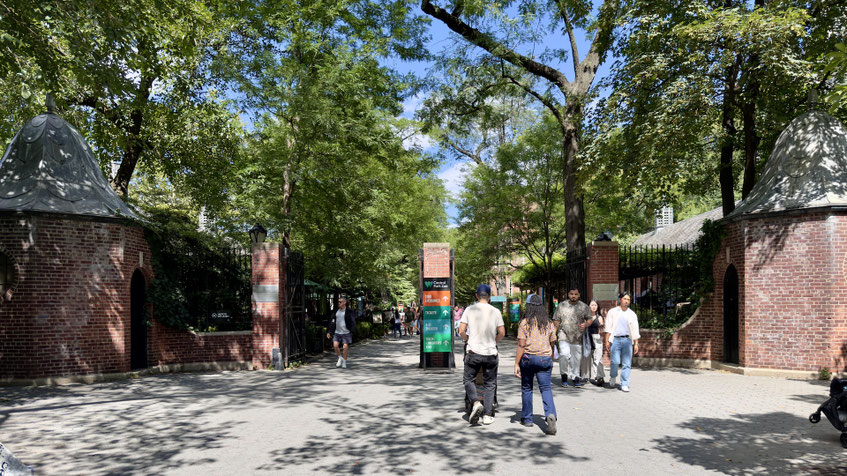
Right at the very end of our month in New York, I went to the zoo. No, not that zoo. The Central Park Zoo. Which I’d always assumed was a fictional place invented for the Madagascar movies. Nope, it’s real. Even more surprising? New York apparently has a zoo in each of the five boroughs. Meaning that at some point, the city looked at housing, transit, sanitation, schools, and the rest of the usual municipal headaches and shrugged, “Sure, let’s add some zoos, too.”
Now, I’m not generally keen on zoos. But my niece Rosemary is enthusiastically pro-zoo for reasons I’ve never fully understood. And I am enthusiastically pro-Rosemary, so a zoo outing it was. Rick declined to participate in this particular adventure, though. His antipathy for zoos has nearly reached active avoidance over the years.
So it was just Rosemary and me on that sunny Wednesday afternoon. I met her at the entrance near Fifth Avenue, ready to spend a few hours looking at captive wildlife. But first—I was starving. And I mentioned it in a setting-expectations kind of way. The sort of warning that left no doubt there would be food before there were penguins.
Rosemary said she’d been hungry on her way, too, and she had a half-finished submarine sandwich in her tote. Is there any doubt why I think she’s awesome? So we sat down at the nearest picnic table while I inhaled the remaining half.
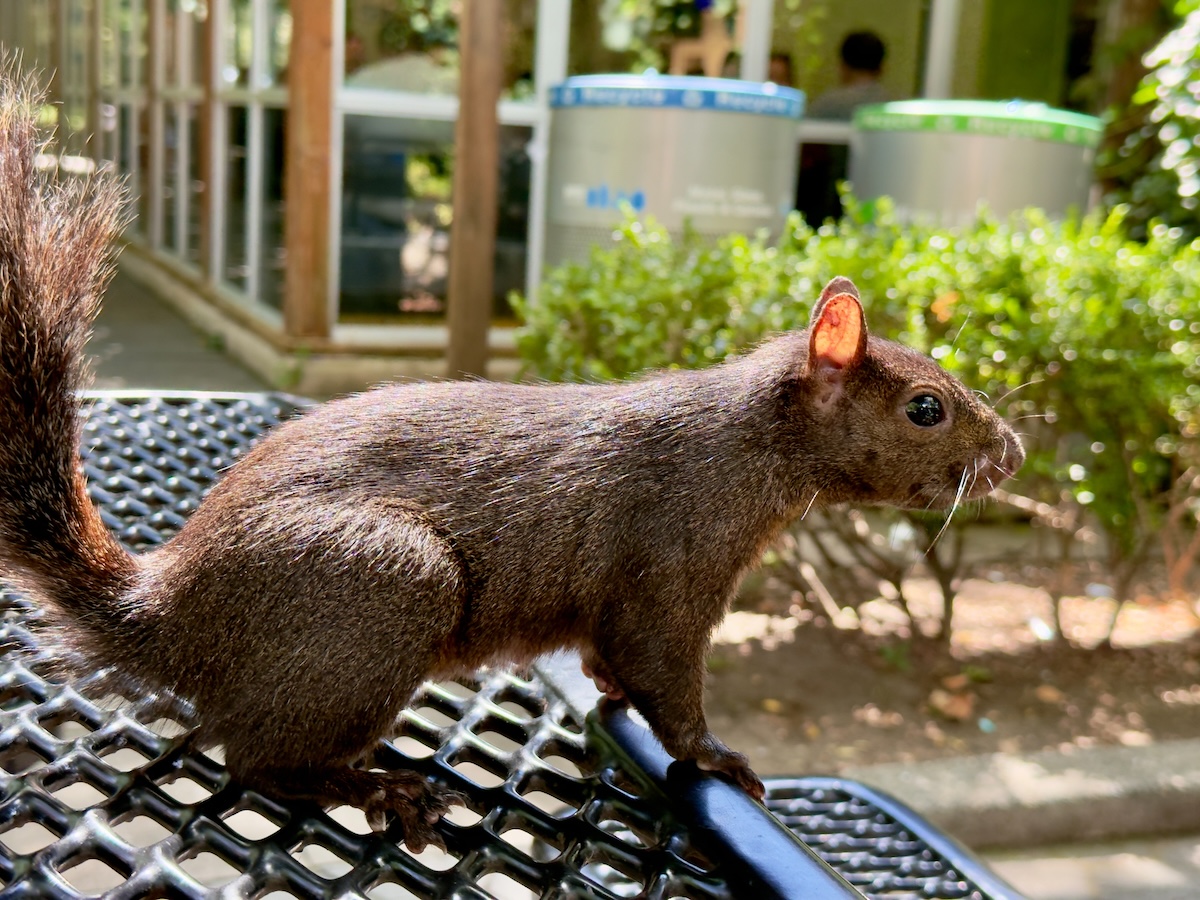
But we had company. A particularly audacious Central Park squirrel hopped onto the table beside us. He wasn’t shy about it, either. No cautious circling, no hopeful waiting at a respectful distance. He climbed directly onto the tabletop and positioned himself just a few inches from my face, studying the sandwich with the calm confidence of someone reviewing property records.
I waved him away, my mouth full. He didn’t move. I turned away, and he twitchily followed the sandwich. He came even closer and stared at my food with such singular focus that I began to suspect he was trying to move it with the sheer force of his will.
Our standoff continued for an uncomfortable amount of time, and Rosemary began to worry that he might launch himself directly into my face. I remained 100% committed to my sandwich. By the time I finished eating, this one fearless squirrel had displayed more personality, determination, and raw negotiating skill than several animals we’d eventually see inside the zoo.
After finally persuading the squirrel that sandwich possession remains nine-tenths of the law, we left him to continue his campaign of intimidation against other targets, bought our tickets, and headed inside.
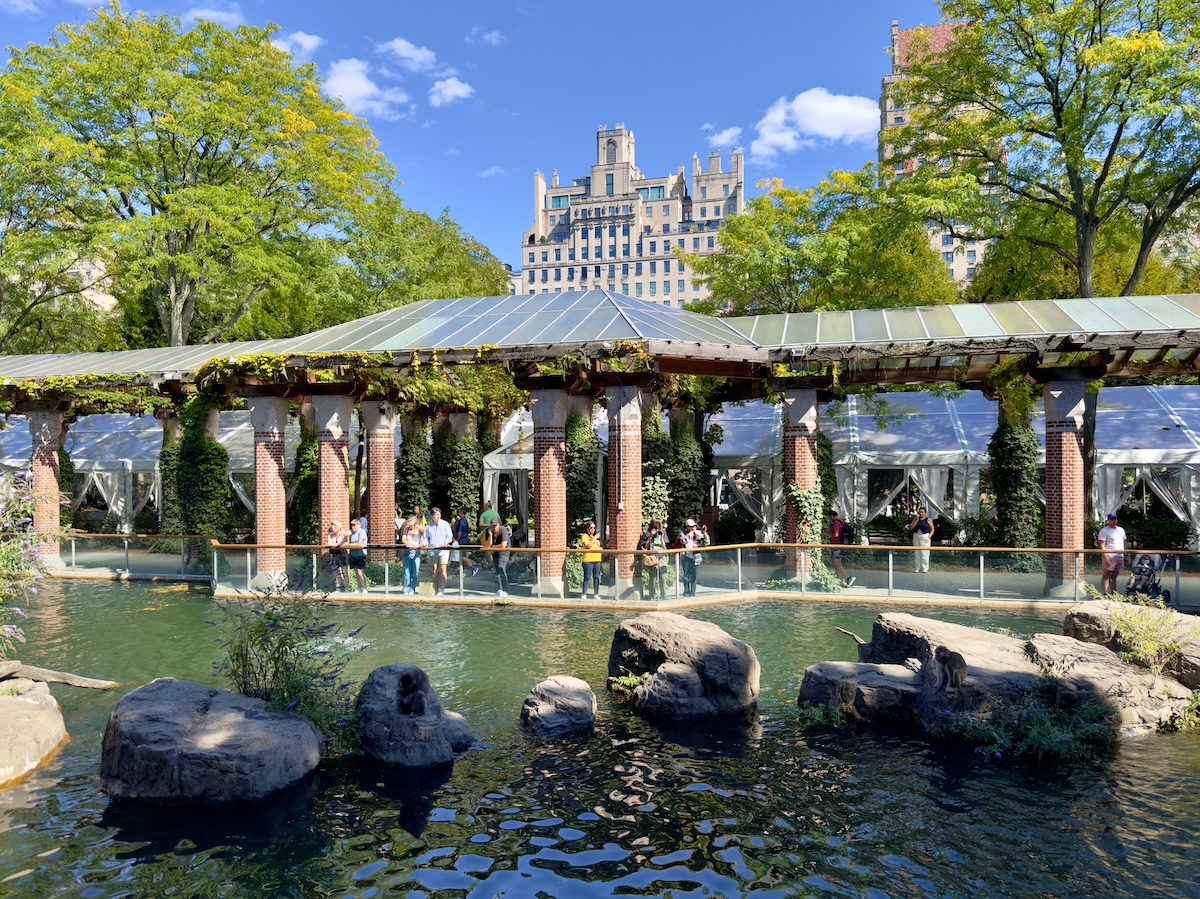
And I discovered that this zoo is very small. I guess I should’ve expected that. It is, after all, stuck in the middle of Manhattan on one of the most expensive pieces of real estate in the world. Every square foot outside the zoo was being used to its fullest capacity as an apartment building, a museum, an office tower, or a street. The surprising thing isn’t that the zoo is small—it’s that anyone had managed to fit a zoo here at all.
Once we started wandering through the exhibits, I realized the smaller footprint worked in its favor. Some larger zoos, like the San Diego Zoo, feel like a military campaign. Here, there was no need to consult maps or worry about missing half the zoo because we’d accidentally walked in the wrong direction. But this one was an easy wander.
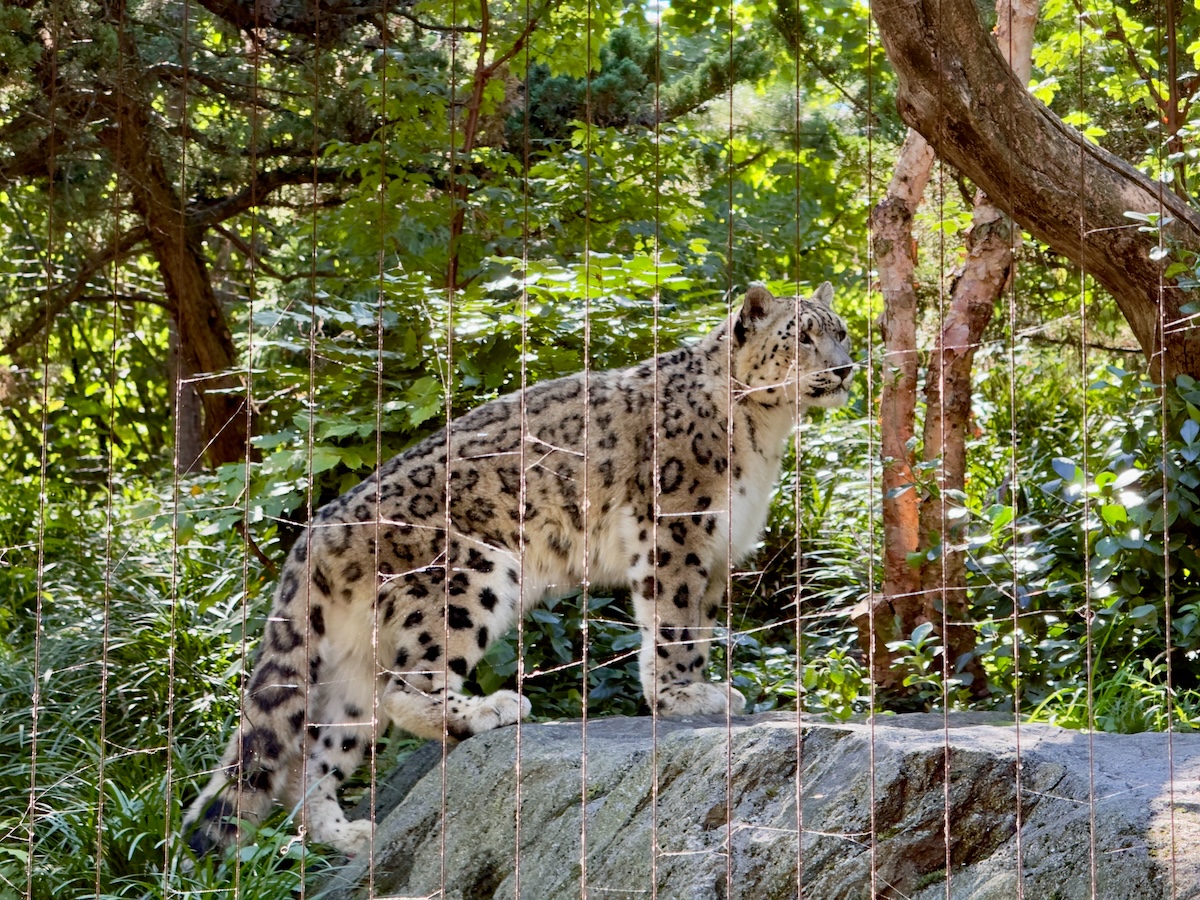
Rosemary was delighted almost immediately. As for me, this zoo affected me like most do. Mild interest followed by my mind wandering into less comfortable territory. You watch a snow leopard pacing an enclosure or a bird sitting quietly behind glass, and eventually you start wondering what the whole experience looks like from the other side. What would it feel like to spend your entire life in an enclosure with strangers’ noses pressed against the glass? How much room is enough room? Does an animal understand the difference between safety and freedom? I never have good answers to any of these questions, but once they arise, they follow me around for the rest of the day.
That doesn’t keep me from going to zoos. It just keeps me from becoming overly enthusiastic about them. Most visits leave me somewhere between interested and conflicted, with occasional detours into boredom depending on how many animals happen to be sleeping that day.
The funny thing is that New York didn’t originally set out to build a zoo here at all. The park’s designers, Frederick Law Olmsted and Calvert Vaux, had already considered a zoo and rejected the idea as a terrible one.
In the mid-1800s, Central Park began acquiring animals the same way most garages become cluttered fire hazards—one questionable decision at a time. The first known “donation” was a bear cub park workers found tied to a tree one morning in 1859. Nobody had asked for a bear. Nobody had budgeted for a bear. Somebody simply left one in Central Park, expecting the park staff would sort it out. Which they did. They weren’t monsters.
The bear was followed by a monkey. Then swans, peacocks, cranes, eagles, goldfish, and a steadily growing collection of creatures donated by wealthy New Yorkers who had discovered that exotic animals are considerably more fun to buy than to own, circus owners who wanted to retire older performers, and children who just loved goldfish and thought everyone visiting Central Park would, too.
The whole thing developed with zero planning. There was no strategic vision. There was no grand opening. There wasn’t even a decision to build a zoo. There was just a rapidly growing collection of random animals turning up in the park for bewildered staff to deal with.
At first, the animals were scattered around the park in cages and enclosures wherever space could be found. Visitors loved them. More visitors attracted more donations. More donations attracted more visitors. You see where I’m going with this, right?
In less than 10 years, the accidental menagerie had grown to include hundreds of animals and become one of Central Park's most popular attractions. At some point, the city essentially looked around at the bears, monkeys, birds, cages, crowds, and logistics involved in keeping them all alive and arrived at the only reasonable conclusion available. They built a wall, installed a ticket booth, and slapped a “Zoo” sign over the gate, finally acknowledging what everyone already knew had happened.
By the time we arrived, of course, the zoo had evolved well beyond its improvised beginnings. Bears were no longer tied to trees and there were no goldfish—the whole accidental menagerie had become a modern zoo focused on conservation, education, and animal care.
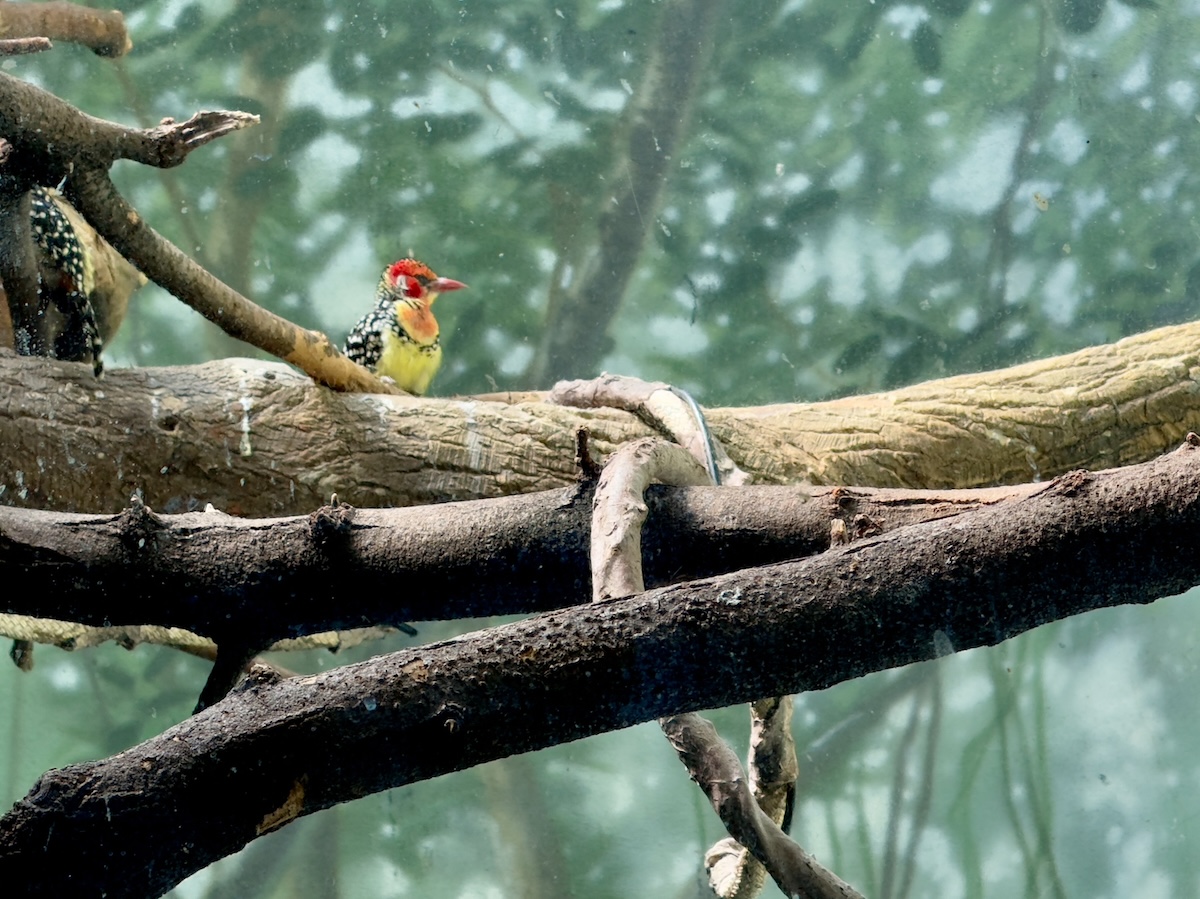
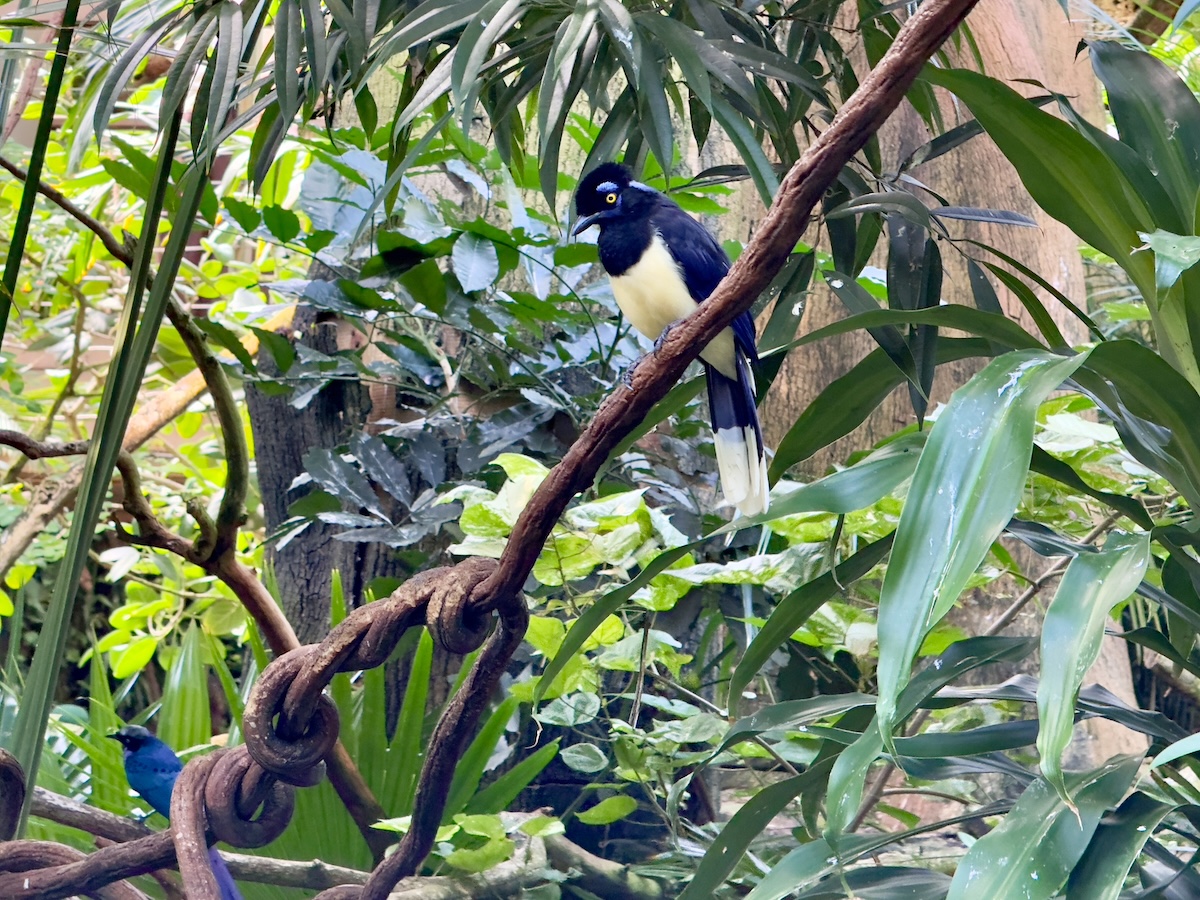
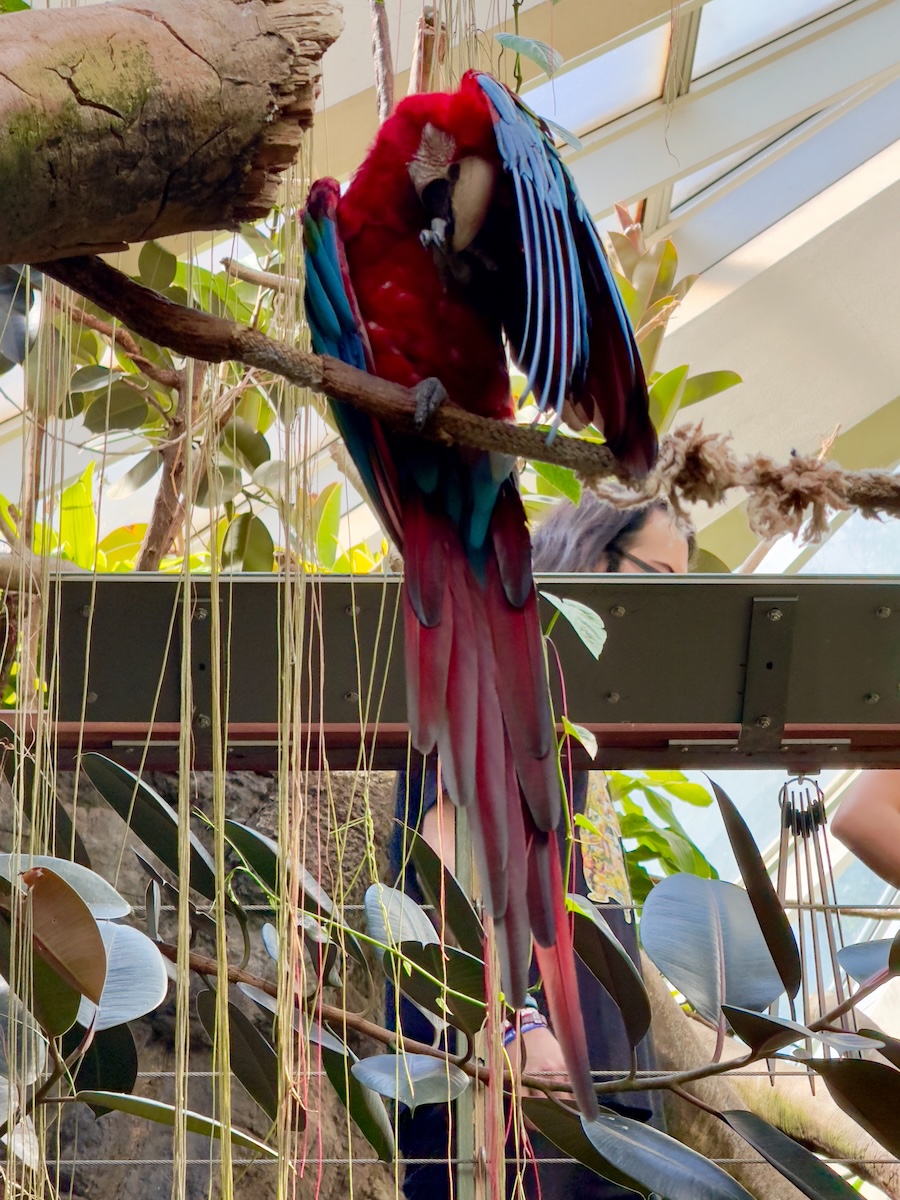
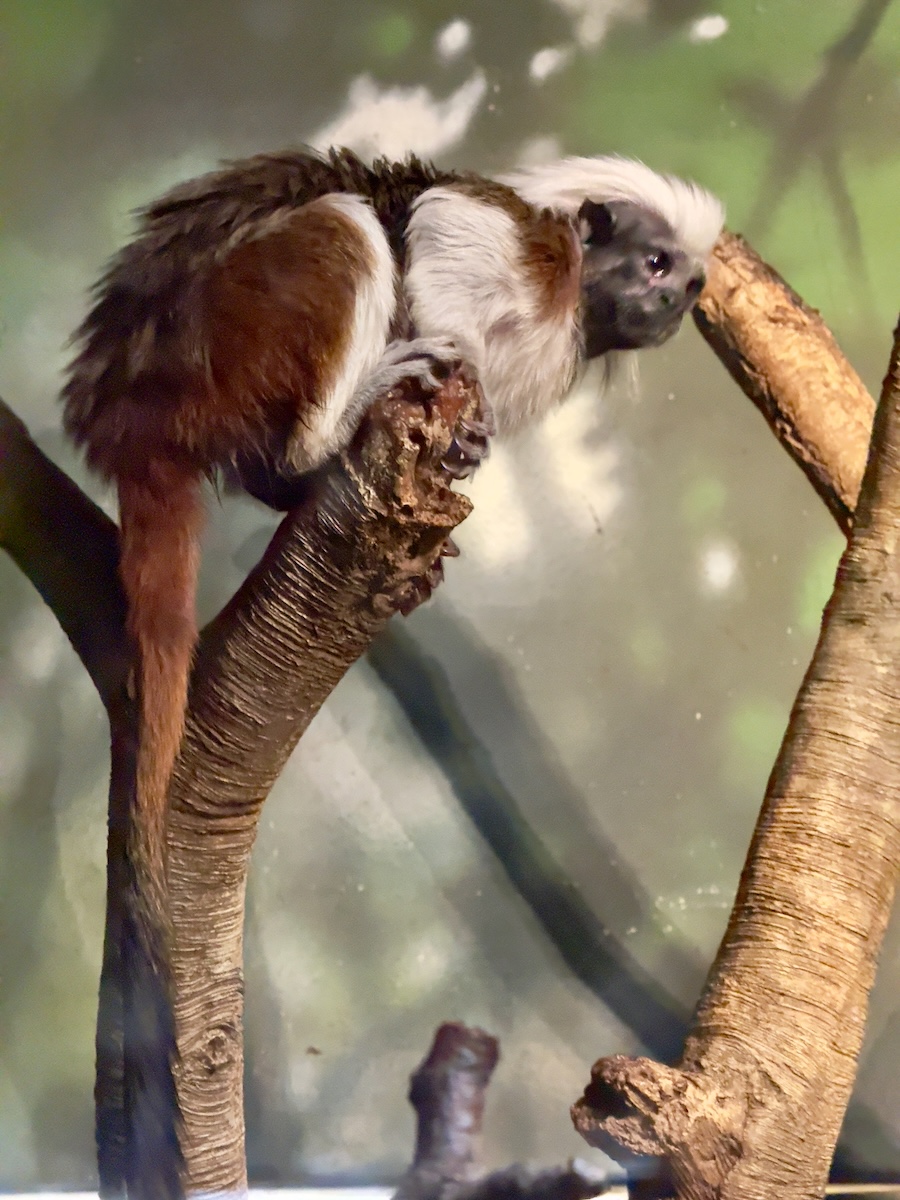
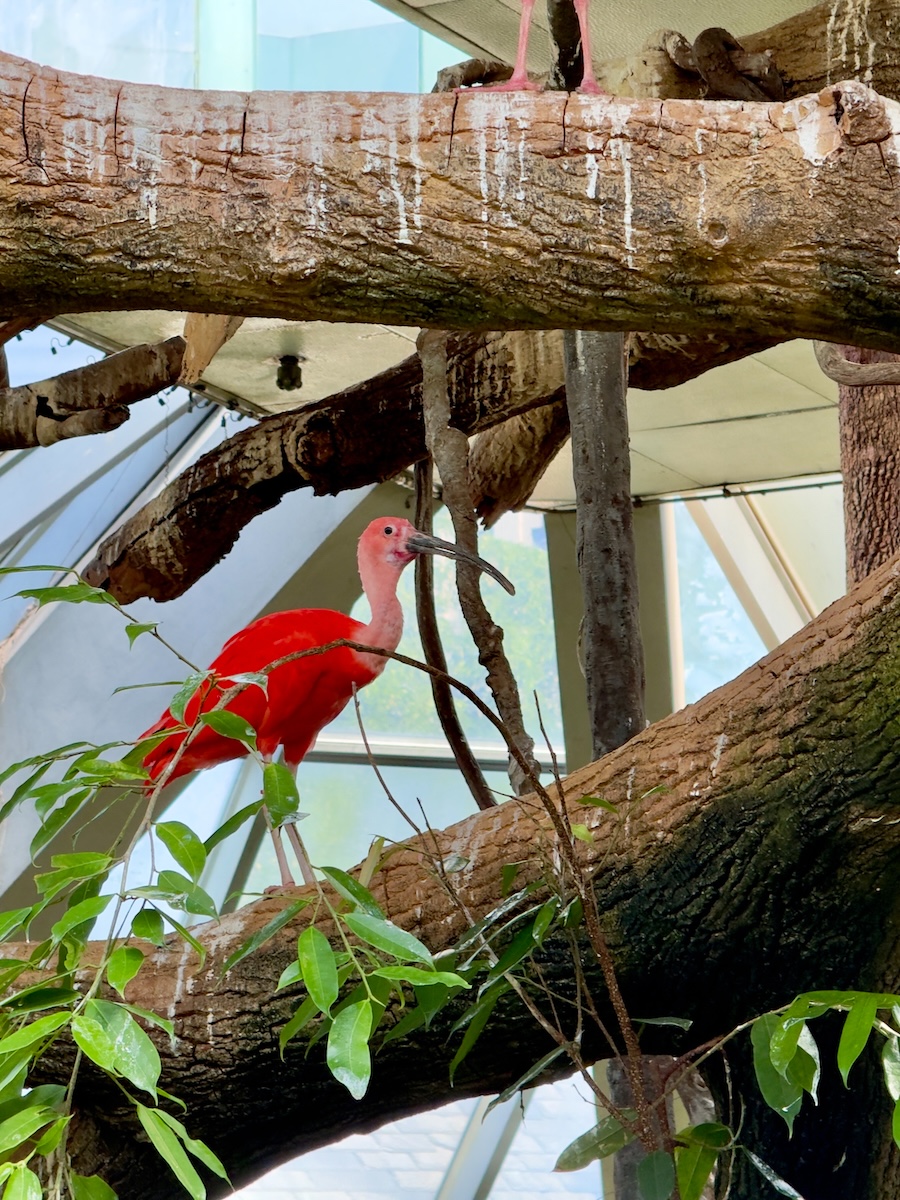
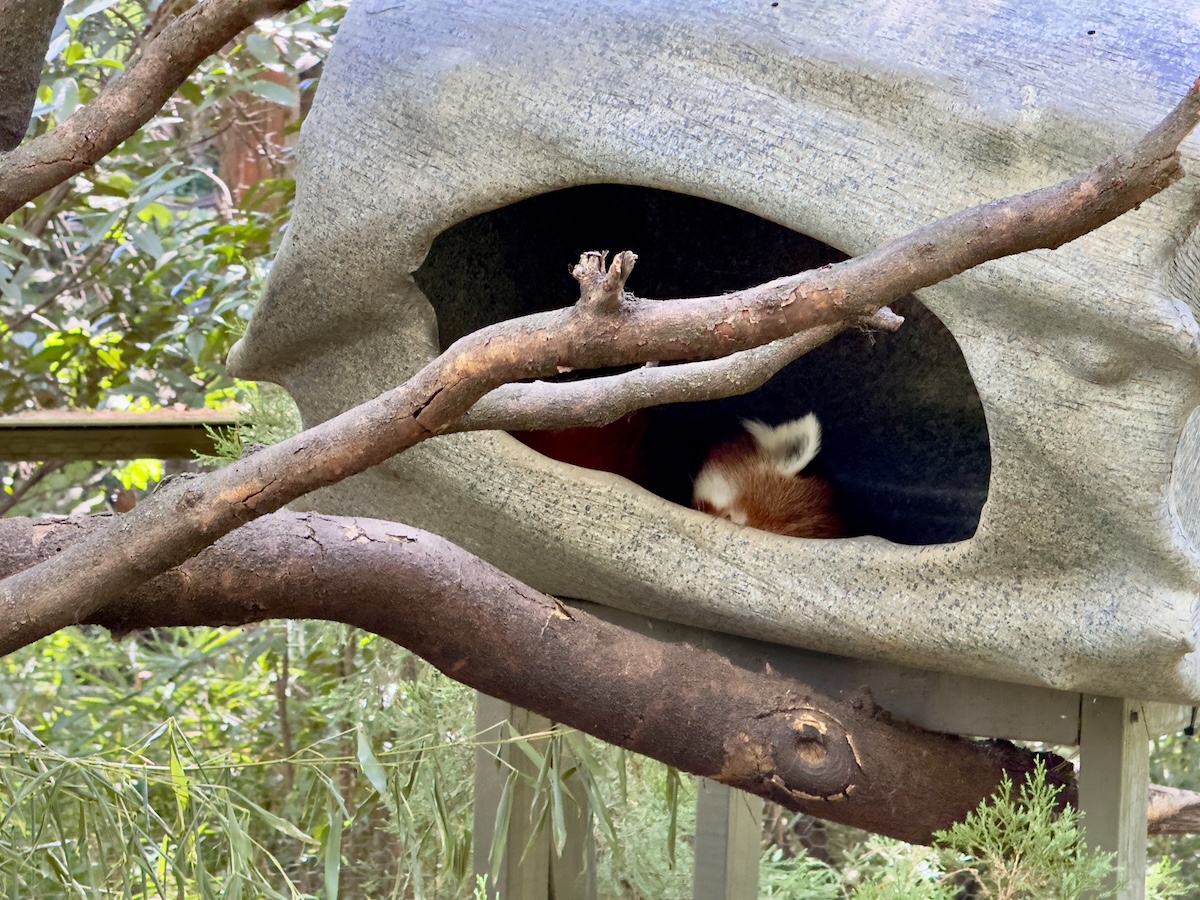
And yes, seeing the animals was pleasant enough. We happily wandered through tropical exhibits full of bright birds and tiny monkeys, then past dozy bears, snow leopards, and Japanese macaques lounging around their enclosure like retirees with nowhere to be. A scarlet ibis popped out of the greenery looking absurdly red while a red panda napped, refusing to raise its head for any photos.
It became obvious that much of the zoo’s design was devoted to making itself disappear. The original Central Park menagerie relied on cages. This version preferred glass walls, artificial cliffs, carefully placed vegetation, and fresh running water. The habitats were so carefully designed that you could almost imagine the animals had chosen the place themselves. Most of the time, it worked. The exhibits felt spacious and thoughtfully designed, even if the occasional fence or pane of glass still reminded you that nobody was actually free to leave.
That approach came with a tradeoff, of course. Rosemary and I peered through branches, around rocks, or into a leafy area looking for an animal we’d been assured was there, somewhere. Sometimes, the reward for carefully recreating a forest is discovering that animals can hide remarkably well in forests. I was oddly torn. Part of me wanted a better view. Another part couldn’t fault them for having little interest in parading around for us.
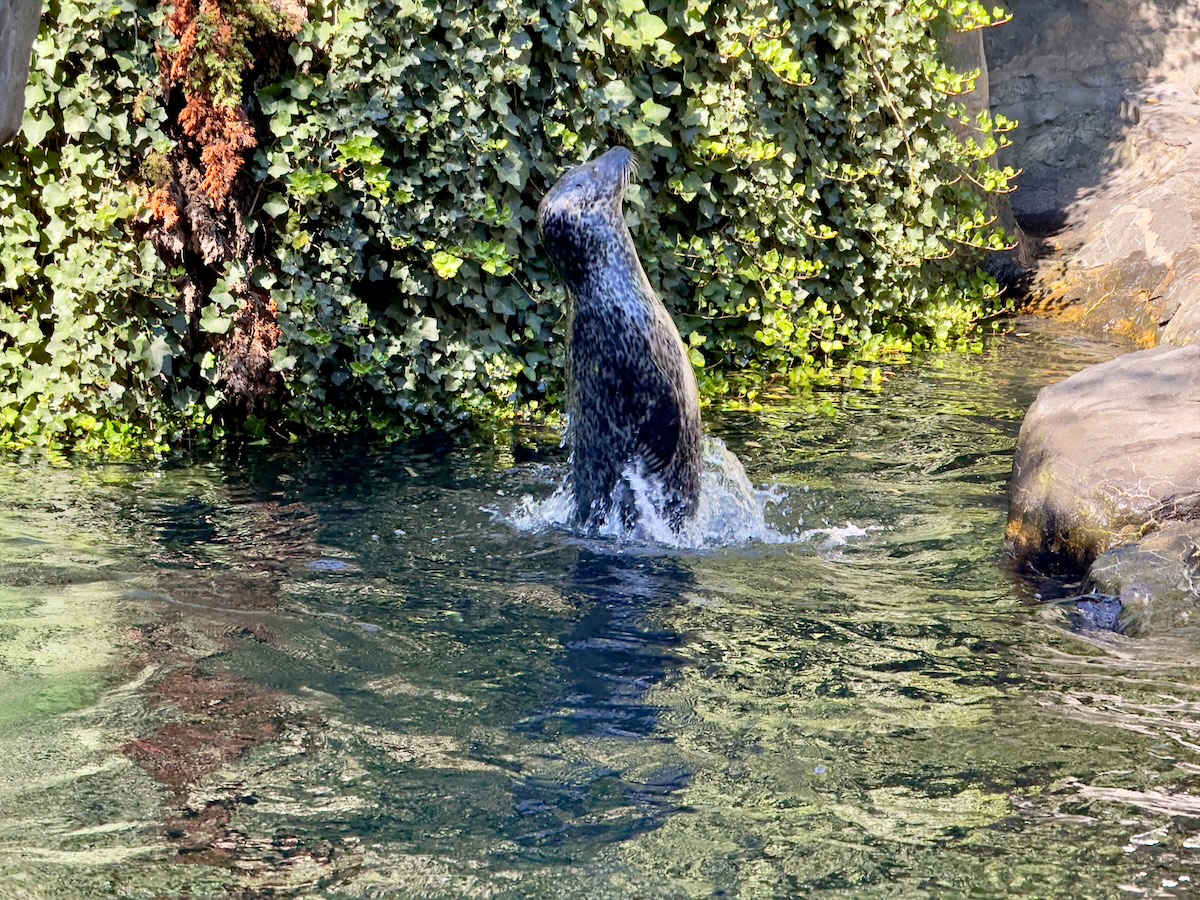
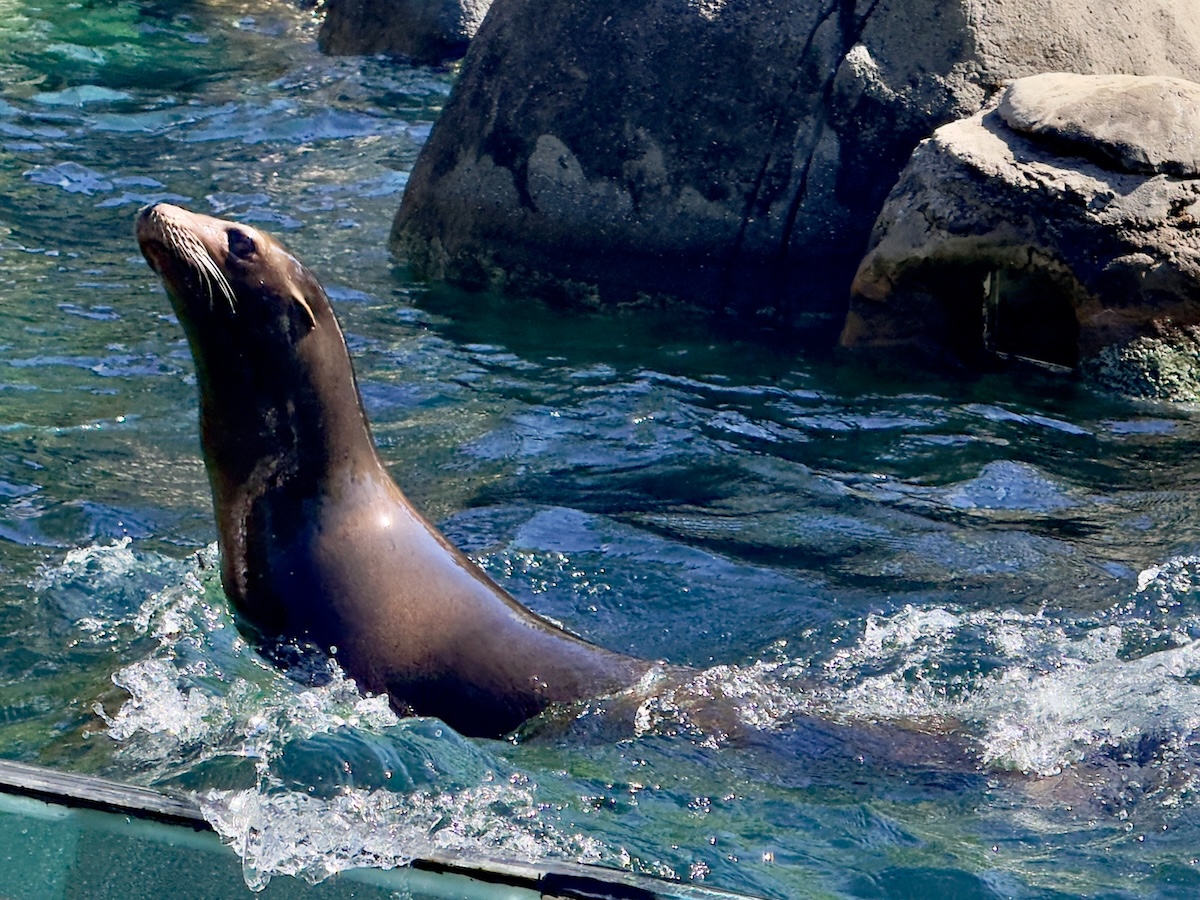
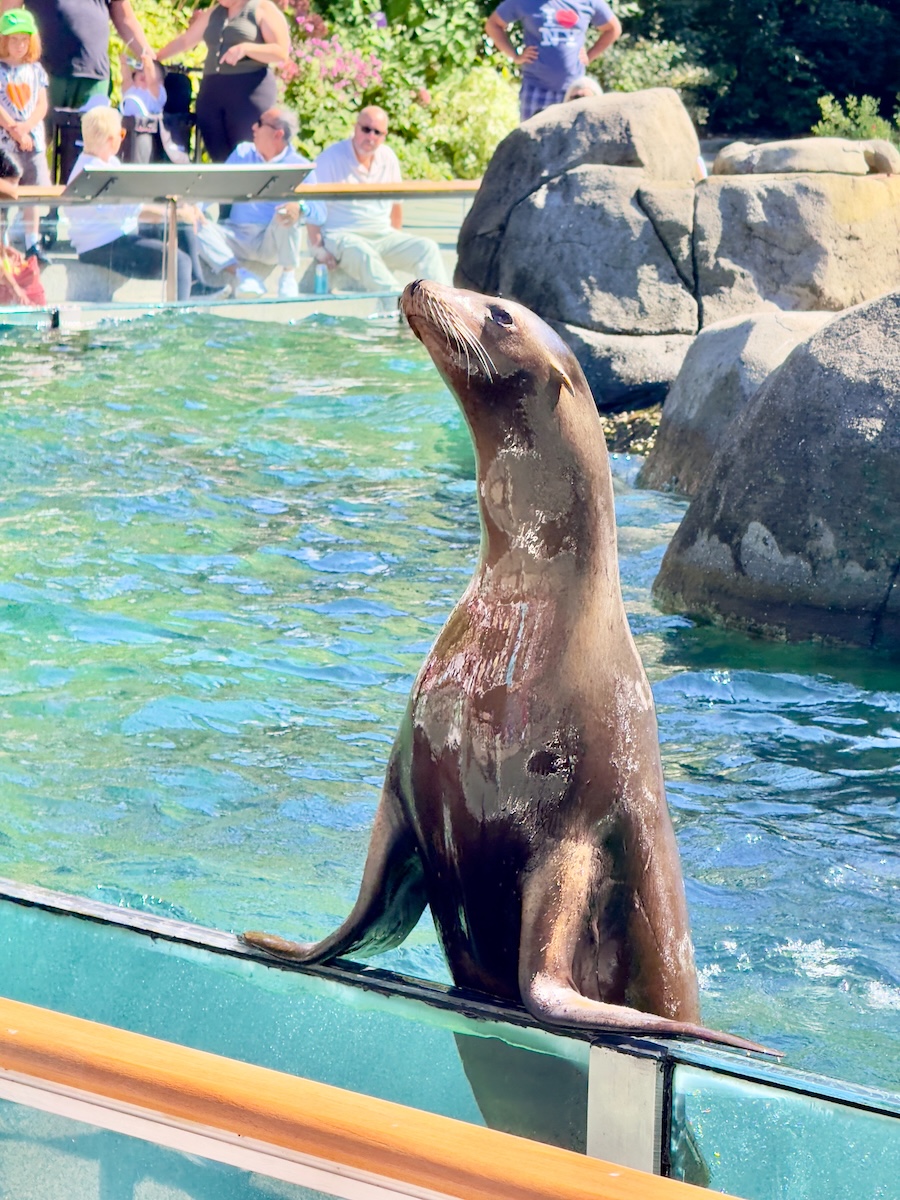
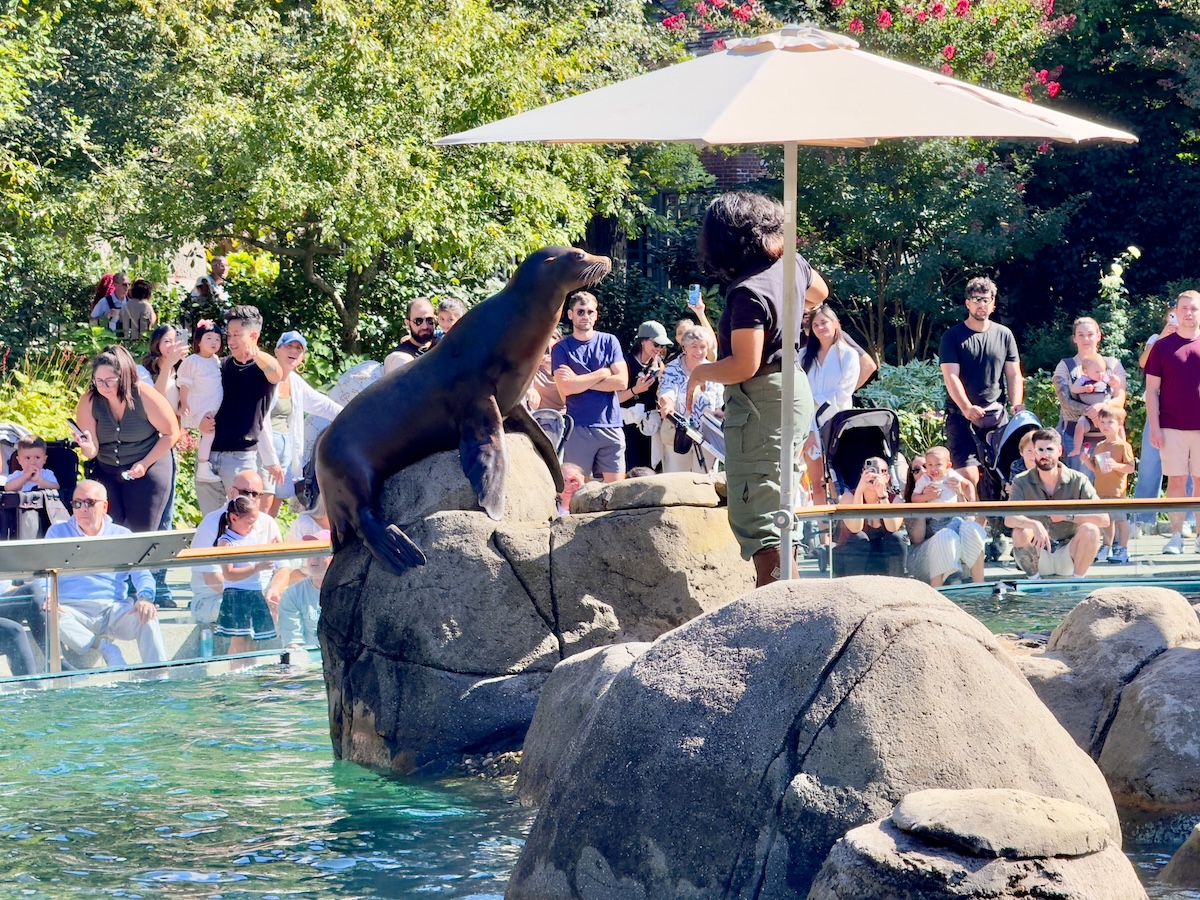
The sea lions, at least, had no interest in hiding. Their pool sits near the center of the zoo, and every time we passed through the area, there seemed to be another crowd gathered around the railing watching them swim, bark, splash, or generally show off. That's where I had an unexpected epiphany.
Rosemary had hoped to catch the sea otter feeding, but we arrived late. The otters had already eaten and moved on with their day. So we made a point of joining the crowd gathering around the sea lion pool for their next feeding. It was exactly the sort of thing that makes me uneasy about zoos. Trainers stand above the sea lions, using hand signals and whistles to make them perform. The golden sea lions surfaced in specific locations, raised their flippers on command, rolled onto their sides, and performed what looked suspiciously like circus tricks.
But I started paying attention to the handler who was explaining what we were seeing. The sea lions hadn’t learned these behaviors for our benefit. They’d been taught to do them so their keepers could care for them without added stress. Presenting a flipper allowed it to be inspected. Holding still made examinations easier. Opening a mouth lets staff check teeth and overall health. Even something as simple as stepping on a scale could be made a voluntary behavior rather than an ordeal requiring restraint.
The more he talked, the more I realized I misunderstood what I’d seen. I’d always lumped these demonstrations into the category of animal entertainment. Wave to the crowd. Balance the ball. Earn the fish. I hadn’t appreciated how much of that training existed to make routine care possible without turning every examination into a wrestling match.
That didn’t suddenly erase all my complicated feelings about zoos. I still found myself wondering what life looks like from the other side of the glass. I’m still not entirely comfortable with every aspect of the experience. But I did leave that afternoon with a greater appreciation for the work happening behind the exhibits. And I felt a little better knowing more was happening behind the exhibits than just display. The animals were being monitored and cared for in ways I hadn’t considered before.
In the end, the zoo turned out to be a great excuse to spend an afternoon with Rosemary. We saw some interesting animals, had a few laughs, and I learned a thing or two I didn’t know before. Not a bad return for spending a couple of hours in Central Park.
I’m still no zoo enthusiast, so don’t get crazy. But the visit gave me time with a great person, which was the point anyway. And, thinking back on the day now, the most memorable animal never even made it past the ticket booth.






Write a comment