

The Morris-Jumel Mansion sits so far uptown that even Manhattanites are vaguely surprised it exists. So far, in fact, that after breakfast with Rick and Alice in the Village, I spent nearly an hour on trains and sidewalks getting to it. The house is in Harlem, where we were also staying. This sounds convenient until you remember that Harlem covers more than three square miles. A neighborhood that size in Oregon would have an elected mayor and city council.
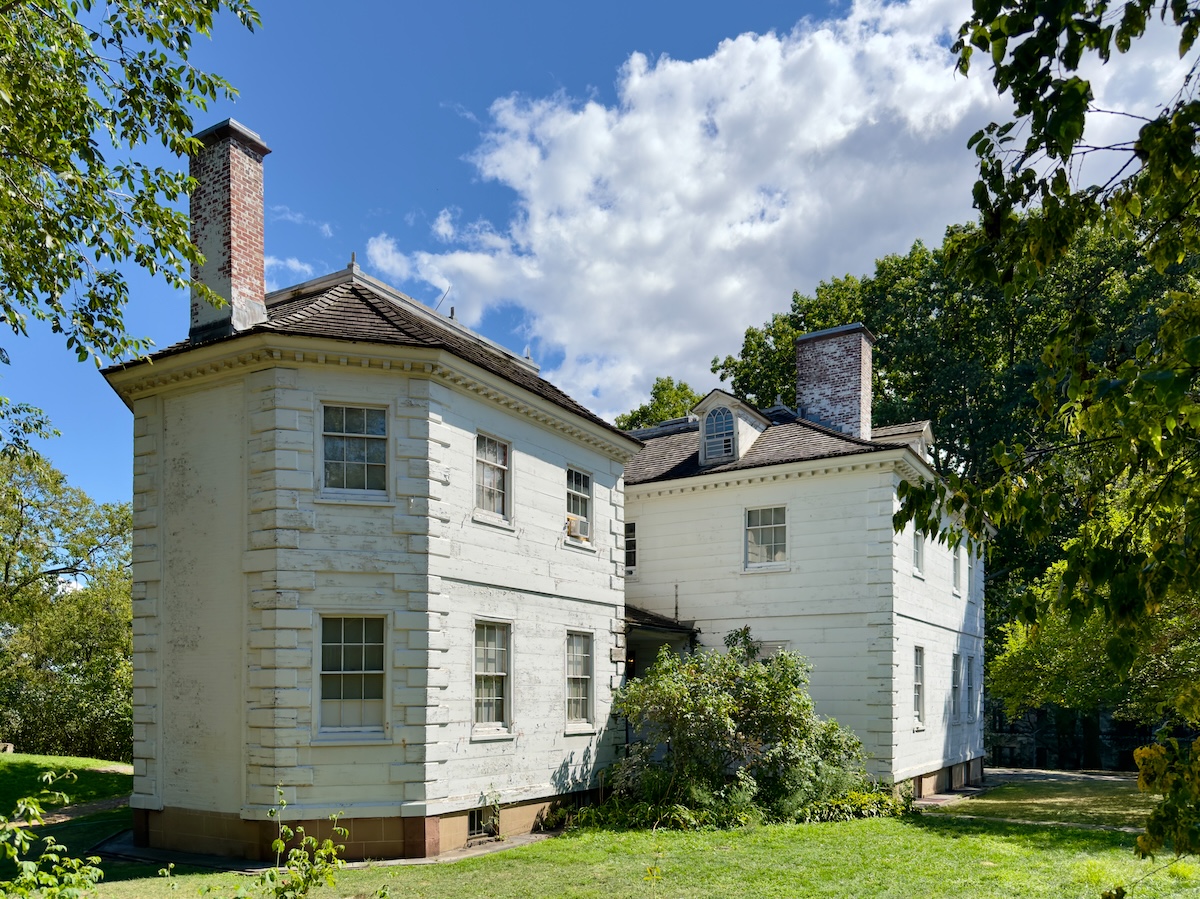
The mansion occupies a hill at the remote northern edge of the city, where Roger Morris and his wife, Mary Philipse, built their country estate in 1765. At the time, this was so far outside New York it might as well have been Vermont. Today, of course, the property is beset on all sides by apartment blocks, schools, bodegas, and churches. Most Manhattan buildings struggle to survive a century. This one has made it through 260 years.
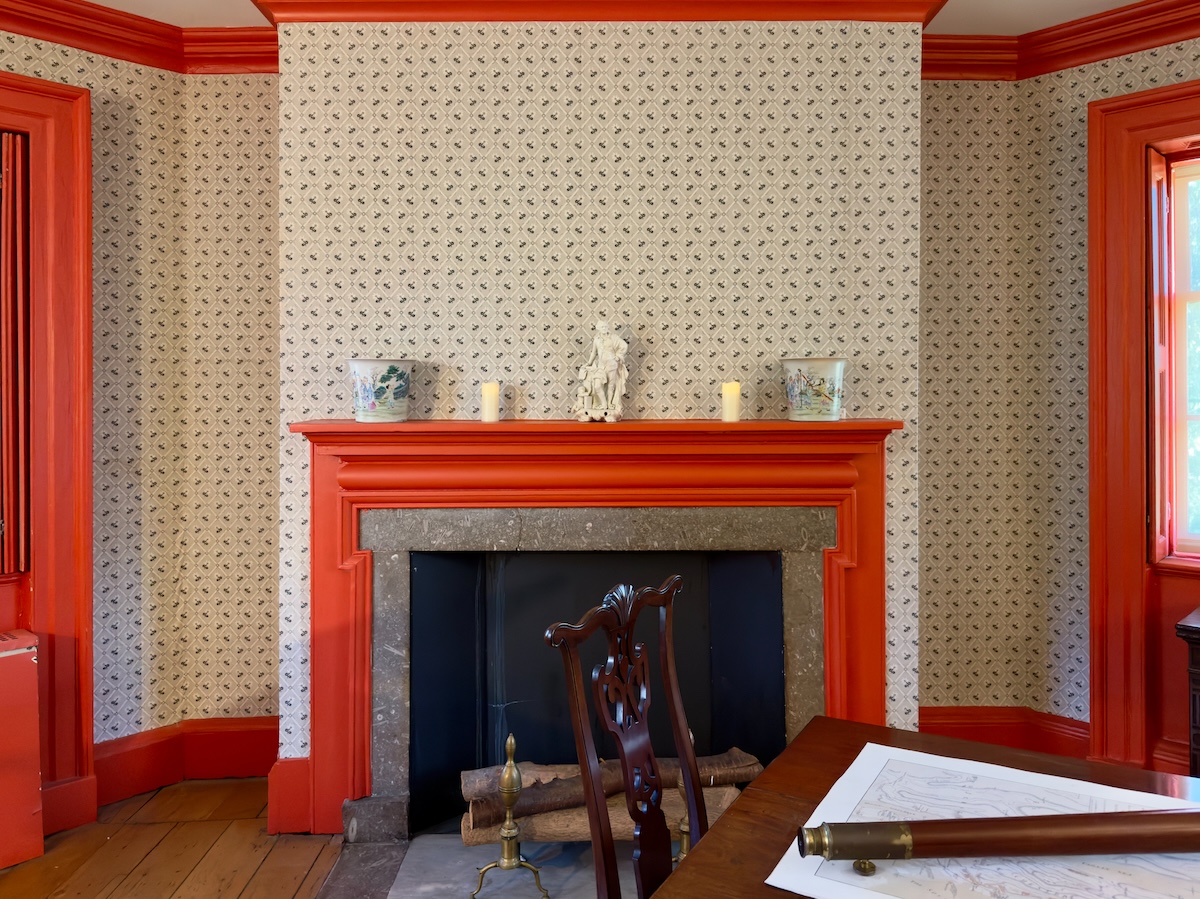
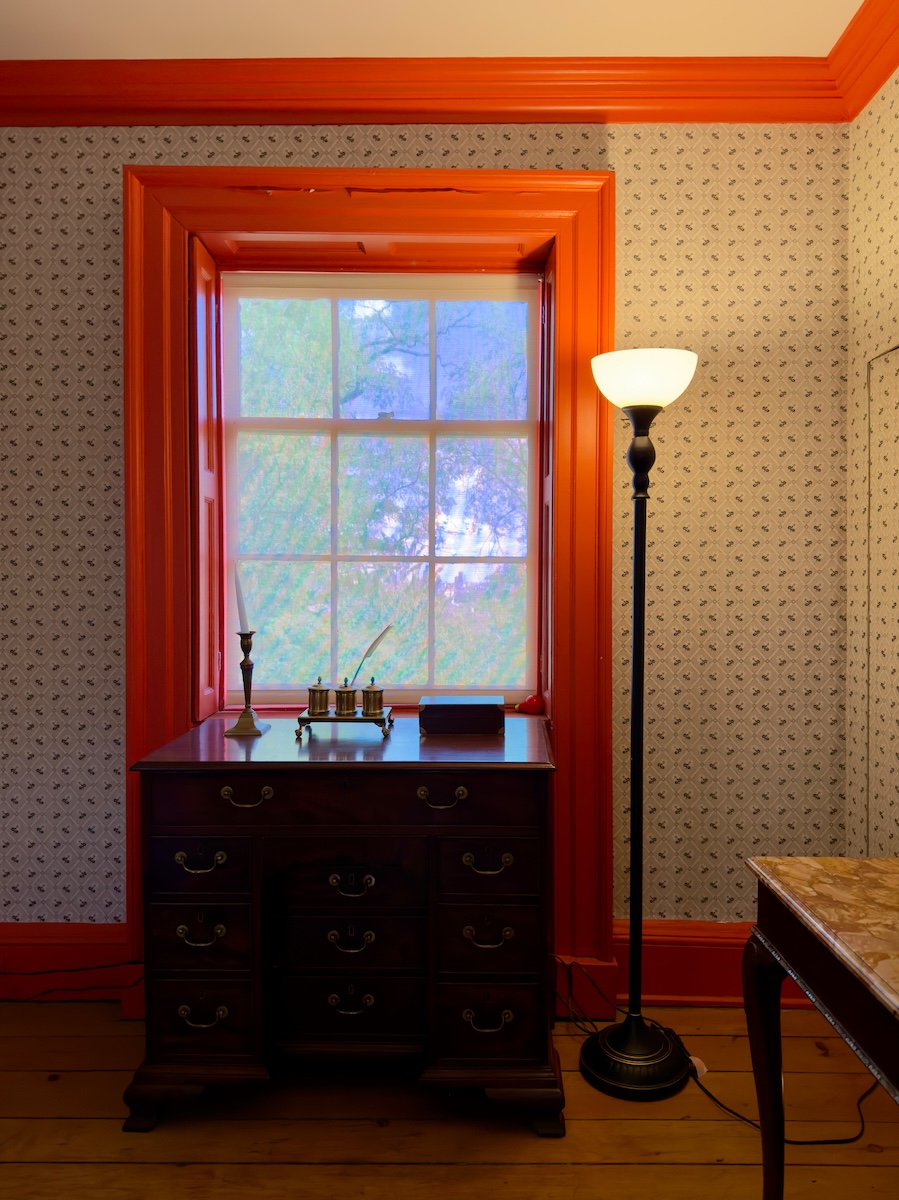
The museum wastes no time reminding visitors that George Washington once used the house as his headquarters during the Revolutionary War. This is presented early and often because it’s A Very Big Deal. Understandable, given the marketing advantages of having our very first president’s name attached to your property. To be fair, though, Washington spent all of five weeks here in the fall of 1776. Important things happened during those five weeks, and the history books are entirely justified in their interest.
But the more time I spent in the mansion, the more those five weeks began to feel like a cameo.
The house was built by Roger Morris and Mary Philipse as their country estate. Roger was a colonel in the British Army who had served alongside George Washington during the French and Indian War. Mary was an heiress from one of colonial New York’s wealthiest families. Her fortune gave the couple access to a level of ambition that few colonial New Yorkers could afford. Together they envisioned a grand house on Mount Morris, one of the highest points of Manhattan Island, filled with the sort of fashionable architectural details and design choices that announced money and connections—and she paid for it all.
Walking through the house, it’s easy to overlook how ambitious it would have seemed in 1765. Roger’s father had been an architect in London, and the house often feels like the work of someone determined to prove he knew exactly what was happening on the other side of the Atlantic.
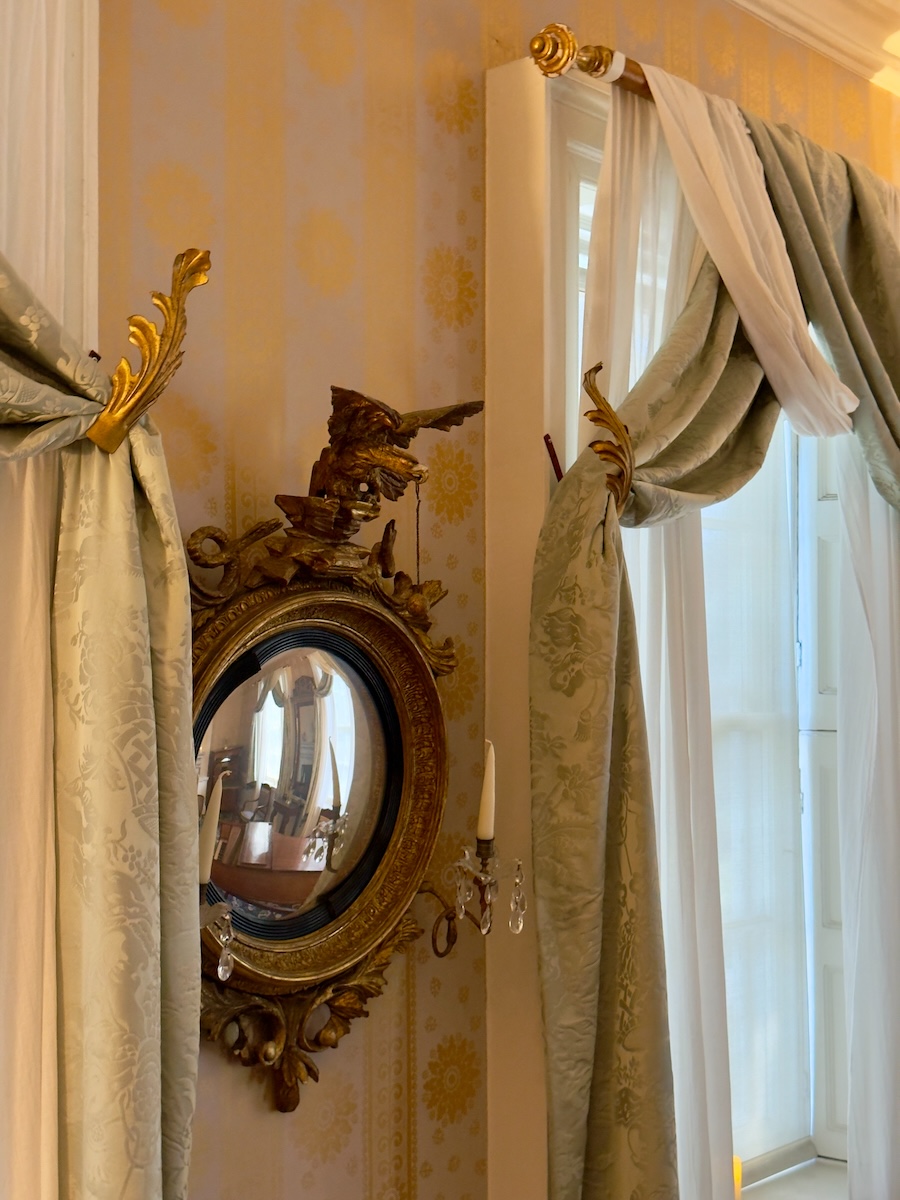
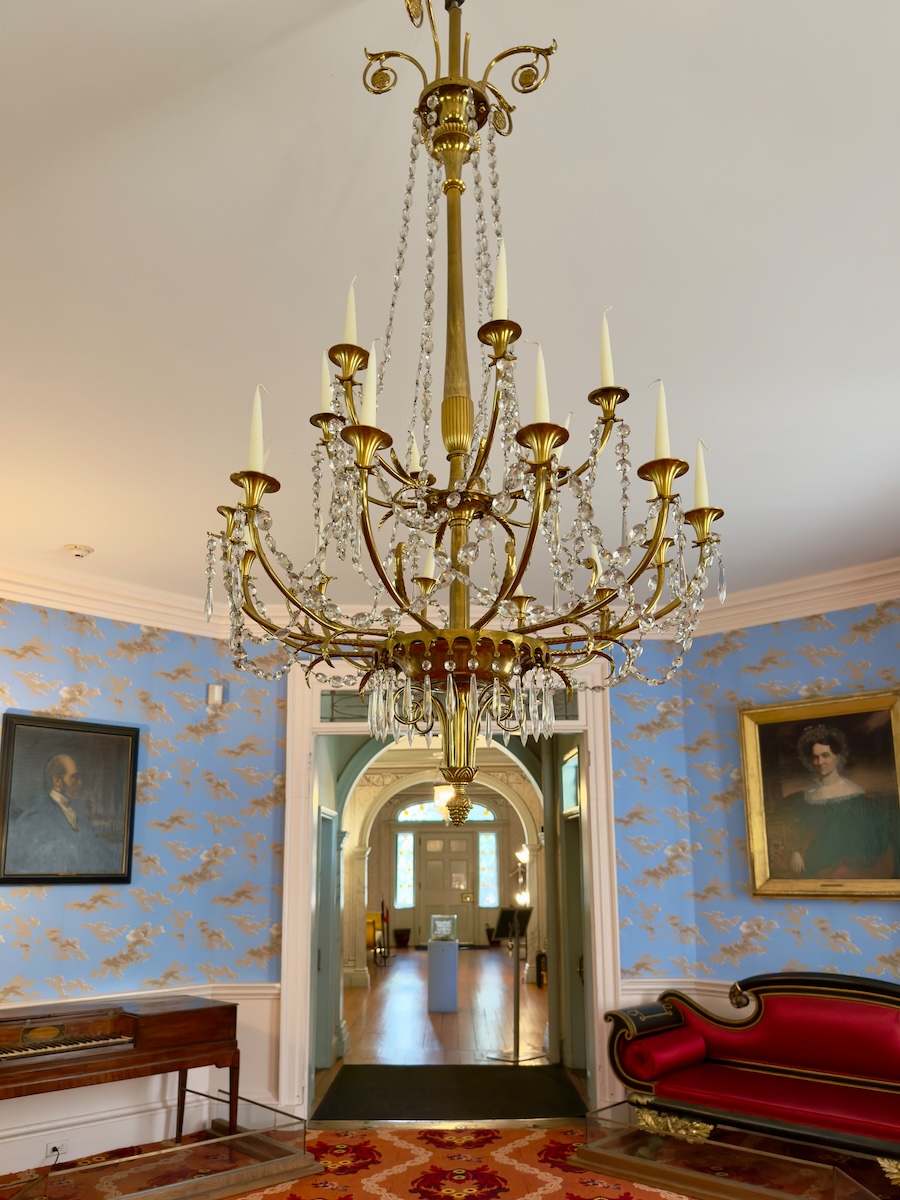
The octagonal drawing room may have been the first documented room of its kind in the American colonies. Eight windows wrapped around the space, flooding it with light and essentially turning the room into a panoramic viewing platform. The shape also creates more floor area, which can be important when you're creating guest lists for parties. The drawing room also quietly advertised that the Morrises were up on the latest British architectural fashions.
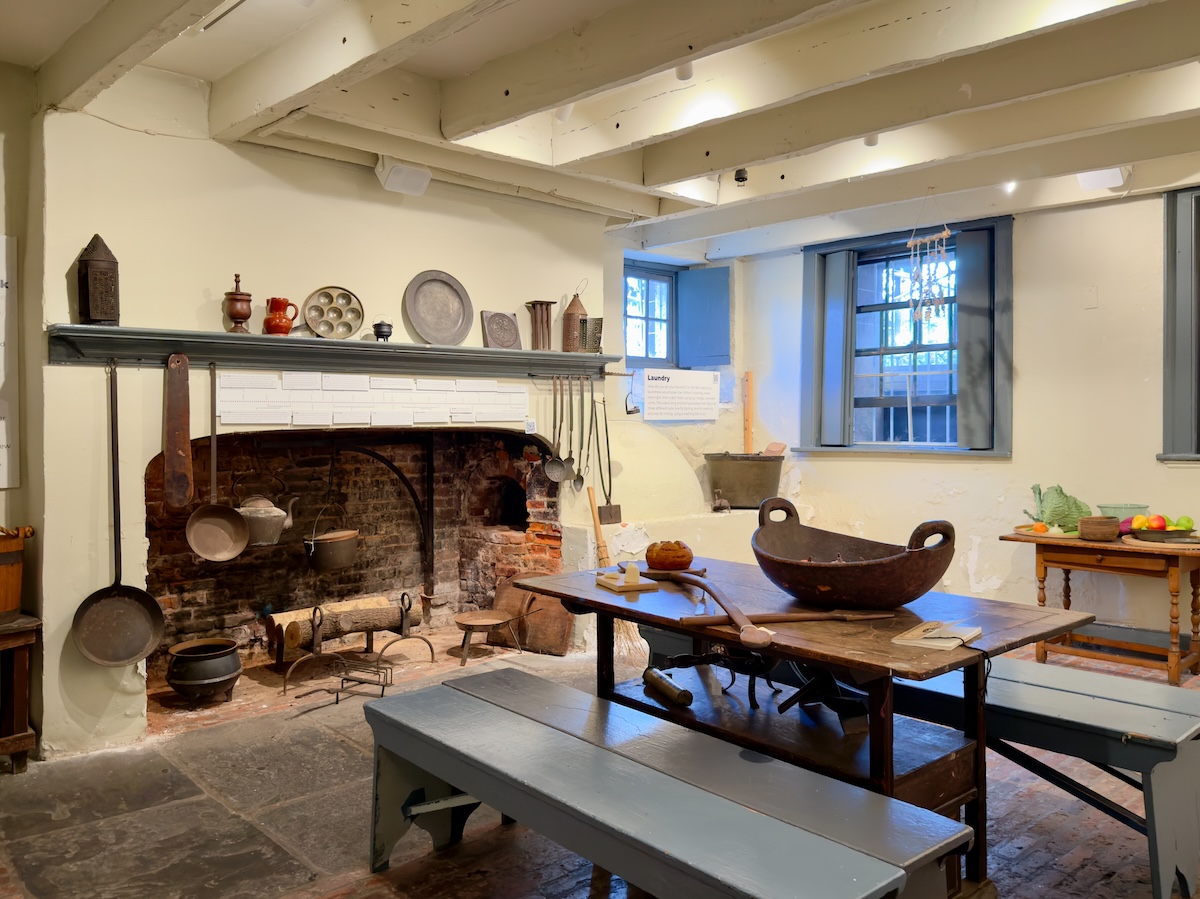
The dining room also incorporated a serving alcove, another fashionable English element that was considered cutting-edge. The space allowed elaborate meals to be prepared and staged out of sight before being served at the table, a useful way to keep guests focused on your hospitality rather than the servants and slaves who made it happen.
The Morrises had every reason to think they were building a permanent seat for their family. Instead, they were investing heavily in a political order that only had about a decade left to live. As tensions with Britain escalated, Roger—an officer, Loyalist, and member of New York’s colonial establishment—sailed for England in 1775. Mary stayed behind for another year before the approaching war finally drove her north to family property in Westchester County. By the time George Washington arrived in September 1776, the mansion was standing empty on its hill above Manhattan. That’s how one of New York’s grandest Loyalist mansions accidentally acquired a Patriot marketing department.
Washington arrived in September 1776 under circumstances considerably less triumphant than the brochures imply. The Continental Army was in retreat, having already been driven out of Brooklyn in the Battle of Long Island. British forces had landed in Manhattan and New York was effectively lost. The mansion’s location on Mount Morris made it an excellent military headquarters, allowing Washington to monitor troop movements while deciding what to do next.
To Washington’s credit, things did improve. Briefly. The Battle of Harlem Heights, fought just days after he took up residence, gave the Americans a badly needed victory—their first in the war—and an even more badly needed boost in confidence. Then the war moved on, as wars tend to do. Washington stayed for another few weeks before continuing north with the army.
The museum understandably remembers him. Most would. It’s a great marketing hook. But I’ve taken more time deciding on a pair of Louboutins.
The Revolution didn’t simply replace the Morrises with Washington and call it a day. After Washington left, British and Hessian troops occupied the property. The estate was eventually confiscated as Loyalist property, and for decades the mansion drifted through a succession of owners while the Morris heirs tried unsuccessfully to reclaim it. By 1810, the house had survived a war, lost its original owners, and was seriously showing its age.
Cue the Jumels.
Stephen Jumel was a wealthy French-Haitian merchant who built a fortune from shipping, trade, and New York real estate. His wife, Eliza, had started life as Betsy Bowen, the daughter of a Rhode Island sailor and an indentured servant. They bought the aging Morris estate in 1810 and immediately set about transforming it.
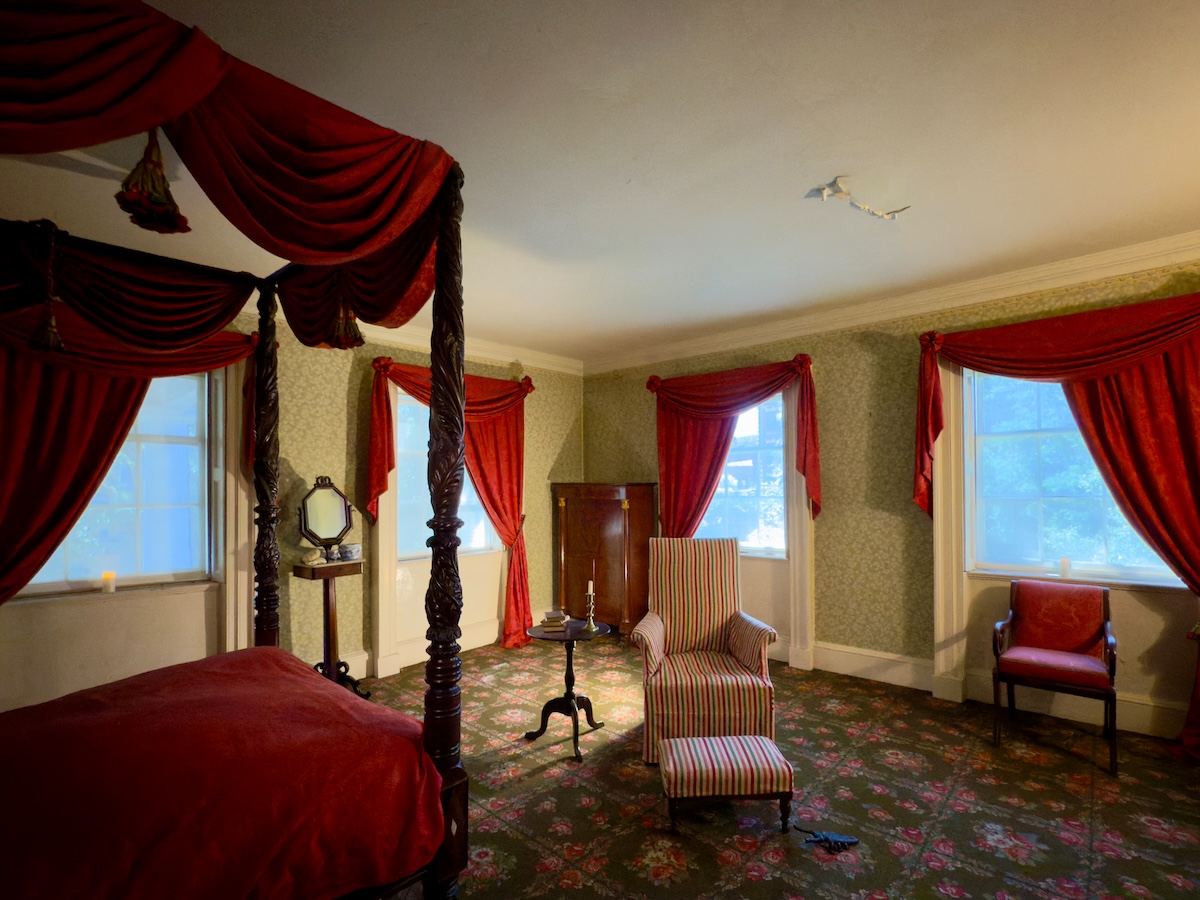
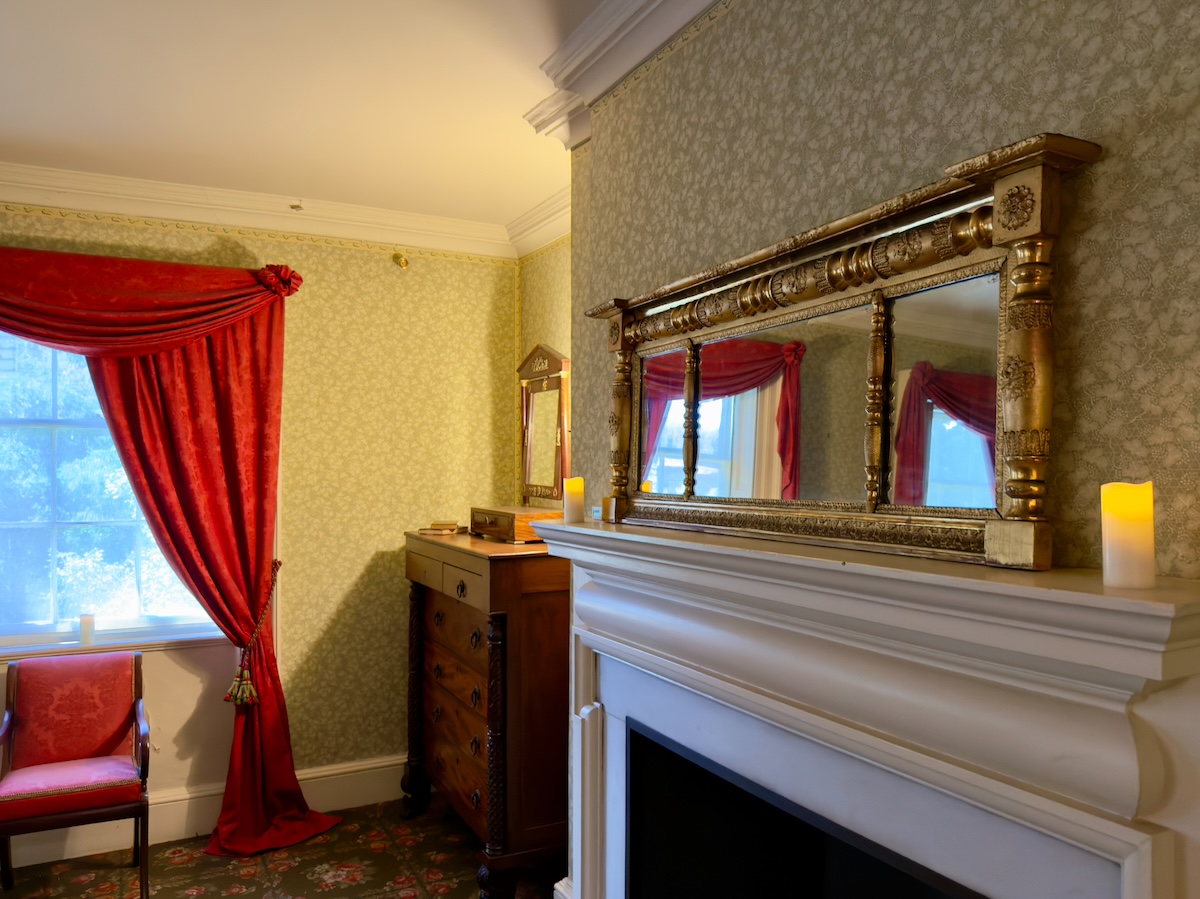
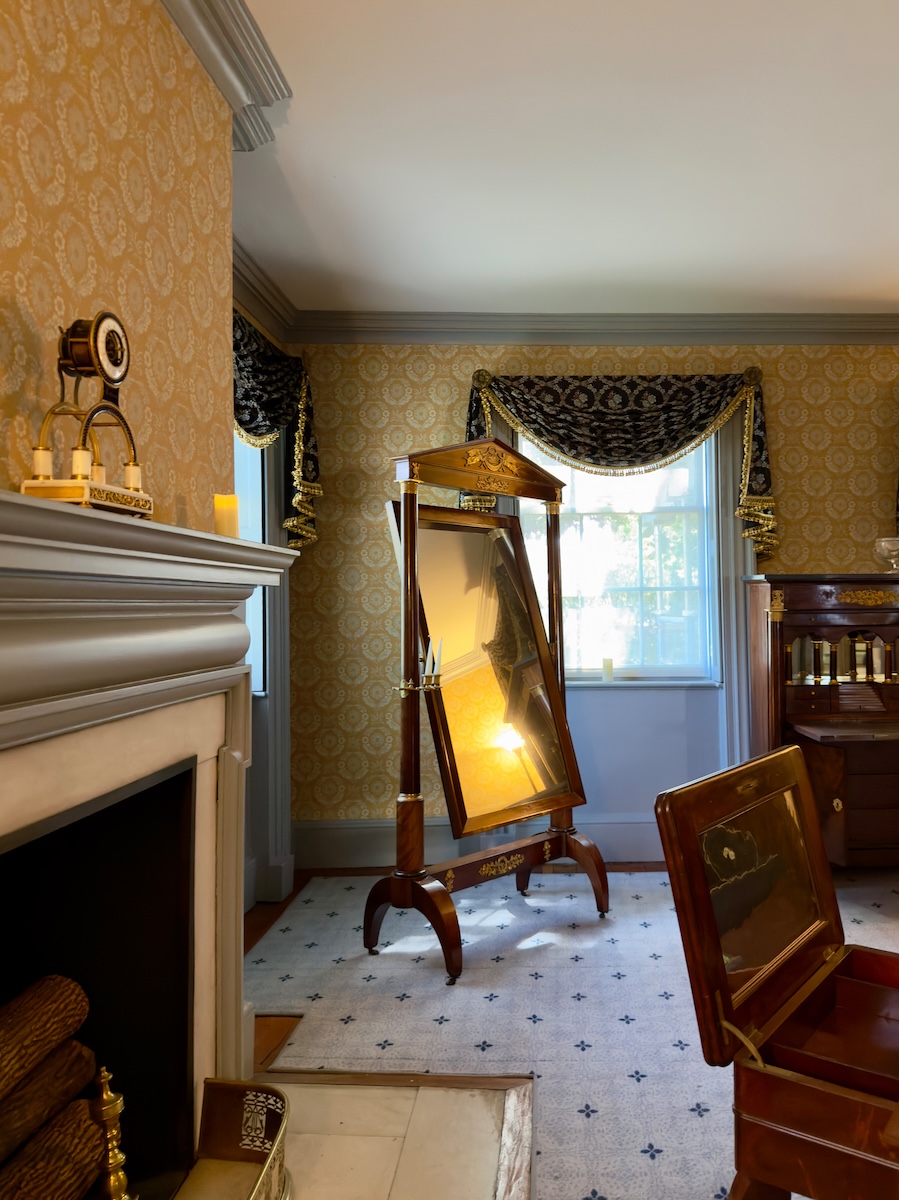
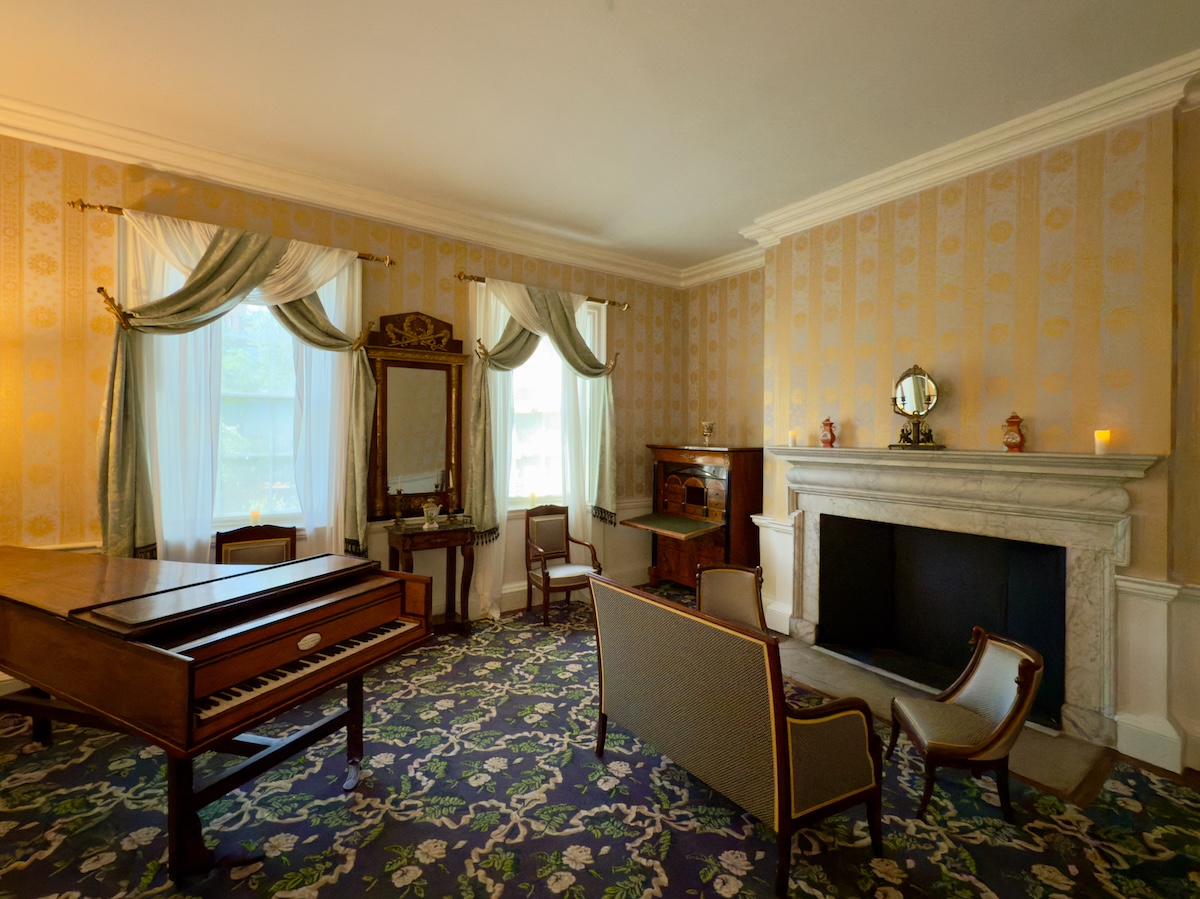
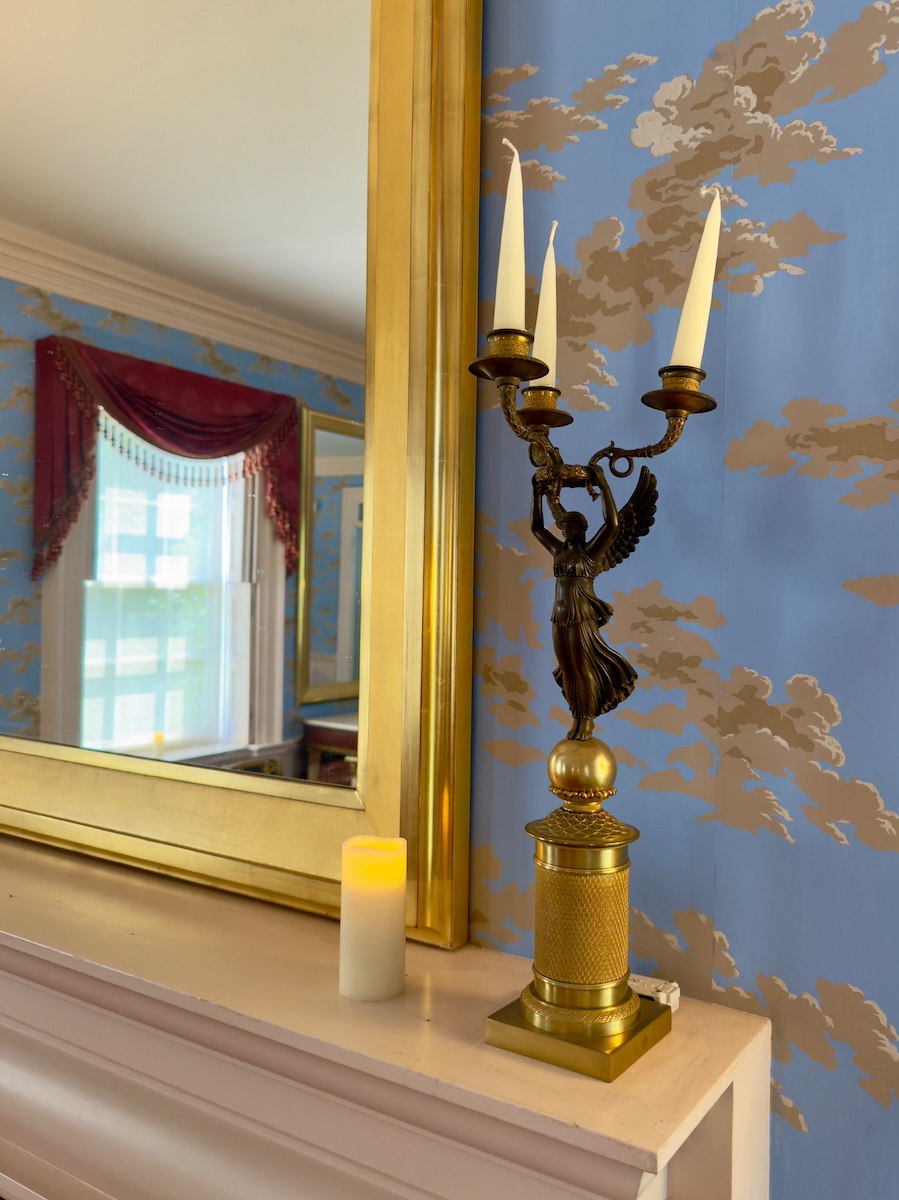
The Jumels had money. They also had opinions. The interiors were updated, rooms redecorated, fashionable furnishings imported, and the house gradually reshaped to reflect early 19th-century tastes. Much of what visitors see today owes as much to the Jumels as it does to the Morrises. The Morrises built the mansion. The Jumels gave it the personality most visitors remember.
In 1815, the Jumels moved to Paris, where Stephen expanded his merchant business and Eliza shopped. She later claimed to be friends with Josephine Bonaparte, though that may have been mostly wishful thinking. She did, however, buy a lot of Napoleonic items at auction that she used to decorate the mansion back home. Eliza’s time in Paris was cut short either by some vaguely described illness or because she wasn’t shy about expressing her political opinions. She returned to New York in 1816, leaving Stephen to handle the Paris side of the business while she took over their American holdings.
Eliza proved considerably better at it than Stephen. She had a sharp business sense and was an astute investor. In fact, while the business foundered in Paris, Eliza’s management of the New York offices saved them from financial ruin. Stephen returned to New York, and they spent the next several years traveling back and forth to France, which Eliza used to build an impressive collection of European art.
It’s all remarkable enough—but even more so when you consider where Eliza started. She was born in Rhode Island in 1775, the youngest of three children. Her father was a sailor. Her mother had arrived in America as an indentured servant. Stability was never a major aspect of her childhood. By age 7, she was living with her mother in a brothel. By 9, she and her sister had ended up in a workhouse. At 10, she was indentured to a ship's captain. Not the sort of family life that typically produced wealthy New York socialites with country estates and European art collections.
But somehow it did. After her parents died, she moved to New York in her early 20s and began reinventing herself. She changed her name from Betsy to Eliza, found work in local theater productions, and learned how to navigate the city’s social circles. She eventually met and married Stephen in 1804. The couple never had children of their own, but they did take in her sister's daughter Mary, rechristening her "Miss Jumel" and raising her as part of the family. By then, the girl who had grown up in pretty shaky circumstances was helping manage one of the wealthiest households in New York.
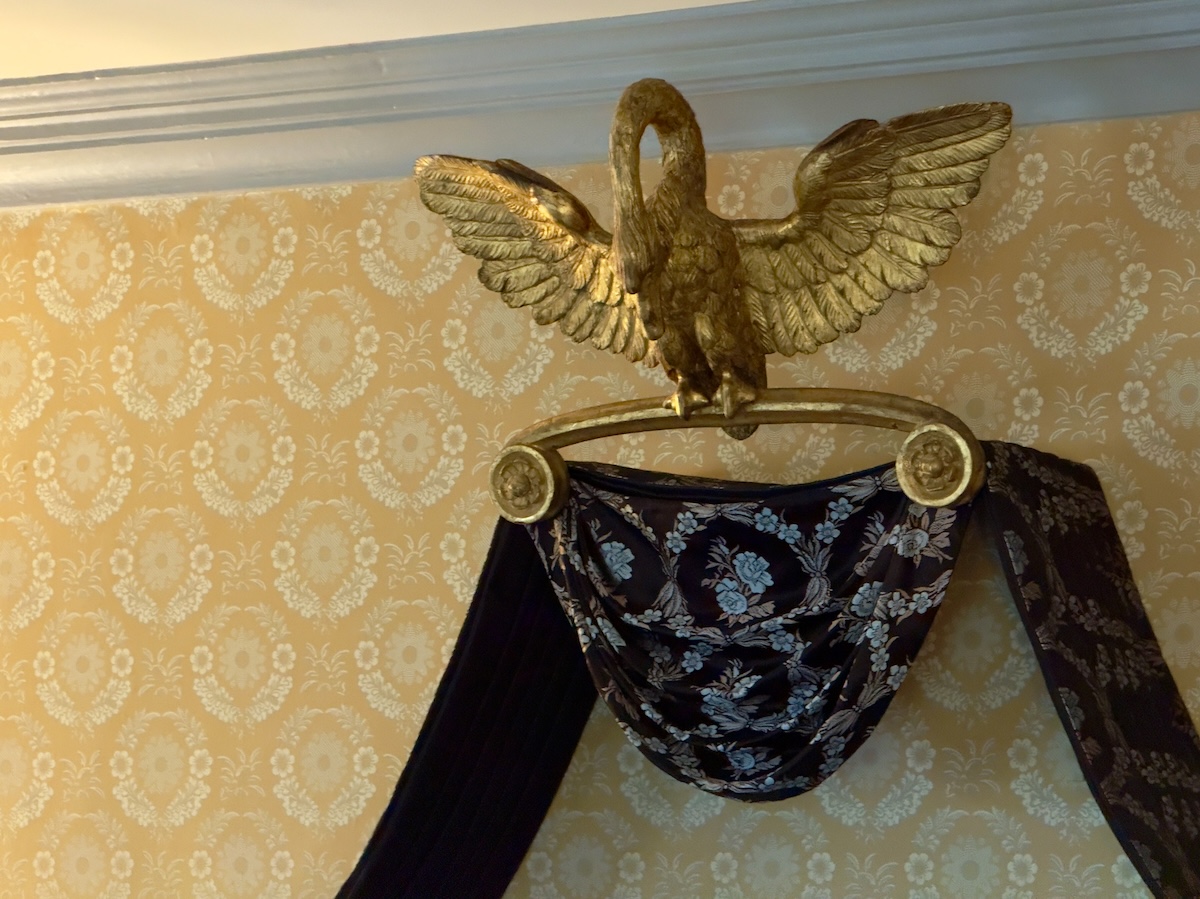
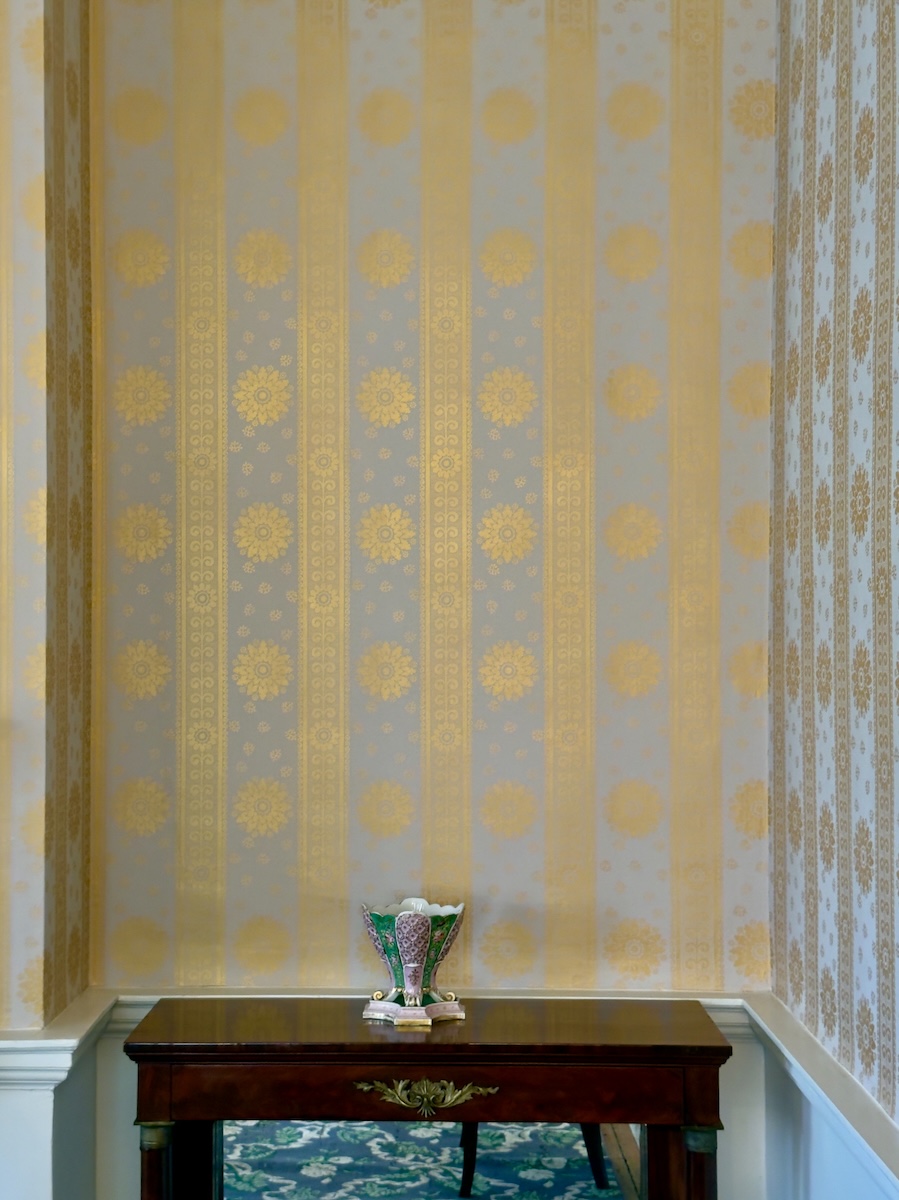
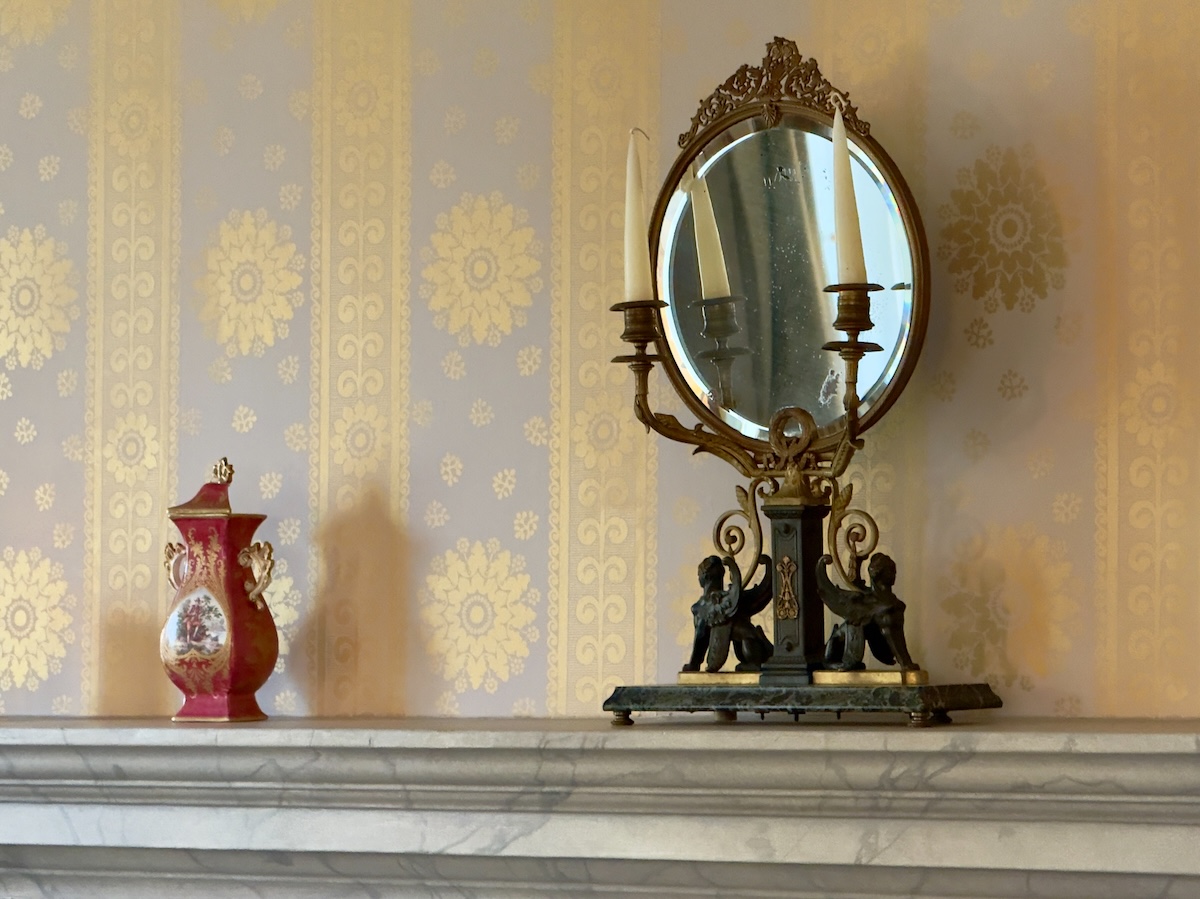
The mansion gradually became a showcase for the life the Jumels wanted the world to see. Rooms were redecorated wholesale with new furnishings, rugs, and wallpapers from Europe. Paintings, decorative objects, and French Empire pieces gradually filled the house. Eliza’s repeated trips to Paris supplied a steady stream of acquisitions. Enough Napoleonic style found its way into the house that you might wonder if Eliza merely admired Josephine Bonaparte—or was quietly trying to become her.
Walking through the house today, it feels like a mansion-sized declaration that Betsy Bowen never had any intention of remaining Betsy Bowen. Roger Morris’s architecture still frames the experience, but much of what catches the eye belongs to the Jumels. The house became a place where a woman born Betsy Bowen could entertain high society, display European art, and surround herself with the sort of refinement she’d spent a lifetime pursuing.
In 1832, Stephen died.
His death was tragic, though the circumstances were odd, even by 19th-century standards. Essentially, he fell off his wagon onto a pitchfork pointed the wrong way around. Not his own, of course.
The loss left Eliza one of the richest women in New York, with substantial real estate holdings, valuable investments, and complete control of her own affairs.
Then she married Aaron Burr.
Up to this point, Eliza’s story is one of almost unnerving competence. She’d reinvented herself, rescued the family finances, accumulated property, assembled a serious art collection, and transformed an aging estate into one of New York’s most fashionable homes.
Aaron Burr, meanwhile, had served one term as vice president, killed Alexander Hamilton, spent years wandering from one political and financial disaster to the next, and managed to accumulate some debt at a pace that demonstrated serious commitment. He was also nearing 80, roughly 20 years older than Eliza.
“Baffled” undersells her friends’ reaction. But Eliza, who’d spent most of her life ignoring what other people thought she ought to do, married him anyway.
The marriage lasted longer than most people probably expected—14 months. Once married, Burr gained full access to her finances and started drawing down her accounts so quickly that Eliza soon concluded that the idea of being married to Aaron Burr was better than the reality of being married to him. She hired an attorney and filed for divorce. Not just any attorney, mind you, but Alexander Hamilton Jr. At some point, you stop asking whether Eliza understood the symbolism and start assuming she just enjoyed it.
Being the early 19th century, the divorce proceedings dragged on for three years before reaching their conclusion on September 14, 1836. The day Burr died. Eliza’s response was immediate. She declared the divorce null and called herself the Widow Burr for the rest of her life. After spending decades deciding who she wanted to be, she wasn’t about to let some judge have the final say.
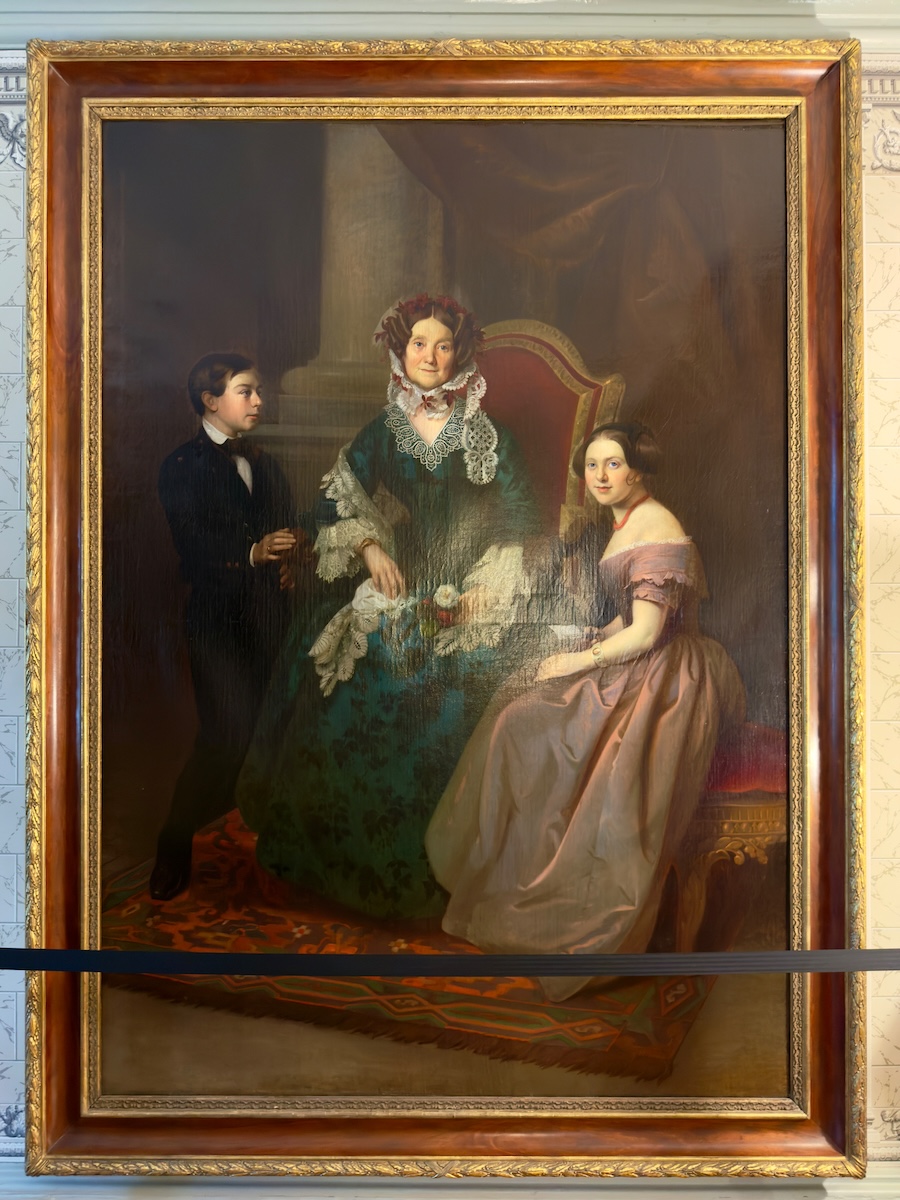
After the death of her adopted daughter Mary, Eliza took responsibility for Mary’s two children, William Inglis Chase and Eliza Jumel Chase. In 1853, when Eliza was nearly 80 years old, she took both grandchildren on a year-long Grand Tour of Europe and commissioned the enormous family portrait that still hangs in the mansion’s entrance hall.
The painting captures one final glimpse of Eliza exactly as she’d spent most of her life presenting herself—wealthy, successful, and firmly in charge. When William eventually married against her wishes, Eliza attached a black patch over his face in the portrait. Most people settle for a strongly worded letter. Eliza edited the artwork.
She died in 1865 at the age of 90, only a few months after the Civil War ended. By then, she'd outlived Stephen, Aaron Burr, most of her contemporaries, and nearly everyone who remembered Betsy Bowen. The mansion bears both names, but it’s impossible to walk through it without feeling Eliza’s presence everywhere. Roger Morris built it. George Washington borrowed it for a few weeks. Eliza Jumel spent decades filling it with family, art, ambition, scandal, reinvention, and enough personality to carry the place for the next two centuries.
After Eliza’s death, ownership eventually became tangled in the sort of legal wrangling that seems to follow valuable property in any century. By the early 1900s, preservationists recognized what was sitting on the hill, and the house became a museum in 1904.
Outside, the forests, farms, and open fields that surrounded the house in 1765 have long since disappeared, and Harlem has climbed the hill around it. Somehow, the mansion remains, perched above the neighborhood much as it has for more than 250 years, watching New York continue around it.
The neighborhood below isn’t a museum. Kids walk home from school, people head to Sunday services, and delivery trucks rattle past bodegas. Life carries on exactly as you’d expect in a busy corner of upper Manhattan. Then, just a few steps up the hill, you’re standing inside a house built before the United States existed.
Most visitors come looking for George Washington. But somewhere inside, the story shifts. By the time you leave, it's Eliza who comes back down the hill with you.









Write a comment