
I went to the Museum of the City of New York alone, which was probably for the best. Rick saves his museum energy for the Grade A institutions, the ones with famous paintings, major architecture, and a gift shop with the confidence of a luxury retailer. I’m easier. I like a good Grade B museum, one with an uneven collection, some overworked wall labels, and at least one thing that makes me lean close enough to leave nose prints on the glass.
The City Museum on Fifth Avenue has accepted the modest assignment of explaining New York City. All of it. New York is barely understandable when you’re standing in it, especially when people are honking, drilling, filming, or hogging the sidewalk with a stroller the size of a studio apartment. The idea that the whole mess might be sorted into galleries, timelines, and wall labels is downright sweet in that “Aw, bless your little heart” kind of way.
Inside, the museum was perfect for me—small, earnest, and overstuffed. Sometimes it was fascinating. Sometimes it seemed determined to make me read 300 words before showing me a shoe recovered from a nightclub raid, a labor march, or some unholy combination of the two. Some exhibits pulled me in, and others felt like Civics homework. Photos were mostly a lost cause, thanks to glass cases, dim galleries, and the museum’s conviction that important objects needed to be lit like suspects in an interrogation room.
Then I found the Stettheimer Dollhouse.
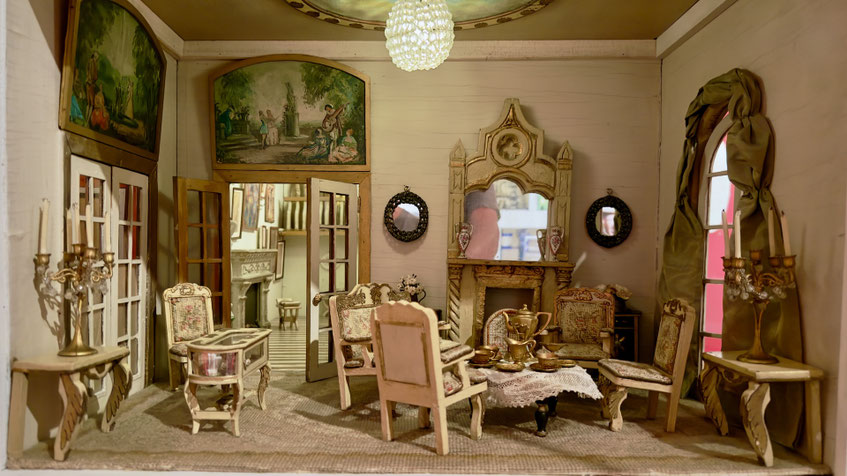
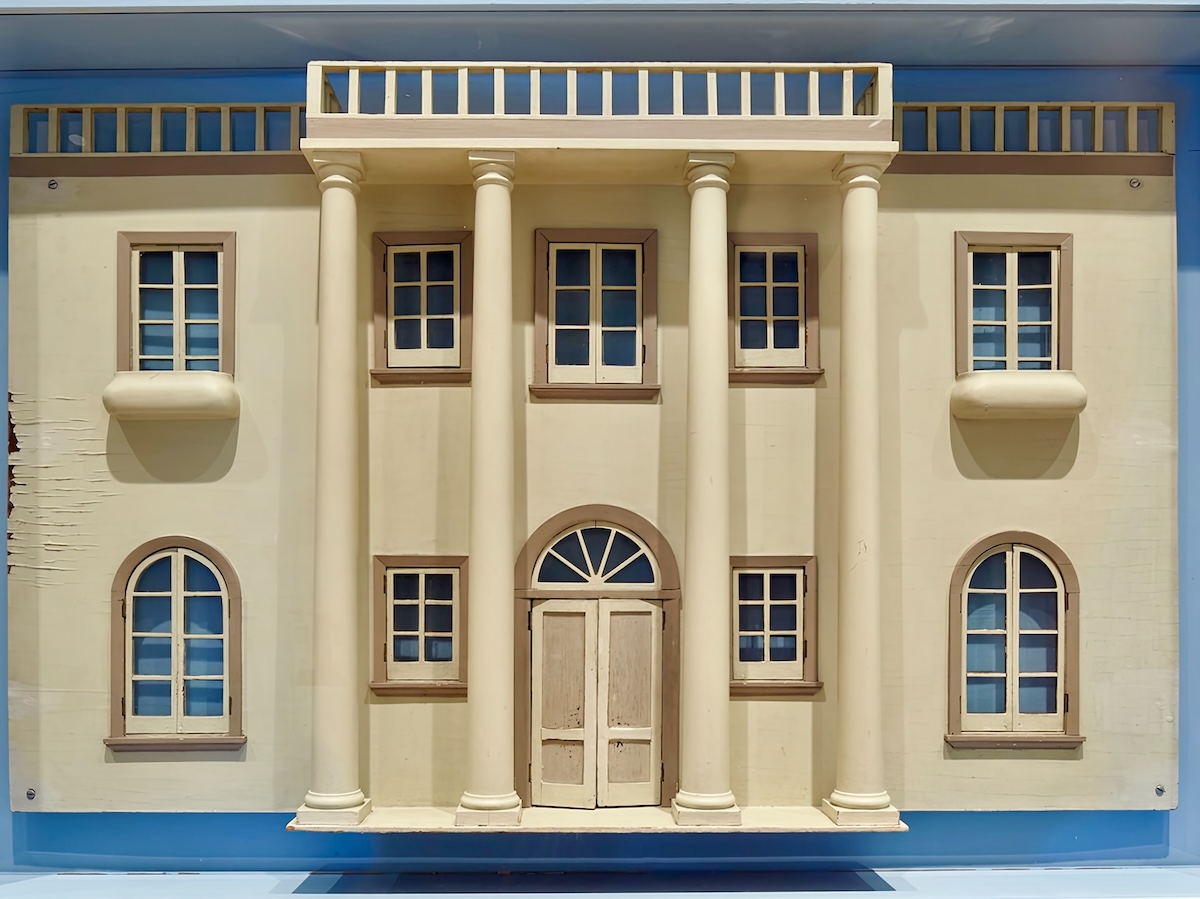
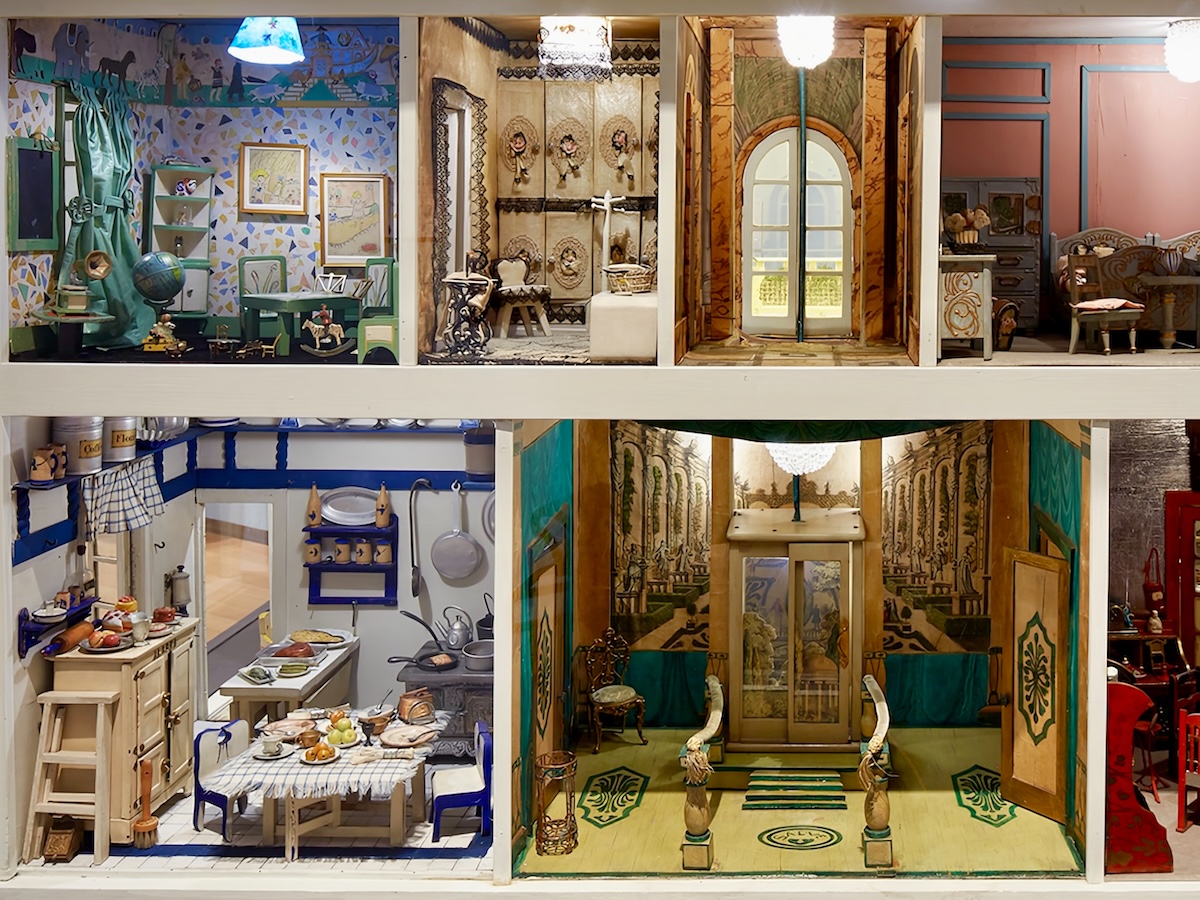
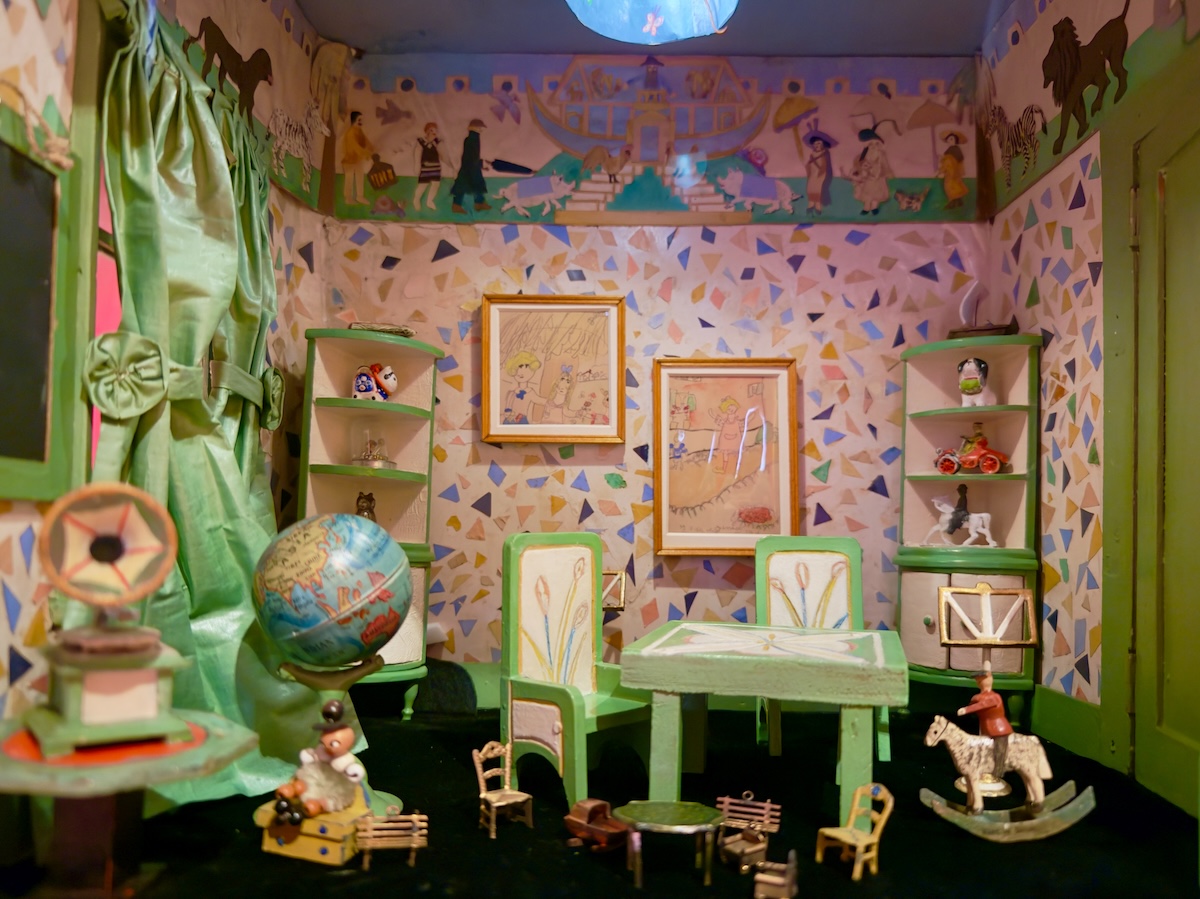
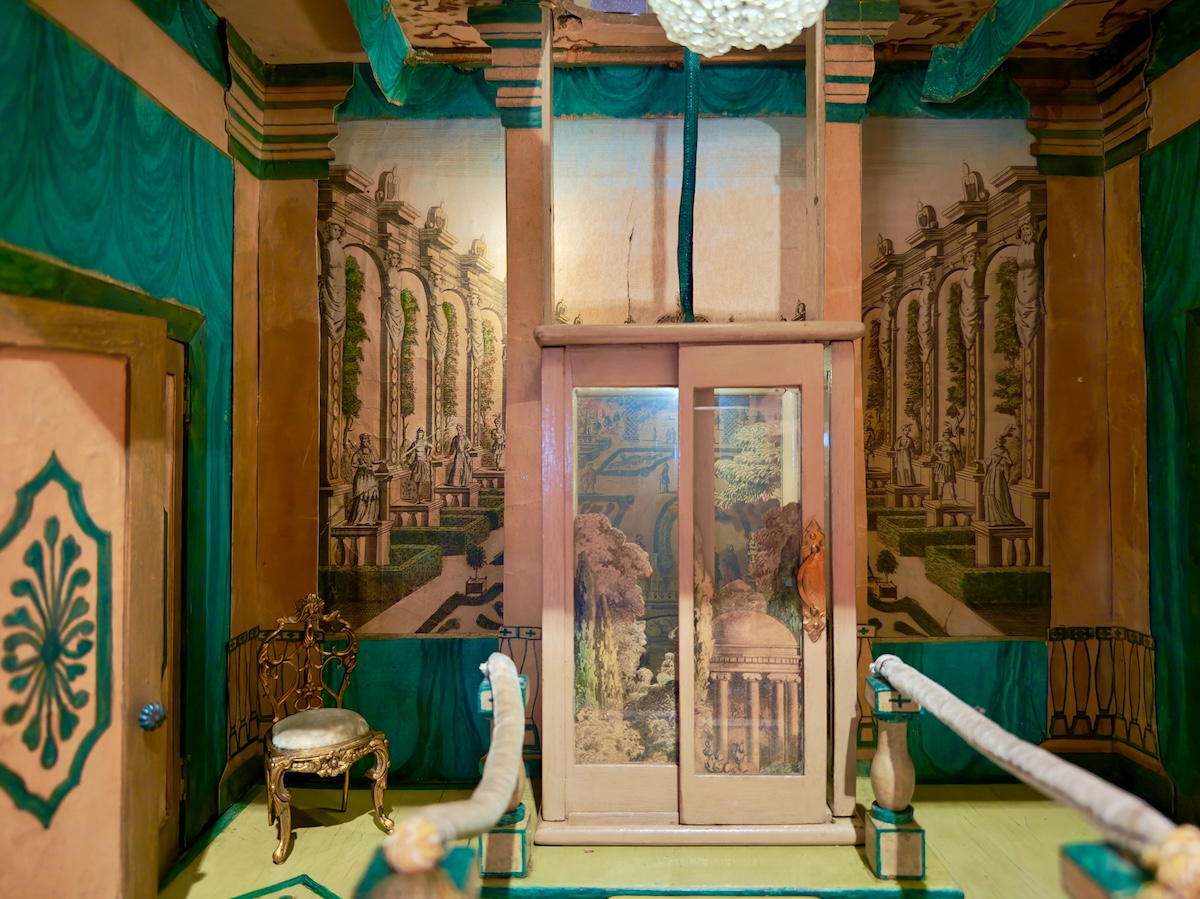
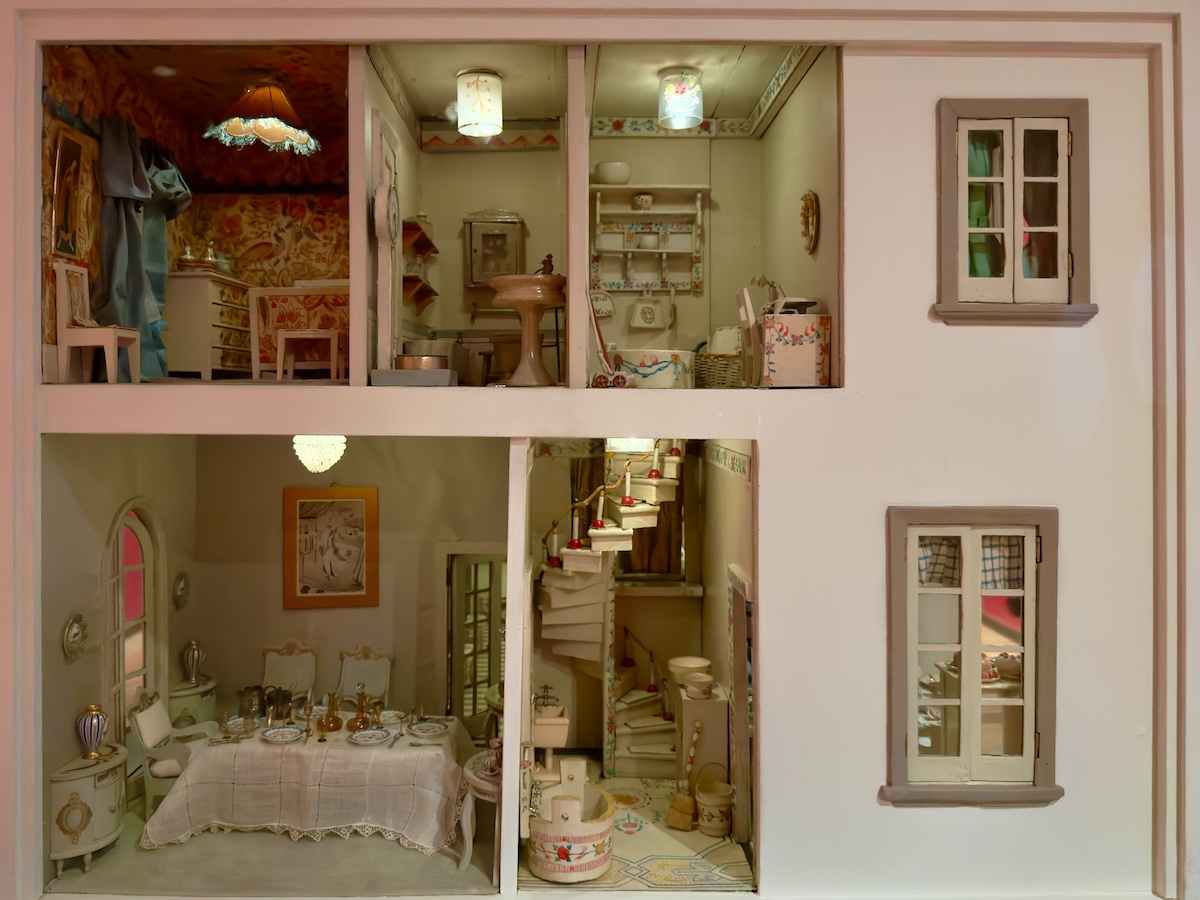
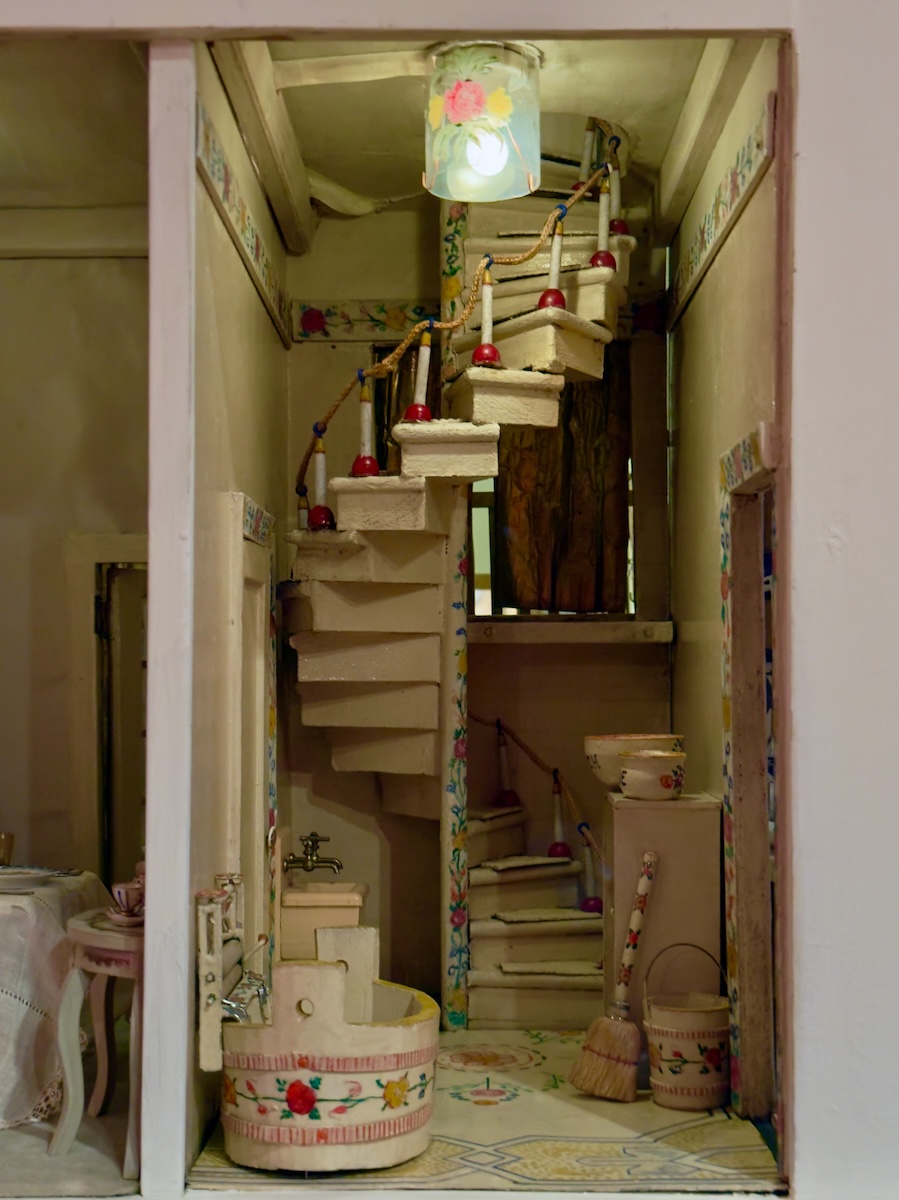
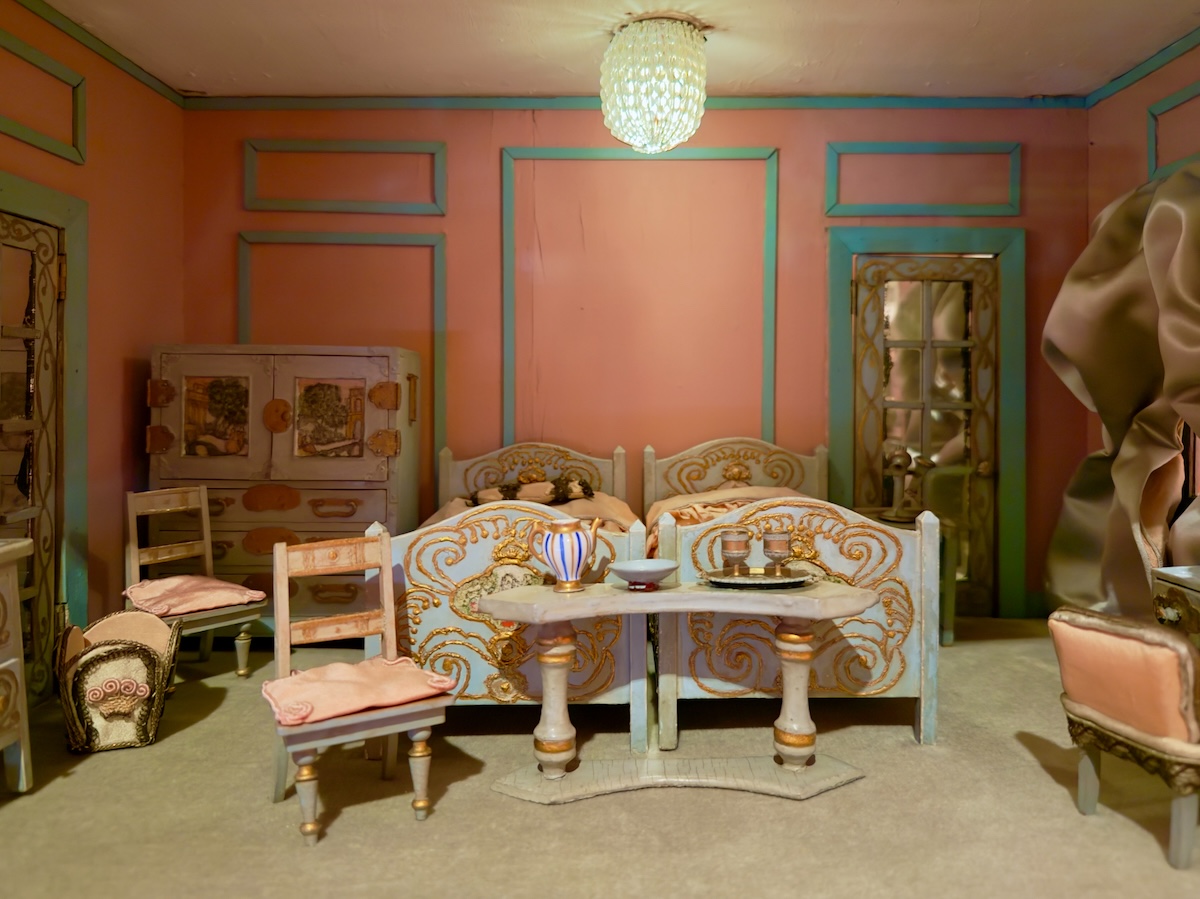
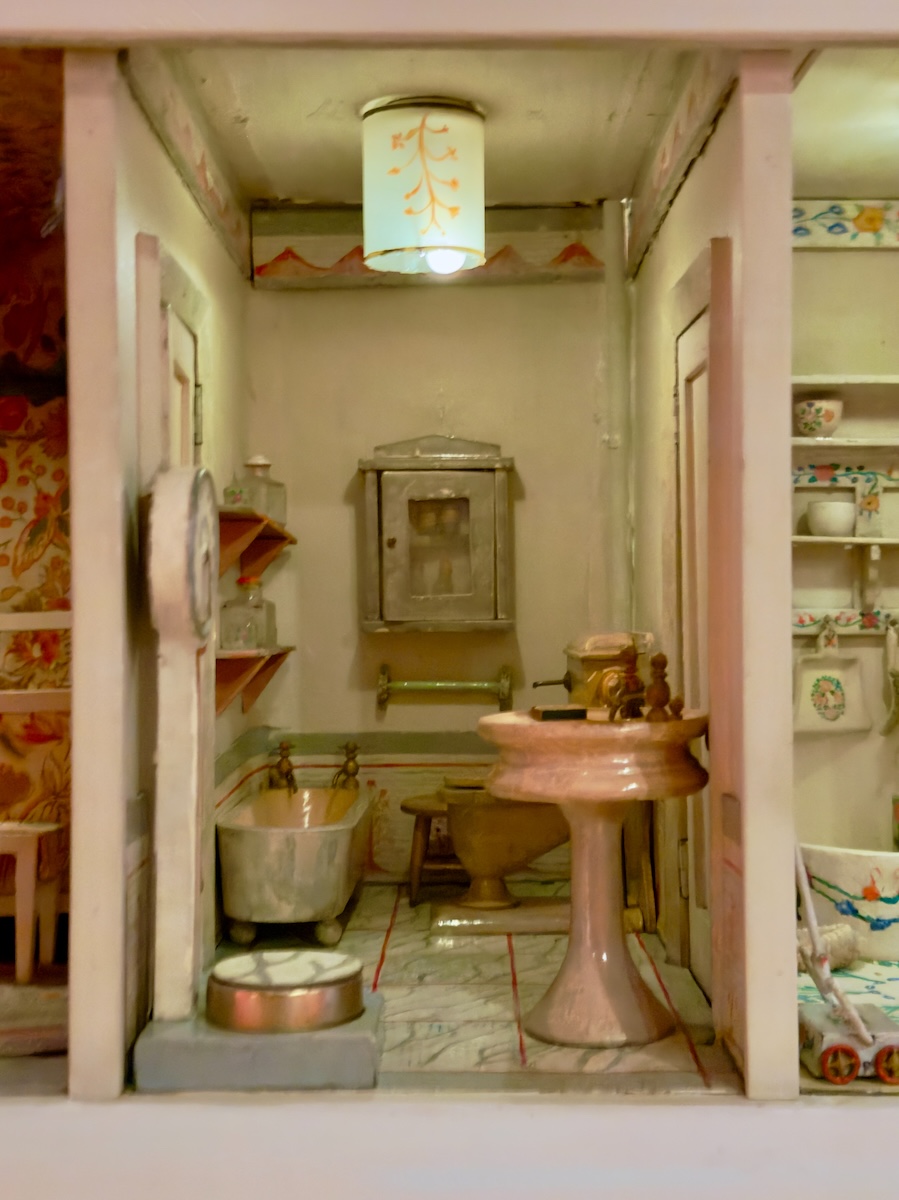
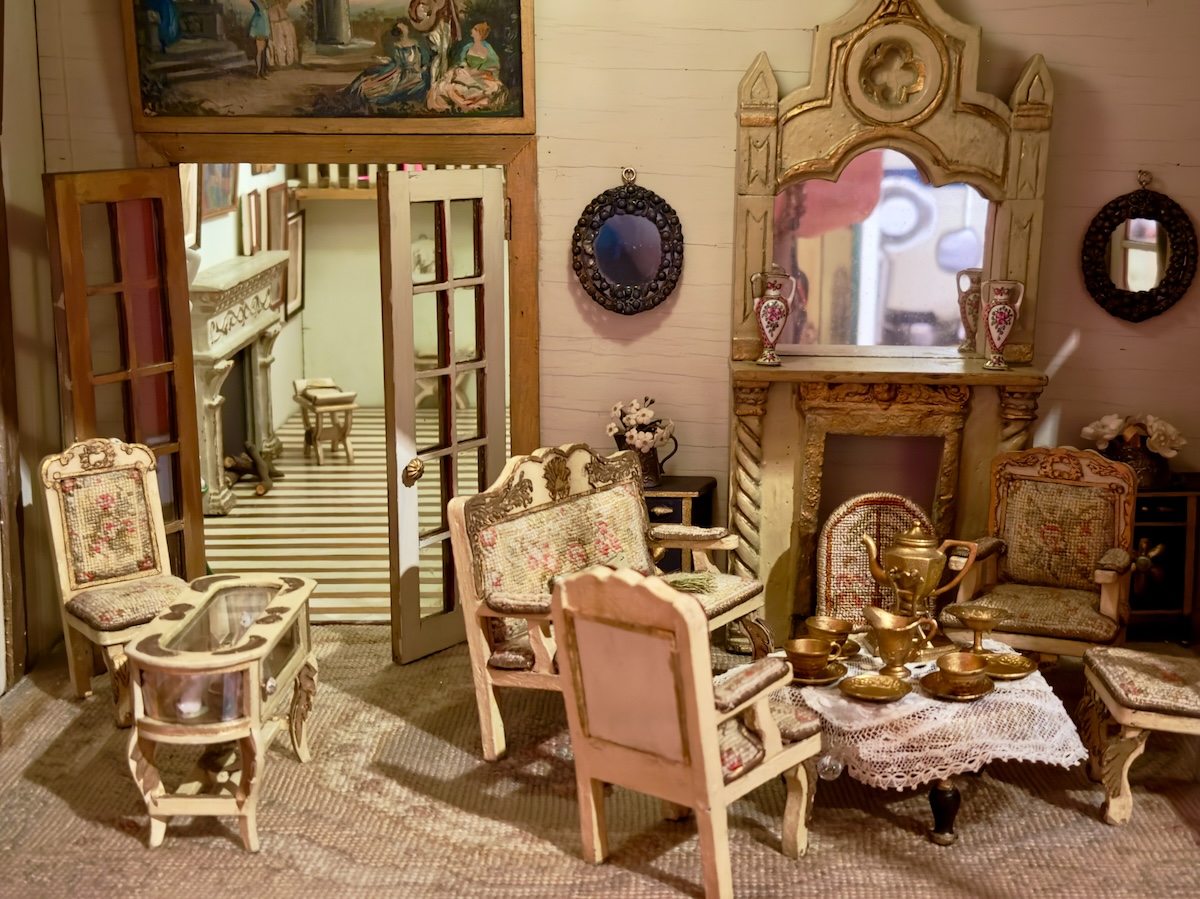
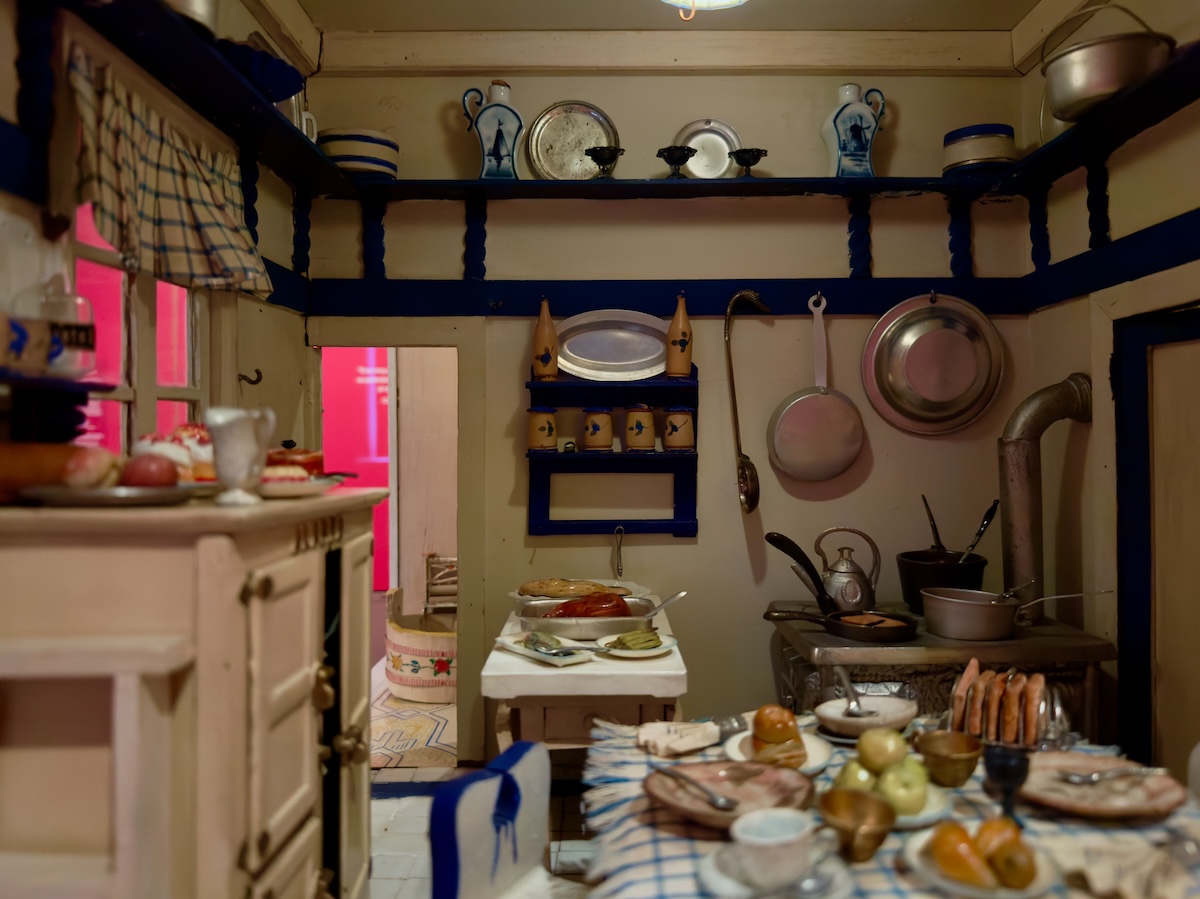
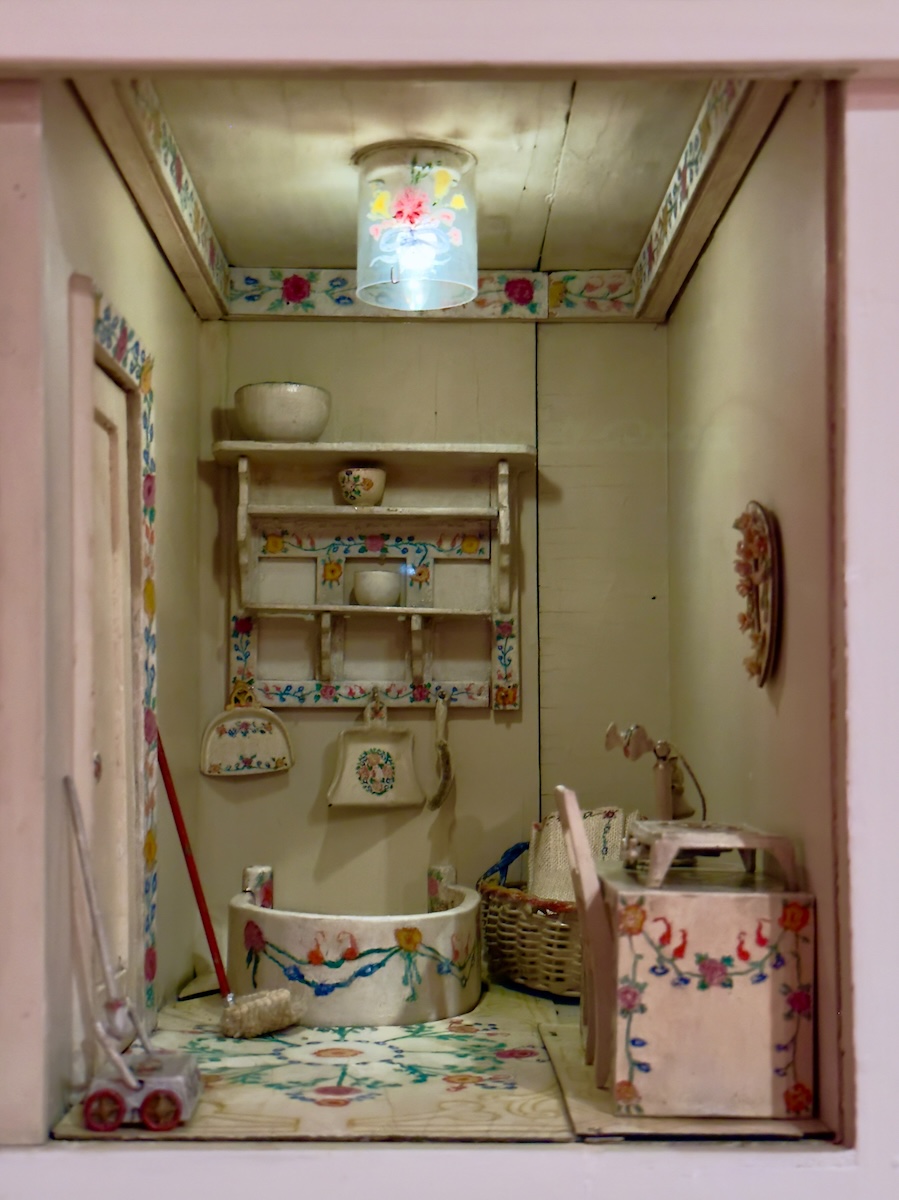
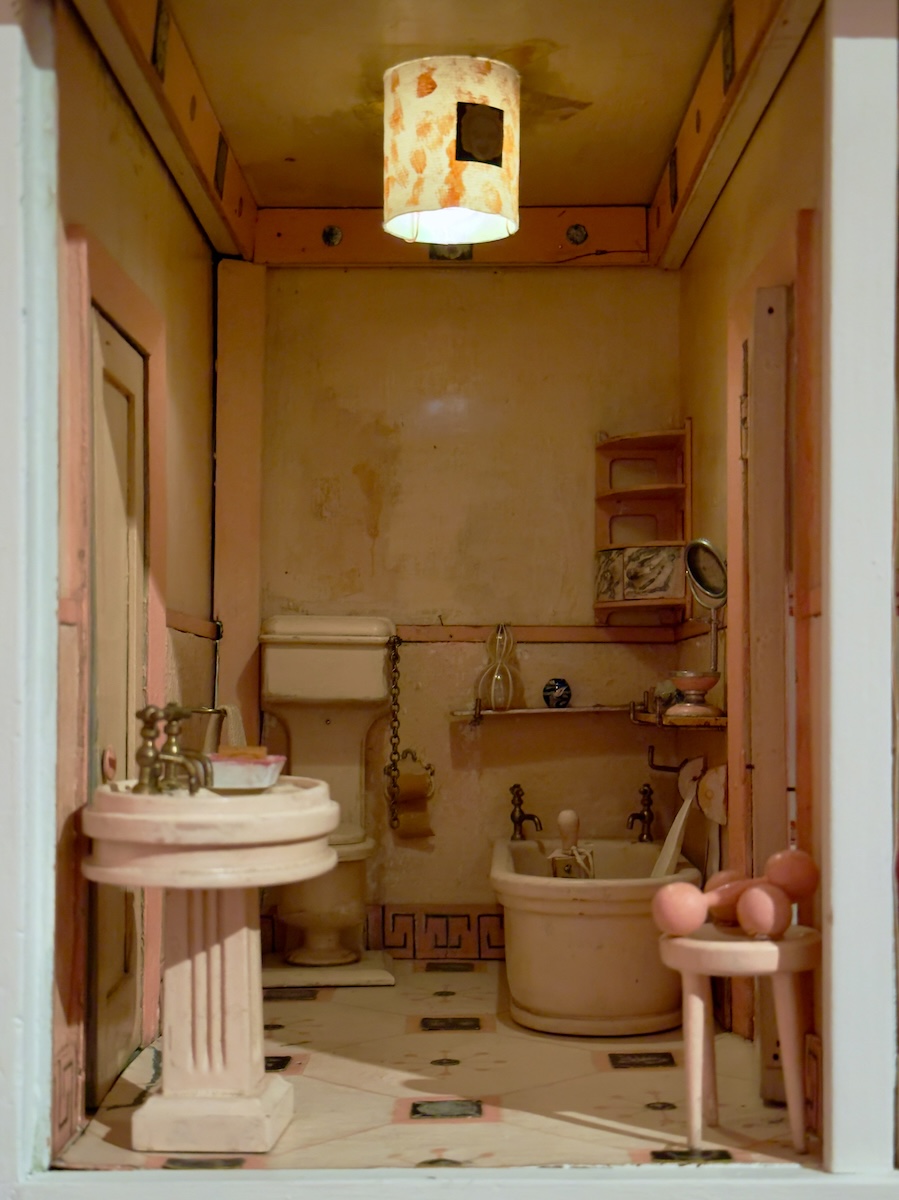
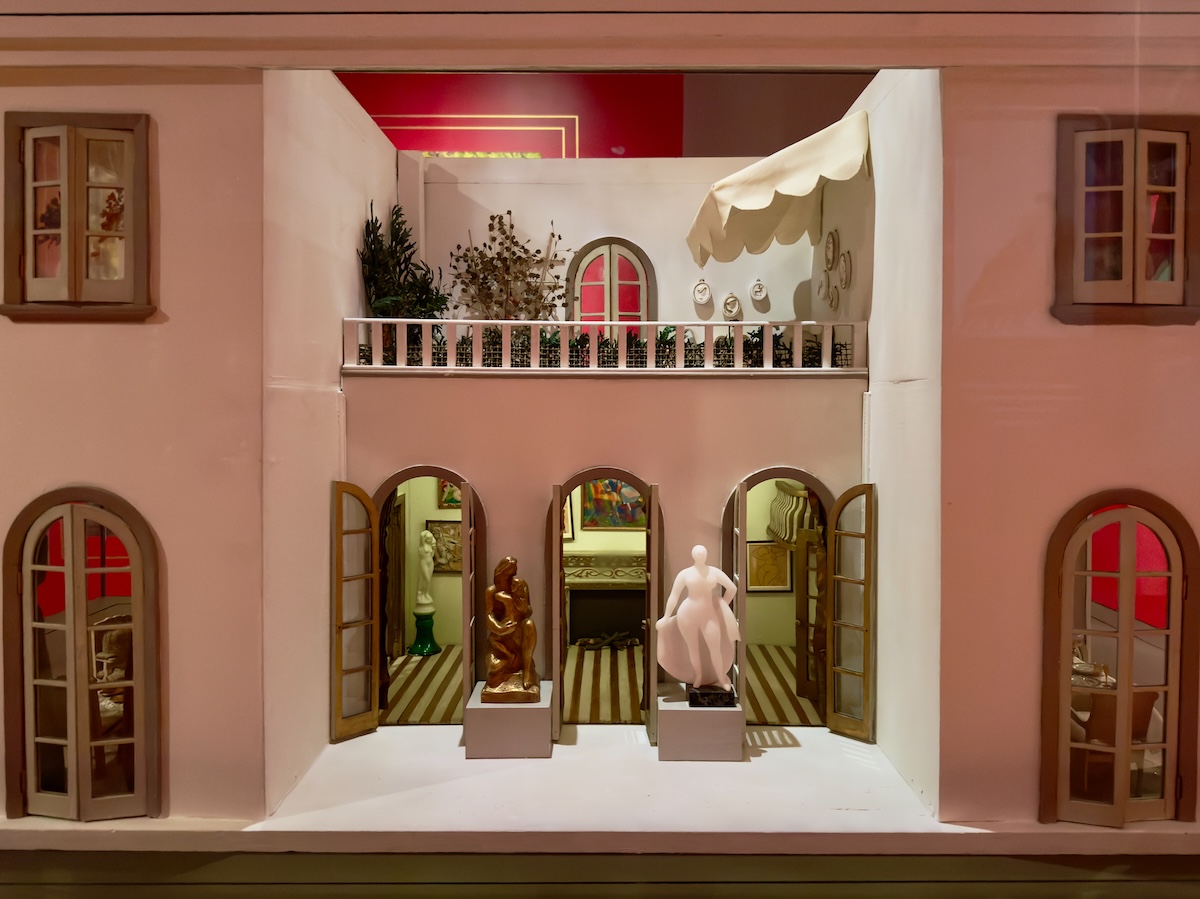
It sat behind glass, small enough to seem manageable at first, which is always how these things get you. The exterior was almost severe, with a pale façade, tidy windows, columns, and a balcony—the well-bred face of a miniature mansion raised right. Then the cutaway interior opened into 12 rooms, each with painted walls, tiny furniture, chandeliers, food, books, dishes, bedrooms, bathrooms, and a kitchen so thoroughly equipped it made some of my old apartments look like temporary shelter.
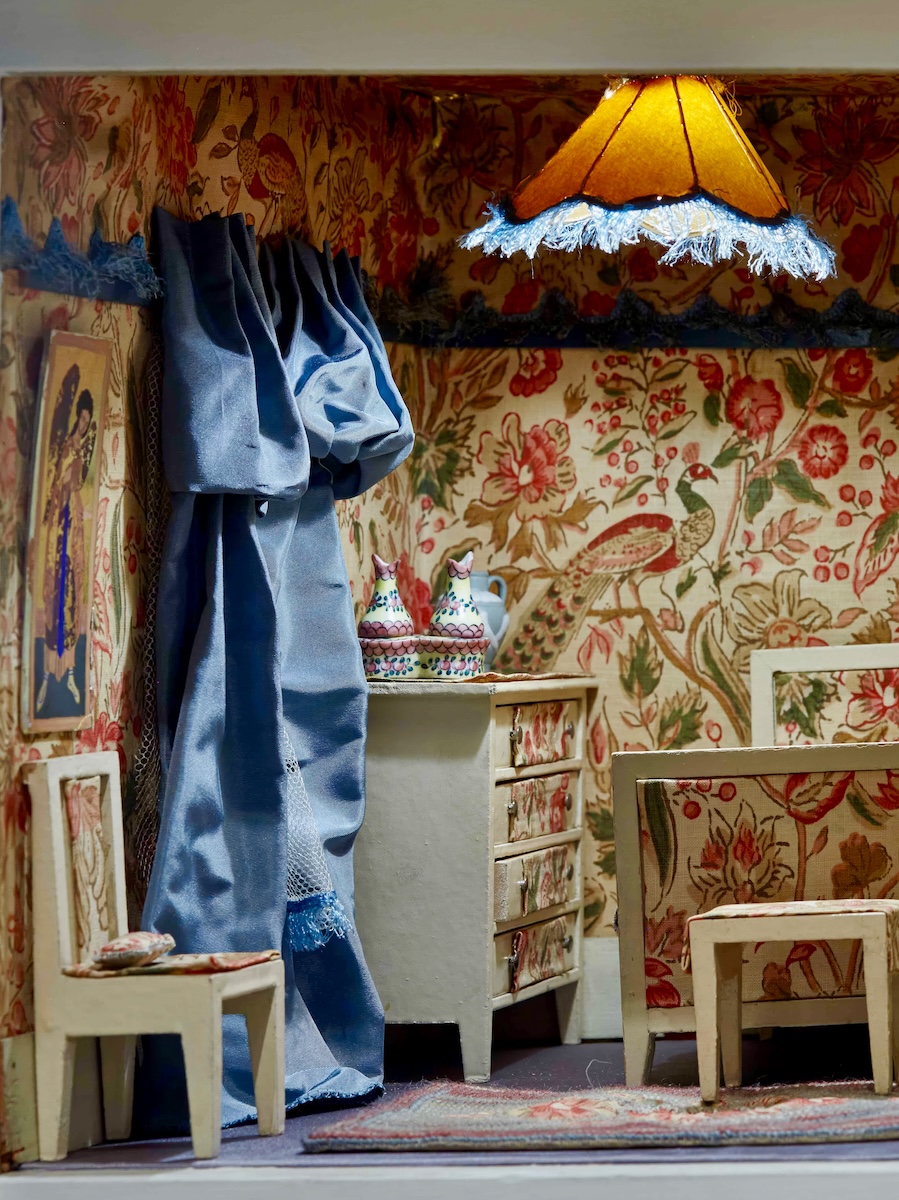
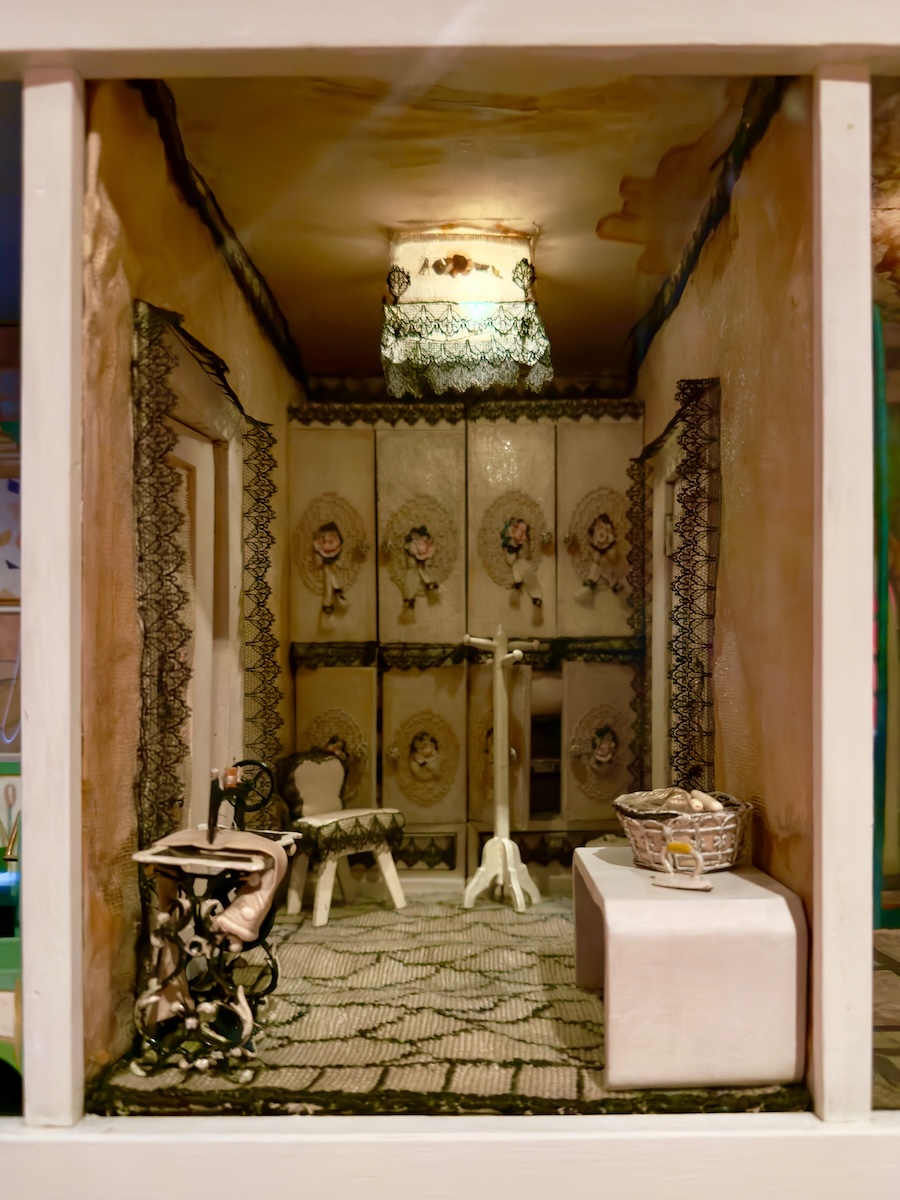
The closer I looked, though, the less it felt like a standard dollhouse. The rooms were very specific. The kitchen had pots, pans, and food waiting on the sideboard. The bathroom had fixtures and a whole laundry setup. The bedrooms had patterned walls and furniture arranged with the confidence of someone who knew exactly where they wanted things. It was a private world reduced to a scale that forced you to lean in.
The woman behind all this precision was Carrie Stettheimer, which means the story immediately becomes less simple—and more interesting—than Idle Rich Woman Makes Fancy Dollhouse.
Carrie was the eldest of the three Stettheimer sisters who remained closely bound to one another and to their mother, Rosetta, throughout their lives. Rosetta came from a wealthy German-Jewish family, which came in handy because Carrie’s father, Joseph, was apparently better at leaving than providing. The sisters grew up in a wealthy Rochester family whose money came from the dry goods and garment trades, which is a very New York way to end up with capital, taste, and opinions about proper presentation.
Joseph left when the girls were still children. Rosetta raised five children with enough money and determination to keep the family moving between New York and Europe, where the girls absorbed art through schools, museums, galleries, and long stays in places like Stuttgart, Berlin, Rome, and Florence. The other two children, Walter and Stella, had inconsiderately married and moved on by the time the three unmarried daughters—Carrie, Florine, and Ettie—settled into the family arrangement that would ultimately define them. It was a household, a salon, an artistic ecosystem, and probably a scheduling challenge that could have broken lesser women before lunch.
Each sister had her gift. Florine, the middle sister, painted New York society as if the city were an overdecorated stage. Ettie, the youngest, wrote novels and philosophy under the name Henrie Waste, which is such an excellent pseudonym that it almost feels rude not to put the book down and applaud before continuing to read. Carrie, as the eldest, managed the household and the social machinery that kept it running. Which sounds like cake until you factor in logistics, personalities, meals, rooms, timing, servants, flowers, seating, and the quiet emotional labor of making other people feel like everything just happened naturally.
Ettie, writing about the dollhouse after Carrie’s death, described her sister as an extremely competent housekeeper with “no liking whatever” for the job. The line makes Carrie sound capable, trapped, dutiful, irritated, and socially indispensable all at once, which is a broad emotional range for a woman surrounded by chandeliers and silver place settings.
It also makes the dollhouse harder to treat as a rich woman’s elaborate hobby. She worked on it from 1916 to 1935, so nearly 20 years of tiny wallpaper, tiny furniture, tiny food, tiny lighting, and tiny domestic order. She was building a house while managing a household—except this one behaved like she wanted, and everything stayed where she put it. Nobody arrived late. Nobody needed a bedroom reassigned. Nobody asked whether dinner could be moved by half an hour because Marcel Duchamp was still holding court in the foyer.
Florine’s paintings help explain why the dollhouse doesn’t feel like an isolated eccentricity. Her New York was more theatrical than realistic—Fifth Avenue as social pageant, Broadway as civic circus, and Bendel’s as retail choreography. In Heat, her painting of the Stettheimers at home in summer, even the weather becomes staged, with people draped around rooms as if heat itself had arrived with blocking notes and a costume budget.
Seen within that family context, Carrie’s dollhouse makes a different kind of sense. The rooms are domestic, but they also look staged. The kitchen, bathroom, bedrooms, salon, and ballroom aren’t just places where imaginary people might live. They’re spaces arranged for an audience, each room performing its role with absolute confidence. The house has dust-free glamour, choreographed comfort, and the faintly bossy assurance of interiors designed to be admired before anyone tried to use them.
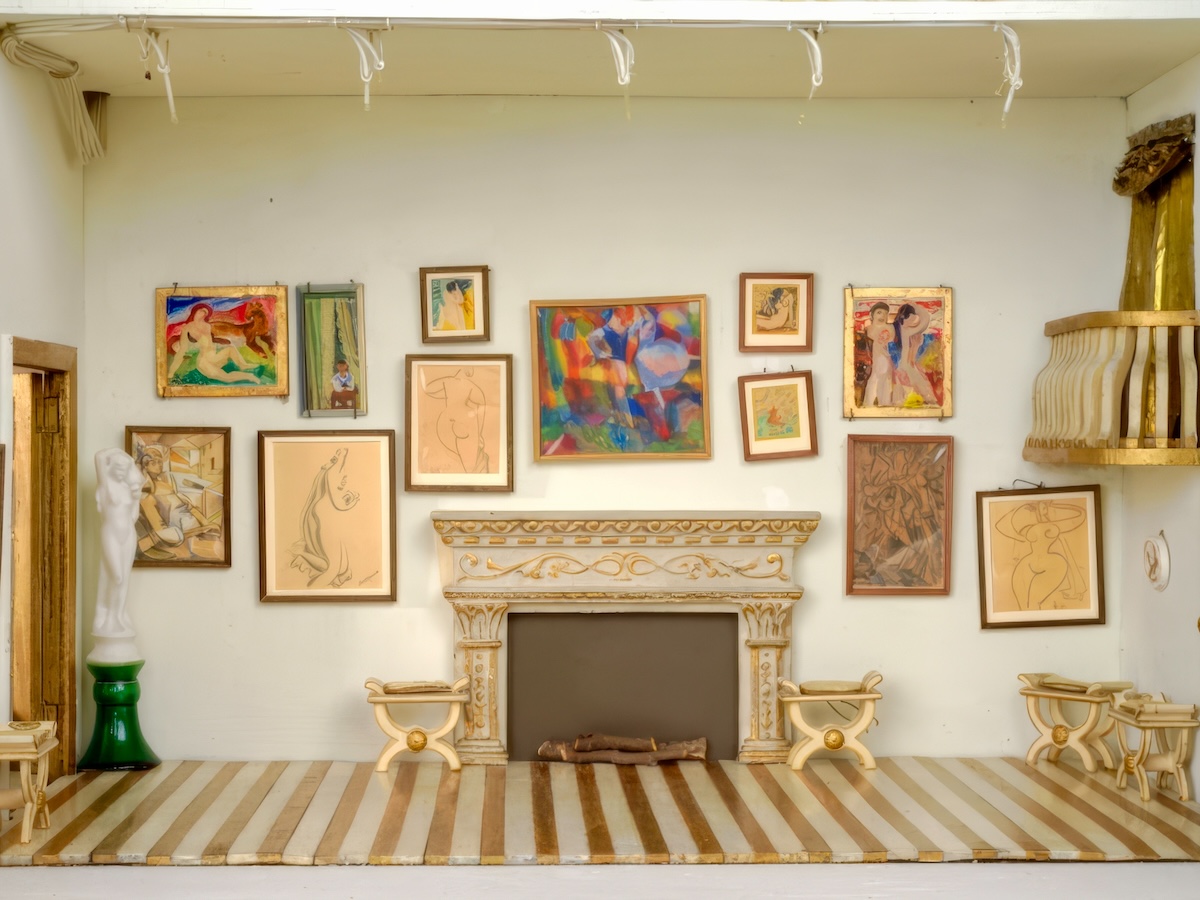
By the time she reached the ballroom, Carrie had fully committed to that staged quality. She didn’t just decorate it with tiny paintings that looked like art. She used real art. Artists in the Stettheimer social circle contributed actual miniature works for the house—Gaston Lachaise, William Zorach, Marguerite Zorach, and others all created miniature pieces for it. That’s what you get if you make sure your family salon is interesting enough.
Even Marcel Duchamp got roped in. He made a miniature version of Nude Descending a Staircase for the house, which is both absurd and somehow consistent. Yep, Duchamp, patron saint of making art history uncomfortable, obligingly produced dollhouse décor for a wealthy New Yorker’s miniature mansion.
Despite how packed the little house is with art, furnishings, and items left as if someone had just stepped out, the house feels empty. Not empty as in bare. Empty as in there are no people inside. That’s what keeps the whole thing from tipping into adorable. Carrie seems to have planned dolls at some point, but the figures now associated with the house were added later and are displayed separately, like tiny socialites exiled for curatorial reasons. The house really is better without them, though I hope they're not taking it personally.
The dollhouse recently underwent conservation because even a 28-inch mansion eventually develops house problems. Dust, grime, peeling paint, water damage—the usual indignities, just scaled down enough to require dental tools and heroic patience. Conservators spent 240 hours cleaning and stabilizing it with cotton swabs, tiny instruments, and “a mild enzymatic solution.” Even imaginary domestic perfection, it turns out, eventually requires someone with a cotton swab and a little spit.
Ettie took charge of the dollhouse after Carrie died in 1944 and eventually donated it to the City Museum. She believed the house stood in for the stage-design career Carrie might have had if life had been different. I can see that. The rooms have the confidence of sets, and the whole house seems built by someone who understood entrances, lighting, props, and the social terror of a poorly arranged room. It also gave Carrie control over a version of the domestic world that consumed so much of her energy in real life, preserving it at a scale small enough to command. A toy, a house, a gallery, a stage, a family archive—the word dollhouse starts to feel a little lazy.
In the end, the City Museum did not make New York understandable, but that’s for a different story. Upstairs, though, behind glass, Carrie Stettheimer’s little mansion did make one strange New York hold still—the money, the art, the sisters, the rooms, and the tiny kitchen waiting for someone who never arrives. At just over two feet tall, its size was misleading. I had gone in for a quick look and ended up practically inventorying the place, like I was considering a lease.


Write a comment