
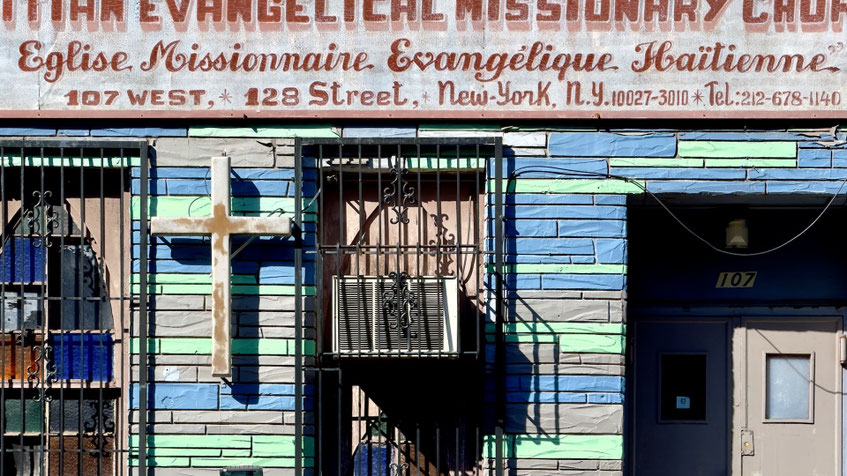
When we rented an apartment in Harlem for a month, I expected to spend a lot of time in the neighborhood. Harlem rewards exploration with handsome brownstones, ornate apartment buildings, and enough historical and architectural detail to keep your eyes pointed toward the rooftops for blocks at a time. Most days, though, I was doing the same things I do everywhere—running to the grocery store, finding a good lunch spot, or justifying dessert by taking the long way home.
It wasn’t long before I started noticing the churches. The first one didn’t register as unusual. New York has churches everywhere. This one occupied what looked like an old storefront and had a modest sign identifying a congregation I’d never heard of. Neighborhood scenery.
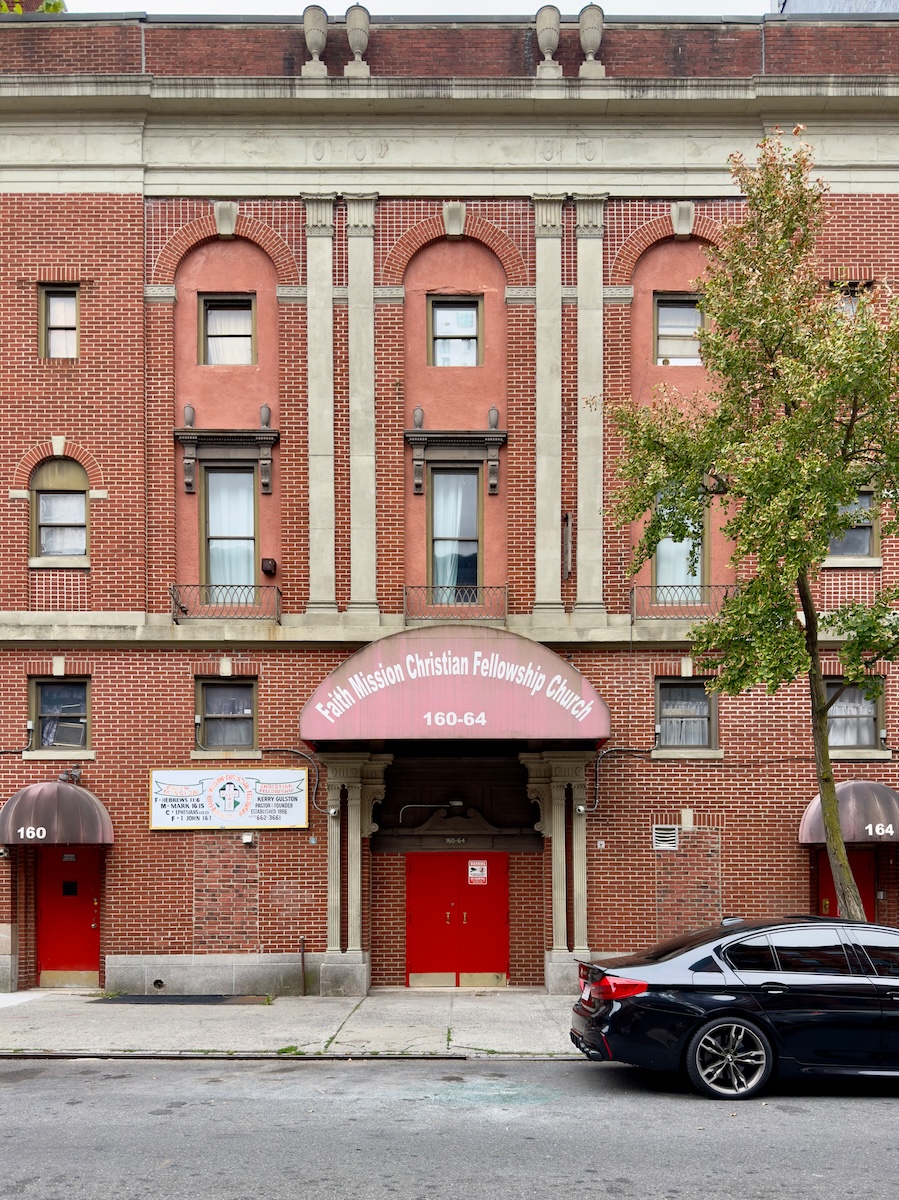
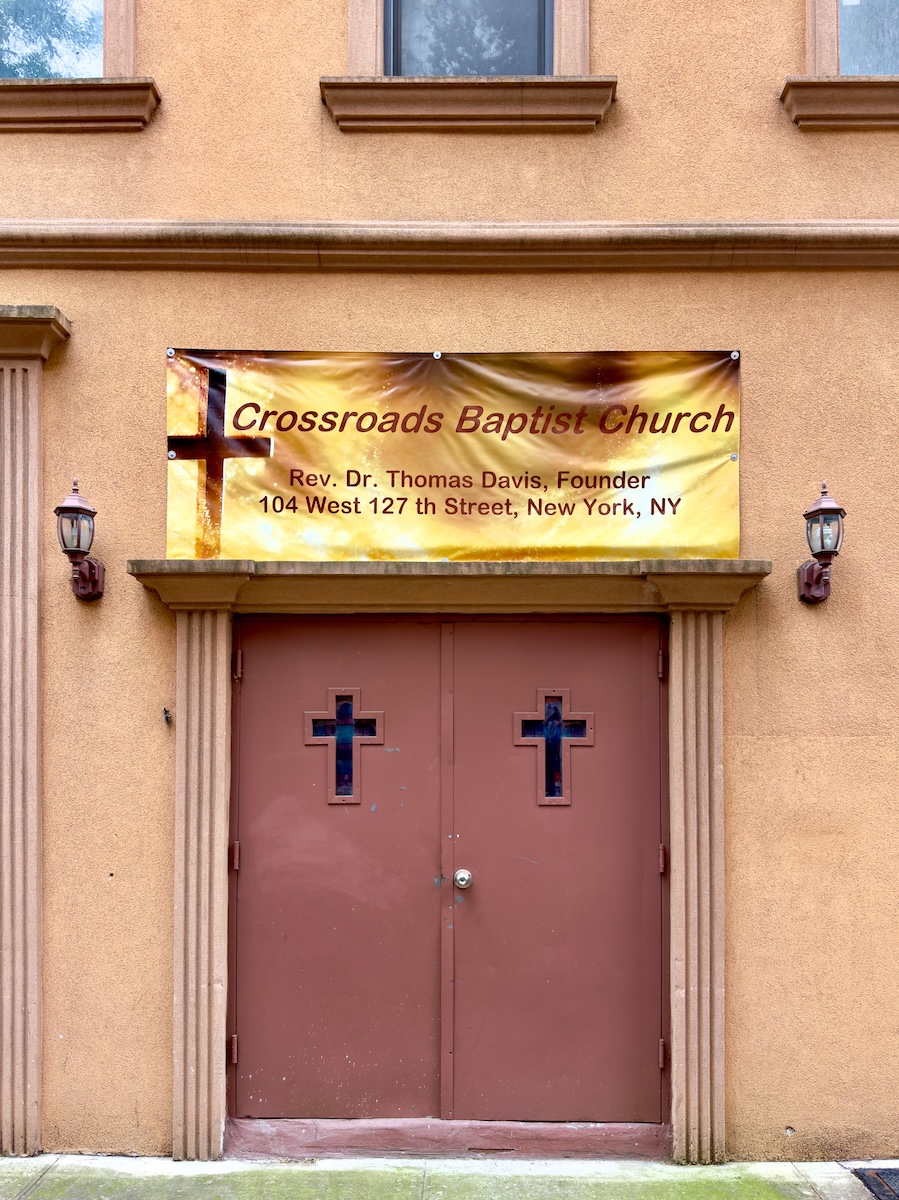
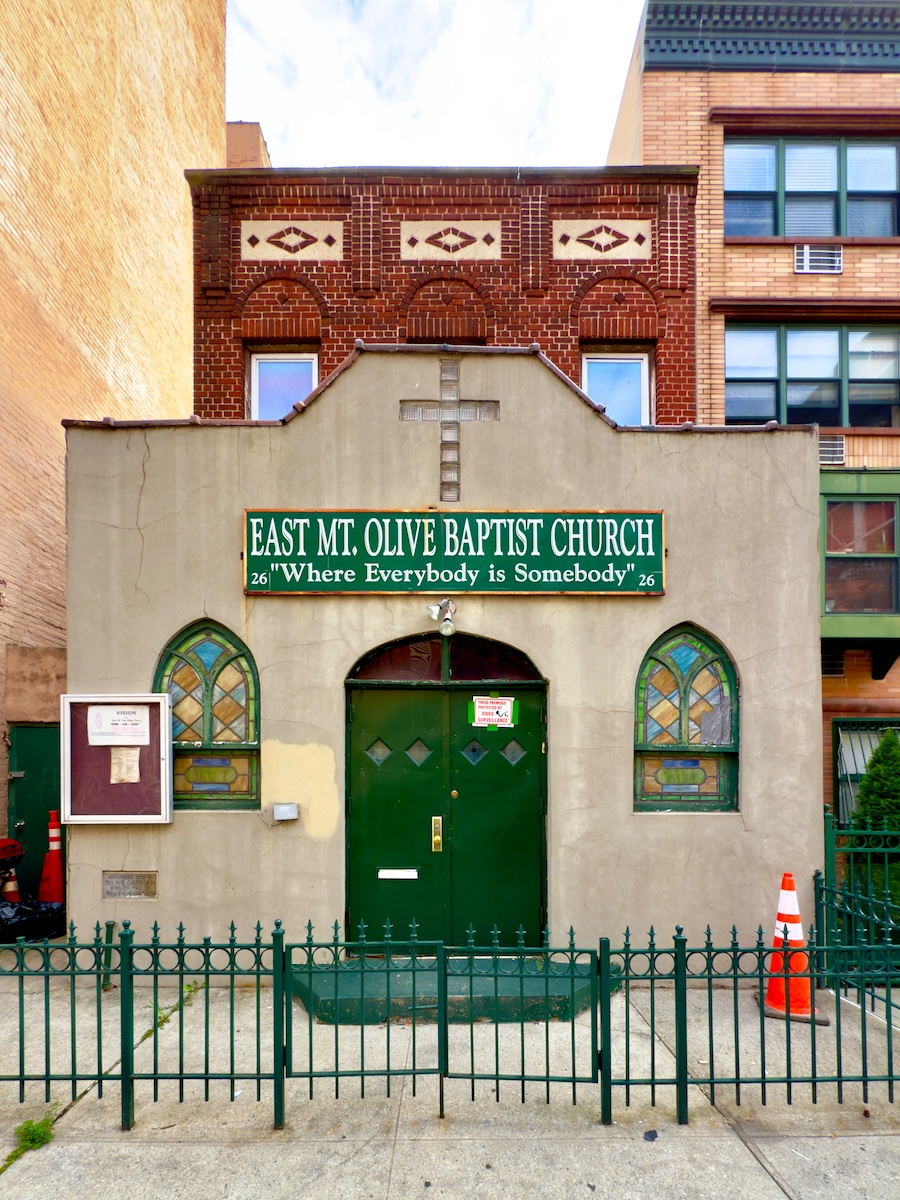
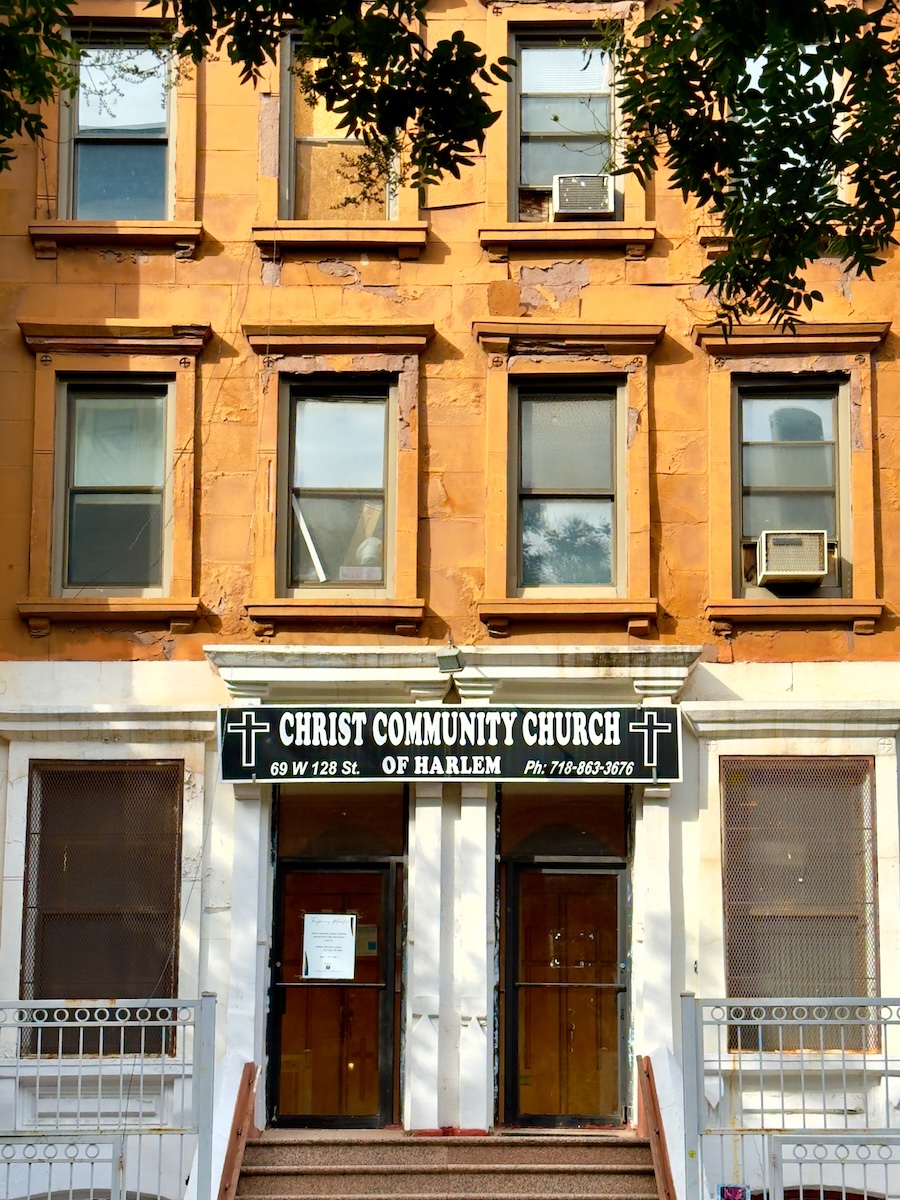
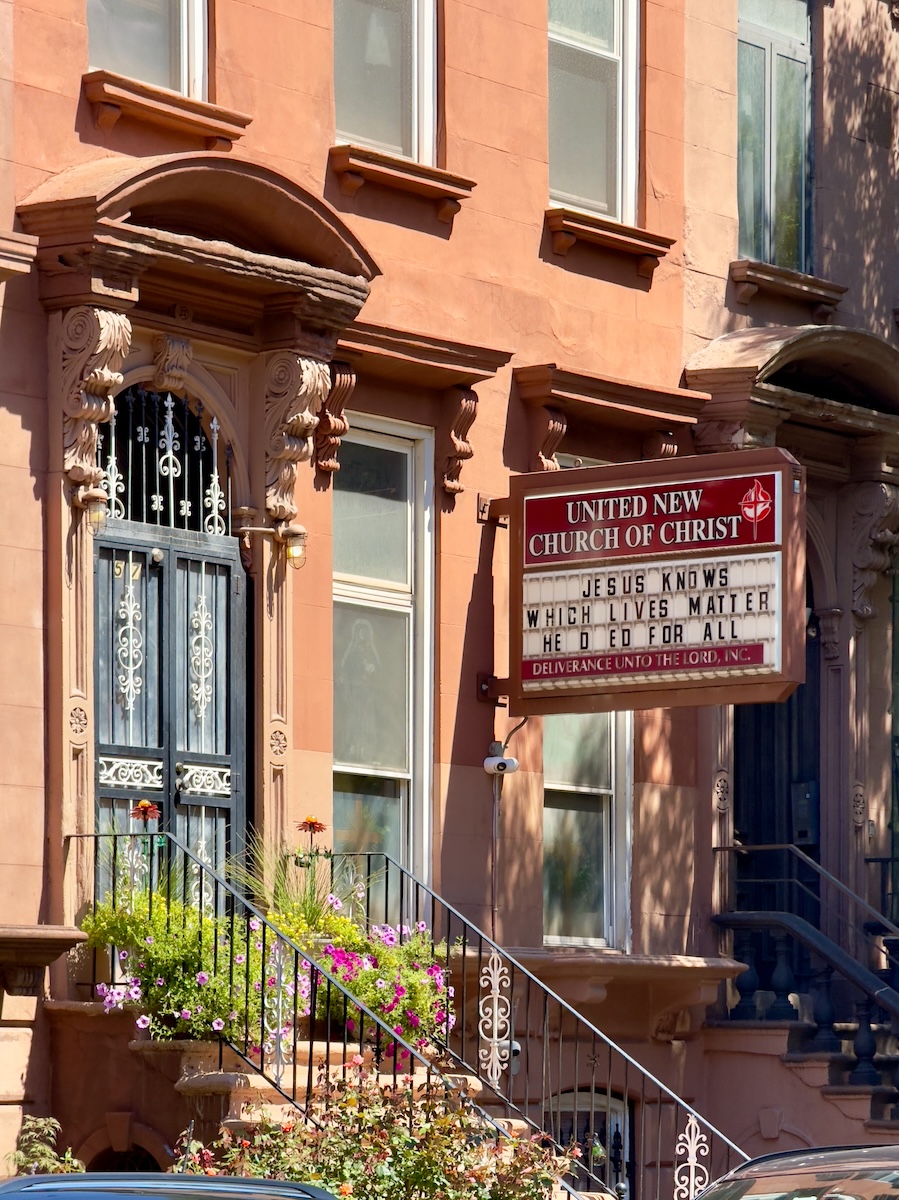
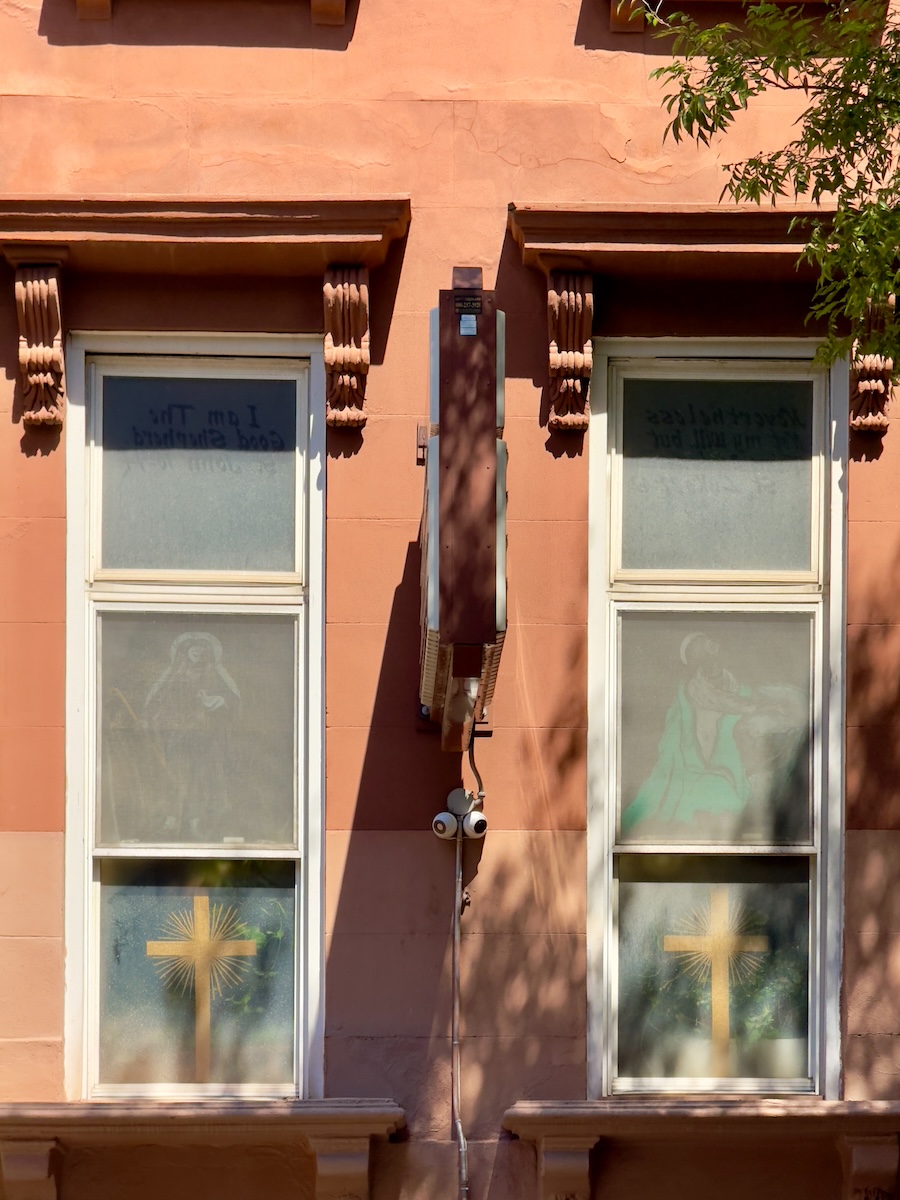
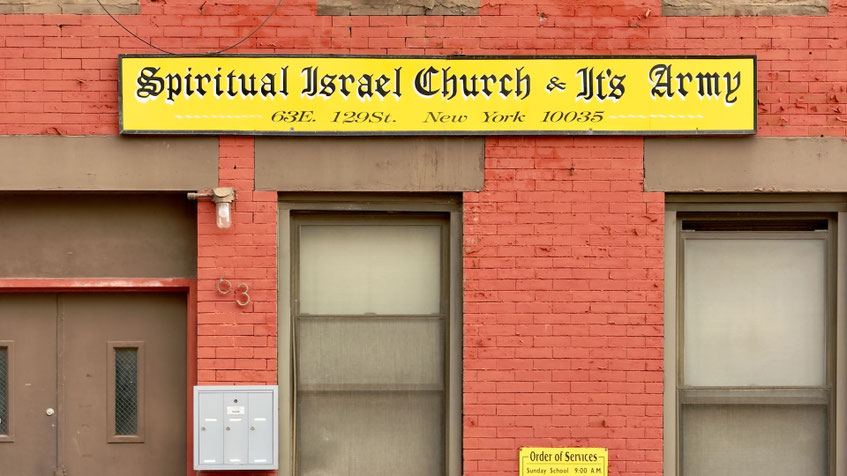
A few blocks later, I passed another one. Then another. The longer we stayed in Harlem, the more I saw—on busy avenues and quiet side streets. Most looked like they’d taken over a former shop or someone’s home. Sometimes it was hard to tell where the house ended and the church began. A short stoop might lead to a hand-painted sign, a cross in the window, and an impressively ambitious congregation name promising salvation.
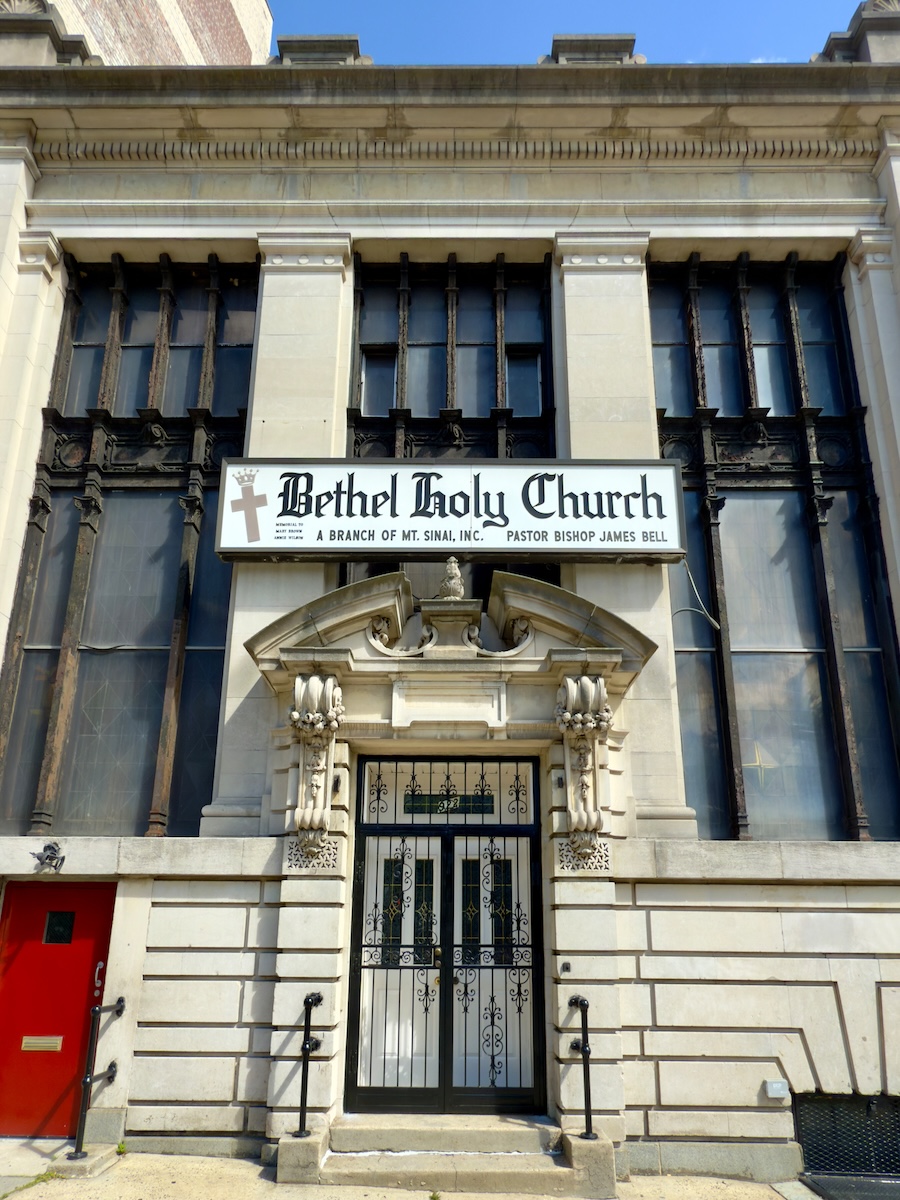
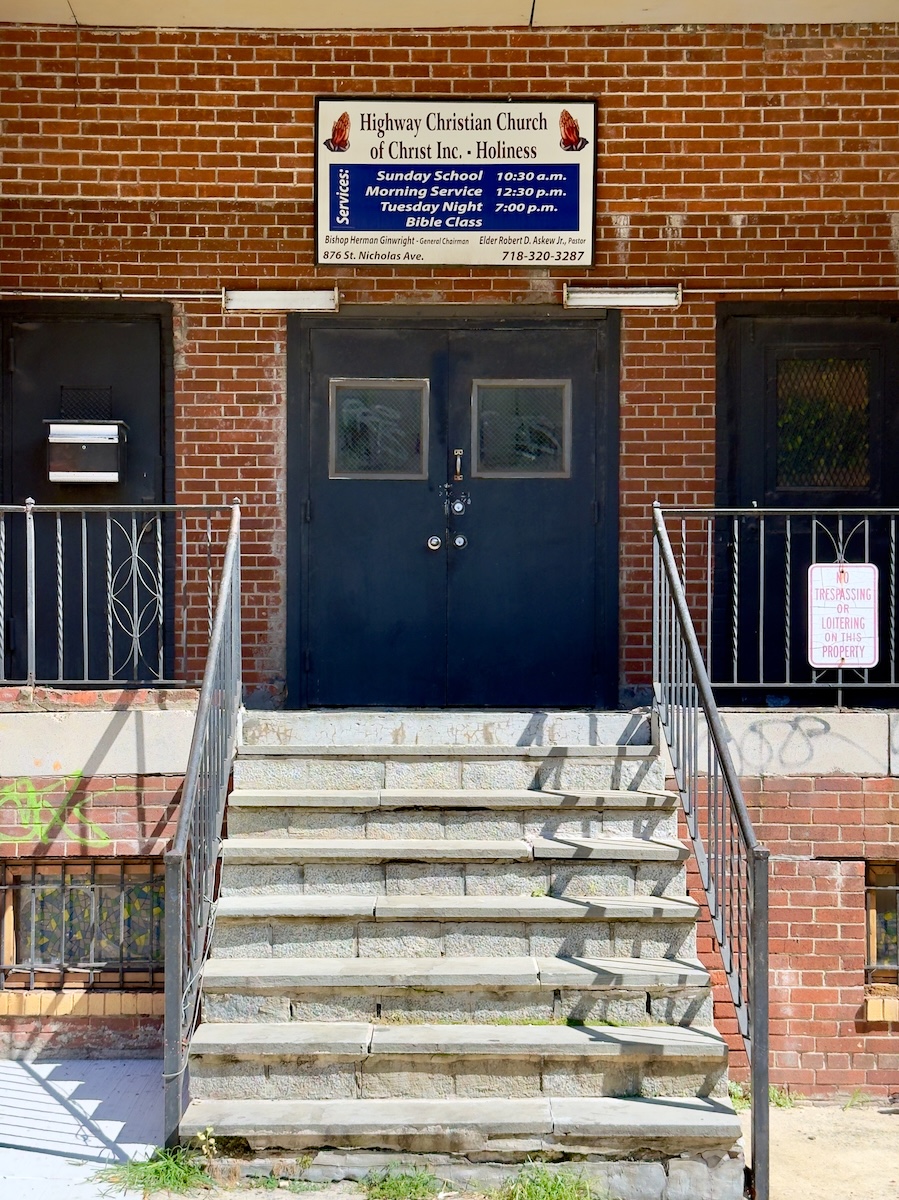
I started looking for them on purpose. What began as morning walks or grocery runs turned into photo safaris, and I’d come home with shots of half a dozen churches I’d never seen before. The names alone were worth the effort. Some sounded traditional, but others sounded like they’d been workshopped by a committee determined to leave no doubt about their relationship with the Almighty.
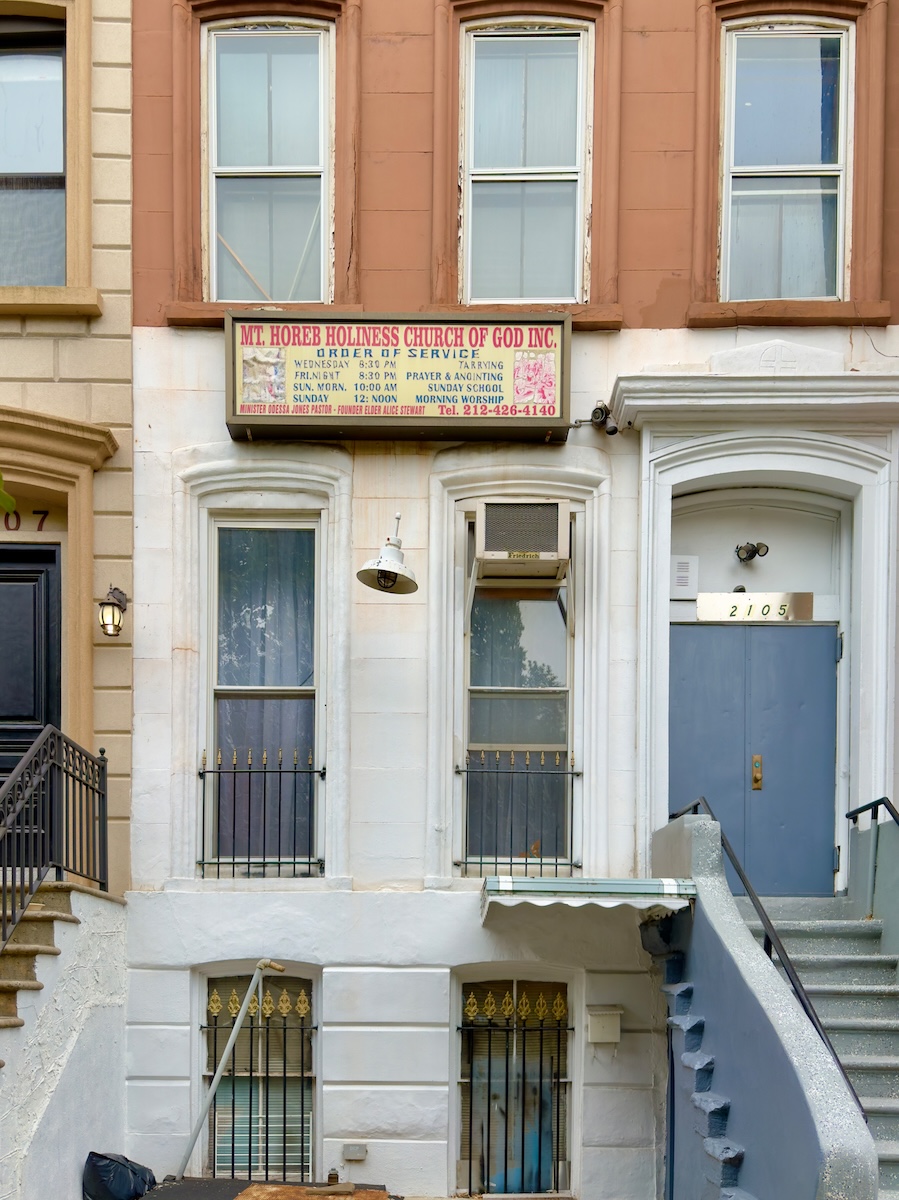
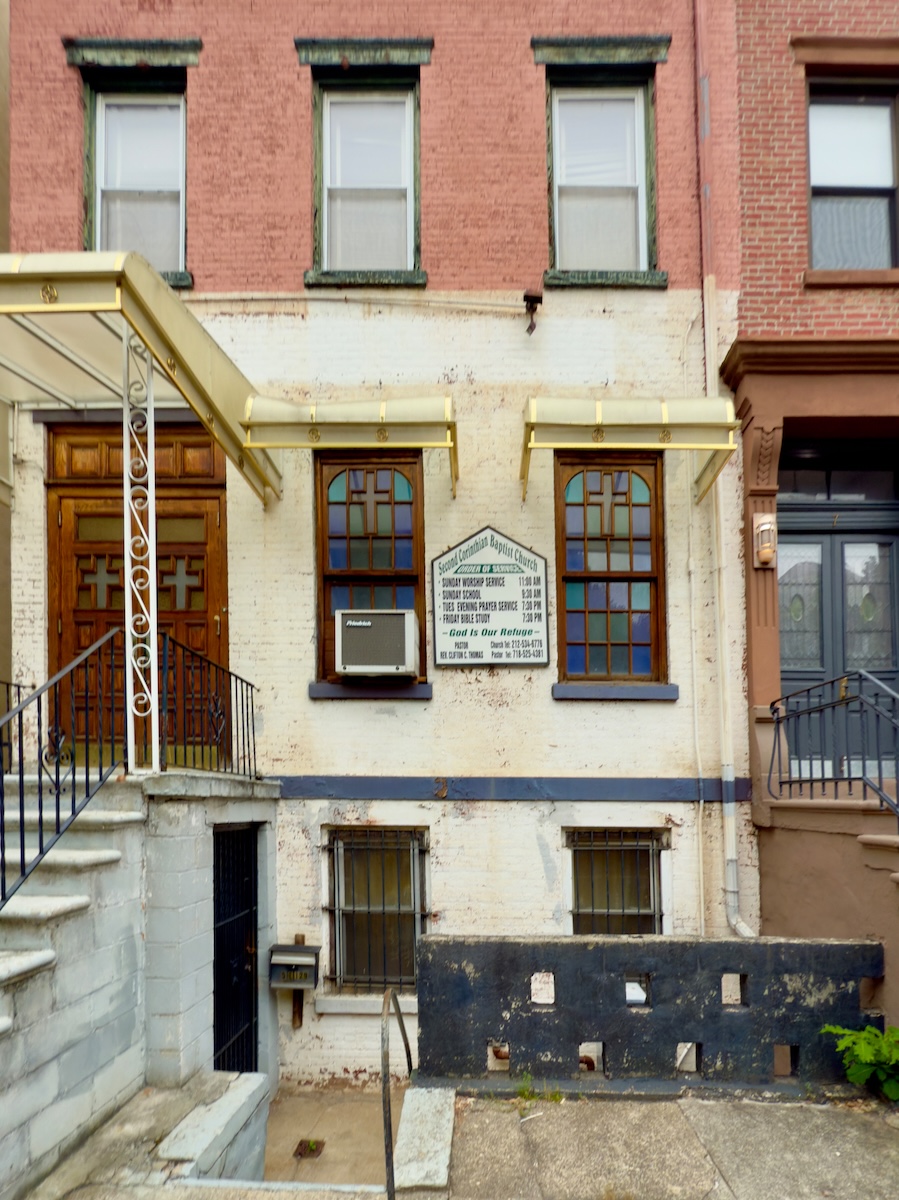
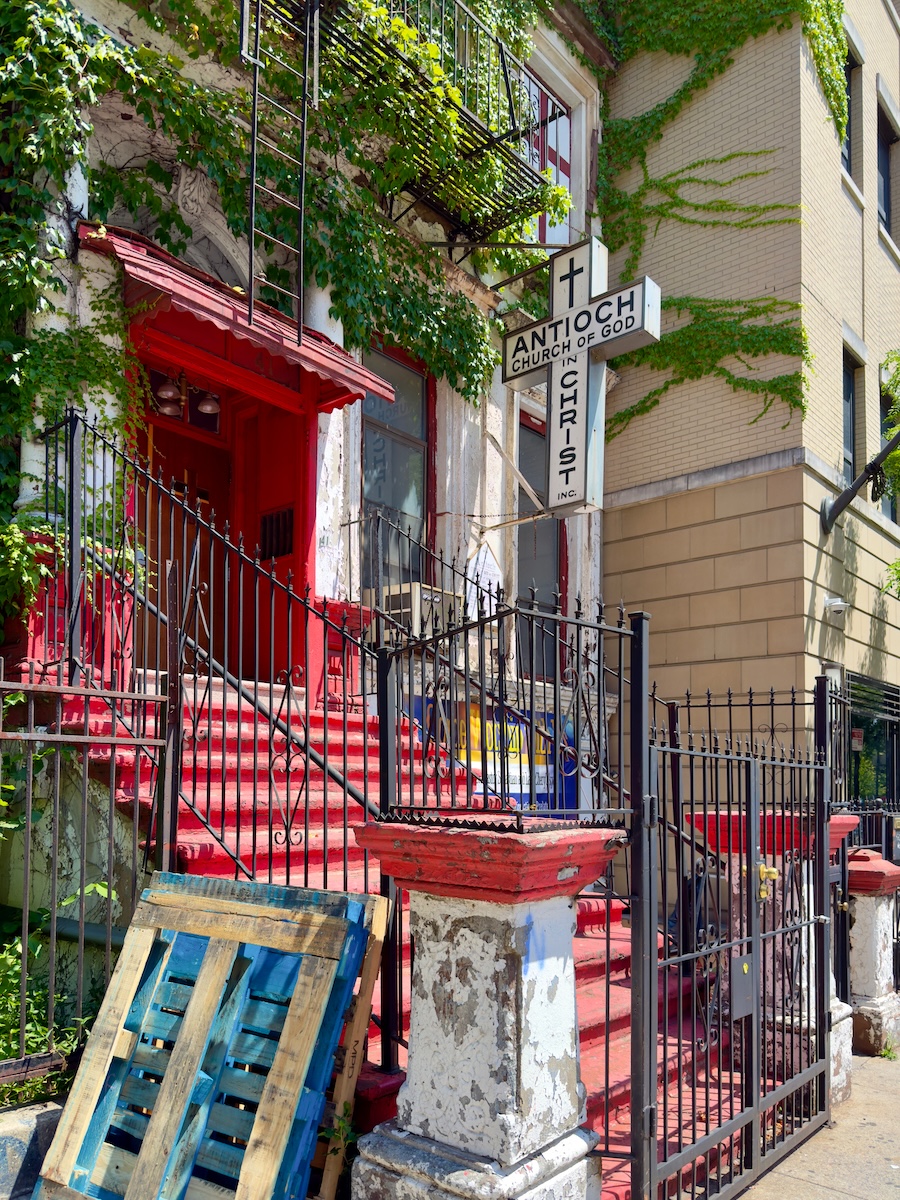
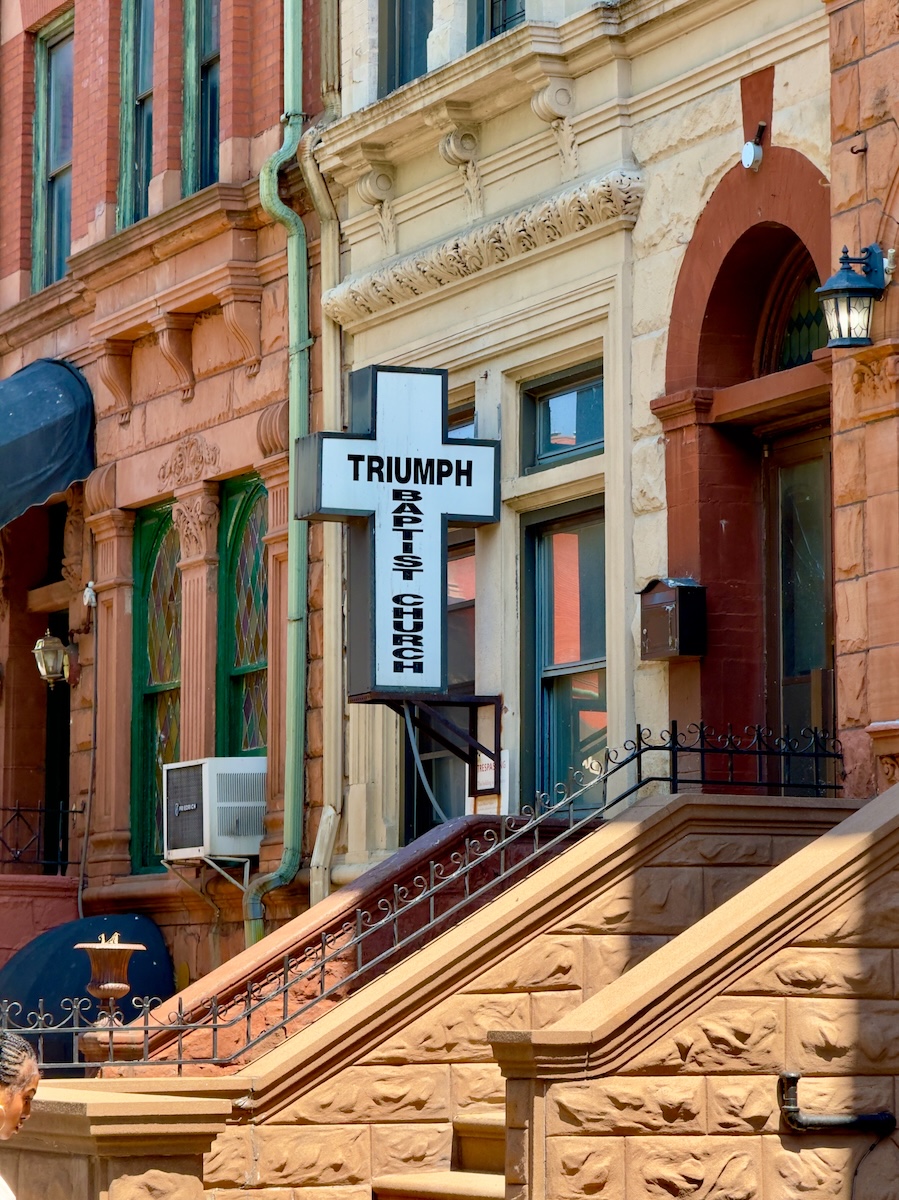
What fascinated me wasn’t religion. It was the sheer number of these places. They were everywhere once I started paying attention, woven into the fabric of the neighborhood so thoroughly that I began to wonder how I’d missed them during my first few days in Harlem.
And, naturally, that question led to many more. Why were there so many of these small churches? Why did Harlem seem to have more than other neighborhoods? Why were so many located in former storefronts, apartments, and houses rather than purpose-built church buildings?
Most visitors come to Harlem looking for the Apollo Theater, jazz history, soul food, or Malcolm X. Harlem occupies such an outsized place in New York’s cultural imagination that most people have a checklist prepared. Storefront churches rarely make that list. In fact, I don’t think I could even have told you what a storefront church was before we found ourselves in Harlem.
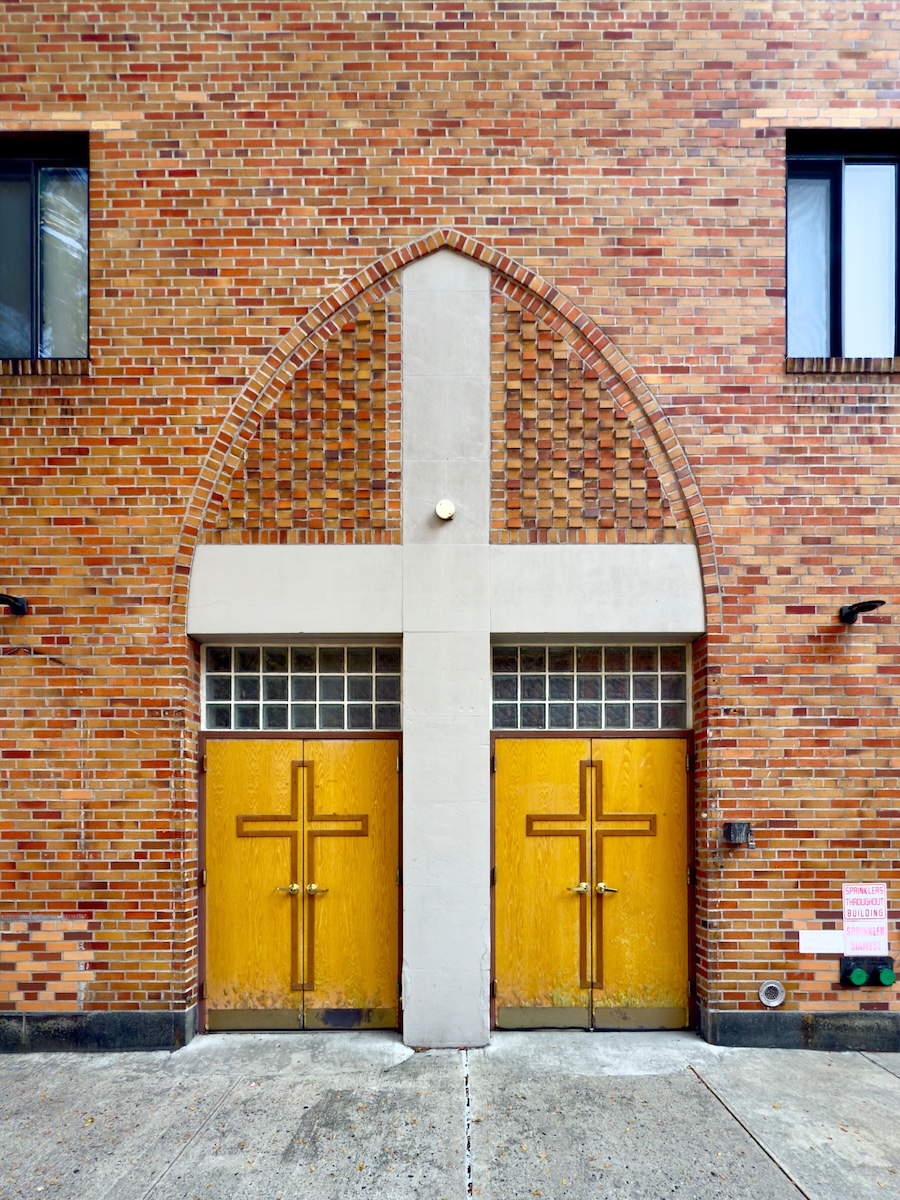
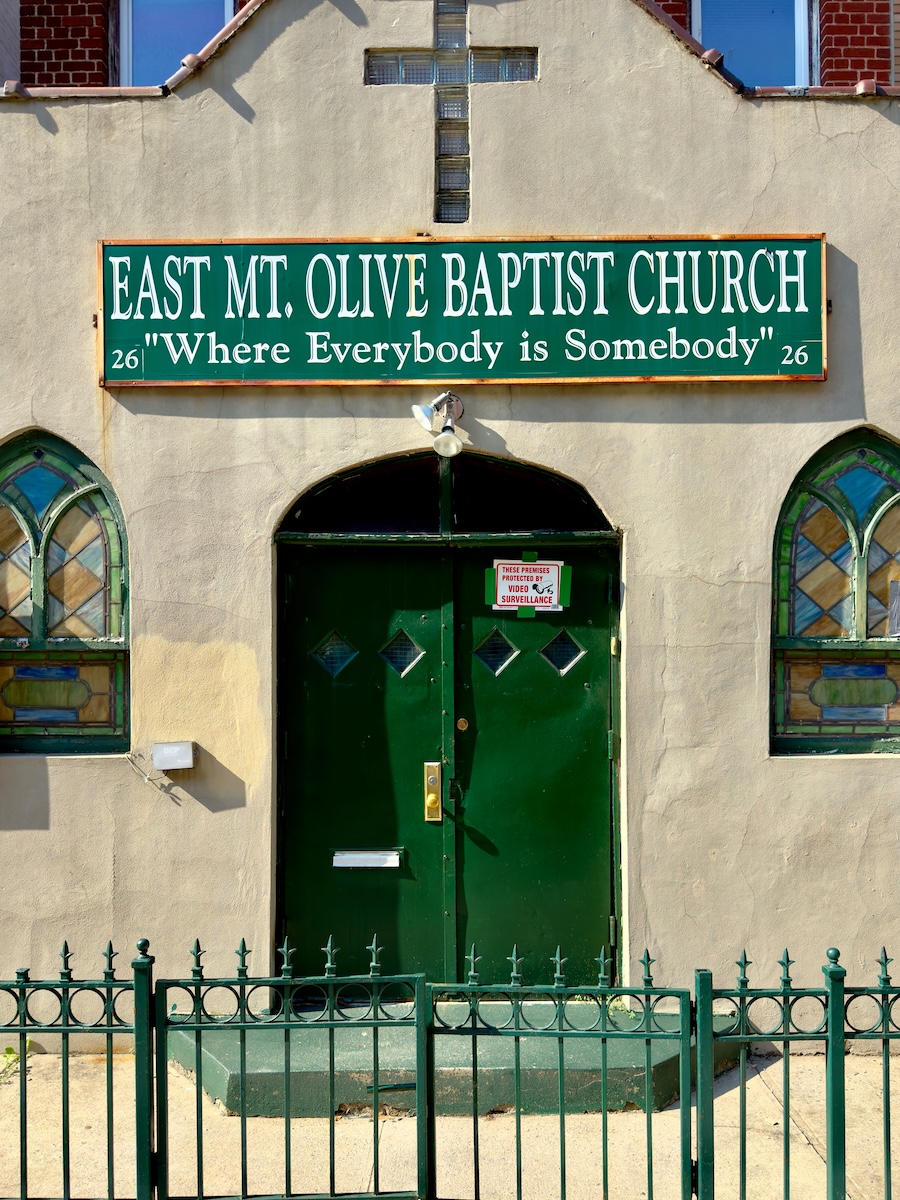
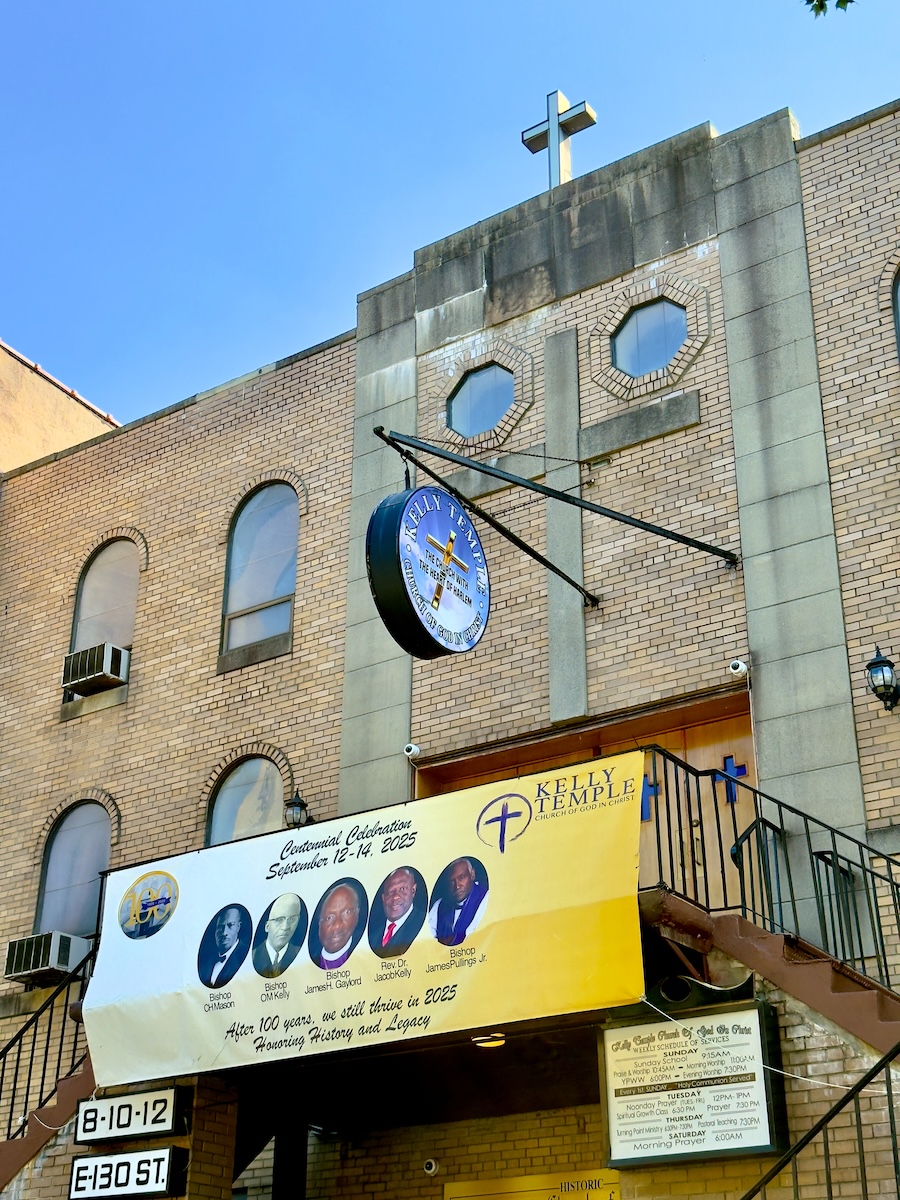
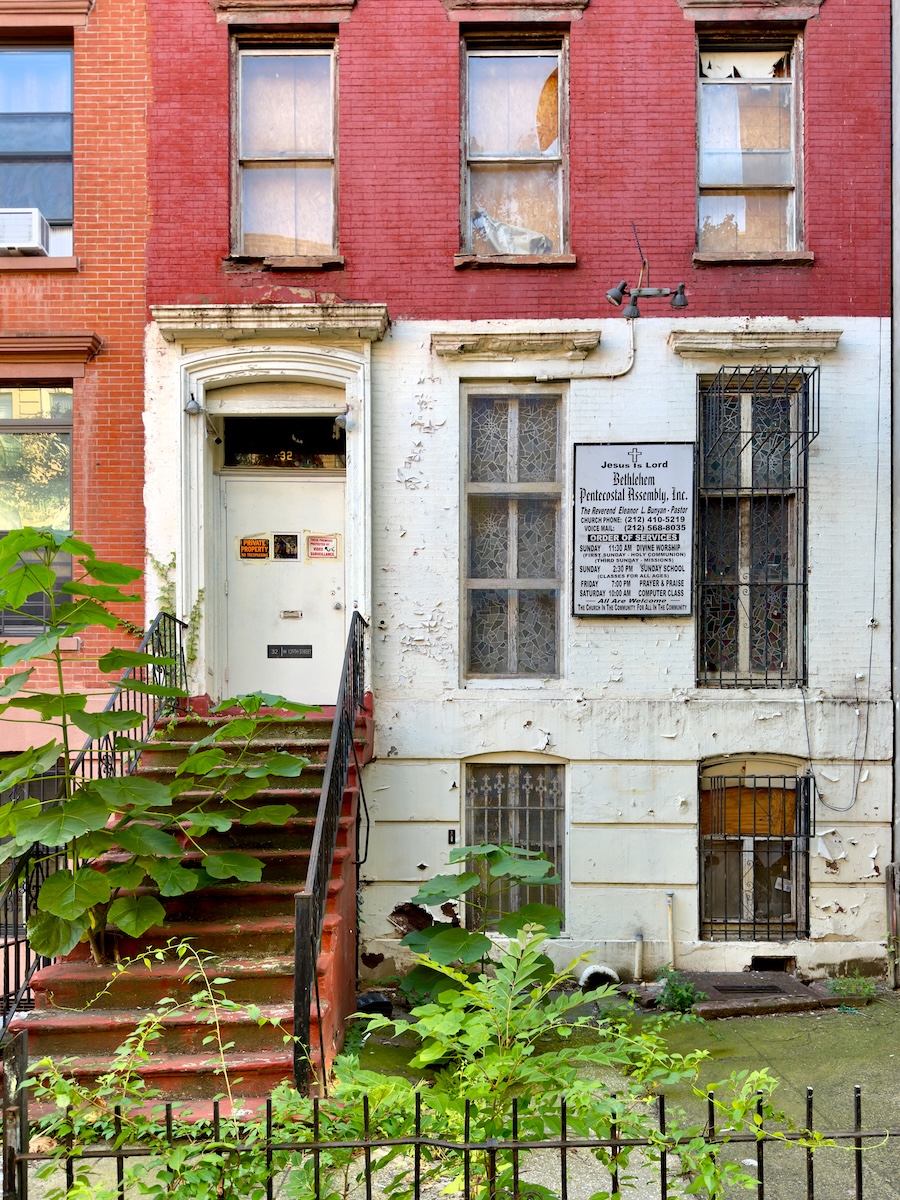
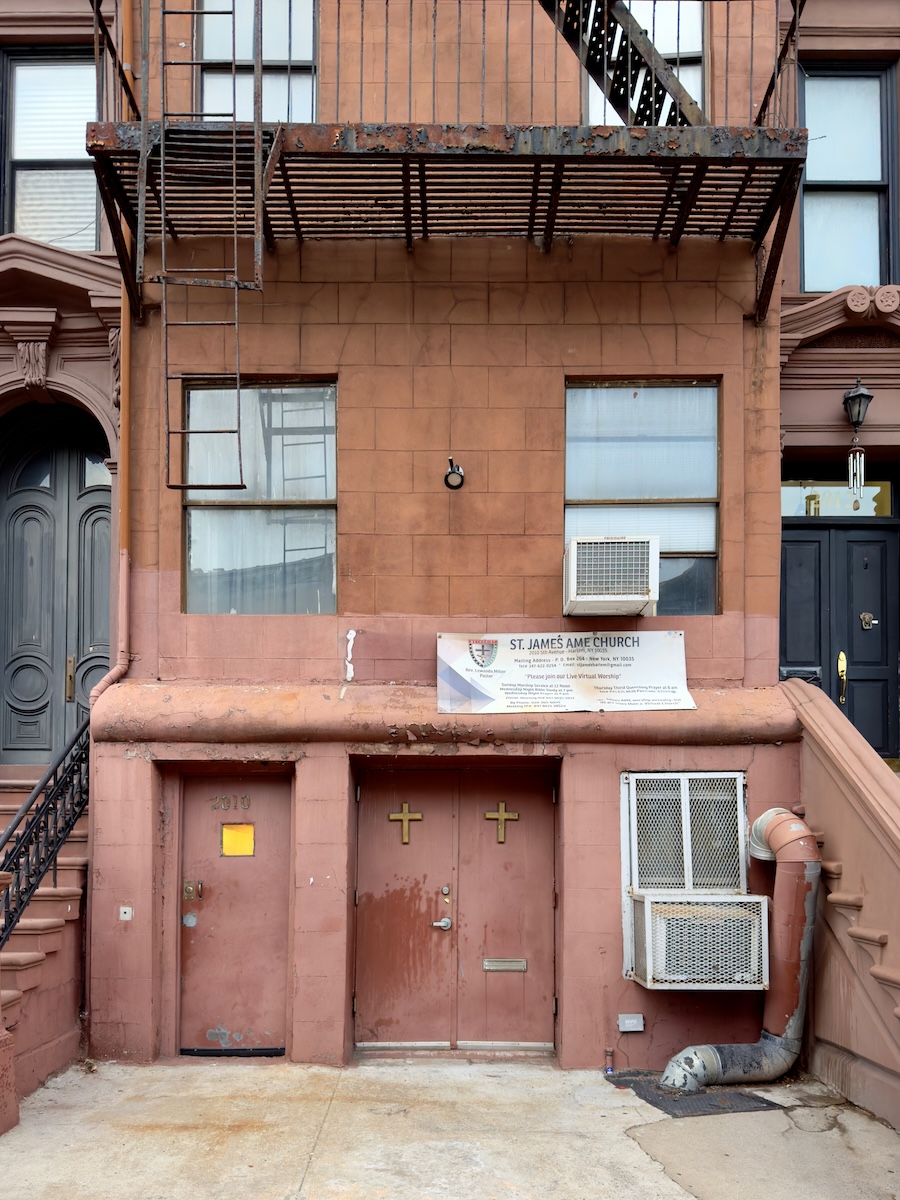
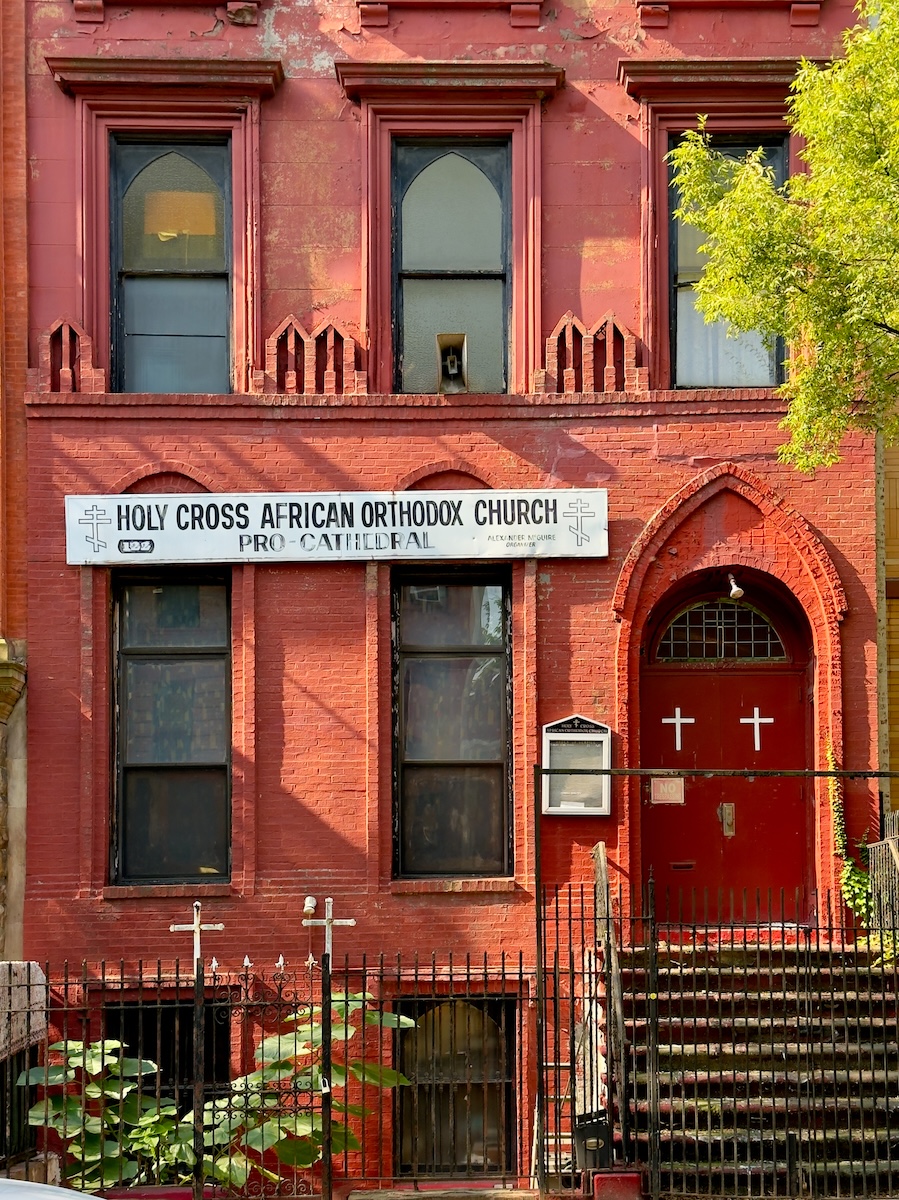
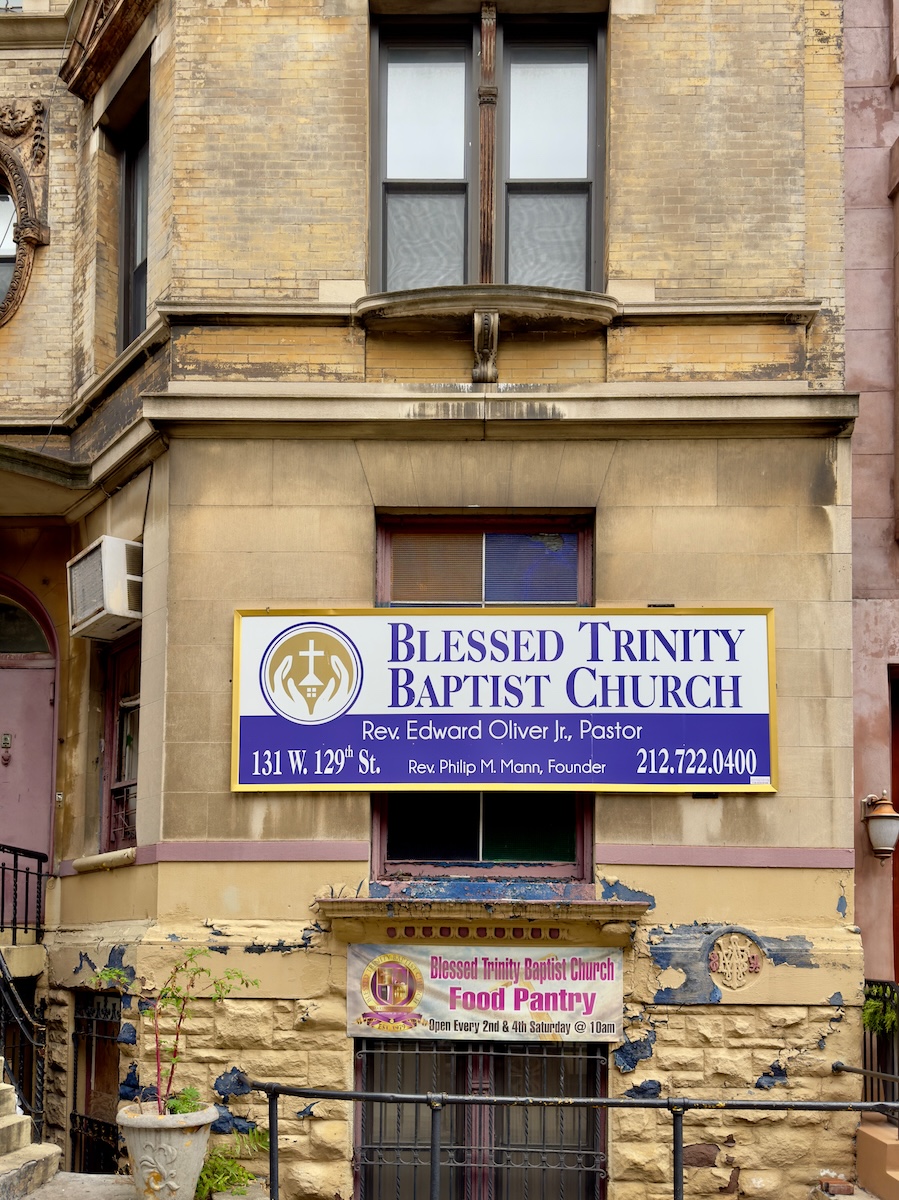
Aside from the signs hanging on what often seemed to be people’s homes, I found myself intrigued by the names. Some belonged to denominations I recognized, but many did not. There were churches emphasizing faith, holiness, deliverance, Israel, community—and other concepts I wasn’t sure how to categorize. None of them felt particularly institutional. They felt local, independent, or even personal.
But there were too many of them to be isolated curiosities. They had to be part of something larger. Harlem already had plenty of traditional churches. Yet somehow these smaller congregations—which, to my eye, looked almost improvised—persisted alongside them. How they came to be, and why Harlem seemed to have so many of them, became the big questions.
The answers had very little to do with architecture and quite a lot to do with Harlem’s history.
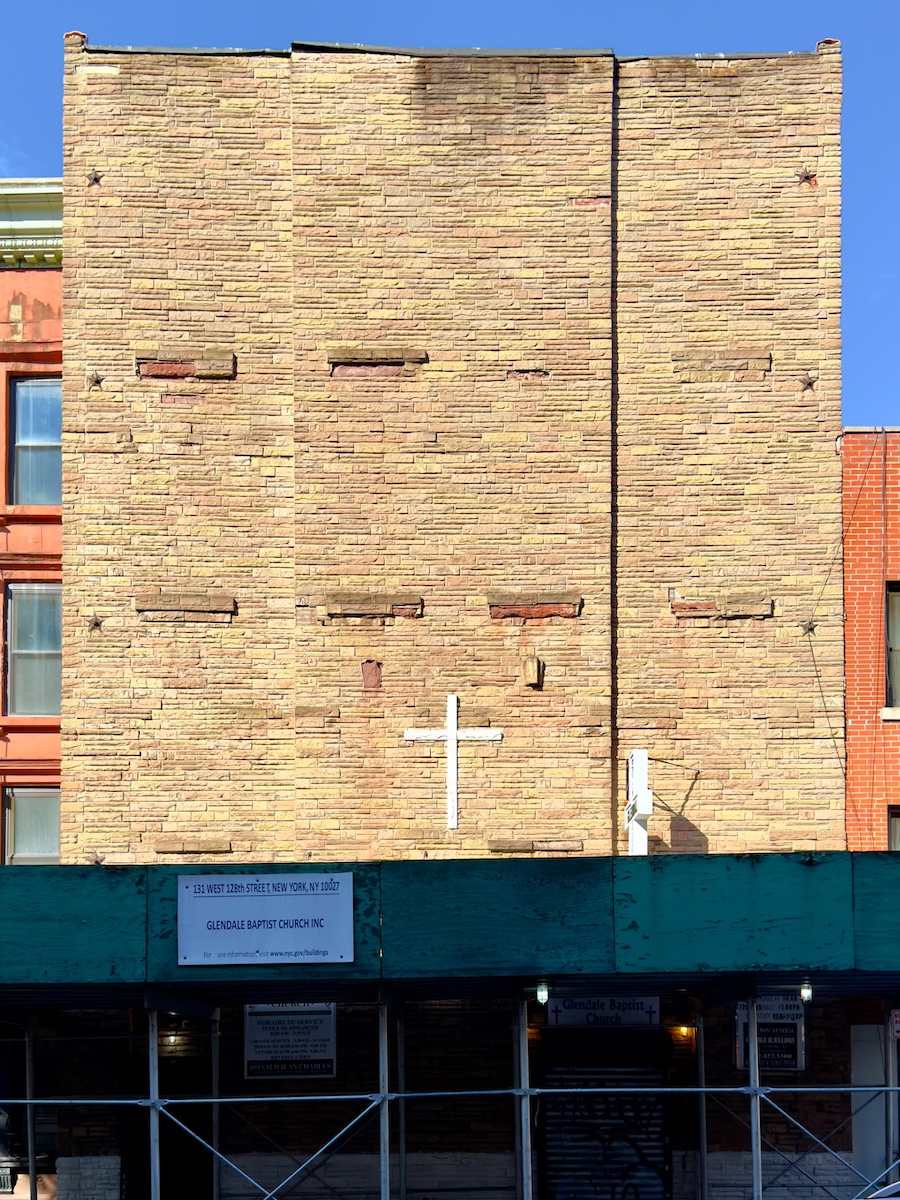
At the end of the 19th century, Harlem was largely white. Developers envisioned it as an upscale district filled with brownstones, apartment buildings, and other housing intended for a growing middle class. But they got ahead of themselves. Too many buildings went up too quickly, and landlords suddenly found themselves with more apartments than tenants.
At the same time, Black New Yorkers faced housing discrimination throughout much of the city. Real estate brokers, community leaders, and church organizations began helping Black families move to Harlem because housing was available there, even when it often wasn't elsewhere. As more families arrived, more businesses, institutions, and congregations followed.
That process accelerated when, beginning in the early 20th century, millions of Black Americans left the South in what became known as the Great Migration. They were seeking to escape the legal segregation and racial violence of the Jim Crow South and looking for educational opportunities and jobs elsewhere, primarily in the North. Harlem, as a burgeoning Black stronghold, quickly became one of the most important destinations.
Within just a couple of decades, Harlem had become the cultural center of Black America and the birthplace of the Harlem Renaissance. New residents arrived from Georgia, Virginia, the Carolinas, Florida, and elsewhere—bringing their traditions, communities, and faith with them. And wherever people move, churches tend to follow.
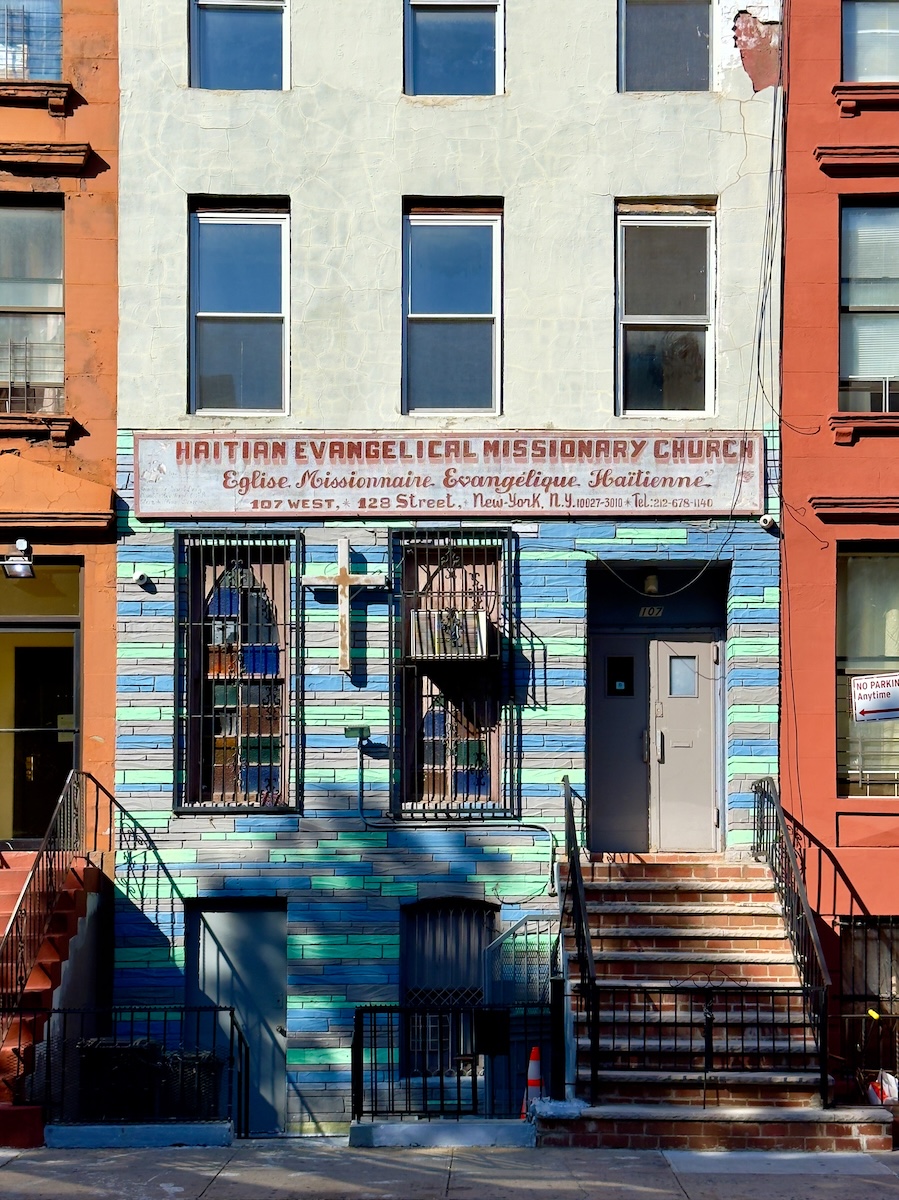
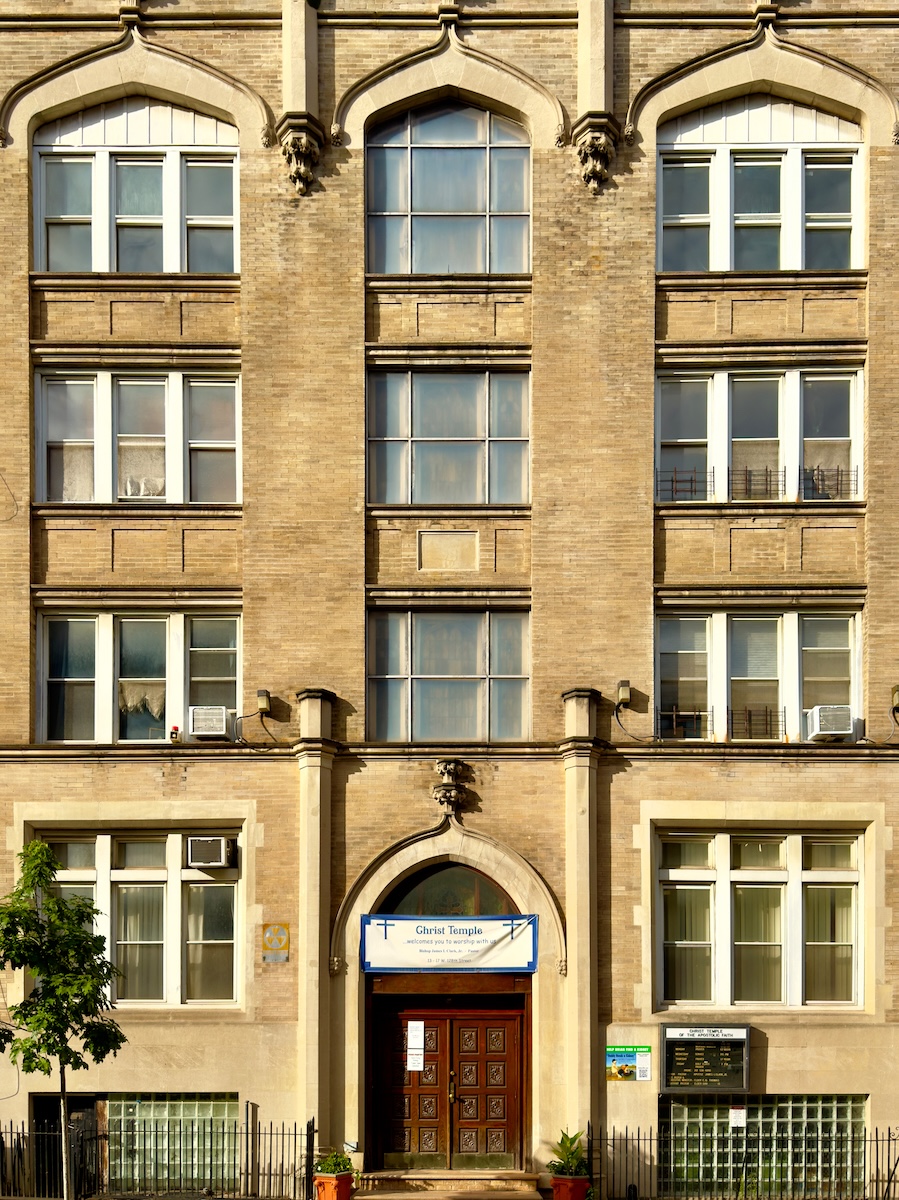
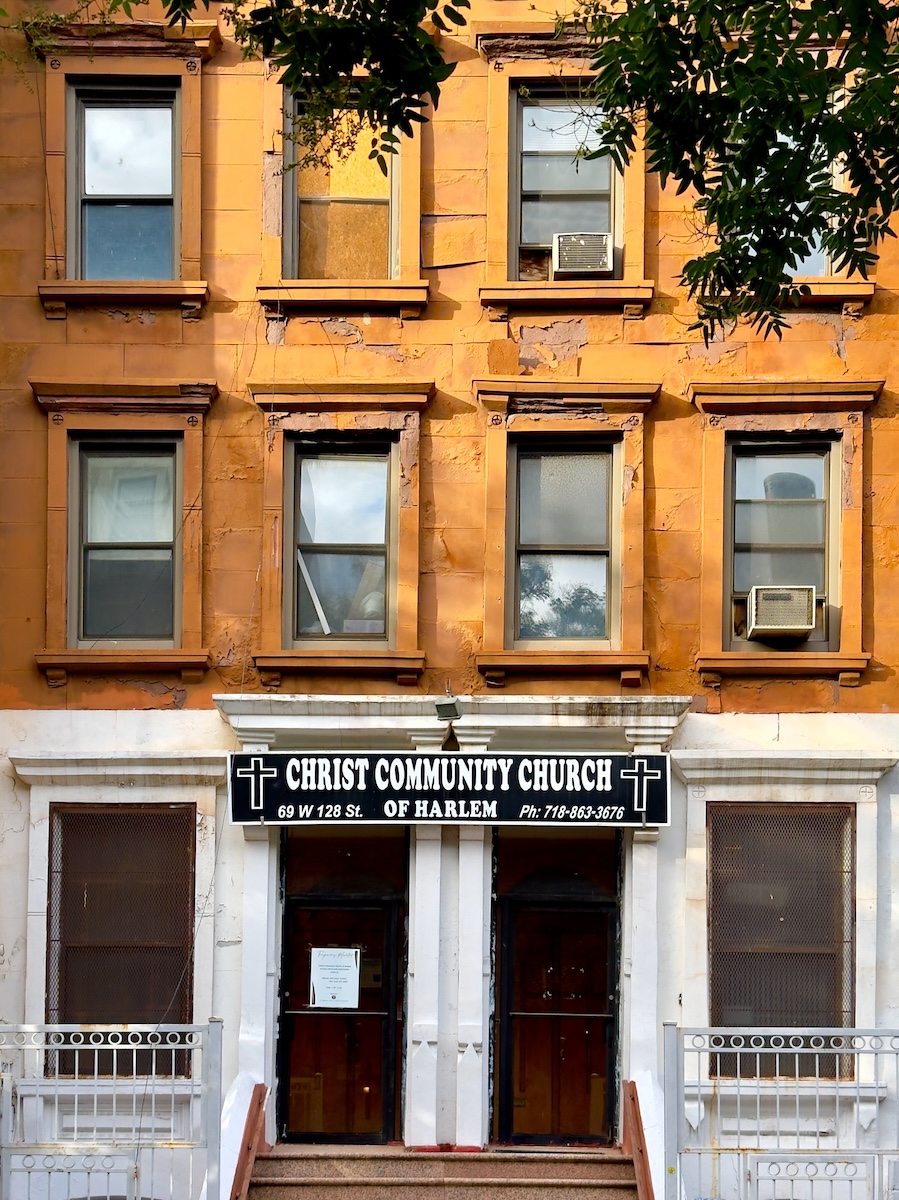
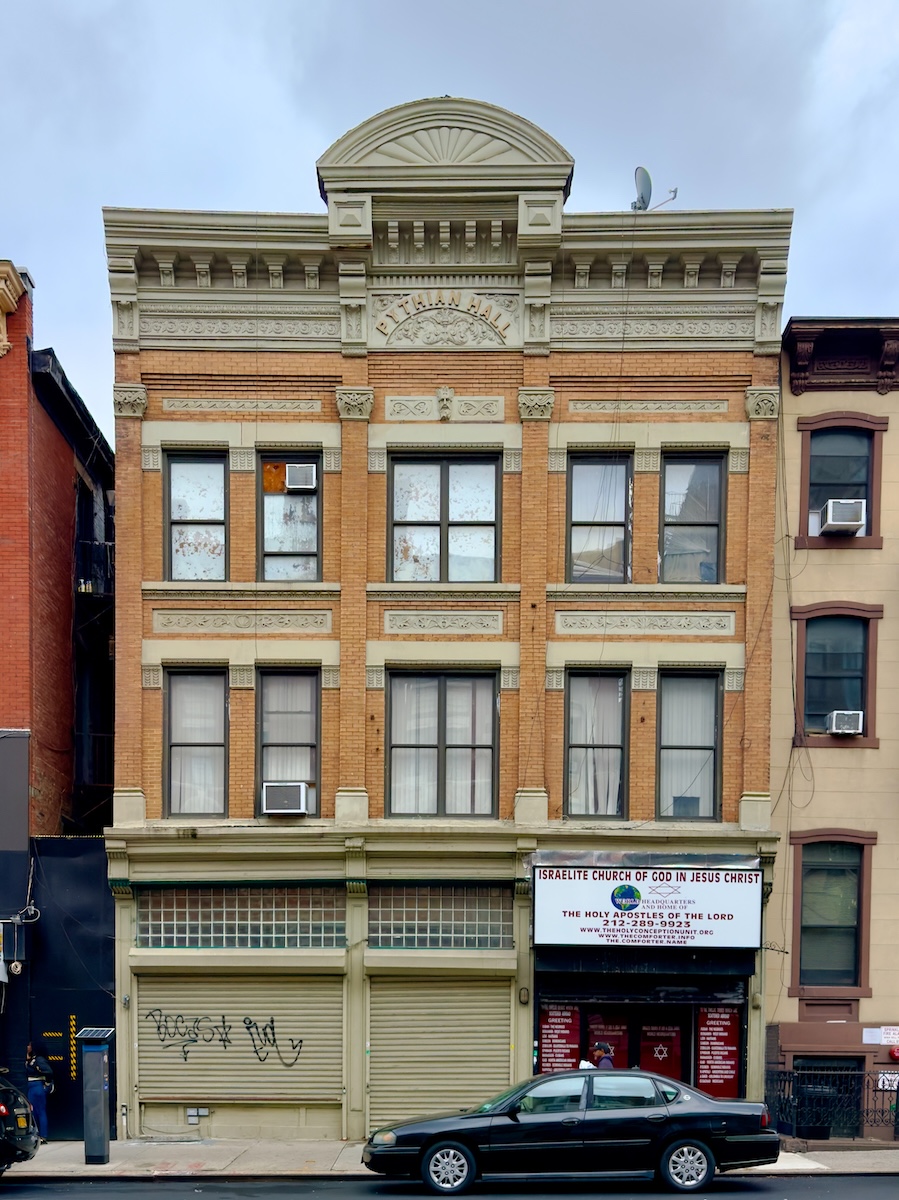
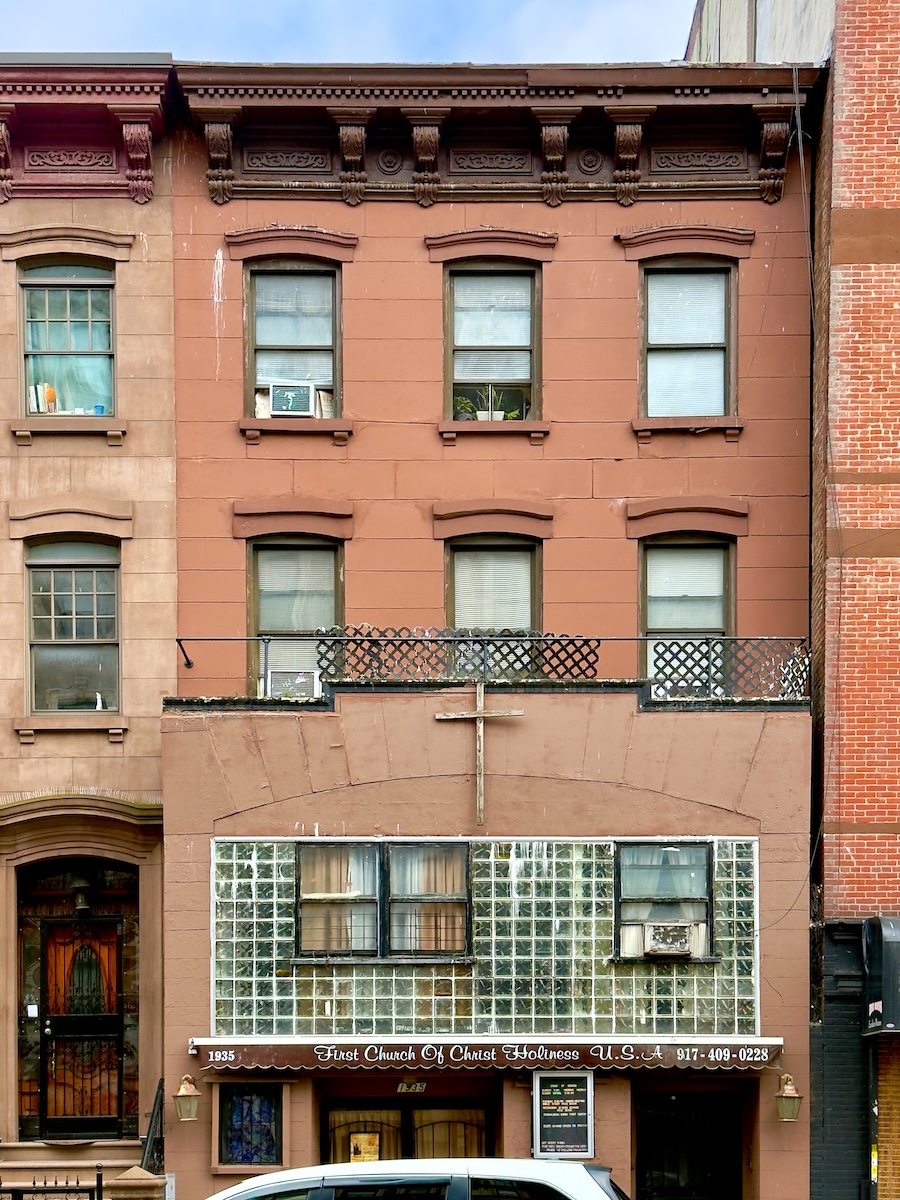
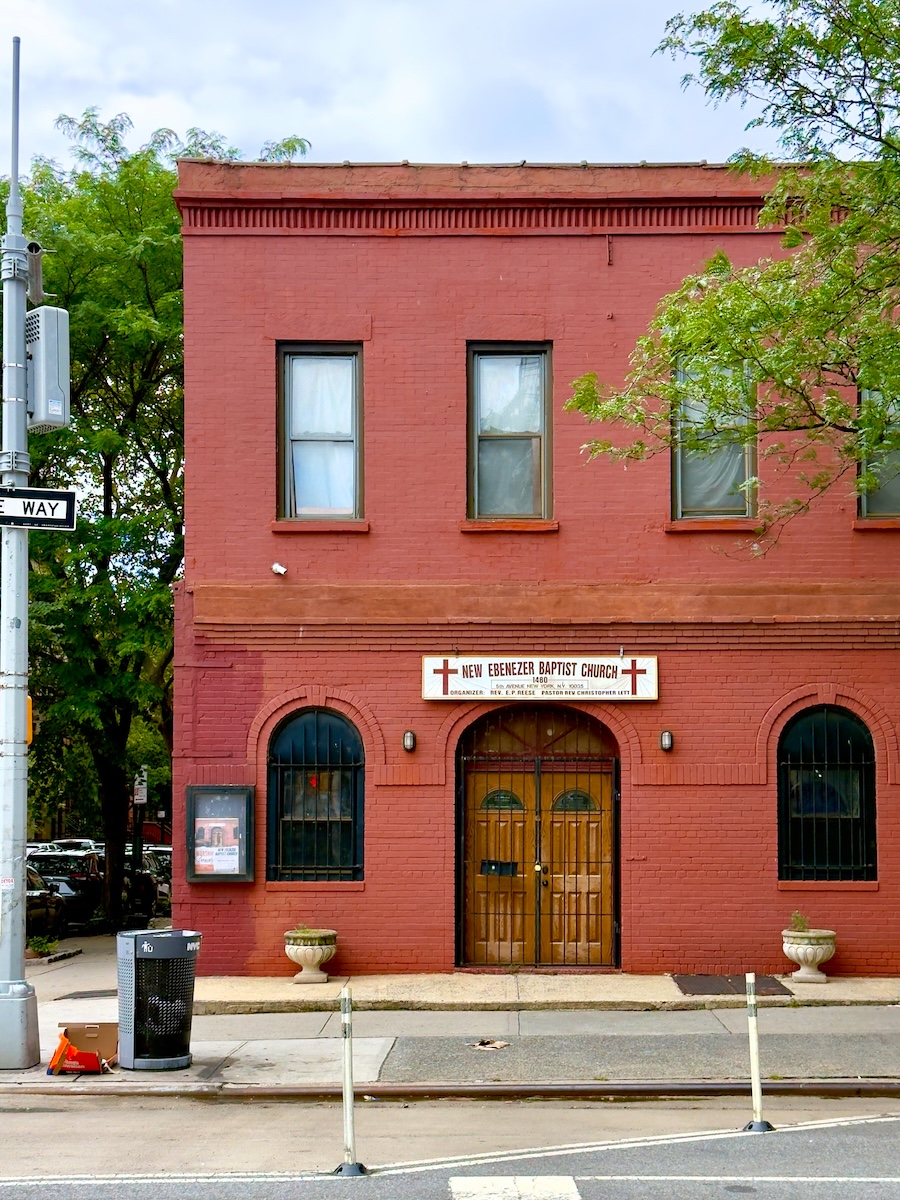
The existing churches in Harlem couldn't accommodate the population surge, and many congregations were overwhelmed by the influx of newcomers. In some of those congregations, Black worshippers found the same barriers and exclusions they faced elsewhere in American society. Either way, many people found themselves looking for spiritual homes that did not yet exist.
So they created them.
New congregations formed rapidly. Some affiliated with established denominations, but others remained independent. A pastor might gather a small group of worshippers in a rented hall, a former storefront, or a room in a private home. If the congregation survived, it grew. If it didn’t, another often took its place.
Suddenly, those churches I'd been finding no longer seemed quite so mysterious. They weren’t random. They were part of a tradition born from one of the largest migrations in American history.
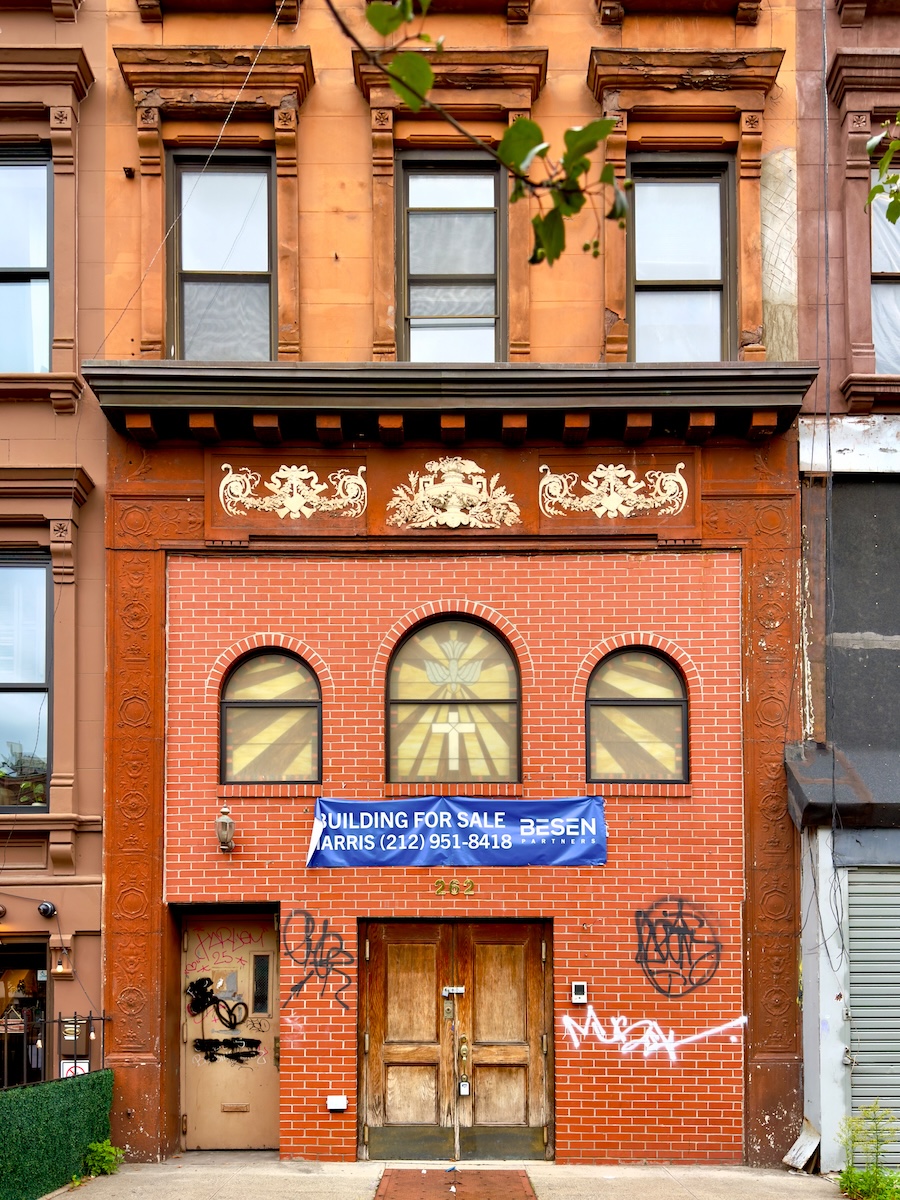
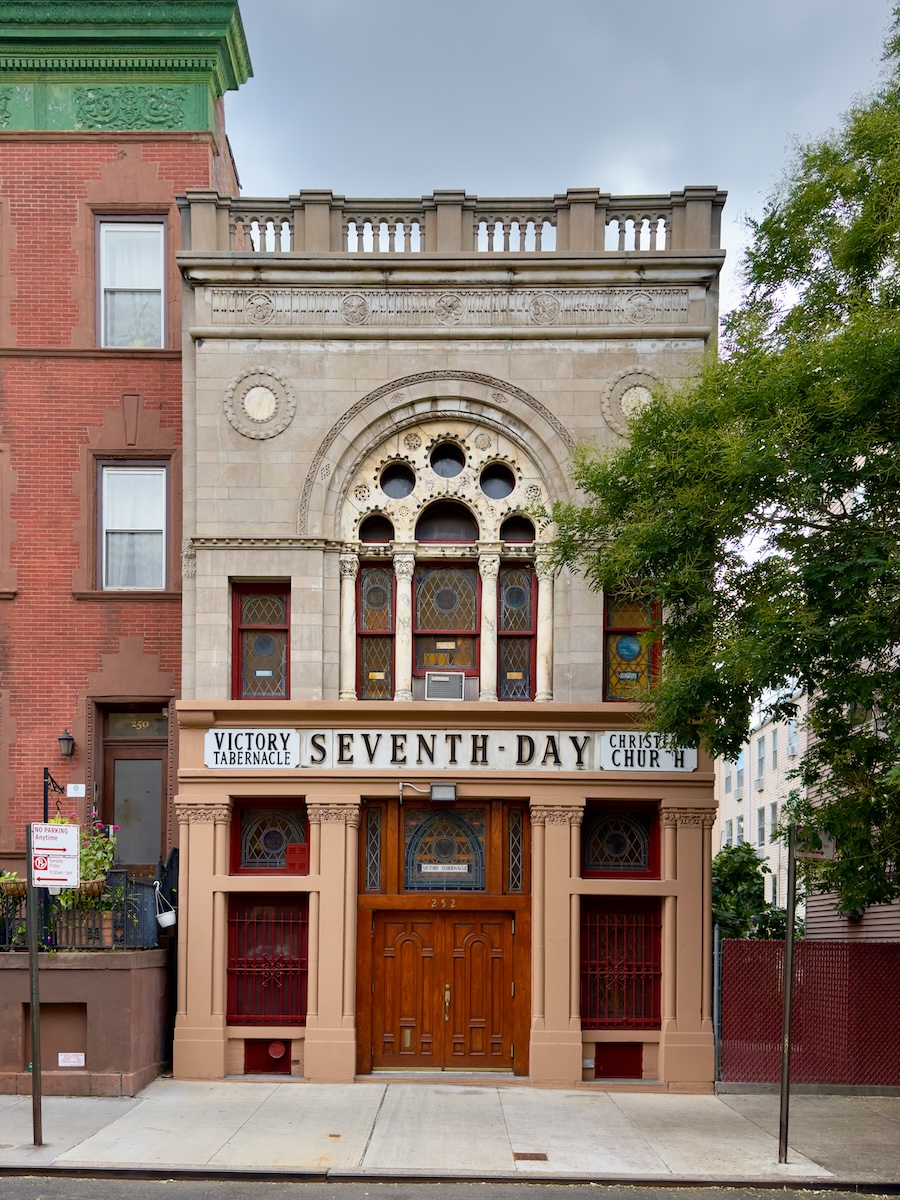
That explains why there are so many churches in Harlem. But I still wondered why so many of them operate out of former shops, apartments, and houses.
When most of us picture a church, we imagine a purpose-built structure. We think of steeples, stained glass, bell towers, and pews. Those things are so closely associated with churches that it’s easy to forget they aren’t requirements. A church doesn’t need stained glass. It needs a congregation.
Many of Harlem’s congregations began small. Building a traditional church wasn’t realistic. Renting an existing space was. And Harlem had no shortage of available spaces. Empty commercial properties, meeting halls, apartments, and houses could all be adapted with surprisingly little effort. A sign went up. A cross appeared in the window. A former business acquired a new purpose.
What I’d initially interpreted as something unusual was simply the most practical solution.
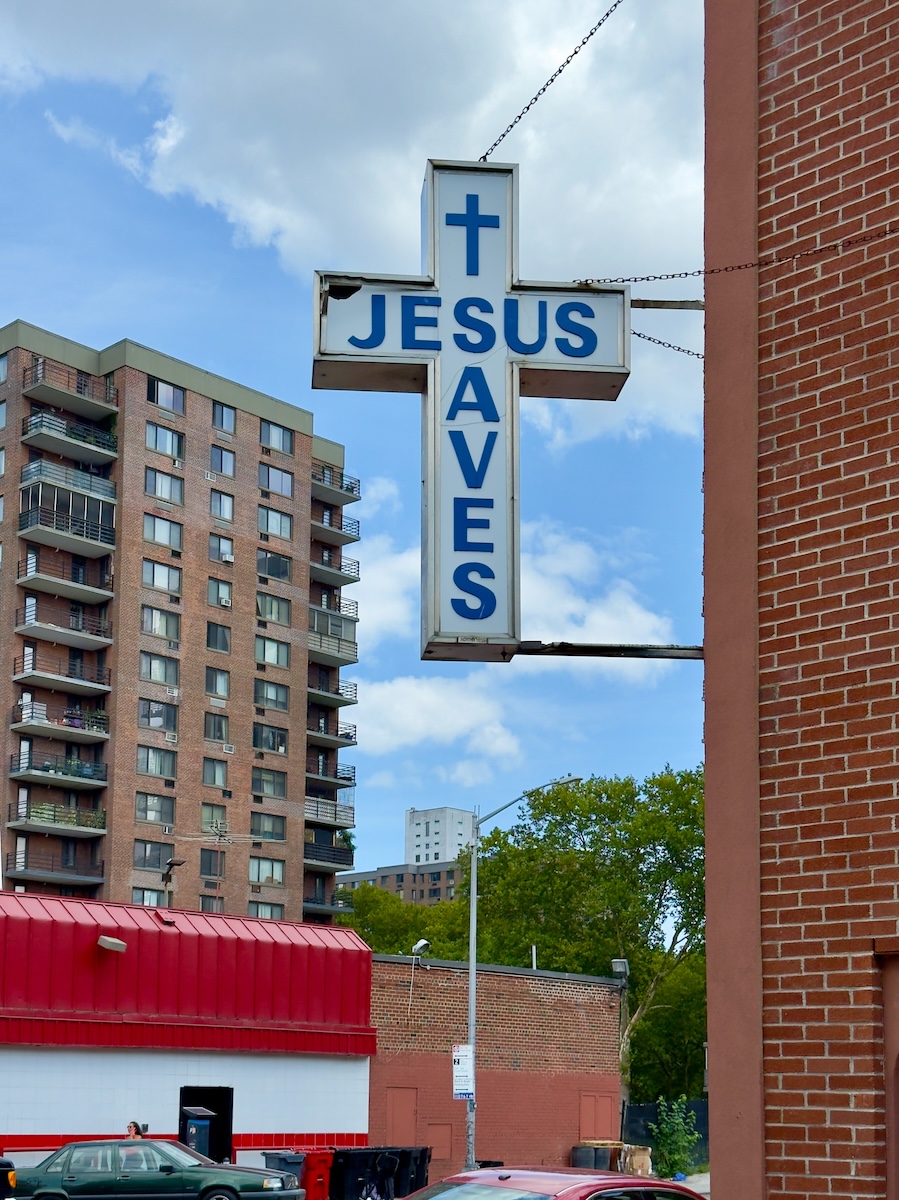
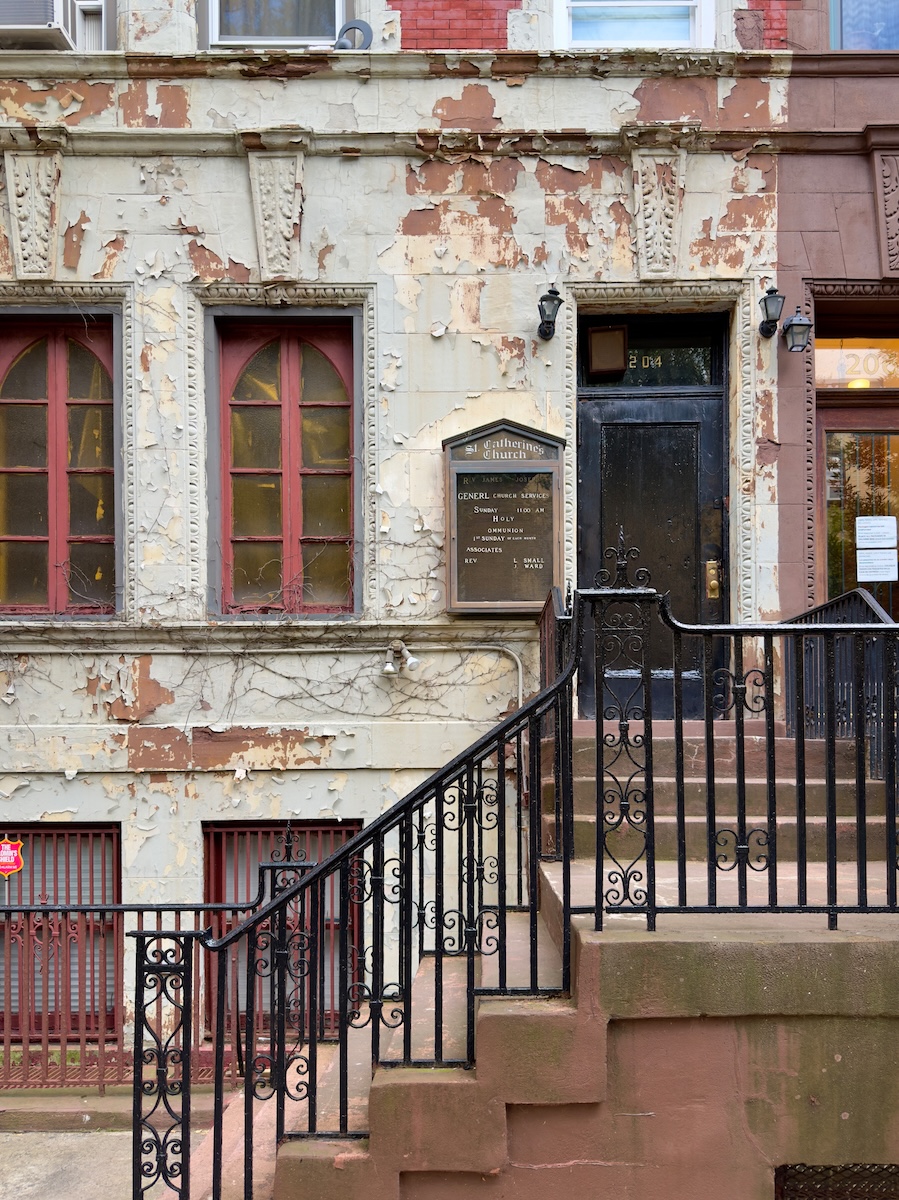
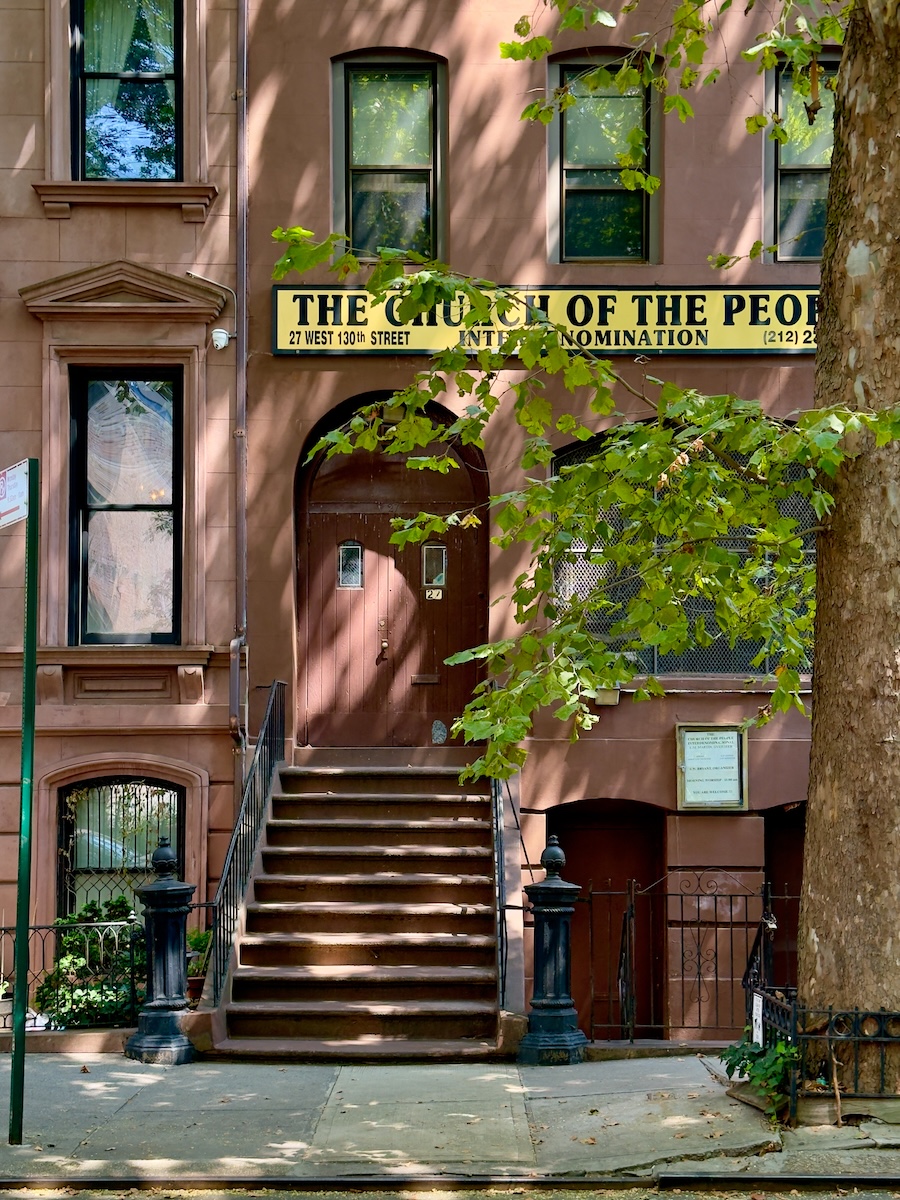
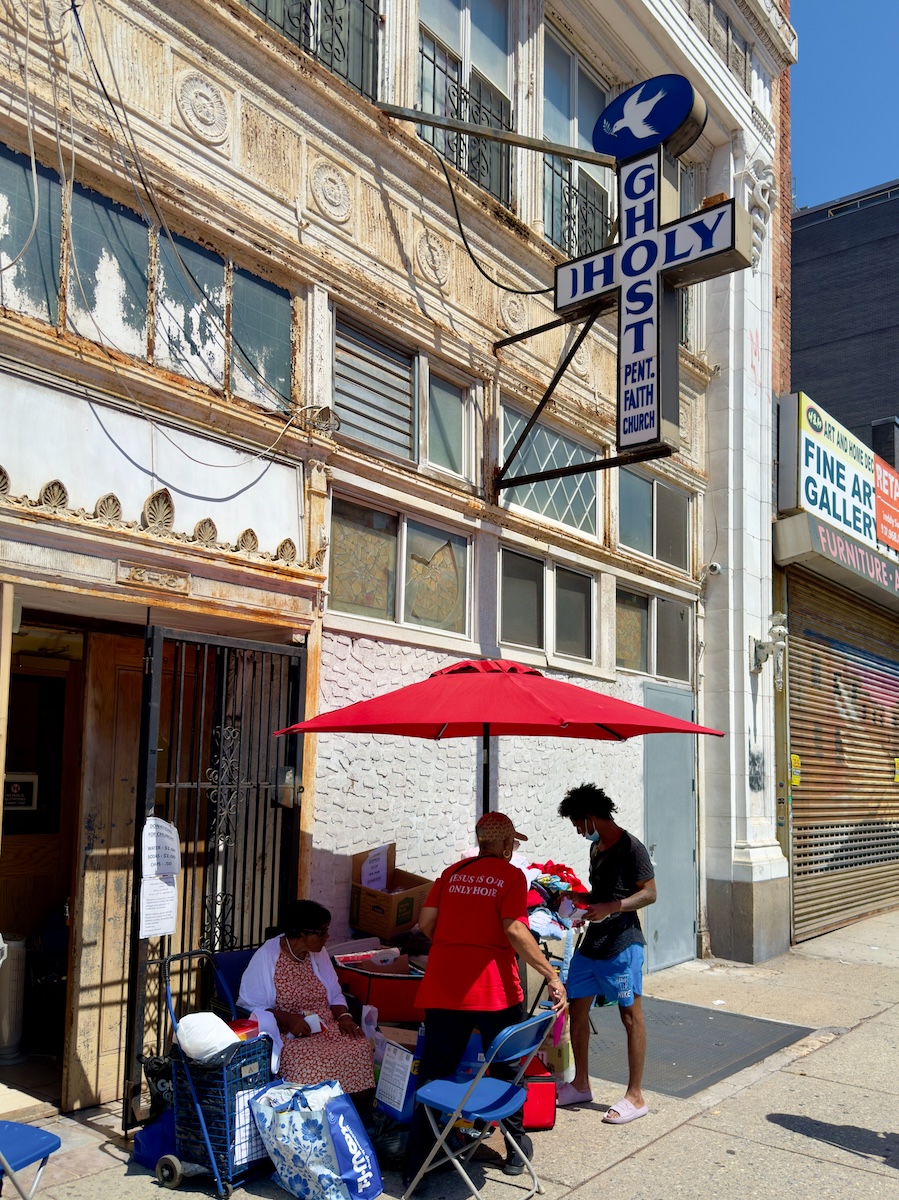
Some congregations eventually grew large enough to move into bigger facilities. Others remained where they started. And some almost certainly disappeared altogether. Walking through Harlem today, it isn’t always easy to tell which ones are thriving, which are merely surviving, and which are little more than fading signs left behind by congregations that have long since died off or moved on.
These churches are visible traces of the forces that shaped and built Harlem itself—migration, faith, discrimination, community, adaptation, and perseverance. These small storefront churches are woven into the very fabric and history of Harlem.
I just didn’t know what I’d been looking at.
Write a comment