

Essays · November 24, 2025
Air travel didn’t become less civil because people stopped saying please—that happened when flying became cramped, costly, and engineered for discomfort. The Golden Age of Travel never really existed. People don’t miss hats and suits. They miss feeling like the experience was meant for them.

Postcards · September 30, 2025
I visited Oaks Amusement Park during the off-season, when the rides stood silent and the midway belonged to fallen leaves instead of screaming children. That unexpected quiet revealed one of Portland’s most beloved landmarks—a trolley park that has survived floods, changing tastes, and more than a century of determined local affection.
Postcards · August 28, 2025
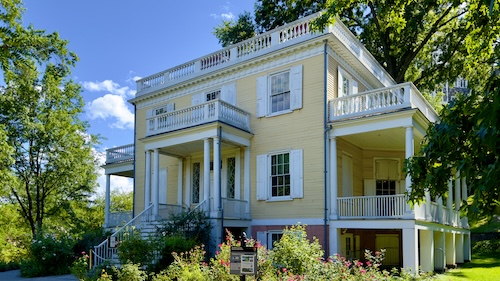
Alexander Hamilton built the Grange as a country retreat for his family, and then promptly died two years later. Today, the pleasant yellow house reveals a different side of the Founding Father—and the remarkable story of Eliza Hamilton and a home that somehow survived Manhattan itself.
Postcards · August 27, 2025
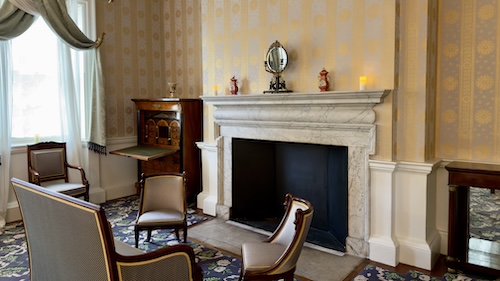
On a hill above Harlem, the Morris-Jumel Mansion has survived wars, lawsuits, and 260 years of New York history. Built by Loyalists and briefly occupied by George Washington, it ultimately became the stage for the extraordinary life of Eliza Jumel, one of Manhattan’s most fascinating residents.
Essays · August 24, 2025
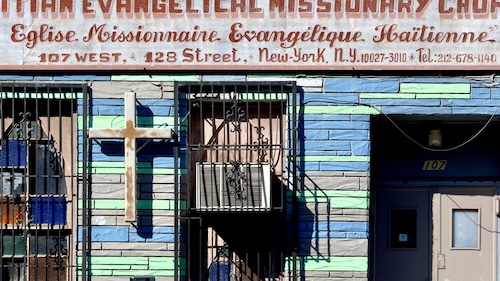
During a month in Harlem, I became fascinated by the neighborhood’s storefront churches. Some occupied former shops, others appeared to meet in homes, and many belonged to congregations I’d never heard of. What began as a photo safari led to a deeper story about migration, community, and the making of Harlem.
Postcards · August 14, 2025
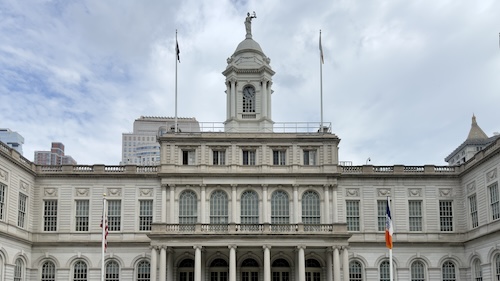
A visit to New York City Hall reveals a building that presents a carefully arranged version of the city’s history—confident, polished, and occasionally a bit convenient. Look a little closer, and the details start to shift, revealing something more layered beneath the surface.
Postcards · August 05, 2025
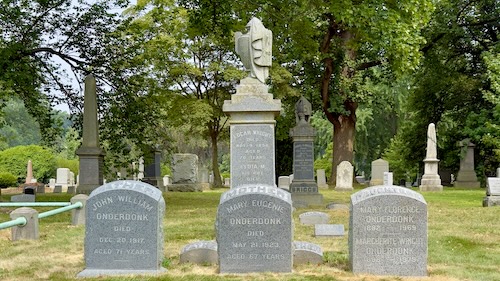
An overheard comment led to a walk through Green-Wood Cemetery with a local guide in Brooklyn. A quiet morning among tombstones turned into a crash course in Victorian tourism, Revolutionary War history, Central Park’s origins—and why one of New York’s oldest cemeteries still feels alive.
Postcards · July 31, 2025
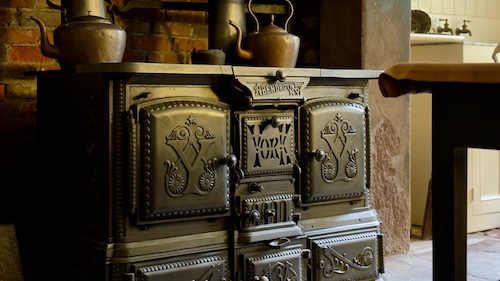
The Merchant’s House Museum in Manhattan preserves something rare in New York: an entire 19th-century family home still filled with its original furnishings. Walking through its parlors, kitchen, and bedrooms reveals how the Tredwell family lived for nearly a century while the city outside transformed around them.
Postcards · July 27, 2025
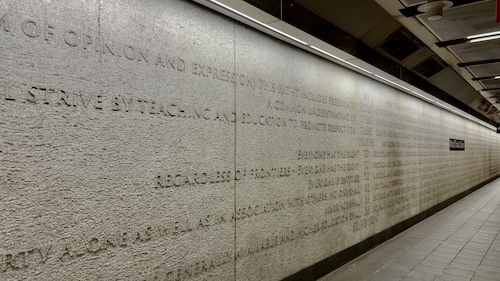
A visit to the 9/11 Memorial and Museum reveals the foundations of the World Trade Center buried 70 feet beneath Manhattan. Twisted steel, a surviving slurry wall, and two vast reflecting pools mark the absence of the Twin Towers in one of the most quietly powerful memorials in the United States.
Essays · March 25, 2025
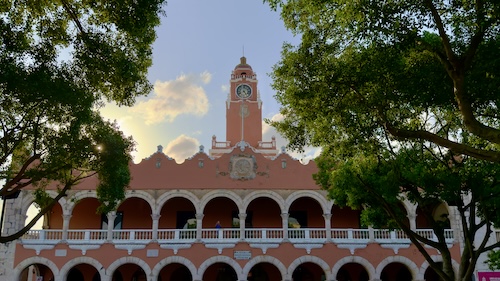
There are three faces to Mérida— one carved in stone, one kept in memory, and one still playing out in the streets. And all three versions layer neatly on top of each other…