
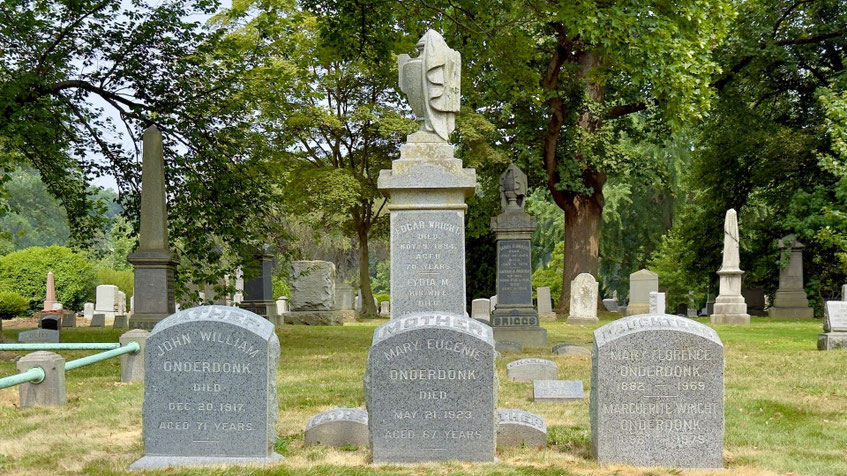
Is it weird to talk about cemeteries at weddings? Because I sometimes do.
In fact, at my niece Rosemary’s wedding in Brooklyn, somewhere between the ceremony and the cake, I mentioned—maybe a little too enthusiastically—that I’ve always liked traipsing around old cemeteries. Rick rolled his eyes again, but Rebecca, one of Rosemary’s friends, overheard and lit up immediately. She lives nearby, she said, and had I ever been to Green-Wood Cemetery?
I hadn’t, but it was near the top of my Things to Do in New York City list. She offered to walk me through it, and I accepted before she’d even finished the sentence.
Maybe a week later, I met Rebecca at a Brooklyn coffee shop before heading toward the Vine Avenue entrance of Green-Wood Cemetery. Rick skipped this one. Wandering through old cemeteries has never been his idea of a relaxing morning.
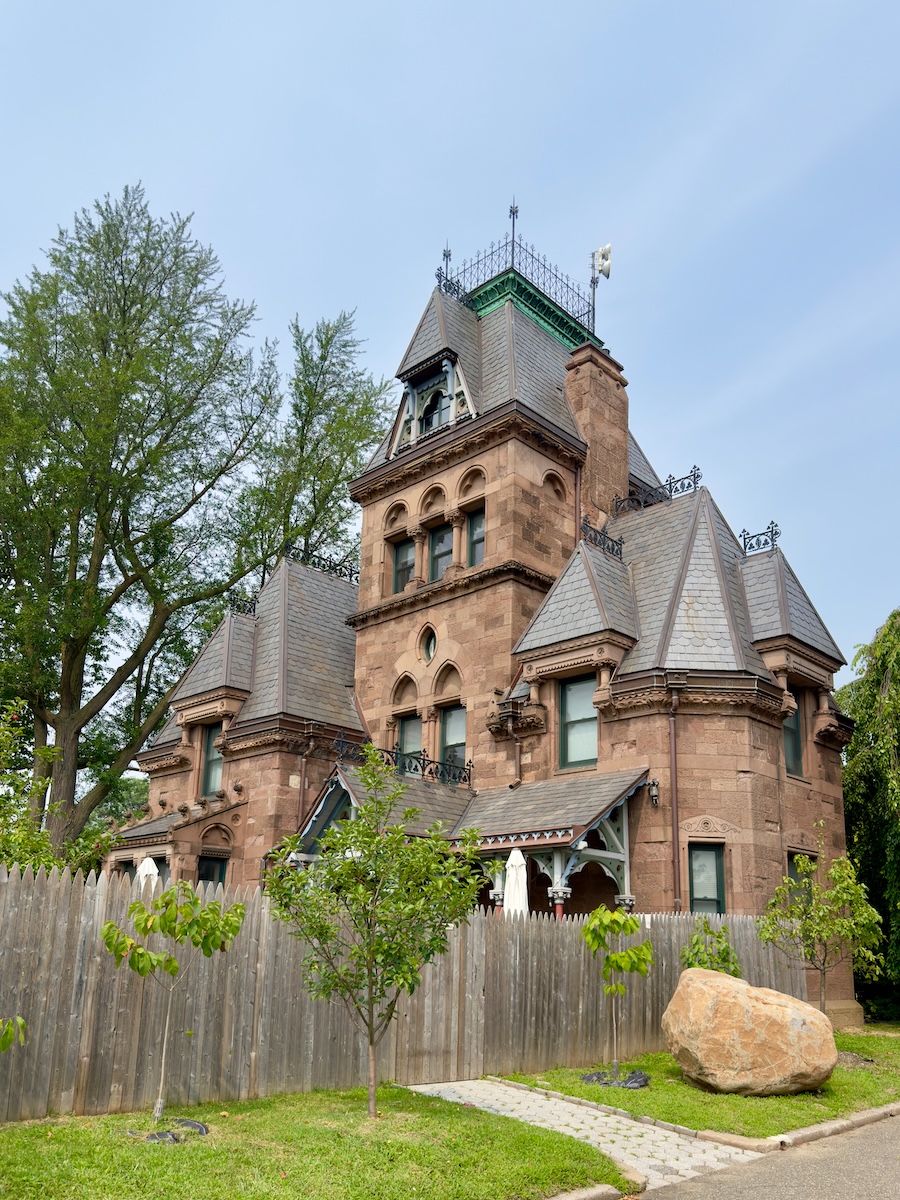
The “back entrance” sits quietly along Fort Hamilton Parkway, announced not by a monumental gate but by a magnificently over-the-top Victorian house that looks like it belongs to a displaced European aristocrat. It turns out to be the cemetery’s old greenhouse keeper’s residence, built in the 1870s when Green-Wood maintained extensive greenhouses for the flowers planted across the grounds. Its grandiosity immediately suggests this place was designed with far more ambition than your average Eternal Storage Facility.
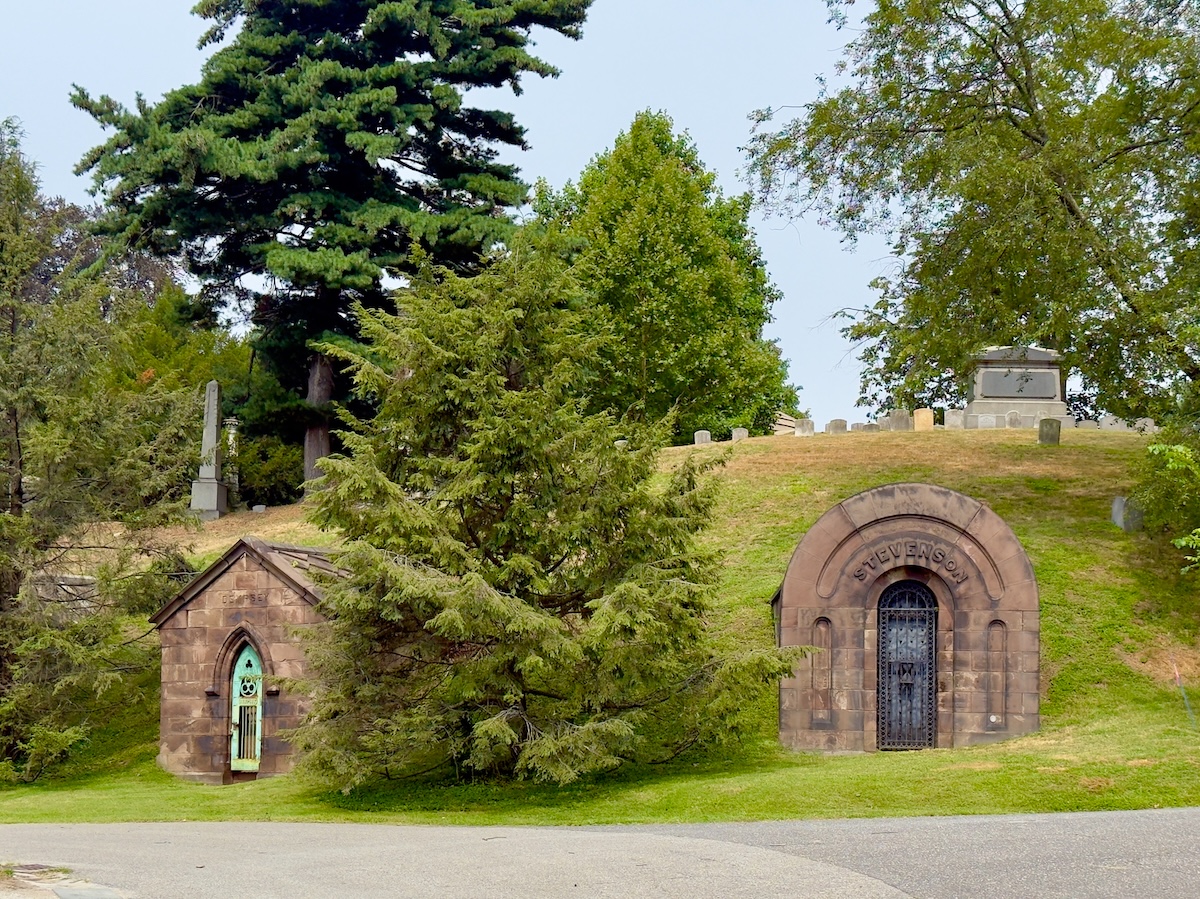
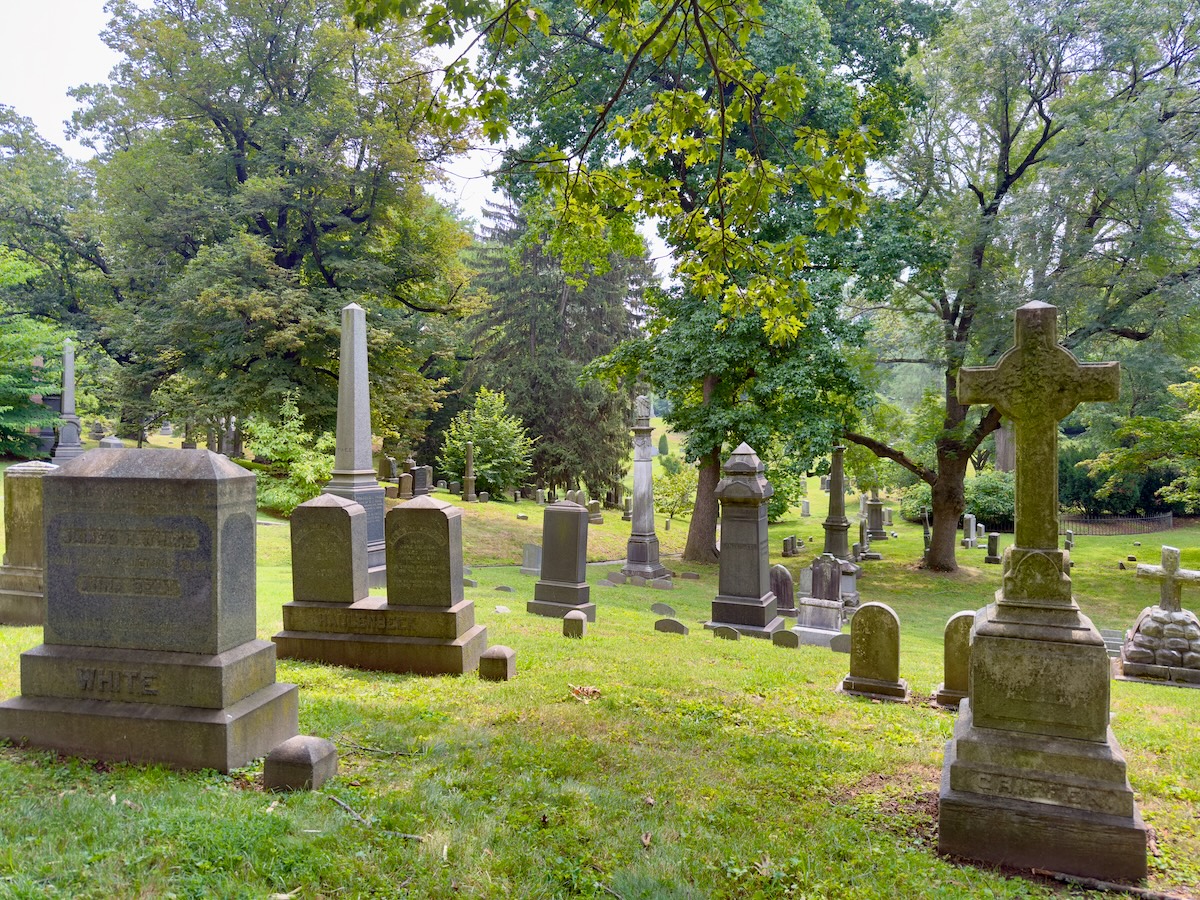
Just past the Greenhouse Keeper’s House, the place opens up quickly and unexpectedly. The roads curve away into trees and hills, ponds appear around corners, and the whole landscape feels less like a burial ground than a carefully composed park.
That impression isn’t accidental. When Green-Wood opened in 1838, it was part of a new idea sweeping the United States known as the “rural cemetery movement,” which sounds odd until you remember that Brooklyn in the 1830s was really just a bunch of farms.
At that time, urban churchyards had become crowded and unpleasant, so reformers began promoting landscaped cemeteries outside city centers—places where burial grounds could double as open green space. Green-Wood’s designers leaned hard into the concept, shaping 478 acres of glacier-carved hills into a rolling landscape of winding paths, lakes, and scenic viewpoints.
In other words, they built a park and then added the tombstones.
New Yorkers embraced the idea immediately, and not just as a place to bury their beloved relatives. In the mid-19th century, Green-Wood was one of the most visited tourist attractions in the United States. It drew more visitors than almost anywhere else in the country except Niagara Falls. Ferries carried curious Manhattanites across the East River. Entire families came in horse-drawn carriages with picnic baskets and guidebooks to spend the afternoon wandering the grounds. They treated the roads through Green-Wood like we do scenic drives through national parks—rolling slowly past monuments and viewpoints while admiring the landscape, but with top hats and fur stoles. Victorians always were a little goth.
Rebecca and I followed those same roads on foot, though without the carriage and with considerably less Victorian solemnity. The terrain is surprisingly dramatic for New York City. The last Ice Age left behind a series of dramatic hills here, and Green-Wood takes full advantage of them. Every so often, the trees open up to reveal ponds reflecting the sky or long views across the harbor toward Manhattan.
At one point, we climbed to Battle Hill, the cemetery's highest point and one of the most historically layered spots in Brooklyn. During the Revolutionary War, this ridge formed part of the American defensive line during the Battle of Brooklyn in 1776. Today, the hill is topped by a statue of Minerva, the Roman goddess of wisdom, who raises her arm in what looks like a wave across the harbor to the Statue of Liberty.
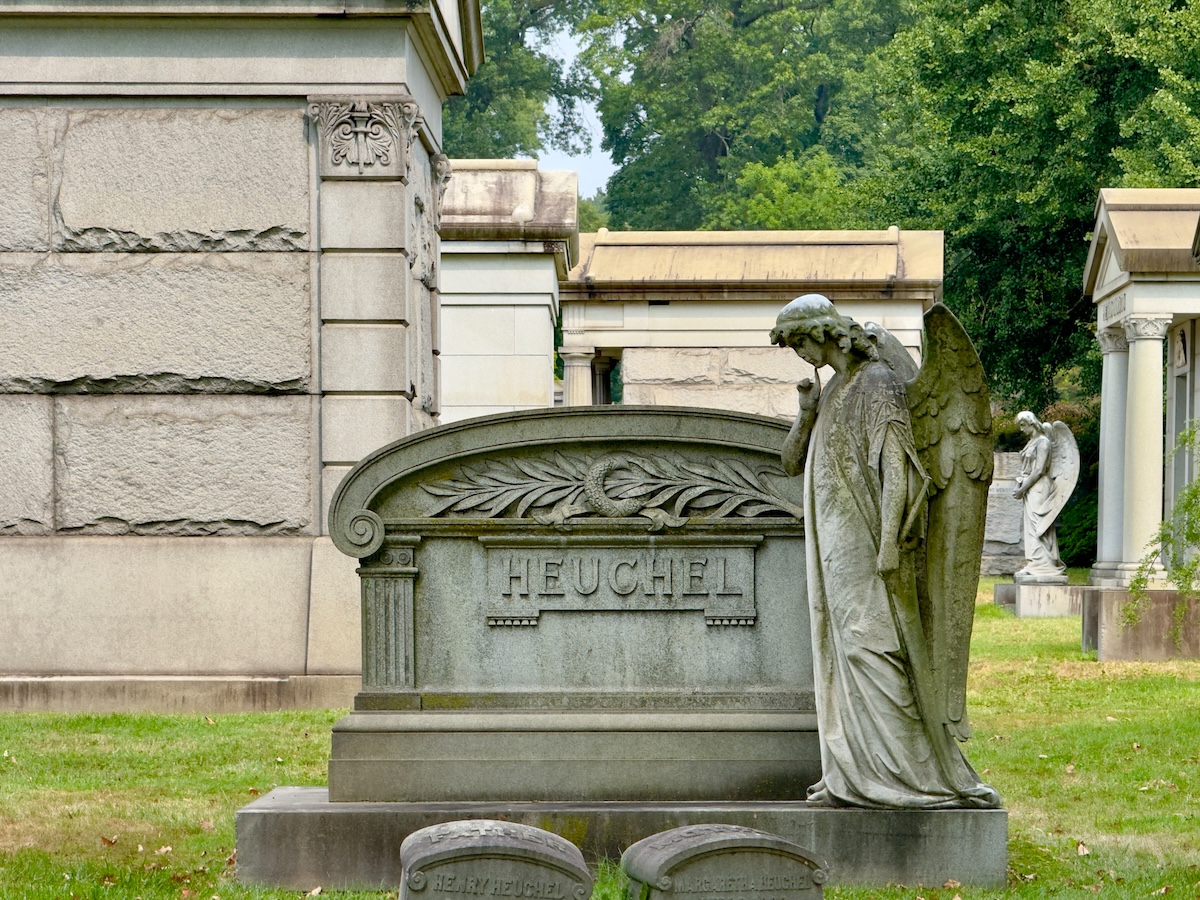
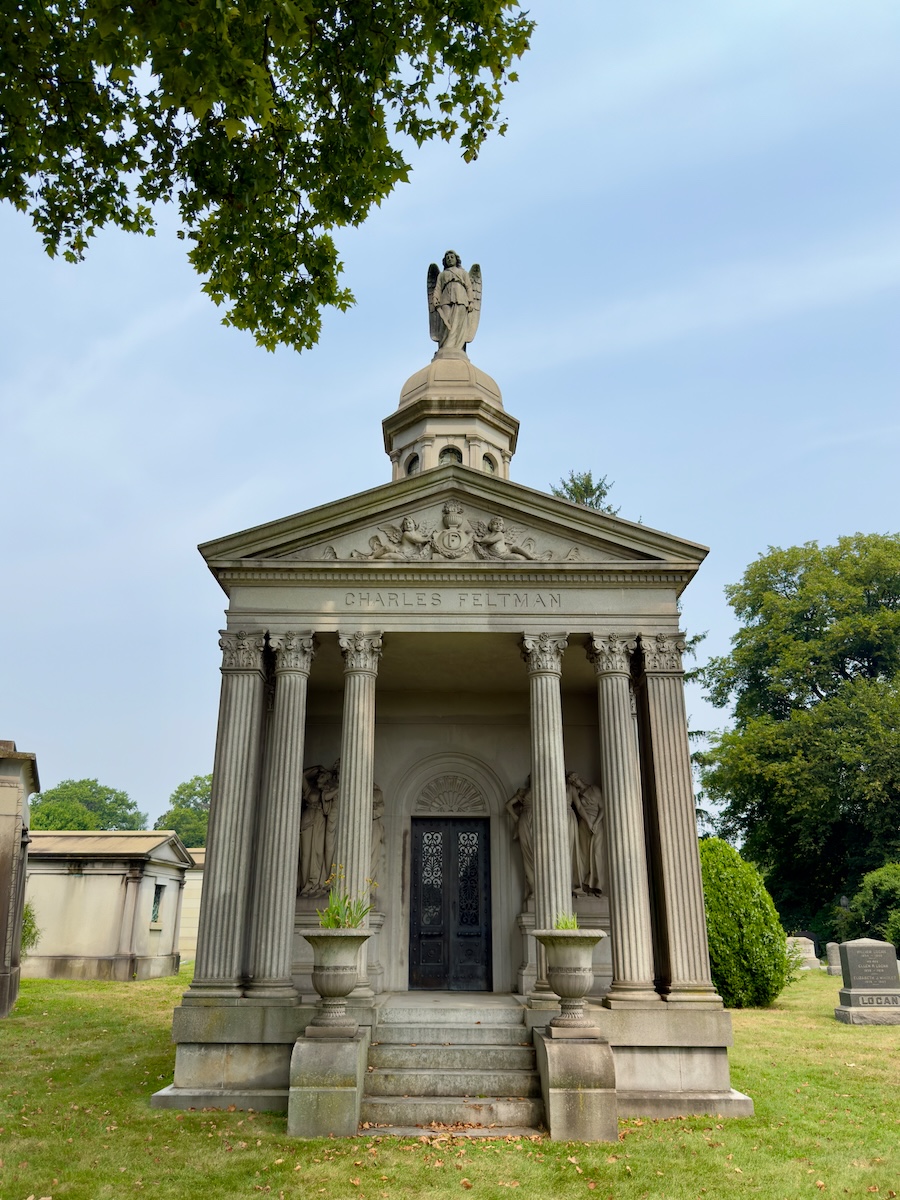
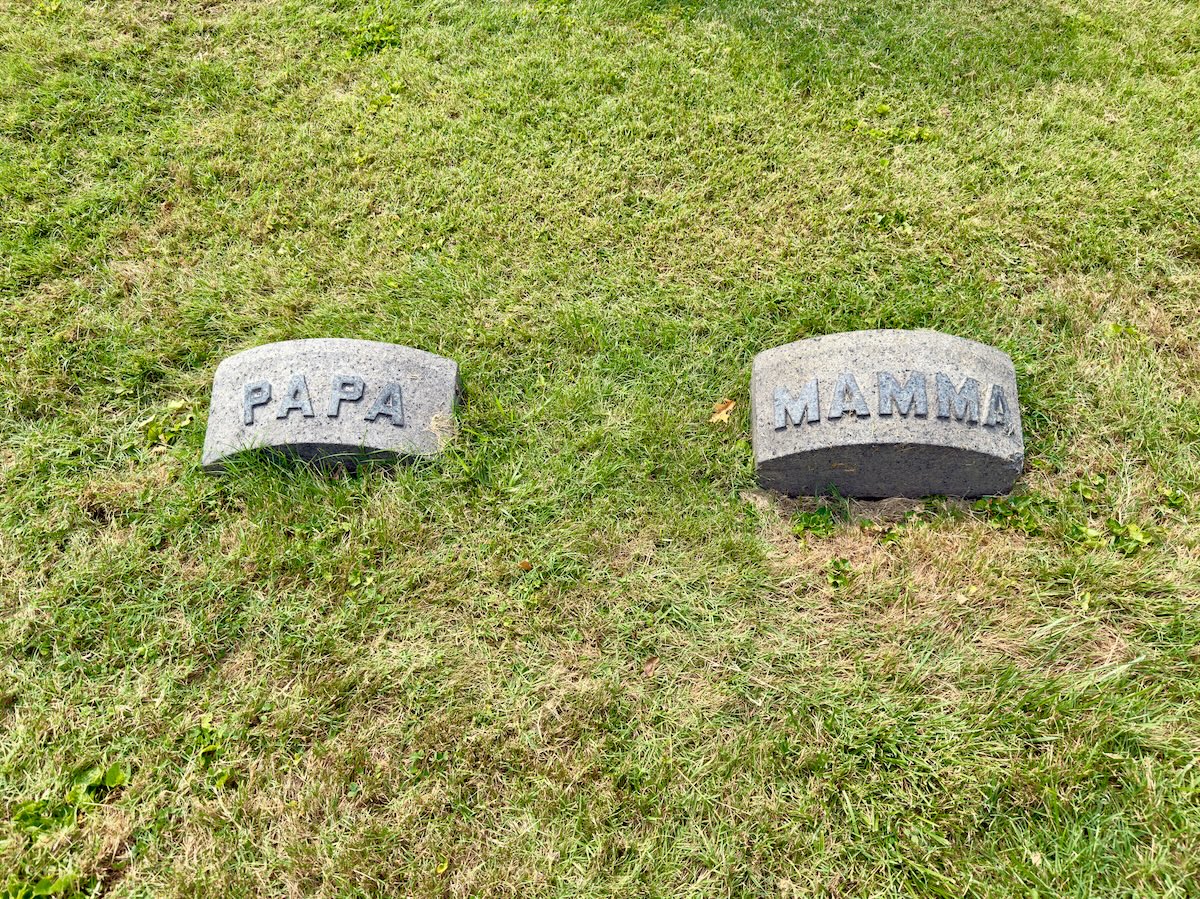
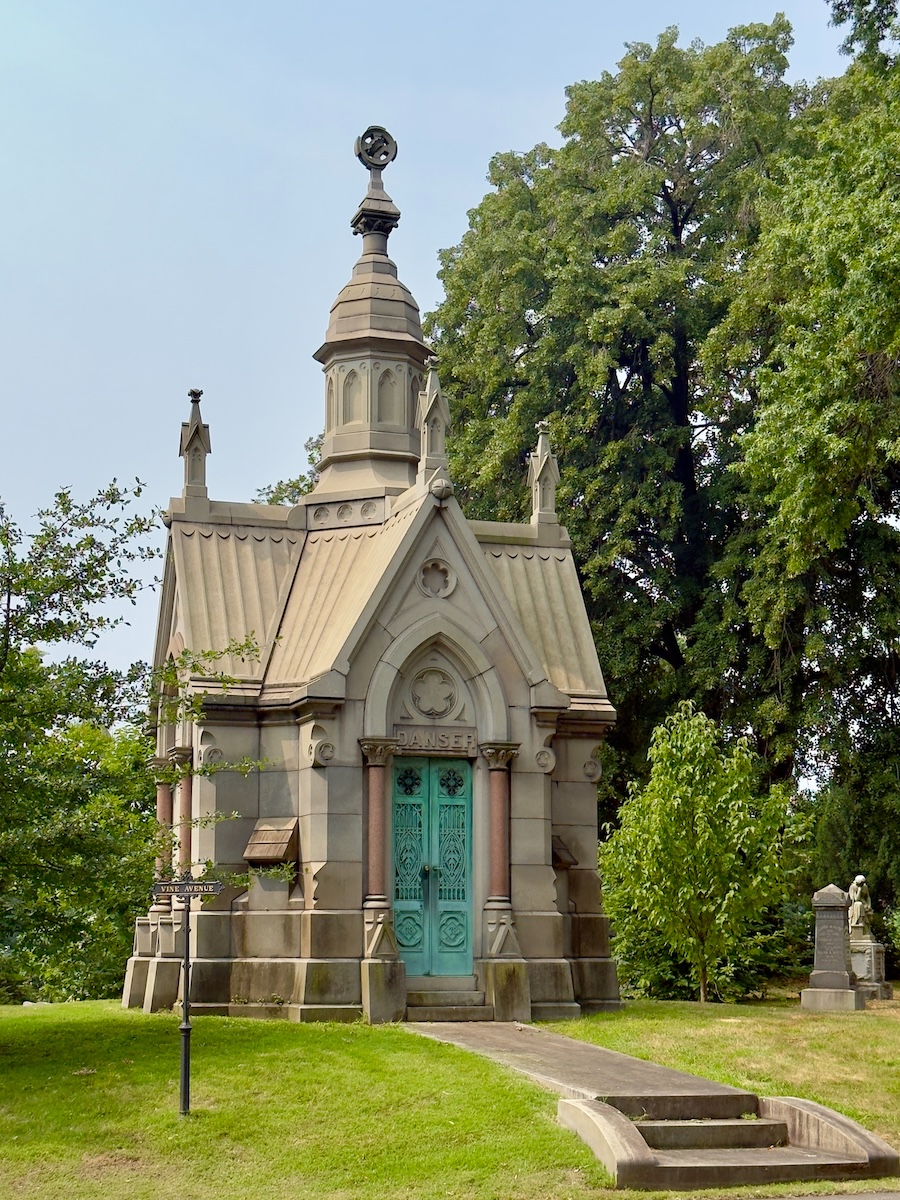
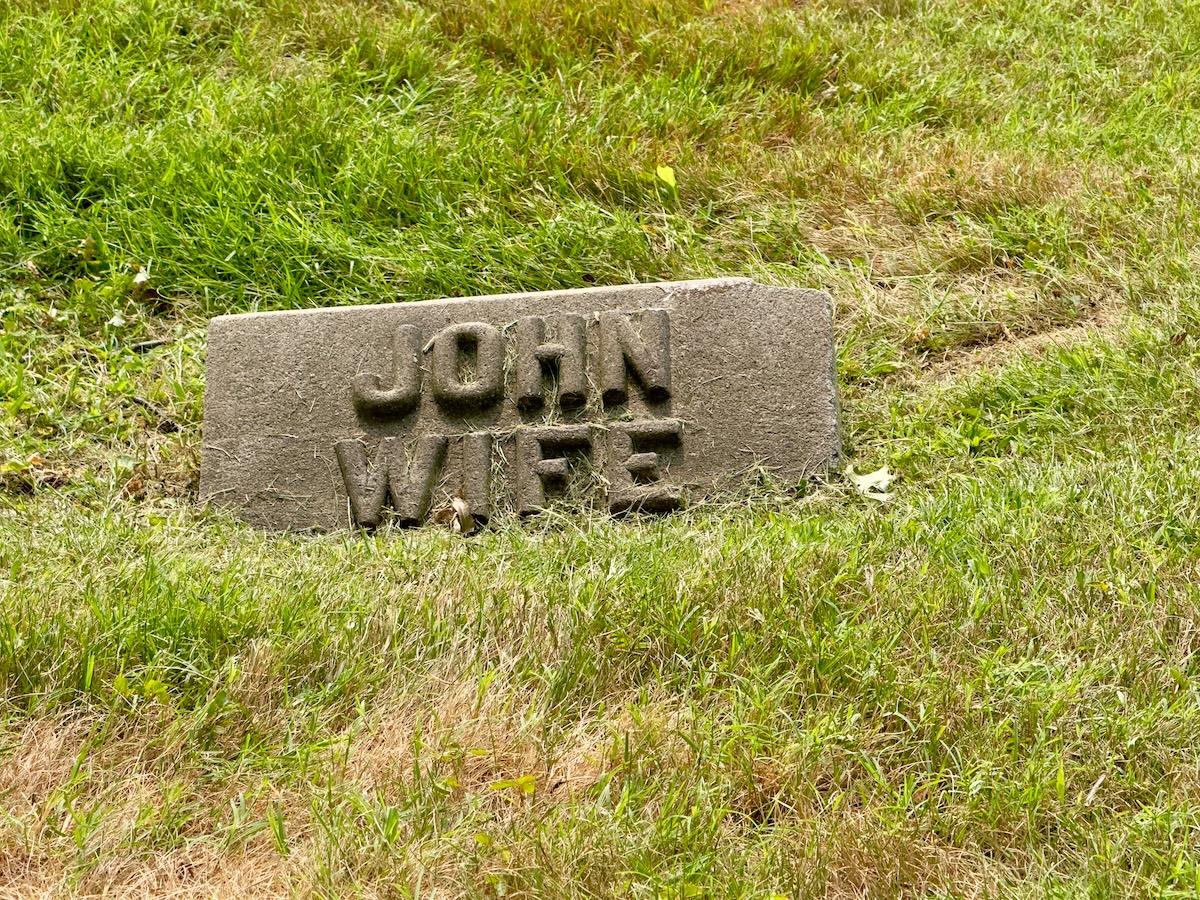
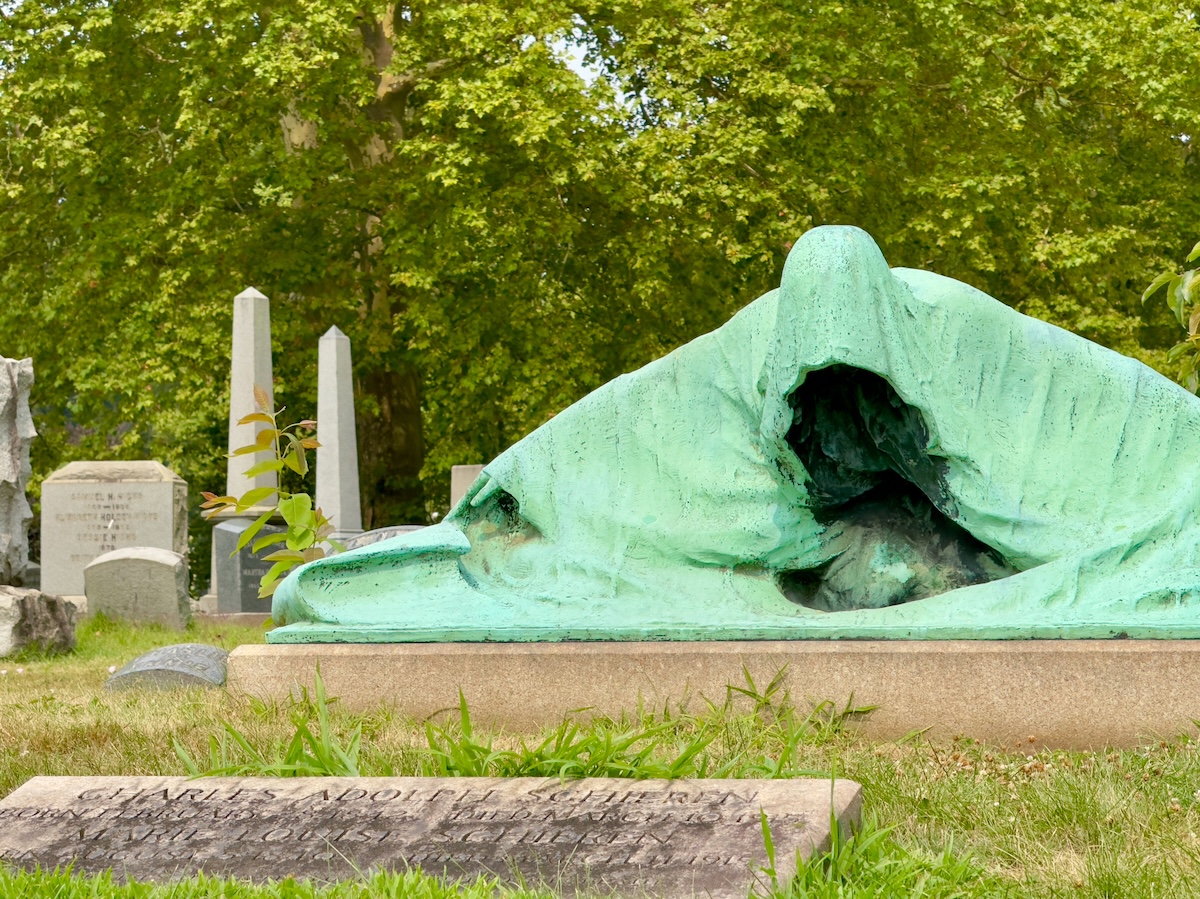
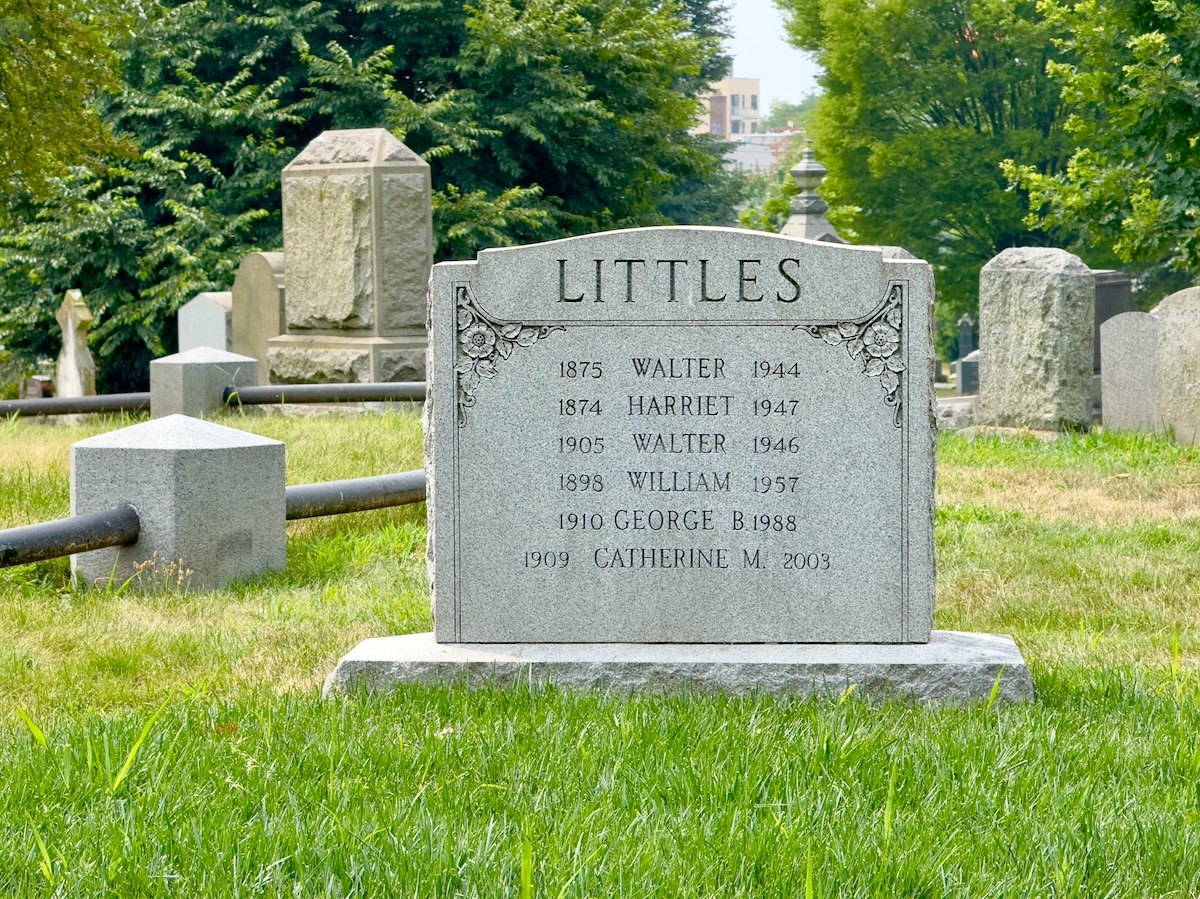
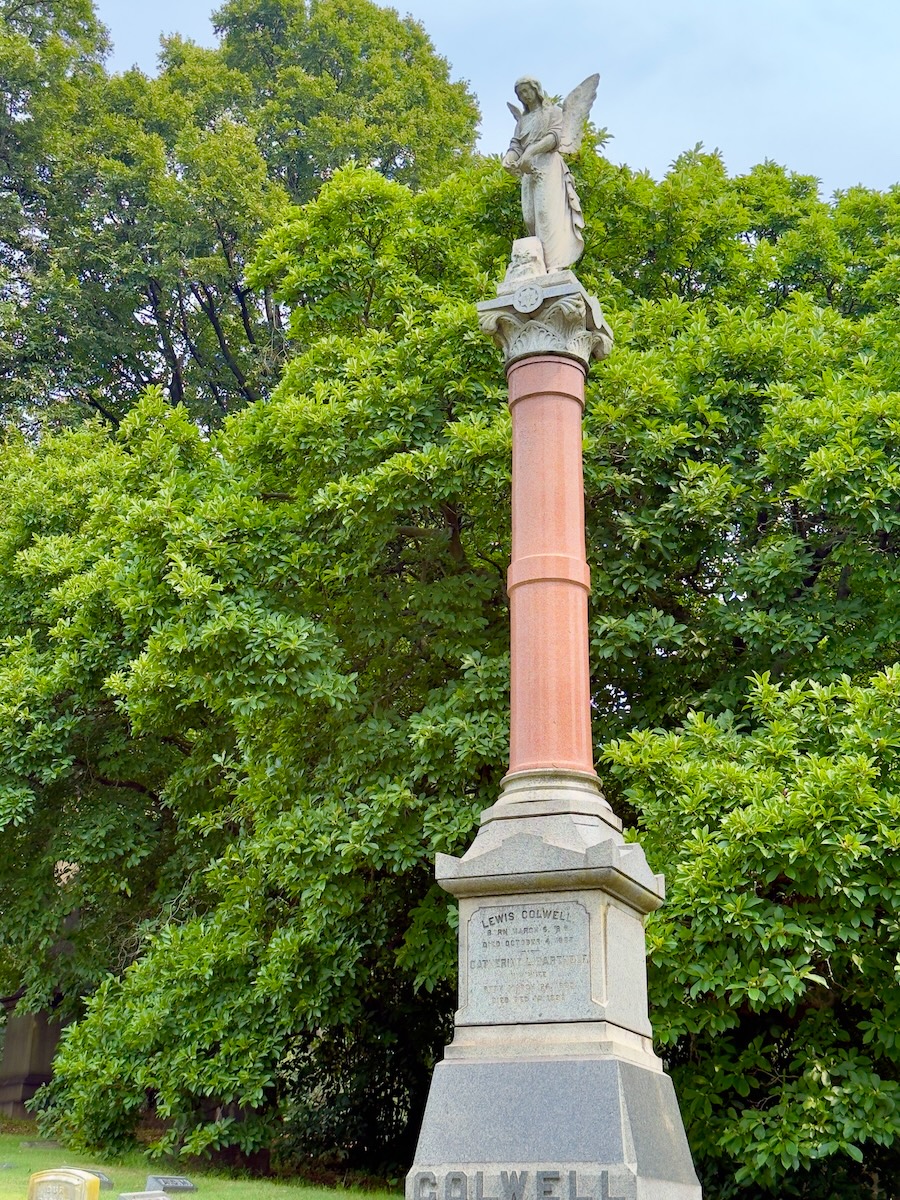
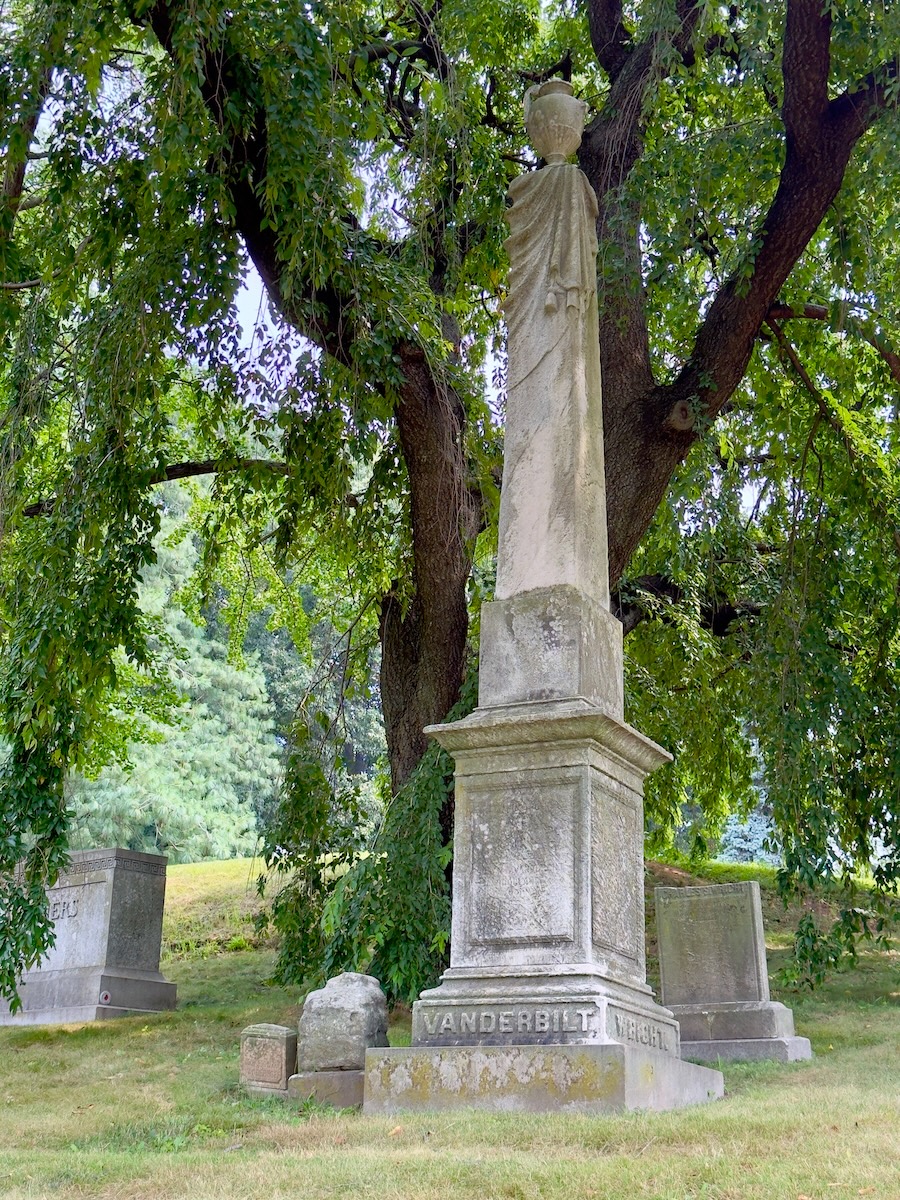
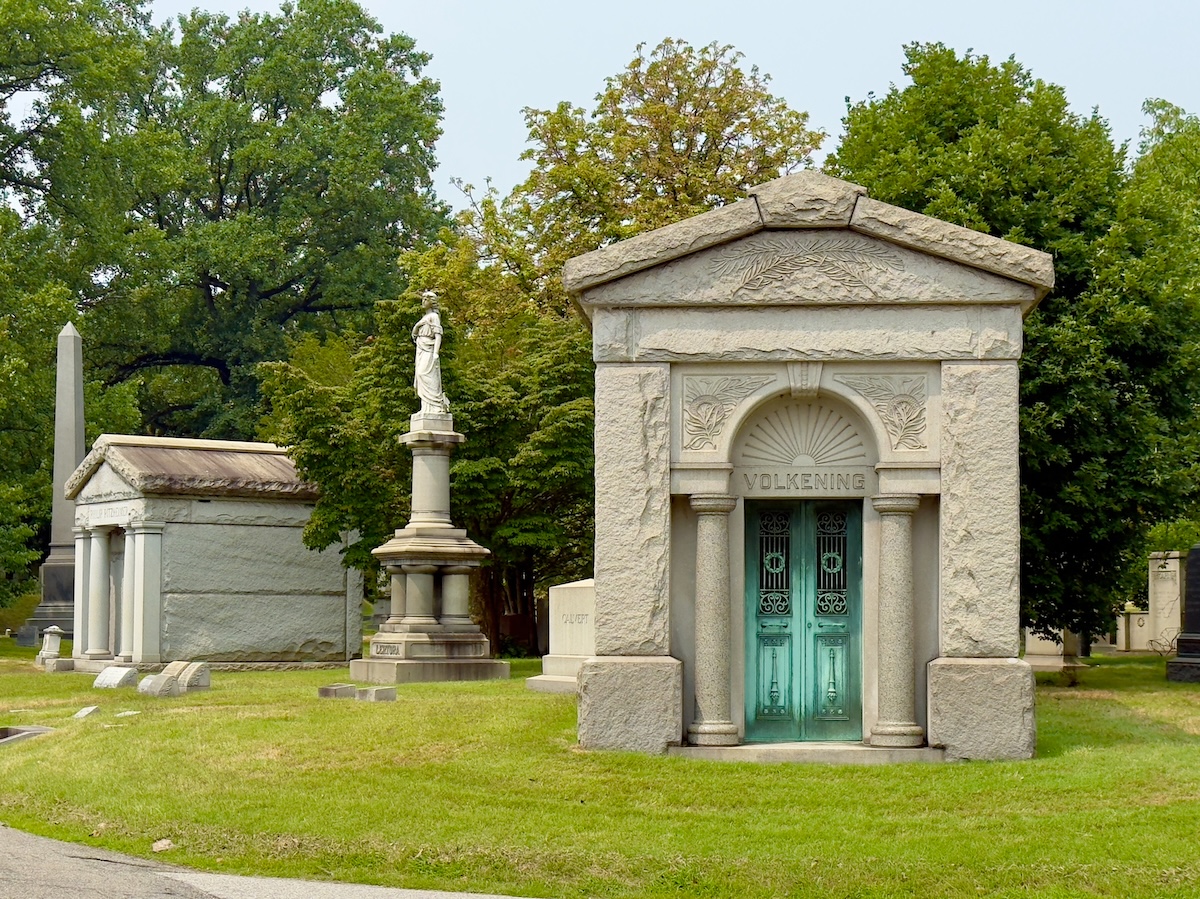
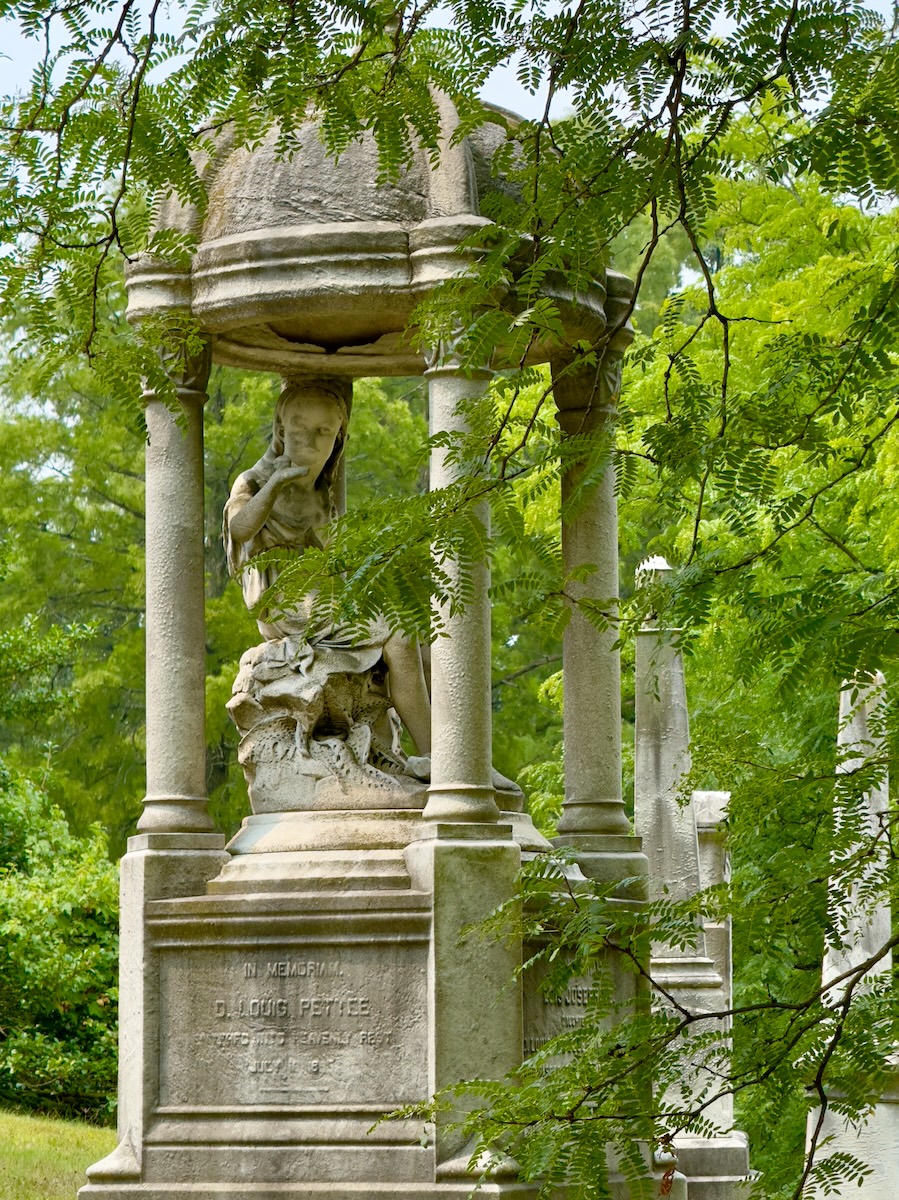
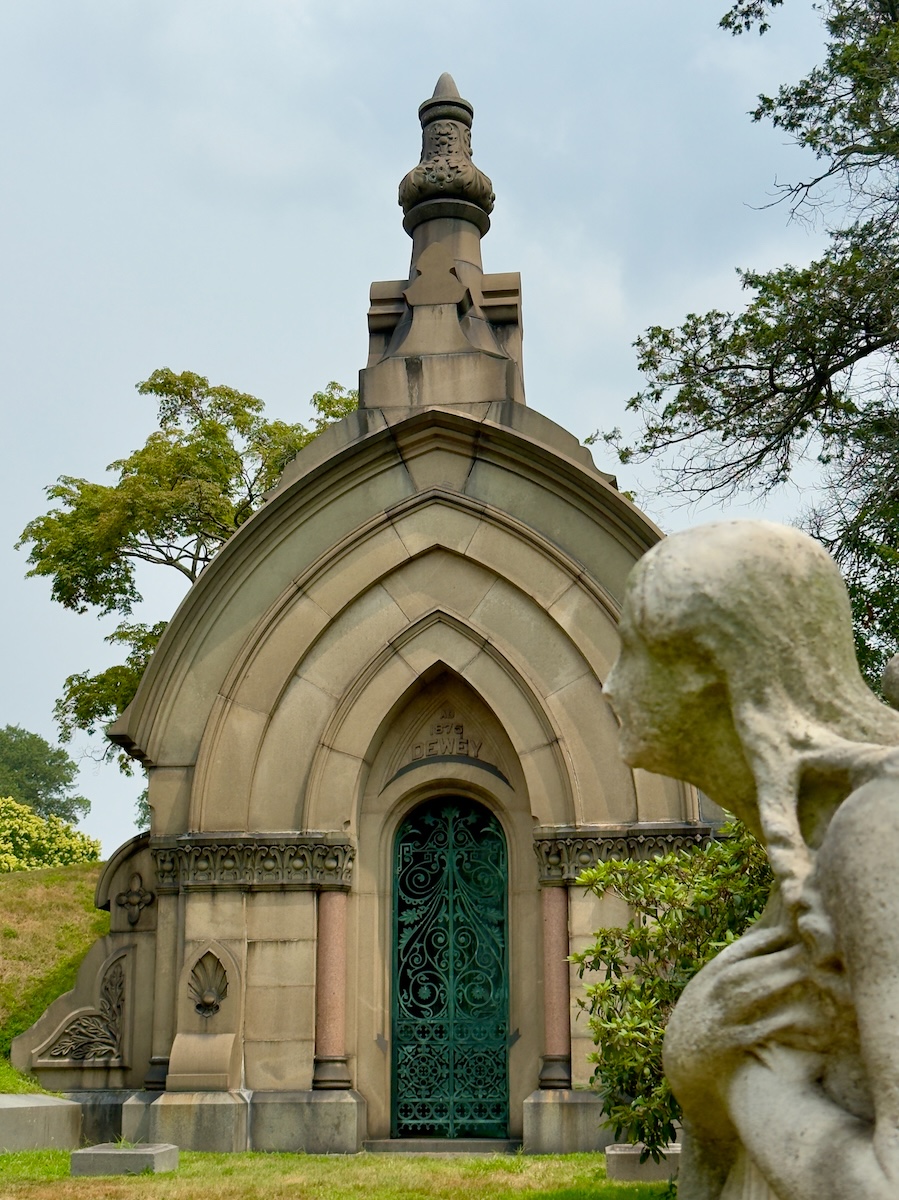
As we wandered, Rebecca pointed out favorite corners of the cemetery and shared stories she’d picked up over the years. Green-Wood contains the graves of an astonishing number of notable figures—Leonard Bernstein, Samuel Morse, Jean-Michel Basquiat—but we didn’t spend time hunting them down. The walk itself was more interesting than checking names off a list. The paths twist through the hills, the monuments range from modest stones to elaborate mausoleums, and the ponds attract birds in numbers that make the place feel more like a nature preserve than a burial ground.
That landscape was always key to the cemetery’s purpose. Advocates of the rural cemetery movement argued that access to greenery and fresh air improved public health, an idea that now sounds suspiciously like modern urban planning. For decades, this was effectively Brooklyn’s largest public park—only with more weeping marble angels.
In fact, places like Green-Wood helped invent large urban parks in the first place. By the time Frederick Law Olmsted and Calvert Vaux began designing Central Park in the 1850s, rural cemeteries like Green-Wood had already demonstrated something important—city residents would happily travel surprisingly far just to wander through trees, winding paths, and good views.
Green-Wood still hosts public events—concerts, outdoor films, history tours—which means the place continues to function just as its founders intended. People come to learn a little history, enjoy the scenery, and spend time outdoors in a city that doesn’t always make that easy.
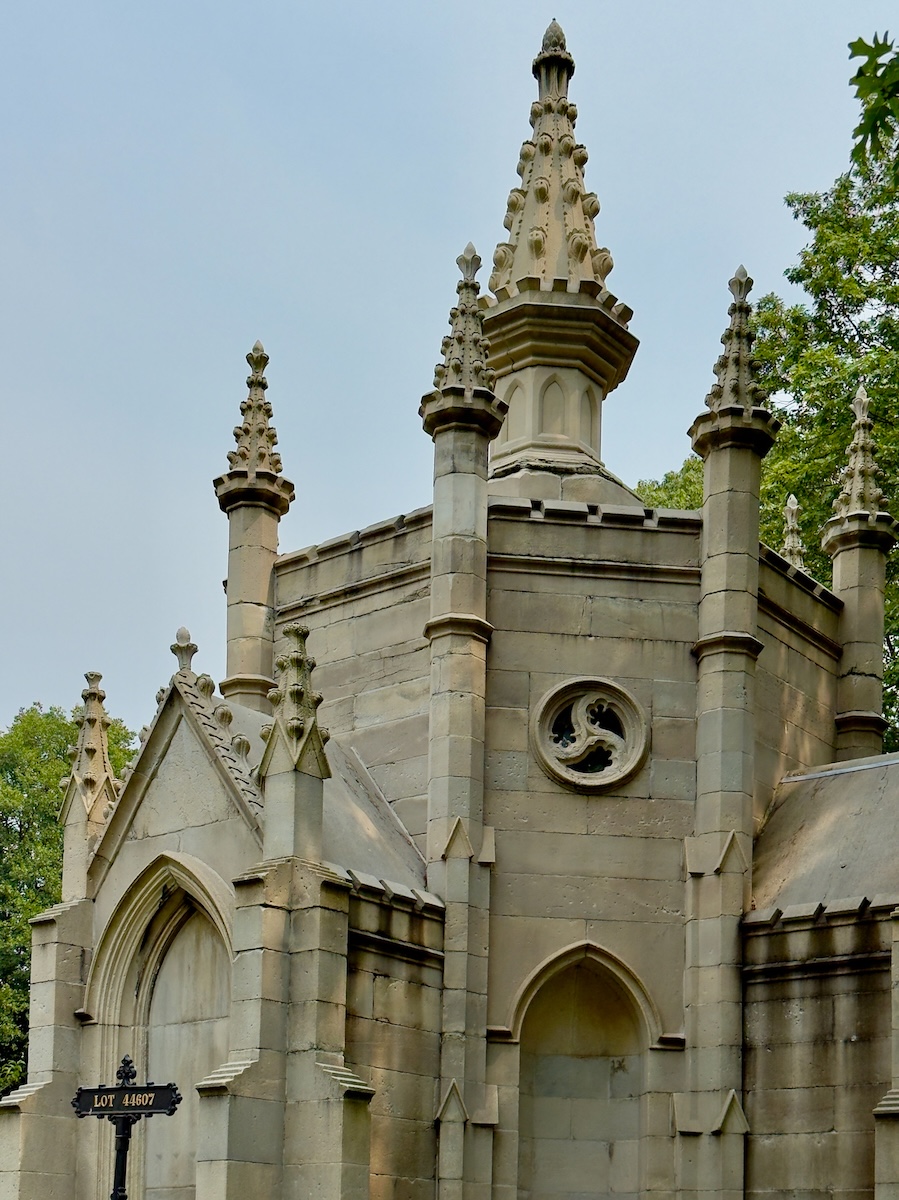
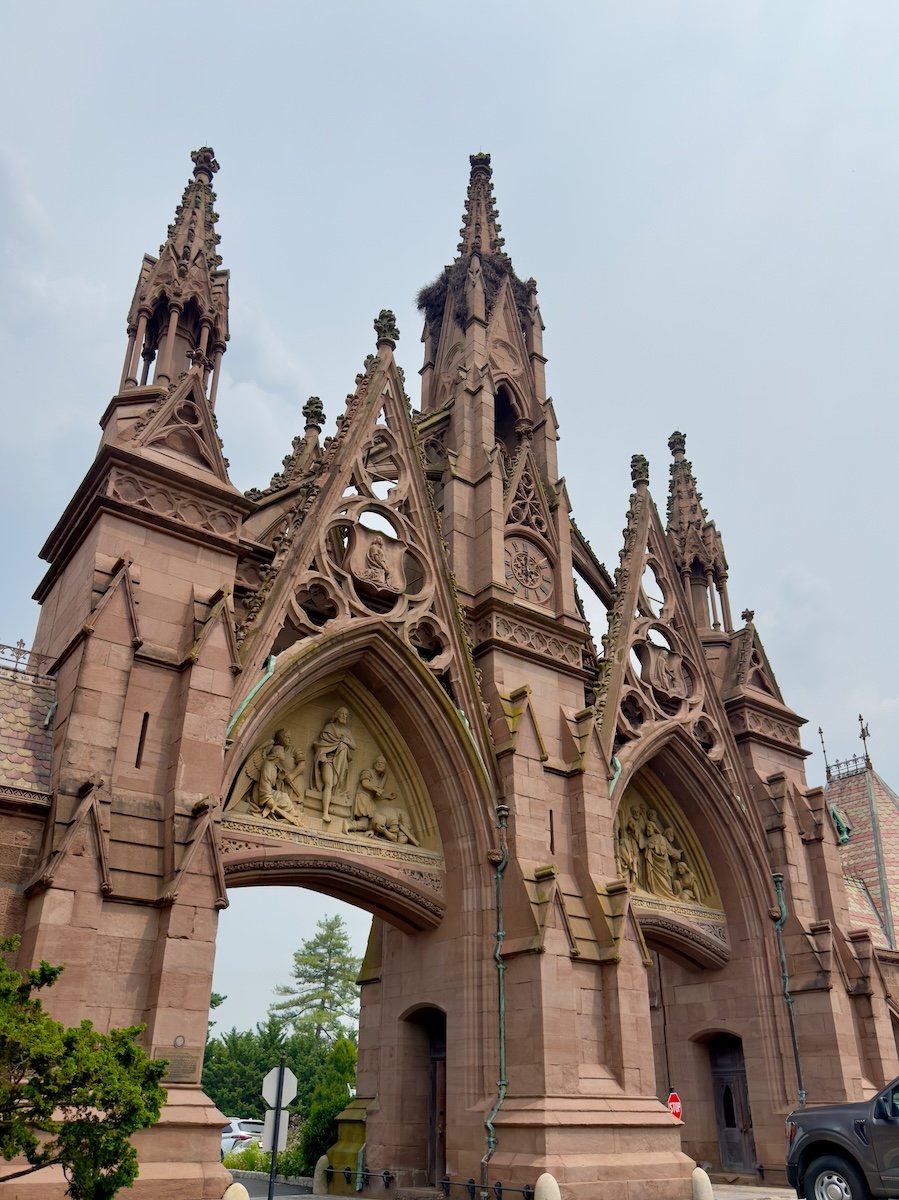
The roads eventually funneled us toward Green-Wood’s main entrance on Fifth Avenue, where the landscape suddenly gives way to full Victorian drama. A Gothic stone gatehouse rises over the road like the portal to a medieval city. The arch was designed by Richard Upjohn, the architect of Trinity Church in Manhattan, who gave it exactly the kind of theatrical flourish that Victorian visitors expected from a proper “city of the dead.”
The arch is also home to a colony of colorful monk parakeets, and you can hear their sharp, chattering calls echo from the stone arch whenever you get close. No one’s entirely sure how the birds got here. The most common origin story involves a shipment of parrots that escaped from JFK Airport decades ago and established a colony that gradually spread across parts of Brooklyn. However it happened, they've made the cemetery their home, and their bright green feathers look slightly surreal against the gray Gothic stone.
Rebecca and I stood there for a minute listening to them argue loudly in the trees above the gatehouse. For a place devoted to the dead, Green-Wood turns out to be one of the livelier places in Brooklyn to spend an afternoon.



Write a comment