

Postcards · August 29, 2025
Hidden inside a French château-style mansion on Fifth Avenue, the Ukrainian Institute of America combines Gilded Age excess, Ukrainian history, contemporary art, and wartime graphic design. What began as a failed museum visit turned into an exploration of eccentric owners, national identity, and one of New York’s most unusual cultural institutions.
Galleries · August 23, 2025
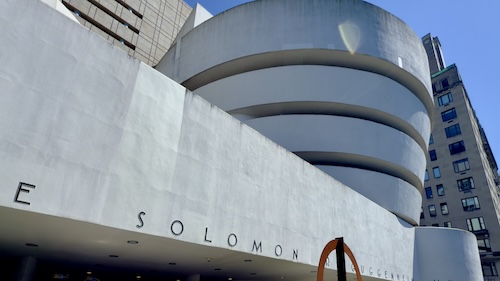
Frank Lloyd Wright’s spiraling Guggenheim rotunda competes constantly with the art inside it—and that’s part of the experience. From Chagall’s dreamlike Paris and Franz Marc’s joyful yellow cow to Rashid Johnson’s sprawling “A Poem for Deep Thinkers” exhibition, this visit became less about chronology than movement, atmosphere, and visual overload.
Galleries · August 16, 2025
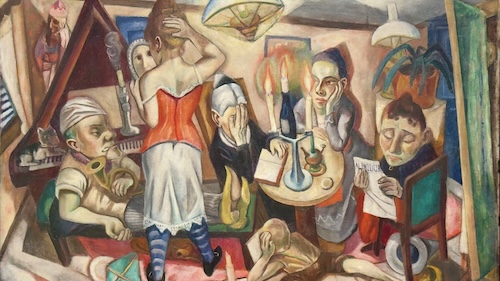
MoMA is almost impossible to write anything fresh about, which is annoying because we keep going back. This Gallery entry skips the grand theory and focuses on what caught our attention this time, from Monet and Dalí to soup cans, coffee tins, coded style, and one very persuasive skeleton raisin girl.
Postcards · August 10, 2025
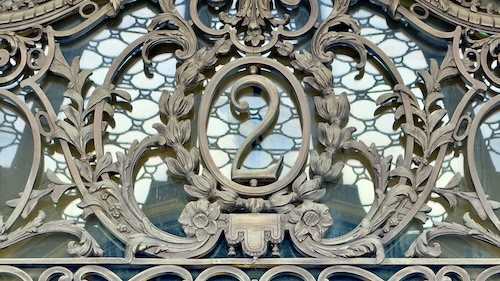
A rushed lunch leads to an unexpected tour of the Cooper Hewitt, where the Carnegie Mansion quietly takes over the visit. The exhibits are strange and conceptual, but the house—its layout, light, and logic—sticks. What looked like a quick museum stop turns into something else entirely.

Galleries · August 10, 2025
A Fifth Avenue mansion-turned-exhibition-machine, the Jewish Museum uses art to explore Jewish identity across time. From Dutch Golden Age takes on Esther to Ben Shahn’s blunt social commentary, the result isn’t a linear timeline—it’s a conversation that moves between history, politics, and lived experience.
Essays · August 07, 2025
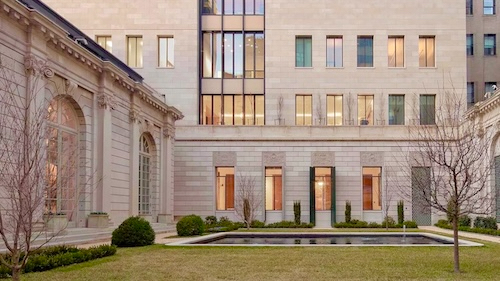
A visit to New York’s newly reopened Frick Collection comes with one unusual rule: no photography inside the galleries. For travelers used to documenting everything, that small restriction changes the entire experience, forcing a slower, more attentive way of looking—and leaving behind an oddly liberating absence in the camera roll.
Postcards · July 29, 2025
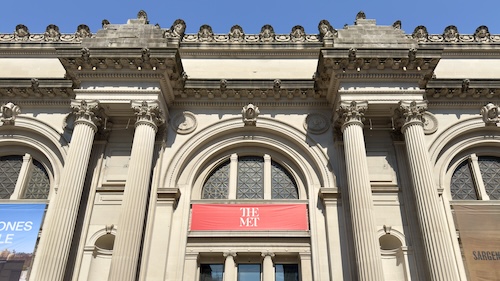
We went to the Metropolitan Museum of Art planning to see a John Singer Sargent exhibition and maybe “do the museum.” That ambition lasted about ten minutes. The Met isn’t really a museum—it’s more like a carefully organized warehouse for human civilization. Wandering the aisles turns out to be half the fun.