
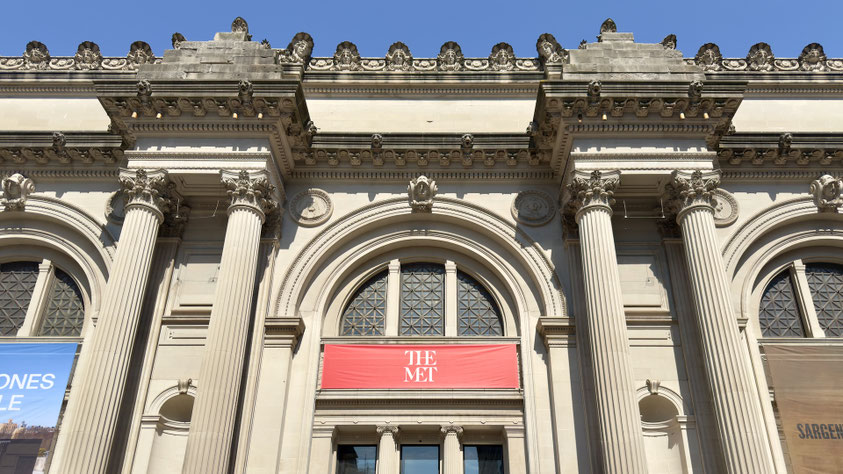
We’d built our visit to the Metropolitan Museum of Art around a temporary exhibition of paintings by John Singer Sargent. And, hey, while we were there, we’d devote ourselves to really digging into the full museum. We’d both been to the Met before, but those earlier visits were always quick, strategic affairs predicated on limited time—so we’d dip in, see a few things, then head out for dinner or a show or work or whatever we were in New York for.
This time, our time was our own, so we were going to “Do the Met.”
It did not quite work out that way.
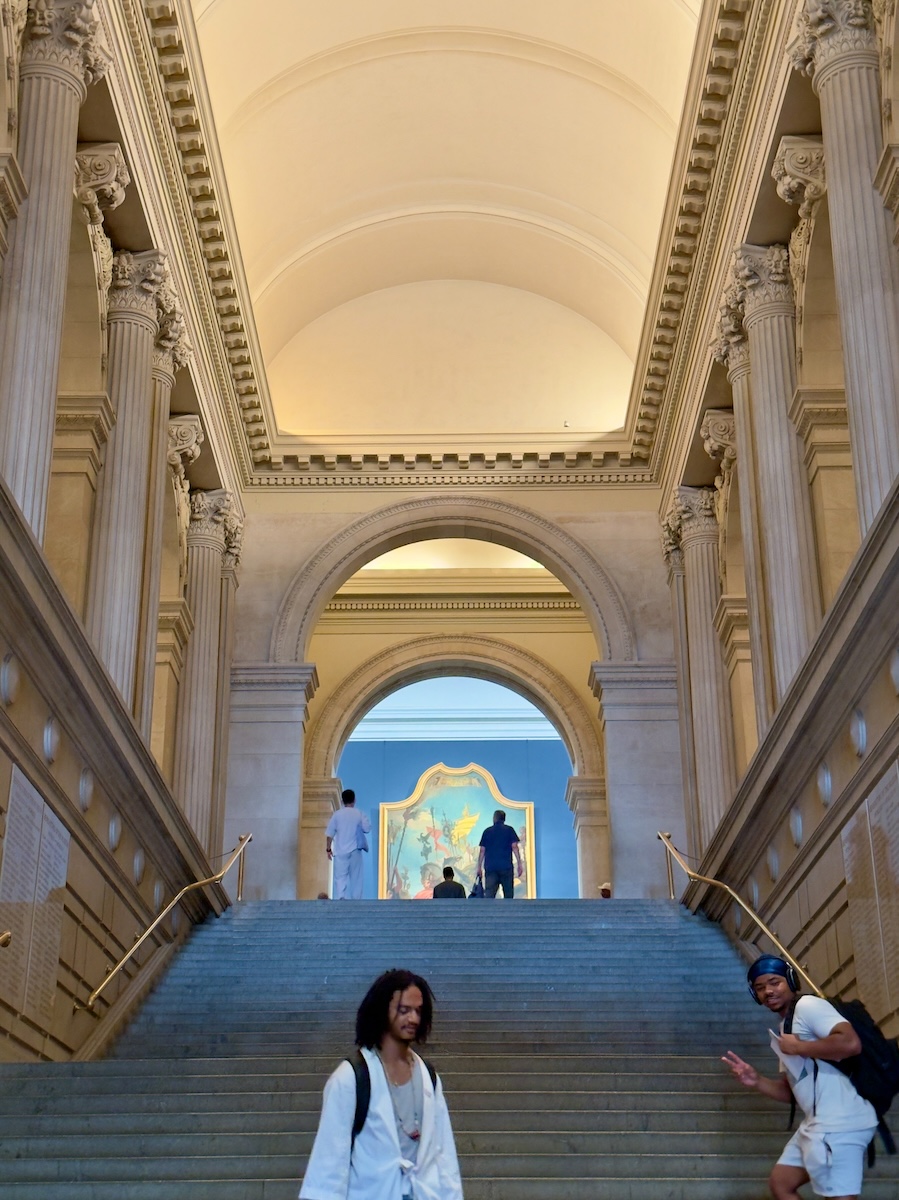
The museum rises along Fifth Avenue like a small civic mountain range, all grand stone steps and neoclassical confidence guarding the eastern edge of Central Park. July had New York in its usual humid grip, and the staircase was full of people taking a break from the heat or preparing themselves mentally for what awaited them inside. Walking through the doors felt a bit like boarding a cruise ship. You get the sense that once you’ve started, you’re committed.
Inside, the first thing that strikes you isn’t any particular artwork. It’s the map. The Met’s floor plan looks like a complicated public transit diagram. At some point, you stop trying to understand it and simply choose a direction and hope for the best. Wings stretch in every direction—European painting here, ancient Egypt there, armor somewhere down that corridor—each one large enough to anchor an entire museum in most other cities. The idea that you might simply wander around for an hour quickly reveals itself as optimistic.
We had come primarily for Sargent, so we headed there first. It was swamped. We quickly remapped our morning.
That turned out to be a blessing in disguise. The Met is the sort of place where abandoning your plan usually leads somewhere interesting. Even if you’re not planning to explore them, the galleries have a way of pulling you off course. One hallway opens toward ancient Greece, another toward medieval Europe, and another toward rooms filled with Egyptian statues that have been around for several thousand years. We didn’t linger this time—we’d seen many of those collections before—but simply passing them reminds you that the museum has tucked entire civilizations into the corners.
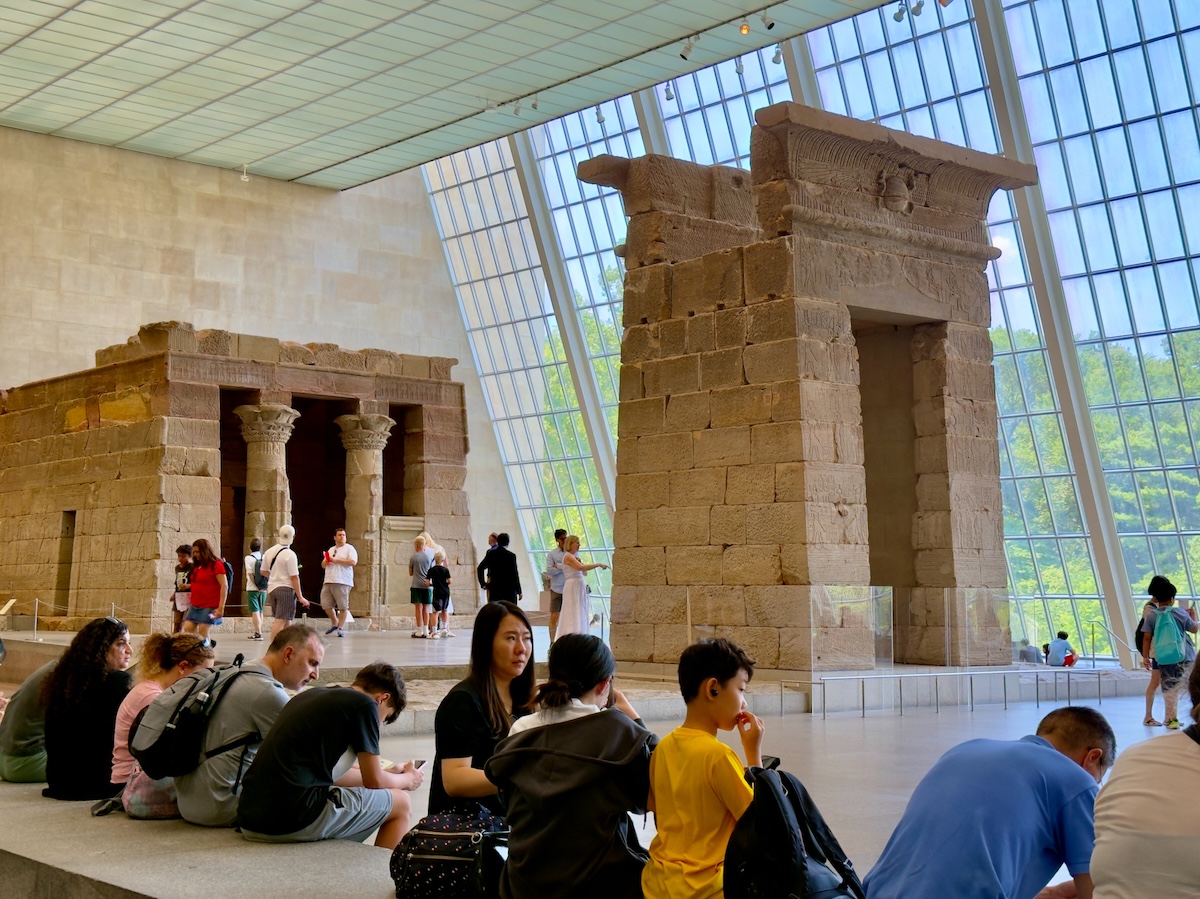
The most striking example is the Temple of Dendur in a vast glass-walled gallery near the Egyptian wing. An entire temple. The temple was built in southern Egypt around 15 BCE and was eventually gifted to the United States for its role in helping save ancient Nubian monuments threatened by the construction of the Aswan High Dam. Today it sits in air-conditioned comfort in Manhattan, bathed in filtered sunlight and reflected in a shallow pool of water.
Probably not what its builders had in mind.
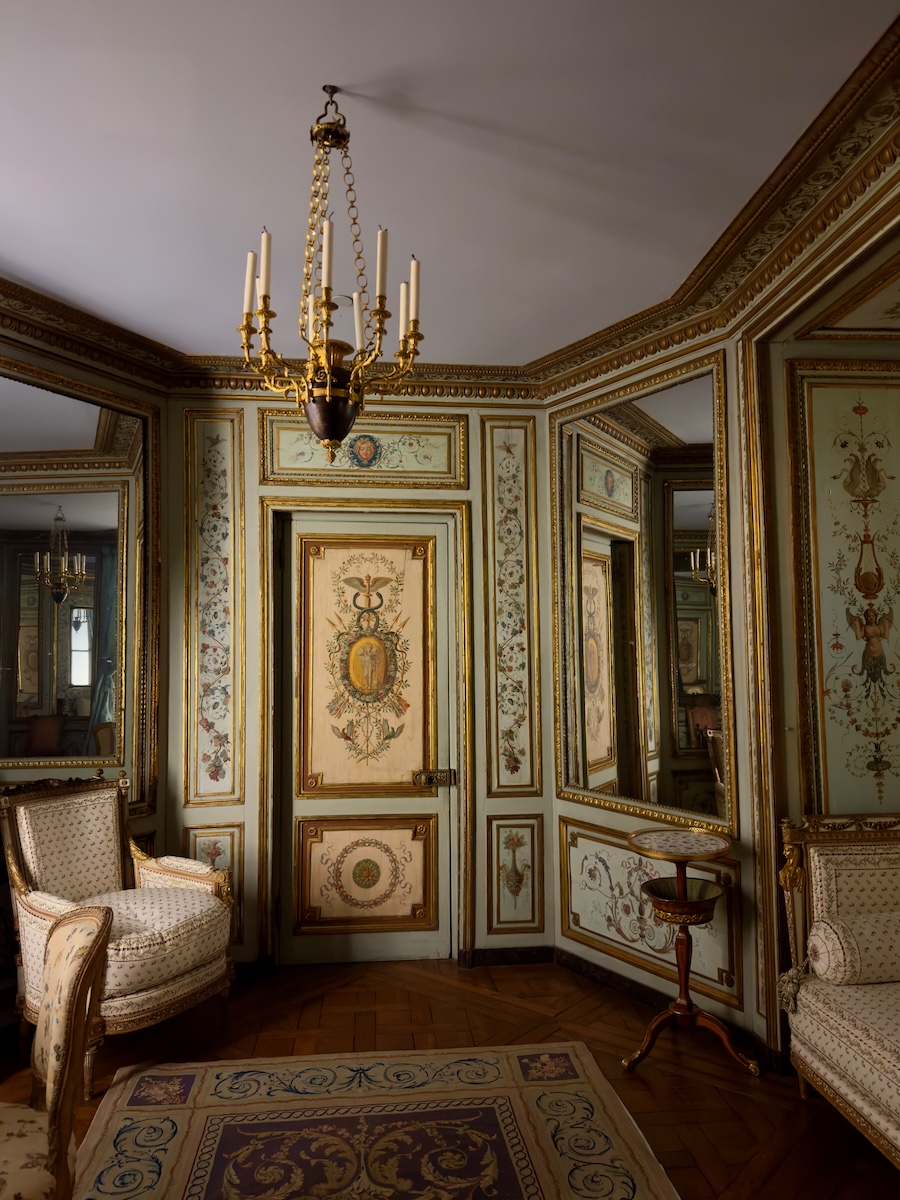
That’s when you might realize something quietly strange about places like the Met. This is not just a museum displaying art objects from the past. It is a building that has, quite literally, absorbed pieces of the world.
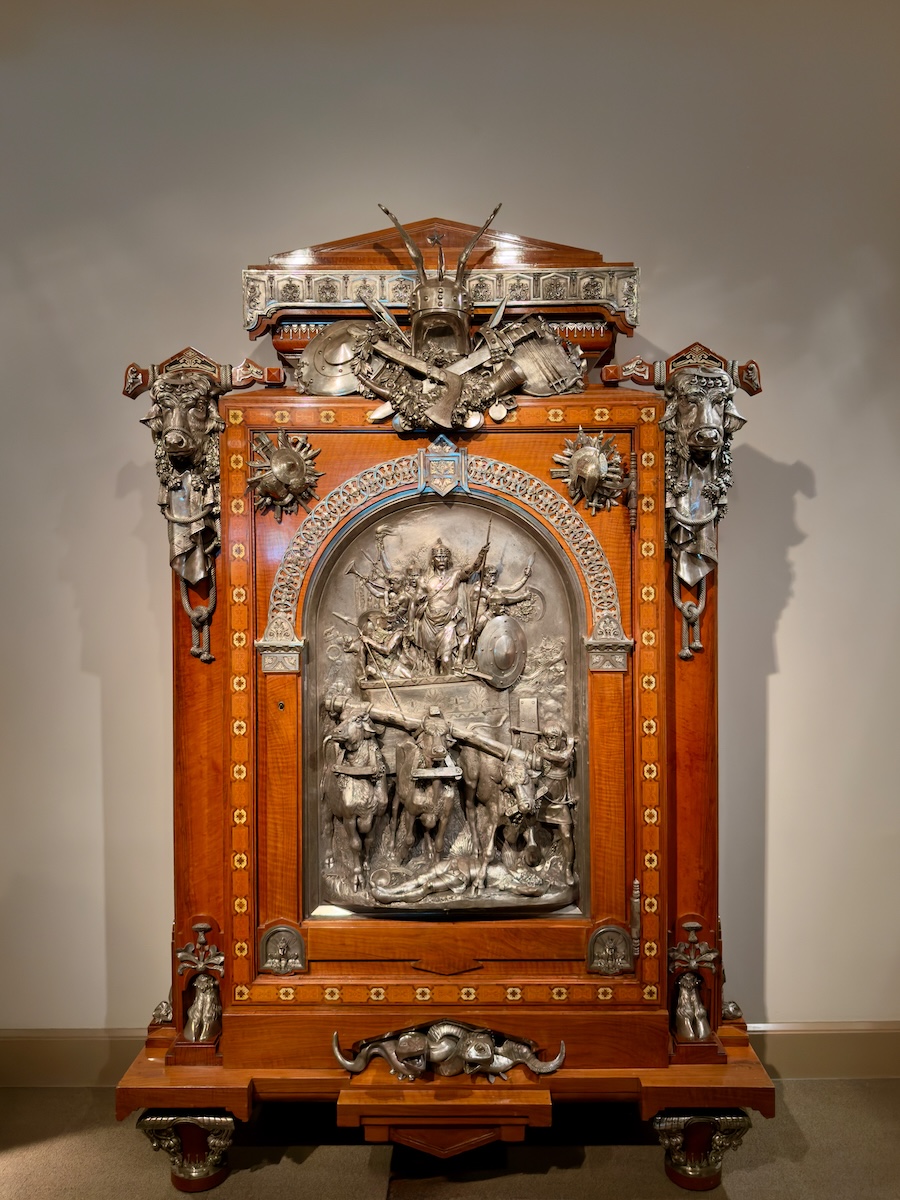
We’ve noticed this pattern before in other large institutions, especially the Louvre Museum and the British Museum. These are among the world’s great encyclopedic museums, most of which were shaped during the centuries when powerful countries believed it was their job to collect, study, and safeguard the world's cultural achievements. Paintings from Spain, sculpture from Greece, temples from Egypt, armor from Germany—everything cataloged, arranged, and presented as part of a grand narrative of civilization. The curators have done an admirable job keeping it all organized.
The result can feel a little like walking through a well-organized warehouse for human history.
Not every museum operates this way. Some are built around royal collections, such as the remarkable holdings of the Museo del Prado in Madrid, where generations of Spanish monarchs amassed paintings by artists such as Velázquez and Goya. Others are rooted more closely in local culture and individual collectors. The museums we visited in Puebla and Barcelona—places like the Museo Amparo or the Frederic Marès Museum—tell stories about a particular city, family, or artistic community. Their collections feel grounded in the places where they live.
Then there are institutions like the National Gallery of Victoria in Melbourne or the Art Gallery of New South Wales in Sydney, which emerged in colonial cities eager to bring the European art canon to the far side of the world. Those museums today balance imported masterpieces with major collections of Australian and Aboriginal art representing cultures far older than the colonial societies that founded the museums.
The Met belongs firmly to the first category. Its ambition is not to explain a single place or even a single tradition. It aims, more or less unapologetically, to explain, well, everything.
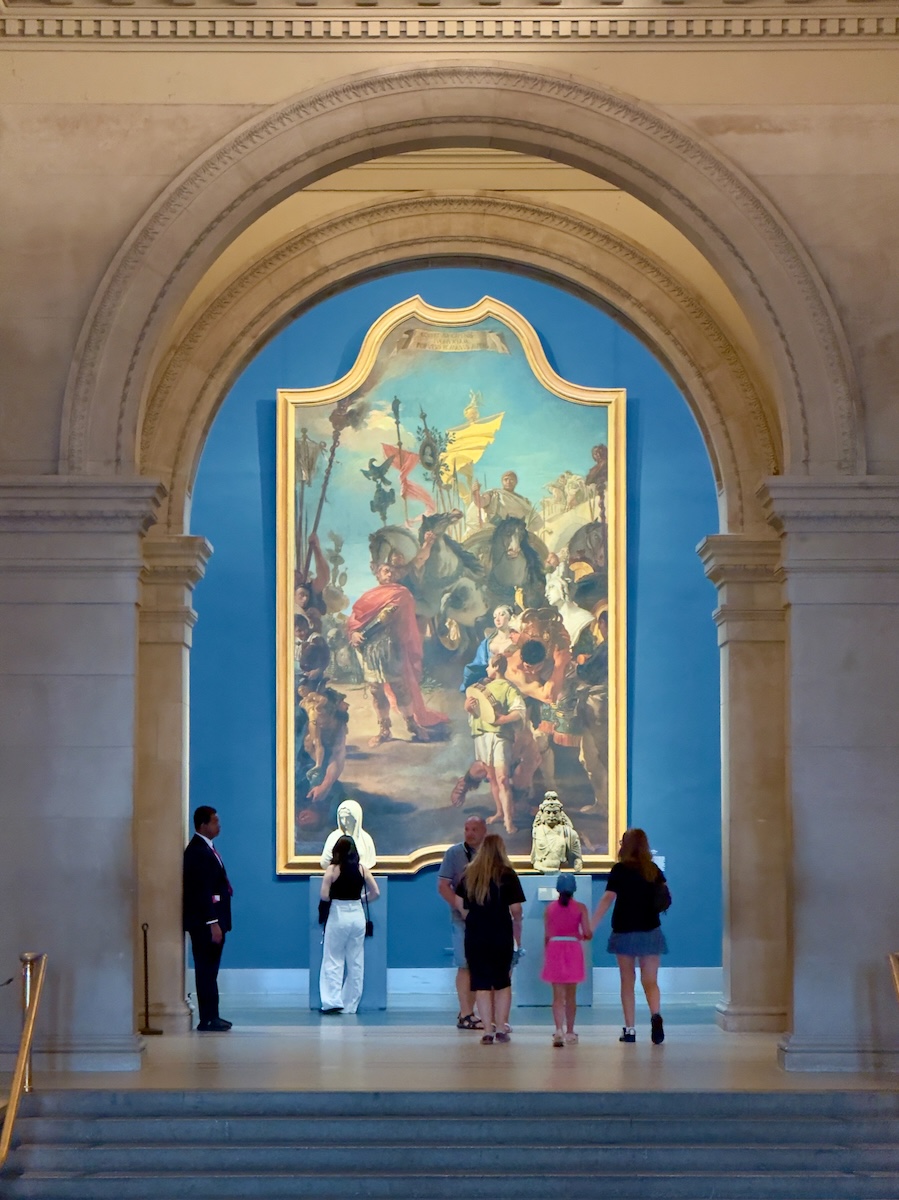
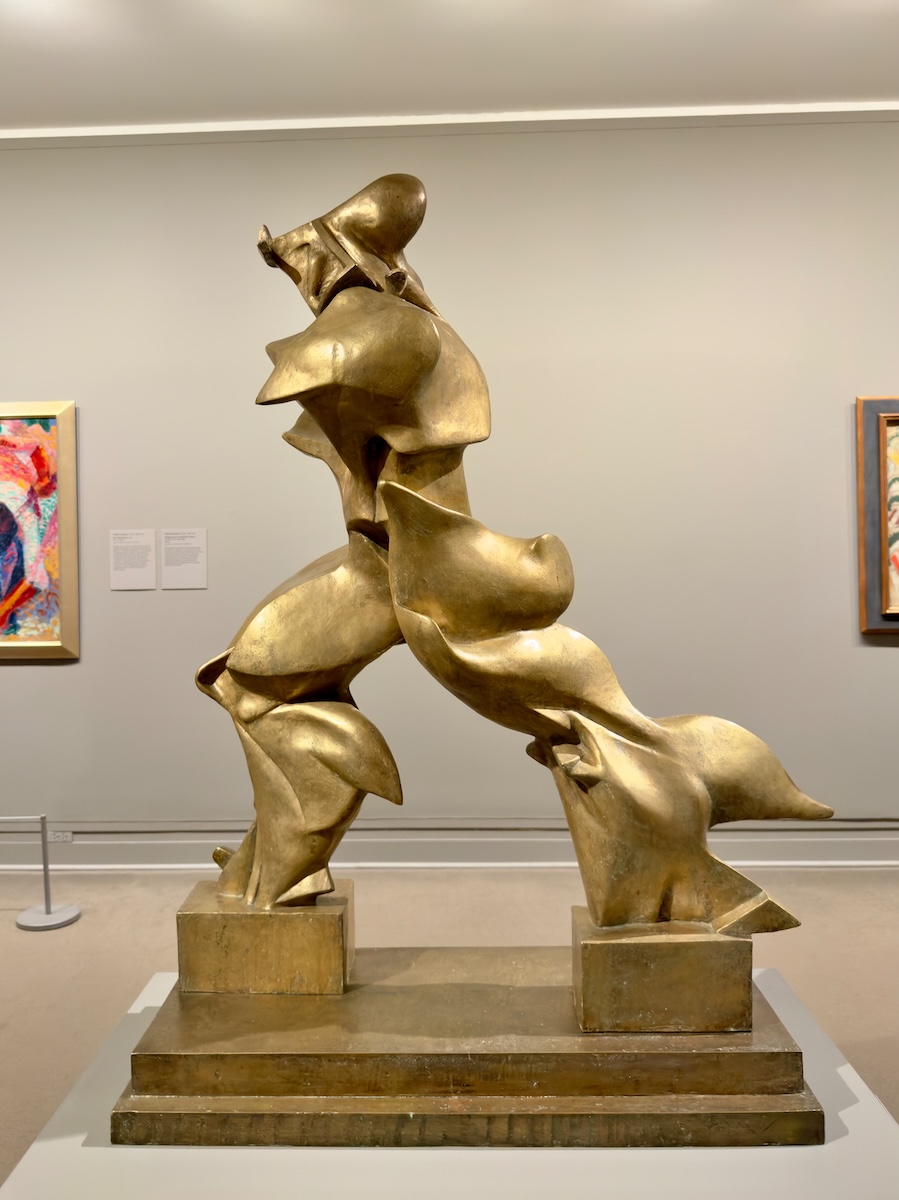
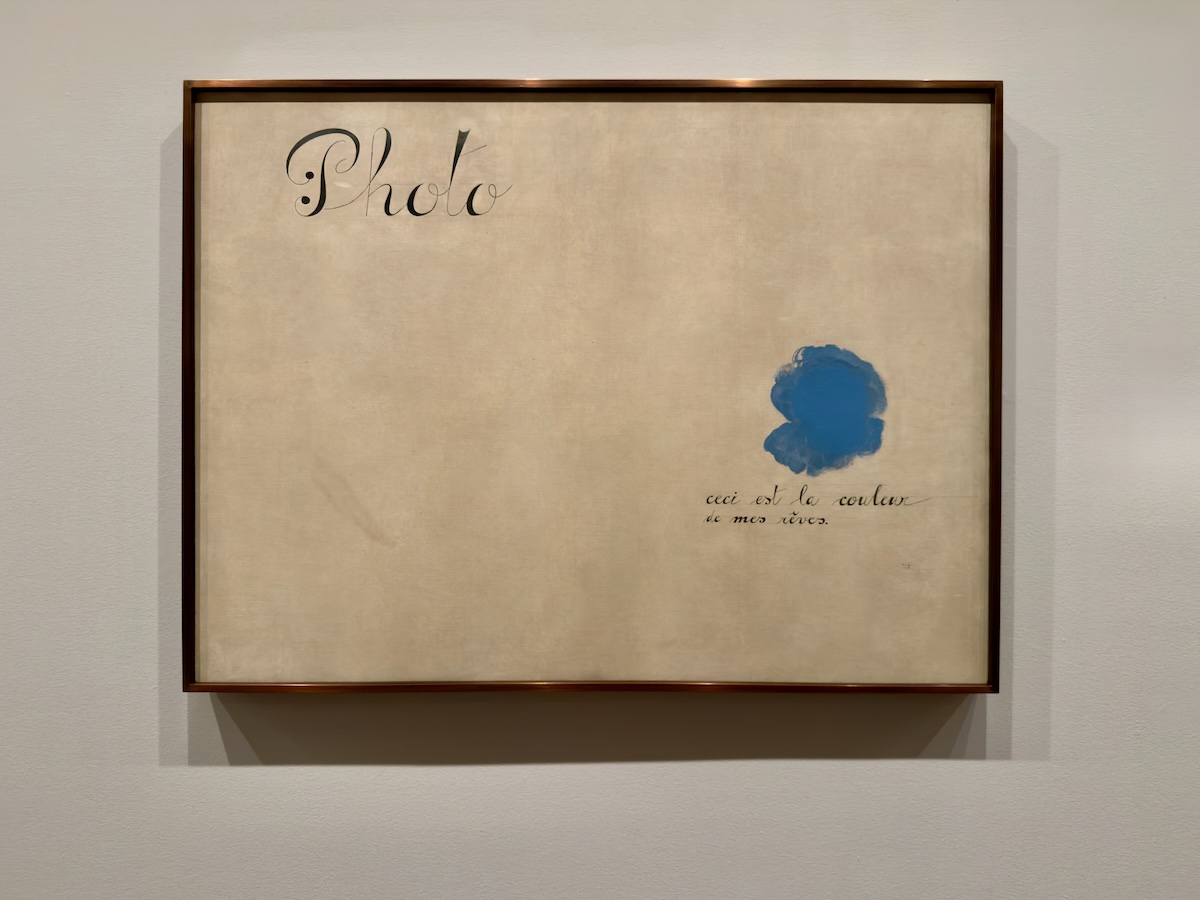
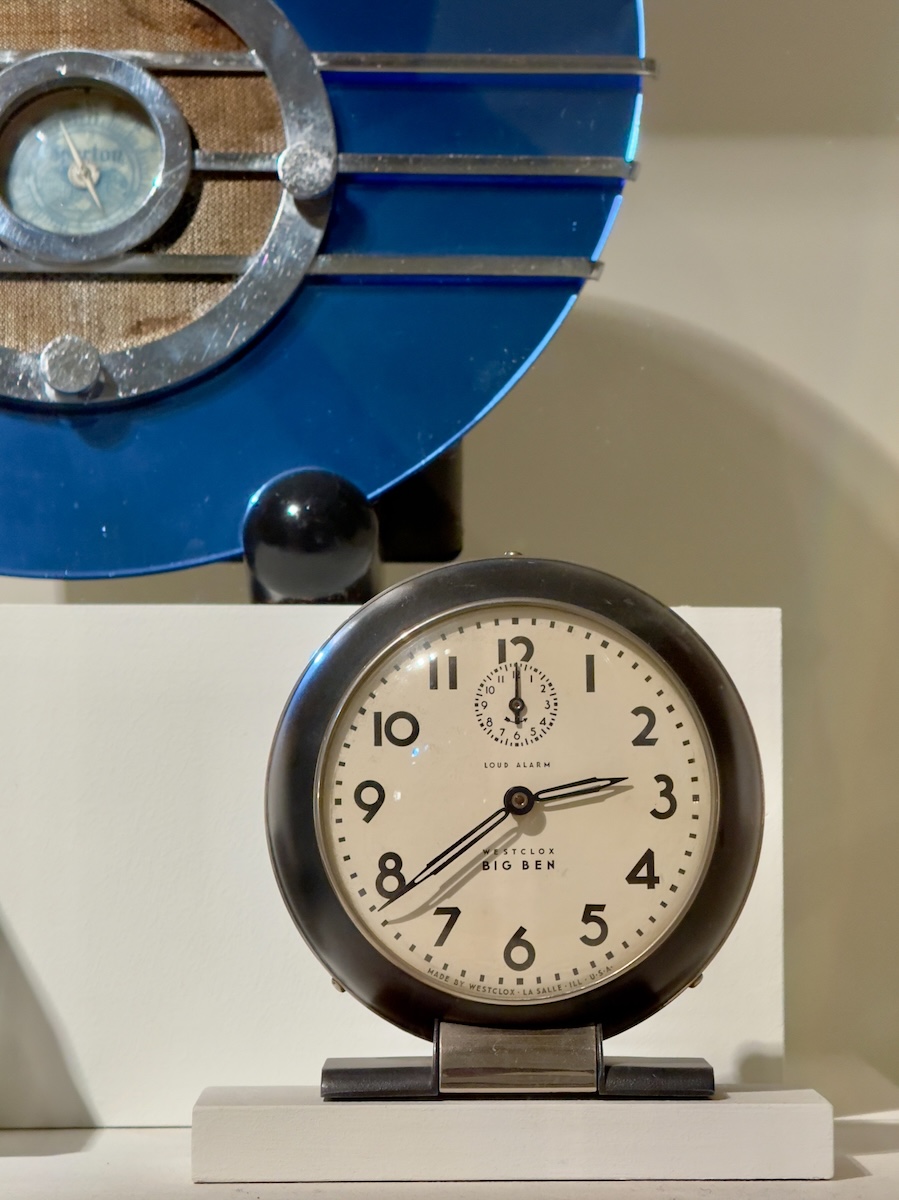
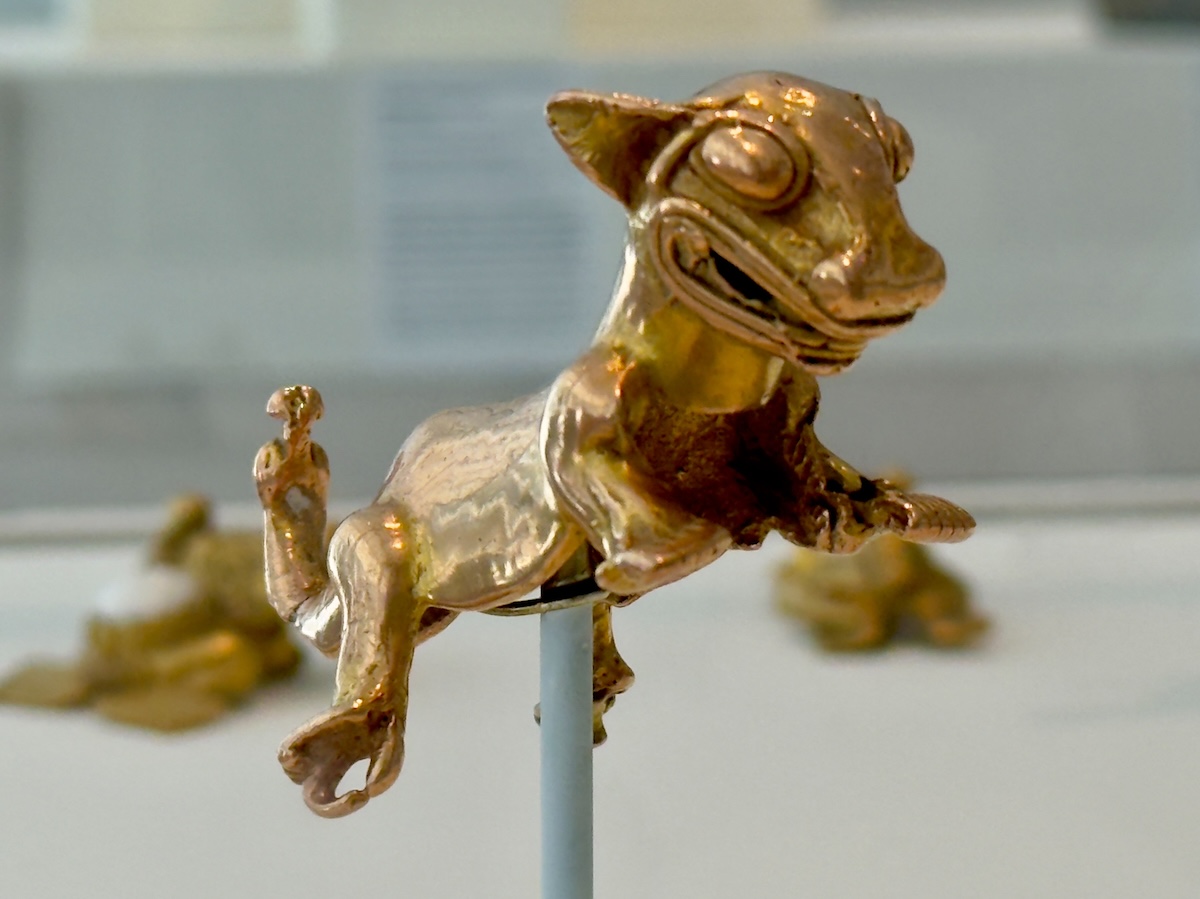
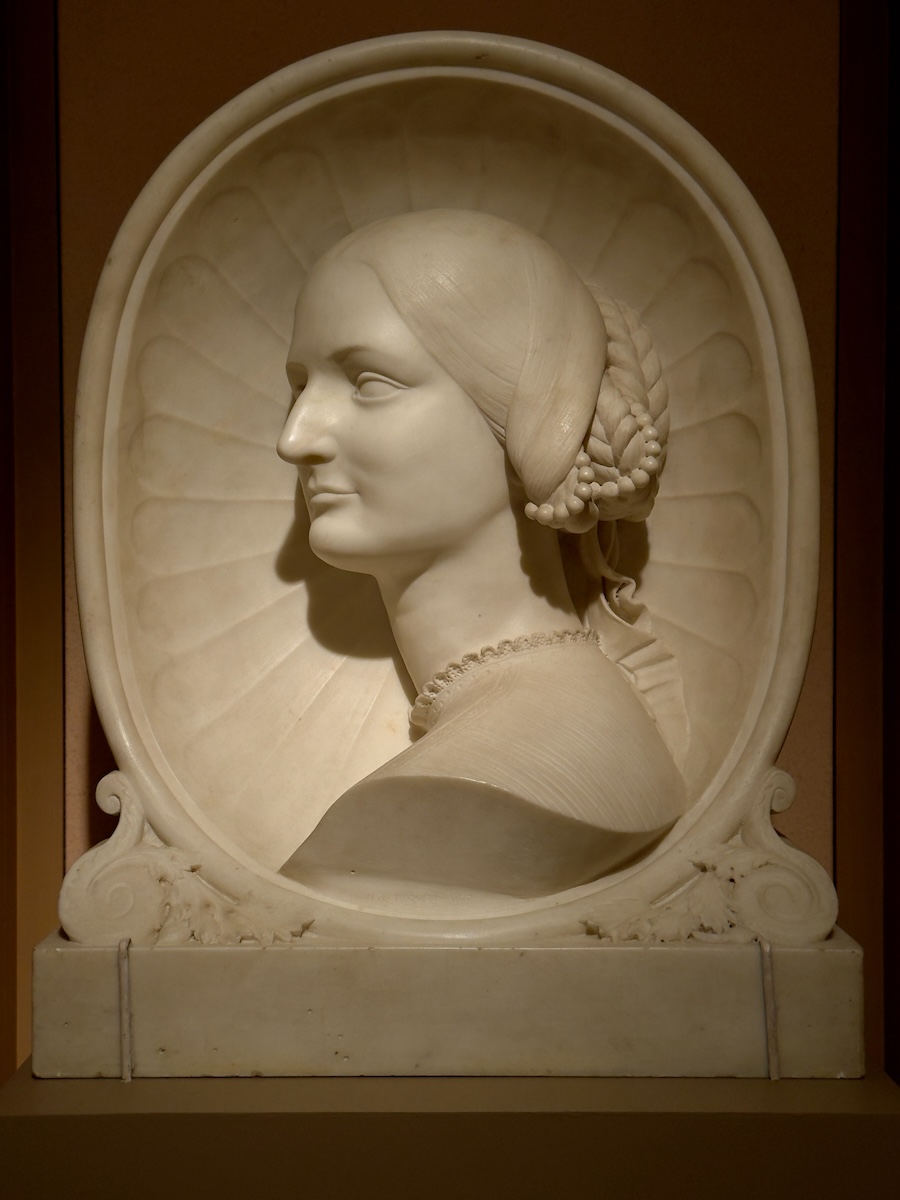
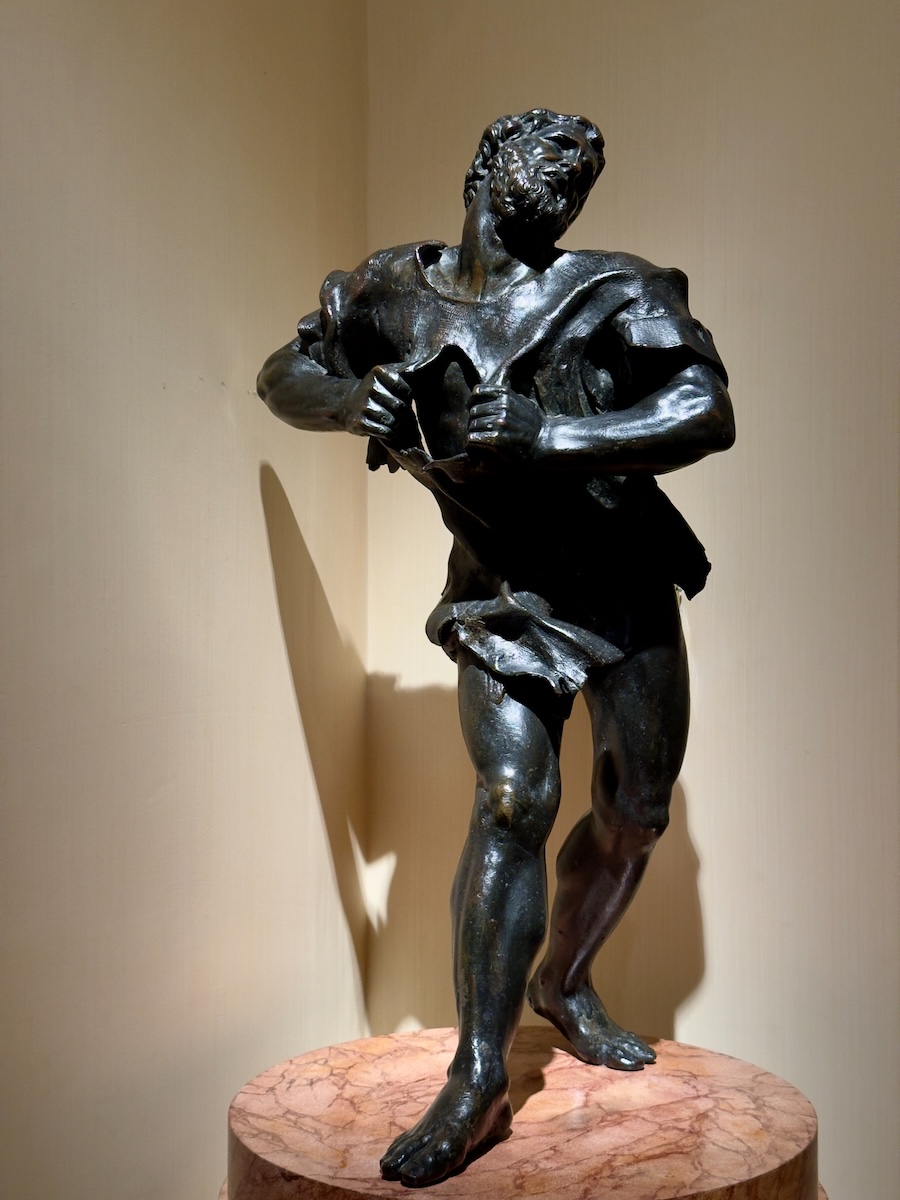
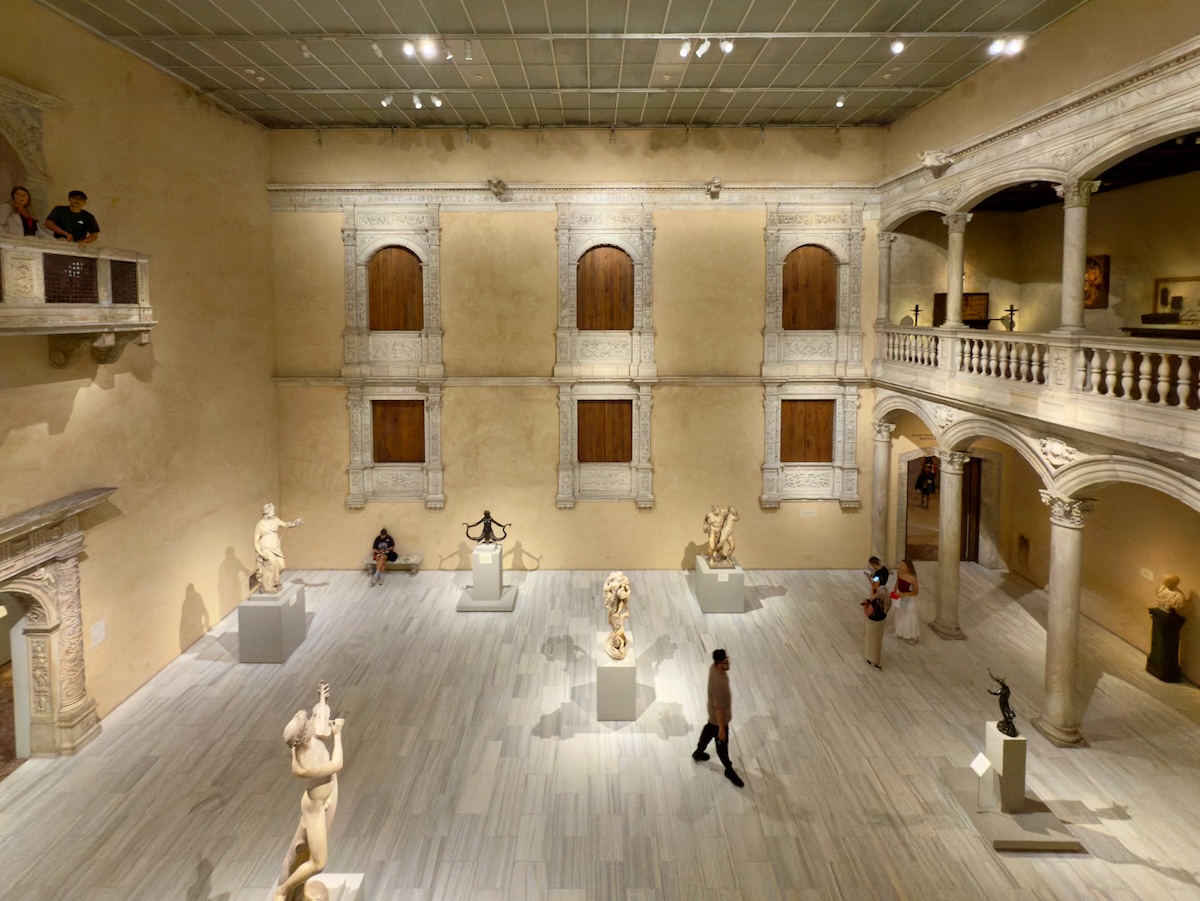
You feel that ambition while wandering the galleries. Within a short walk, you might pass a medieval reliquary, a Japanese folding screen, a suit of German armor, and a Dutch portrait painted during the Golden Age. Each room opens onto another era, another continent, another set of objects that once belonged somewhere else and now coexist peacefully on Fifth Avenue.
The effect is oddly exhilarating, compressing thousands of years of human creativity into a single afternoon stroll.
In the end, we tripled the amount of time we’d originally planned to spend there. We stopped three separate times to sit down and recharge, including once over lunch in the cafeteria and once because the museum had clearly won. By mid-afternoon, we'd seen an enormous amount of art and covered a lot of ground. It also became abundantly clear that even for determined visitors like us, you just can’t get through the Met in a morning—or even a day. Best to just buy an annual membership and revisit the place.
We did eventually make it back to the Sargent exhibition, by the way. Our feet protested, and our internal navigation systems had collapsed, but the paintings were excellent. In case you were wondering.
Eventually, we stepped back outside onto the museum steps, blinking again in the bright light of Central Park. Inside that enormous building behind us were temples from Egypt, paintings from Spain, sculptures from Asia, and artifacts from dozens of other cultures—all carefully cataloged and quietly waiting for the next visitor to wander past.
The Met may not be the easiest museum in the world to “do.” But it might be the most fascinating attempt anyone has made to put the entire world into storage—and then sell tickets so the rest of us can wander through the aisles.








Write a comment