

We showed up at the Cooper Hewitt Smithsonian Design Museum intending to have a leisurely lunch in the café before wandering around. We love museum cafés. The woman at the front desk had other ideas. A tour was starting in about 15 minutes, she told us, and the docent giving it was “one of my favorites,” which sounded like insider code for, “you do not want to miss this one.”
Fifteen minutes is not a leisurely lunch. It’s a shared sandwich, half-unwrapped, wolfed down with one eye on the clock and the other on the door in case they decide to start early. We sucked down the last of the Coke just in time to join a small group gathering in the entrance hall. Then the tour started, and the building quietly took over.
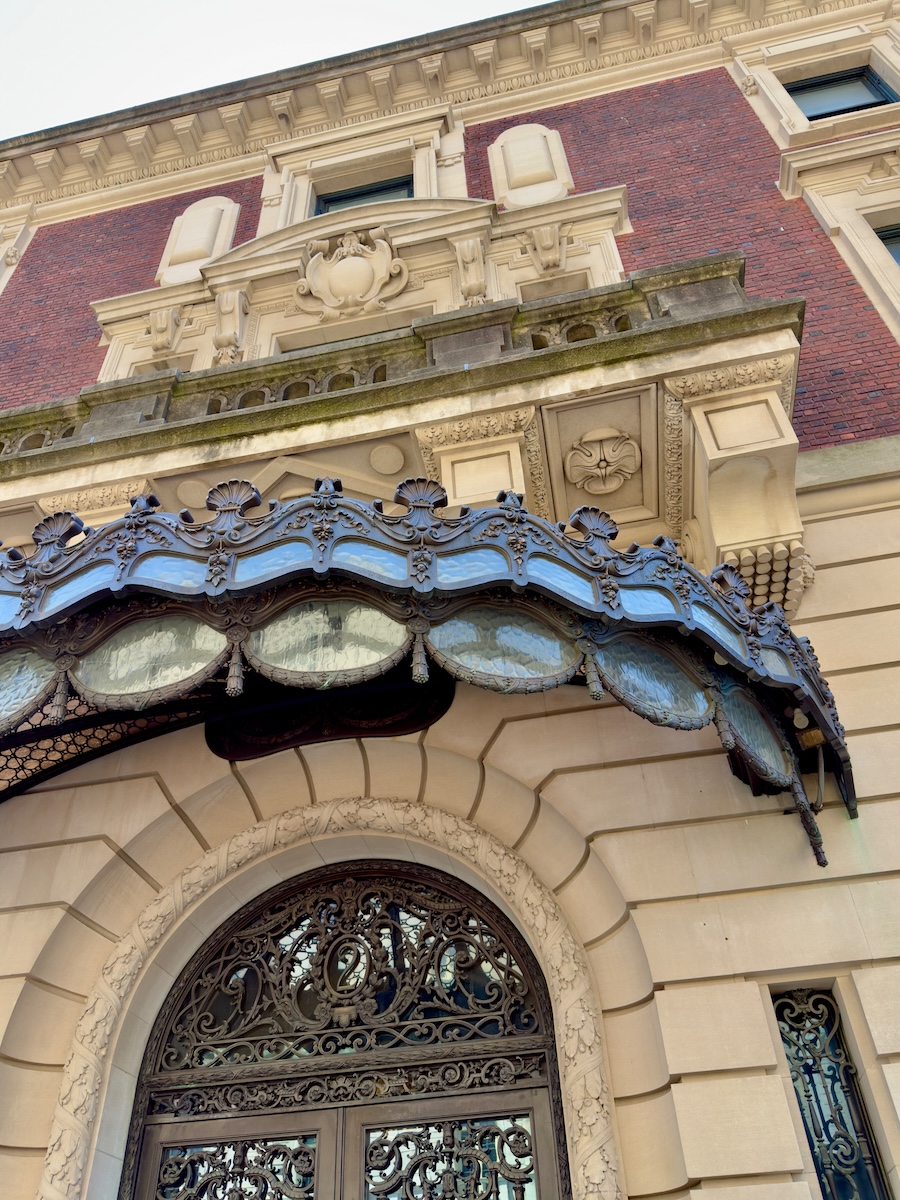
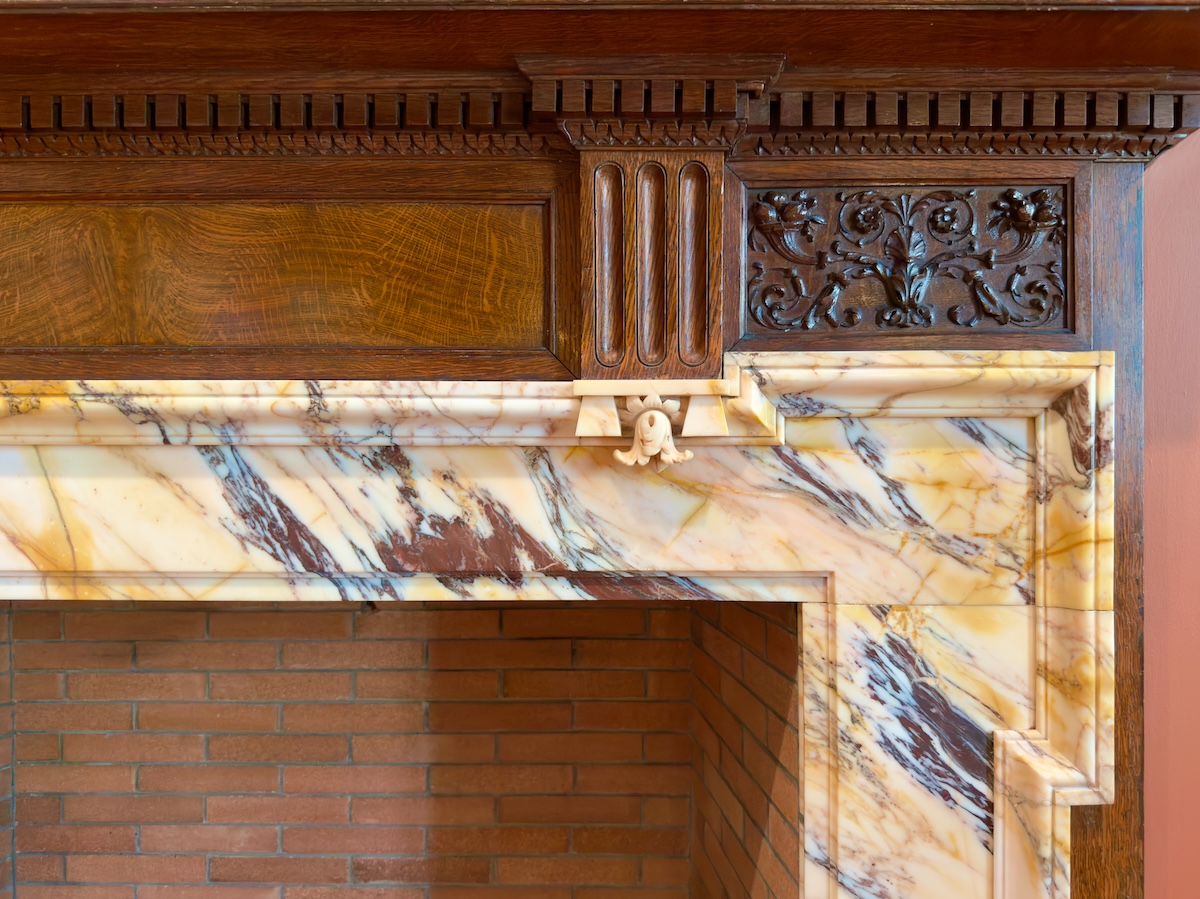
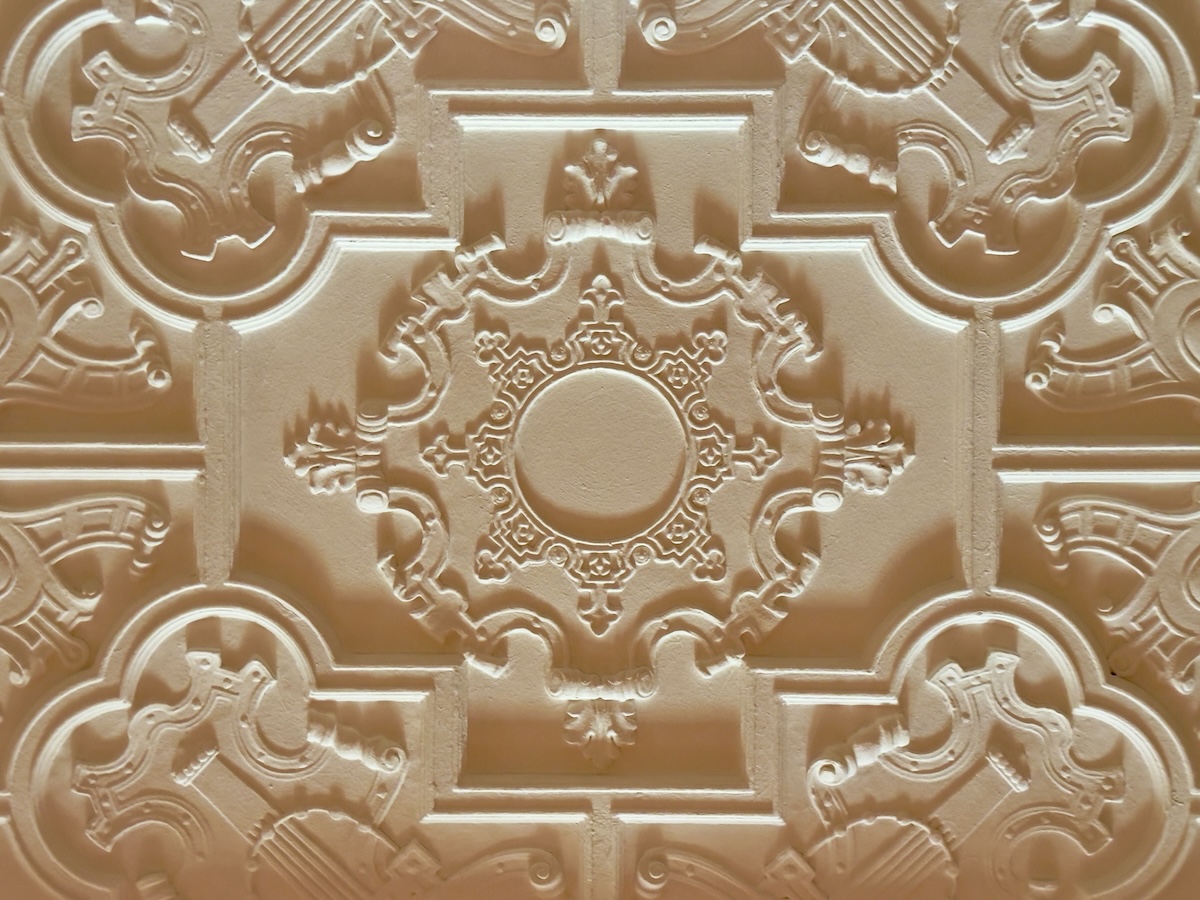
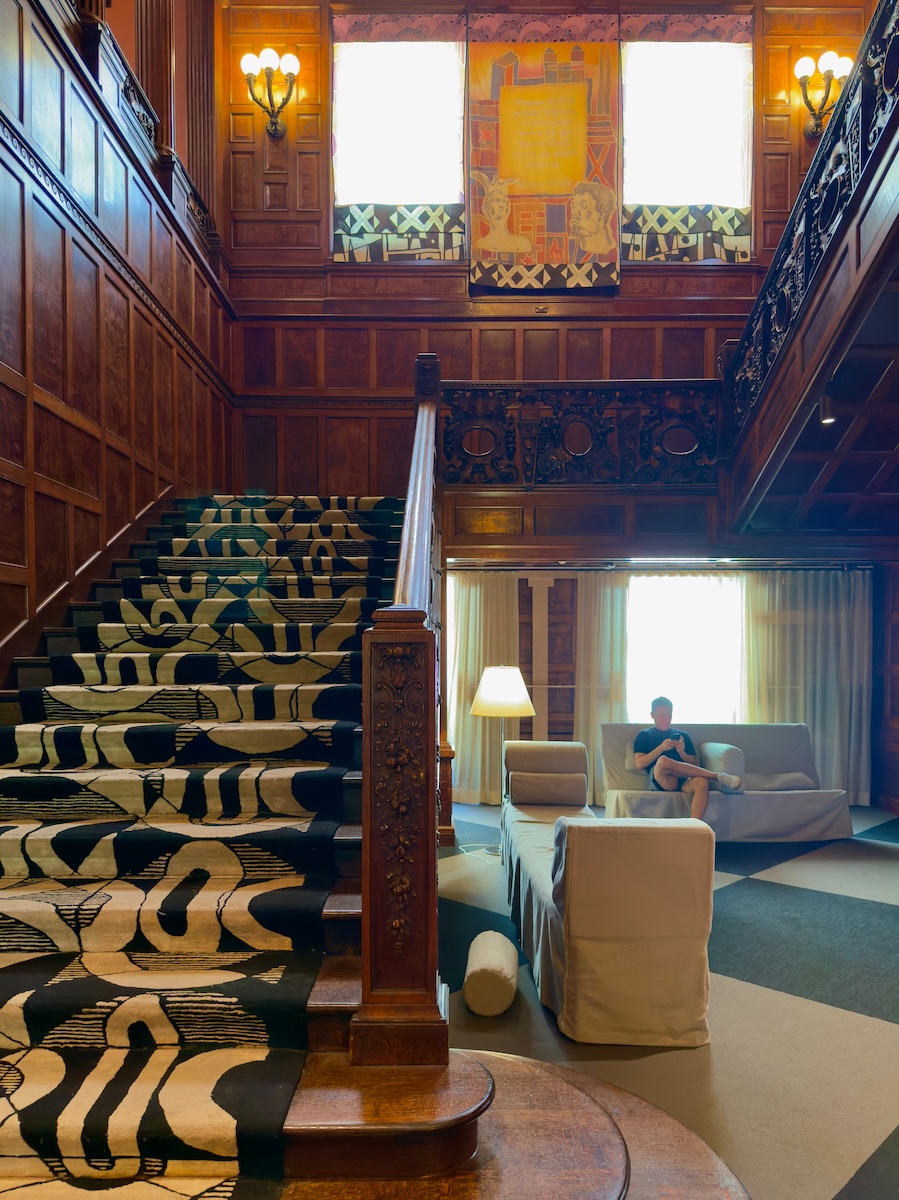
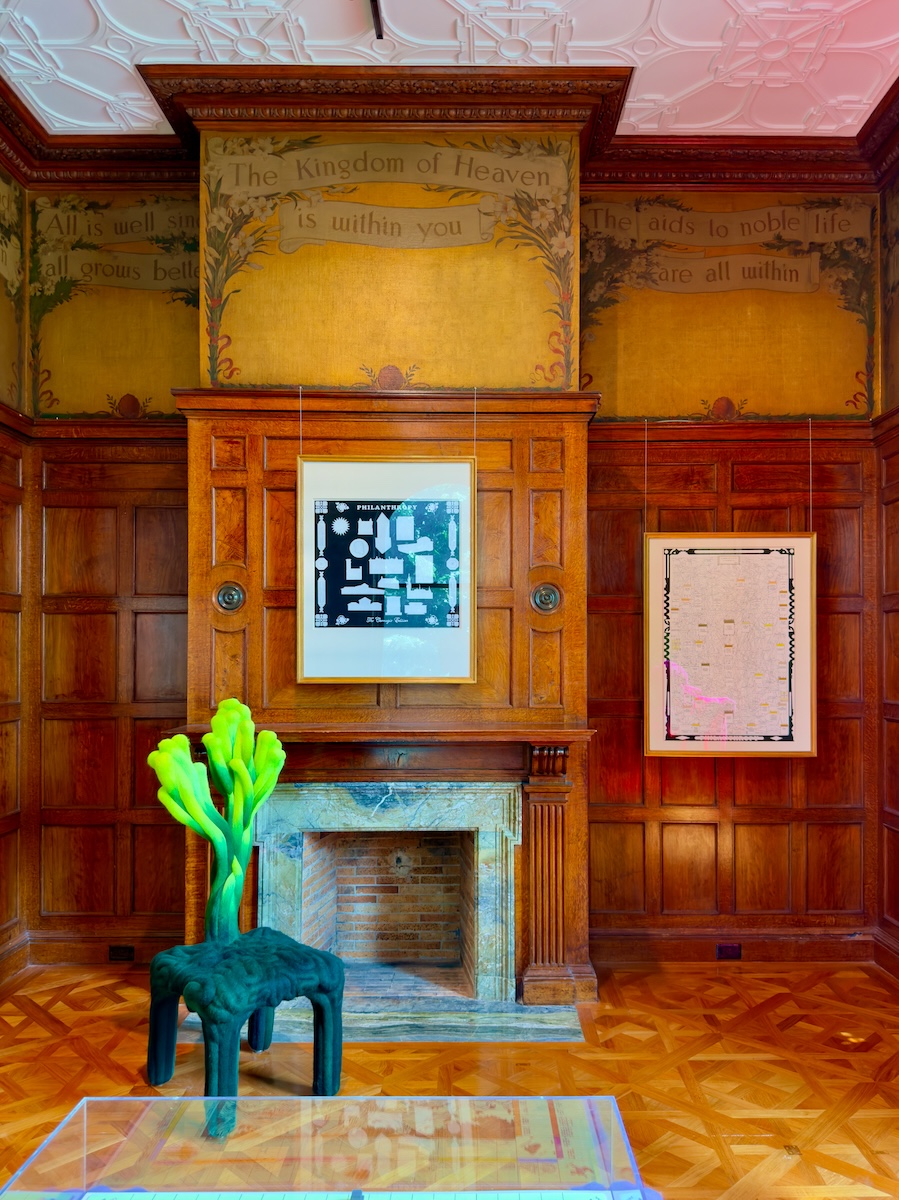
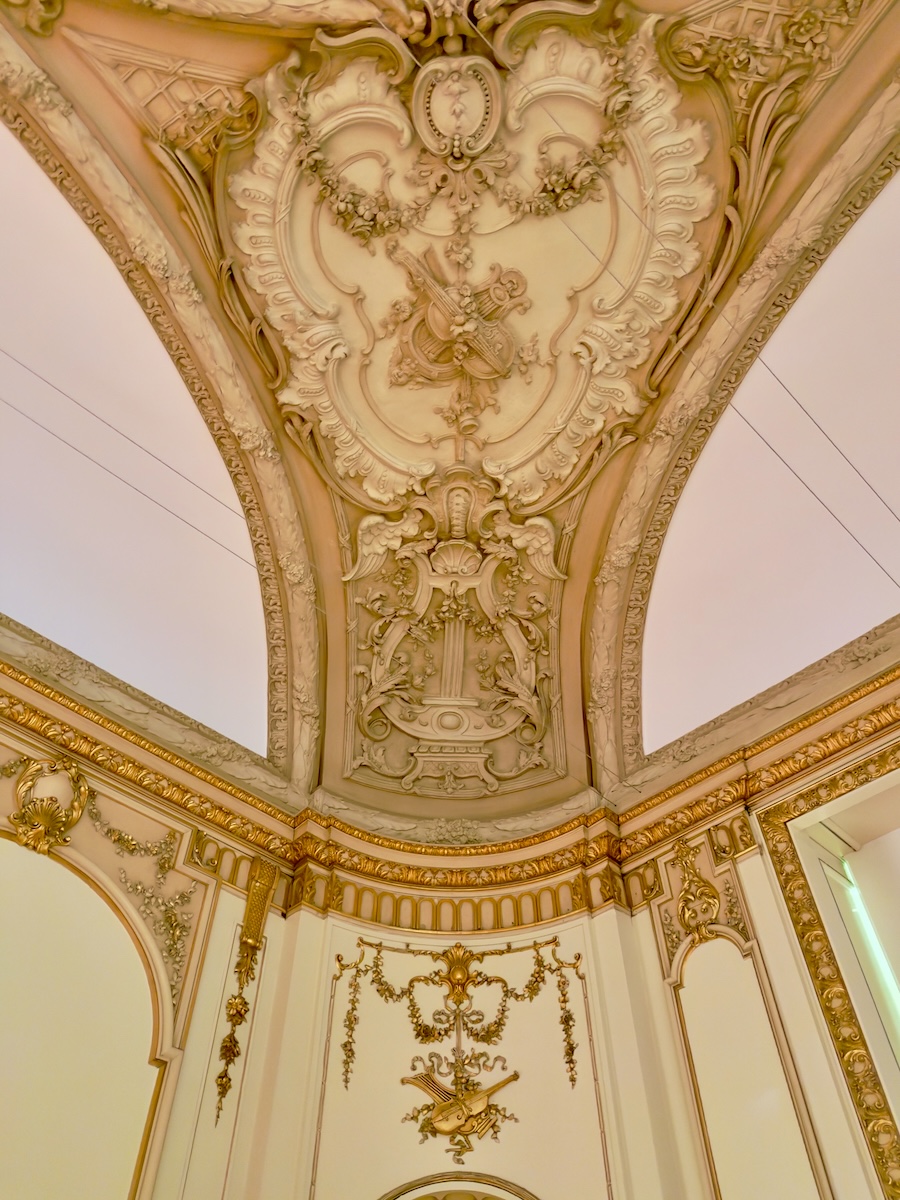
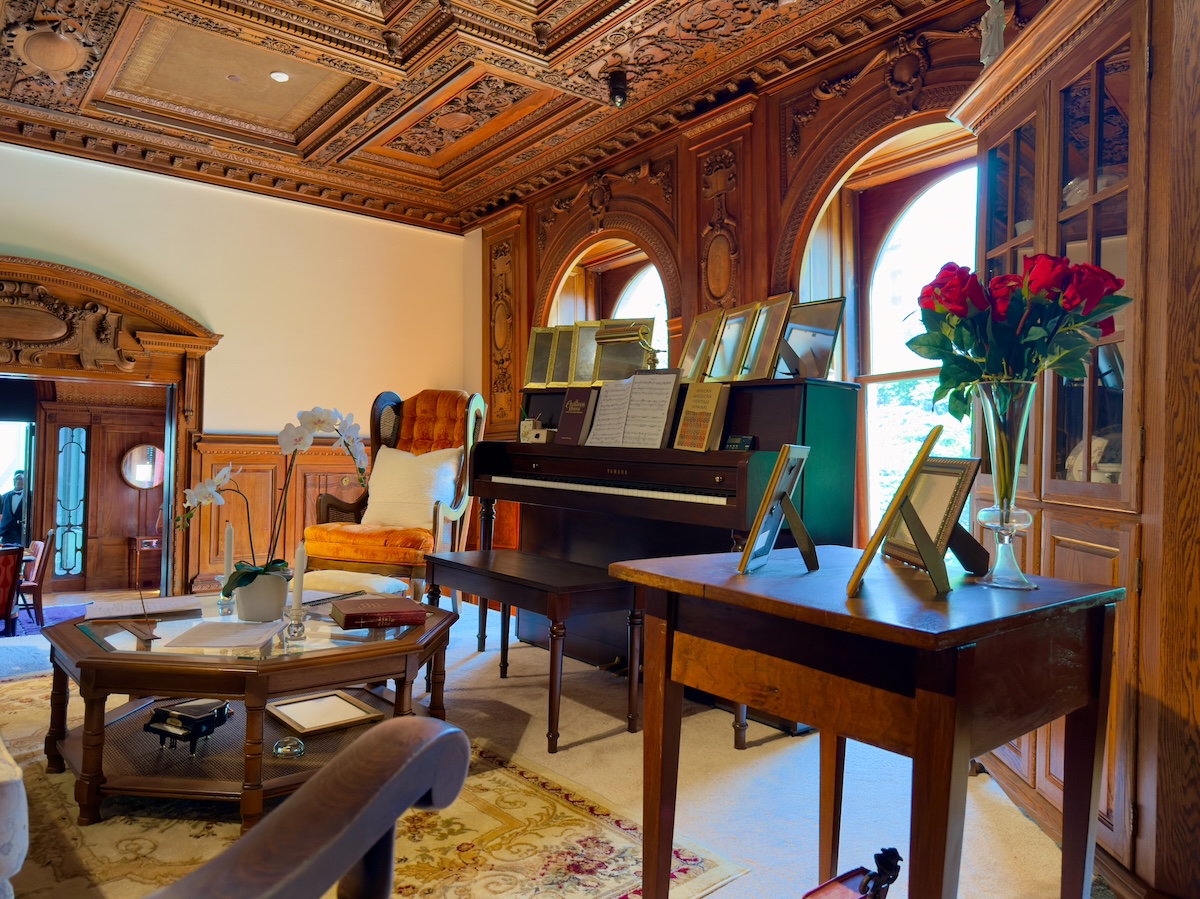
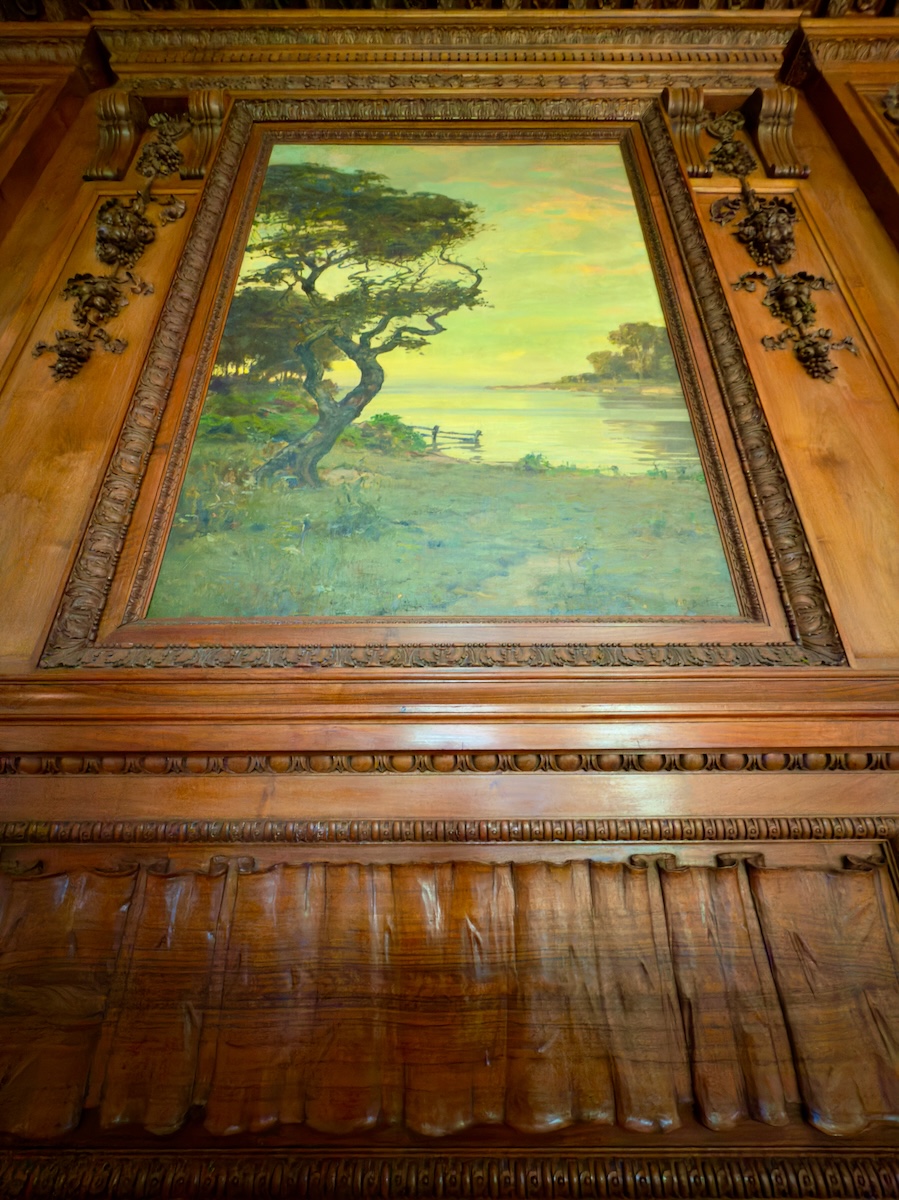
The house—the Carnegie Mansion, and the family’s New York home at the height of their wealth— doesn’t operate like the kind of museum we thought we were walking into. You move through it the way you would any large, well-kept home, and after a few rooms it becomes clear that the building carries at least as much of the story as the exhibits. The docent had an easy rhythm to her delivery that didn't feel rehearsed, even though it clearly was, and within a few minutes we were paying more attention to the walls, the layout, and the way the place functioned than to anything installed inside it.
Carnegie didn’t build this house because he needed one. By the time it went up, he’d already spent years living comfortably in New York, in the parts of the city where people like him were expected to live. But as that version of Fifth Avenue got busier, louder, dirtier, and less interested in staying residential, he seemed to decide he was done with it. So he moved north.
At the time, this stretch of the Upper East Side was still working out what it wanted to be. Carnegie didn’t just buy a lot and put up a mansion—he assembled a large parcel and set the house well back from the street. It wasn’t just a large, comfortable house. It was a bet on where the city would go next.
Building here, at that moment, created a kind of gravitational effect. Other wealthy families didn’t arrive all at once, and there wasn’t a formal plan guiding it, but the shift is easy to trace in hindsight. Carnegie’s move changed how people looked at this part of the city. The tour guide framed it as Carnegie choosing his neighbors, which sounds like a stretch until you consider how much land he controlled and how early he arrived.
However it happened—by example or direct recruiting—families with the means to choose where they lived began buying lots along this stretch of the Upper East Side, and over time it stopped feeling like a gamble. The neighborhood we walk through now has that settled, inevitable quality, but it wasn’t always like that. This house was the starting point.
The house wasn’t built to impress people, though. It was built to be lived in by the family. The rooms are large, but not excessive. Doorways and halls line up so you can see from one end of a floor to the other, and you start to notice how easily you can move through it without doubling back or getting funneled into a single hallway.
Much of that comes from how it was built. The house is constructed on a steel frame, which means there are fewer load-bearing walls and more flexibility in how the rooms were laid out. Instead of the narrow, stacked rooms common in older townhouses, these spaces open into each other more. You’re not squeezing past furniture or turning sideways to get through doorways. It’s subtle, but once you notice it, you keep noticing it.
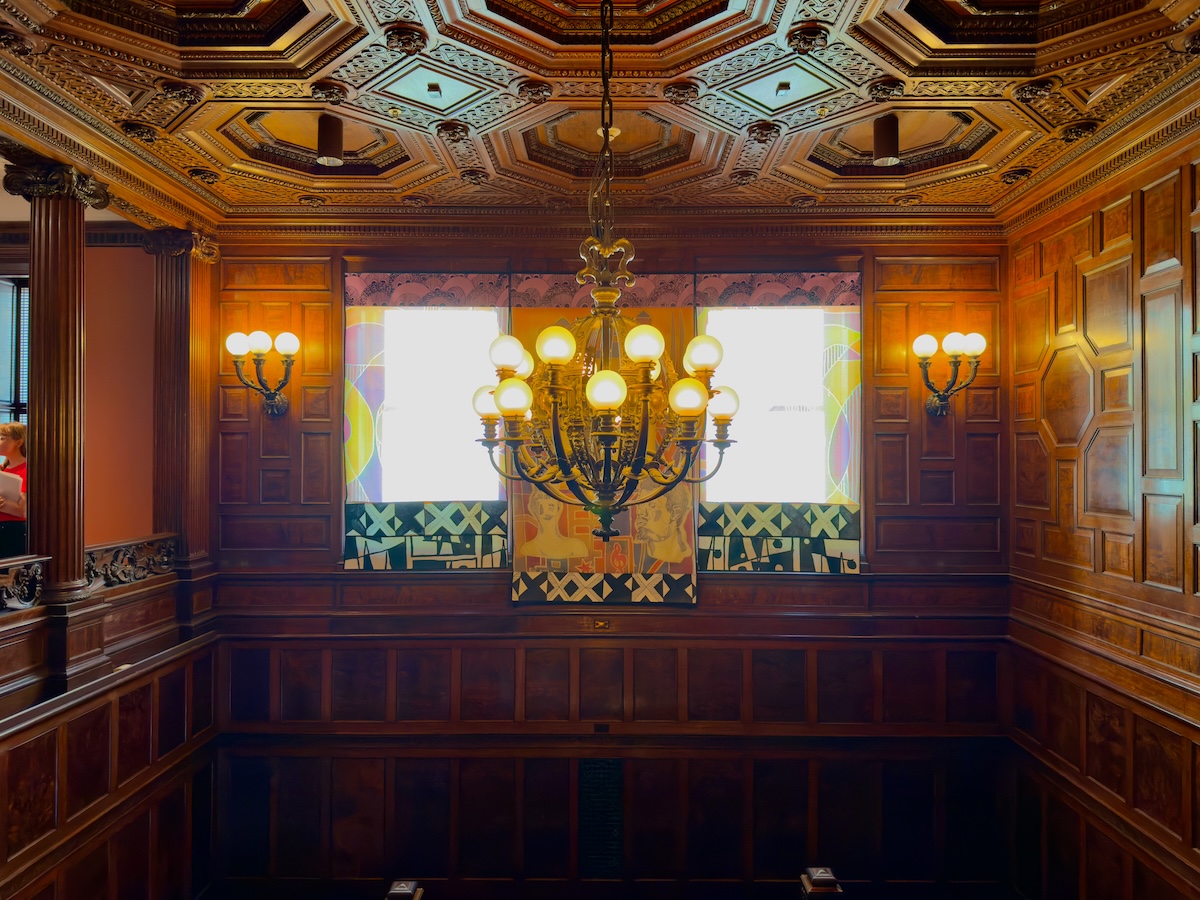
The same idea is behind the mechanics of the house, too. There’s an elevator, but it’s not treated like a showcase feature—you could walk right past it without really seeing it unless someone pointed it out. Central heating means rooms don’t have to be arranged around a fireplace or a bulky radiator. Windows let in more light than you’d expect this far into the block, and the layout helps carry it deeper into the house instead of cutting it off after a room or two.
None of it is dramatic—it just all works to remove the small inconveniences they'd otherwise have to adjust for all day. The docent never really paused to sell any of that. She’d mention it, then move on, which made it feel more like anecdotes than instruction. The overall impression is that someone thought through how it would be used and then got out of the way.
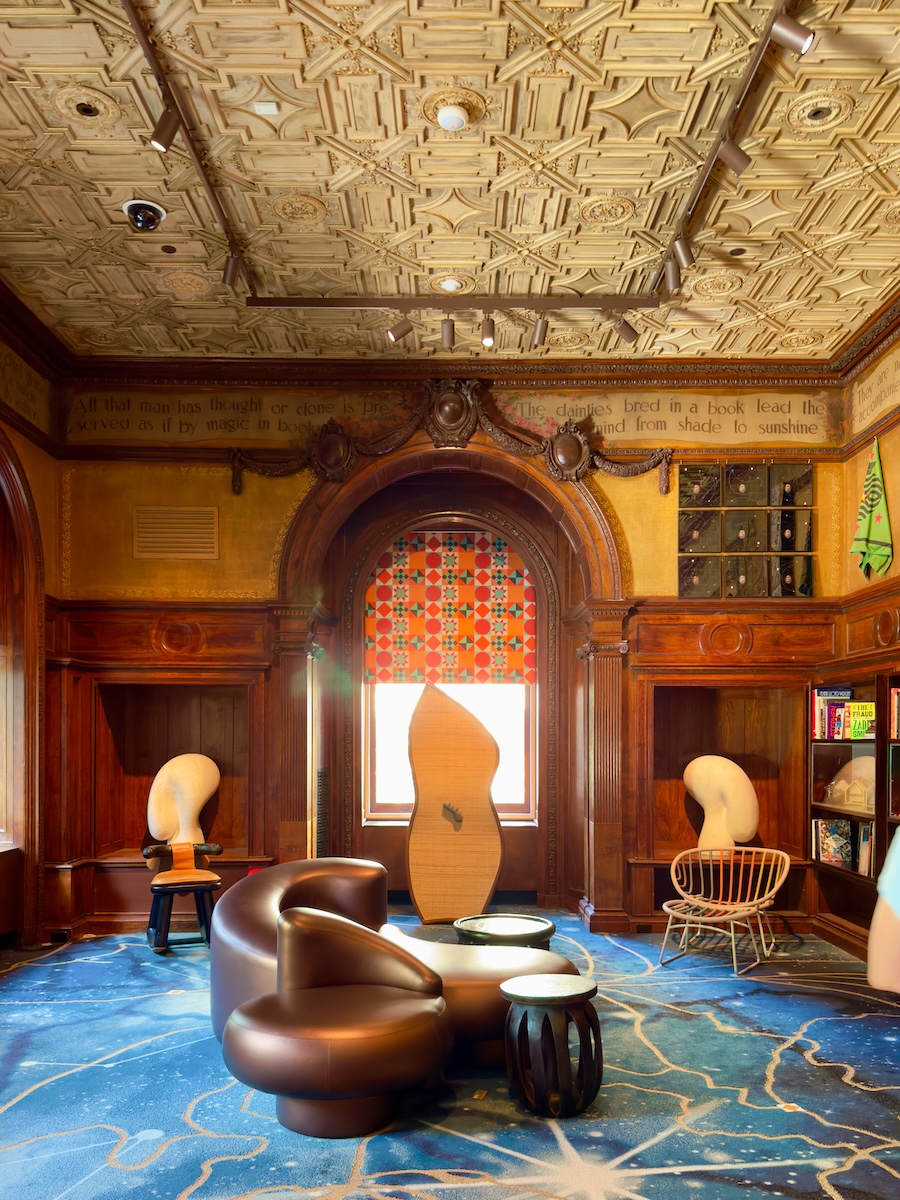
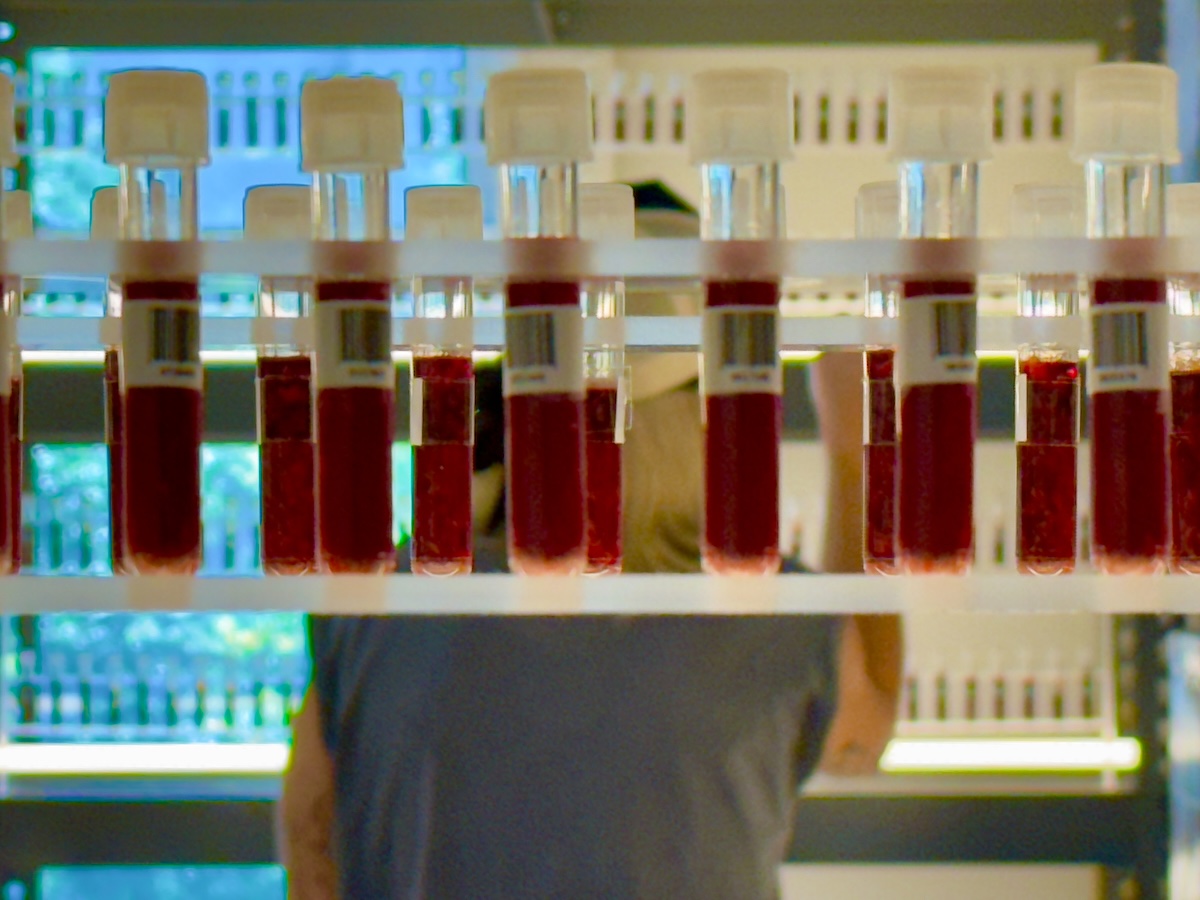
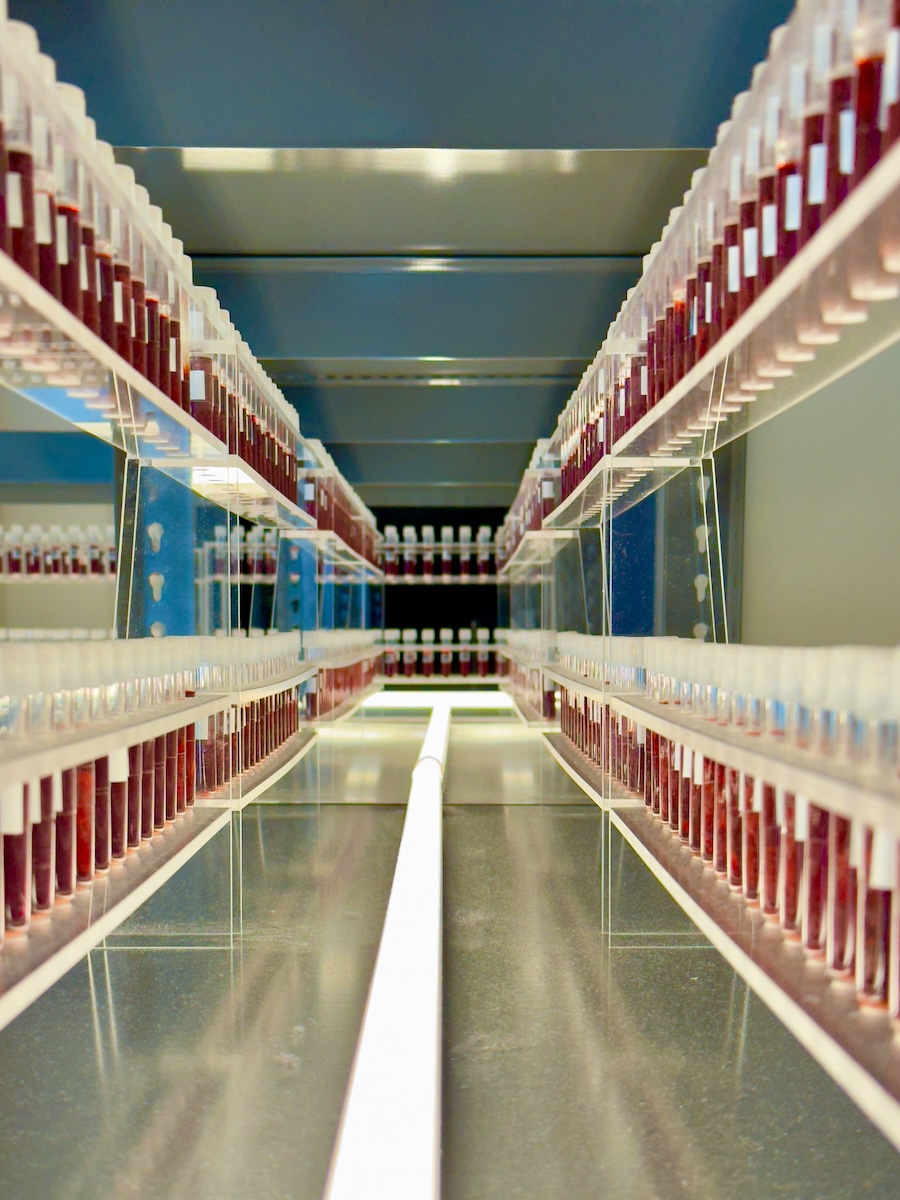
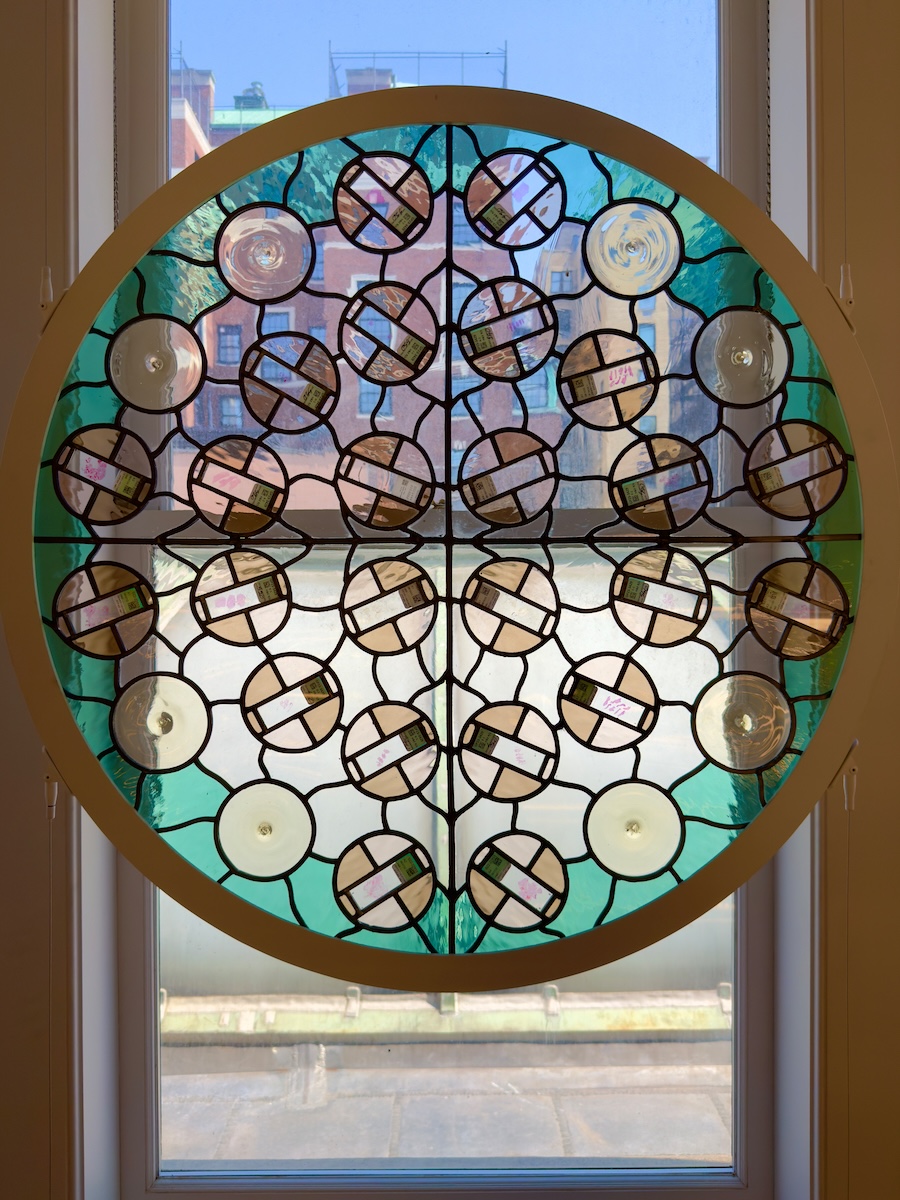
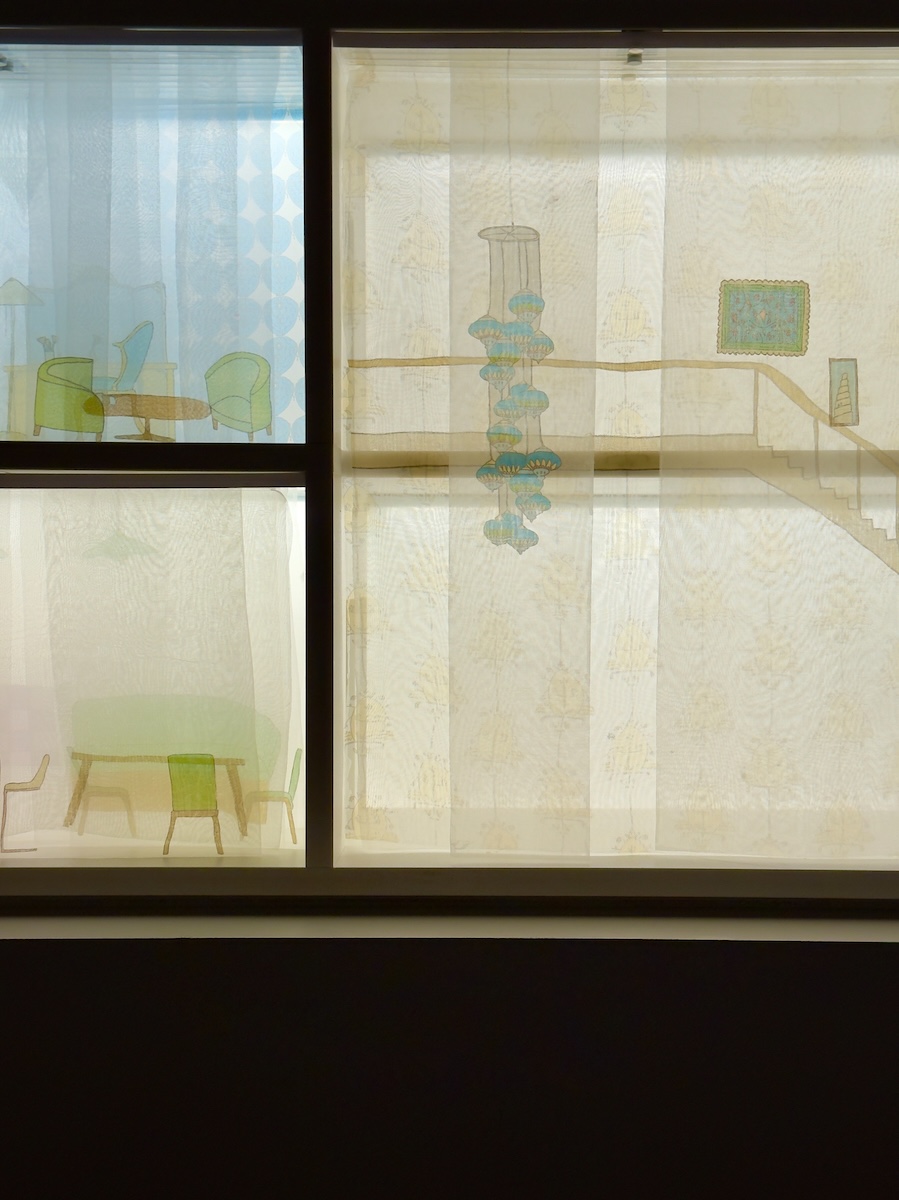
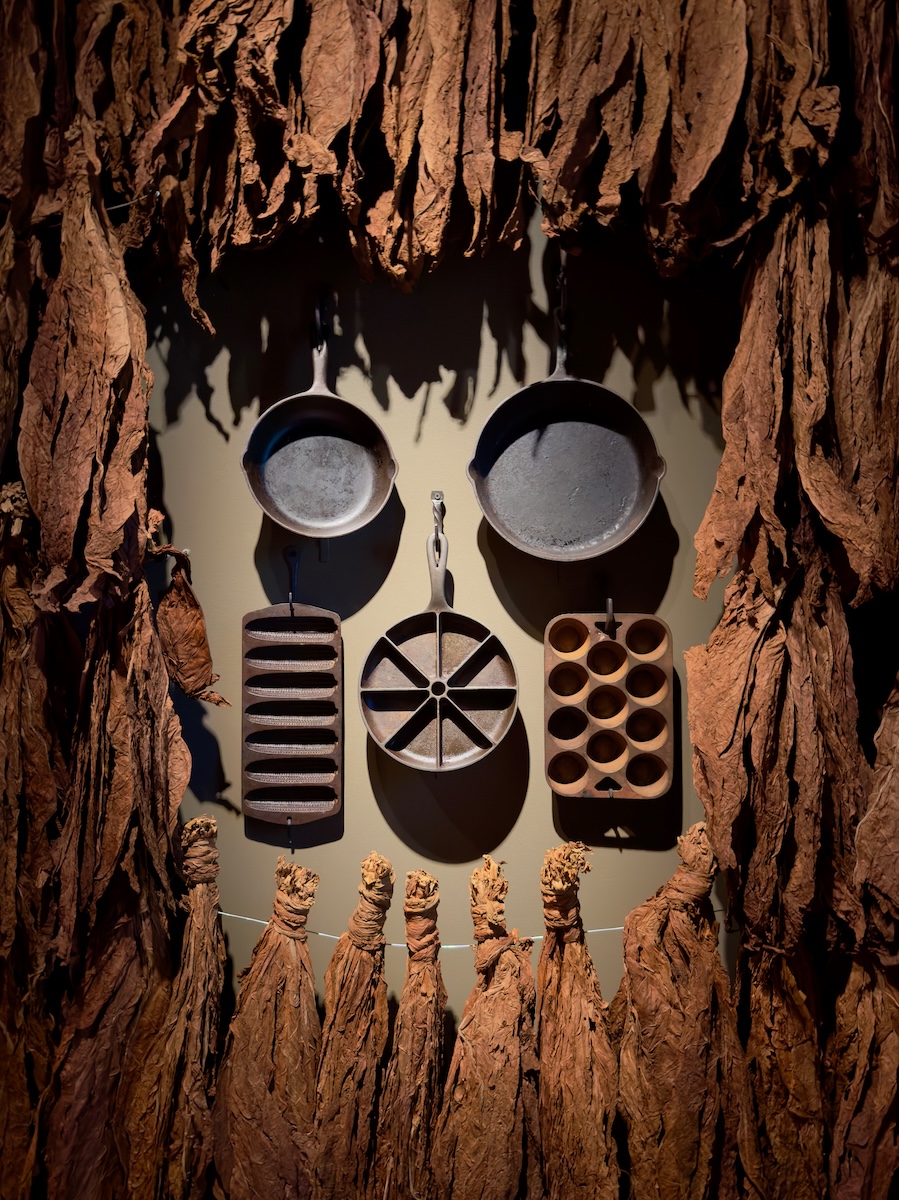
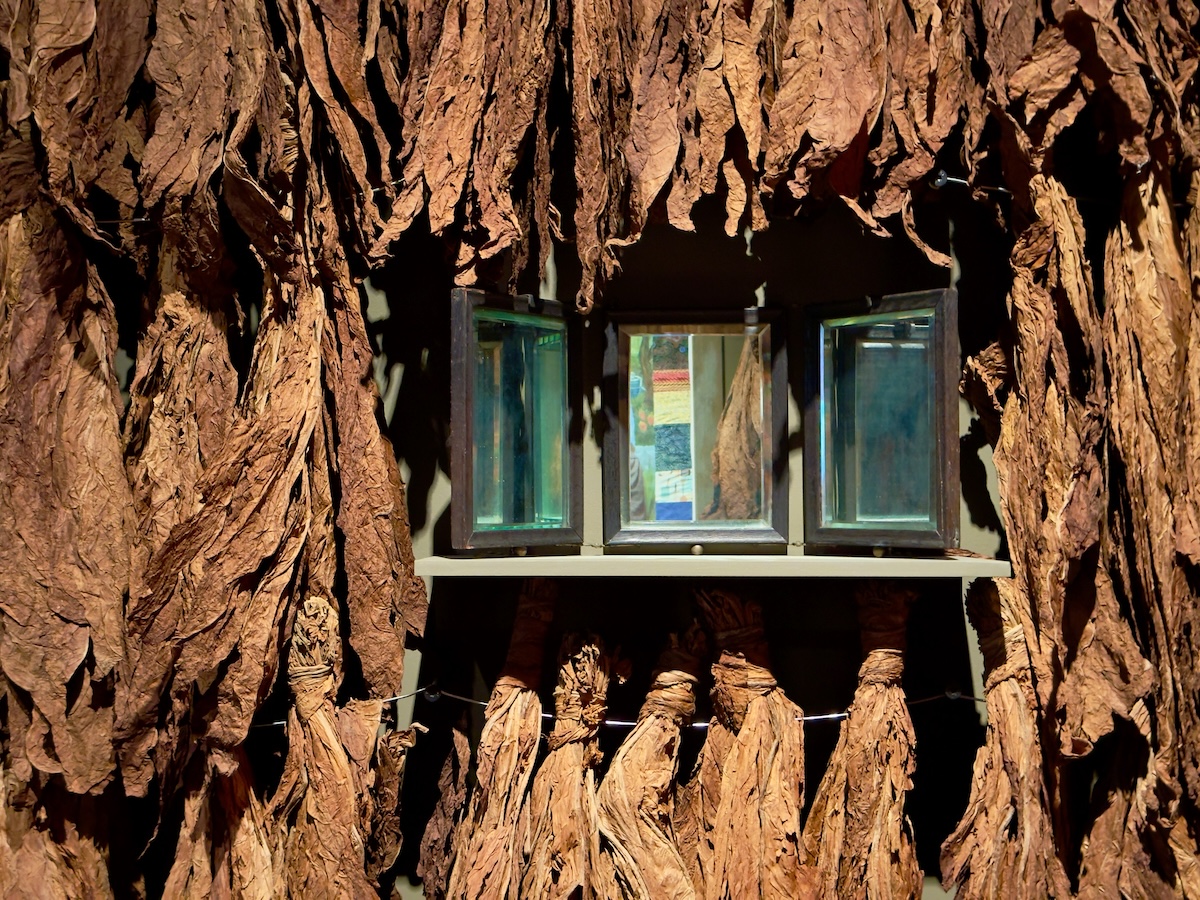
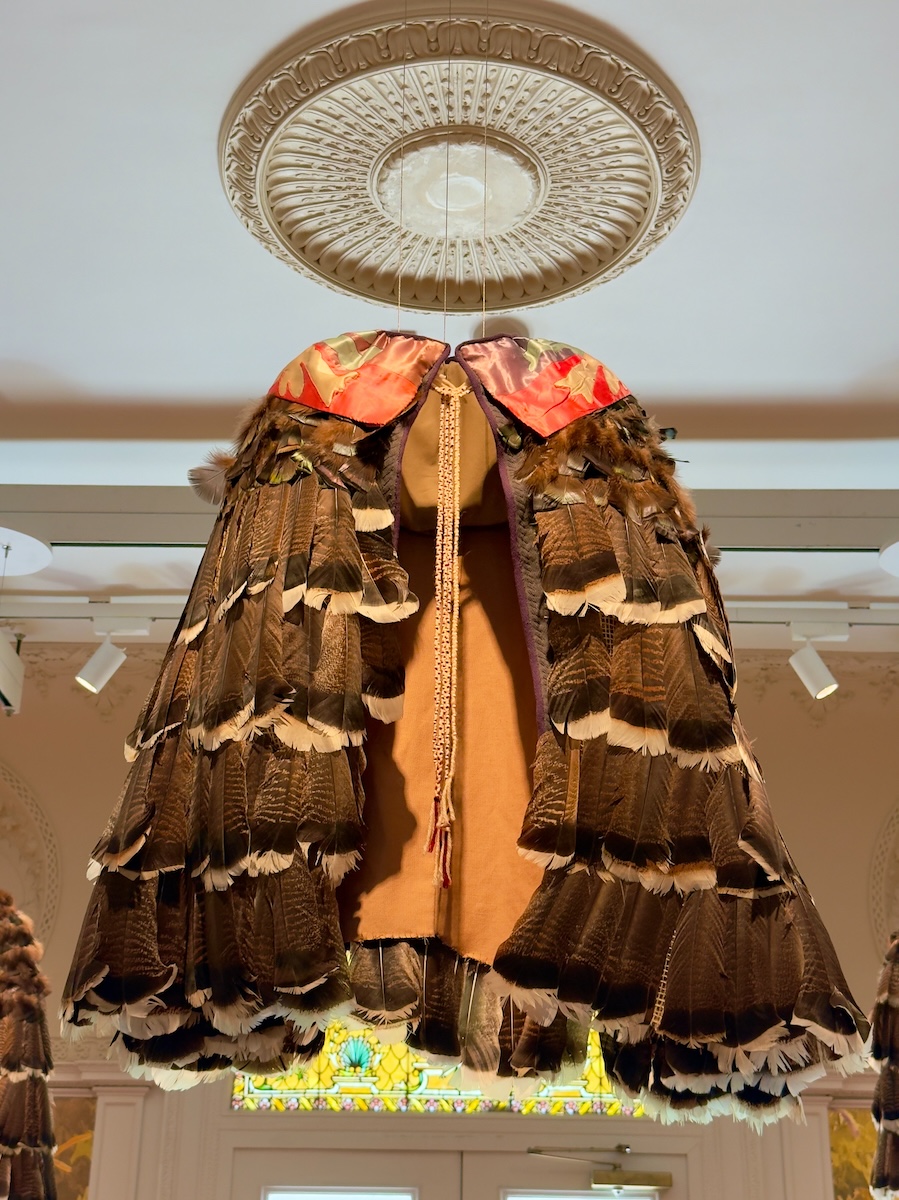
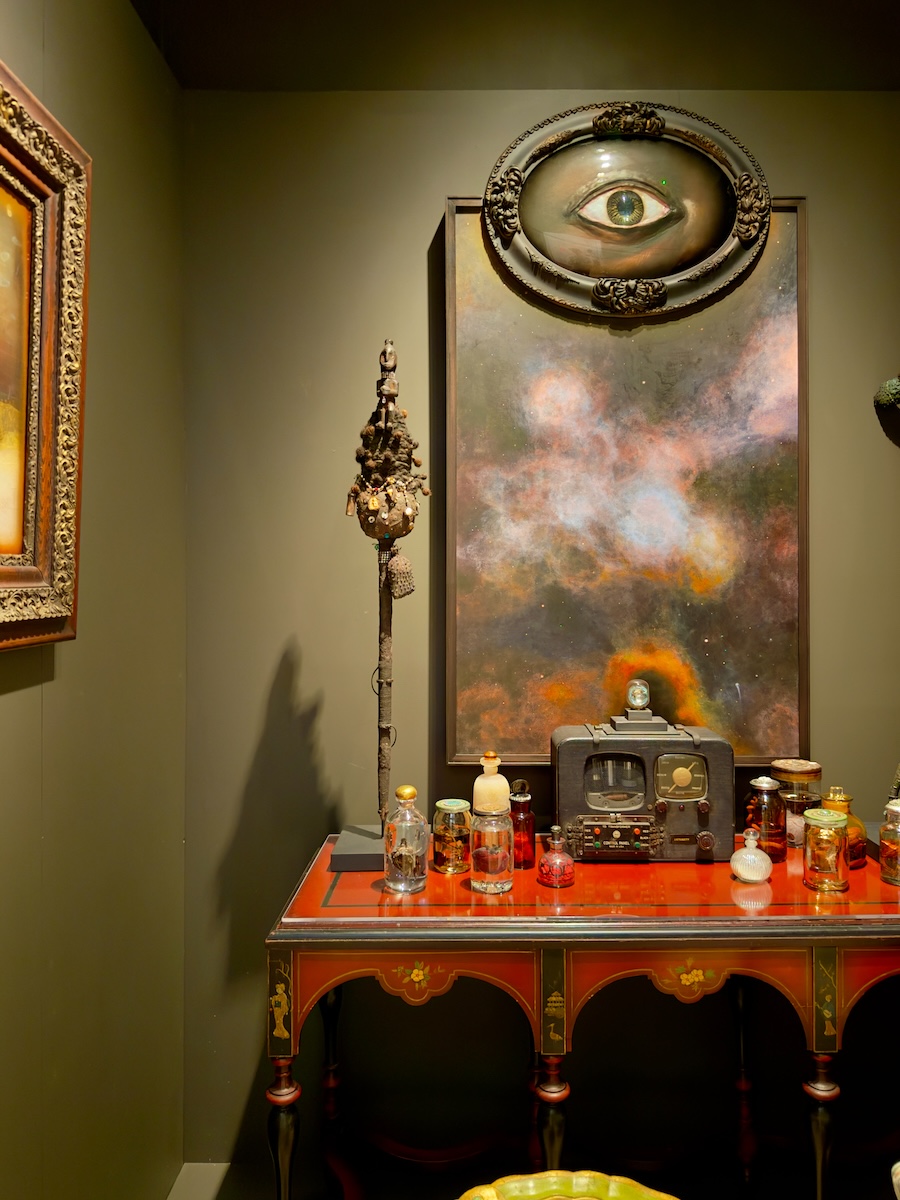
When the tour wrapped, we finally turned our attention to the exhibits we’d come to see in the first place. They were smaller than we expected—and strange. One room was filled with rows of small glass vials of blood. Another leaned heavily on tobacco—leaves, textures, objects built around it. There were garments suspended from the ceiling that looked like they belonged to someone, but didn’t look like anything you’d actually wear. They all circled the theme of what “home” is made of, what it does to the people inside it, how much of it is physical, and how much of it isn't.
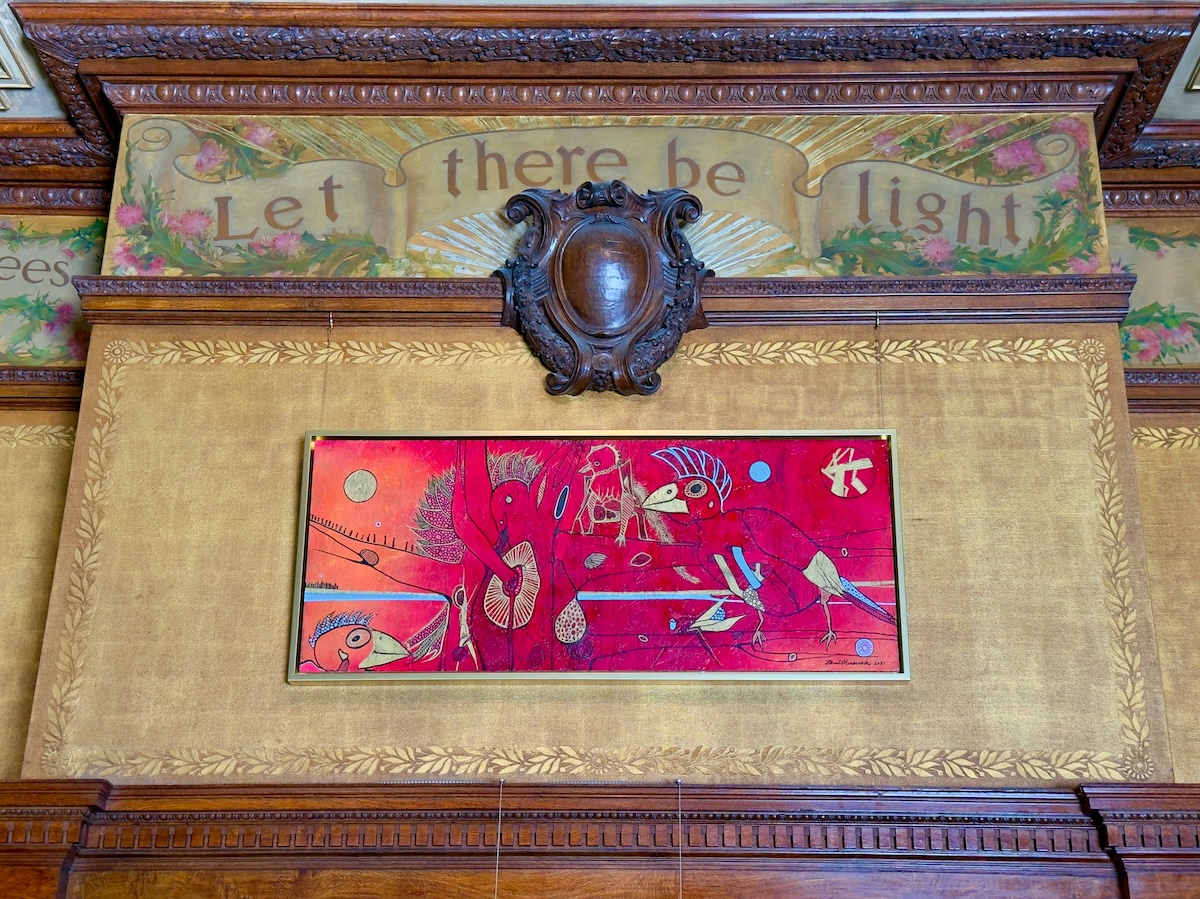
We spent time looking, of course, but probably not in the same way we would have if we’d started with them. The exhibits were pretty conceptual, making them hard to hold onto. In most of the galleries, I found myself looking more at the rooms and the house than the art.
Some of that has to do with what this place actually is today. The Cooper Hewitt wasn’t originally built as a museum. It started in 1897 as a teaching collection, founded by sisters Sarah Cooper Hewitt, Eleanor Garnier Hewitt, and Amy Hewitt Green. They were the granddaughters of the wealthy industrialist Peter Cooper—inventor of the earliest American steam locomotive—who’d founded the Cooper Union school of practical engineering, architecture, and design years earlier.
The sisters built on his ideas and created an institution for the study of industrial design materials, techniques, and objects, which is what it remained for a long time. By the 1970s, though, the Cooper Hewitt had outgrown its original home downtown at roughly the same time the Carnegie Corporation was looking for a new use for the mansion, which had already been converted to offices. The Corporation donated the home, which was renovated and adapted before opening as the museum’s new home in 1976.
You can feel that split as you walk through it. The house is grounded in how the Carnegies lived—movement, comfort, light—while the exhibits come at those same ideas more indirectly.
We almost didn’t take the tour. We had a plan, we were hungry, and the exhibits were waiting. It would have been easy to skip it, wander through a few rooms, and move on to the next thing on our list. But instead we did some quick math on how fast we could eat a sandwich and said yes, which is how we ended up spending most of our time in a house we hadn’t really come to see.






Write a comment