
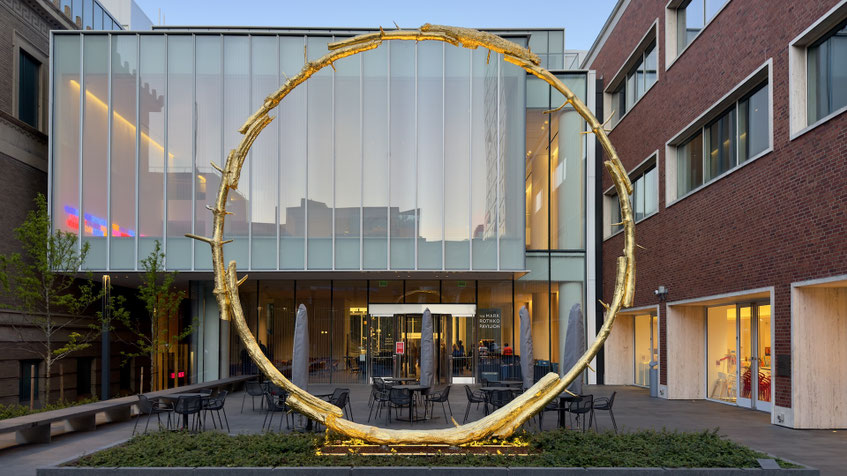
When we visited the Portland Art Museum, it was at the tail end of a major expansion and renovation. Construction walls interrupted sightlines, galleries were only partially open, and the new Mark Rothko Pavilion wasn’t quite ready for visitors. It wasn’t the museum’s finished form—but there was still more than enough to keep us happily occupied for an afternoon.
We wandered from Oregon landscapes and 19th-century portraits into Japanese prints and contemporary installations, while a special exhibition drawn from the collection of Jordan D. Schnitzer brought together some of the biggest names in modern art.
That’s a dangerous combination for someone like me.
I can happily spend an afternoon wandering through almost any art museum, but this one kept rewarding detours. Some pieces reminded me of things in my past. Others surprised me completely. Together, they felt less like a survey of art history than a conversation between Portland and the wider world.
Highlights
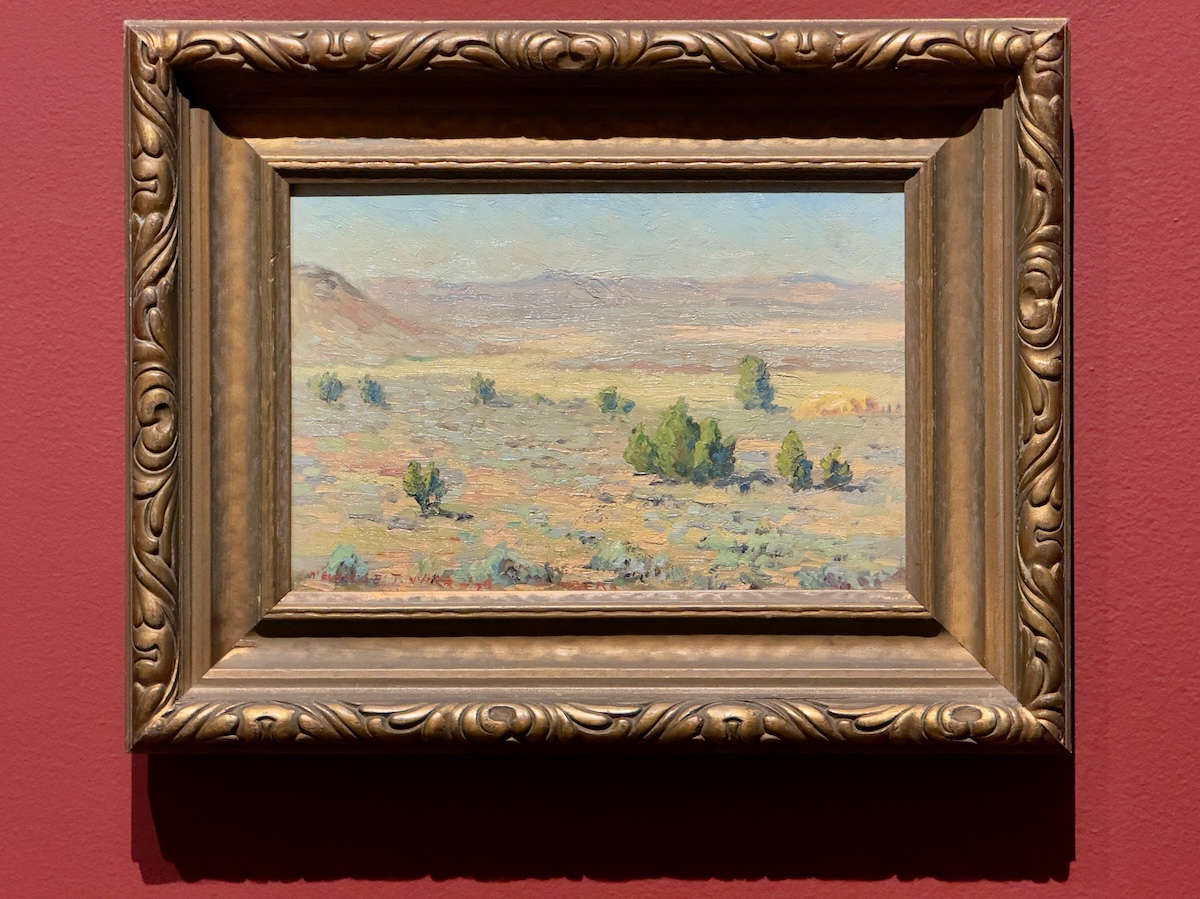
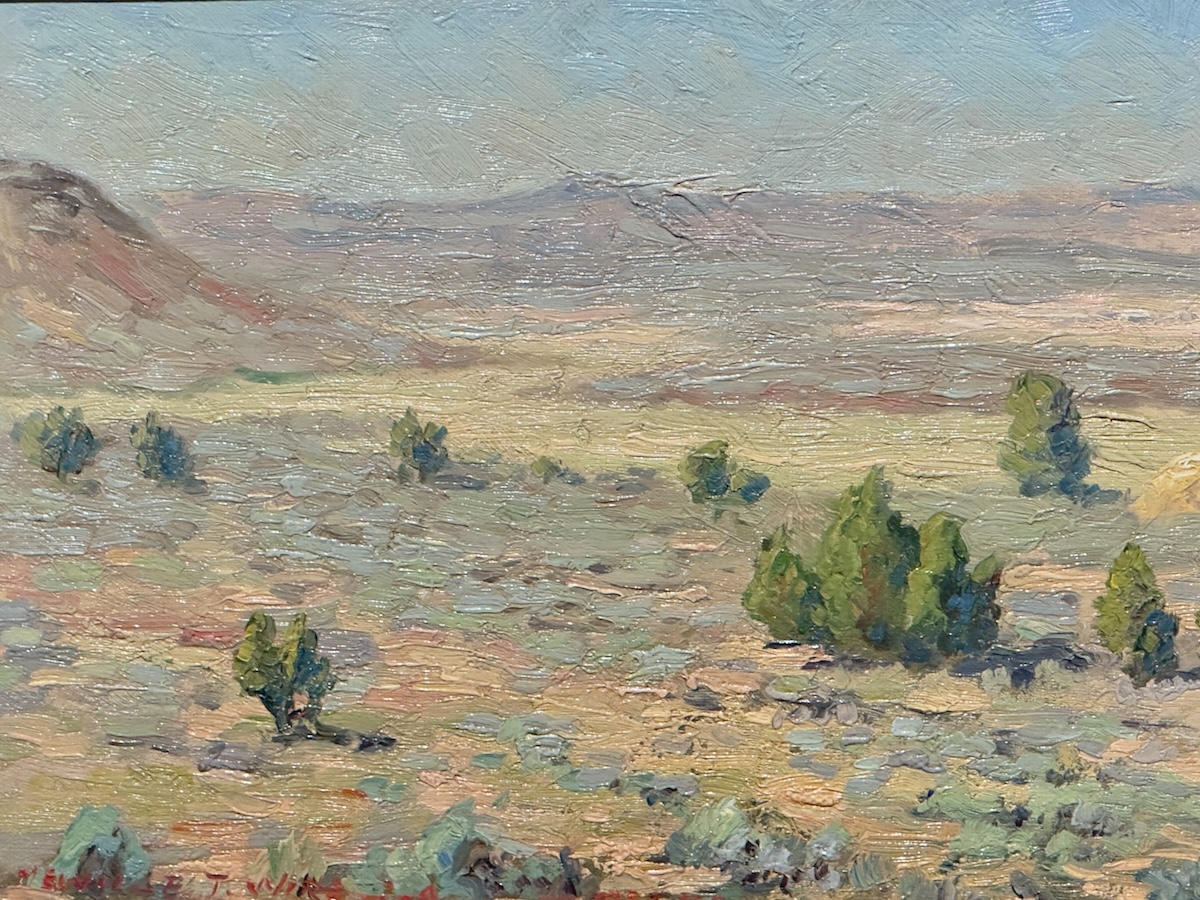
Meeks, Oregon, 1929 — Melville T. Wire
Wire painted Oregon’s high desert with soft colors and an almost impossible sense of calm. I don’t see it quite the same way. My family spent a couple of years in Central Oregon by accident when I was young, and I’ve never fully forgiven the place. I have no reason to think Wire shared that opinion.
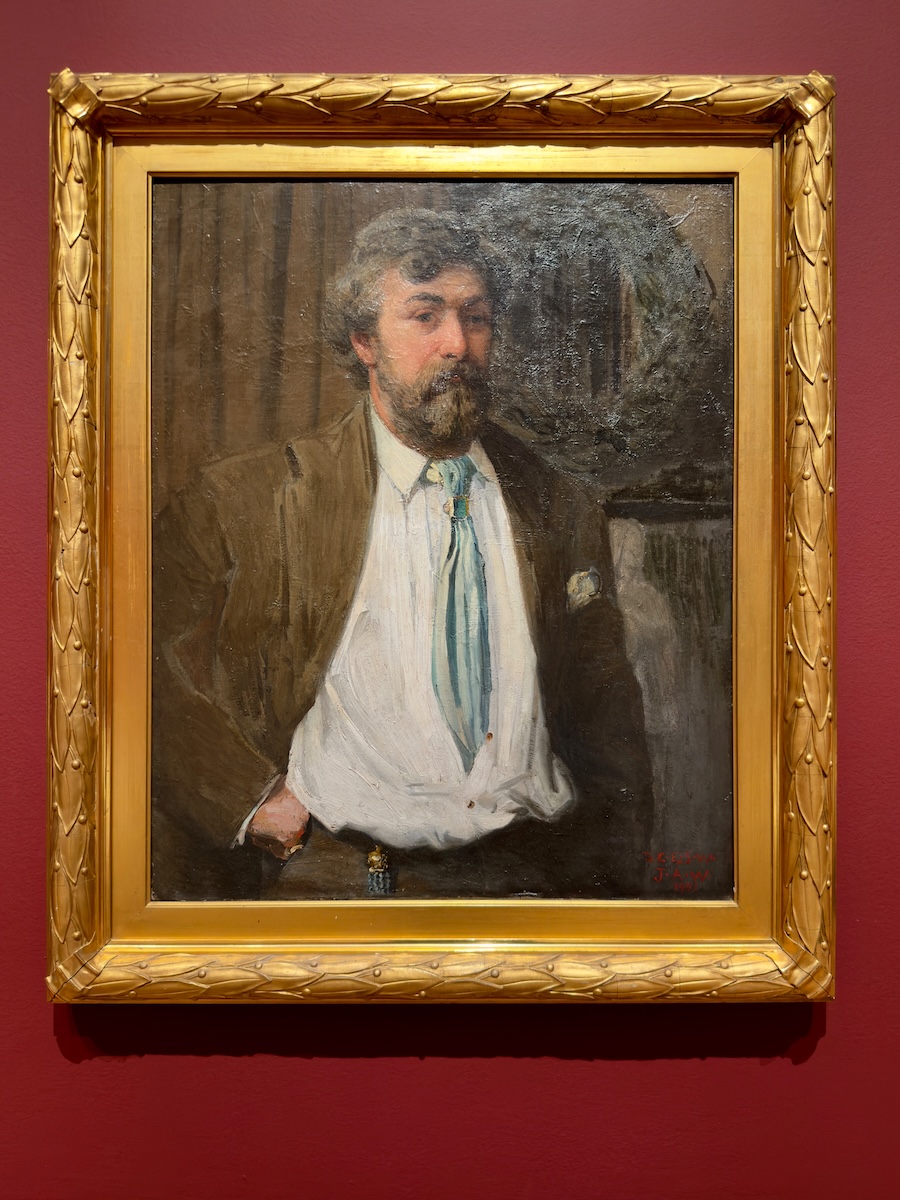
C.E.S. Wood, 1901 — Julian Alden Weir
At first glance, this looks like another distinguished gentleman in a good suit. Then you discover C.E.S. Wood wasn’t just any Portland notable—he helped found the Portland Art Museum itself after Julian Alden Weir introduced him to American Impressionism years earlier. It’s a nice reminder that museums don’t simply appear one day. Somebody has to decide a city deserves one.
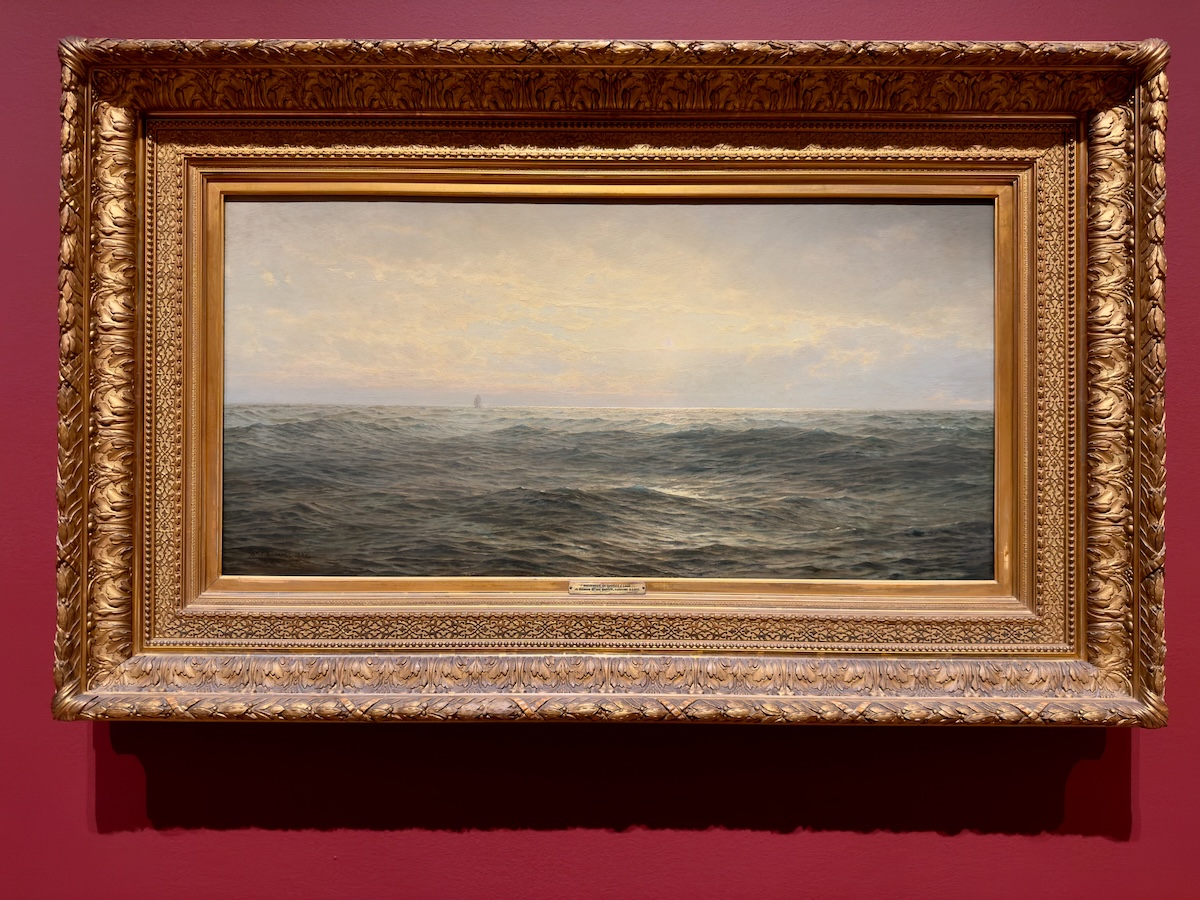
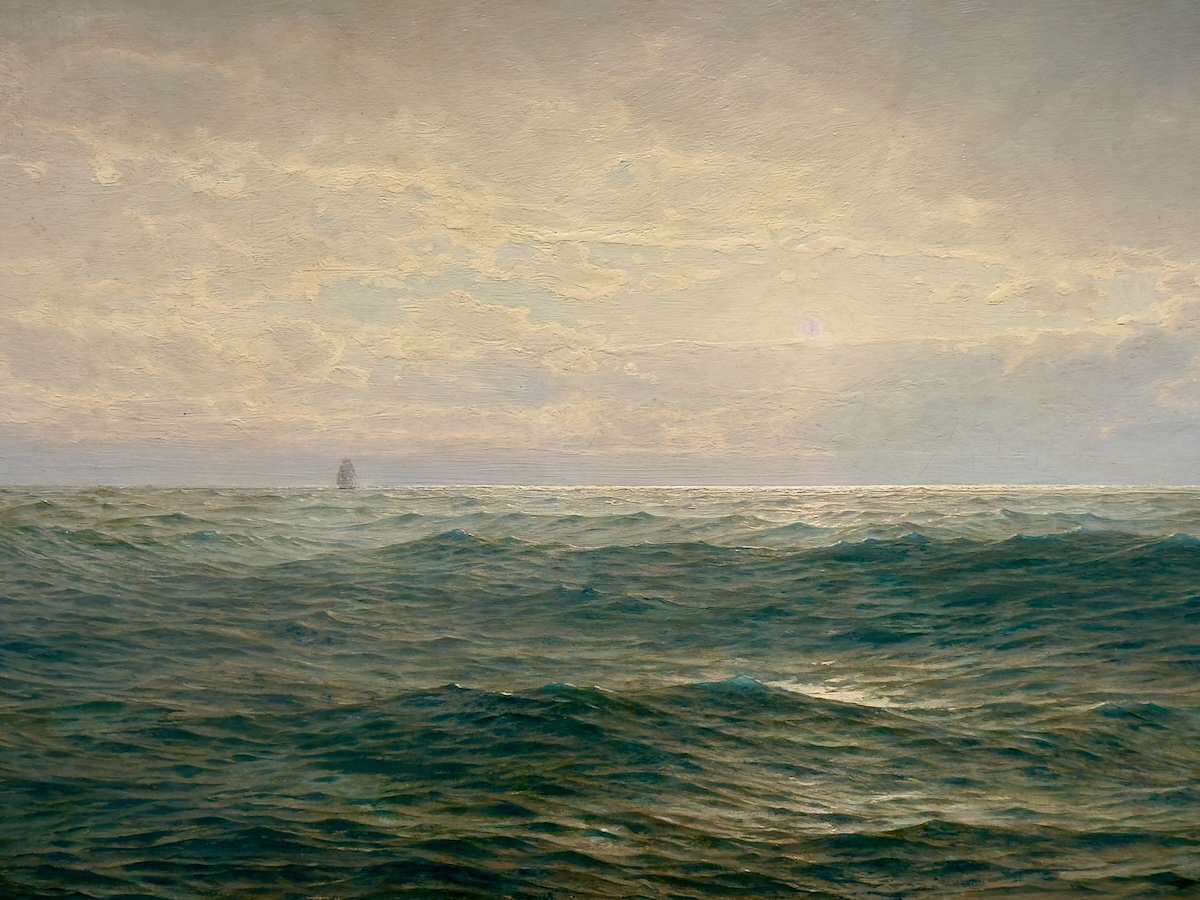
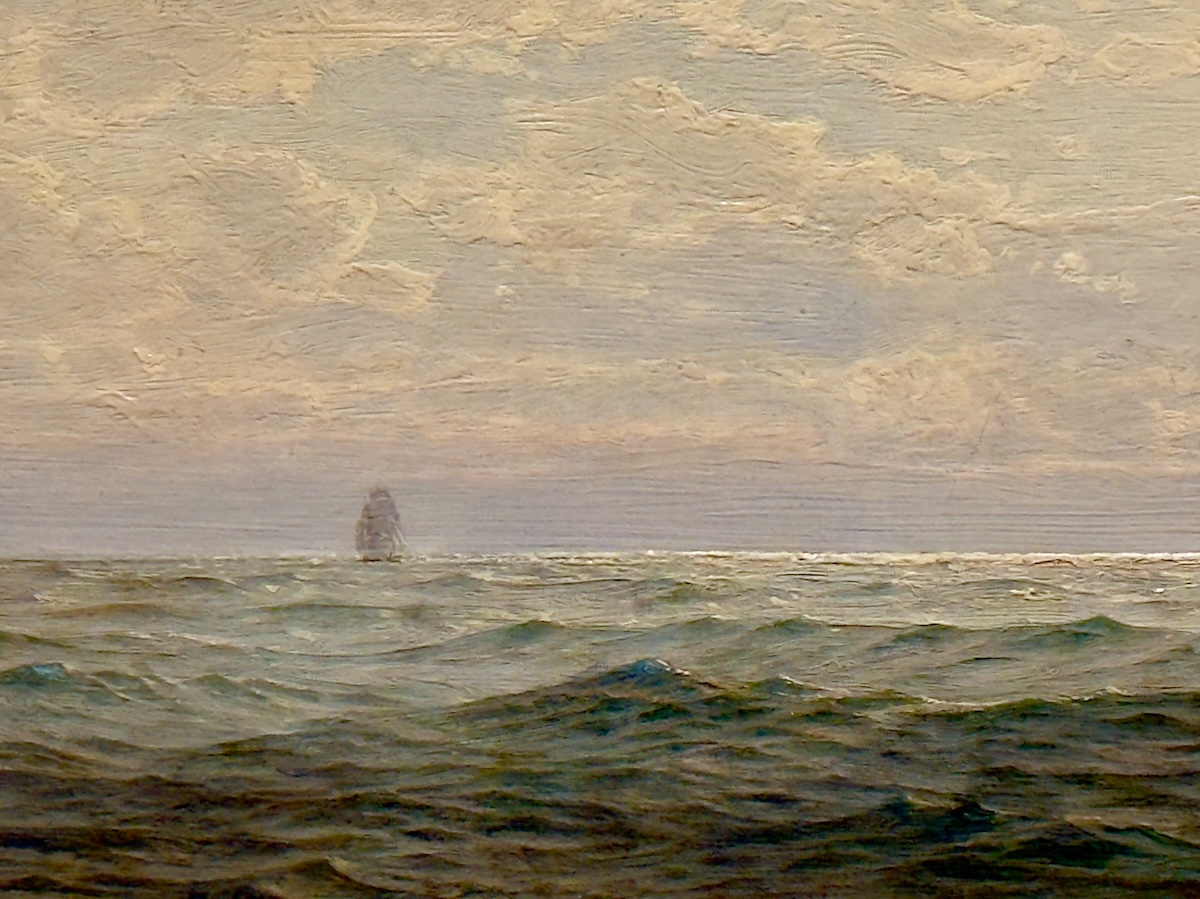
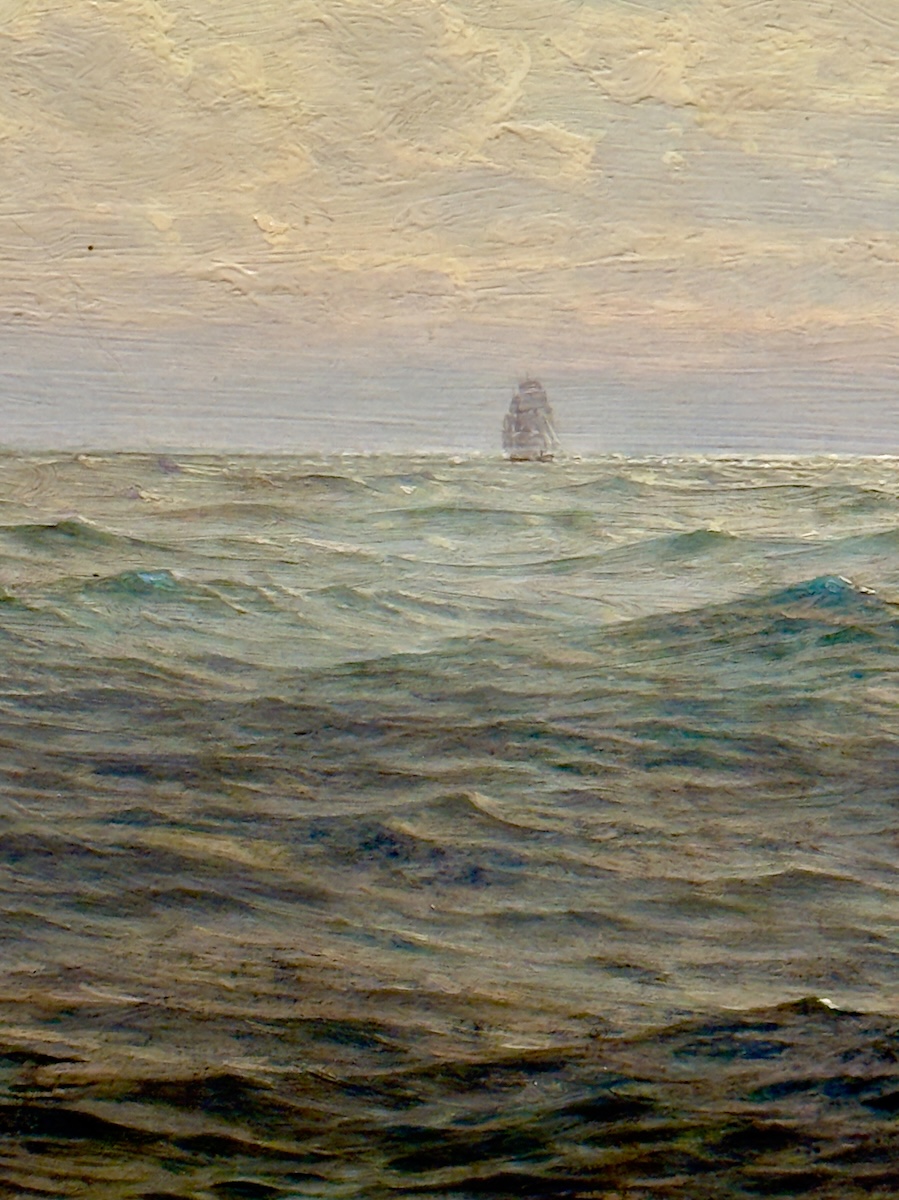
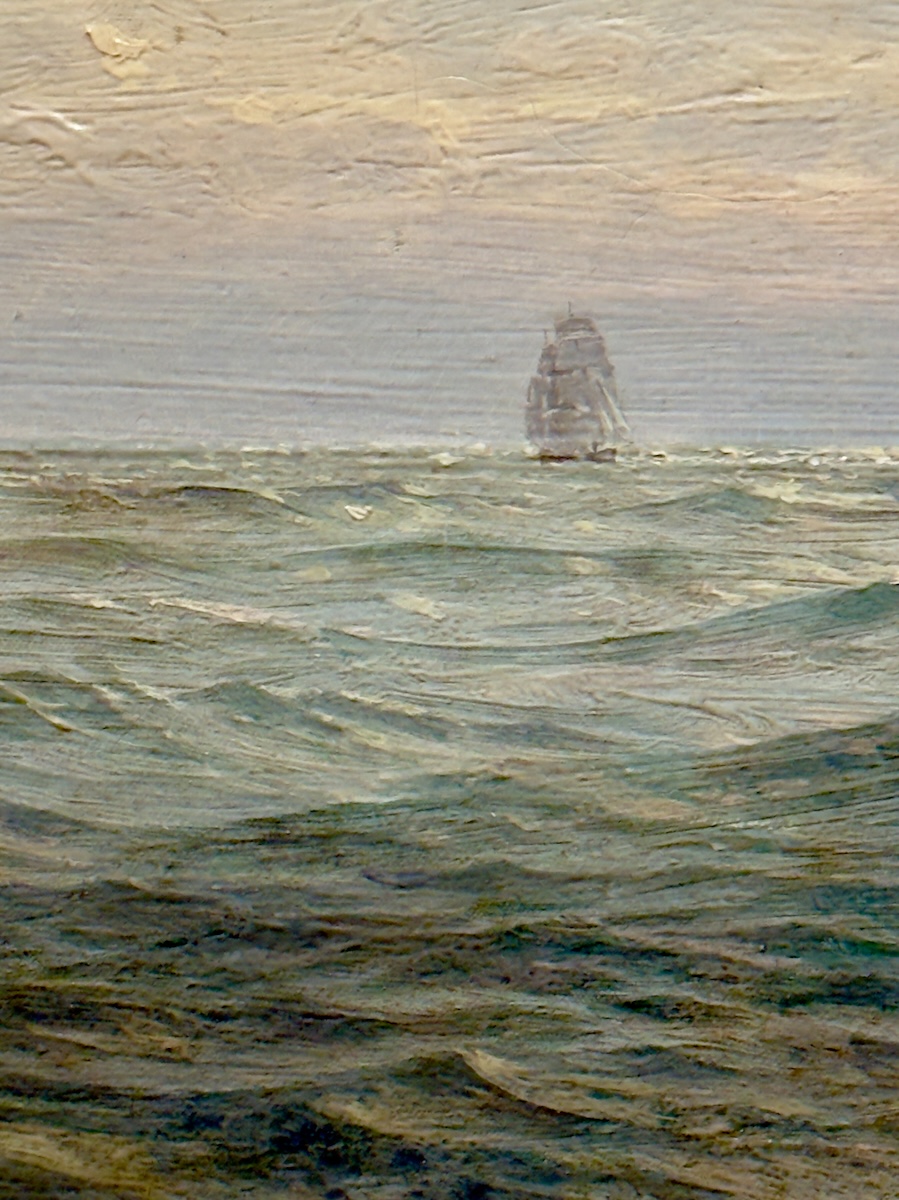
Marine, 1884 — William Trost Richards
This quiet stretch of open water transported me somewhere entirely different. My grandparents had a seascape hanging above the bed where I slept whenever we visited them in Longview, Washington. I’m fairly certain theirs wasn’t a museum piece, but memory isn’t especially concerned with provenance. Looking at Richards’ painting, I was eight years old again, staring at waves before falling asleep.
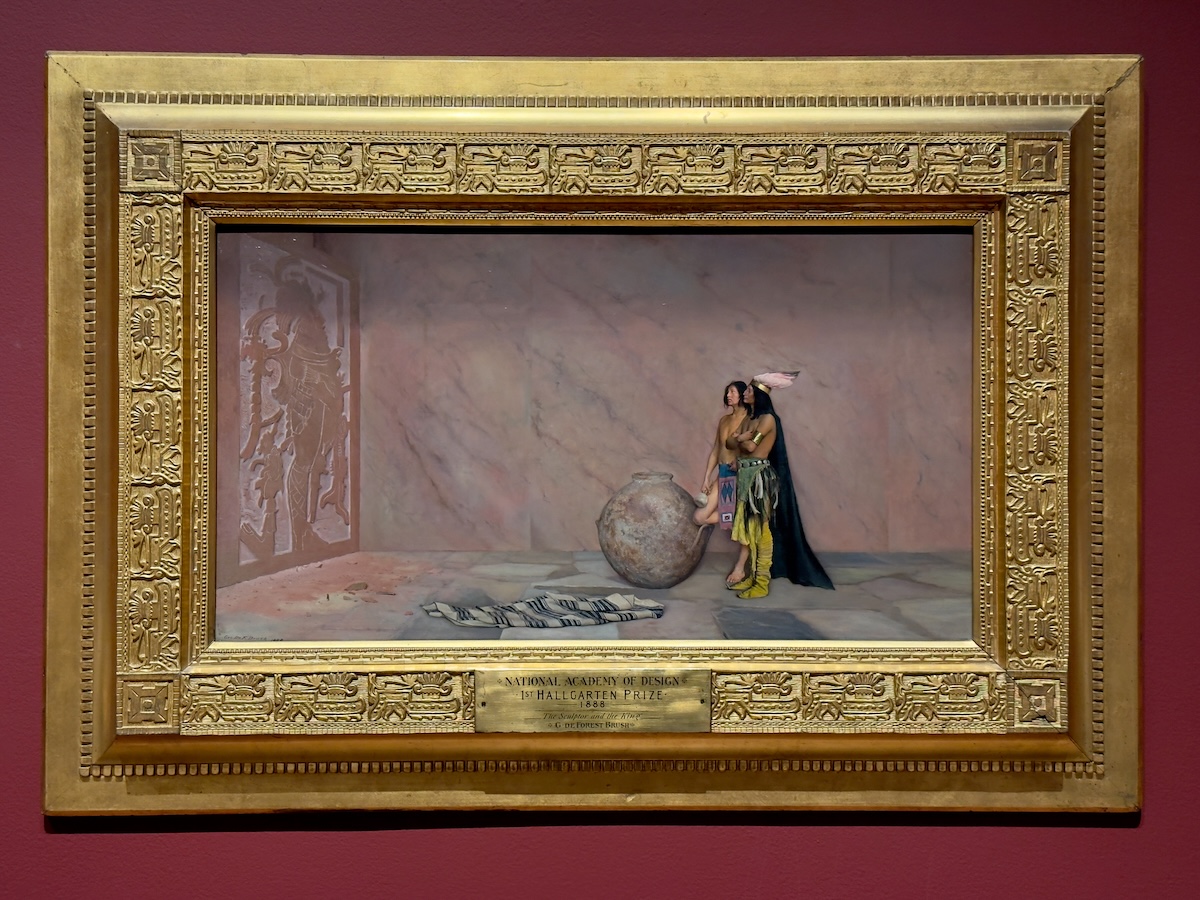
The Sculptor and the King, 1888 — George de Forest Brush
Brush spent time living among Native communities in Wyoming and Montana before painting this scene, though it was also inspired by an “Aztec Fair” he’d visited in New York. The title tells us we’re looking at an artist presenting his work to his king. I didn’t get that at first, despite the title being pretty darn clear. Whatever the story, I kept coming back to it. Sometimes you don’t need to understand exactly why something grabs you.
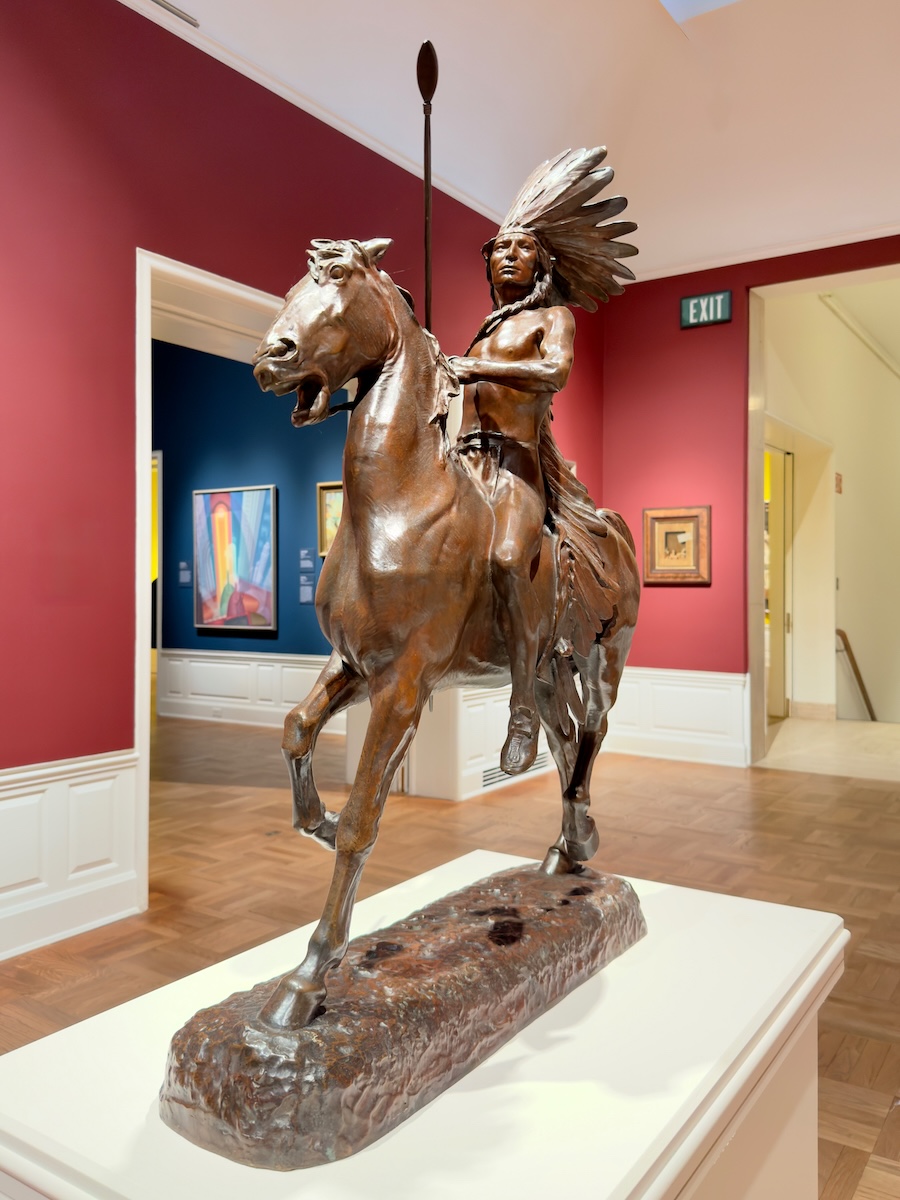
Indian on Horseback, 1898 — Alexander Phimister Proctor
Every museum west of the Rockies seems contractually obligated to display either a cowboy or an Indigenous rider, and Portland checks the box with considerable style. Proctor modeled this sculpture after Chief Weasel Head of the Blackfeet Nation, whom he met while working in Montana, and it became the first original sculpture acquired by the museum. It also reminds you that this isn’t just a Portland museum. It’s a Western museum, too.
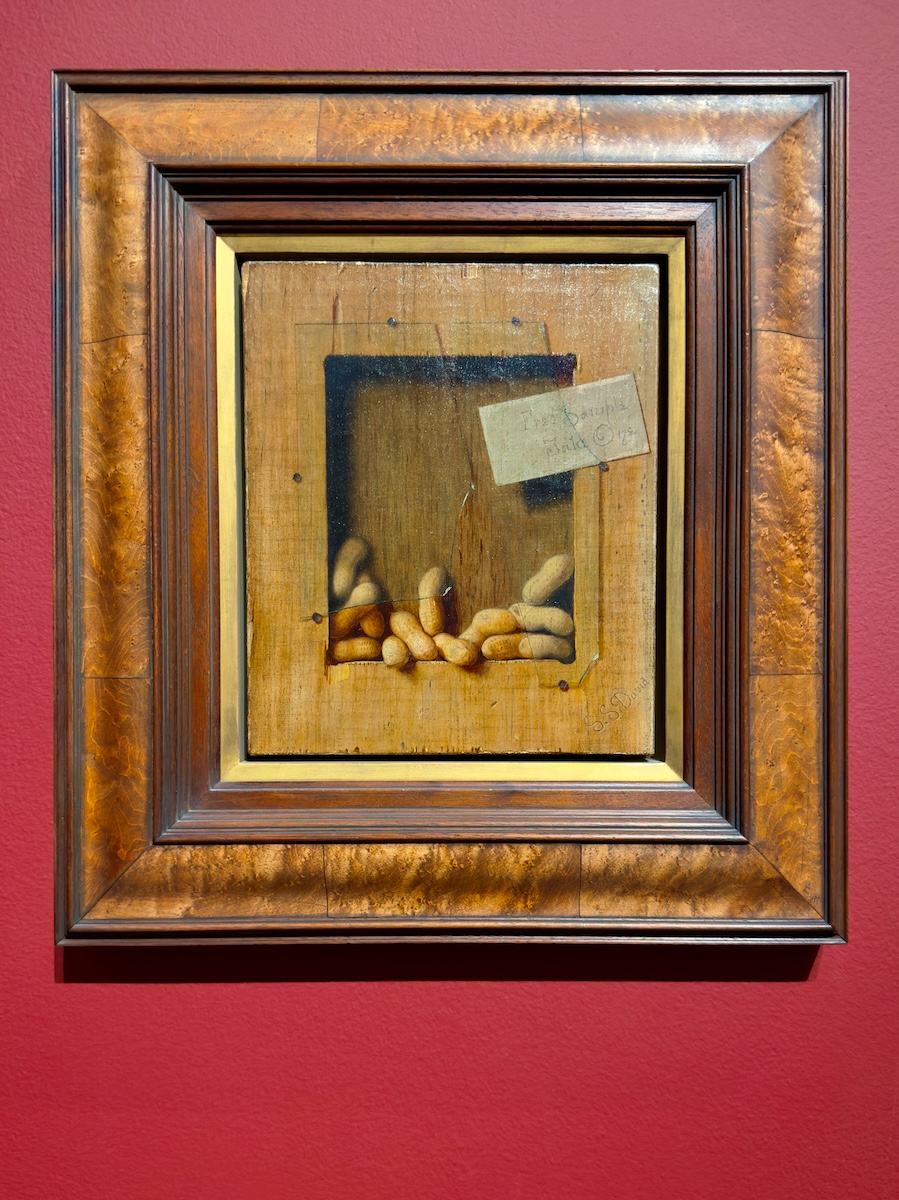
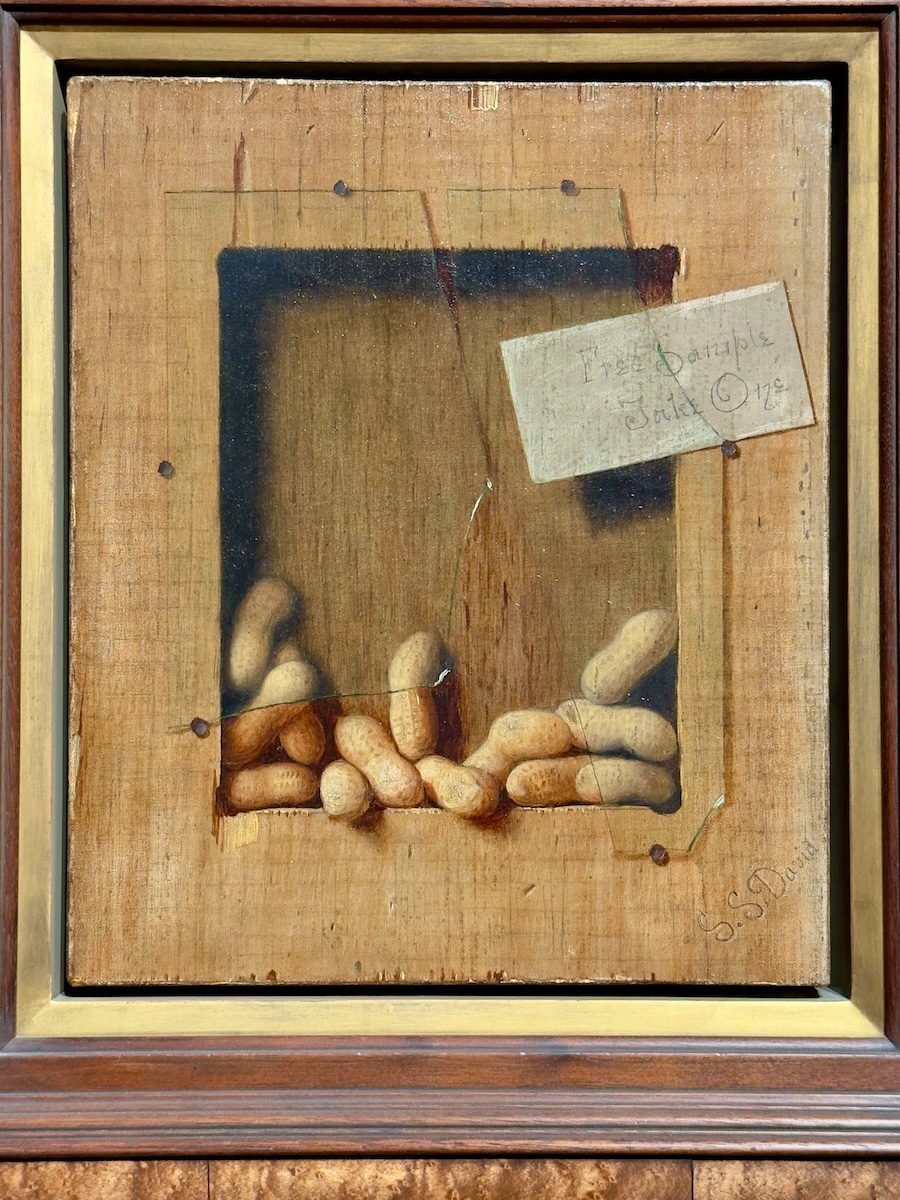
Peanuts, ca. 1890 — De Scott Evans
I stood in front of this little painting for the better part of 15 minutes, convinced there had to be some trick I wasn’t seeing. There wasn’t. Evans belonged to a long tradition of artists creating illusions so convincing that viewers supposedly reached for painted grapes or tried to pick up imaginary coins. Don’t worry, I didn’t touch it. I’m not all that big on peanuts.
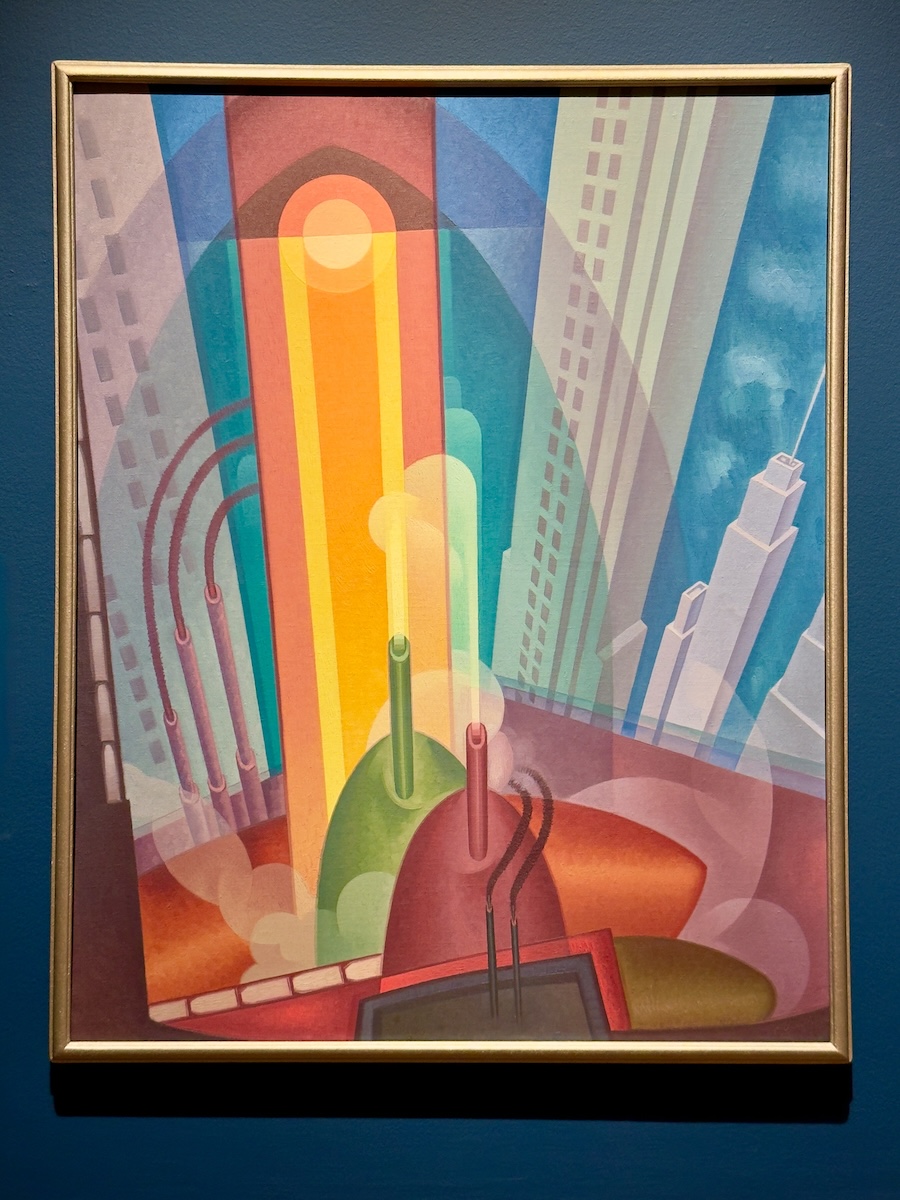
City Perspectives, 1932 — Raymond Jonson
This painting practically hums. All sharp geometry, glowing color, and machine-age optimism, it looks as though Art Deco exploded across the canvas. Surrounded by quieter nineteenth-century landscapes and portraits, it felt wildly out of place—the visual equivalent of a jazz band marching into a string quartet.
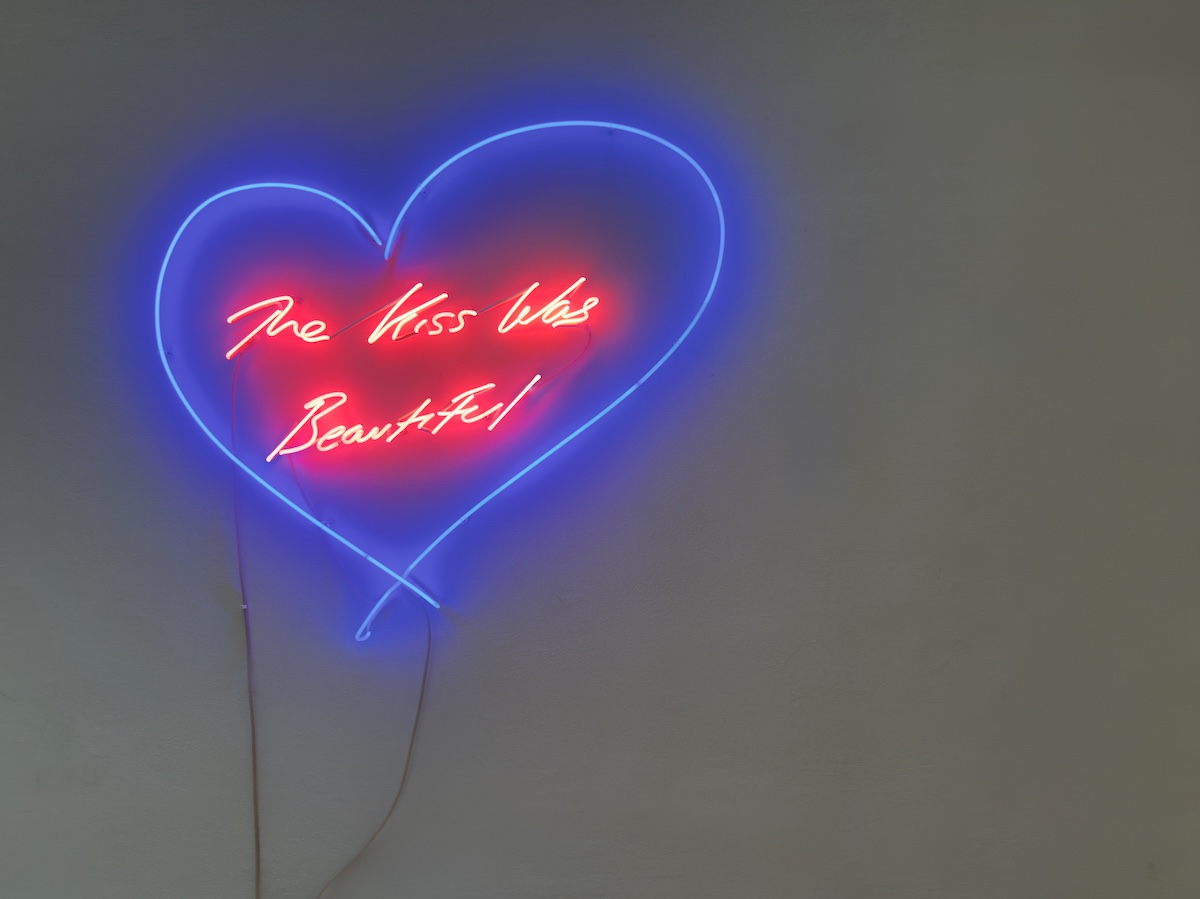
The Kiss Was Beautiful, edition 1/3, 2012 — Tracey Emin
Walking through galleries of paintings, I wasn’t expecting a handwritten sentence glowing in pink neon. This one manages to feel deeply personal and completely familiar. I have no idea whose kiss Emin was remembering, but it wasn’t long before I started remembering one of my own.
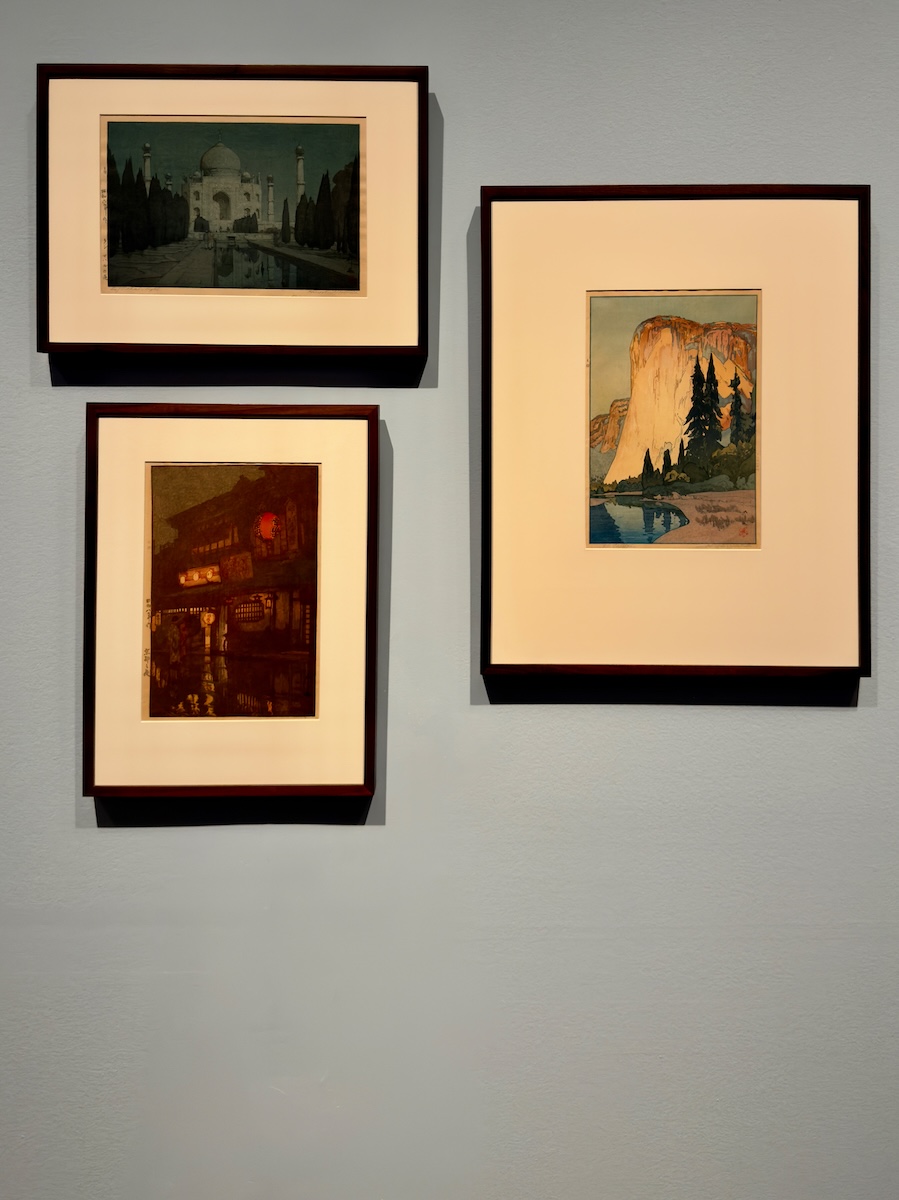
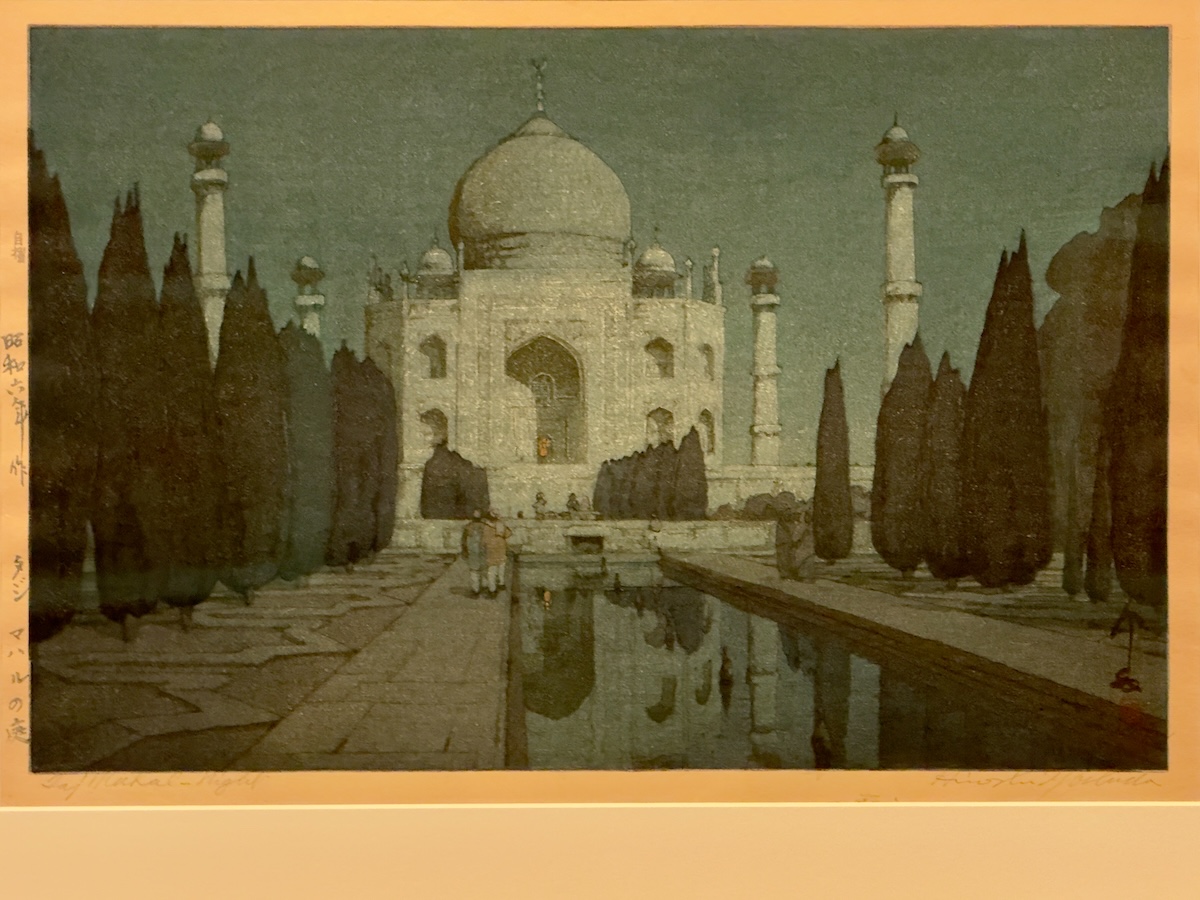
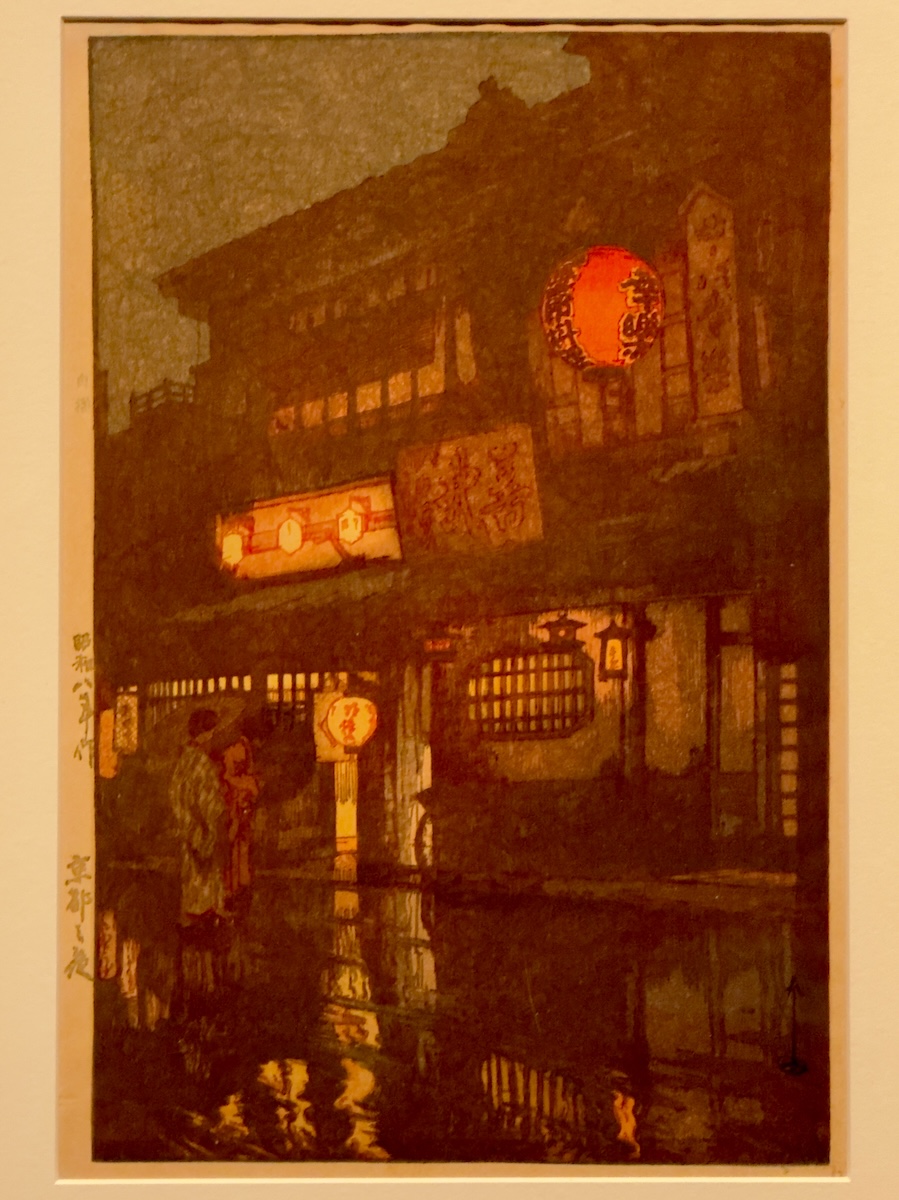
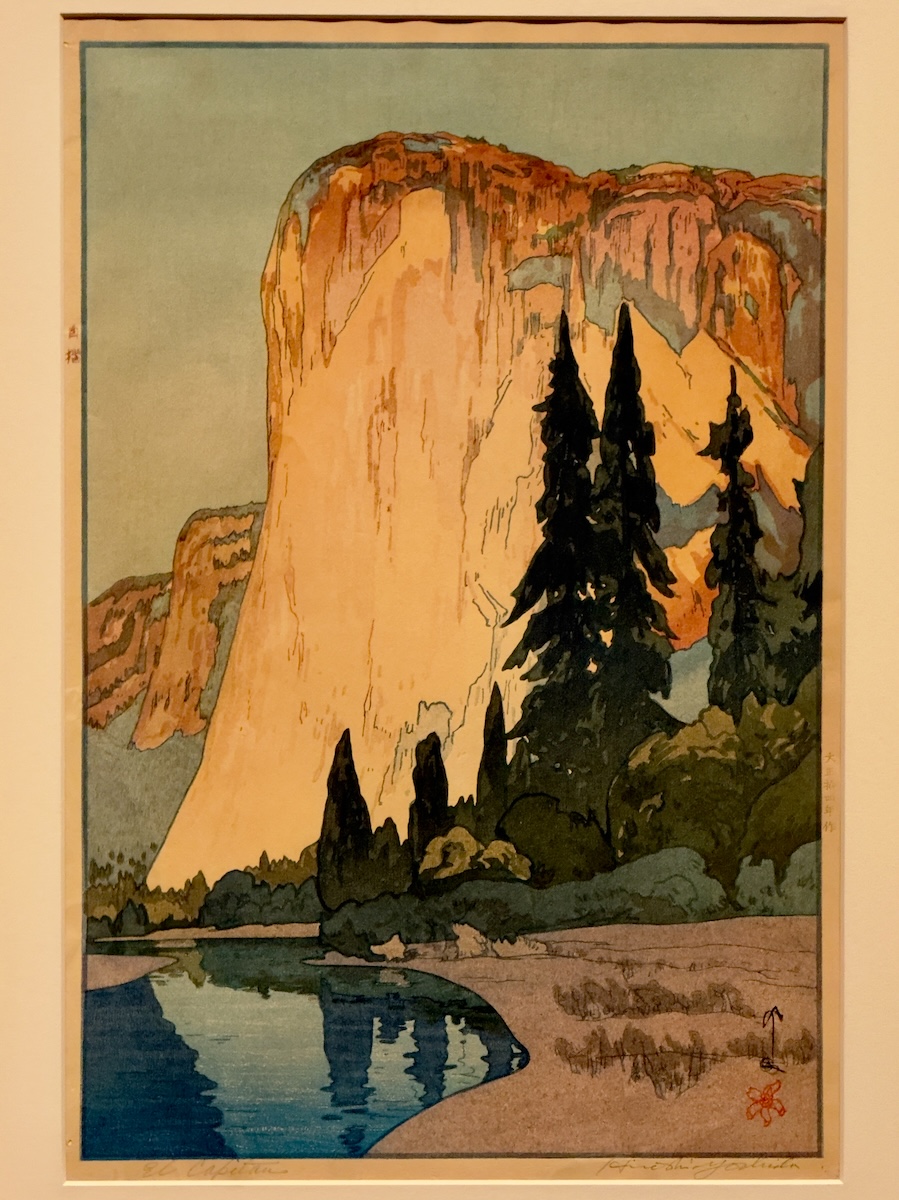
Taj Mahal Gardens at Night, 1931; Night in Kyoto, 1933; El Capitan, 1925 — Yoshida Hiroshi
Japanese printmaker Hiroshi traveled widely, but what fascinated me wasn’t where he went—it was how consistently he saw the world. Whether depicting the Taj Mahal, a Kyoto street, or California’s El Capitan, each place becomes unmistakably Yoshida’s. Different continents, different cultures, all rendered with the same quiet light and remarkable sense of stillness.
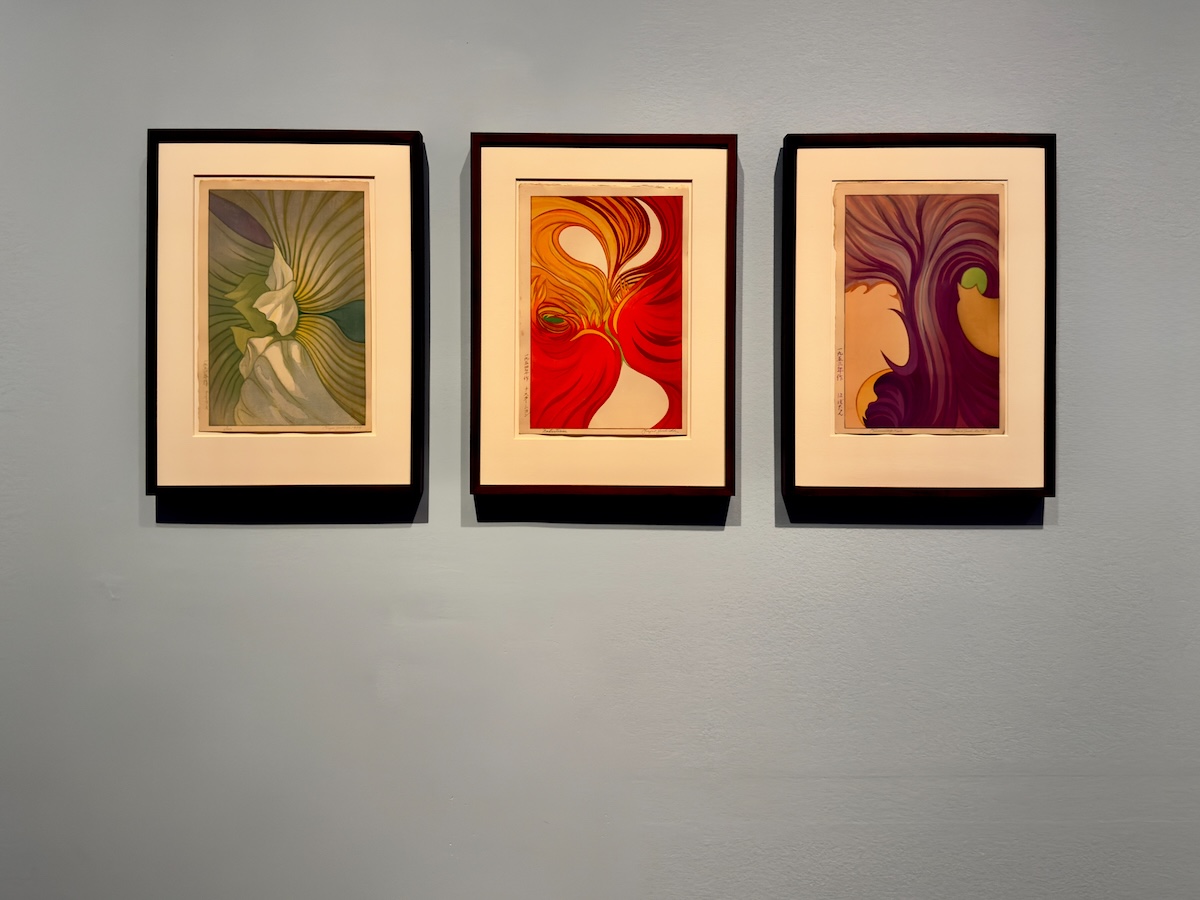
Iris, 1954; Nasturtium, 1954; Flowering Kale, 1954 — Yoshida Fujio
Fujio found endless possibilities in flowers. These close-up woodblock prints reduce blossoms to sweeping curves, rich color, and almost abstract forms without losing sight of the flowers themselves. They’re elegant, sensual, and impossible to rush past. I’d lean close to admire the carving, then step back to enjoy the composition all over again.
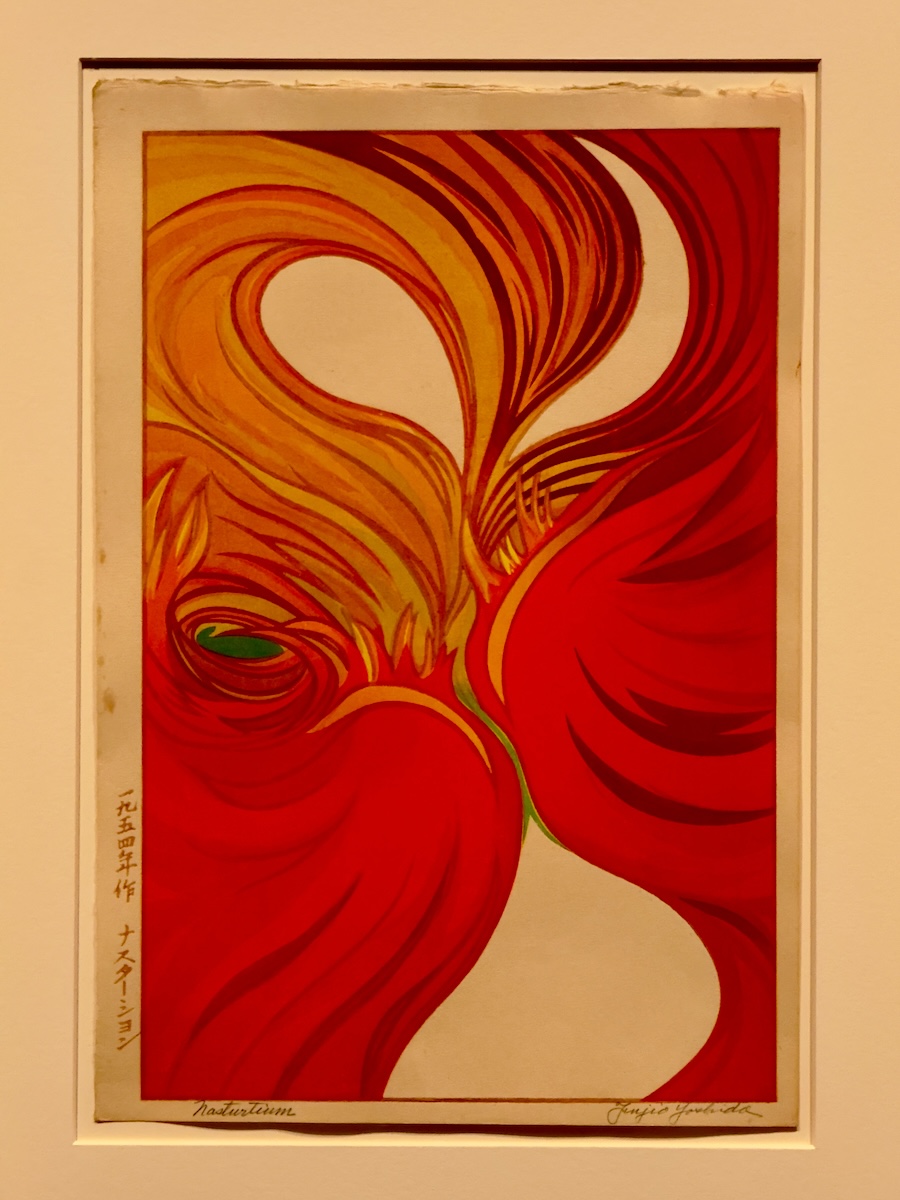
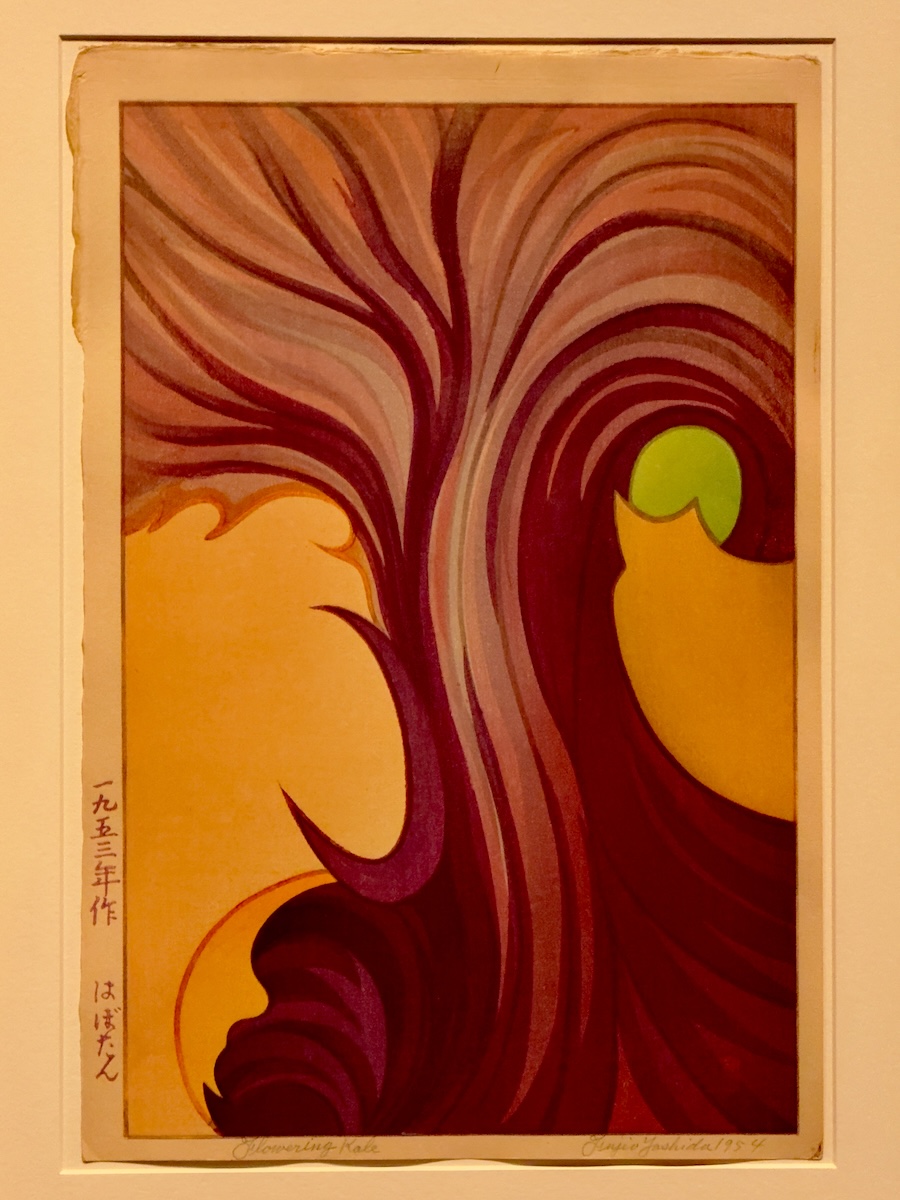
Exhibition: Global Icons, Local Spotlight
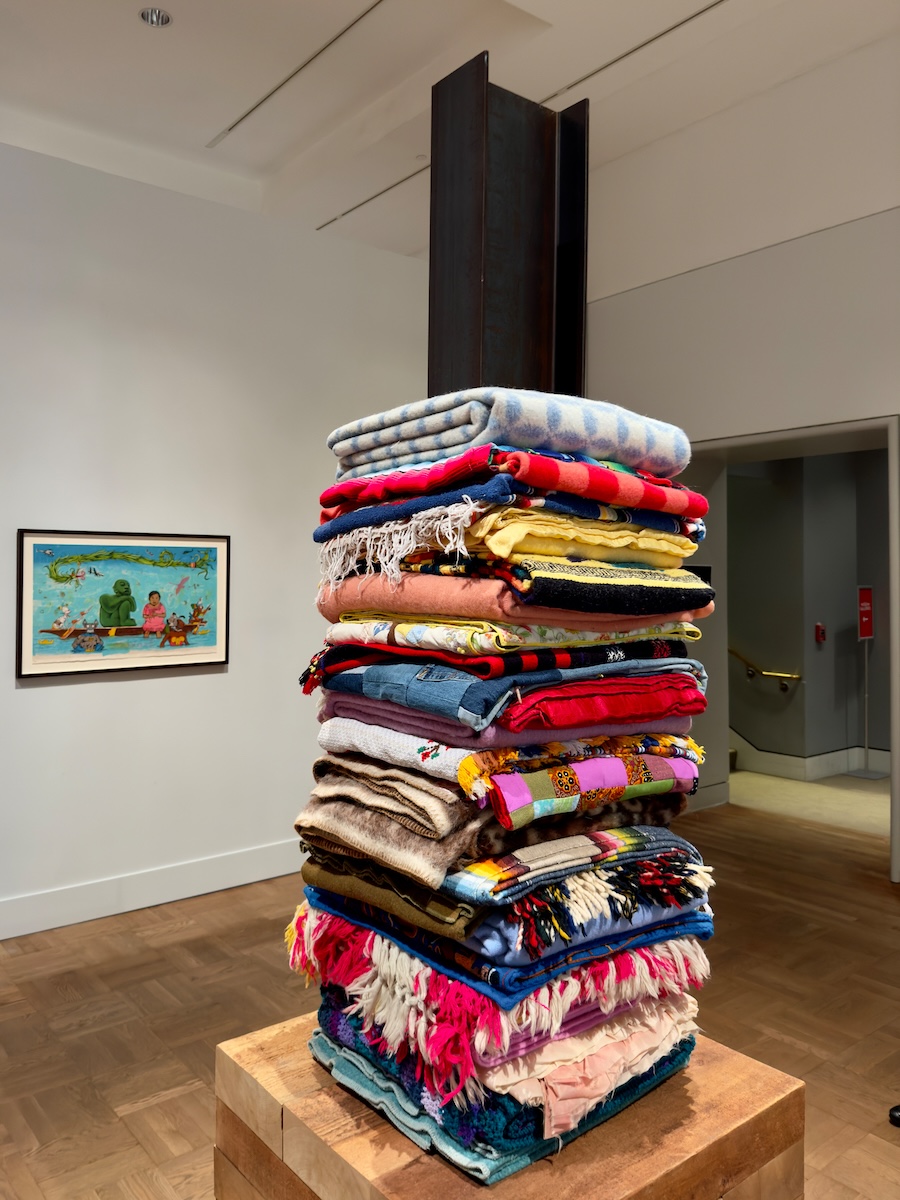
Skywalker/Skyscraper (Abuela, Cobija, San Marcos), 2022 — Marie Watt
The moment I saw Watt’s piece, I recognized it. We’d admired another of her monumental sculptures at the Autry Museum of the American West in Los Angeles, and her combination of blankets, reclaimed materials, and Indigenous storytelling sticks with you. This one is both sturdy and delicate, like a shelter built from memories rather than lumber.
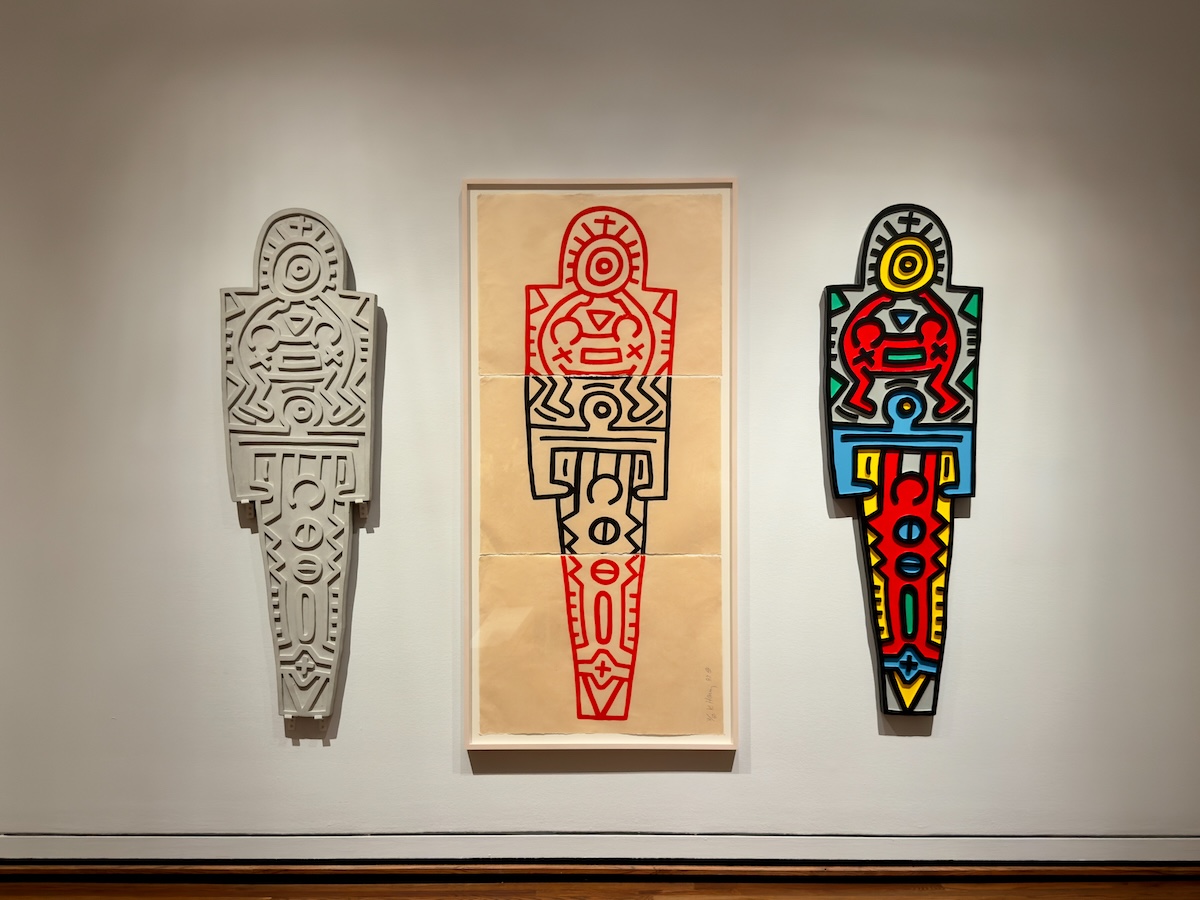
Totem (Concrete), 1988/1989; Totem, 1989; Totem (Wood), 1988/1989 — Keith Haring
Keith Haring’s dancing figures are so familiar that I’d never really stopped to imagine them existing anywhere except on walls. Seeing them in three dimensions was unexpectedly delightful. They’re still unmistakably Haring—joyful, energetic, and impossible to mistake—but they occupy the same space as the rest of us.
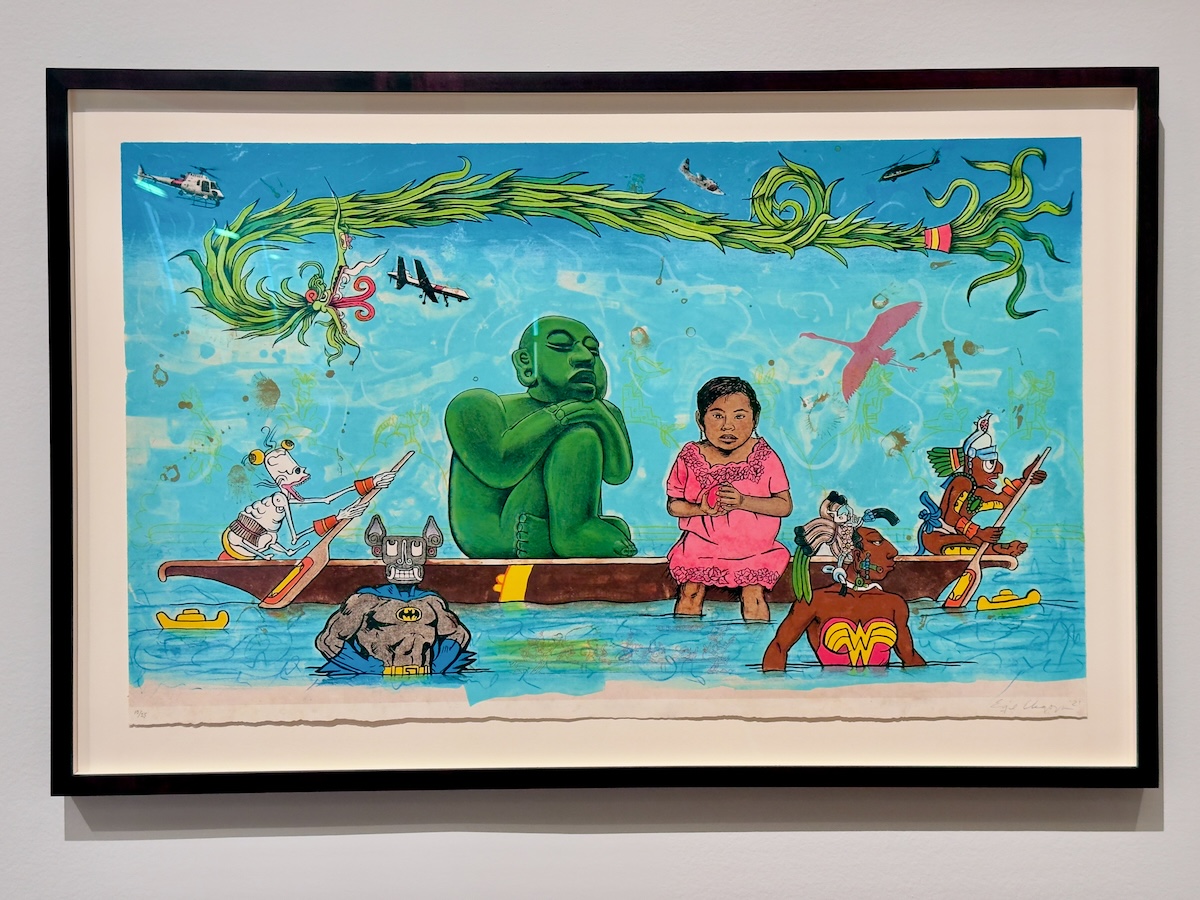
Travels of Fortune, edition 10/25, 2021 — Enrique Chagoya
Batman. Wonder Woman. Bart Simpson. Ancient Mesoamerican imagery. Chagoya looked at all of that and thought, “I should put all that together.” As a comics nerd, I was 100% on board. The longer I looked, the more I found hiding in plain sight.
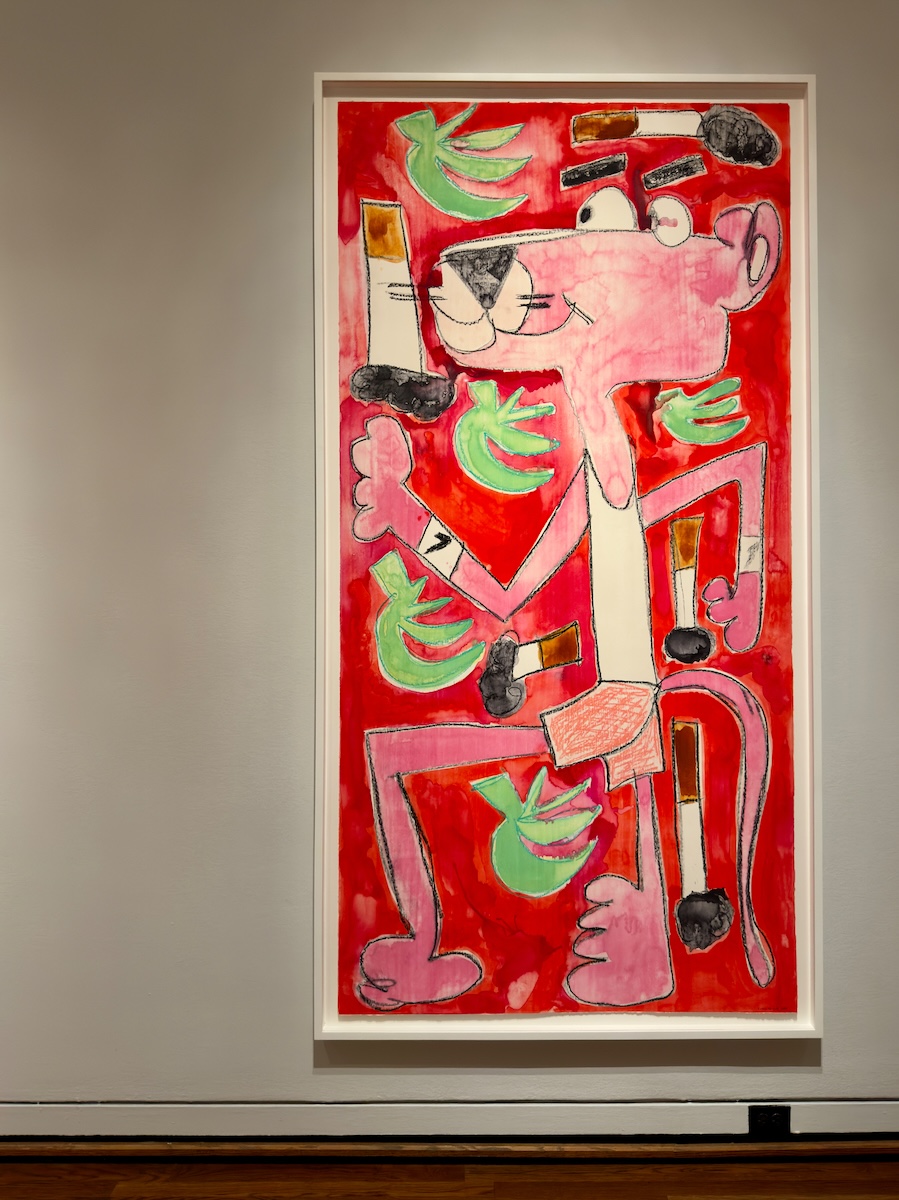
Untitled, 2024 — Katherine Bernhardt
You don’t see nearly enough Pink Panther in modern art. Bernhardt drops the lanky cartoon cat into a riot of bold color and everyday objects with a confidence that feels perfectly natural. The result is playful, chaotic, and impossible to walk past without smiling.
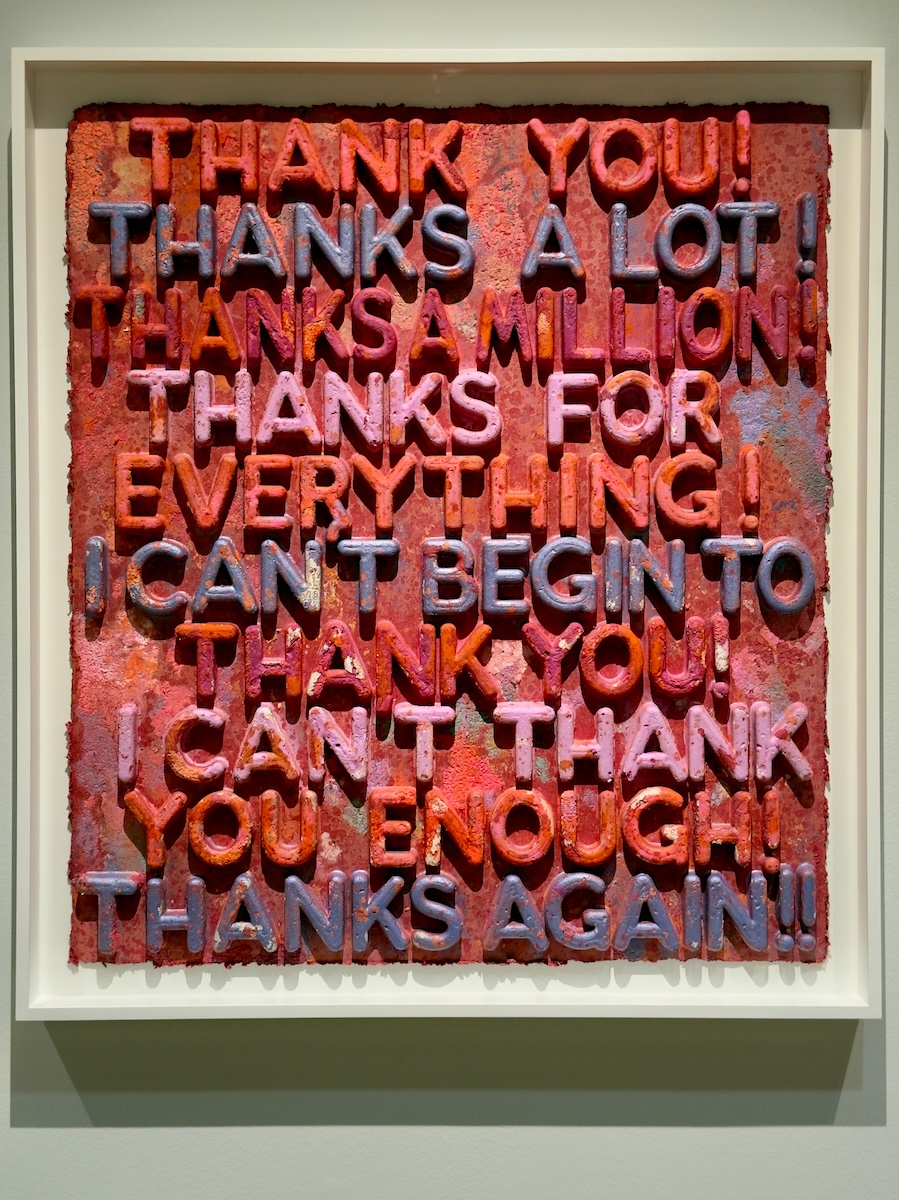
Thank You, 2024 — Mel Bochner
I make my living with words, so this one grabbed my full attention immediately. At first, it looks like an oversized thank-you note shouted through a megaphone. Then you notice the letters pushing out from the paper, turning language itself into sculpture. As a writer, I was obviously going to fall for this one.
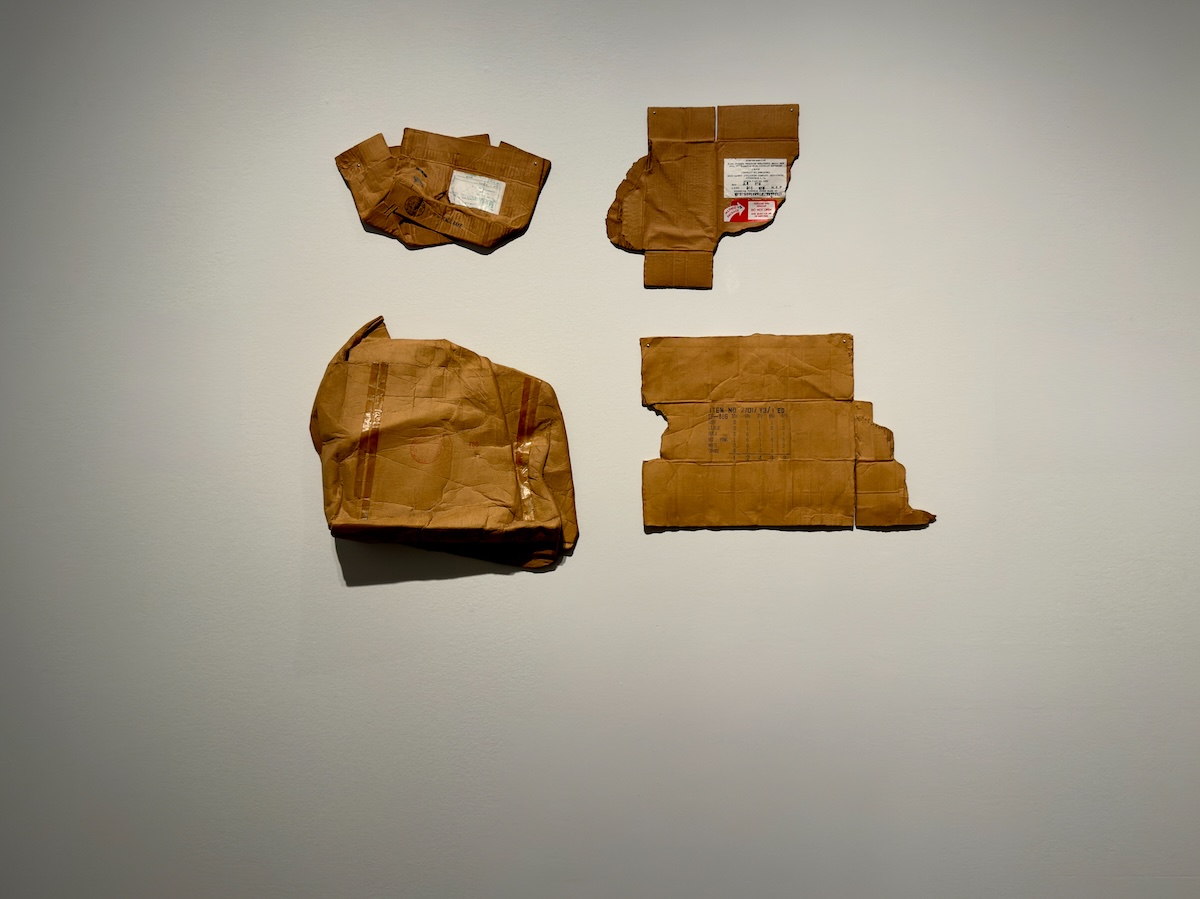
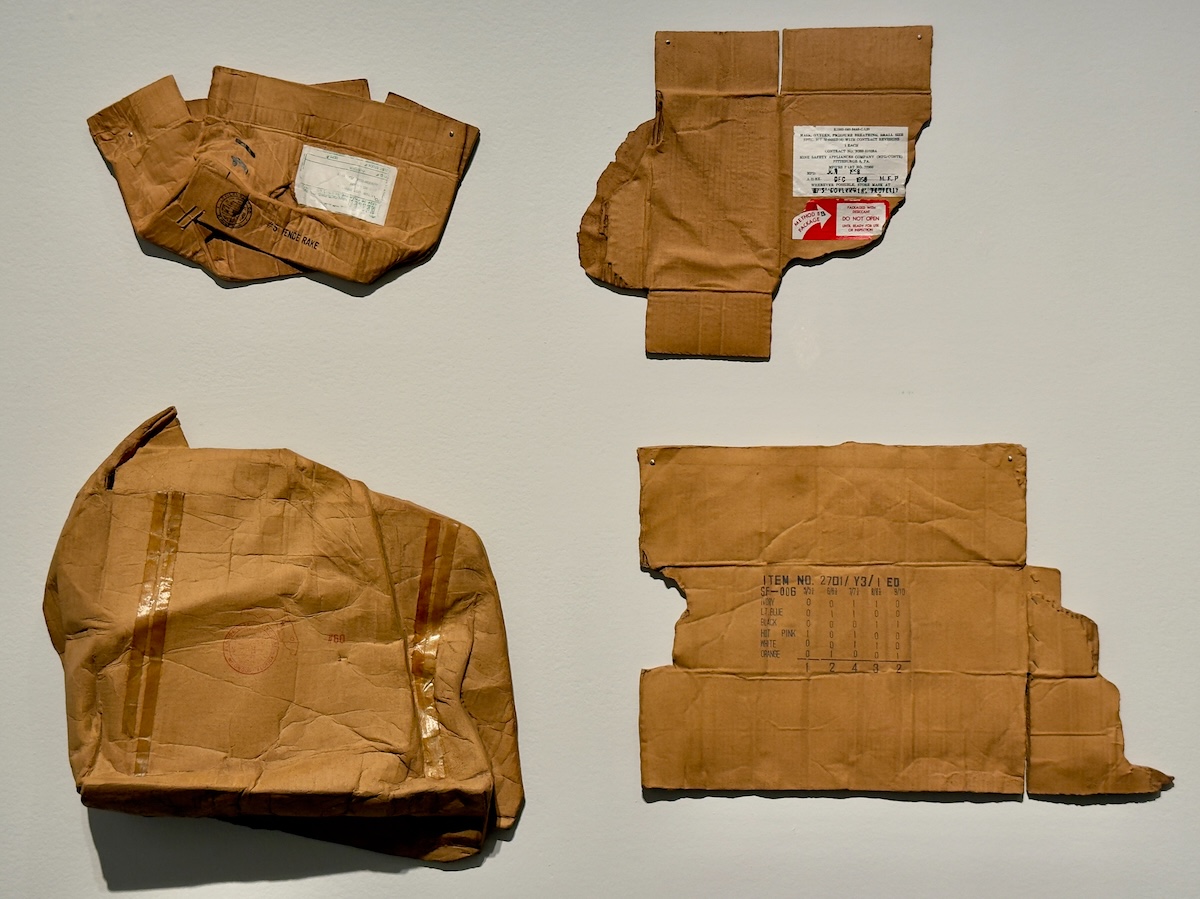
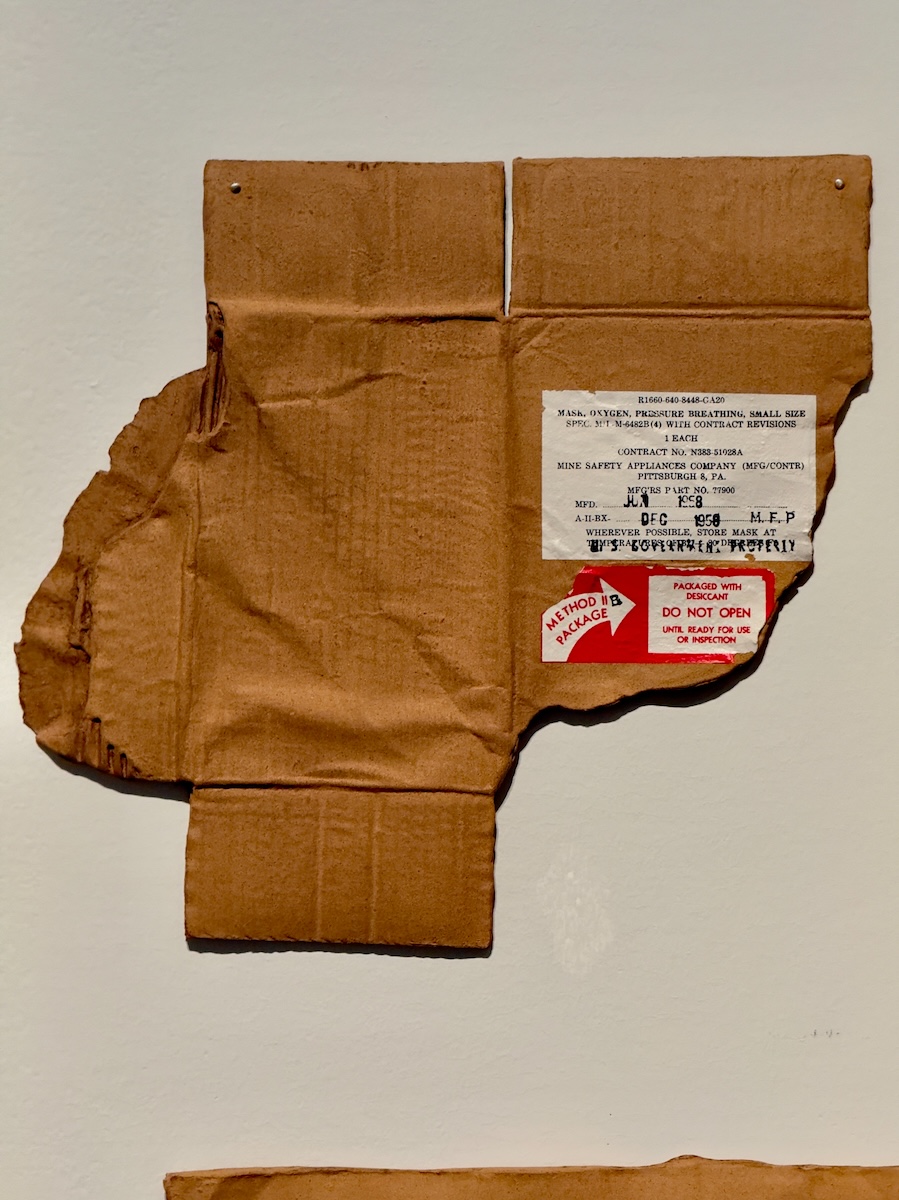
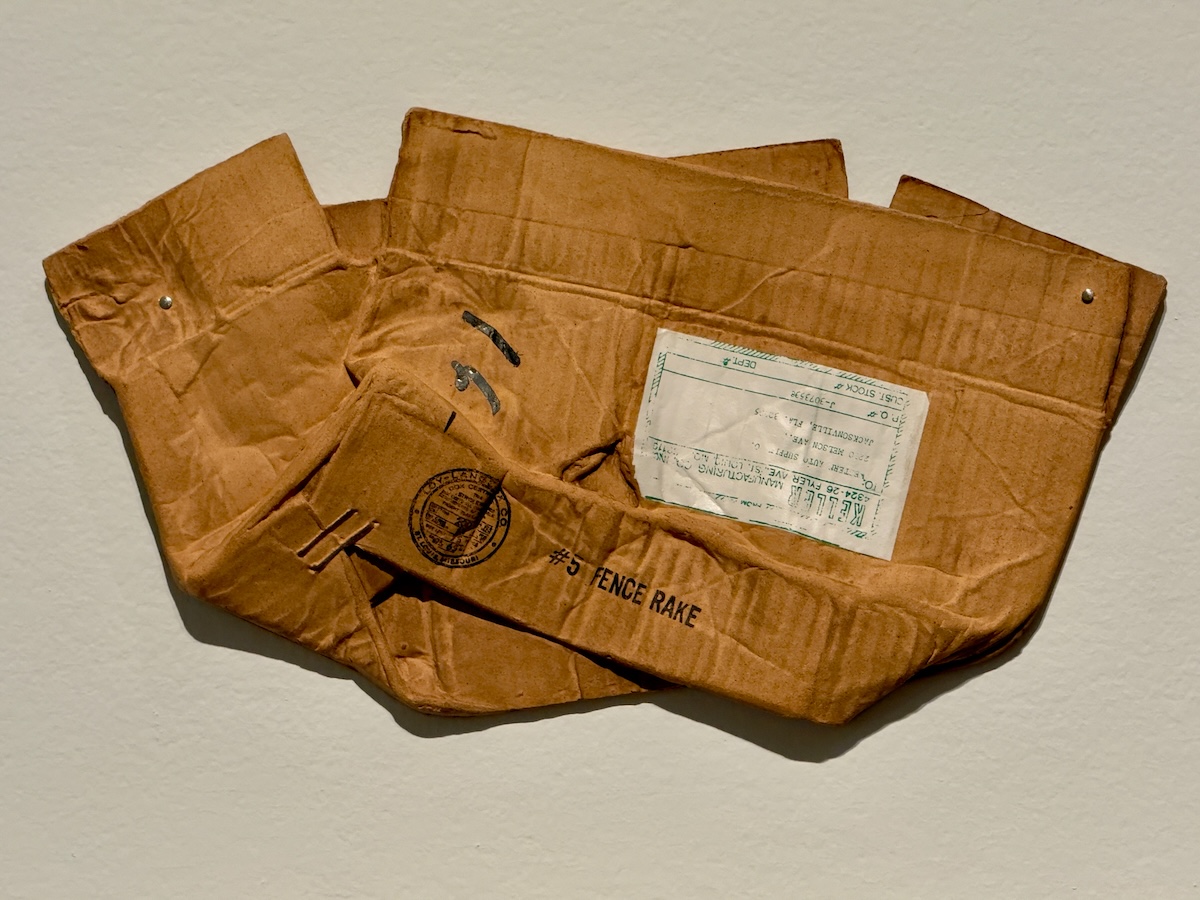
Tampa Clay Pieces, 1972 — Robert Rauschenberg
My first thought was, “Hmm…maybe I *could* be a famous artist.” After all, I have plenty of battered cardboard boxes at home. But they aren’t cardboard at all—they’re meticulously crafted ceramic. So the joke was on me, which was probably part of the point.
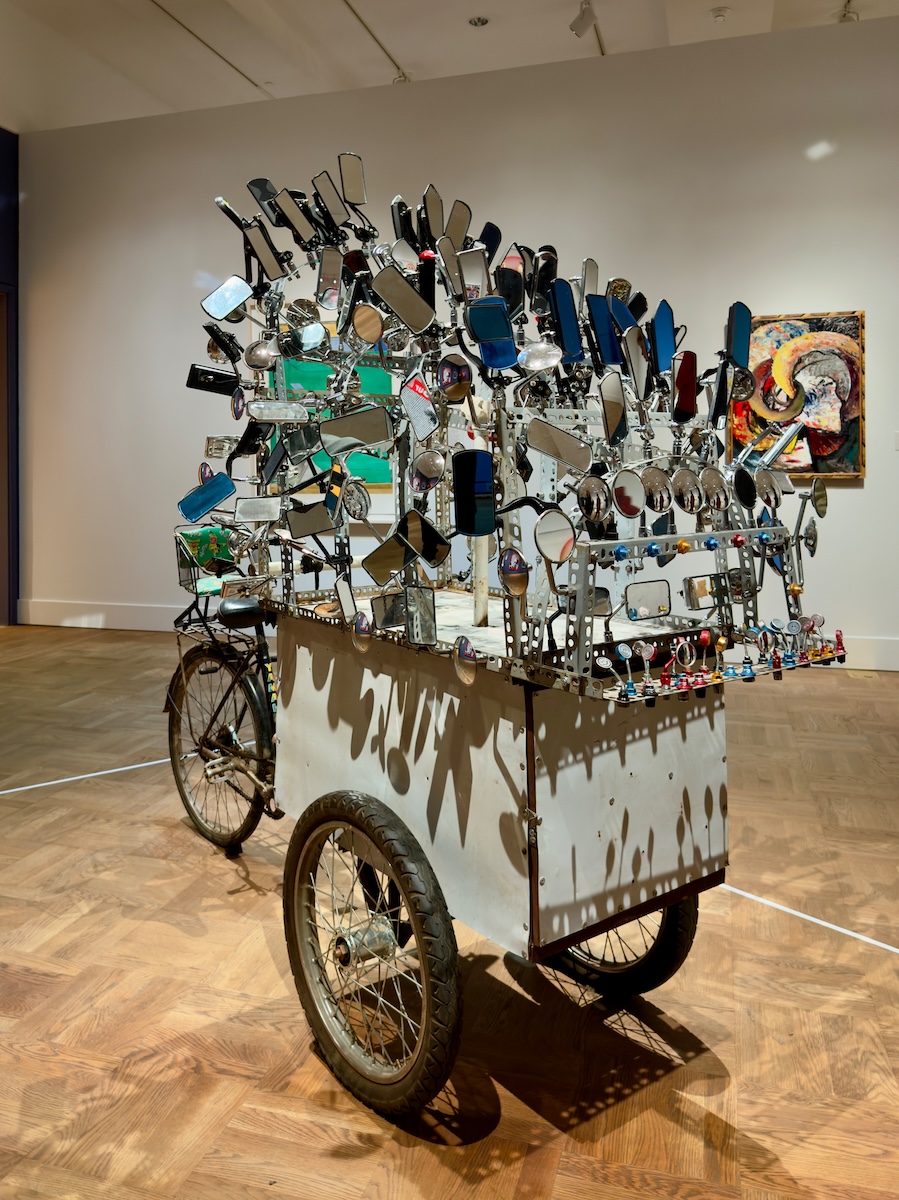
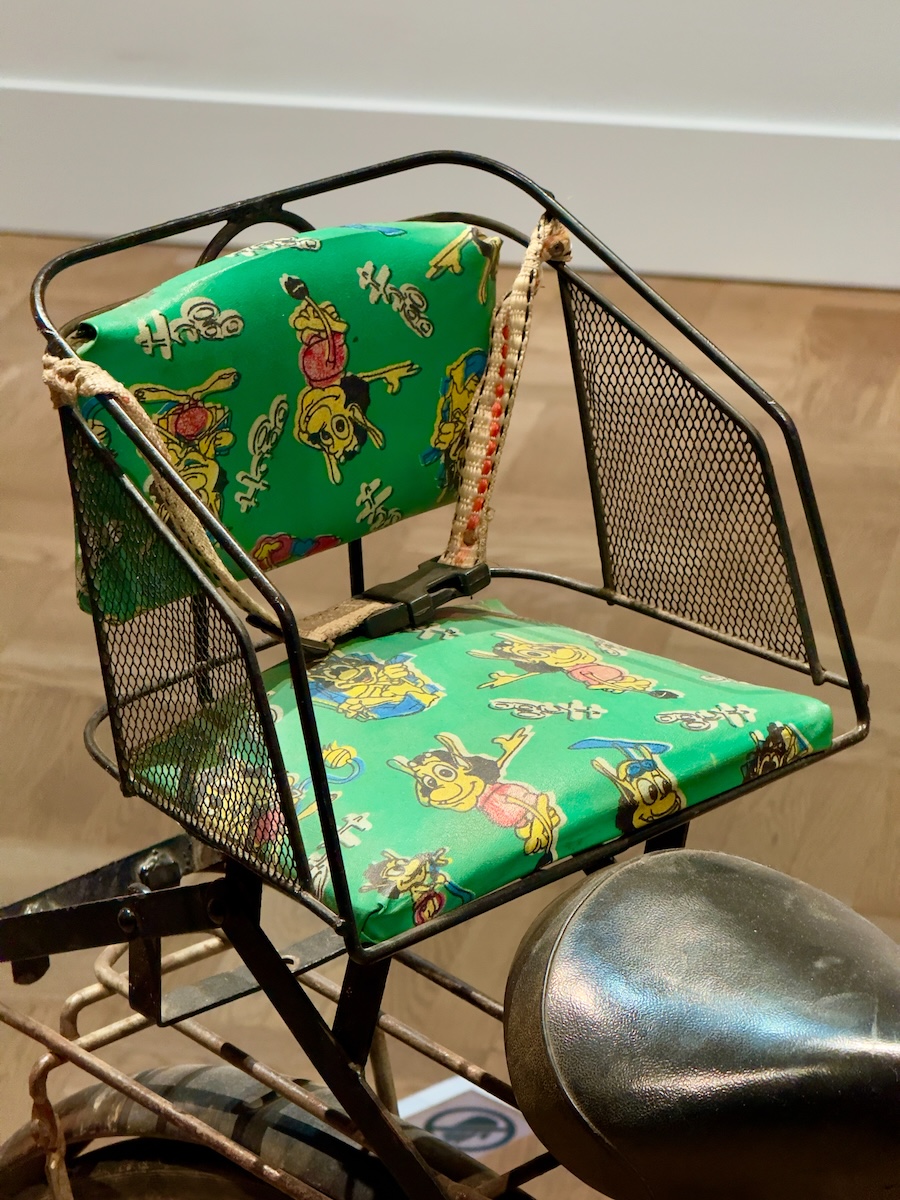
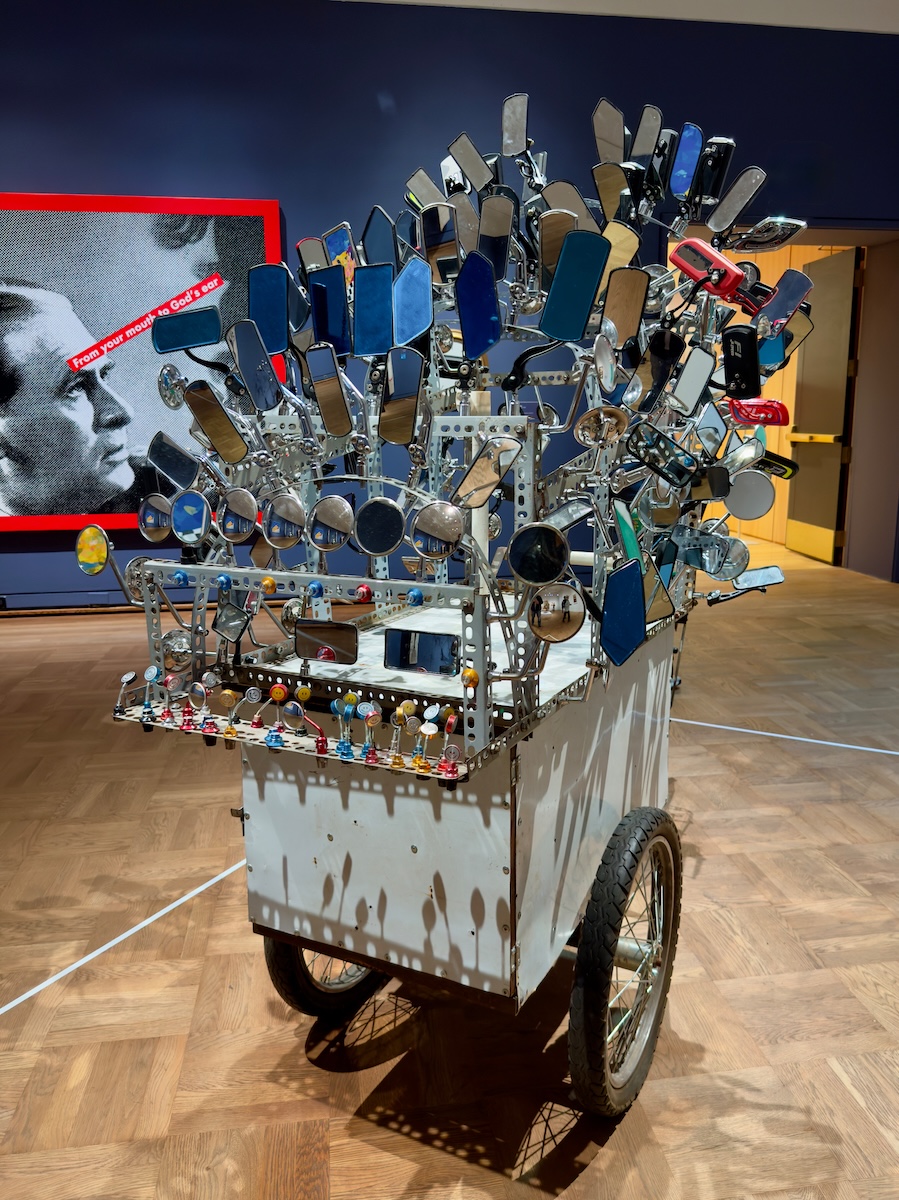
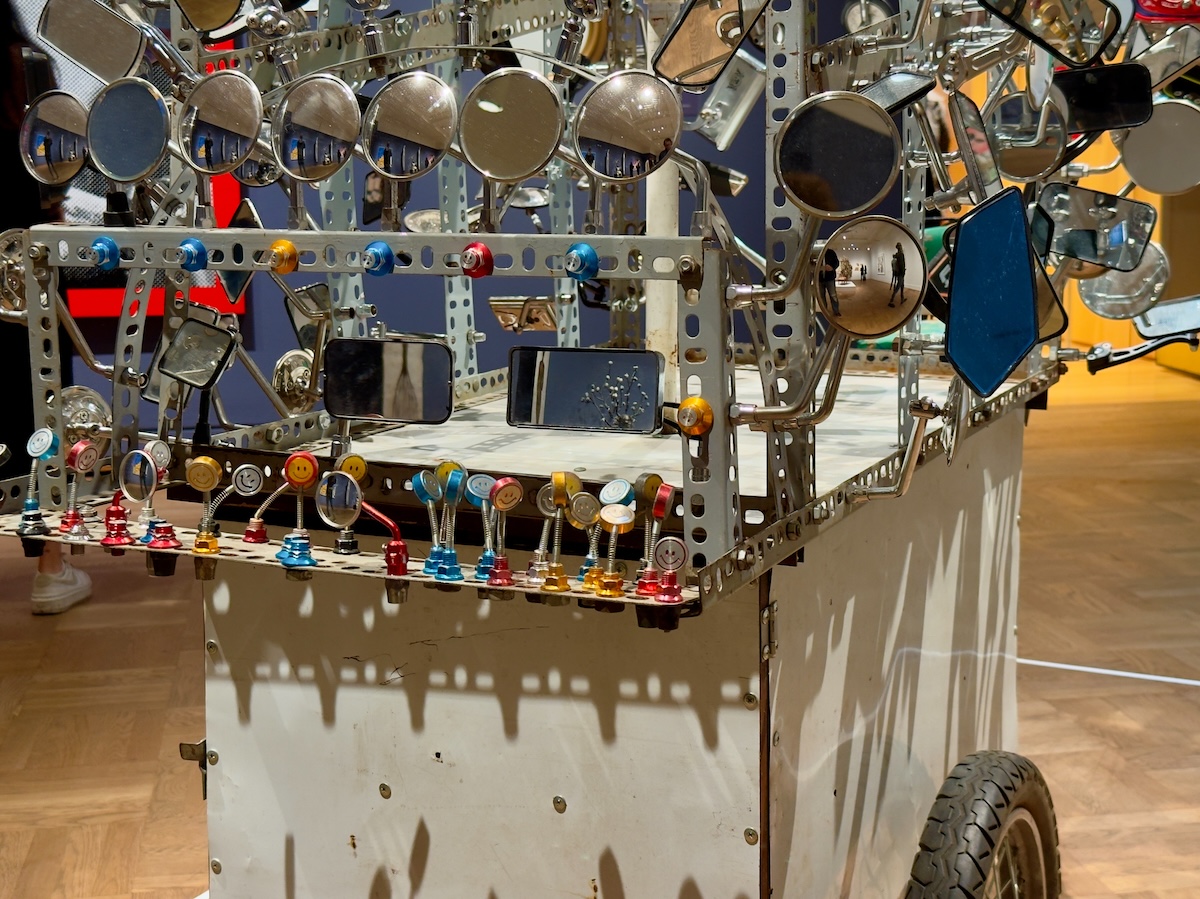
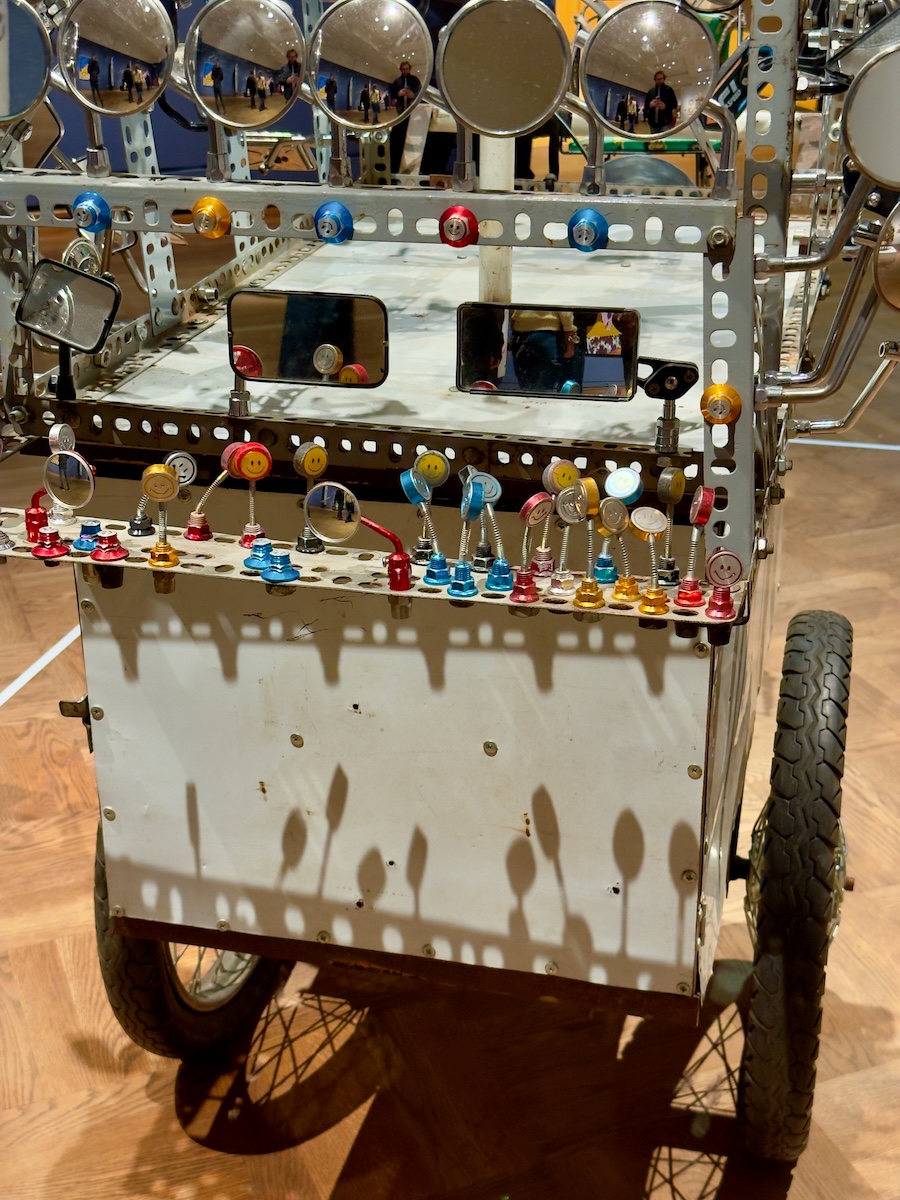
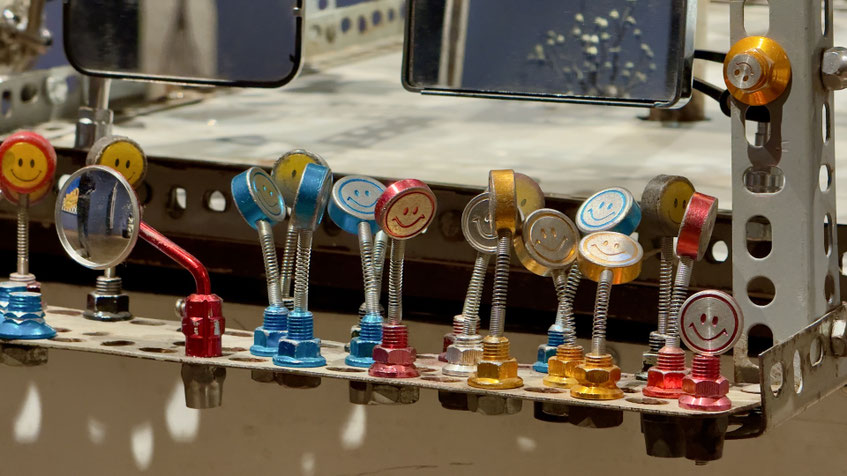
I Am Large, I Contain Multitudes, 2009 — Dinh Q. Lê
I’m not sure I completely grokked everything the museum label wanted me to understand about this mirrored tricycle, but that’s okay. I spent most of my time just walking around it, watching hundreds of little reflections appear and disappear as I moved. Some artworks ask to be decoded. This one was more about looking than figuring things out.
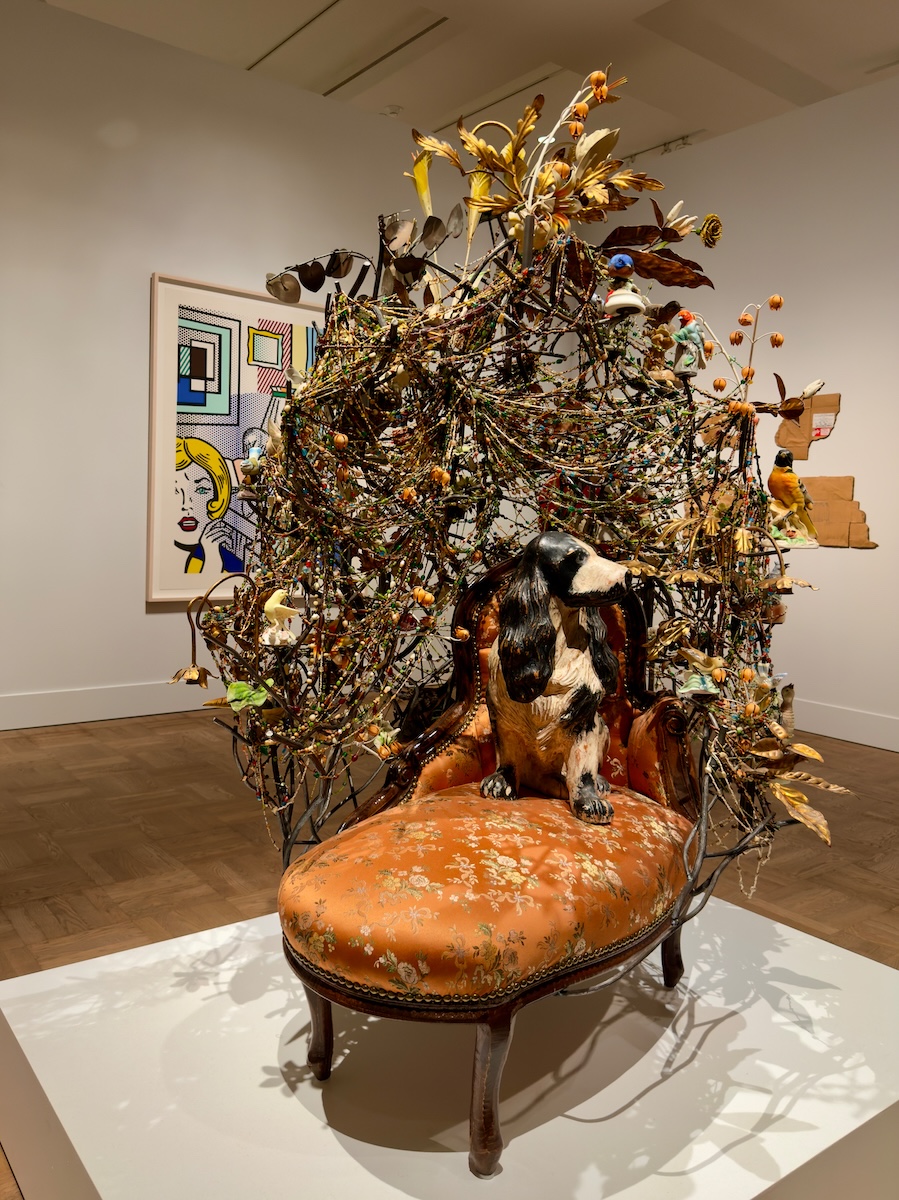
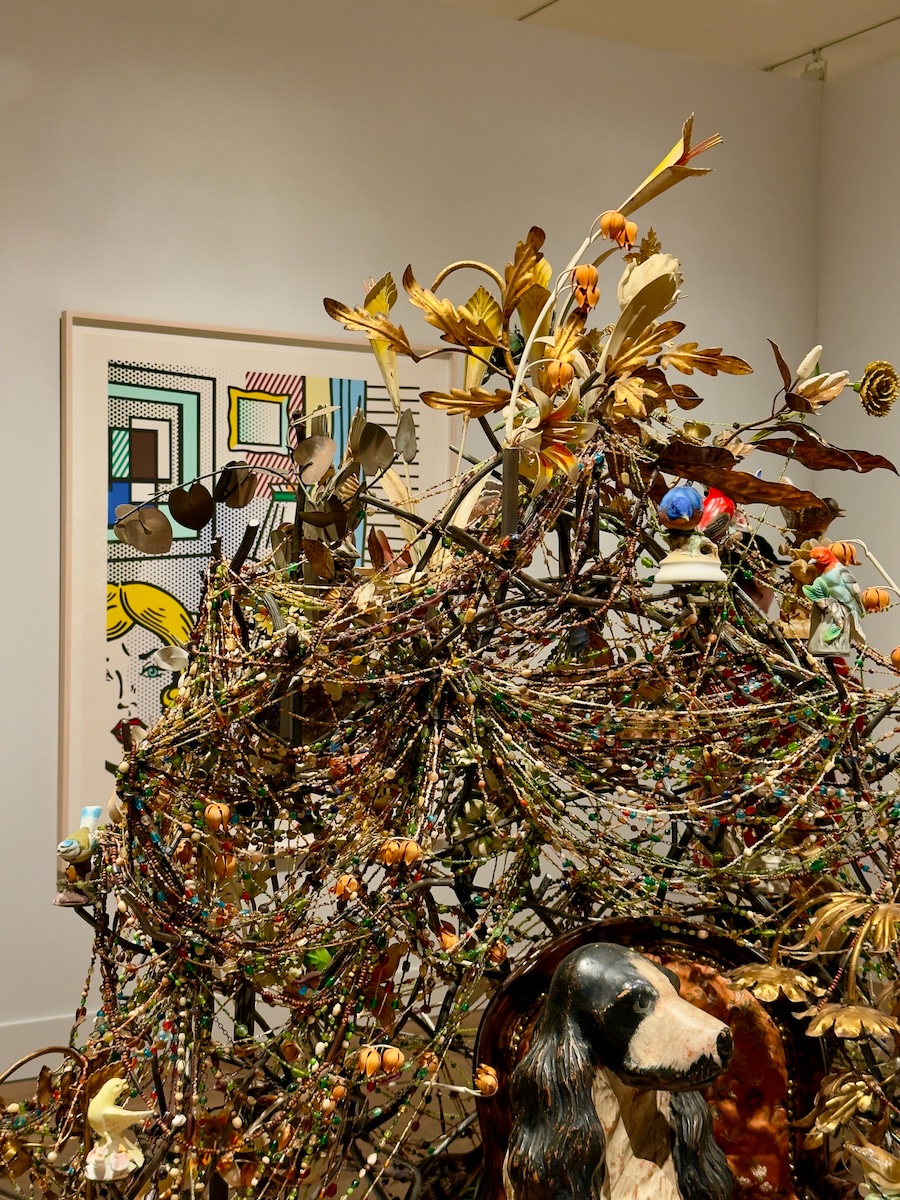
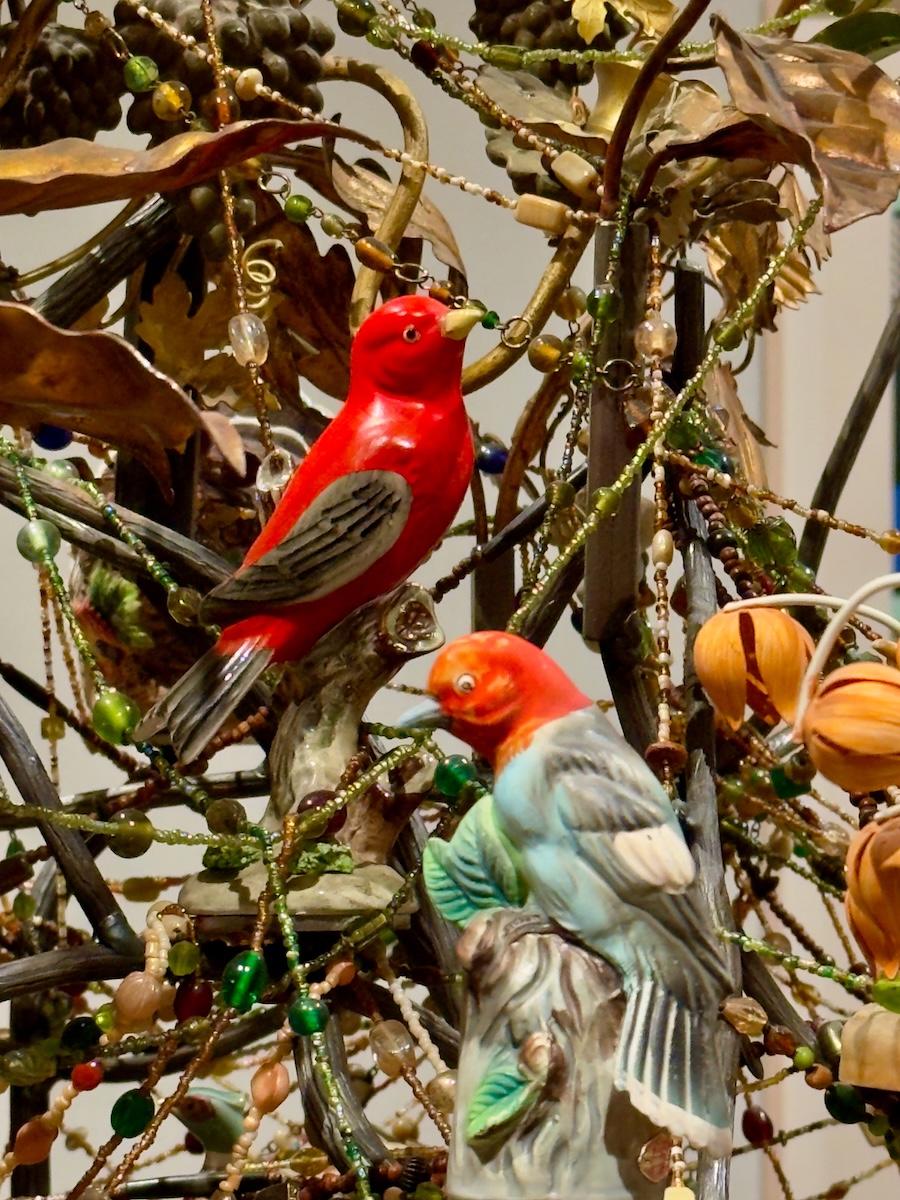
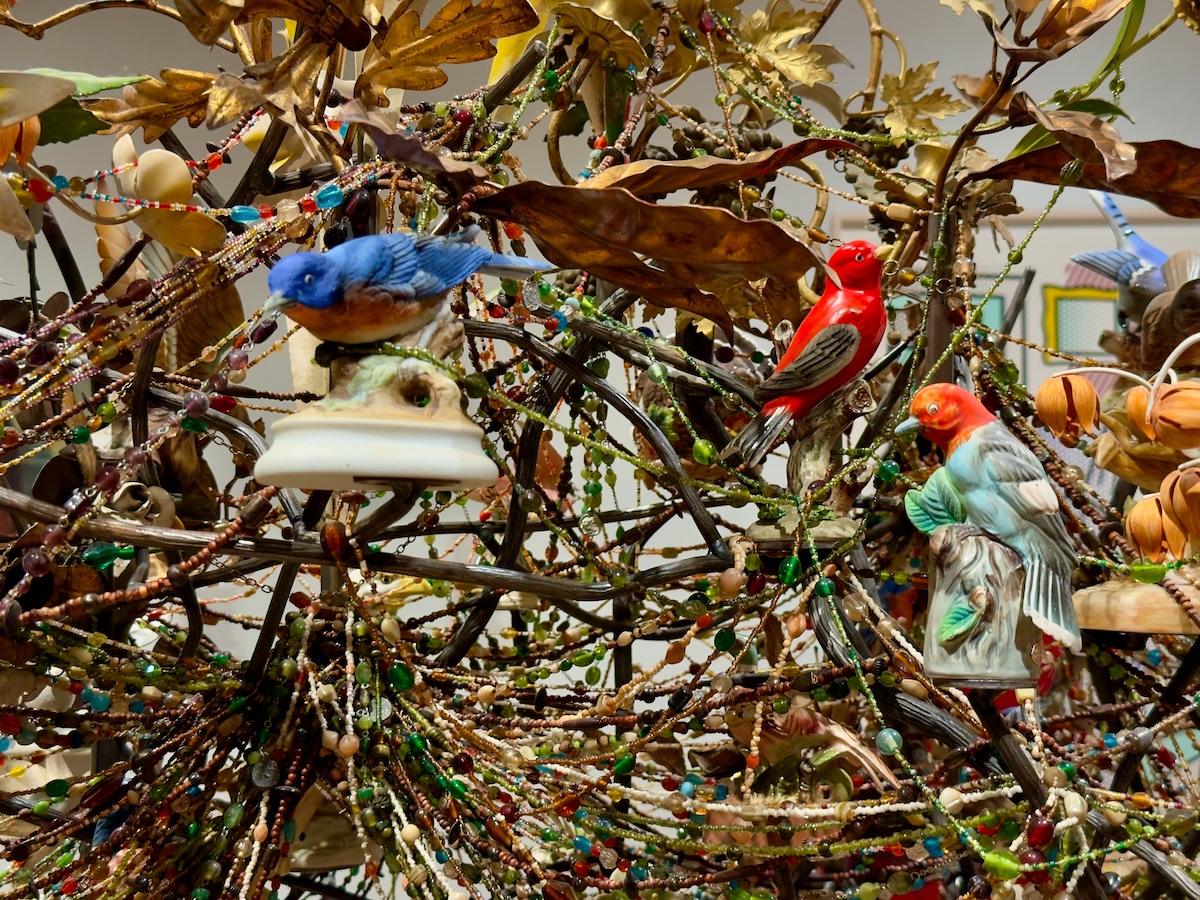
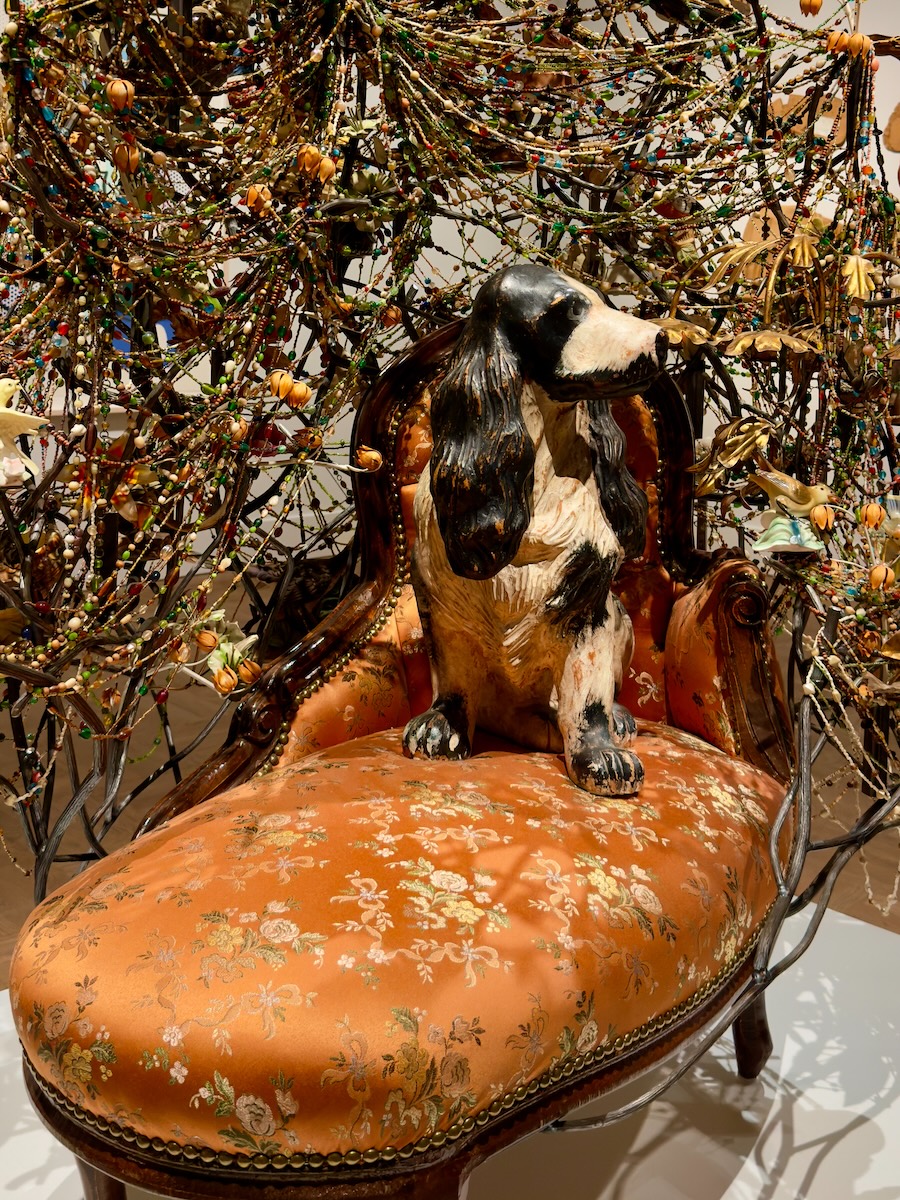
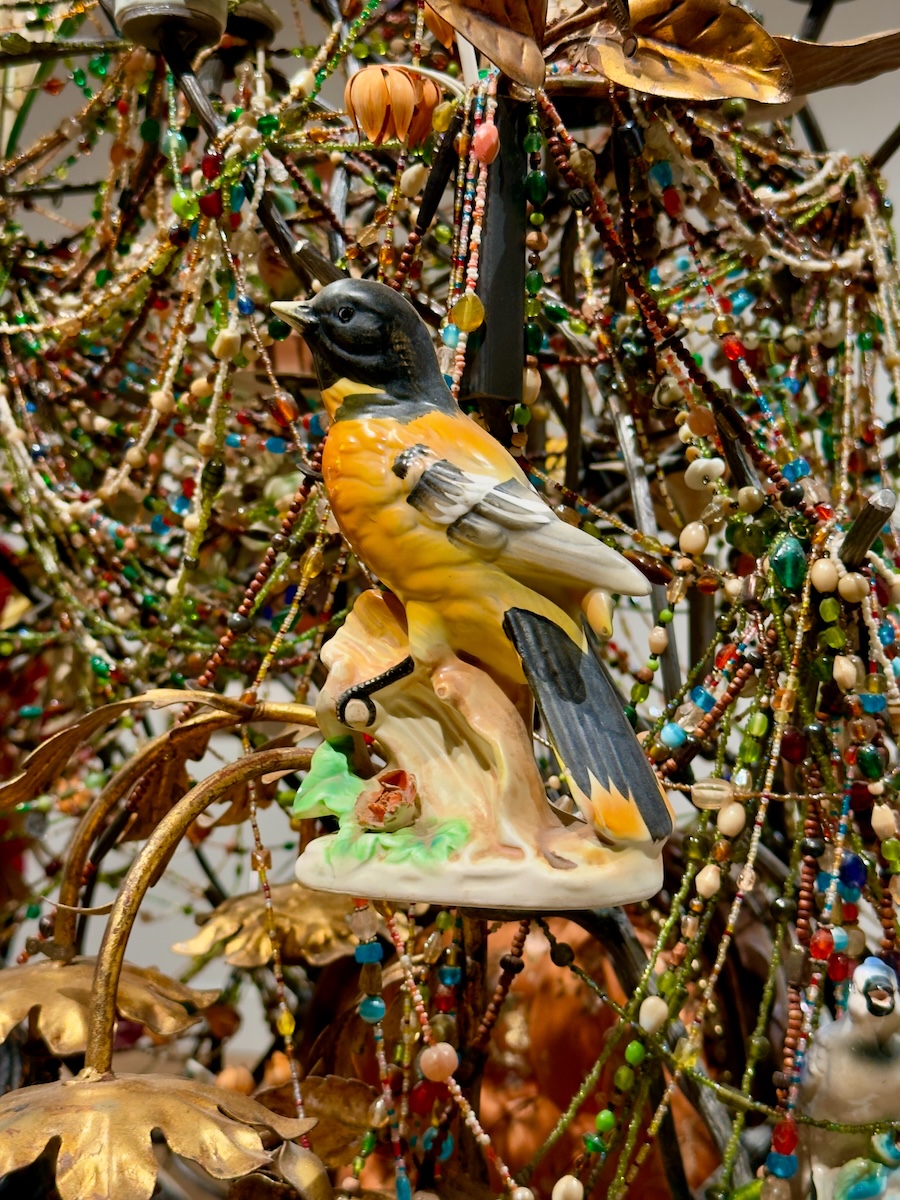
Rescue, 2014 — Nick Cave
At first glance, this looks like a very lucky dog with an exceptionally elaborate chair. Then you notice the birds, flowers, beads, figurines, branches, bits of furniture, and rescued objects woven into an exuberant little world. Every lap around the sculpture revealed something I’d missed the first time.
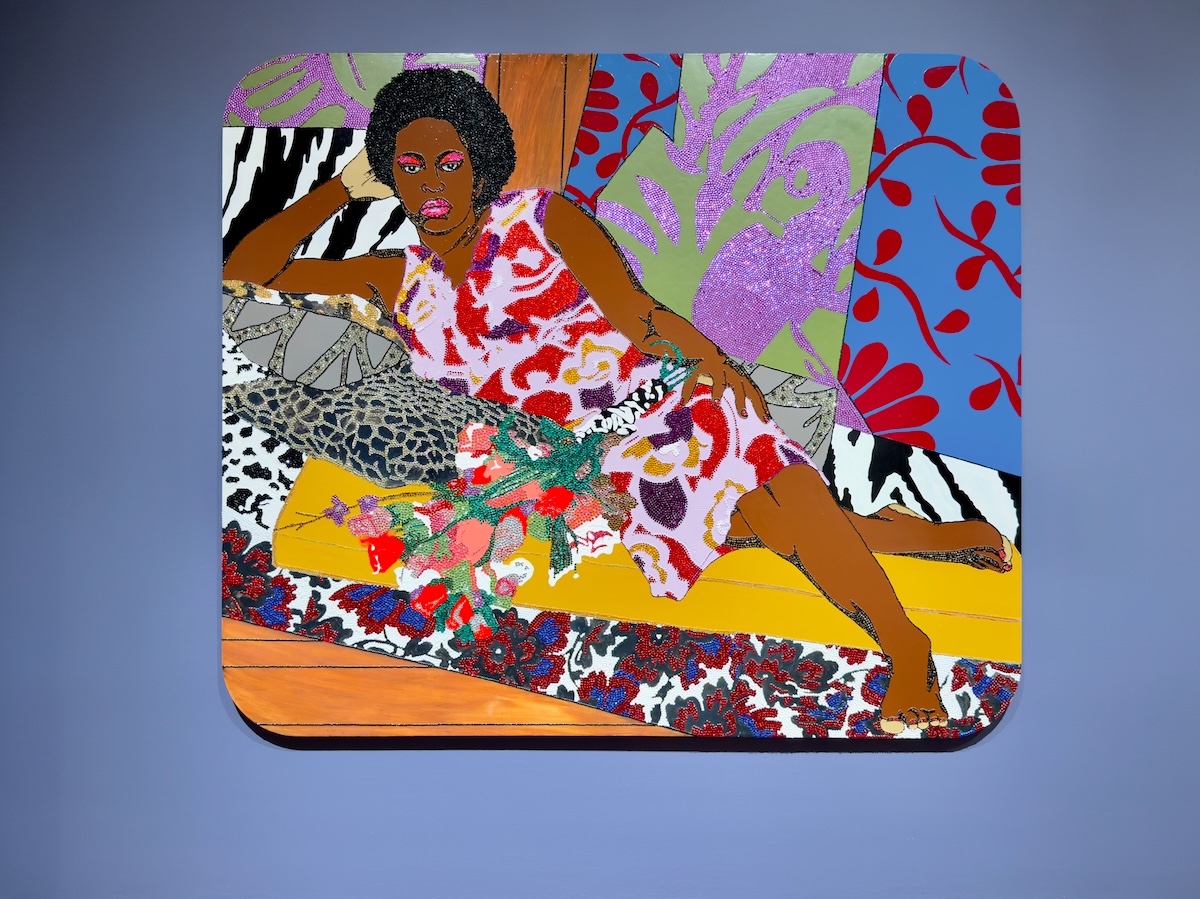
I Just Wanna Be With You, 2007 — Mickalene Thomas
Photographs don’t quite prepare you for a Thomas piece. Paint, rhinestones, patterned fabrics, and glittering surfaces combine into something that feels sculptural despite hanging on the wall. I found myself wanting to lean closer—not because I couldn’t see it, but because there was always one more detail waiting.
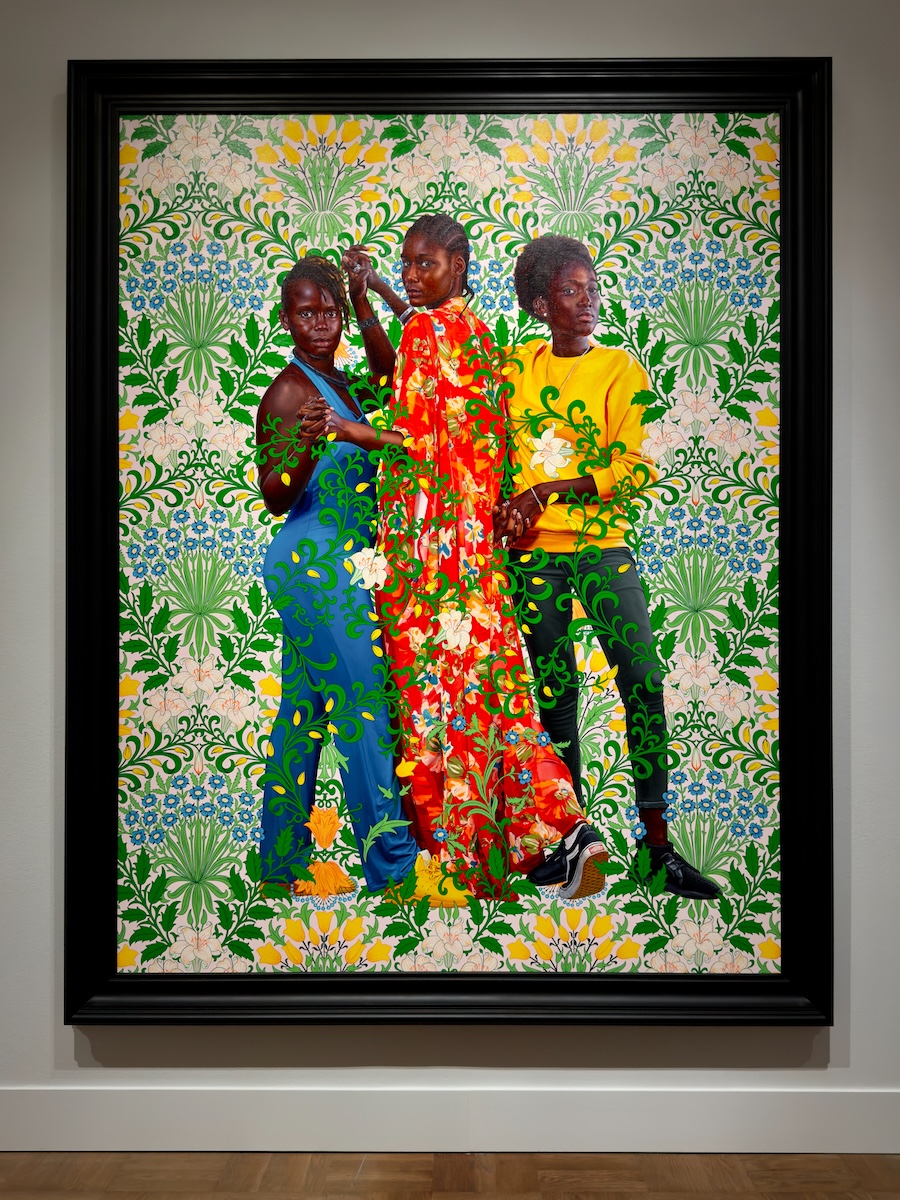
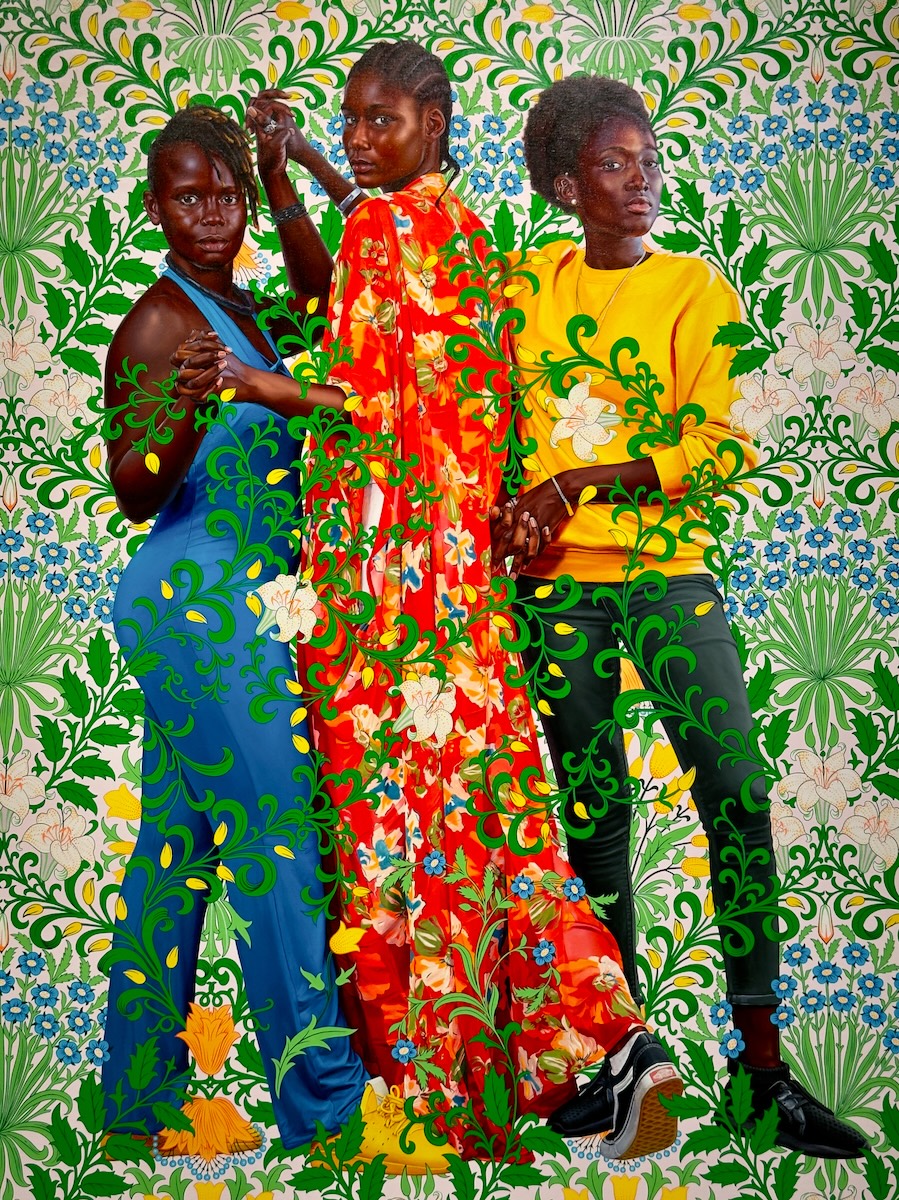
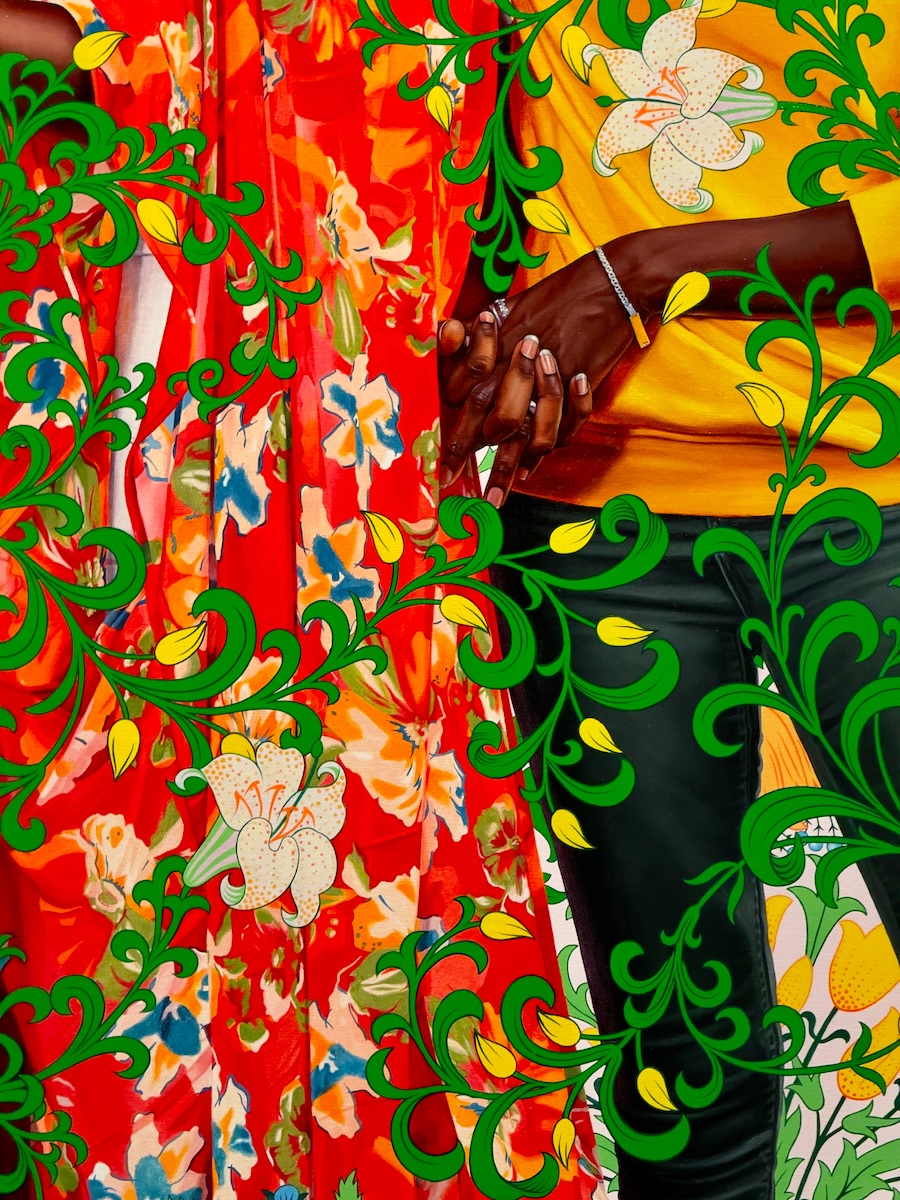
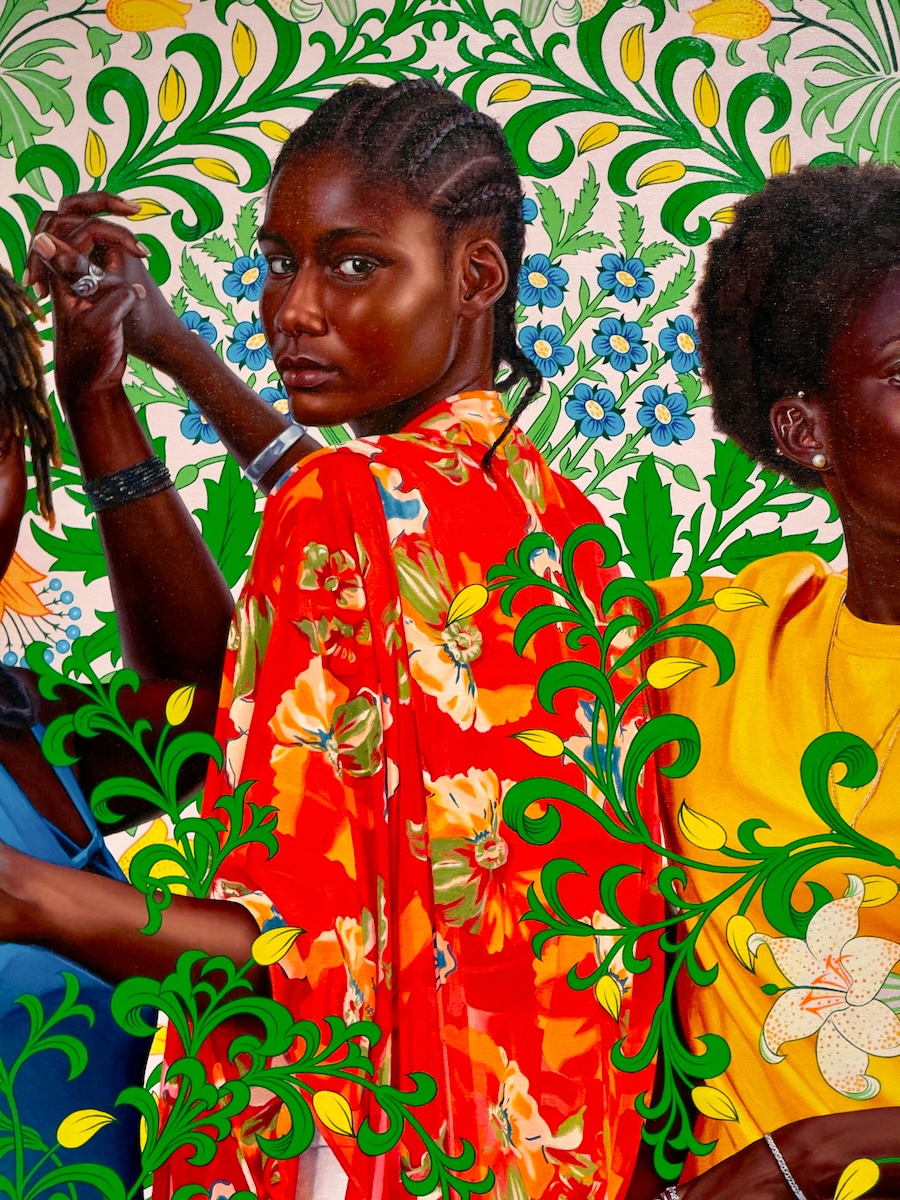
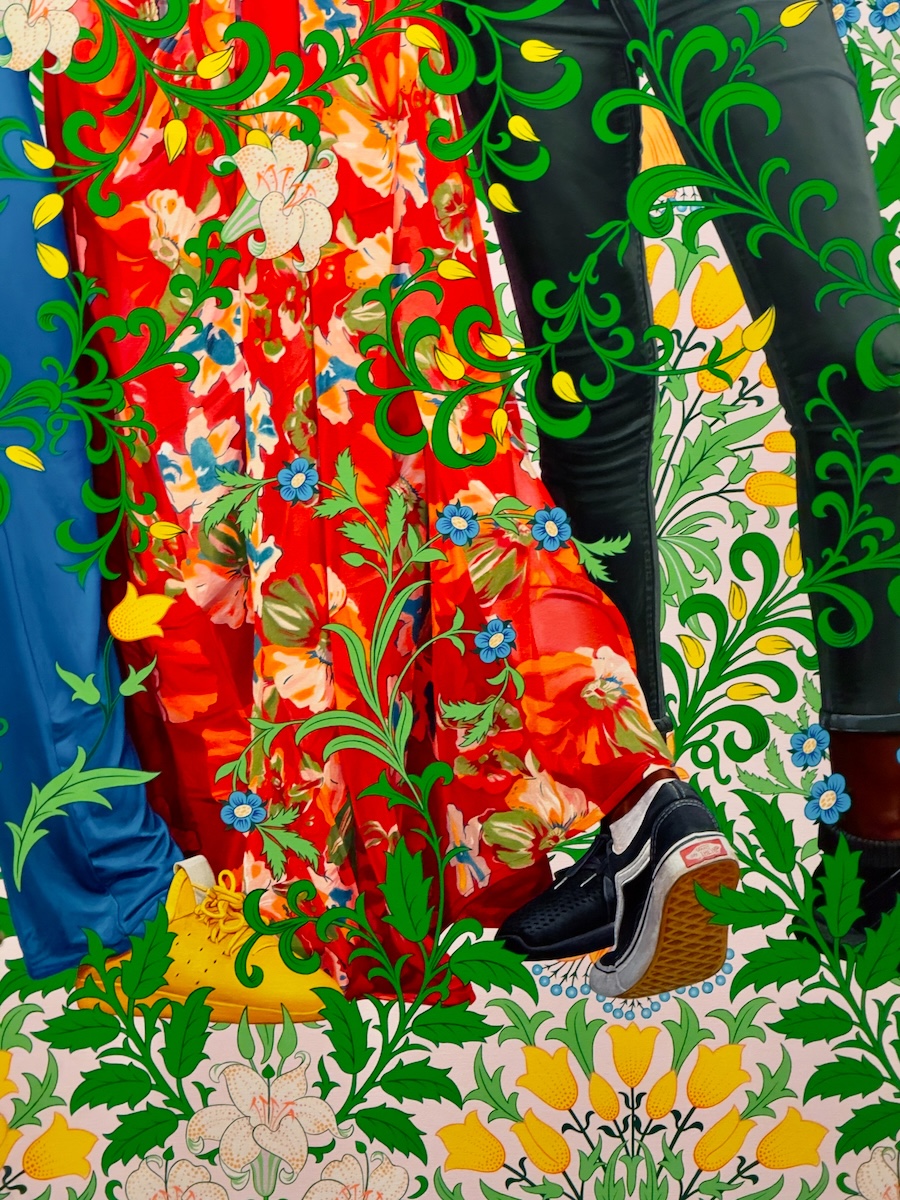
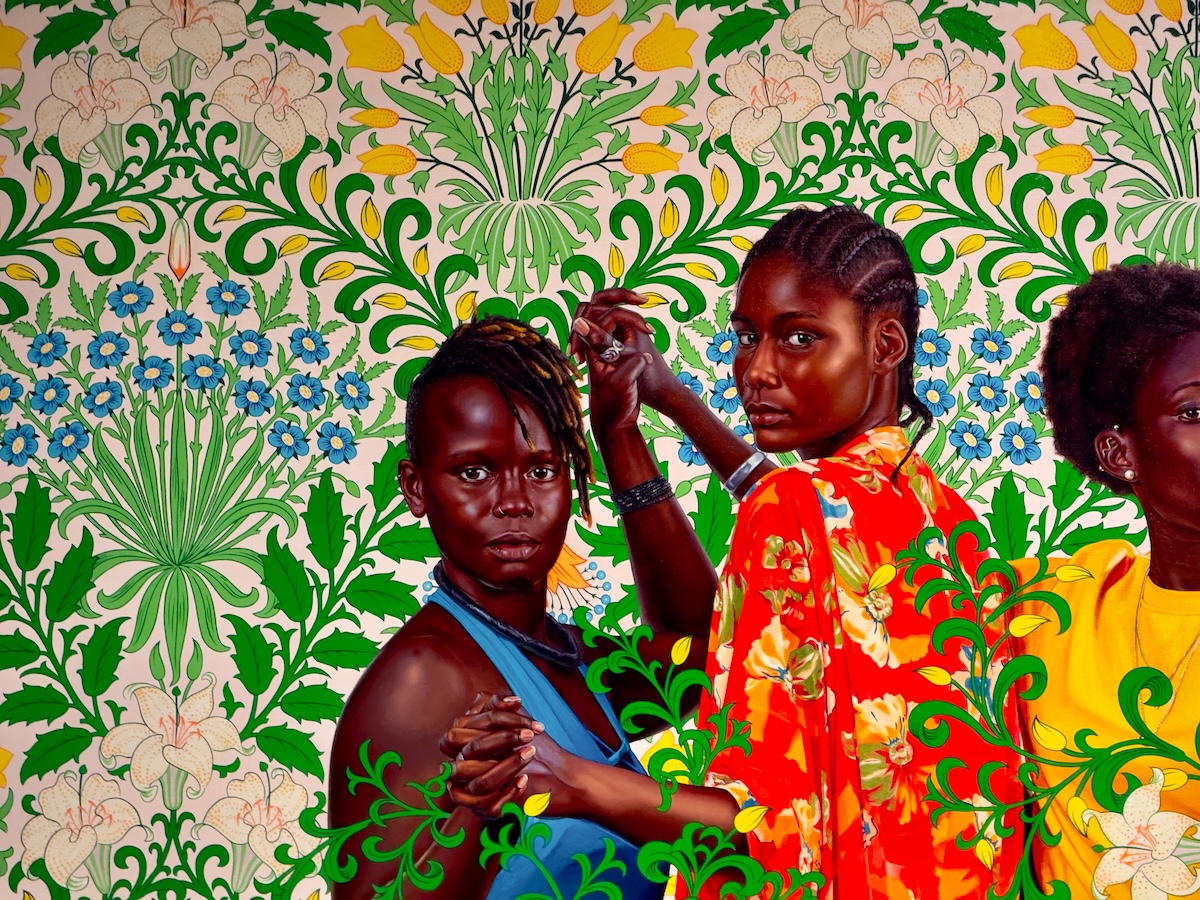
Three Graces, 2023 — Kehinde Wiley
Kehinde Wiley may be the most gifted painter working today. I’m not kidding. That’s my vote. His portraits are astonishing enough in reproduction, but standing a few feet away from a real one is something else. Every pattern, fold of fabric, and expression rewards close attention. By the time I walked away, I was convinced this was the showstopper of the entire exhibition.
I’ve been visiting art museums for a while now, and every once in a while, I wonder whether they’re starting to blur together. Then a place like the Portland Art Museum comes along. A painting reminds me of my grandparents, a neon sign sends me back to an old kiss, someone convinces me ceramic is cardboard, and I’m paying attention all over again.
Write a comment