
Rick had never been to the High Line, which felt almost statistically impossible at this point. The park has been photographed, blogged, TikToked, drone-filmed, and turned into such a standard New York recommendation that you eventually just assume everyone has wandered through it eating an artisanal popsicle at least once.
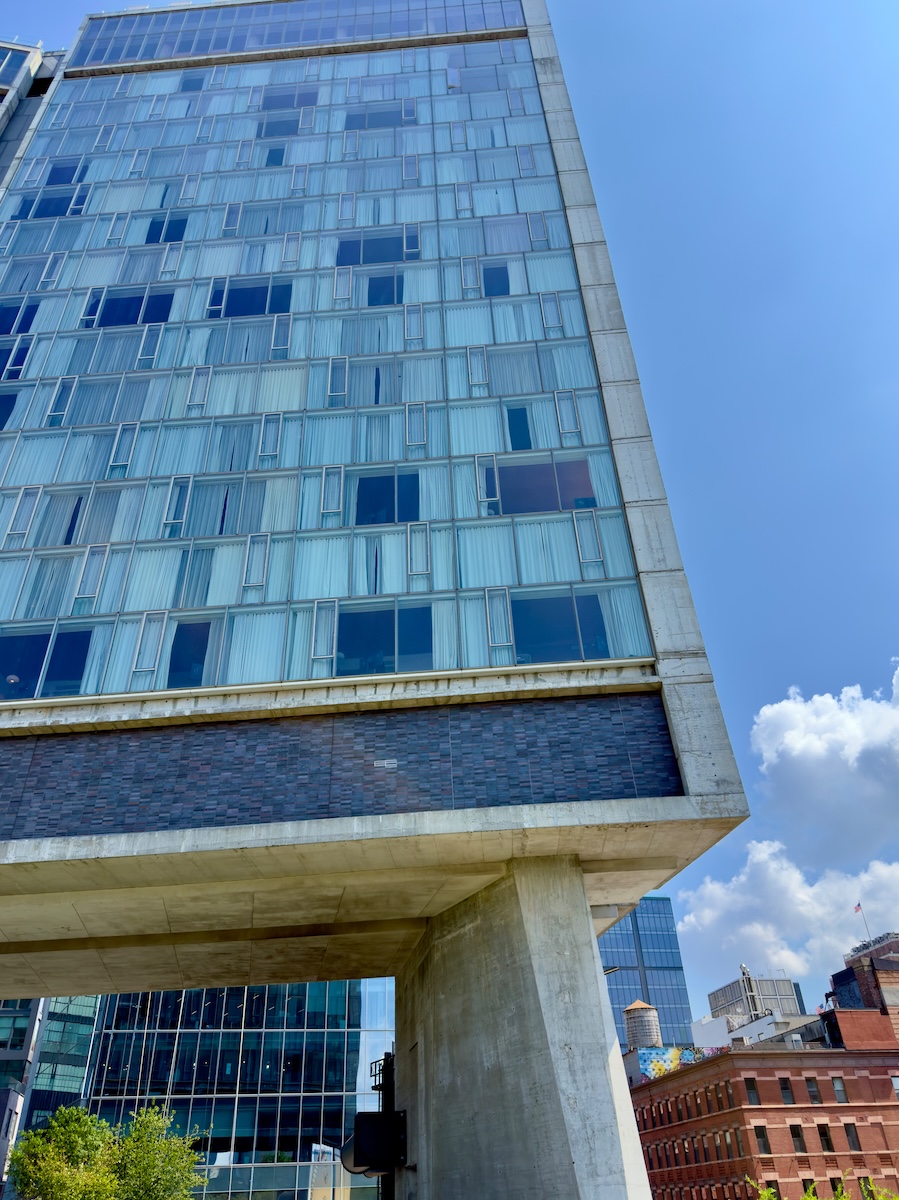
We climbed up at the south end near the Whitney one sunny morning and immediately found ourselves moving through a version of Manhattan that seemed to have been designed by six developers, four architects, and a branding consultant who’d recently discovered the word “experiential.”
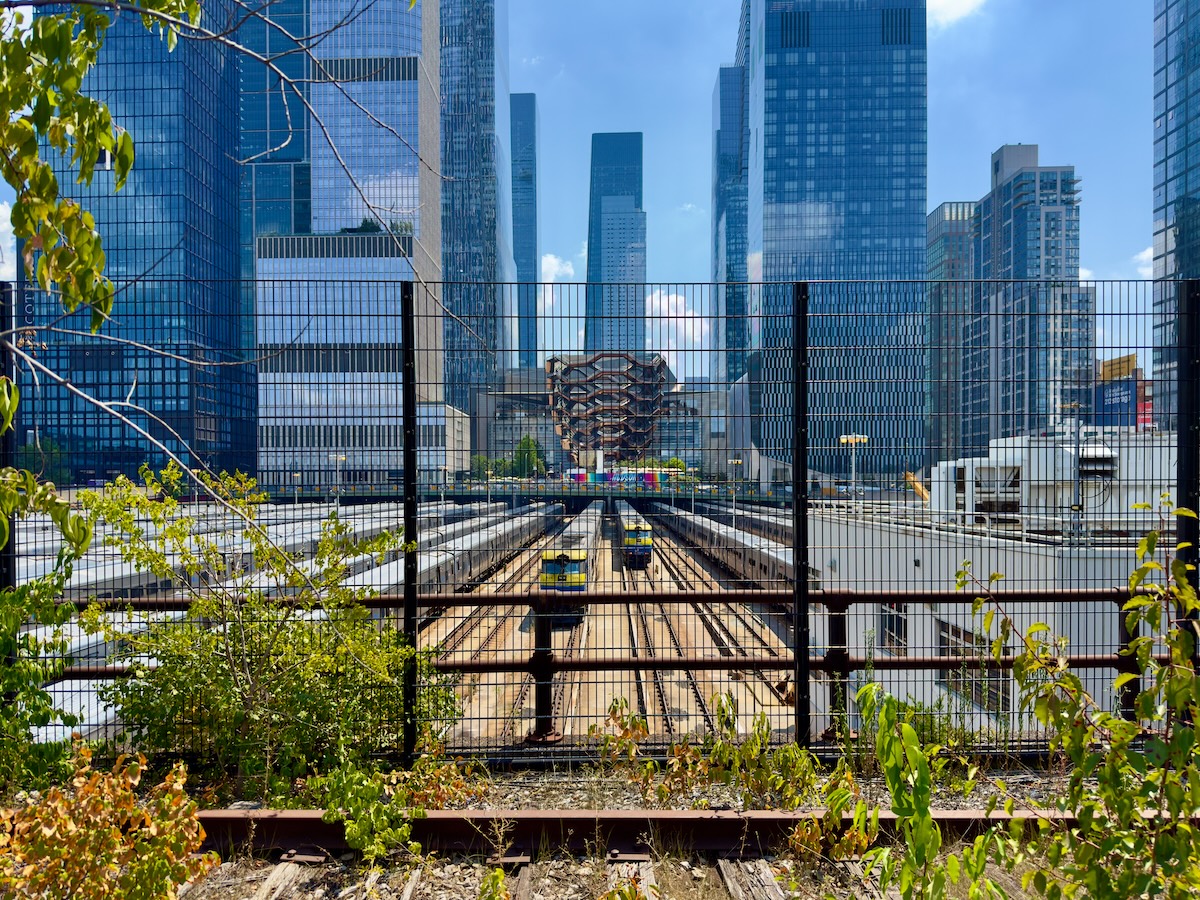
Tourists drifted in packs taking photos of buildings shaped like Jenga accidents. The gardens were full and slightly overgrown in places, the old rail tracks still cutting through the plantings like reminders that freight trains once rolled through here carrying meat, milk, and manufactured goods instead of visitors carrying hotel maps and BabyBjörns.
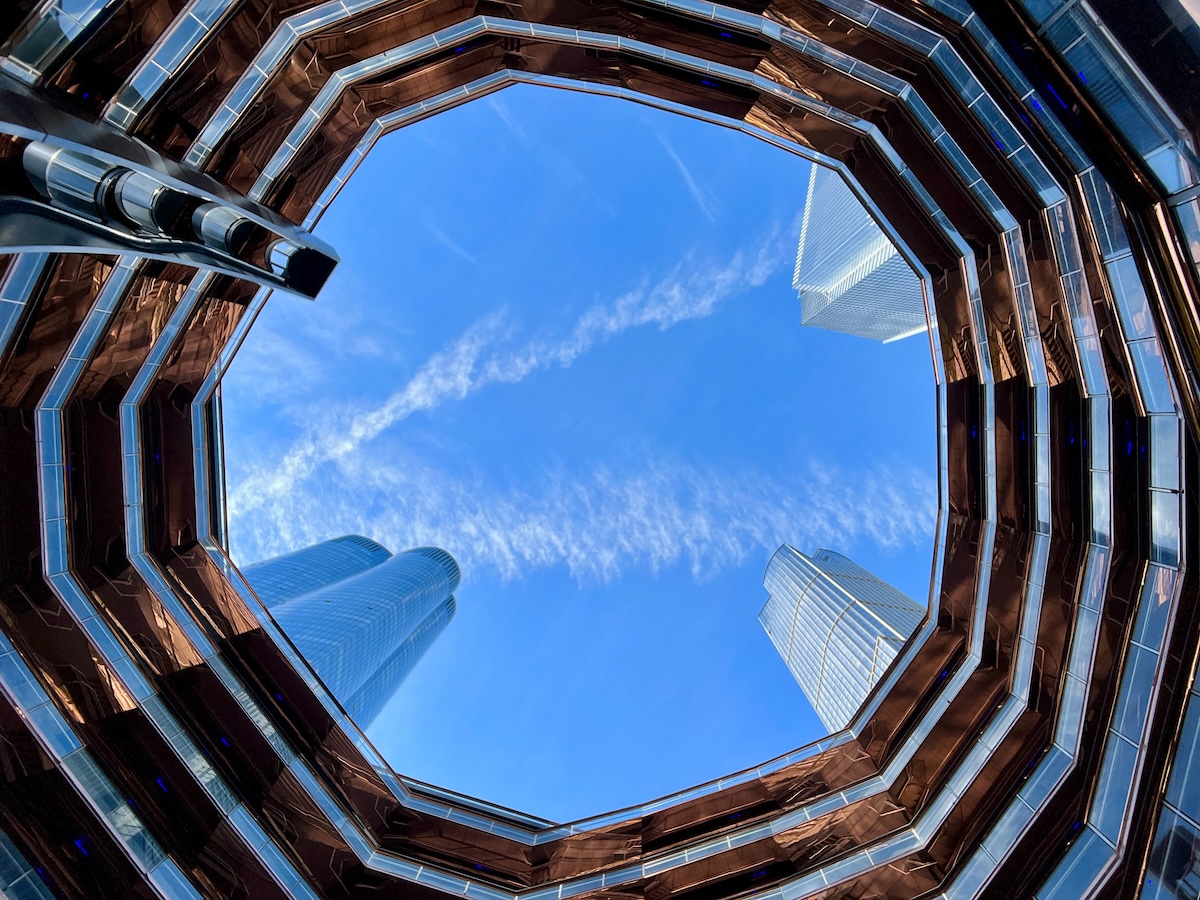
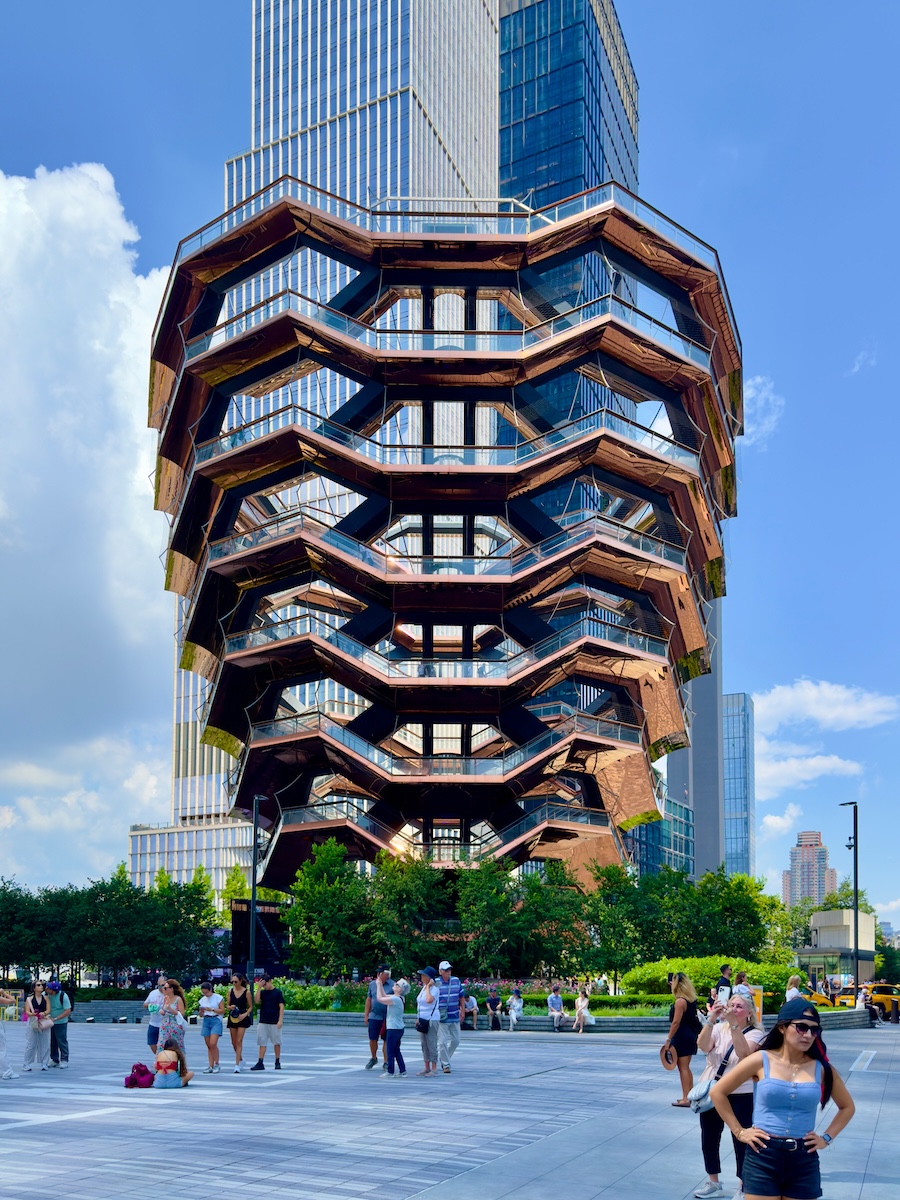
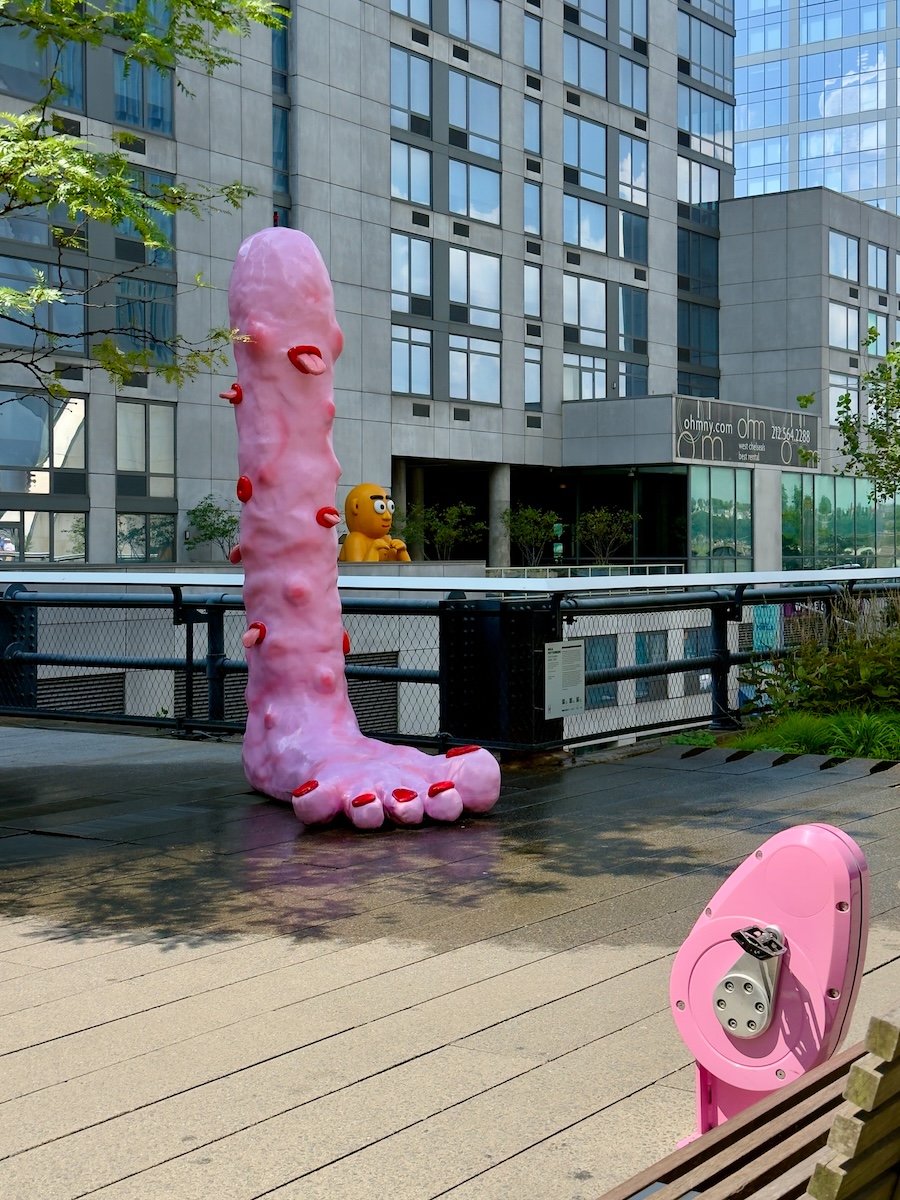
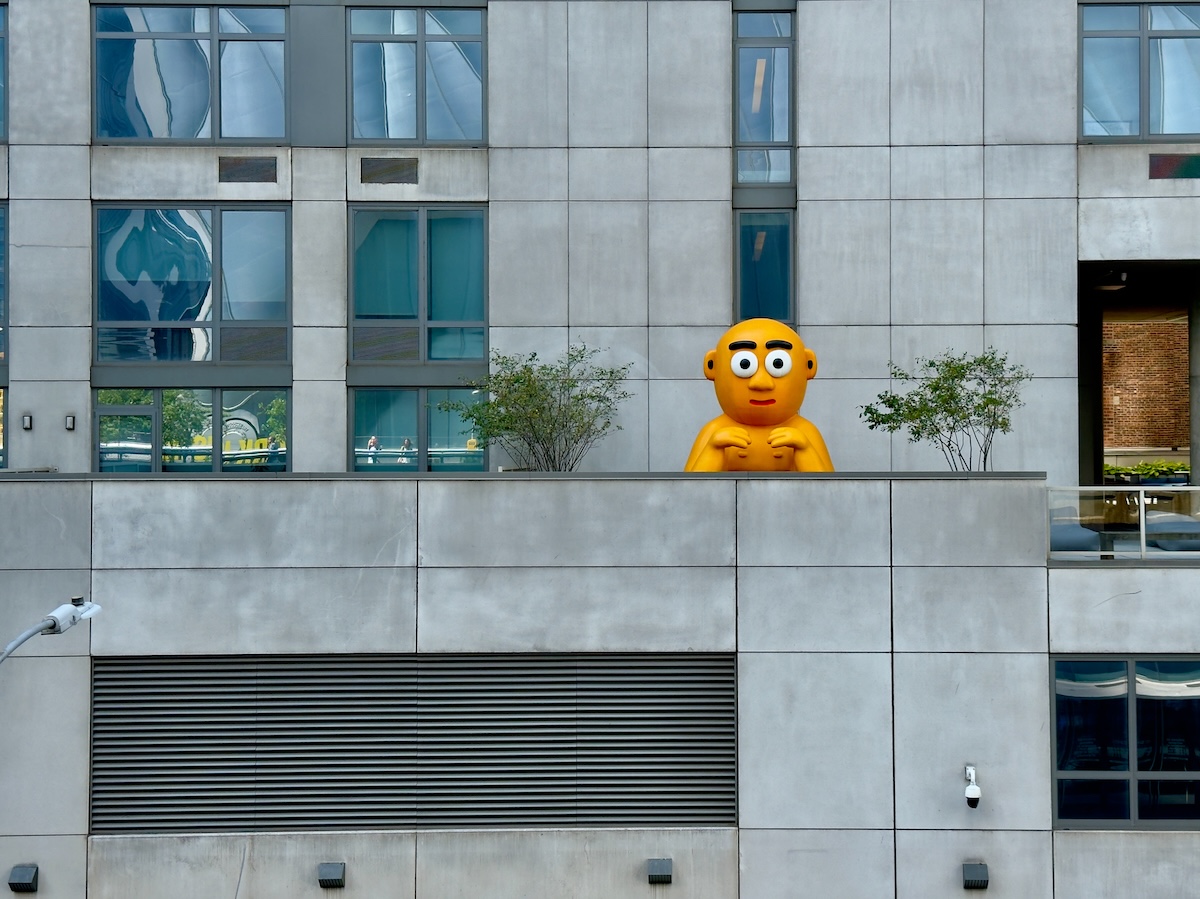
Headed north, we aimed for the Vessel, rising above Hudson Yards like an enormous copper-colored shawarma machine. A giant pink foot stood above the walkway for reasons that were apparently self-evident to someone. Nearby, a small yellow figure peered over a wall with the unsettling energy of something that had been watching us for several hours already.
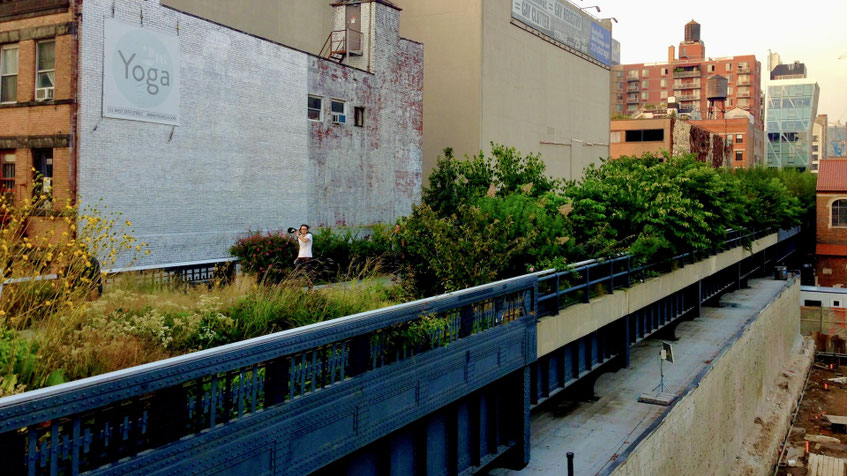
The High Line itself still looked good. That was the surprising part. I’d first walked the High Line back in 2013, when the surrounding neighborhood still had enough rough edges left to make the whole thing feel improbable. Back then, the park was the weird thing. Now the park feels almost restrained compared to everything erupting around it.
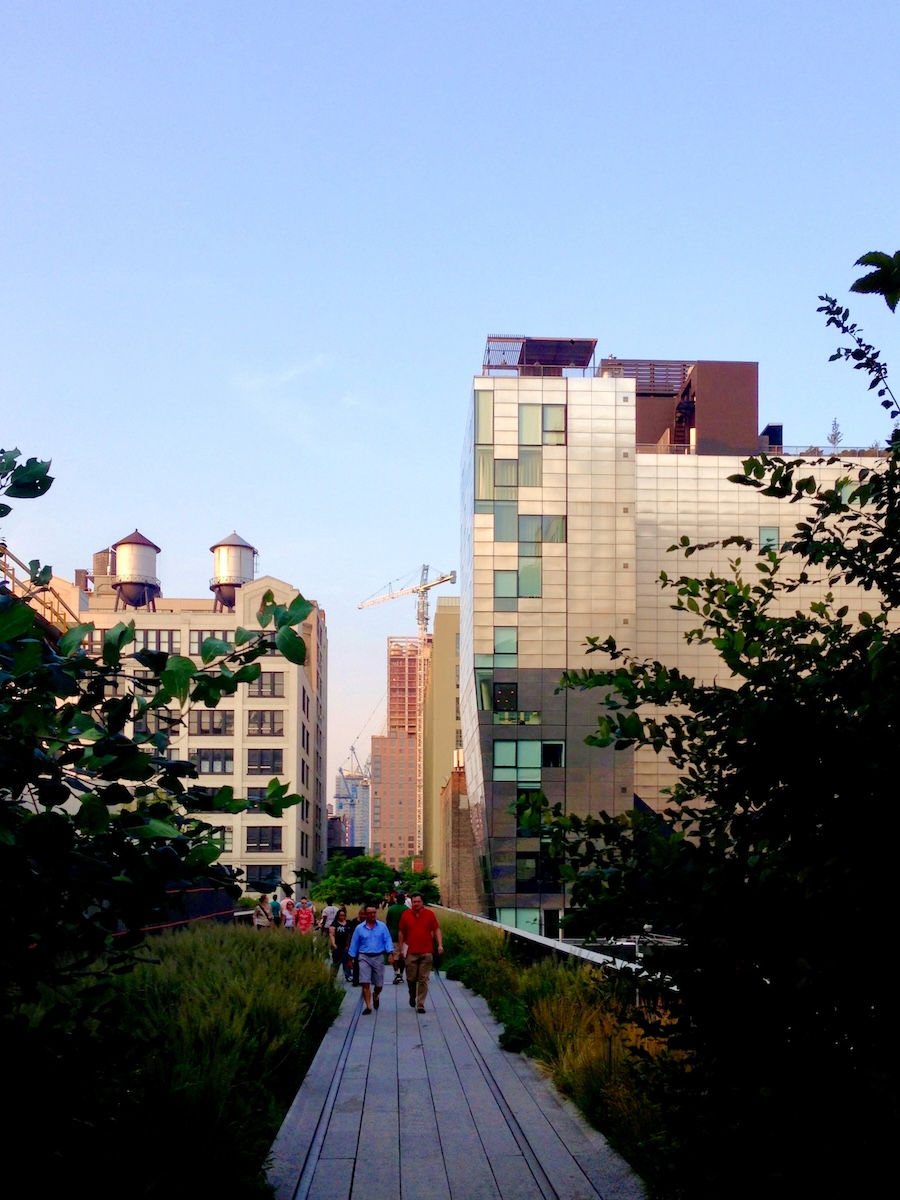
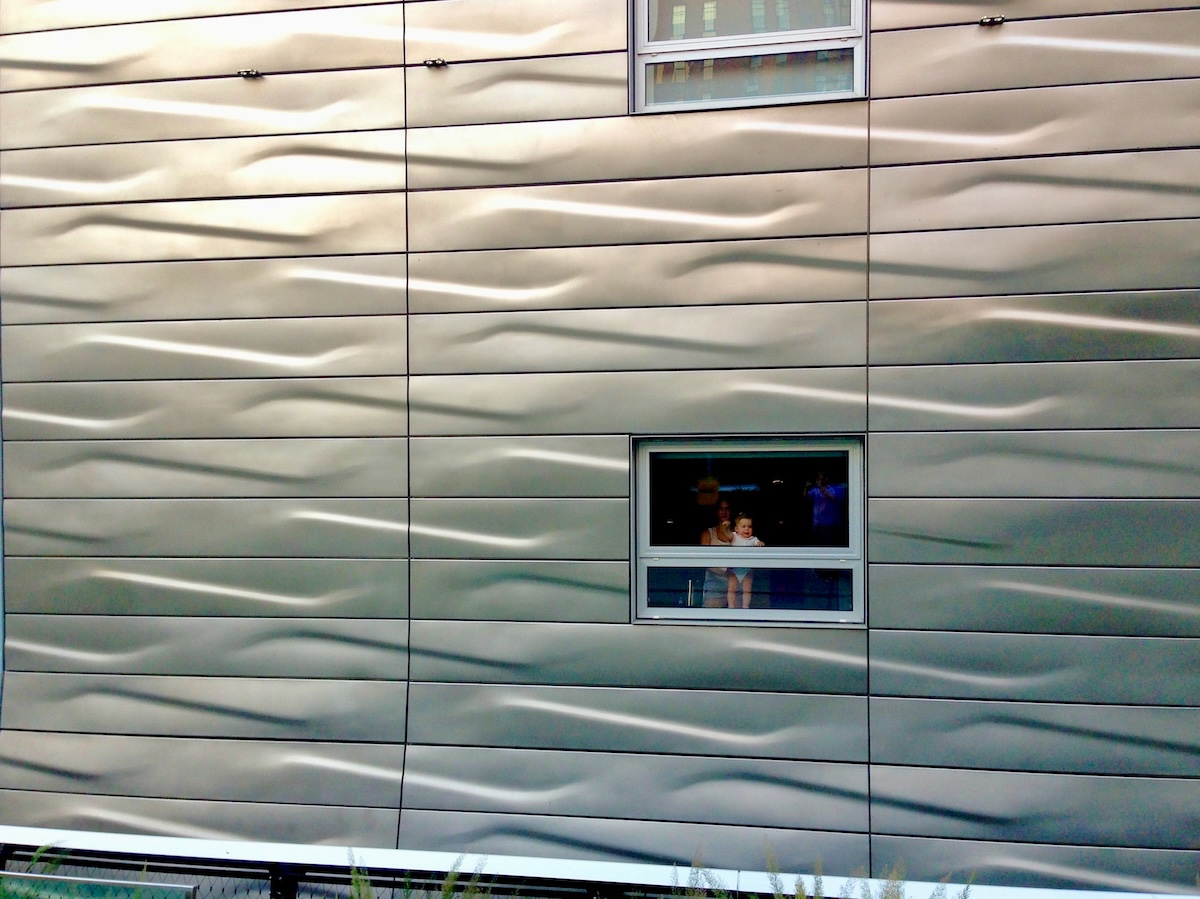
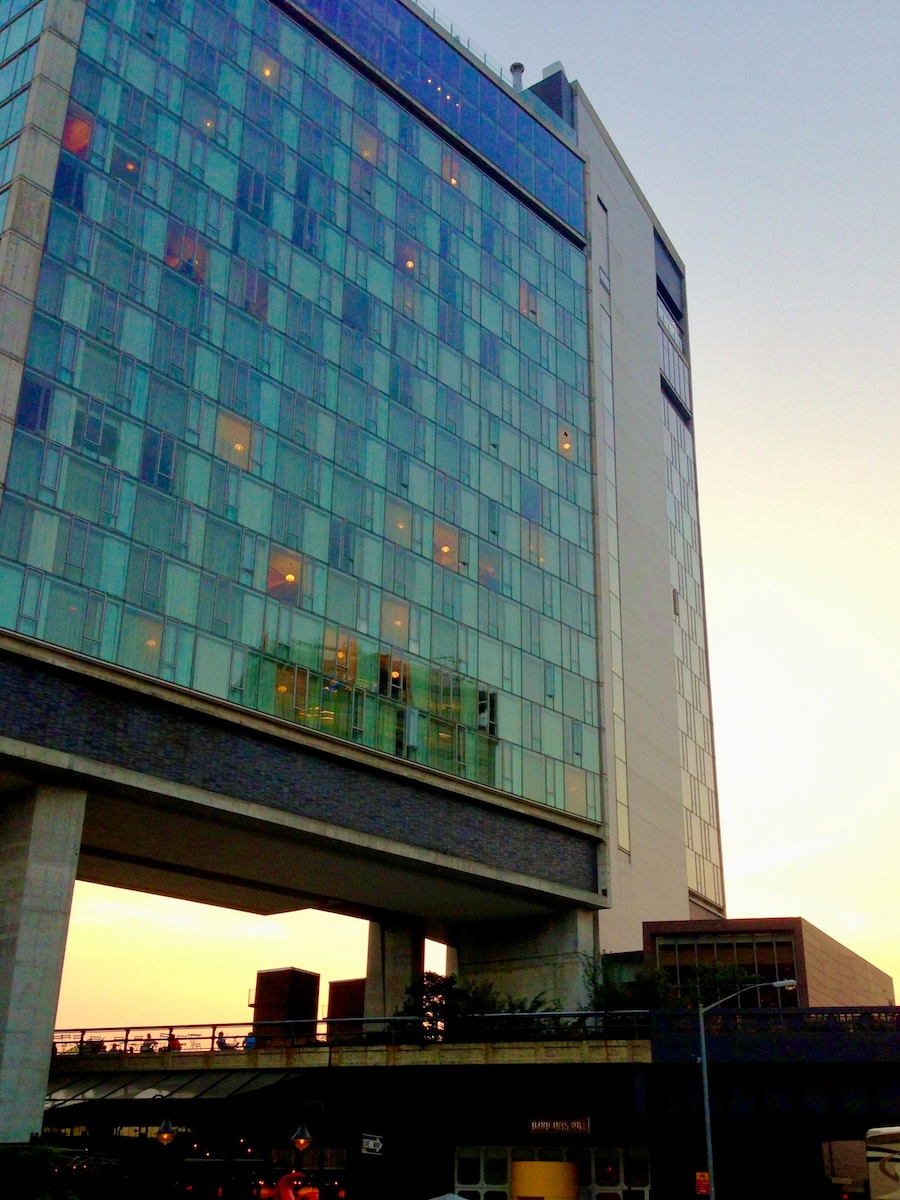
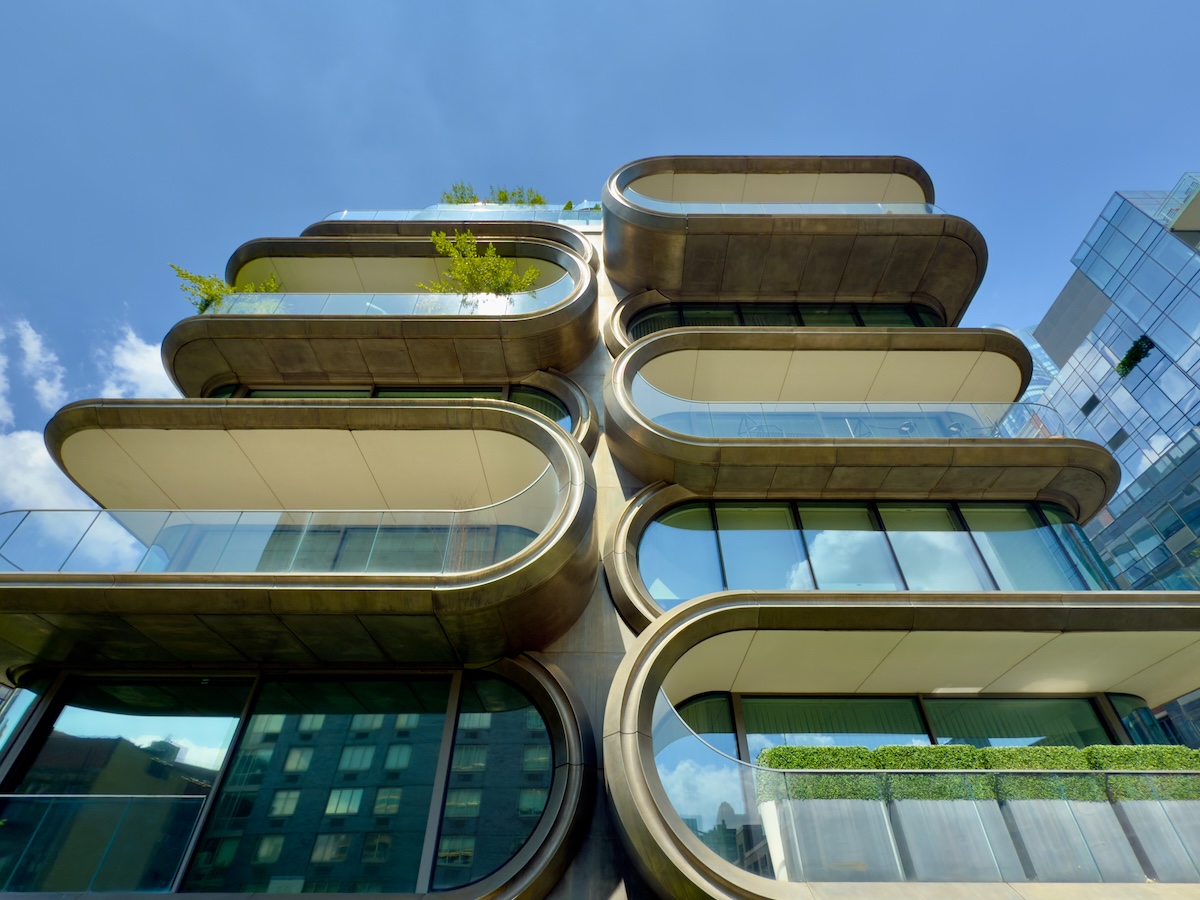
High-end condo towers lean over the walkway in smooth white curves and reflective glass. The Standard still straddles the High Line with the same smug looming energy, but now it's surrounded by buildings even more aggressive about being noticed, each one demanding a slightly larger share of your attention than the last. Somewhere between my own visits, the High Line stopped feeling like the main attraction.
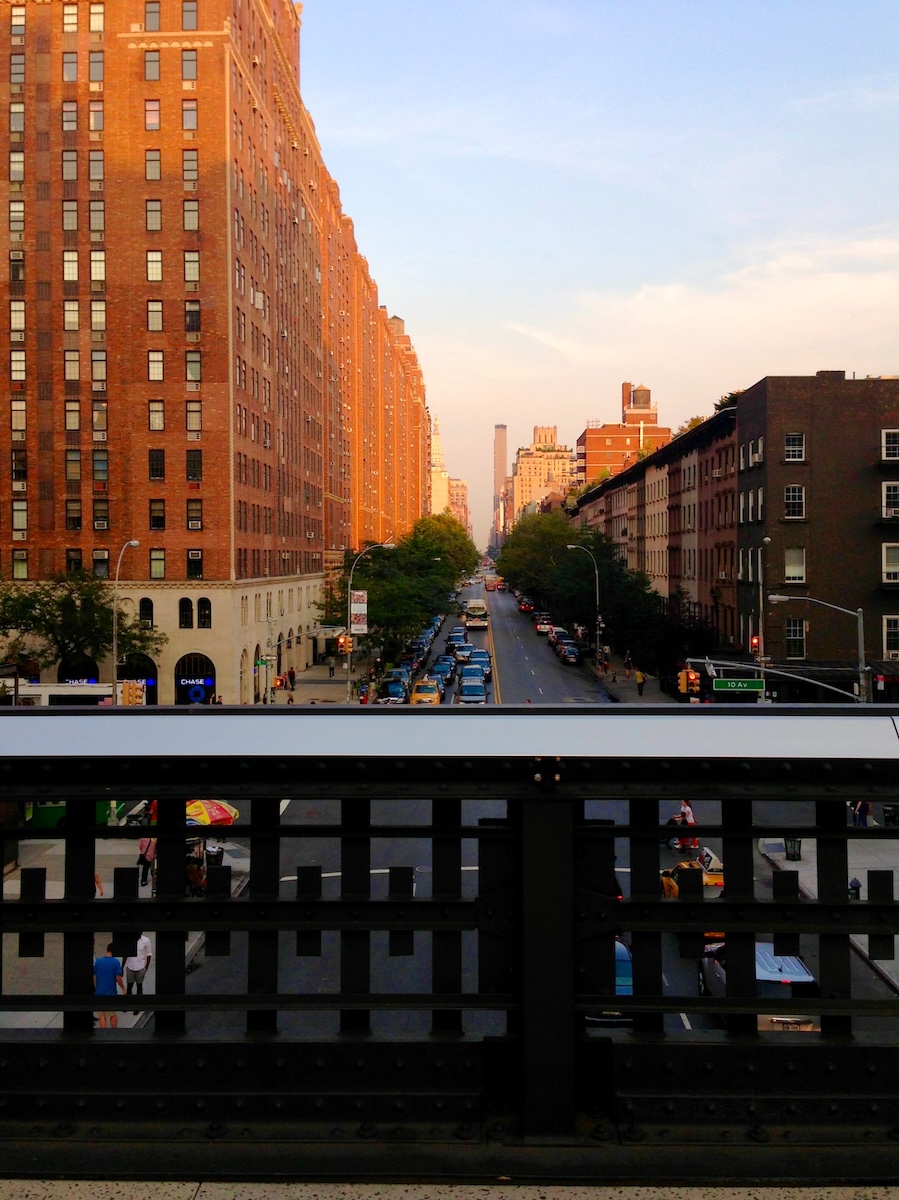
Before the High Line became one of the city’s favorite parks, it was, well, industrial. As early as the mid-1800s, it was the norm for tracks to be laid along the streets—meaning fully loaded freight trains would run directly through the streets of Manhattan. Don’t worry, safety was a primary concern. Men on horseback—called the West Side Cowboys—rode ahead of each train furiously waving flags to warn pedestrians and keep them from getting flattened. One stretch along 10th Avenue was unofficially renamed Death Avenue, which is refreshingly honest compared to today’s euphemistic naming standards.
As part of the massive West Side Improvement Project in the 1930s, though, the tracks were lifted above street level, and trains were threaded directly through the warehouses and factories of the West Side. Freight cars rolled through buildings carrying cargo while the neighborhood below was freed up to continue its regularly scheduled chaos. None of this was envisioned as public space. It was infrastructure in the bluntest possible sense, built to move industrial freight efficiently through a crowded city.
By the 1980s, though, trucks had taken over and the trains were gone. The tracks sat abandoned above the streets for decades, quietly rotting while weeds, grasses, and small trees slowly took hold between the rails. For years, many New Yorkers wanted the whole thing demolished, partly because it looked derelict and partly because Manhattanites generally react to unused space the way sharks react to blood in the water.
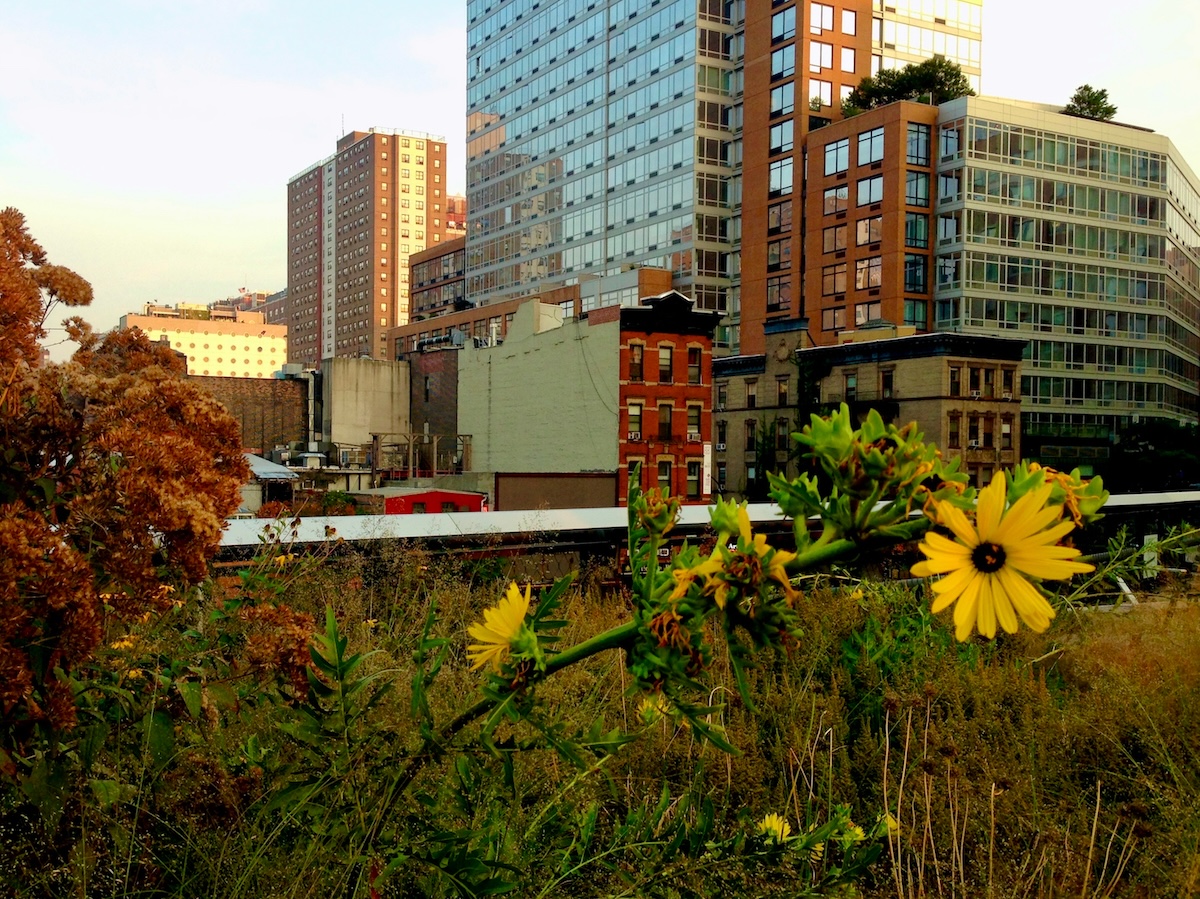
But this feral version of the High Line developed its own strange following. Photographers, neighborhood advocates, and urban explorers started climbing up illegally to wander through what had become an accidental elevated meadow floating above the West Side. Joel Sternfeld’s photographs of the abandoned tracks helped turn the place from “derelict eyesore” into “maybe don’t tear that down just yet,” capturing wildflowers and rusting rails with the skyline rising behind them.
A lot of what people now love about the High Line came from that unintentional wilderness. The gardens were never meant to resemble untouched nature exactly, but the park’s designers intentionally borrowed from the self-seeded landscape that appeared after abandonment. Even now, with upscale towers crowding the edges and tourists moving steadily north toward Hudson Yards, parts of the High Line still manage to feel faintly unruly in a city that usually prefers everything monetized, branded, and under control.
When I first walked the High Line in 2013, though, it felt like one of the most exciting things happening in New York. The park had already been open for a few years and was well on its way to becoming internationally famous, but the surrounding area was still gritty and raw enough that the whole thing felt edgy. You climbed some stairs from the street and suddenly found yourself above Manhattan, strolling through gardens along old rail lines while traffic lurched below, and water towers rose like oversized chess pieces above you.
The crowds were lighter then. Or maybe just less organized. People wandered instead of paraded. There were stretches where you could stop to lean on a railing and stare out at the Hudson without feeling like you were jamming a conveyor belt. The plantings were smaller and looser, blending naturally into the rusting tracks and the occasional stubborn patch of weeds that still made the whole place feel a little wild.
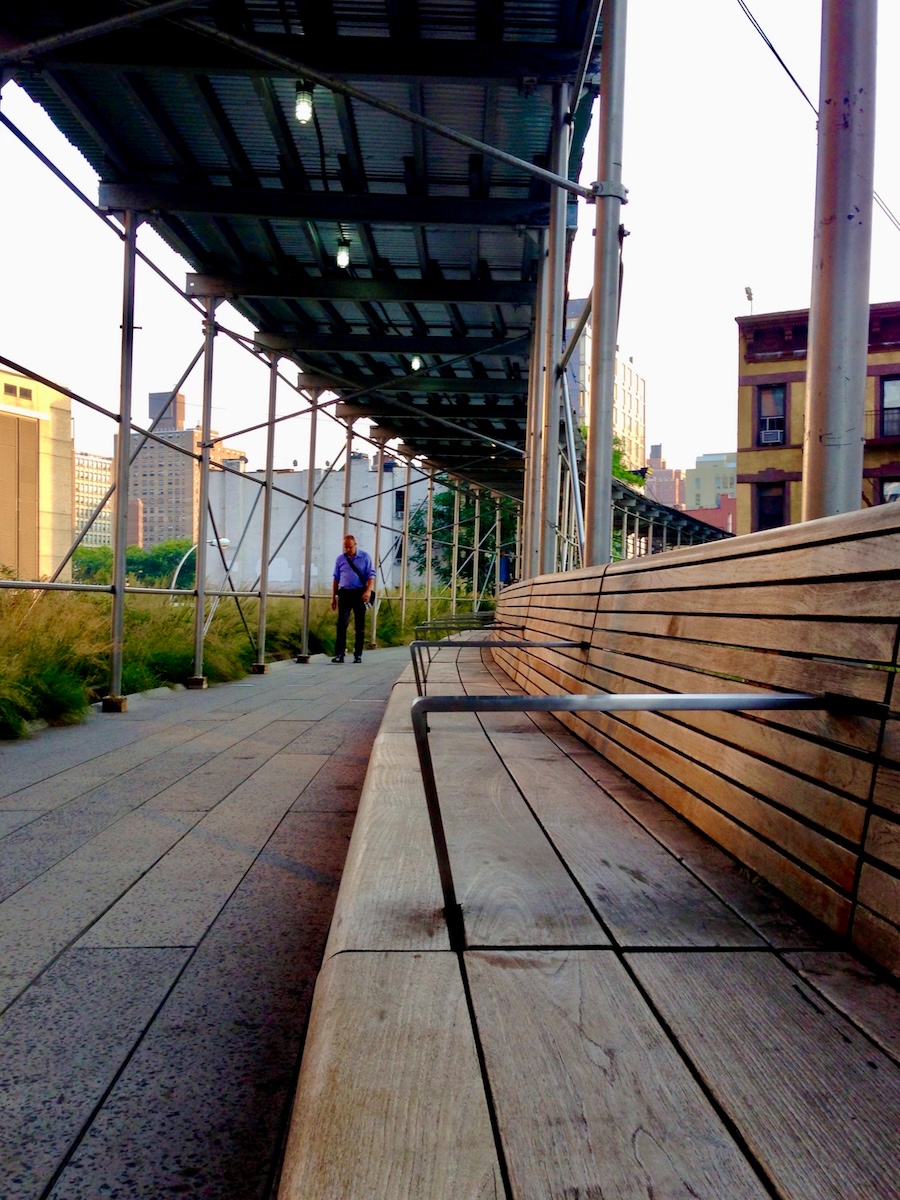
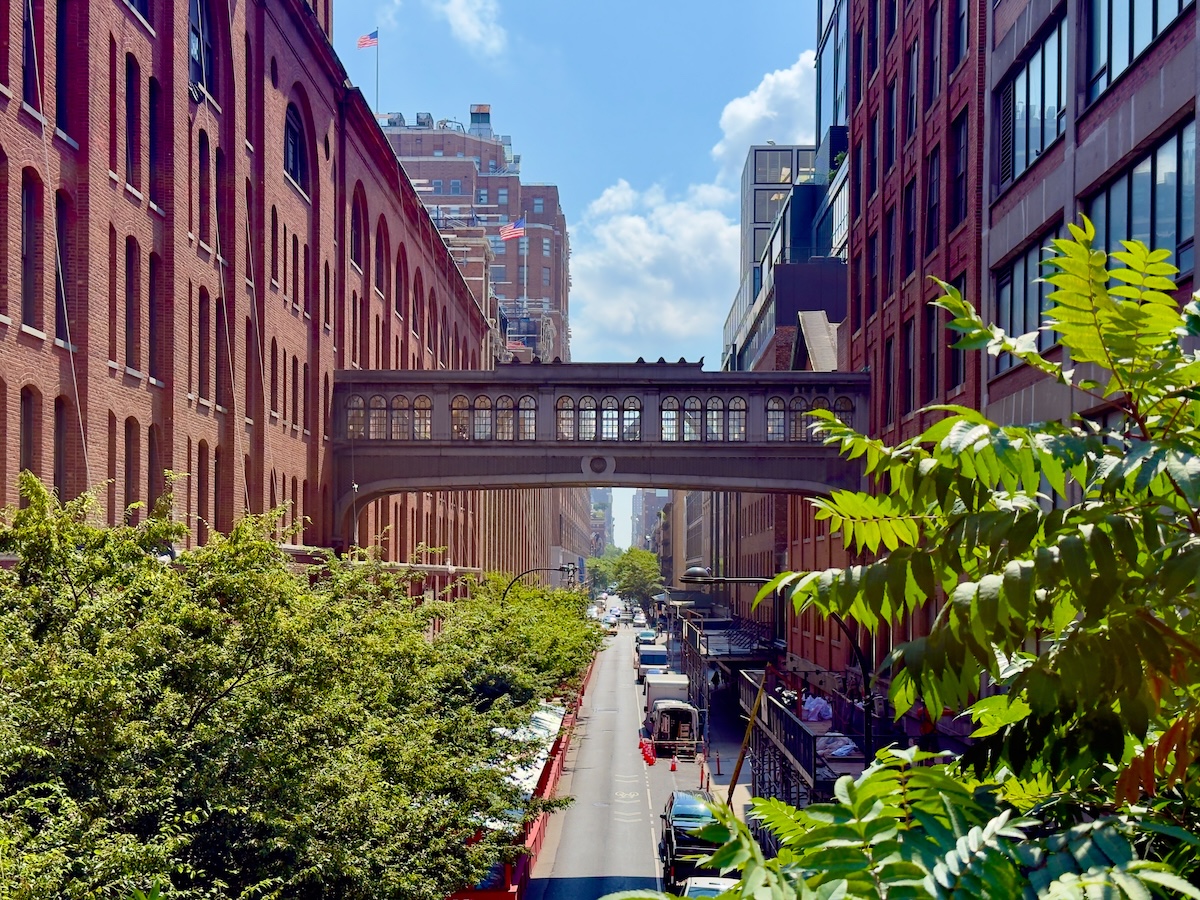
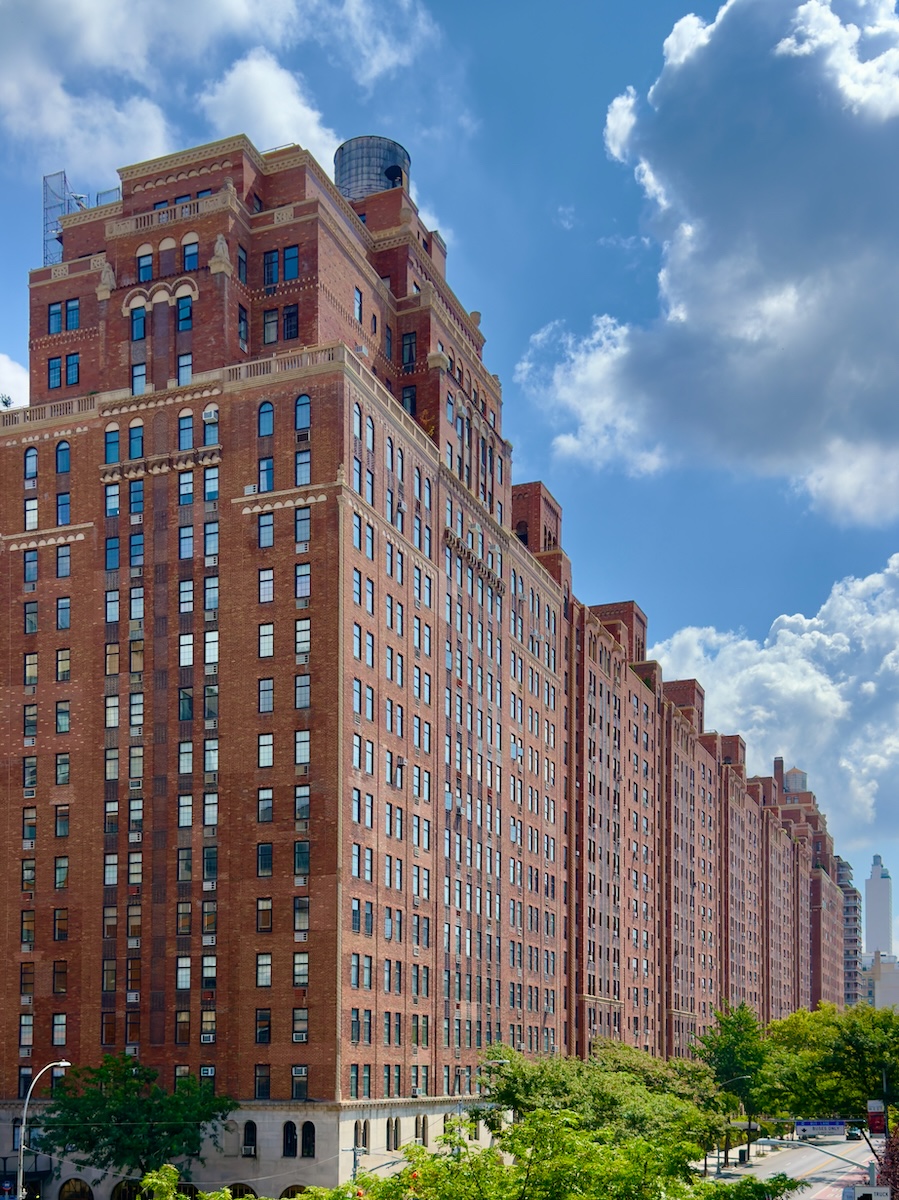
The neighborhood surrounding the High Line hadn’t swung fully into luxury theater mode yet, either. Old brick warehouses still dominated much of the view. Blank walls and empty lots broke up the skyline. Construction scaffolding appeared here and there like an omen of what was coming, but hadn't swallowed the horizon yet. The Standard already hung over the High Line, guests peering down at pedestrians from above, though back then it still felt like the flashy new arrival rather than one player in a growing competition for architectural attention.
What I remember most from that first visit, though, is how discovery still felt built into the experience. The High Line wasn’t secret exactly—way too many magazine articles had already been written for that—but it also didn’t yet feel fully absorbed into the New York tourism machine. Walking the park in 2013 still carried the slightly disorienting sensation that the city had accidentally left something delightful and genuinely inventive sitting out in public where everyone could access it.
Ultimately, the High Line didn’t just succeed as a park. It succeeded so famously that it was the catalyst for transforming the entire surrounding area into one of the most aggressively redeveloped parts of Manhattan. Once the city realized people actually liked wandering through old industrial infrastructure lined with native grasses and skyline views, the race was on.
Property values around the High Line exploded. Wealthy developers and marquee architects rushed in. Towers began touting their proximity to the park almost as loudly as the condos they contained. Living “on the High Line” became less of an address and more of a status marker.
And the transformation is impressive. Hudson Yards may resemble the headquarters of a futuristic bank that only issues loans to oligarchs, but the scale of it is hard not to admire. The architecture surrounding the High Line can be striking, and walking through Hudson Yards can feel a little like stumbling into a very expensive version of the future that got approved and built all at once.
The park itself became influential outside New York, too. Cities everywhere suddenly started asking some version of the same question—what disused infrastructure are we sitting on that could be our High Line? Abandoned rail corridors, decaying viaducts, and underappreciated waterfronts—urban planners around the world began chasing the same mixture of public space, redevelopment, tourism, and rising property values that had transformed Manhattan’s West Side so completely.
That success comes with an odd side effect, though. Parts of the neighborhood now feel so carefully designed, curated, branded, landscaped, and marketed that the remaining scraps of old industrial New York start to look like stage dressing. A rusting section of rail. An old warehouse wall. Weeds pushing up through the tracks. Little reminders that this used to be a working freight line running through an active industrial district, rather than a place where tourists line up to get the perfect shot of their iced latté against the skyline.
Despite all of this—the redevelopment, the branding, the engineered cool-kid energy—the High Line still works extraordinarily well as a place to hang out. Which could be the strangest part.
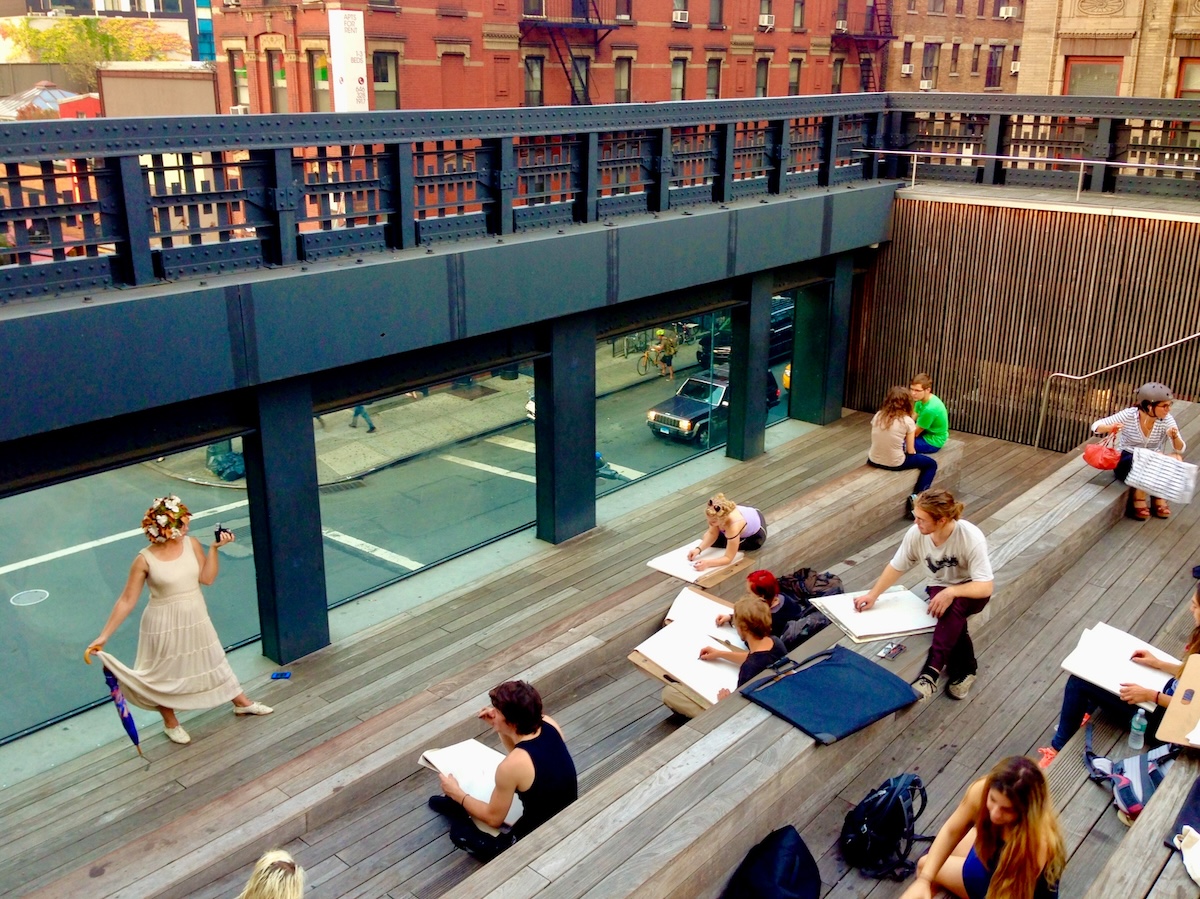
Late morning of our visit saw the crowds thickening considerably. Tourists stopped every few feet to photograph the skyline, the gardens, and themselves. People drifted from railing to railing while others stretched out in the sun on the wooden lounge chairs facing the Hudson. But even with the constant movement, the park didn’t feel tense. Once you climb above the streets, the traffic noise softens, and Manhattan relaxes a bit around the edges.
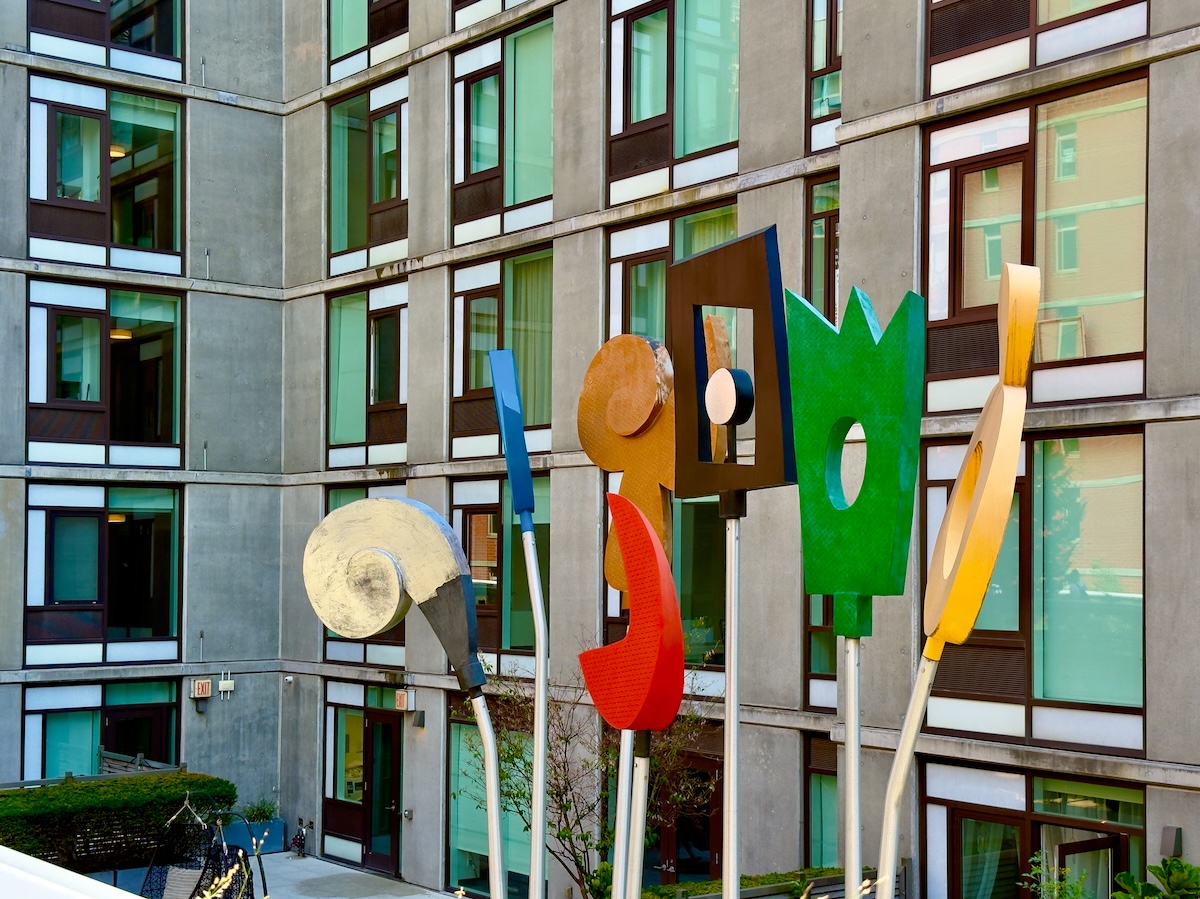
At the north, more assertively developed end, the Vessel rises above Hudson Yards, looking vaguely temporary despite its enormous scale. Contemporary public art appears around corners with almost no explanation—a giant pink foot here, a bald Ernie peering over a wall there—and new towers bend, curve, reflect, and loom over the park in ways that would have felt absurd back in 2013.
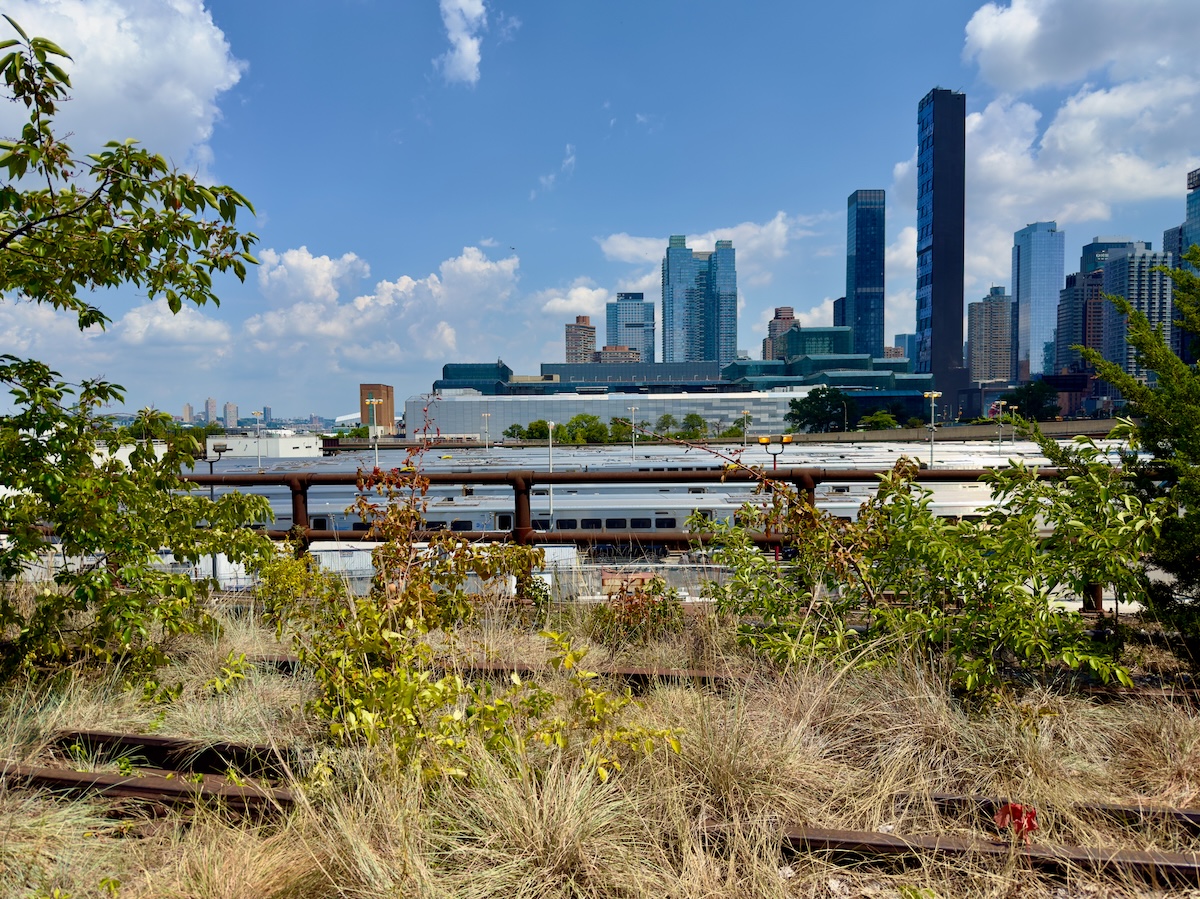
Just beyond the Hudson Yards spectacle, the High Line abruptly opens out over the active Penn Station rail yards, and parts of the landscape are intentionally left wild and minimally manicured. Here is where you can see how the abandoned High Line existed before the park opened in 2009, when weeds and wildflowers took over the tracks.
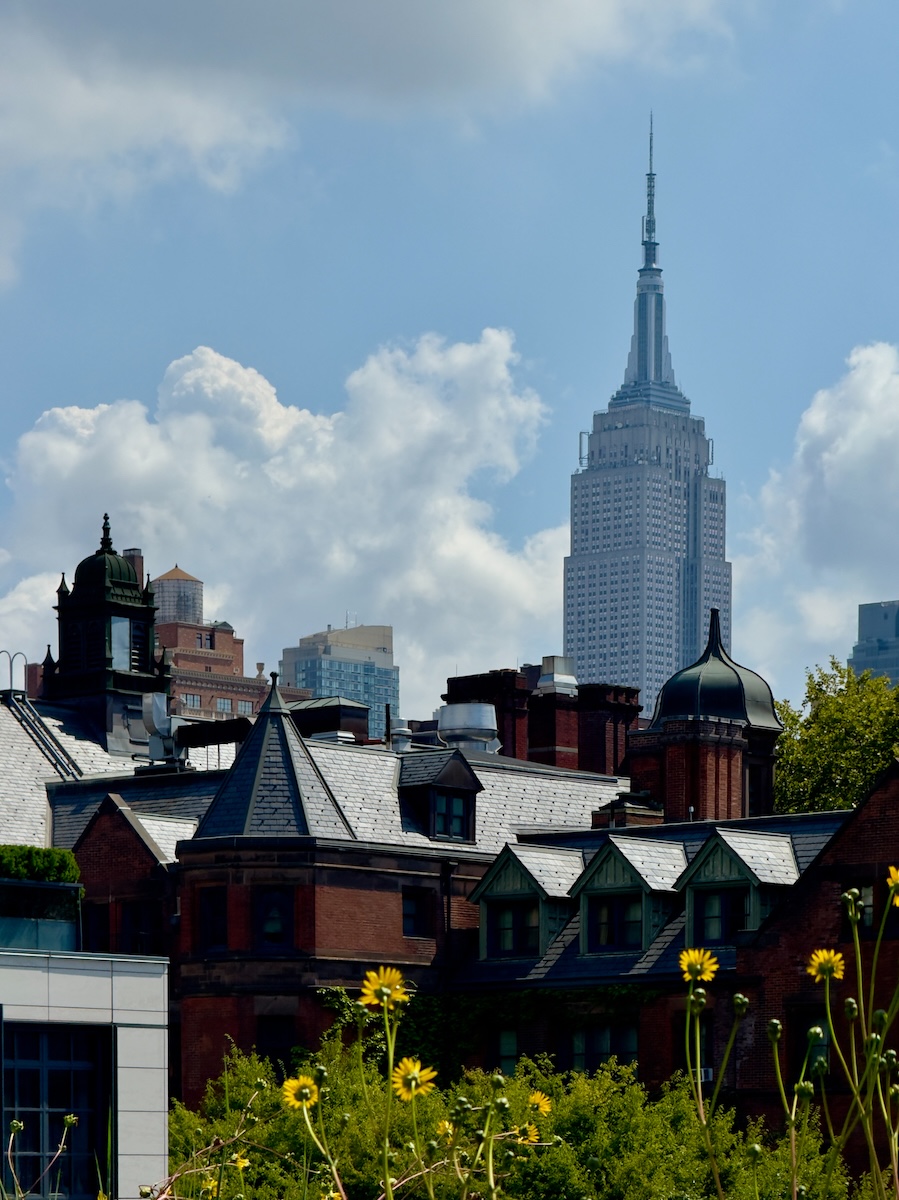
Rick and I eventually realized we’d taken nearly identical photos of the park. The same stretches of track disappearing into tall grass. The same towers rising behind them. Somewhere along the way, the High Line stopped being the strangest thing on Manhattan’s West Side. But the old rails and wild grass still end up in everyone’s photos.










Write a comment