
If you’d asked me 15 years ago whether there was anything left around Portland that would genuinely surprise me, I’d have laughed. Shows what I know.
Since then, I’ve discovered that, yes, there are still corners of the city that I know nothing about. Every so often, I'll stumble across some oddball museum, forgotten bridge, or neighborhood curiosity and wonder how on earth I managed to miss it all these years.
So when my mom sent me a local news story about volunteers cleaning up an old pioneer cemetery hidden in the woods above Happy Valley, the Portland suburb with the most inane name, I thought, “Wait…what? There’s a pioneer cemetery in Happy Valley?”
She tricked me. She knows I have an unfortunate weakness for both cemeteries and obscurity. I had to go looking for it.
I discovered that finding Christilla Pioneer Cemetery wasn’t as simple as typing an address into Google Maps. In fact, it wasn’t simple at all. The internet offered vague directions, conflicting descriptions, and maps that placed the cemetery in the general vicinity of Scouters Mountain Nature Park—but never committed to a firm location.
Nothing makes me more determined than the possibility that something interesting is just over the next hill—especially when everyone seems strangely reluctant to tell me exactly where that hill is.
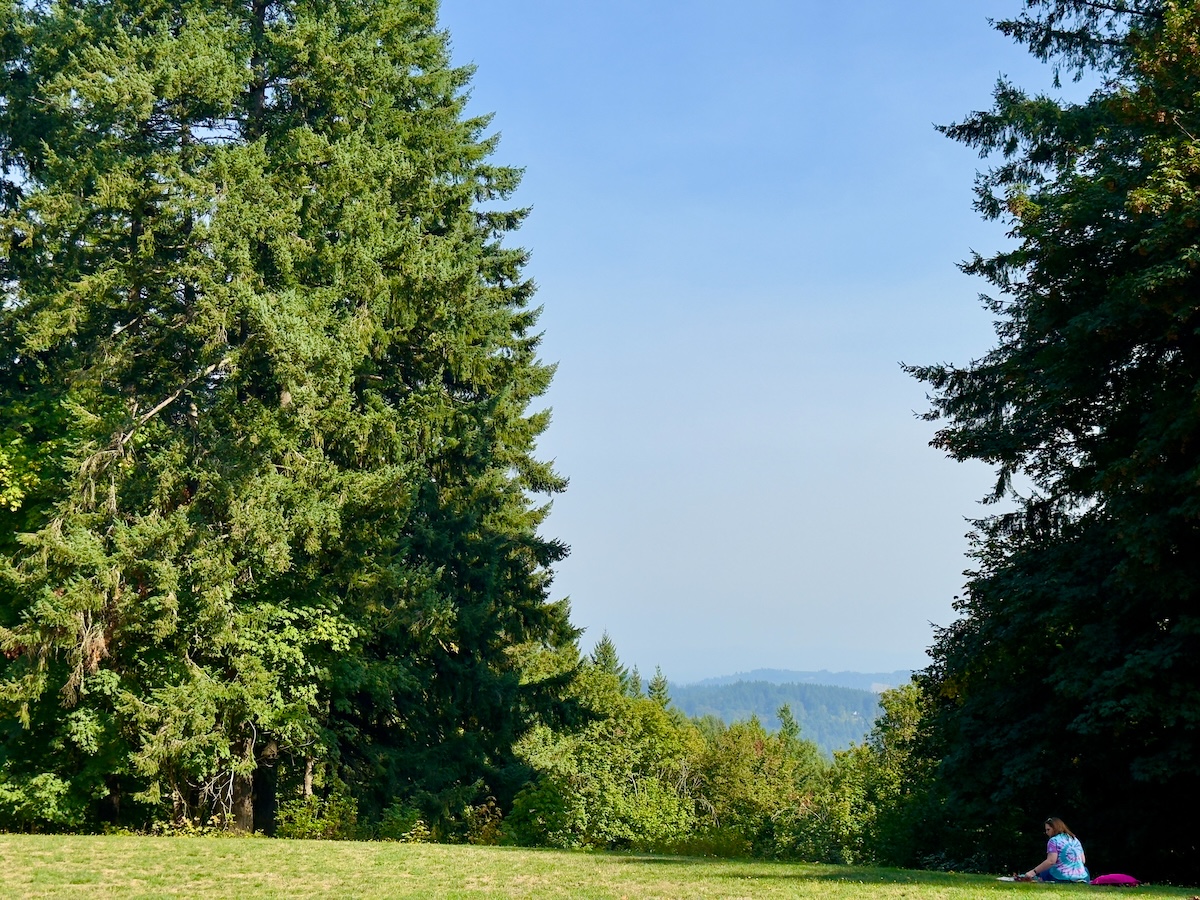
Because Google Maps was so confident, I drove straight to Scouters Mountain Nature Park, thinking for most of the drive that Happy Valley was much, much further away from Portland than I’d thought, conceptually and physically.
I parked the car in the lot and set off on the path up the hill, expecting this to be a quick errand. Instead, I found hiking trails. Lots of them. And not a single one with a sign or arrow pointing toward the cemetery.
I wandered around for a while, convinced I just hadn’t gone far enough. Then I became convinced I’d gone too far. After looping back to the parking area three or four times with nothing to show for my efforts, I did what any reasonable person would do—I doubled down.
The problem wasn’t that Google was wrong wrong. It’s that it was only technically correct. Somewhere beyond those trails was a pioneer cemetery, but there was no obvious way to reach it from the park. So I drove around the perimeter, stopping every time I spotted what looked like a promising road or trailhead. Most led to cul-de-sacs or front doors. One led to someone’s backyard pool. I backed away, hoping I hadn’t tripped any security cameras.
By now, I was completely invested. I'd come this far, and I refused to believe an old, musty Oregon Trail cemetery could outwit me. As I headed back toward Scouters Mountain for one last try, I noticed a small parking area at the bottom of the hill with two narrow trails disappearing into the woods. I picked one more or less at random and hoped it wasn't another walk to nowhere. Or worse, a Murder Shack.
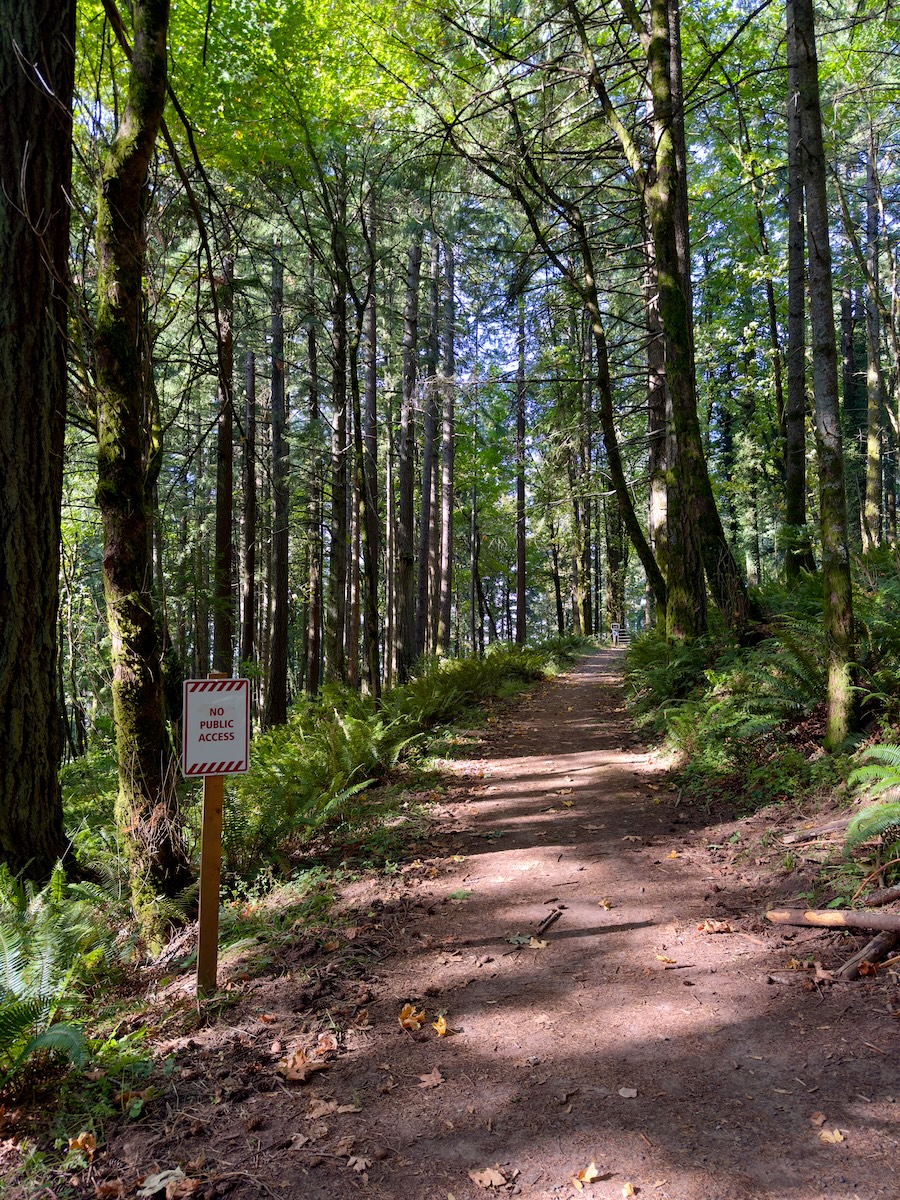
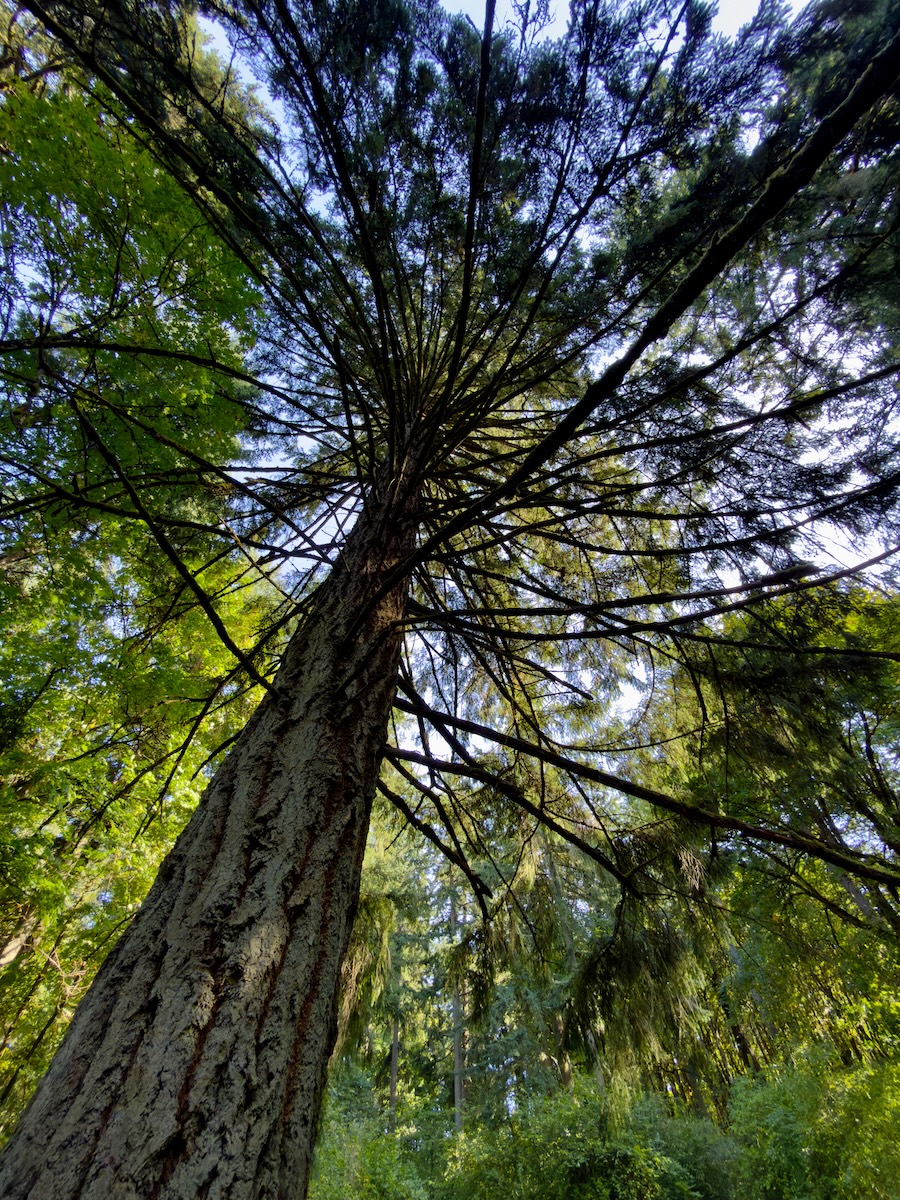
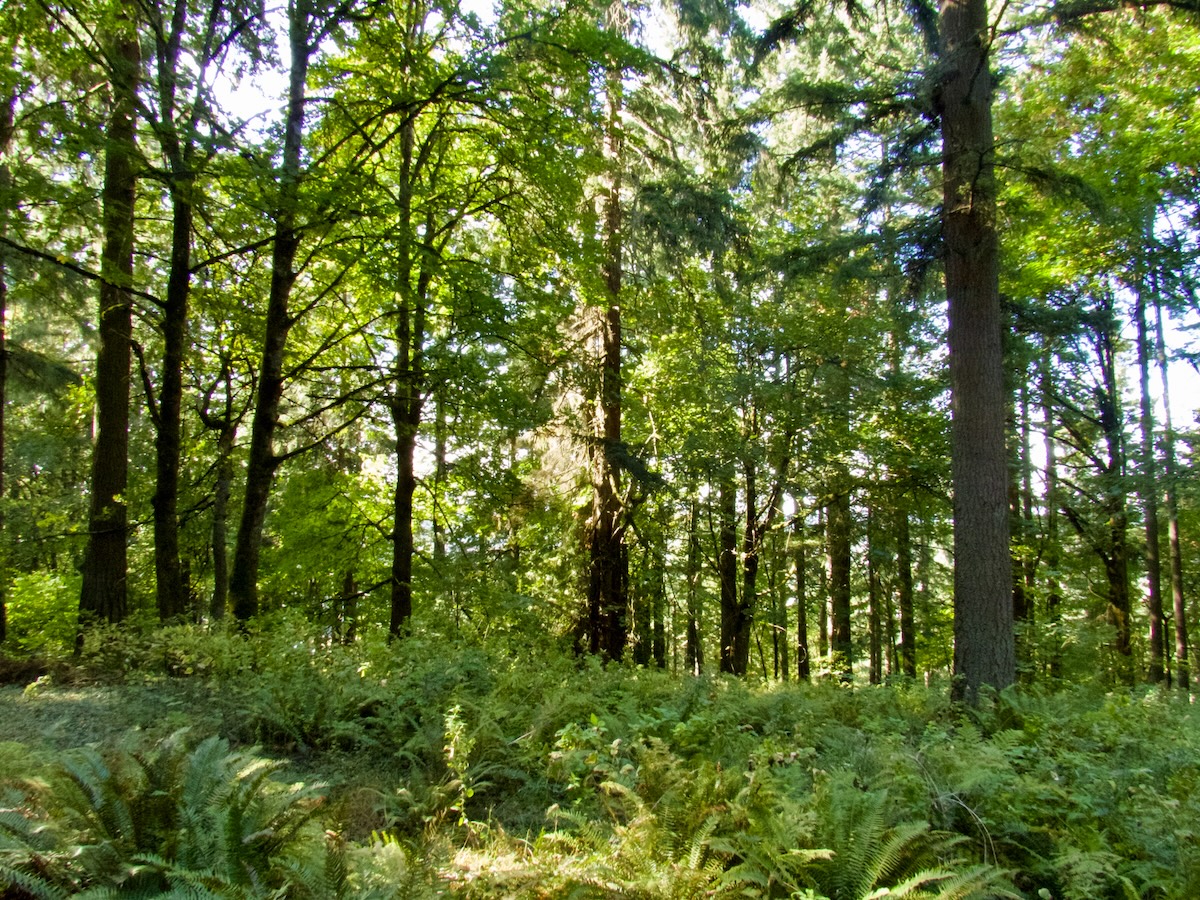
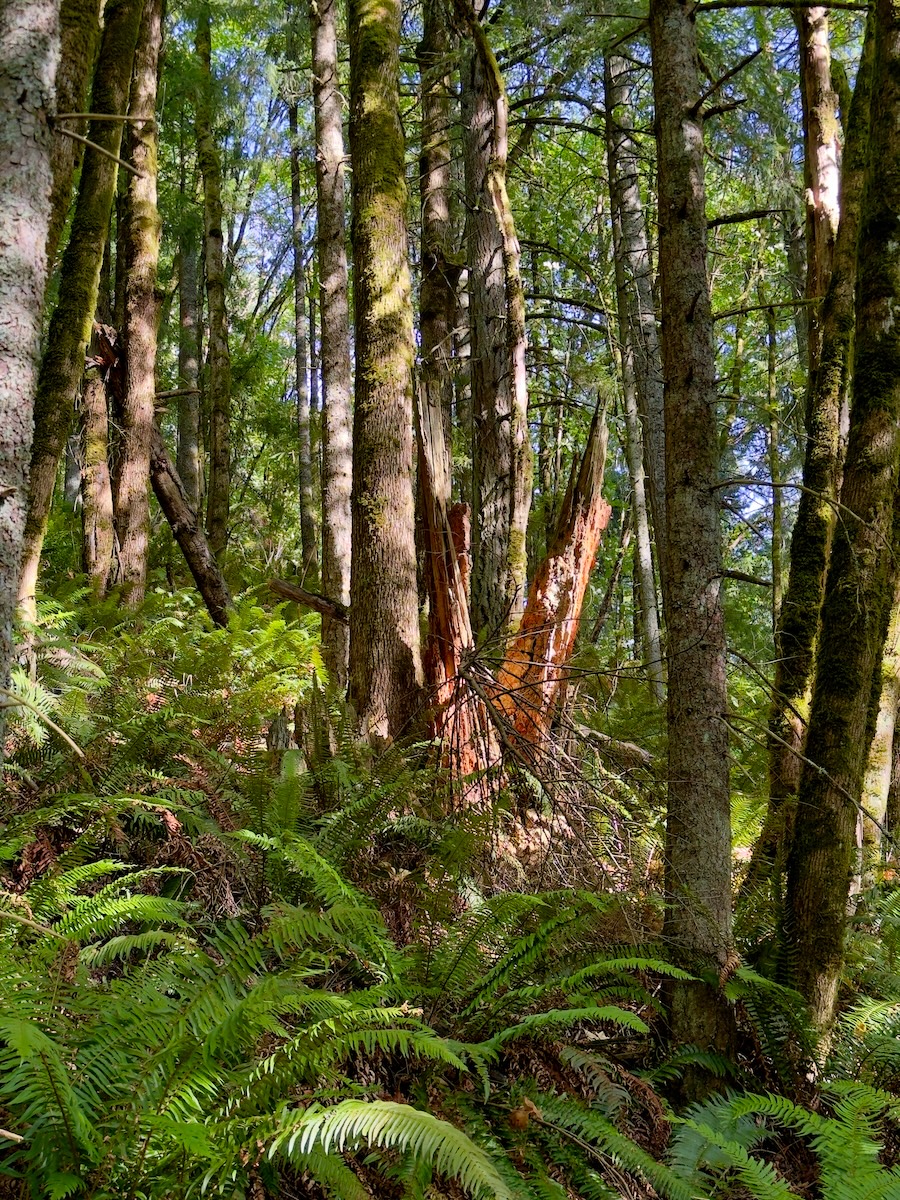
The trail climbed through thick Douglas firs before bending toward a gate with a sign reading “No Public Access.” That seemed promising, though it did give me pause. I probably should have turned around, but that would have been admitting defeat.
Instead, I stood for a minute trying to remember exactly what the newspaper article had said. The cemetery had just been cleaned up. Volunteers had been traipsing in and out. The city was sharing the story with the public. Surely they wouldn’t do that if visitors weren’t actually allowed.
I decided that if anyone questioned what I was doing, I’d calmly explain that I’d read the article and thought the cemetery was open to visitors. Or that I couldn’t read English. I’d let the situation guide me.
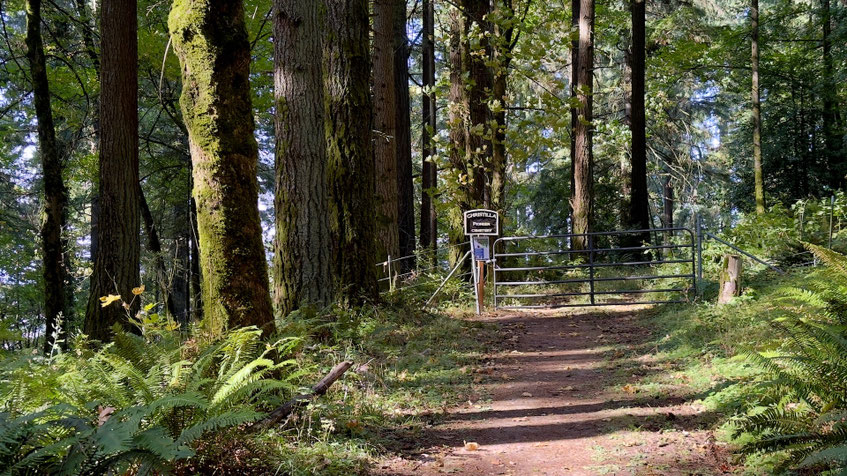
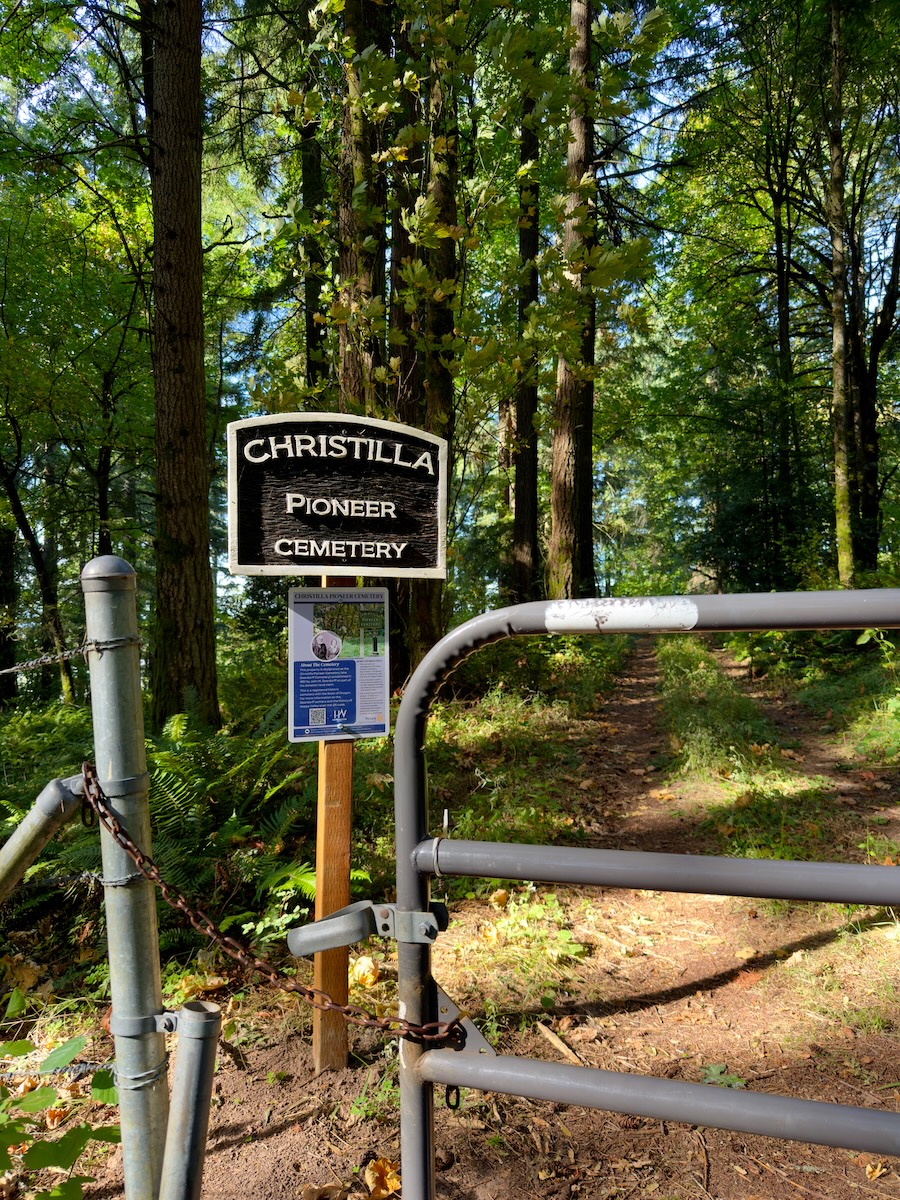
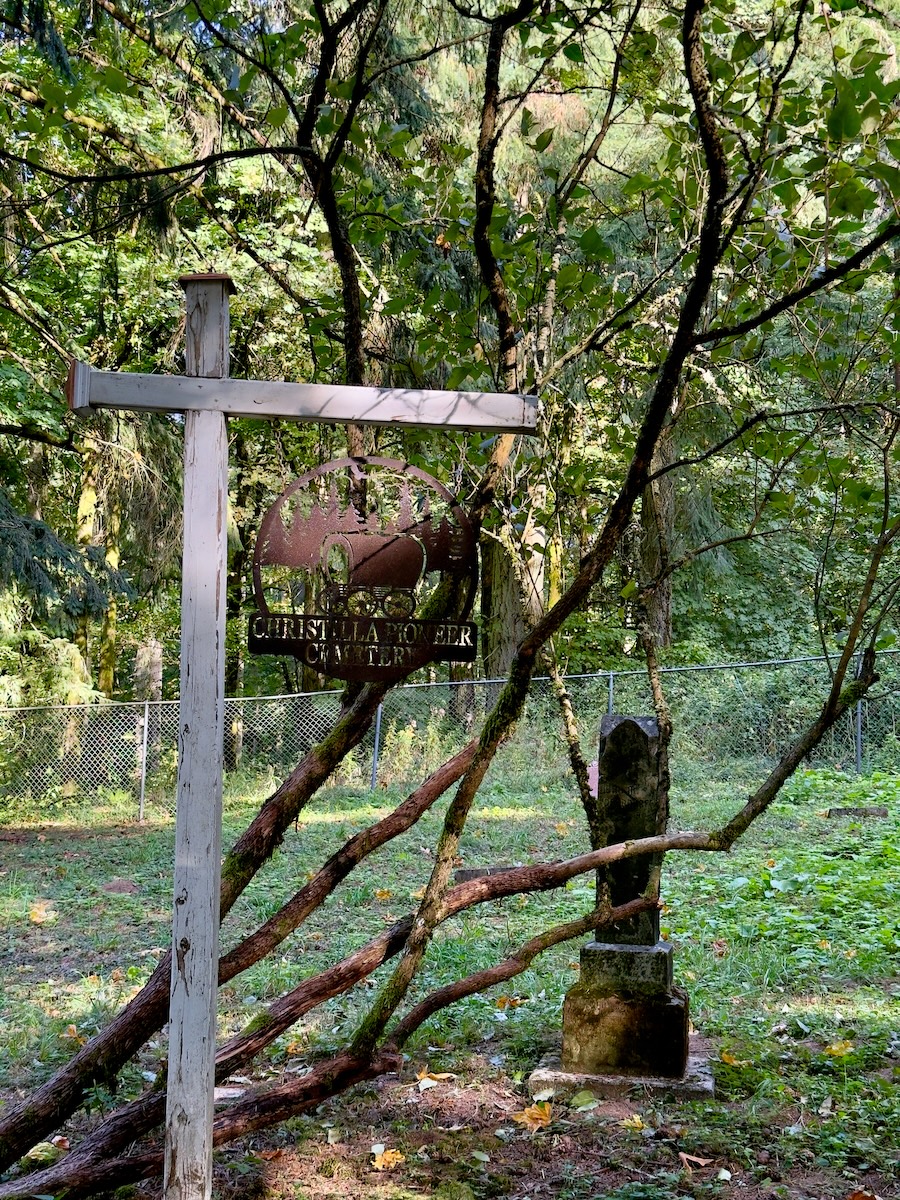
A little farther up the narrowing path was another vehicle gate, but this one had a sign that announced the Christilla Pioneer Cemetery. Aha! I was on the right path. There was a chain, but no padlock, which I took for tacit approval and slipped through the gate.
The road ended a minute or two later at the cemetery itself. I’d found it, but I wasn’t getting in.
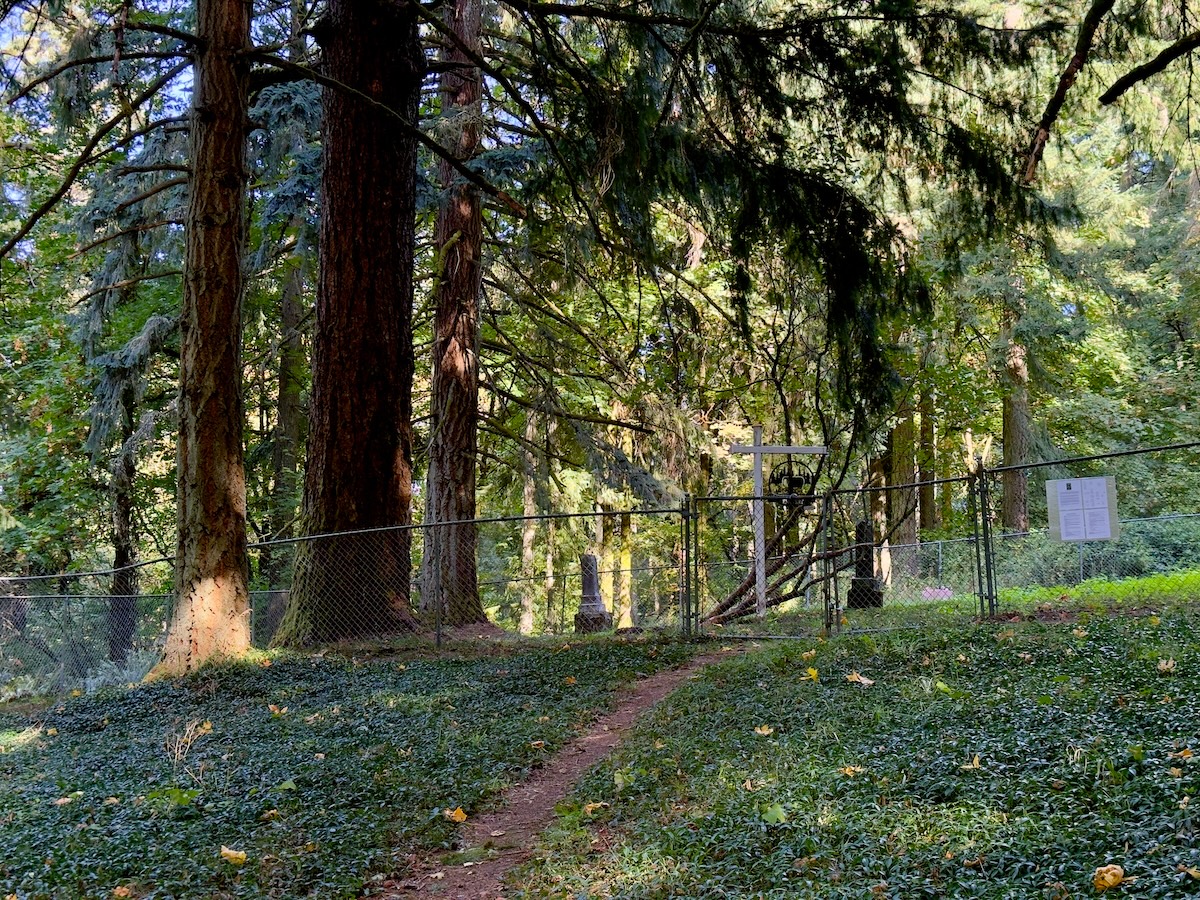
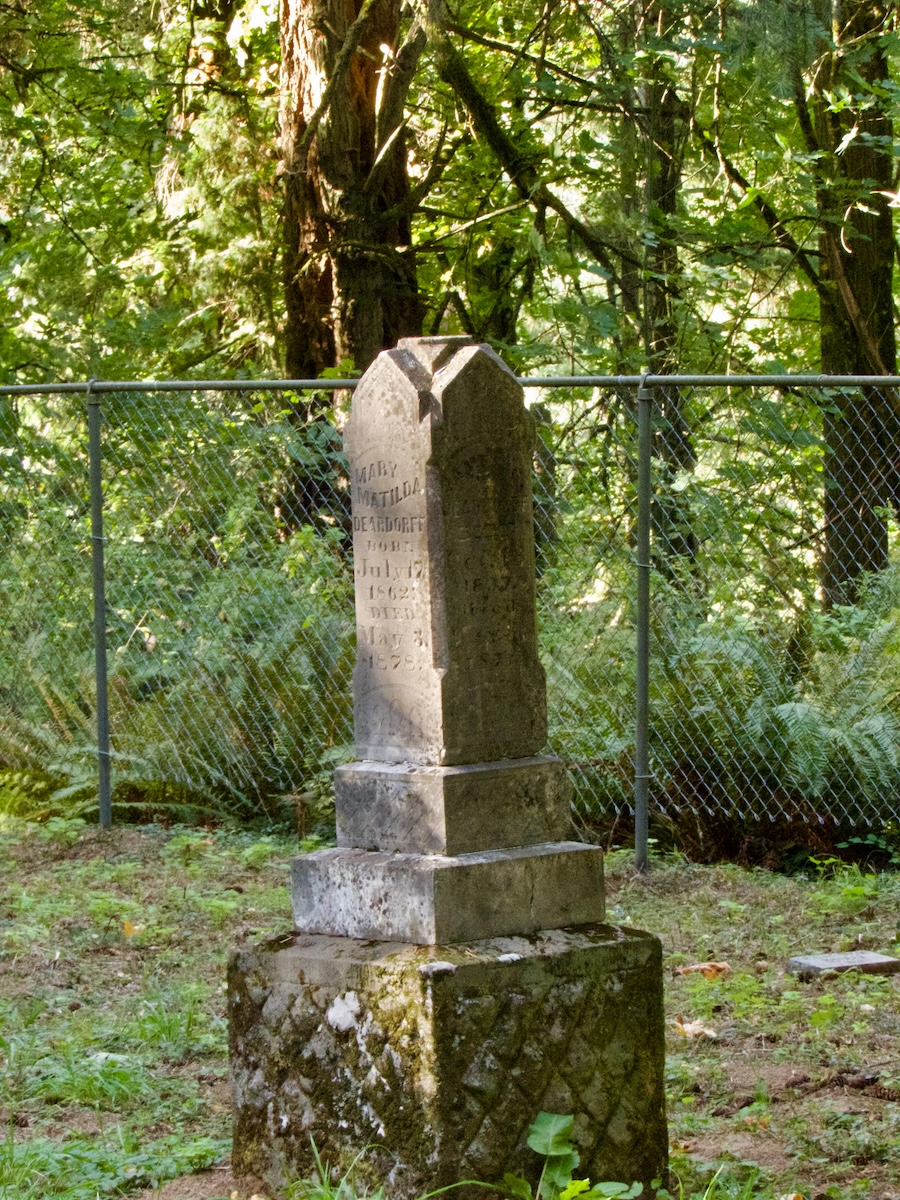
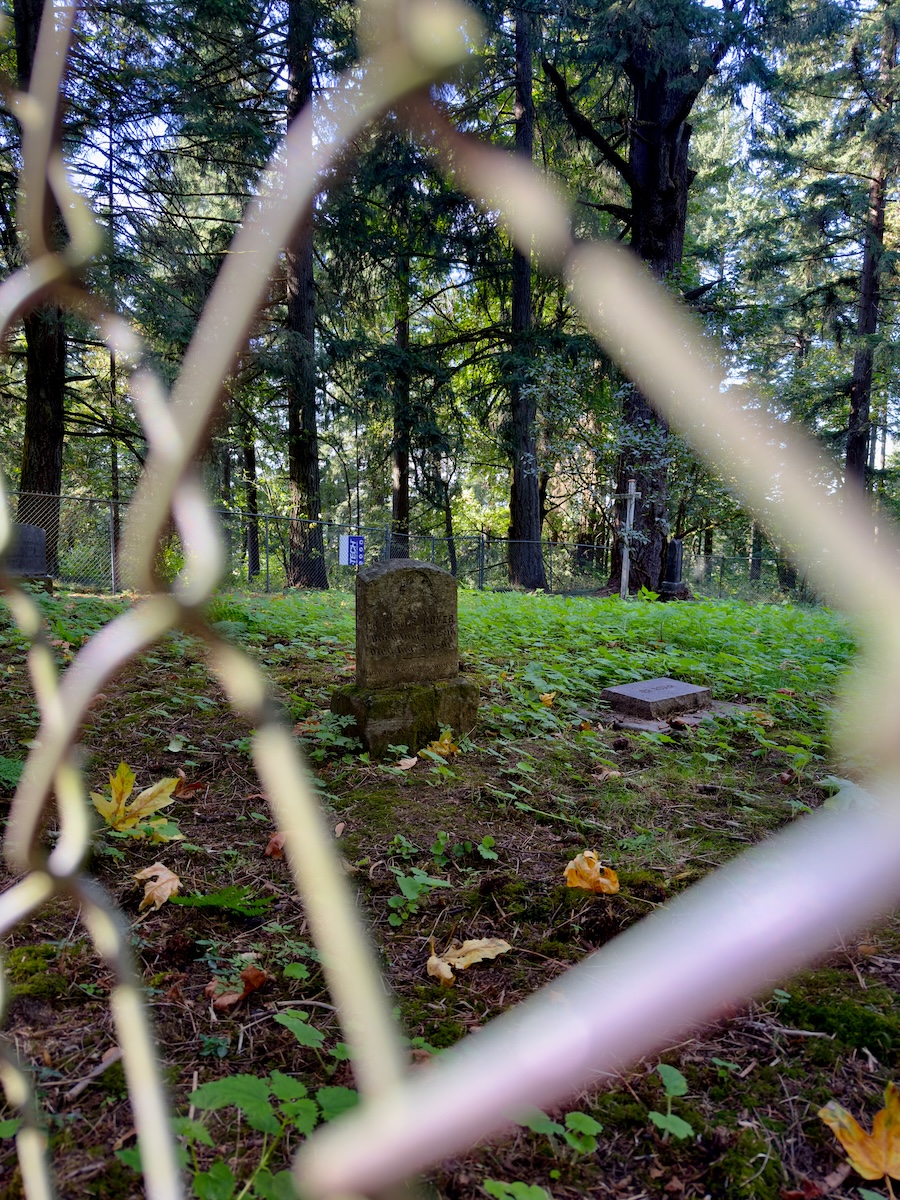
The Christilla Pioneer Cemetery—my holy grail for the afternoon—sat behind a chain-link fence beneath towering trees, its gate secured with a real padlock. I briefly considered climbing over it. But no. Even I have limits. Whatever happened next would require a much better explanation than the one I’d come up with.
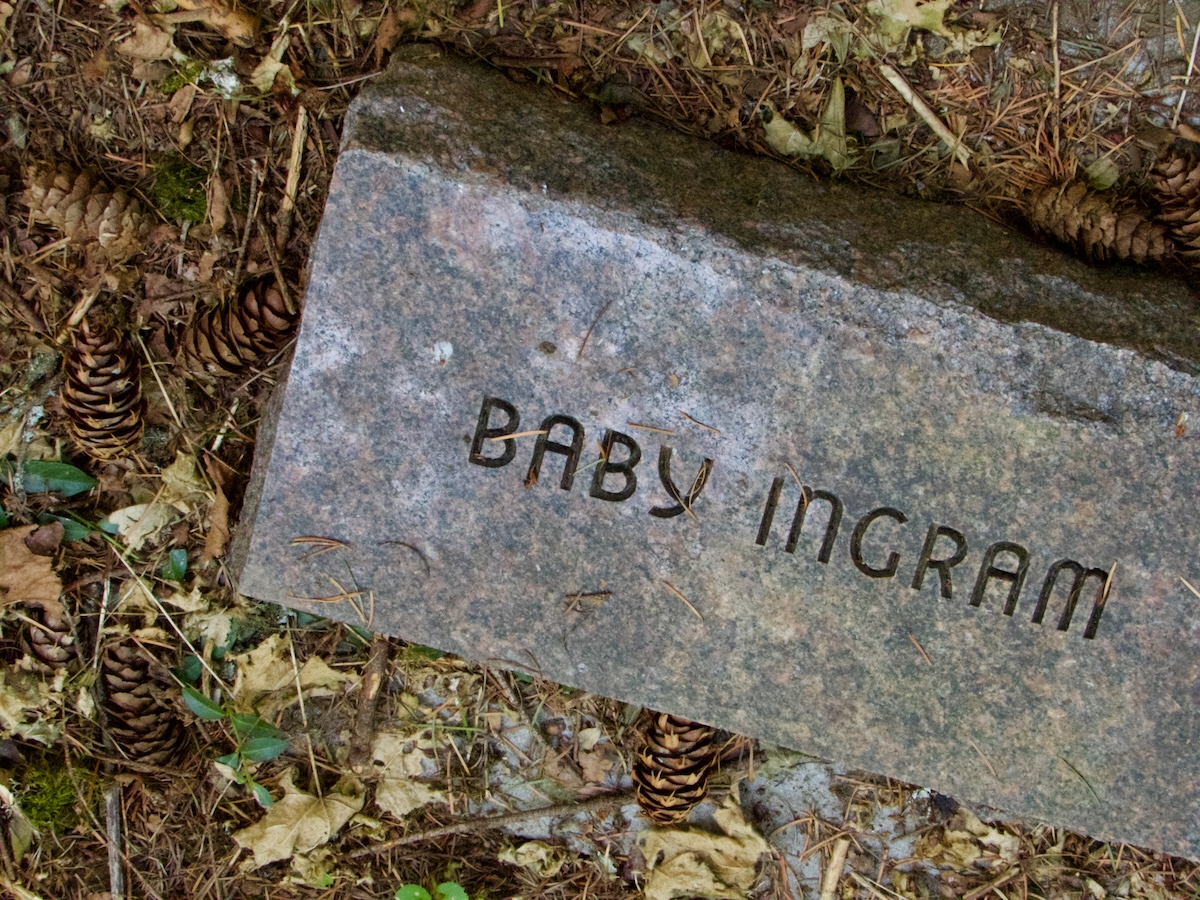
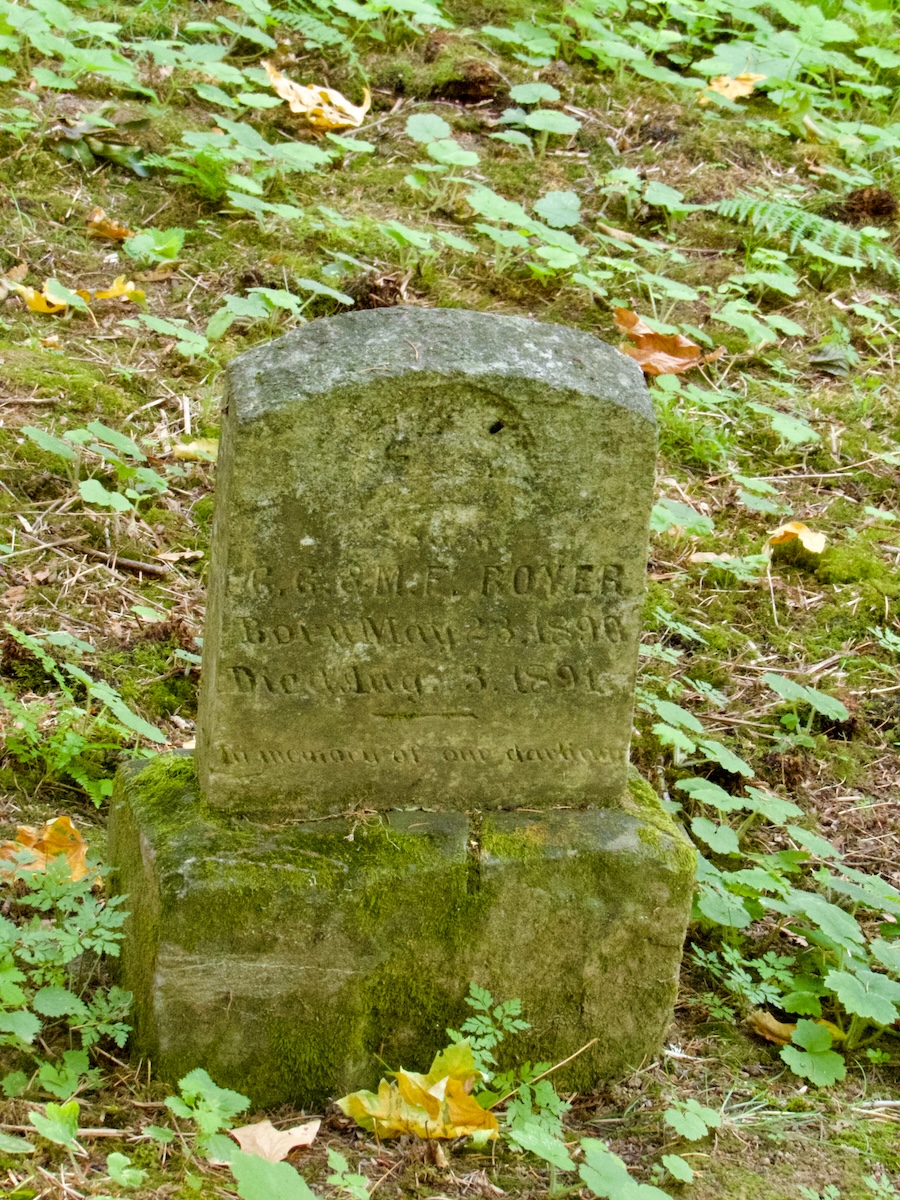
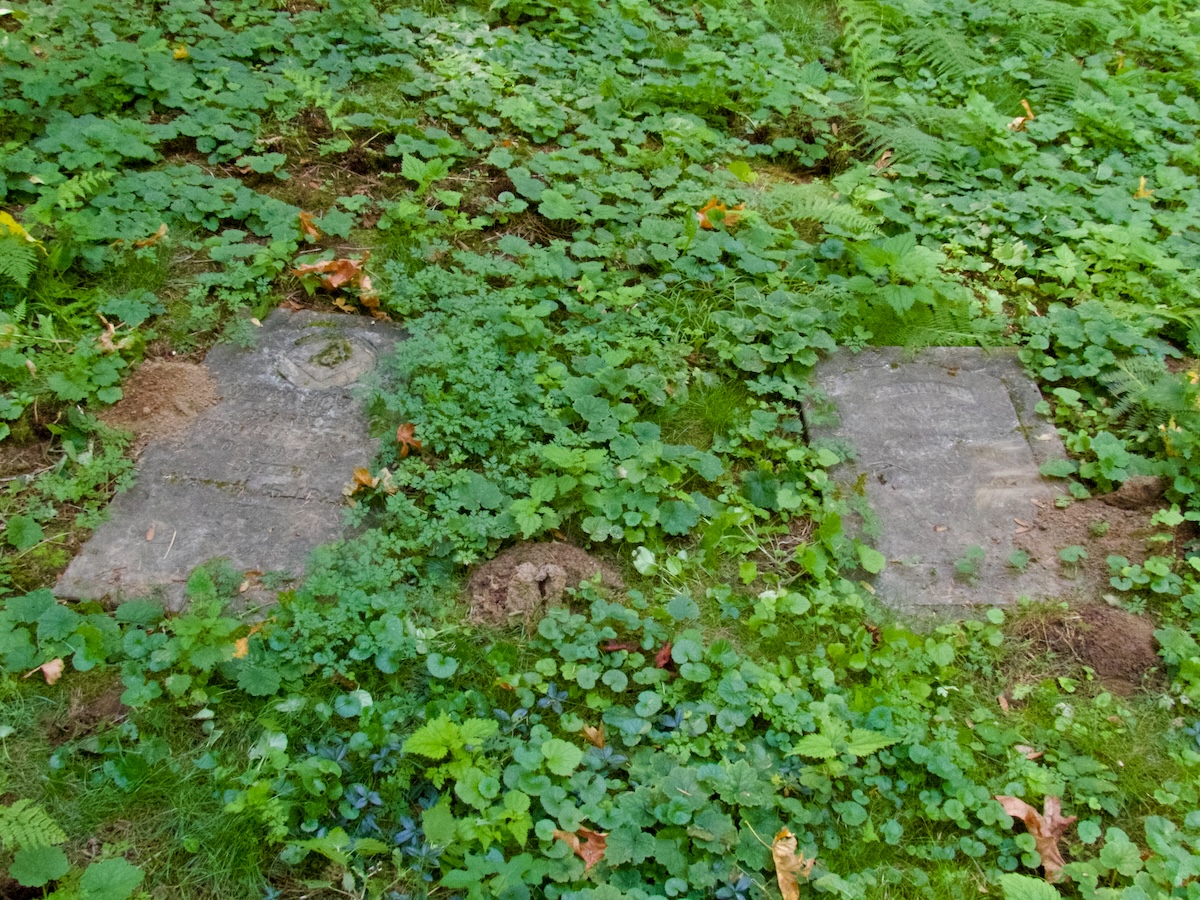
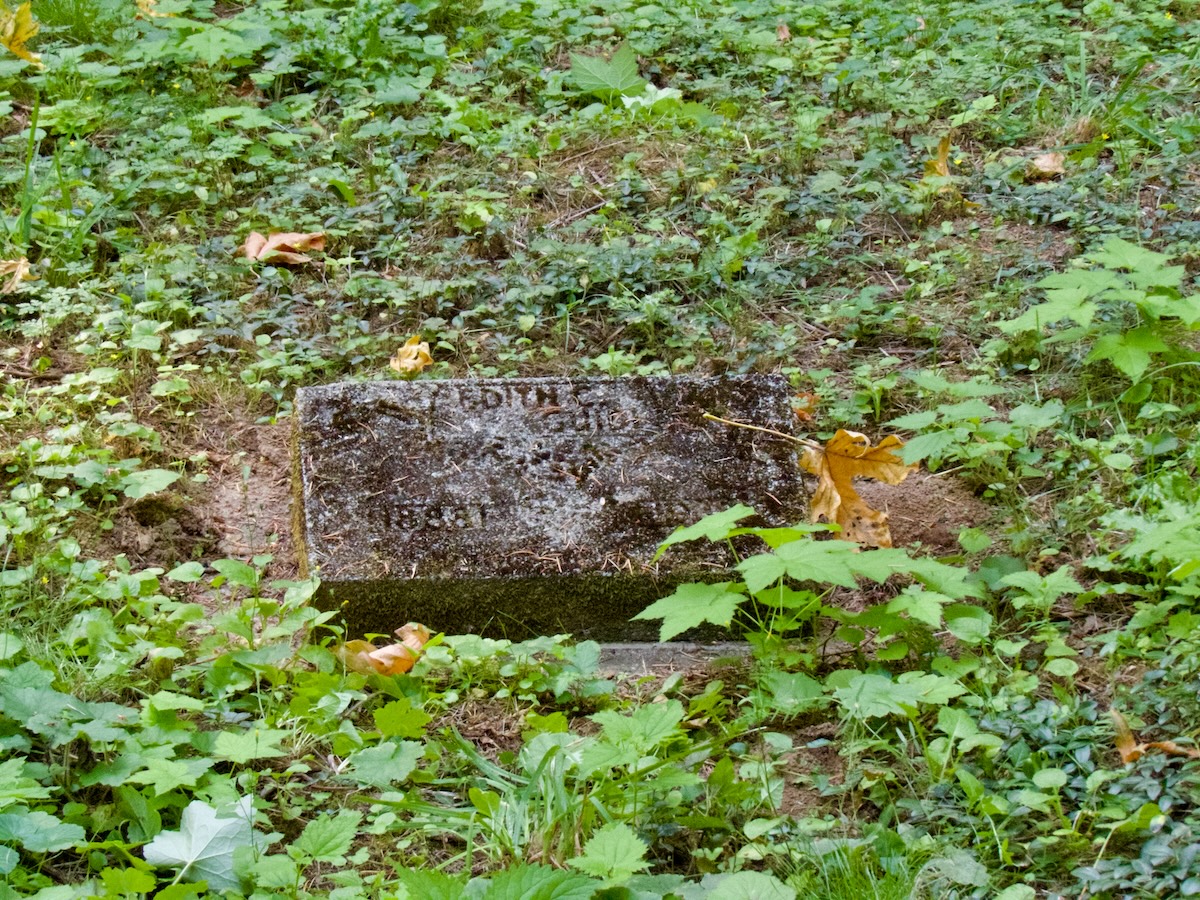
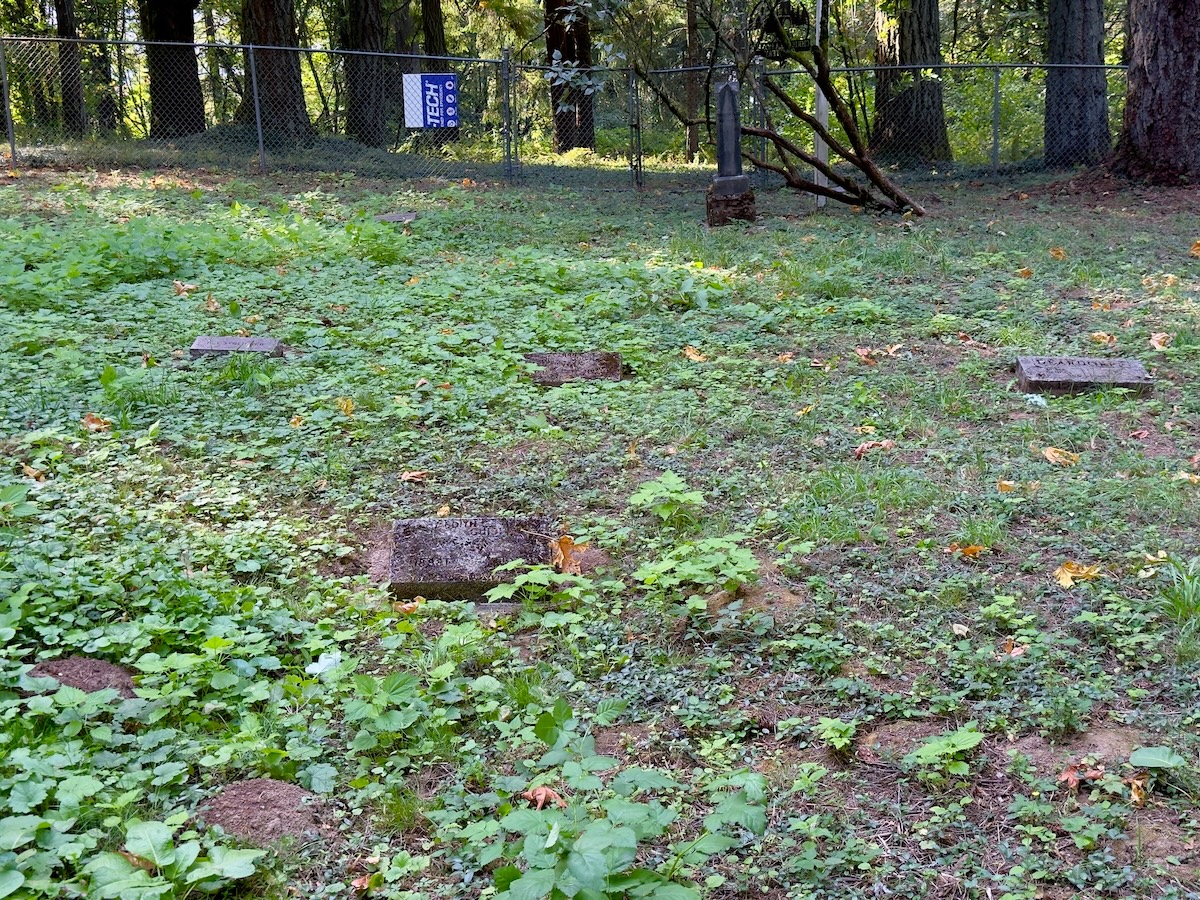
Inside were perhaps two dozen weathered headstones scattered across a clearing that was much smaller than I’d imagined. After spending the better part of an afternoon tracking down one of Oregon’s oldest pioneer cemeteries, I found myself walking around the perimeter, taking photos through a fence like an overly enthusiastic Victorian peering into a private garden.
Which felt appropriate. This place had made me work every step of the way, and I shouldn’t have expected it to surrender completely at the finish line.
The Christilla Cemetery turns out not to be a public cemetery at all. Its other name—Deardorff Cemetery—is a pretty good clue. It was originally part of a family land claim. Christian Deardorff and his wife, Matilda, came west from Iowa in 1850 and claimed land in what they named Christilla Valley, combining Christian and Matilda. No wonder they called the town Happy Valley.
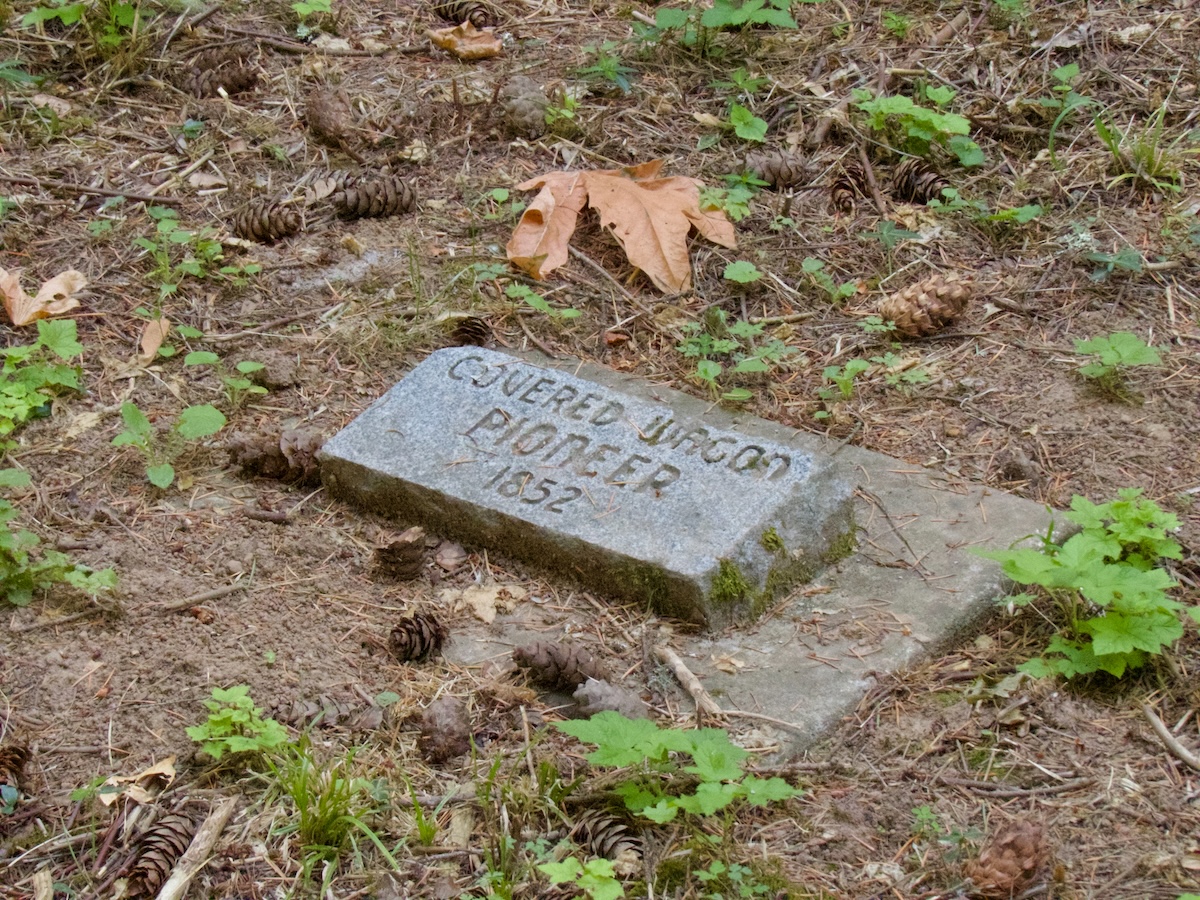
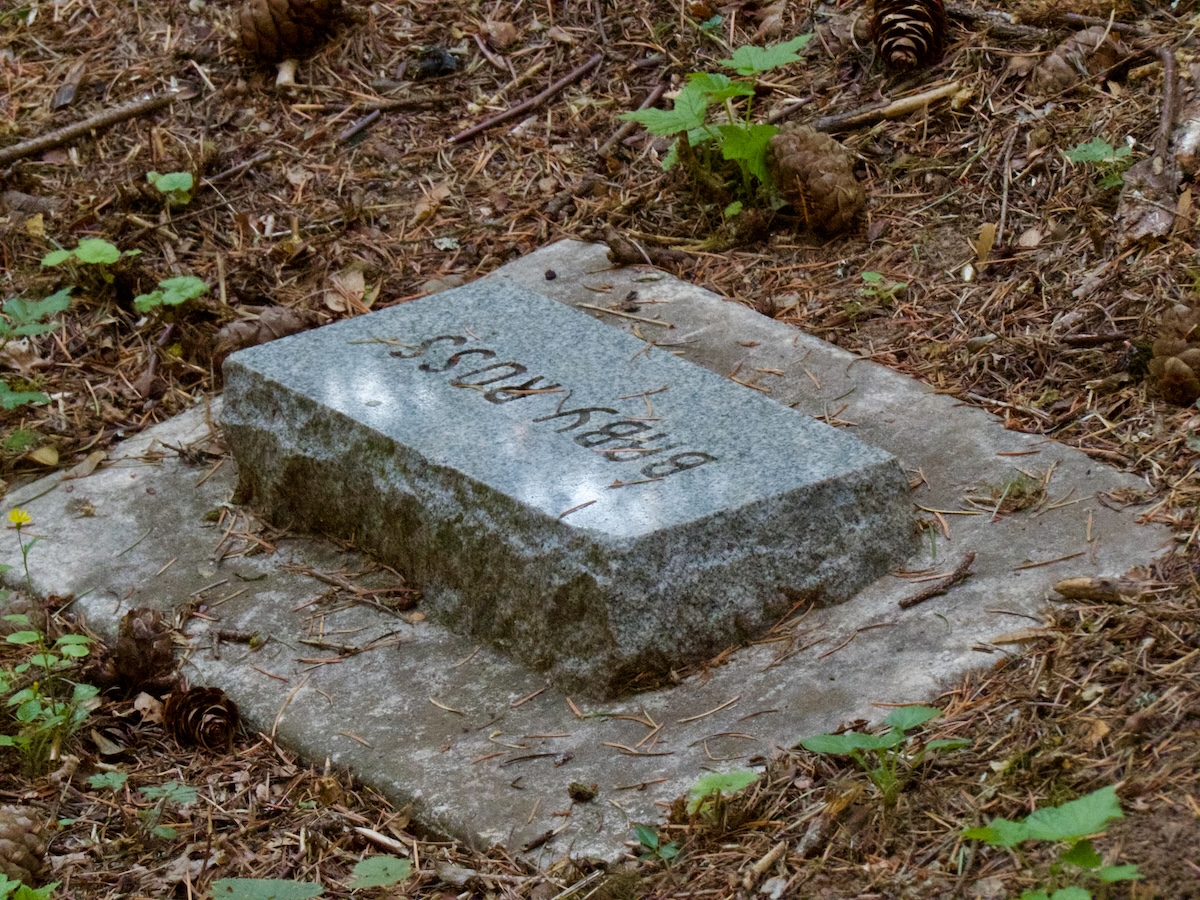
Their son, John Martingale Deardorff, followed soon after and took up an adjoining claim on Scouters Mountain. In 1852, shortly after John’s family arrived, one of the men who’d traveled with them died and was buried in a wooded corner of their land. His grave became the first in what would become Christilla Pioneer Cemetery, though his name is lost to history. Well, unless his name was Covered Wagon Pioneer.
That was the part that got me. The cemetery exists because some guy made it all the way to Oregon only to die upon arrival. His tombstone is either poetic in its directness or proof of the least satisfying ending to a trip ever.
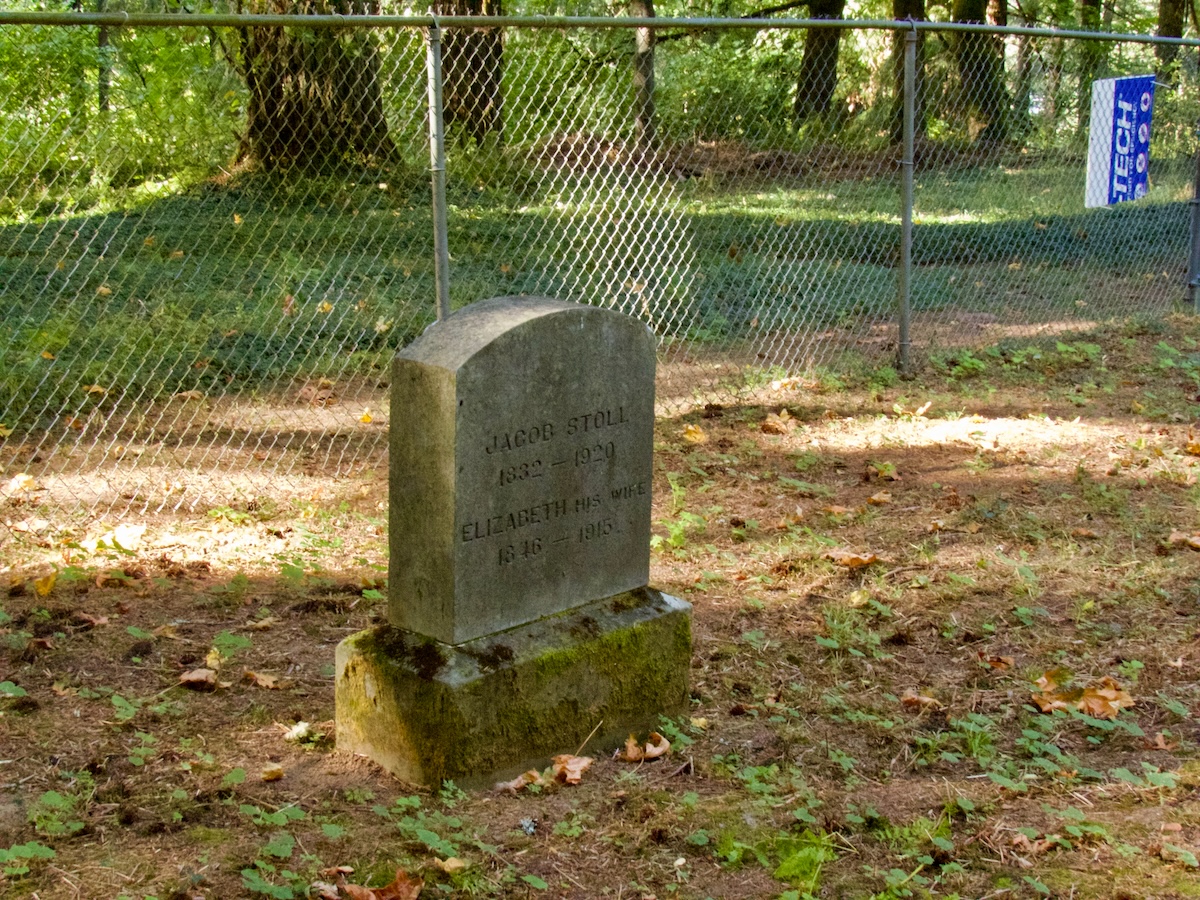
John Deardorff set aside five acres around that first grave as a burial ground for the settlers of the valley. In the end, though, it remained a remarkably tiny cemetery. Fewer than 30 known graves occupy the quiet clearing, nearly all of them belonging to the Deardorff family and their relatives.
The family—and you will find plenty of Deardorffs in the Happy Valley phone book—kept caring for the place for more than 170 years. And now descendants, local volunteers, and the city are trying to preserve it before the woods, weather, and surrounding suburbia finish hiding it all over again.
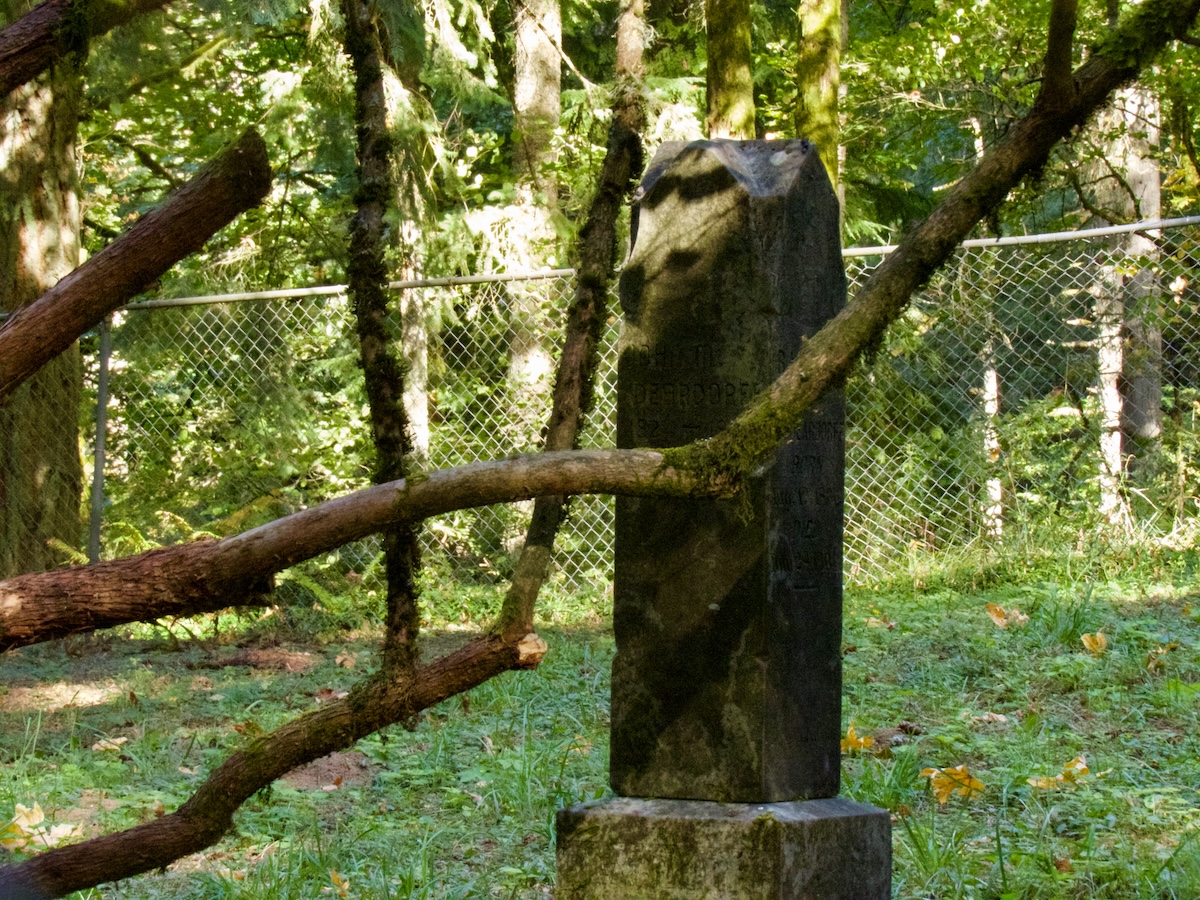
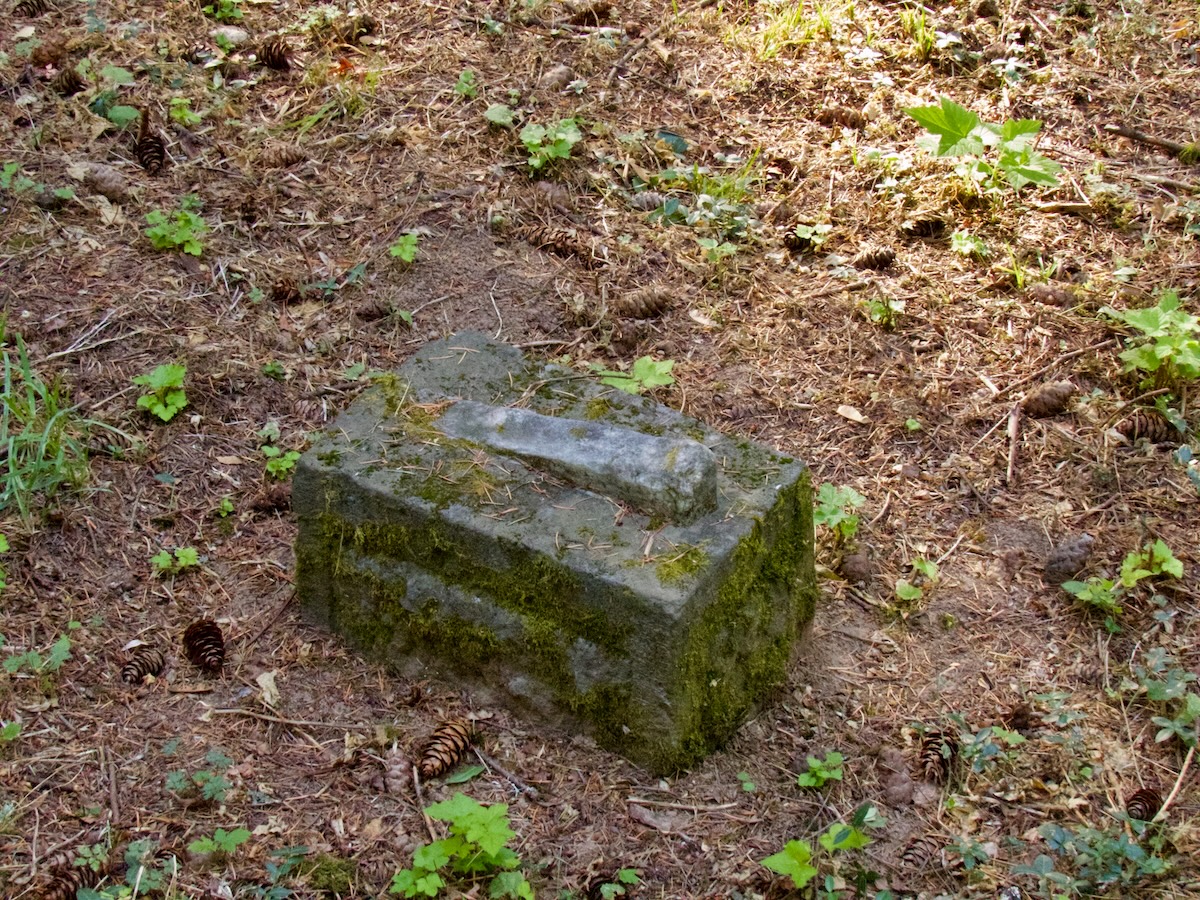
I spent a few more minutes wandering around the outside of the fence, reading the names I could and taking photographs through the fence. Moss crept over some of the older stones, while the Oregon weather had practically erased many of the inscriptions. Enormous firs filtered the afternoon light, and despite suburban Happy Valley being just minutes away, the place felt surprisingly removed from the modern world.
Eventually, I decided I’d pushed my luck far enough and headed back down the trail. I was pretty pleased that I’d ignored the little voice in my head telling me to give up after the second lap around Scouters Mountain, though. I’d gone looking for a tiny pioneer cemetery that sounded too obscure to exist and found exactly that.
For years, I'd assumed I knew Portland as well as anyone who grew up in Oregon could. It turns out one of Oregon’s oldest pioneer cemeteries had been hiding over the next hill the whole time. It wasn’t life-changing, and it didn’t reveal any great forgotten chapter of Oregon history. But it was a satisfying reminder that there are still places worth discovering—even in cities you think you’ve already figured out.
Write a comment