
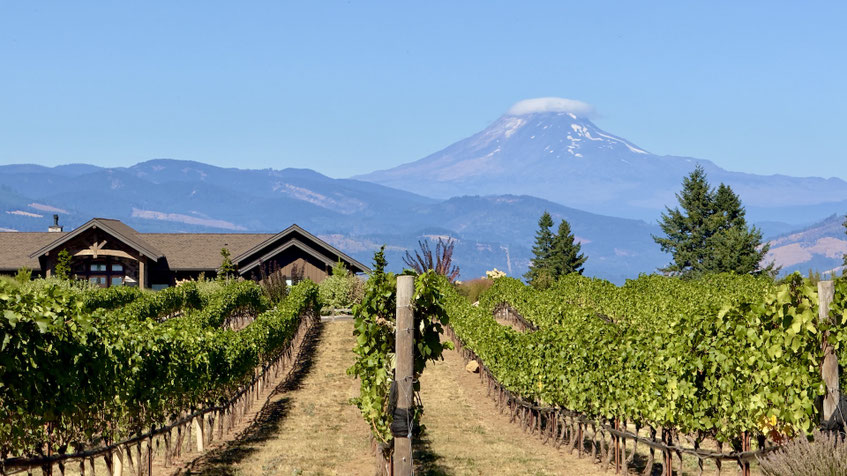
The Hood River Fruit Loop sounds suspiciously like something invented by a tourism board after a particularly successful brainstorming session. Which is essentially true.
The name conjures images of roadside mascots, oversized fiberglass apples, and gift shops selling fruit-shaped refrigerator magnets. And it has become one of Oregon’s most popular day trips for locals and tourists alike.
The Fruit Loop isn’t historic. It’s a 35-mile driving route through the Hood River Valley that links dozens of family farms, orchards, wineries, cideries, bakeries, and farm stands. It was conceived in 1993, when local orchardists and farmers decided that instead of competing for business, they’d hand out maps and encourage visitors to wander on to the next farm up the road.
These days, the Fruit Loop is less a destination than a fantastic excuse to spend a day meandering through one of Oregon’s prettiest landscapes—and maybe eat some fresh pie.
That sounded like exactly the sort of day our friend Molly thought we’d enjoy, so she asked Rick and me to join her. Then, the night before we left Portland, we decided that Rick's dad, Dave, had spent enough time around the house and volunteered him for the outing as well. Whether he realized he’d accepted the invitation remains an open question, but there were four of us headed east toward Hood River with no particular ambition beyond seeing where the day took us.
The drive east from Portland to Hood River follows the Columbia River Gorge, so I’d quietly hoped we could squeeze in a quick stop at Multnomah Falls along the way. It’s still one of my favorite waterfalls anywhere, despite having spent much of my life in the Pacific Northwest, where magnificent waterfalls are practically a dime a dozen.
My scheme remained active right up to the moment we reached the parking lot. As any local will tell you, a full parking lot at Multnomah Falls isn’t an invitation—it’s a warning. We blew past at highway speed, joining the steady procession of cars with Oregon plates that had clearly made the same calculation, and continued east. The Gorge is littered with spectacular waterfalls, and besides, we’d already committed ourselves to a different kind of day. We weren’t trying to conquer a checklist. We were just wandering from one farm to the next to see what we found.
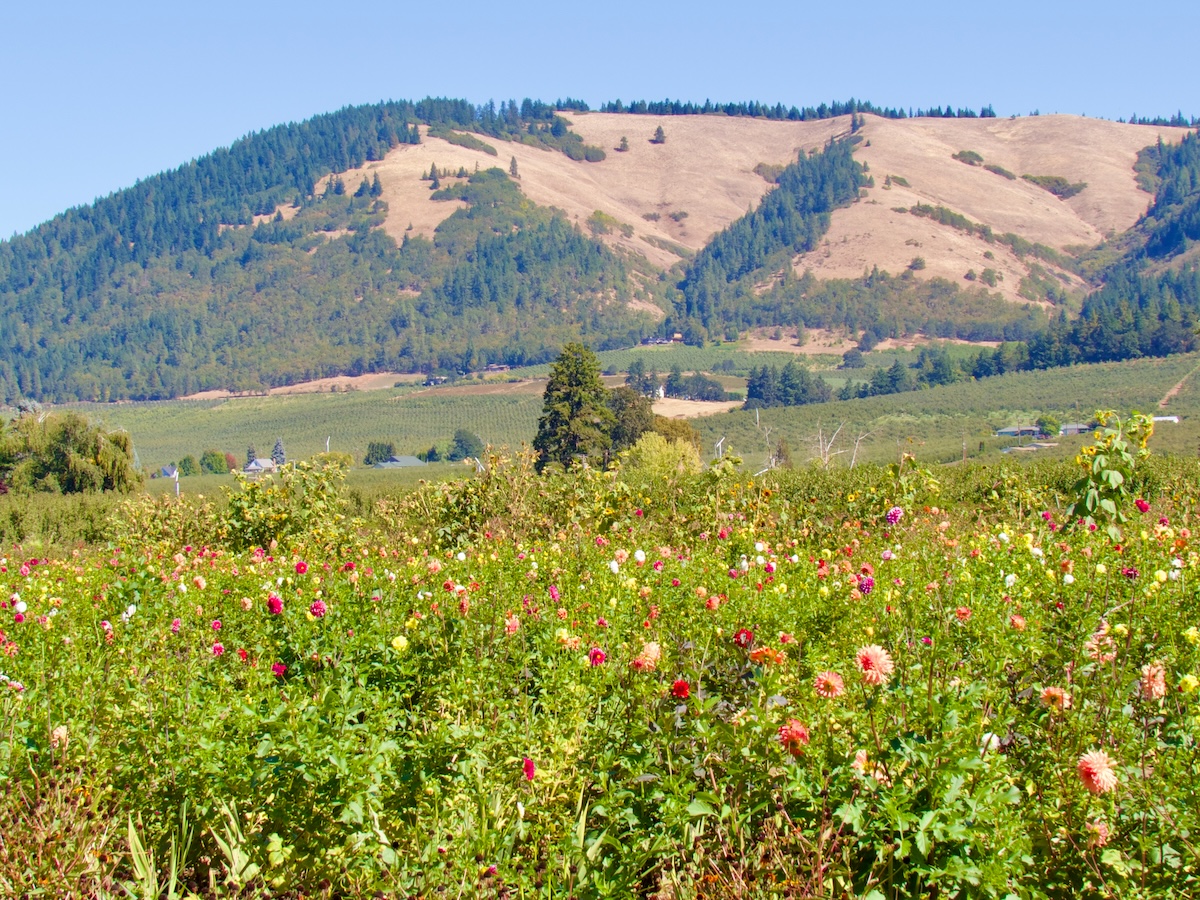
The Hood River Valley has been home to fruit growers since the mid-1800s, when settlers realized the valley’s rich volcanic soil and favorable climate were ideal for orchards. Today, thousands of acres produce apples, pears, cherries, peaches, berries, and enough other crops to supply grocery stores and farmers' markets across the United States and as far away as Japan and South America.
For us, though, the valley wasn’t measured in truckloads or export statistics. We were more interested in vineyards, berry fields, pumpkin patches, roadside stands, fresh cider, homemade pie, and whatever else the day happened to throw at us.
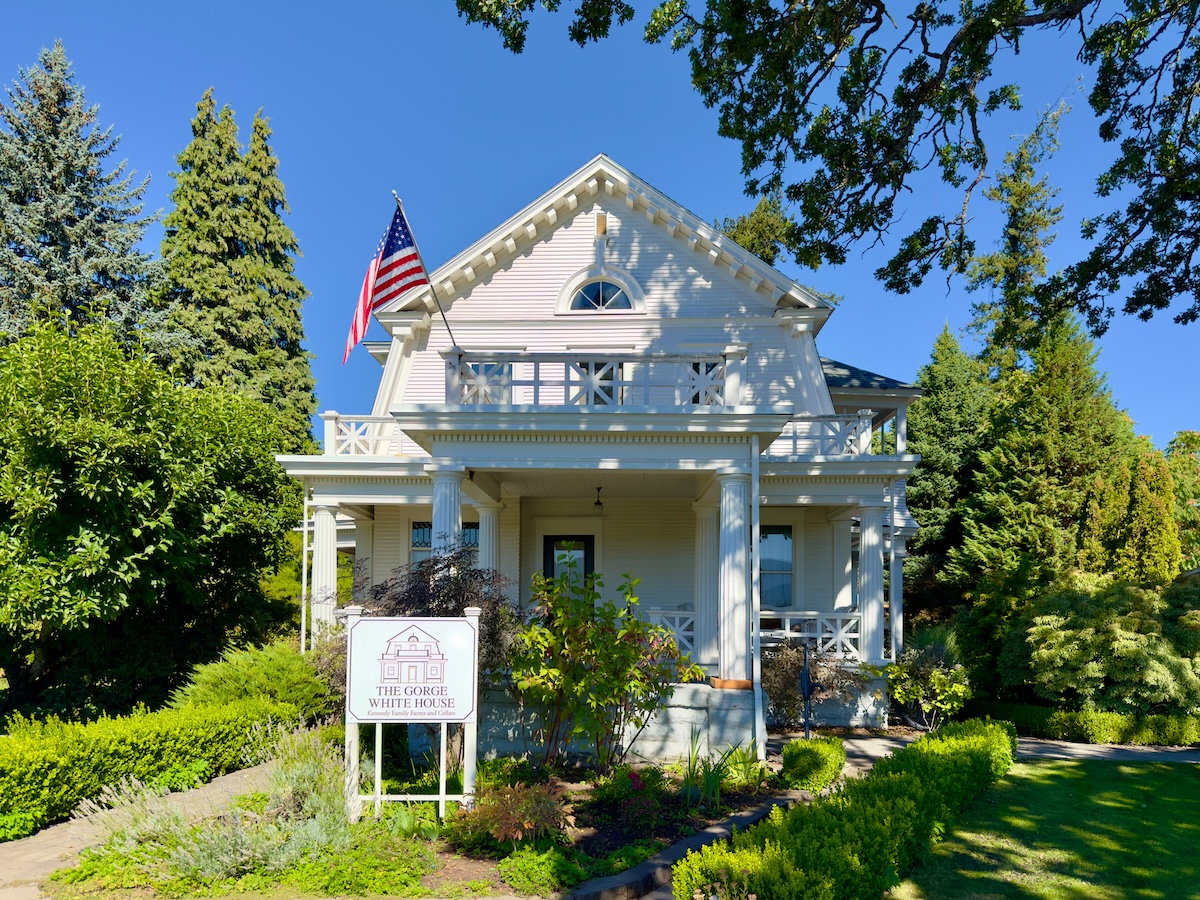
With that in mind, we unanimously agreed lunch was as good a place to begin as any, so we pulled into the Gorge White House.
The Kennedy family built the white farmhouse in the middle of their apple orchard in 1908. It’s still the centerpiece of the property, but now it’s surrounded by orchards, gardens, a cidery, and enough open space for visitors to roam around for a couple carefree hours.
Lunch was served from a food trailer parked beside the house, where we ordered sandwiches and found a picnic table in the sun. We ordered cider flights made from fruit grown on the farm while we waited for our food. Apple, pear, cherry, and a few others that I may have already forgotten made their way around the table, and we all declared our favorites. Mine was the cherry cider, which struck a nice balance between sweet and tart without tasting anything like cough syrup—a benchmark more cherry-flavored things should aspire to clear.
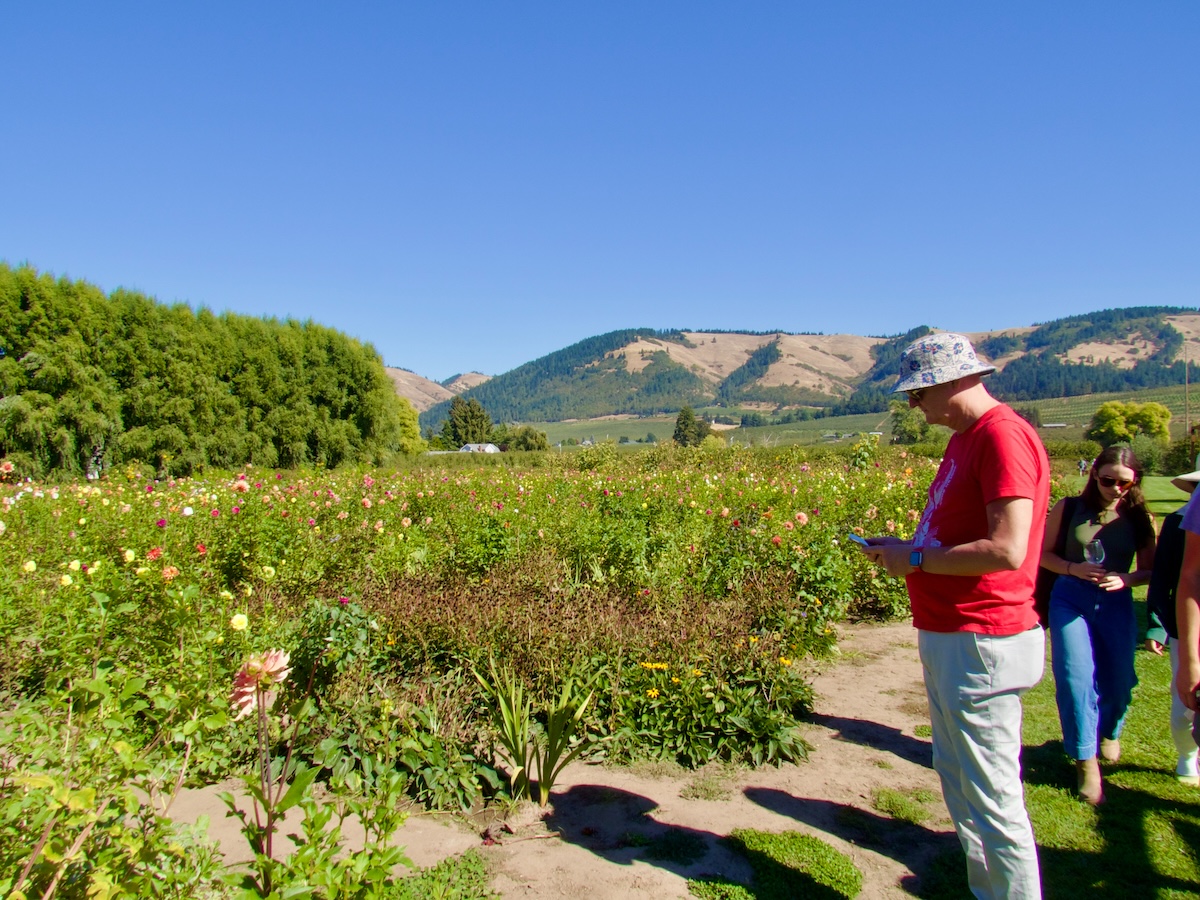
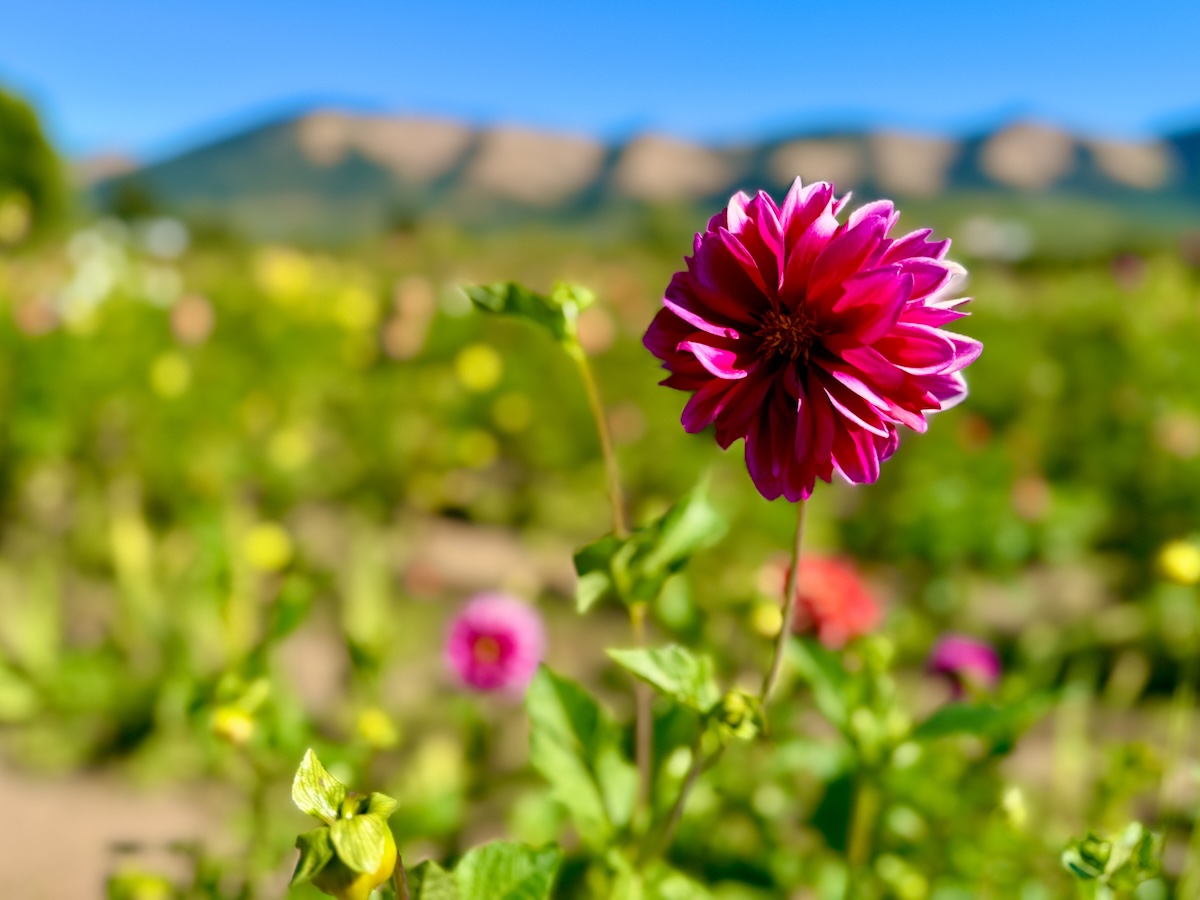
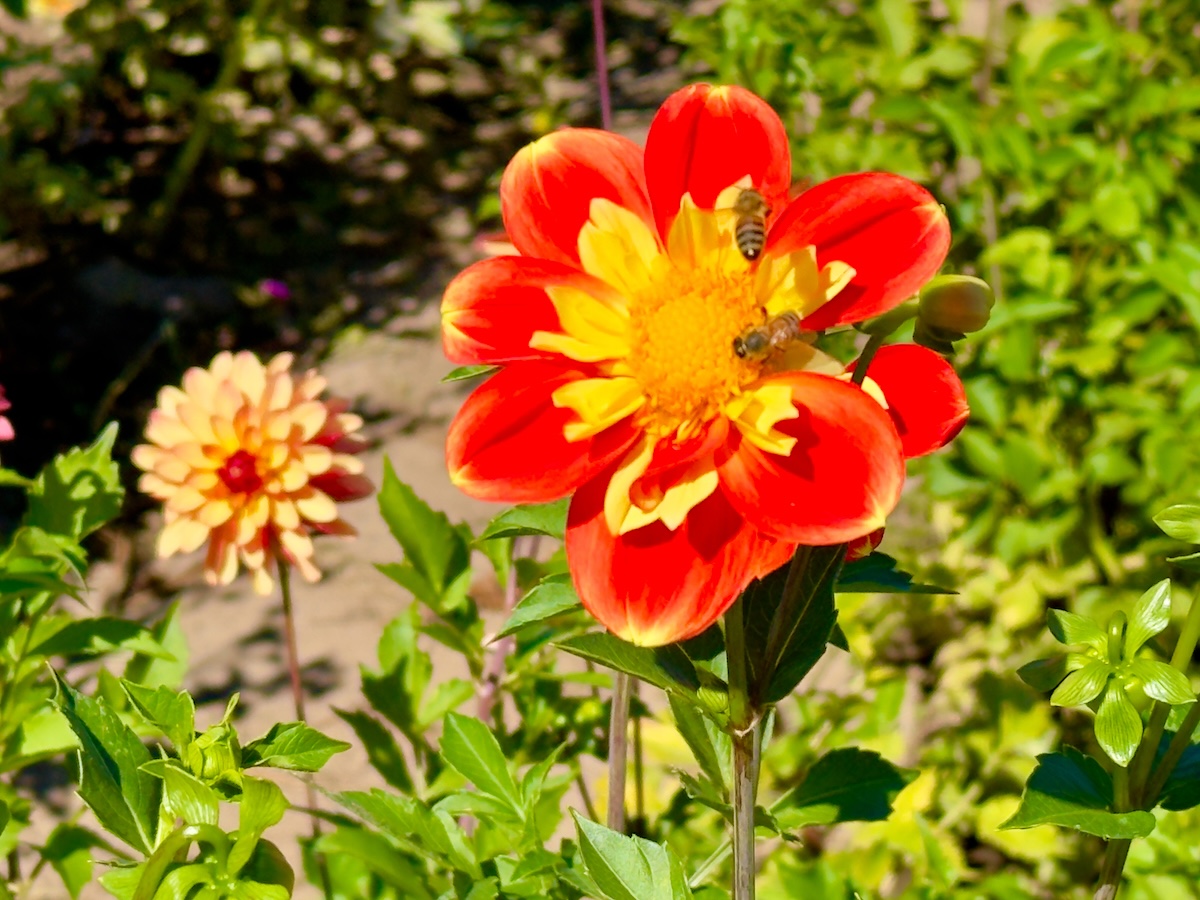
We walked off our food wandering through the dahlia fields—a bit past their peak by late September, admittedly—behind the house. Bees moved methodically from blossom to blossom, tending to the important business of gathering enough food to get the hive through winter.
Eventually, no longer willing to be shamed for our sloth by the industrious bees, we made our way back to the car, climbed in, and Molly pored over the map to figure out our next stop—Hood River Lavender Farms.
“Ugh, I hate lavender,” Rick said. “It smells like soap.”
“Isn’t that what you say about cilantro?” I asked.
“Stop fact-checking me.”
So we put it to a vote. Molly and I voted “yay!” Dave shrugged, which I interpreted as overwhelming support. Rick’s objection was duly noted in the record.
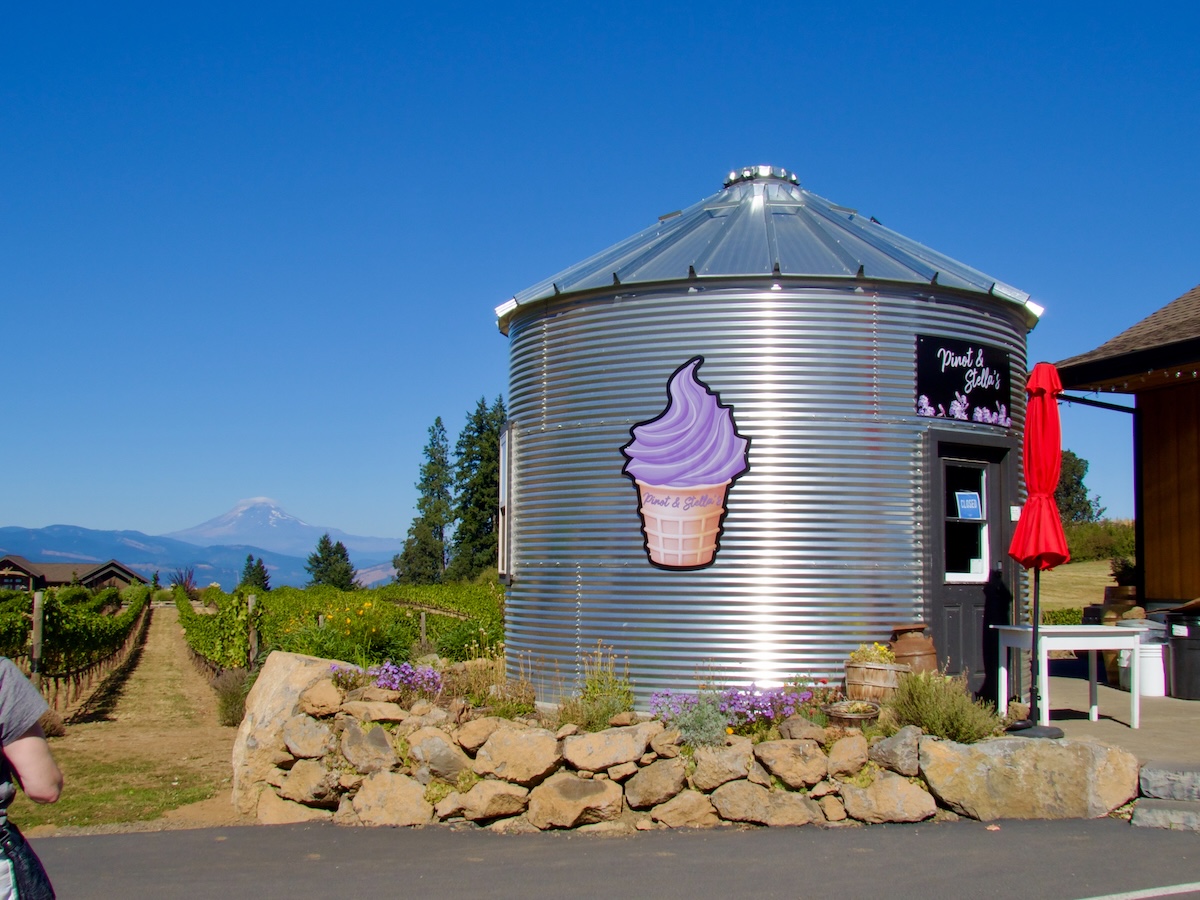
The real reason we were here, though, at least as far as Molly and I were concerned, was the lavender ice cream. We’d heard enough people rave about it that ordering a cone was really less an active decision than a foregone conclusion. I’d barely put the car in park before Molly jumped out and made a beeline for the ice cream stand. But she pulled up short before turning around with a mutter, “You gotta be kidding.”
It was closed up tight.
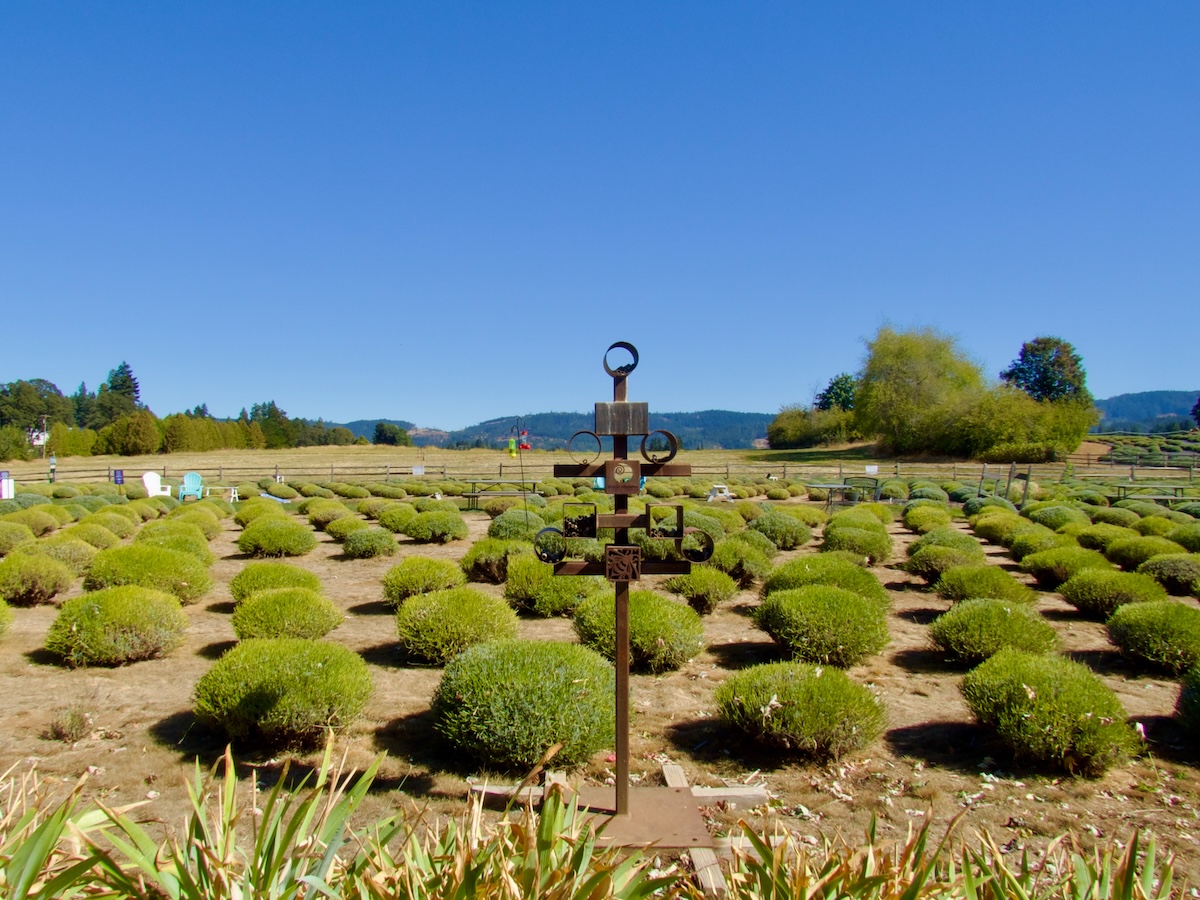
Not because we’d arrived too late. Not because they’d sold out. Summer had ended. The shop is mostly staffed by local high school students, and they’d already gone back to class for the year. We’d missed lavender ice cream season altogether. We consoled ourselves by picking up some lavender-related things at the gift shop. Like soap.
“See?” Rick said.
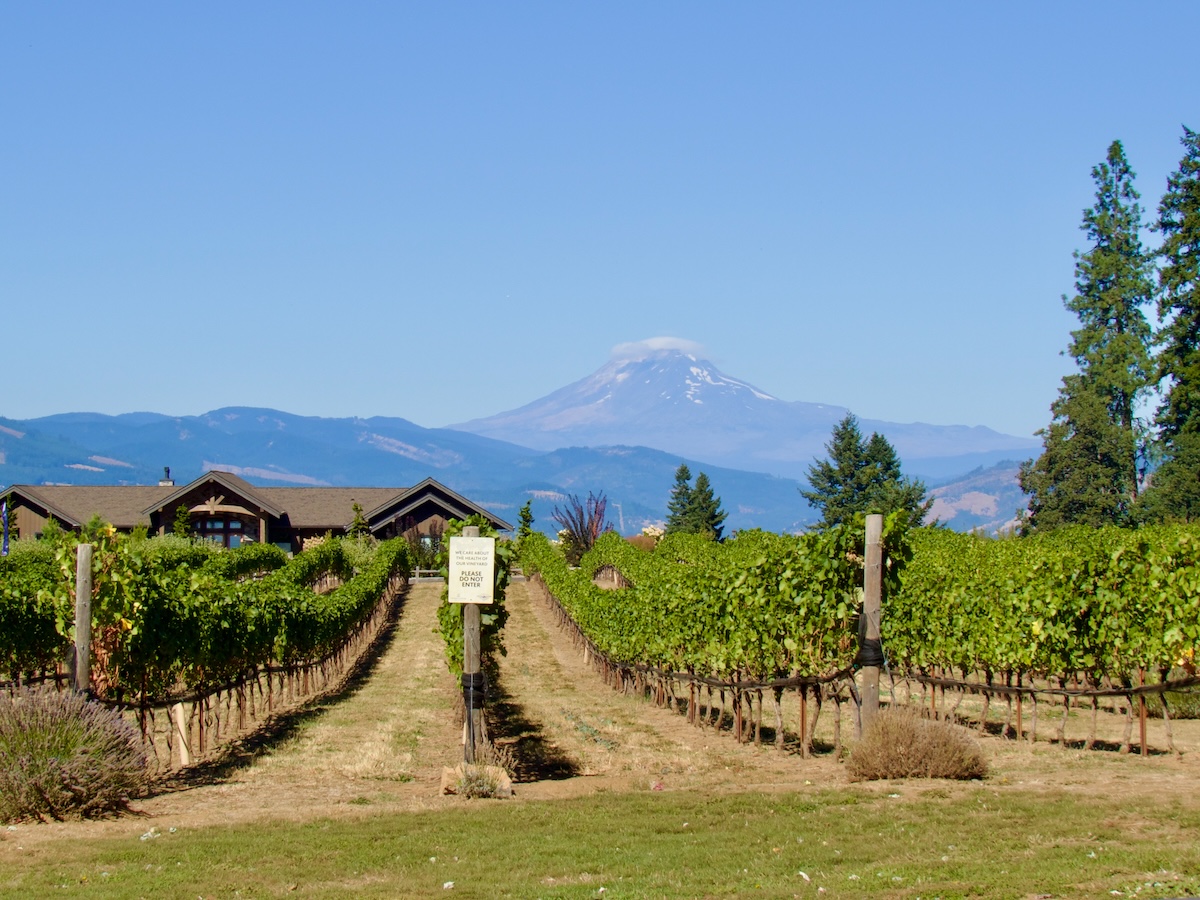
The roads between the Fruit Loop’s stops turned out to be almost as enjoyable as the destinations themselves. Every few miles, somebody spotted something worth slowing down for—a hawk, a decrepit barn, another postcard view of Mt. Hood—and we’d all crane our necks for a better look. The map told us where to turn, but we were tourists in our own home.
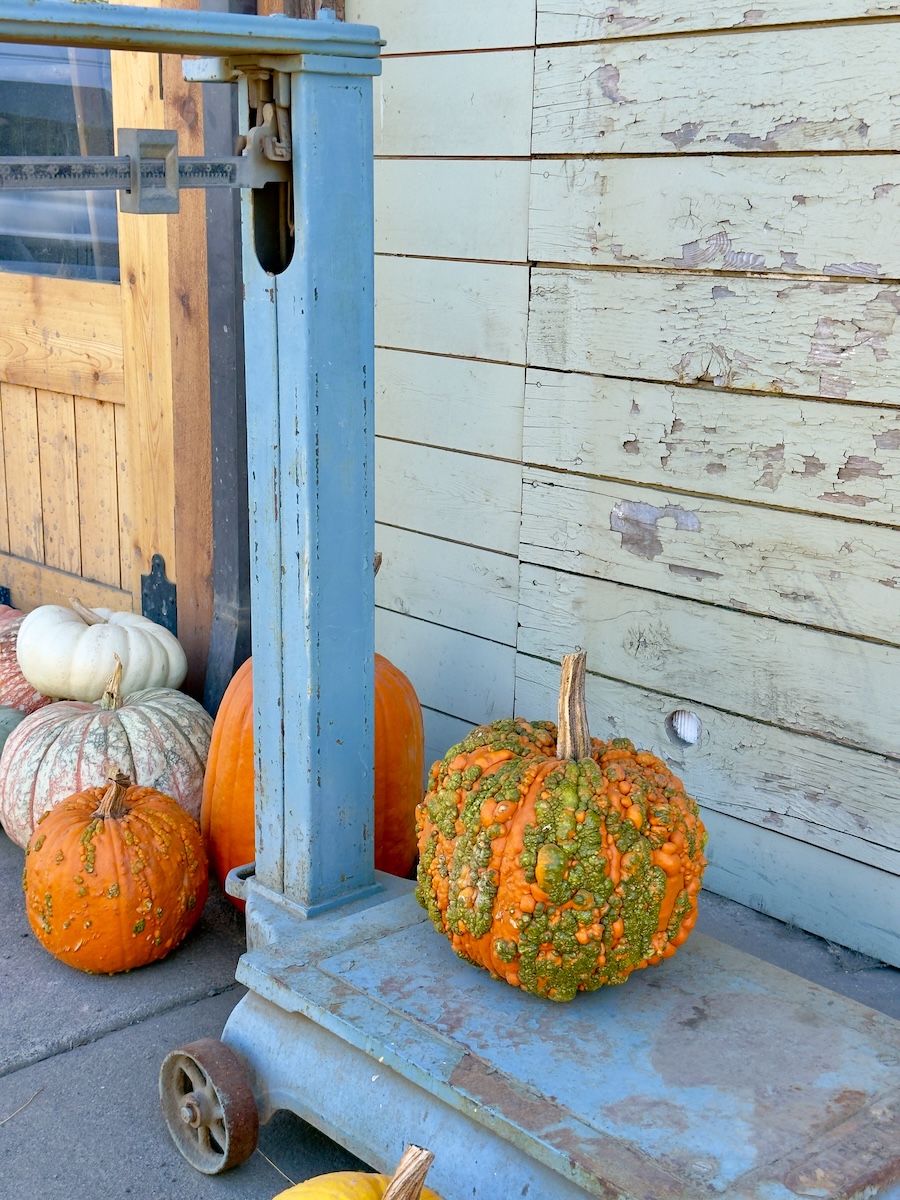
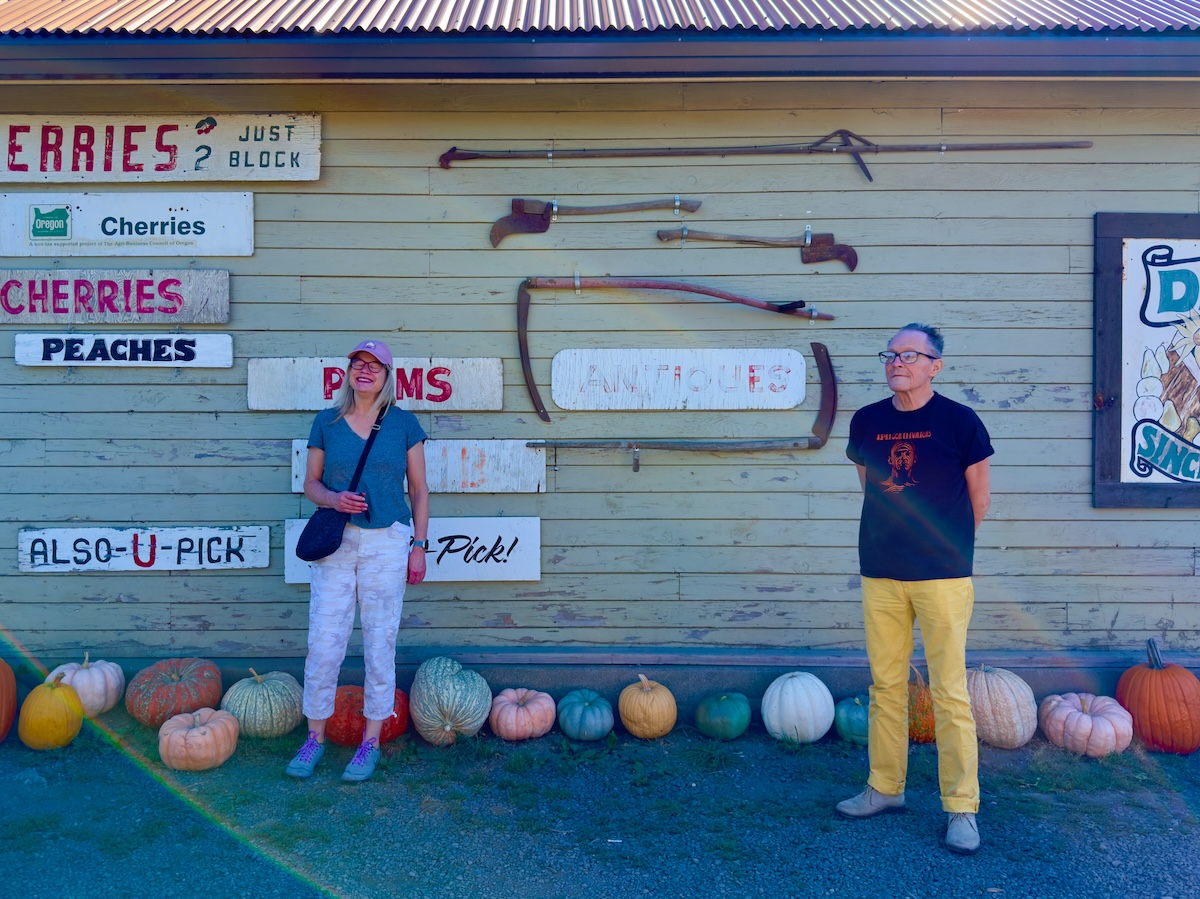
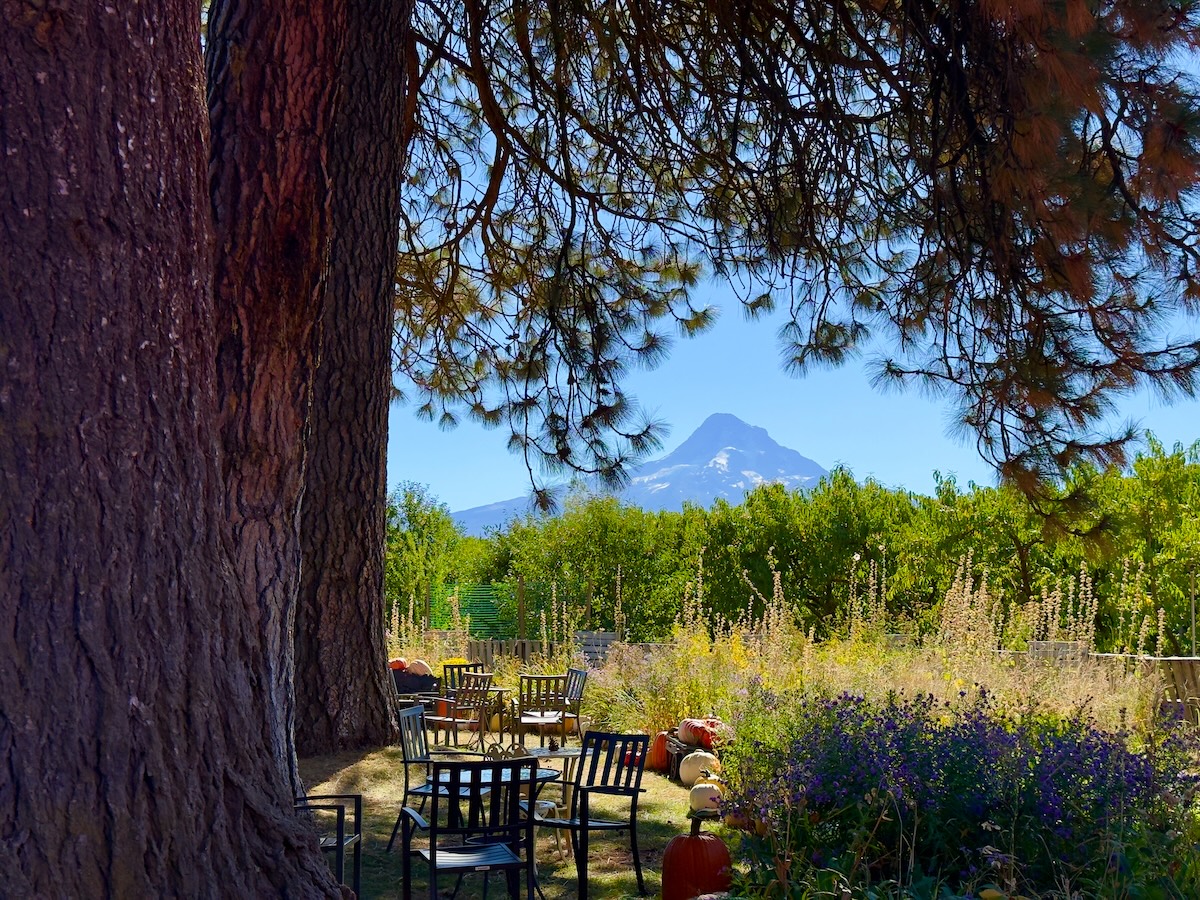
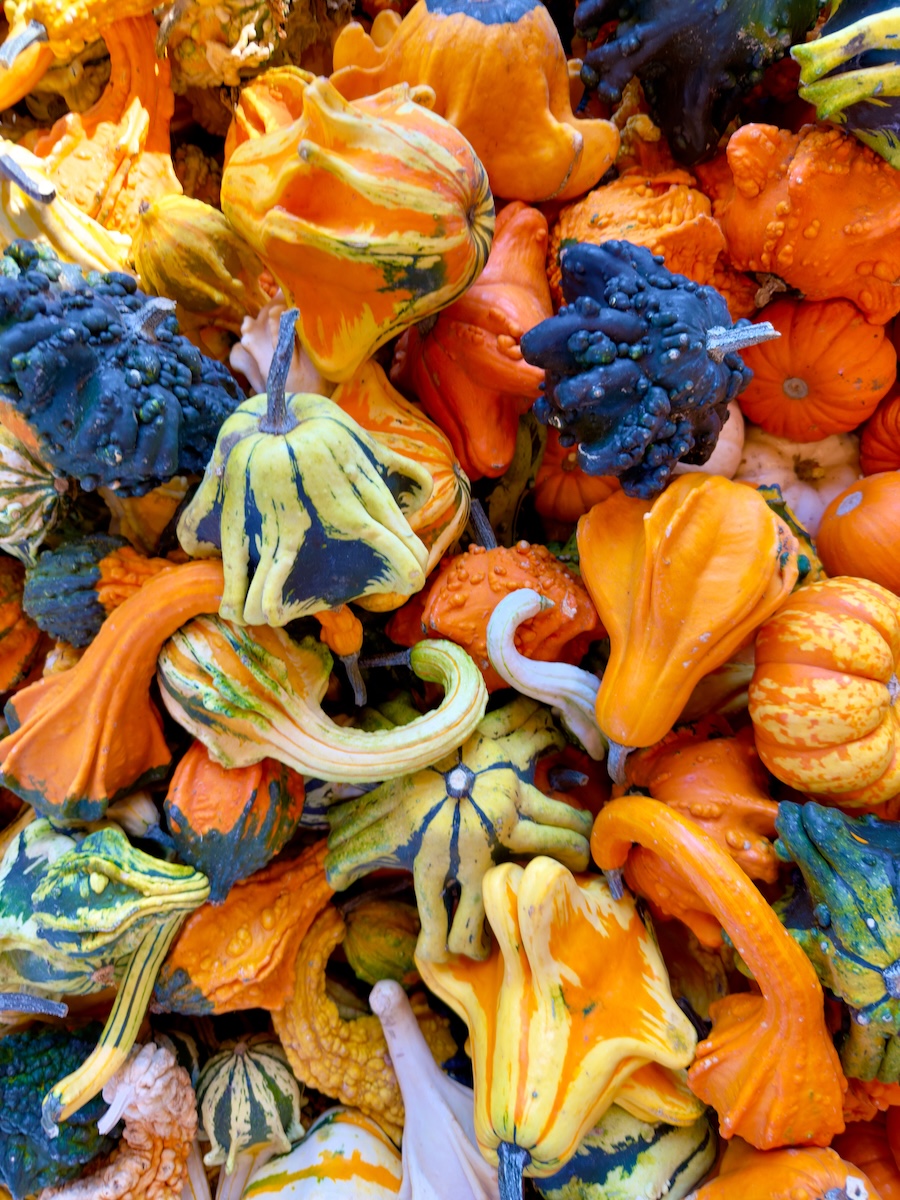
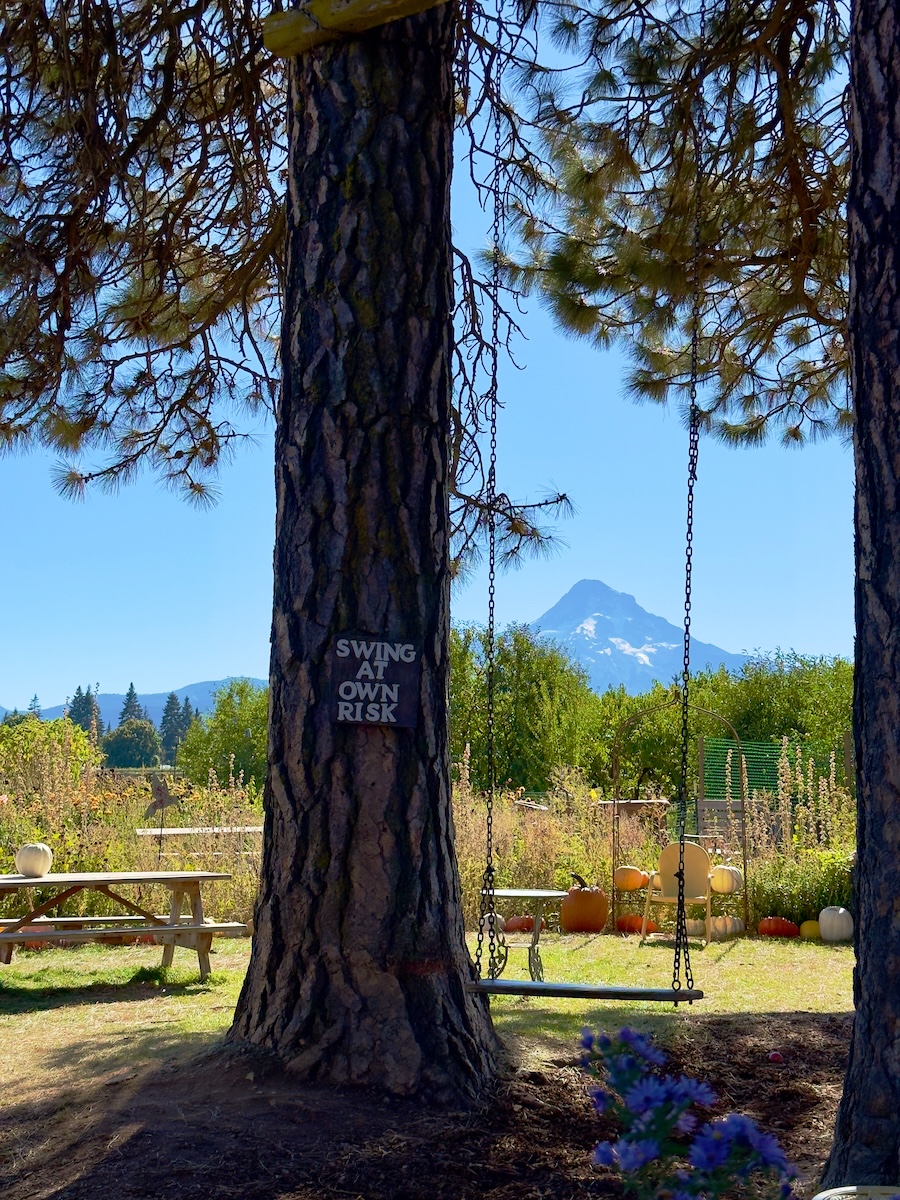
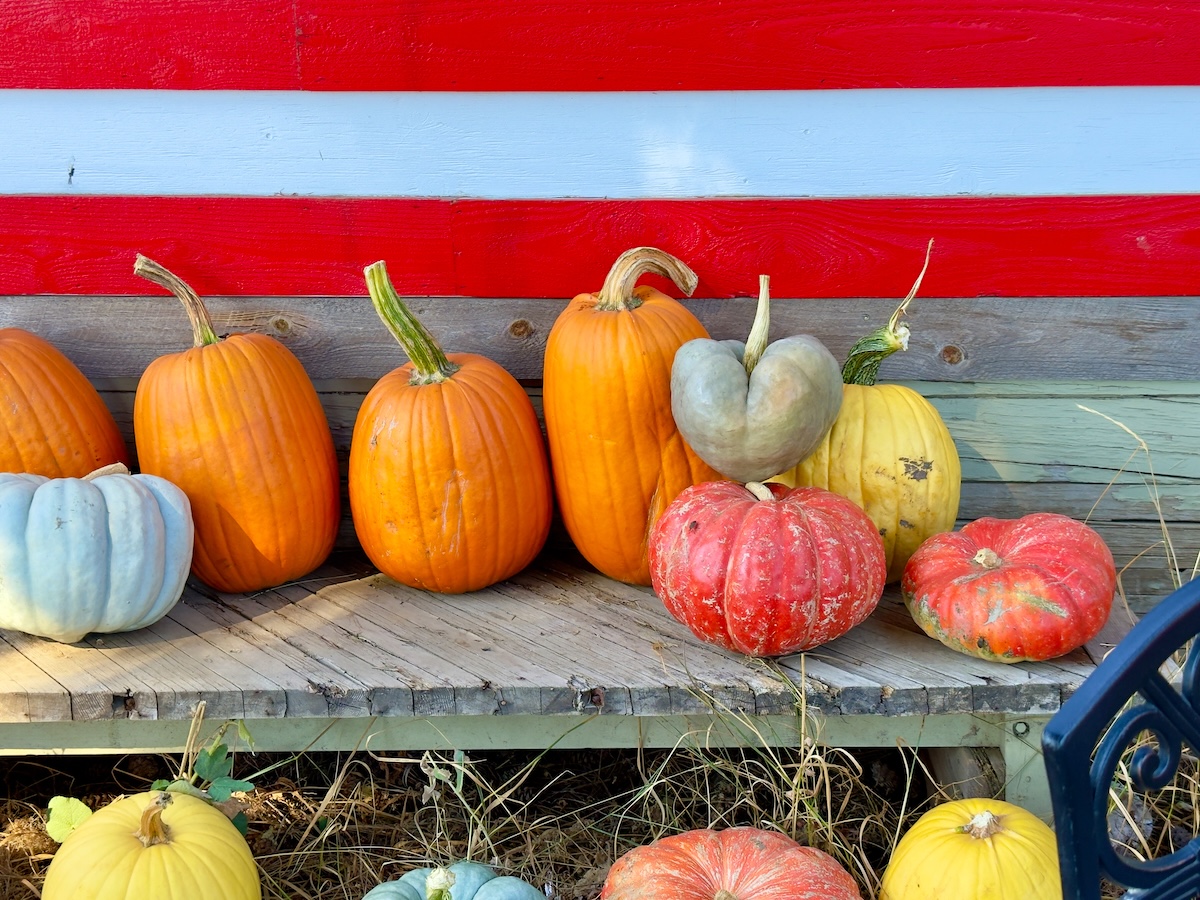
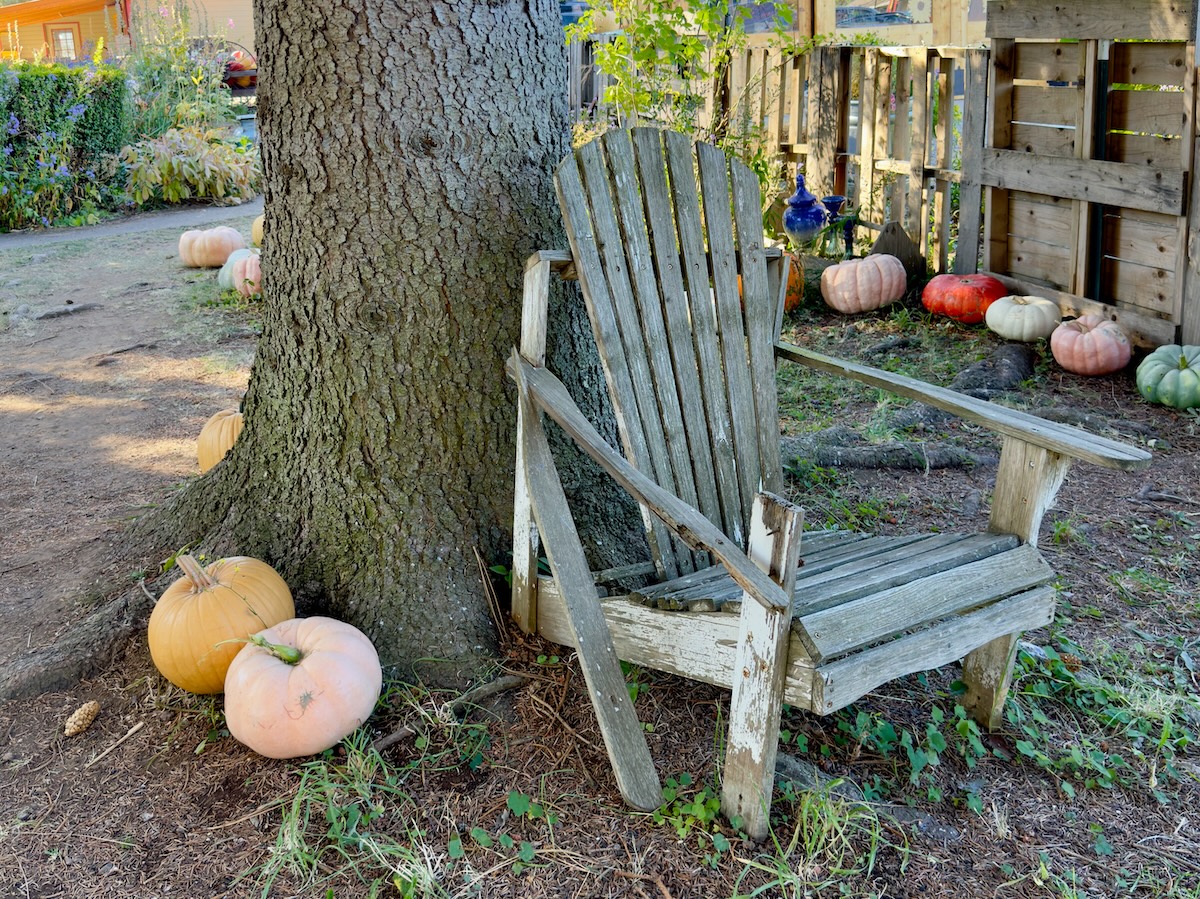
One of those turns took us to Draper Girls Country Farm, which looked like autumn’s headquarters. Pumpkins spilled across porches and lined the walkways. Tables and chairs sat around under giant trees, and a hand-painted sign cheerfully invited us to “Swing at Own Risk.”
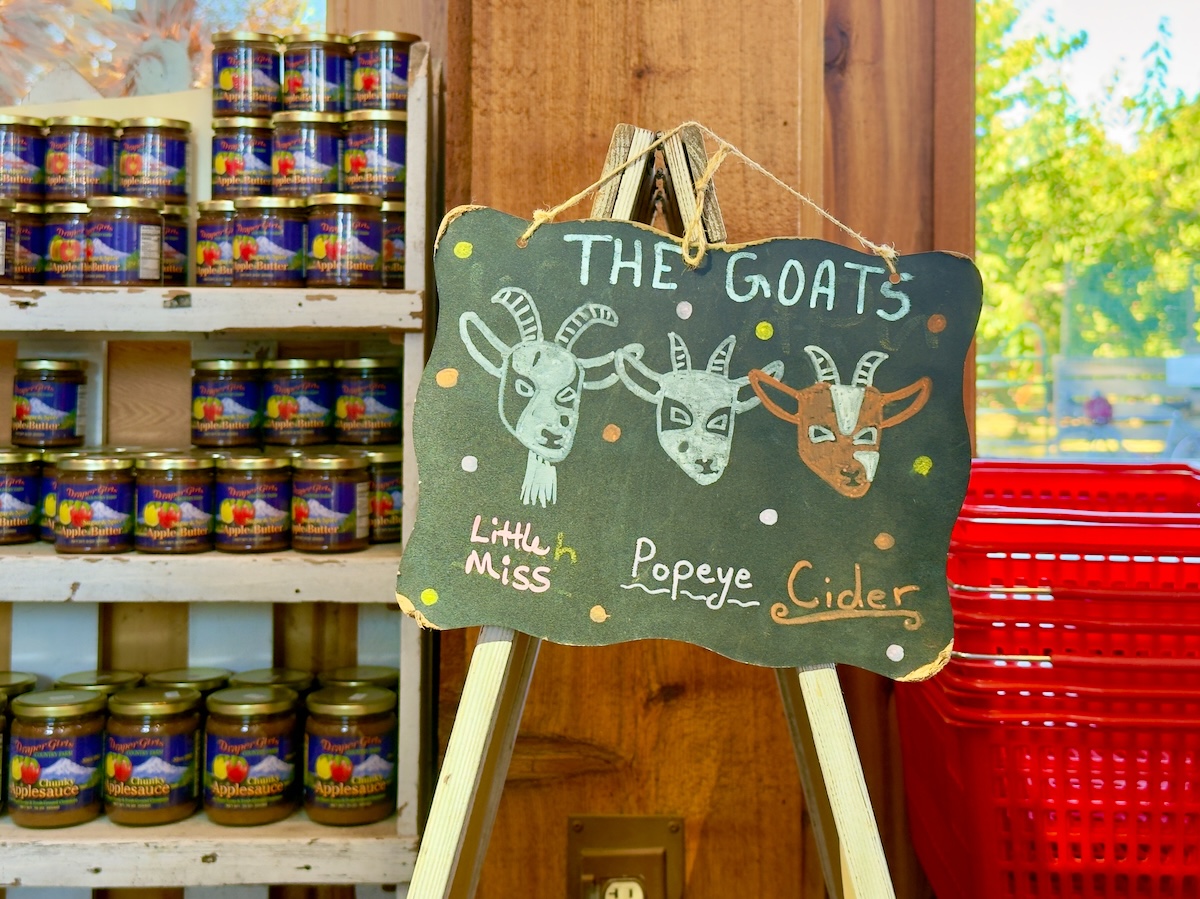
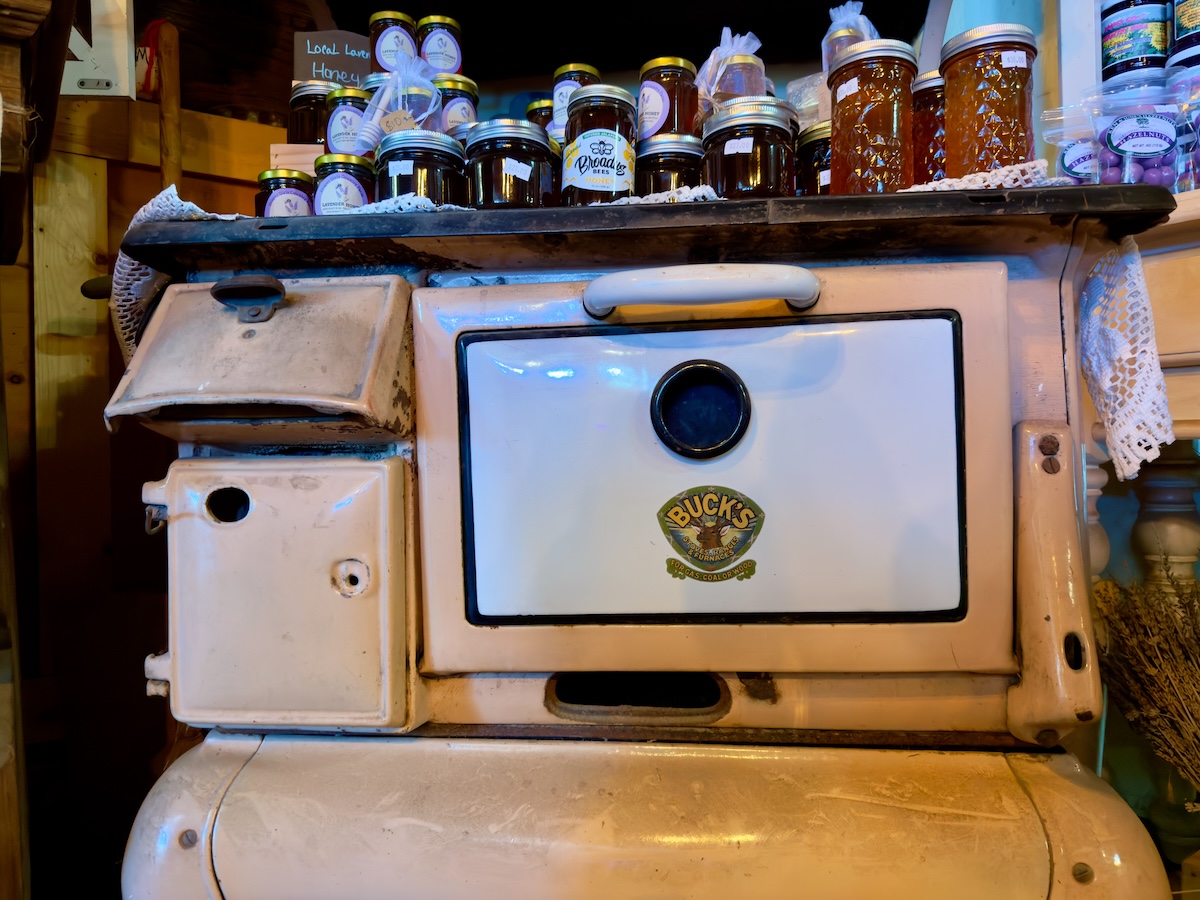
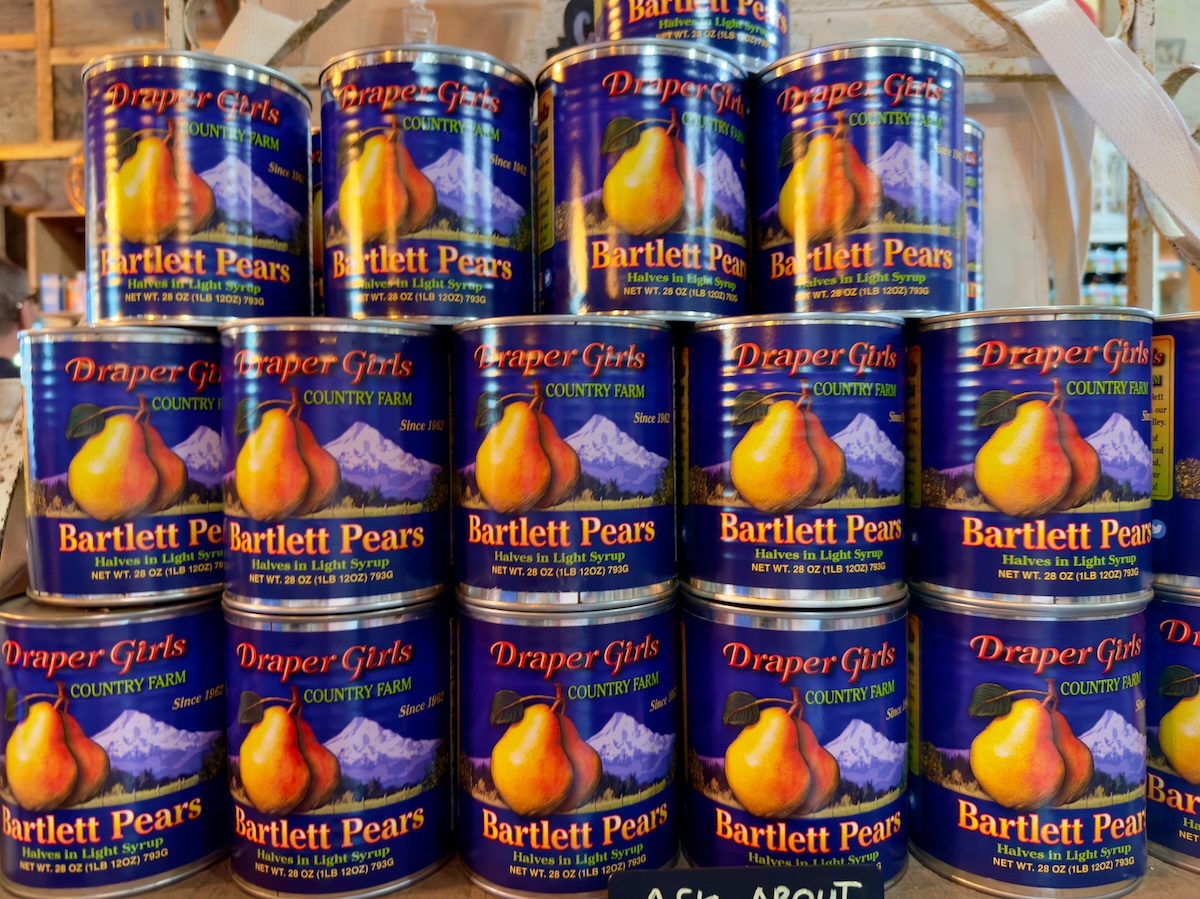
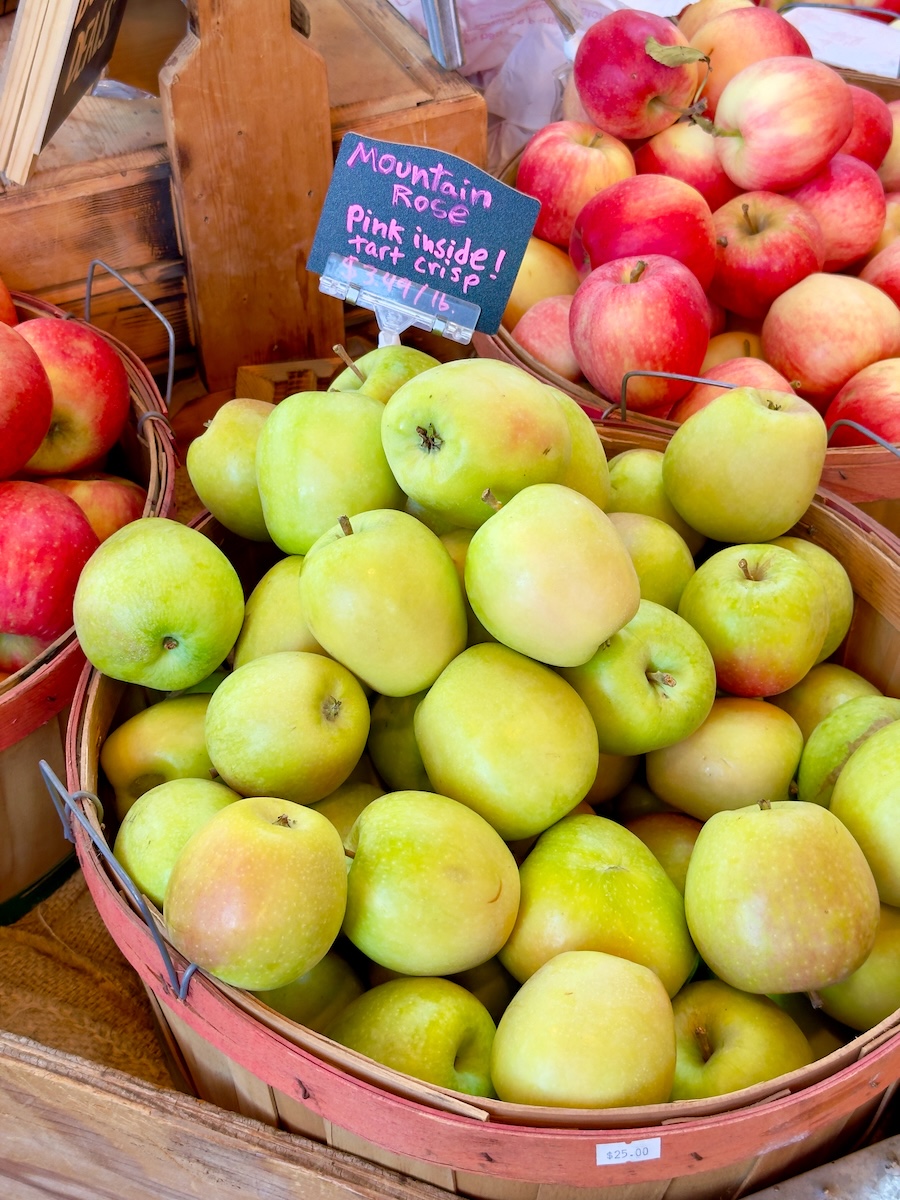
Inside the farm store were shelves and bins loaded with jams, canned Bartlett pears, local produce, and enough other temptations that Dave became a man on a mission. Before long, his basket held apples and enough jars of jam to supply his sisters back home.
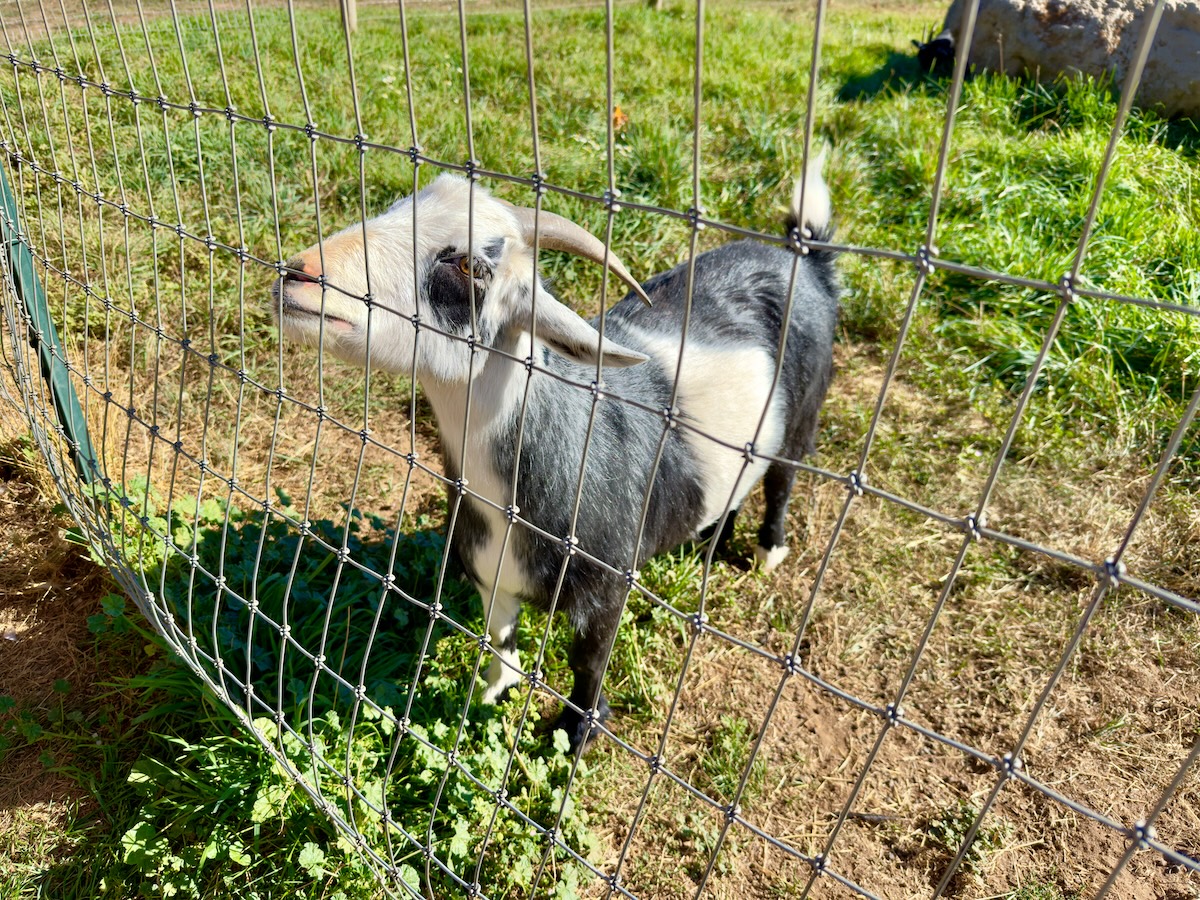
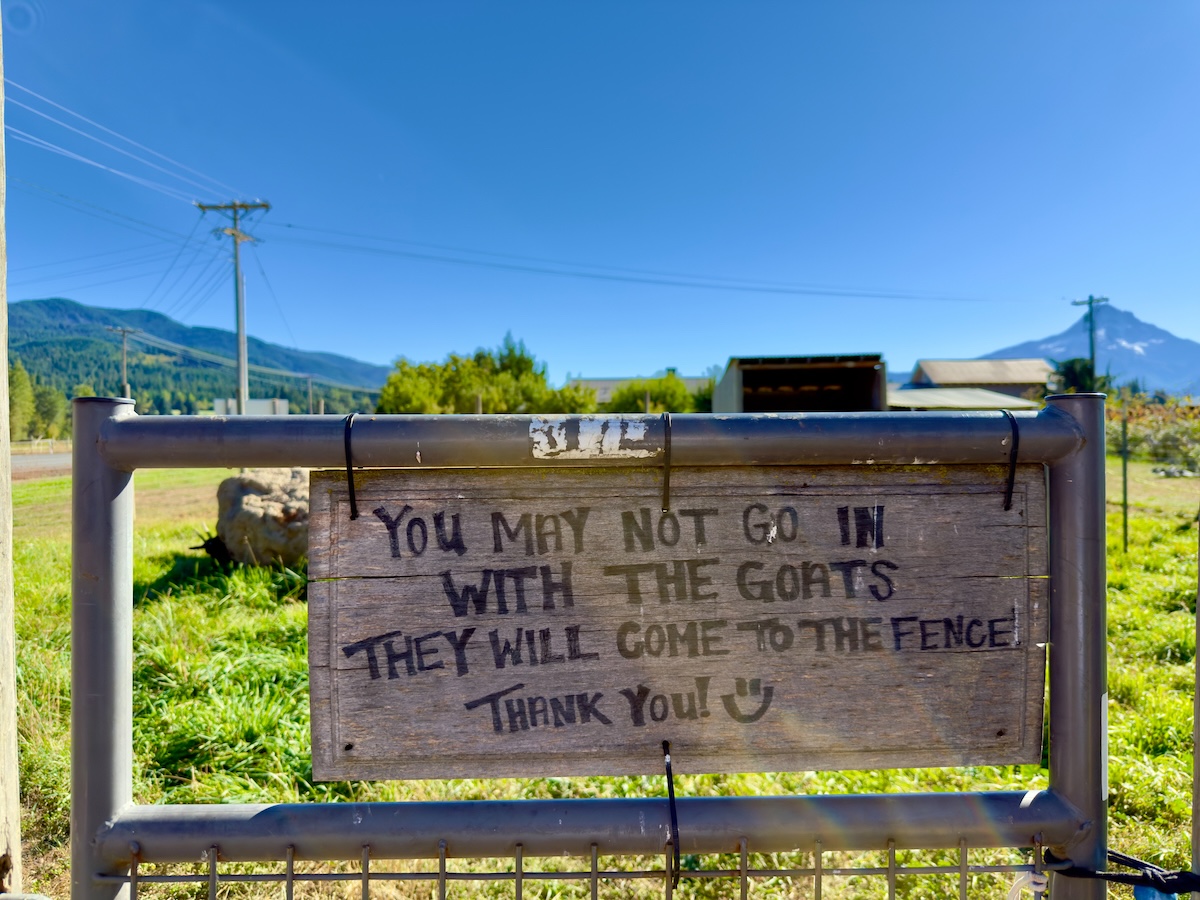
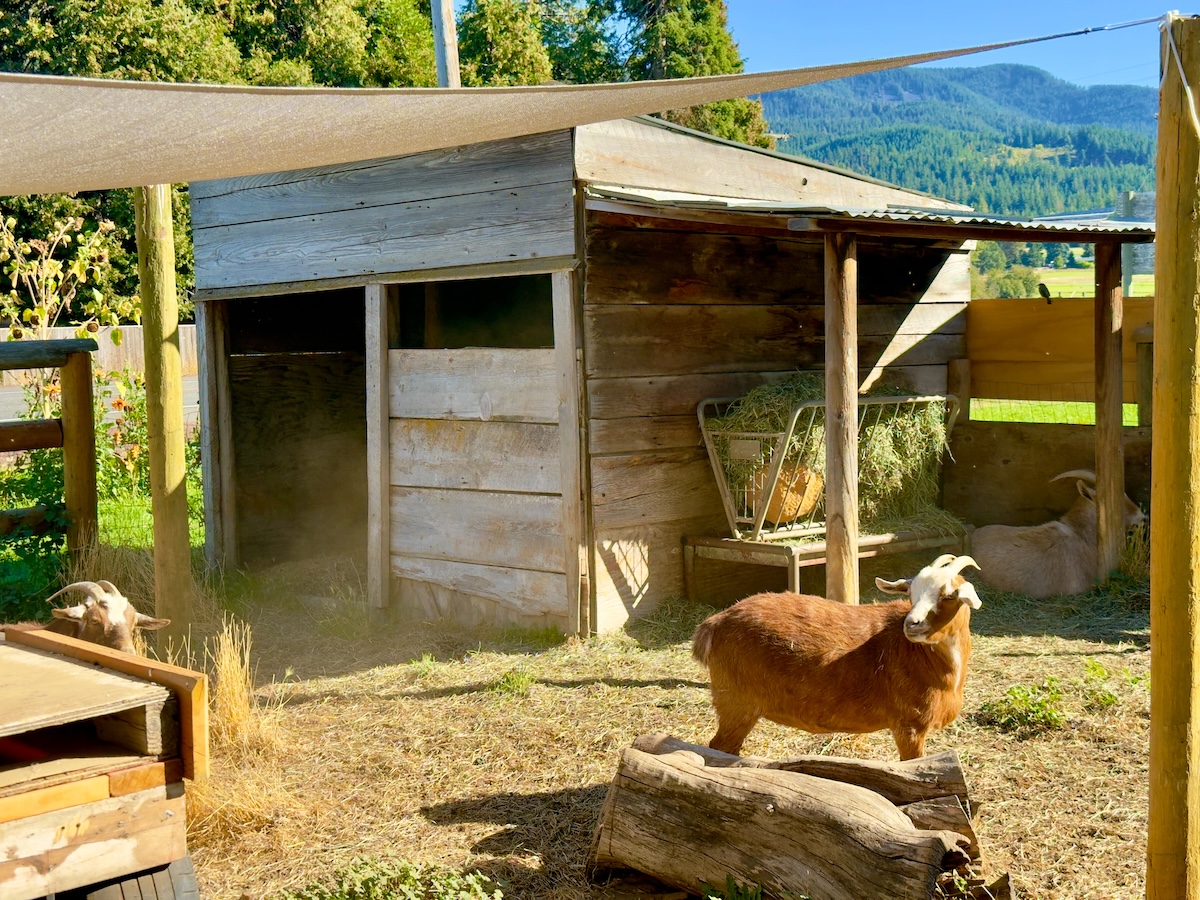
Outside, the goats could hardly be bothered by us. But we’d picked up a bag of goat kibble inside the store, so they ultimately consented to coming over to the fence. Dave seemed like their favorite, maybe because he smelled like apples. We all sat with another glass of cider in the shade and debated—well, probably nothing.
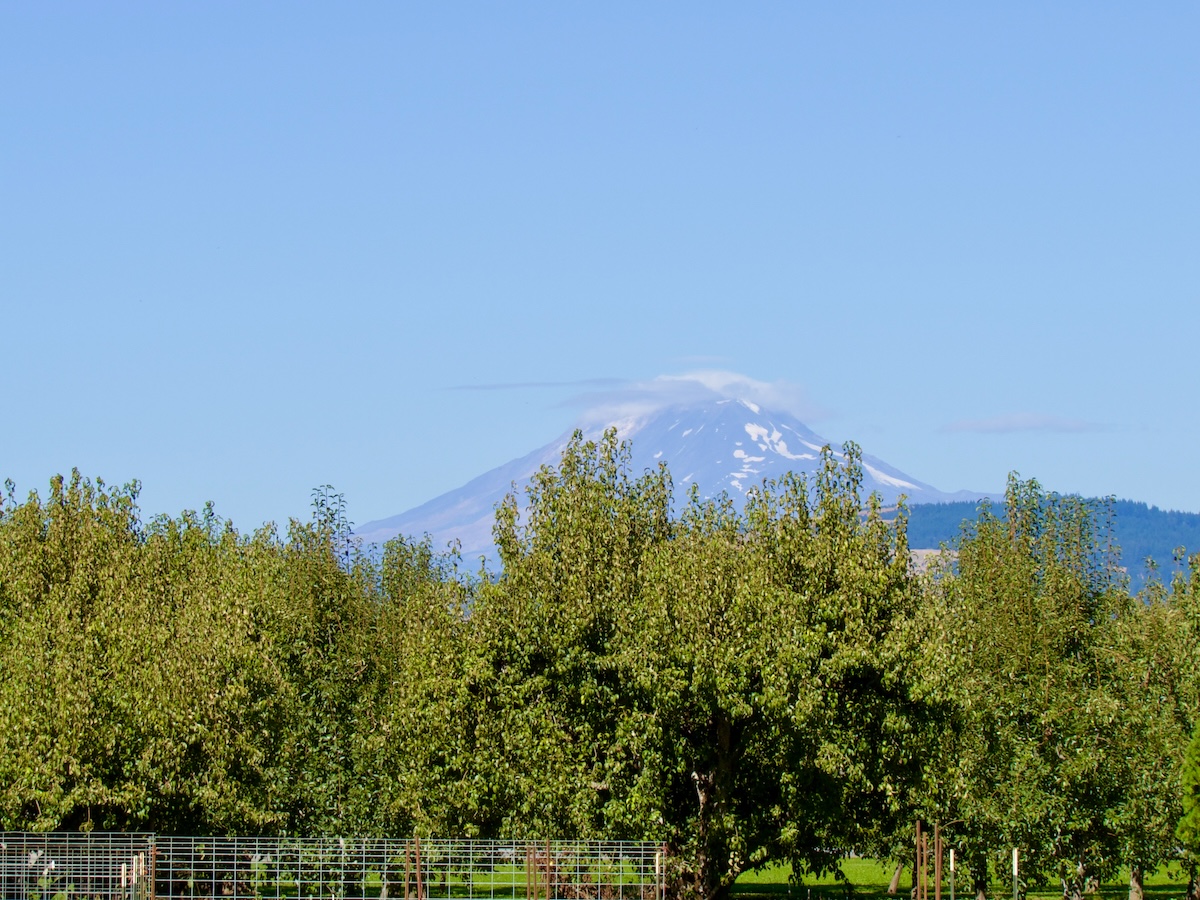
Beyond it all stood Mt. Hood, so close you might touch it. The mountain looked oddly incomplete. I’d spent a lifetime with Hood wrapped in enough snow and ice that people could ski well into the summer. The glaciers have been shrinking for years, though, and more dark volcanic rock showed through. It was still beautiful. It just wasn’t the Mt. Hood I remembered.
Tearing ourselves away from the goats, the pumpkins, and Mt. Hood, we pointed the car back toward Portland. There was time for one more stop, and no proper Fruit Loop excursion should end without buying baked goods.
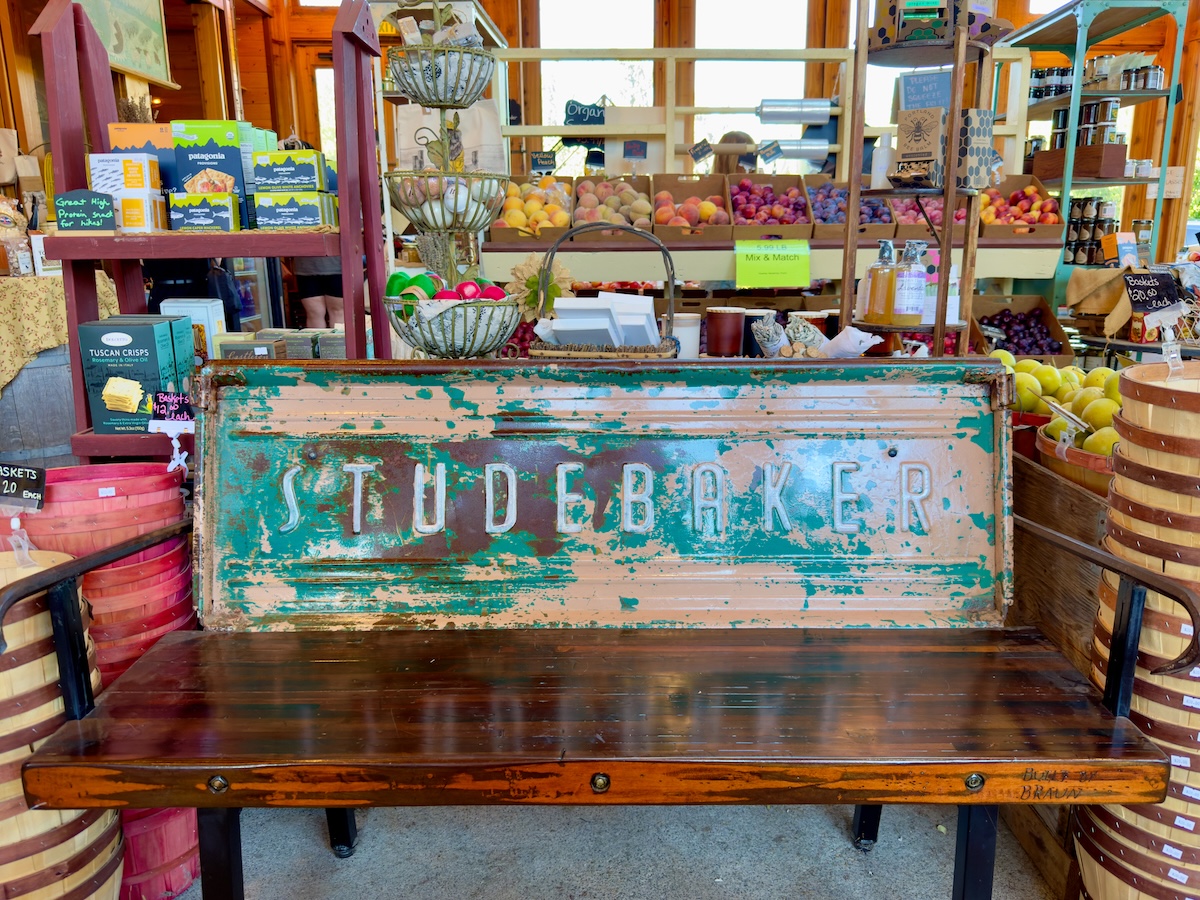
We added a few more jars of jam to Dave’s growing collection at the Apple Valley Country Store and picked up a fresh pie to take to dinner at a friend’s that night. Who has time to bake their own when they’ve spent the day doing Very Important Things in the Hood River Valley?
With pie safely tucked away with our other treasures in the back of the car—jams, soaps, and enough apples to make a grandma weep—we headed home. We were too tired to bother with still-too-busy Multnomah Falls, but we weren’t too worried about it, either. We’d already had our perfect fall day in Oregon.
Even though we’d accomplished nothing, we’d accomplished everything.
Write a comment