

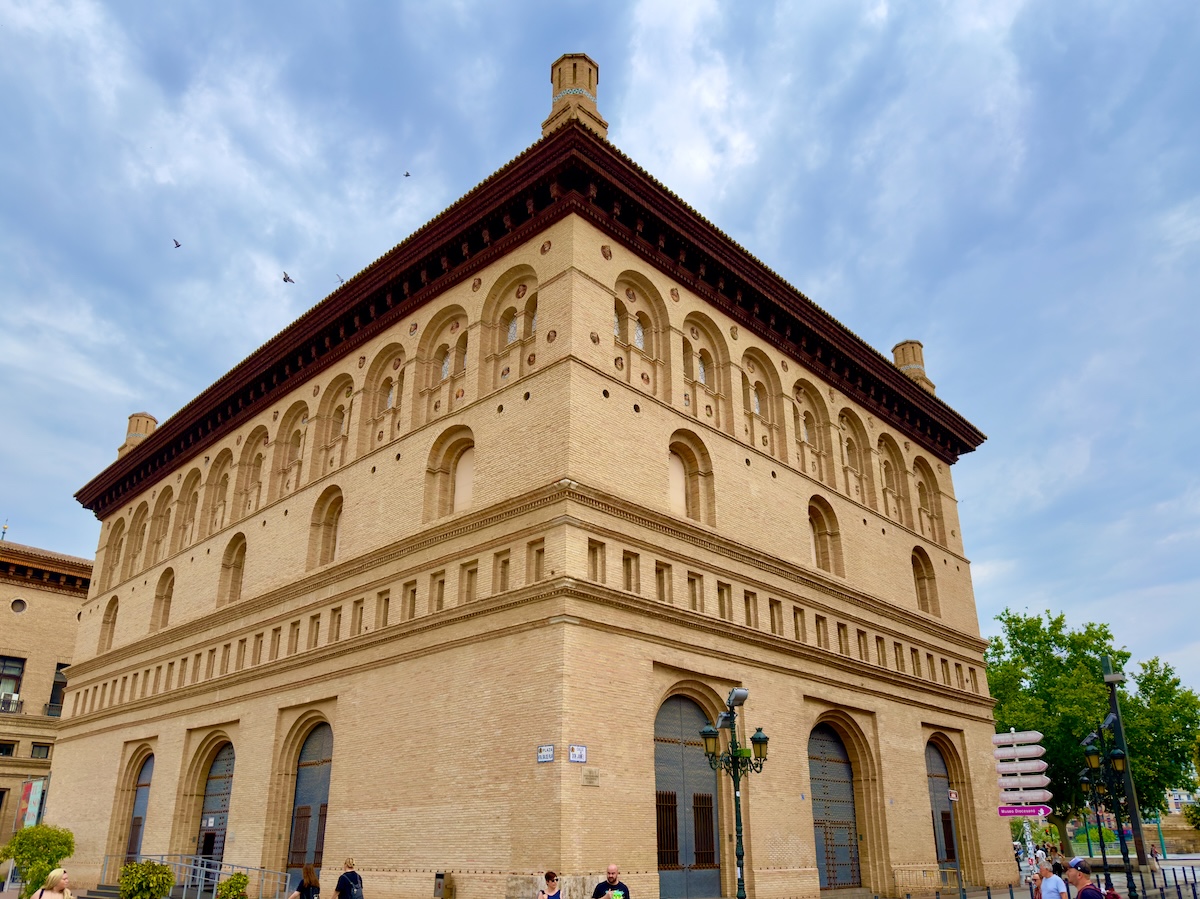
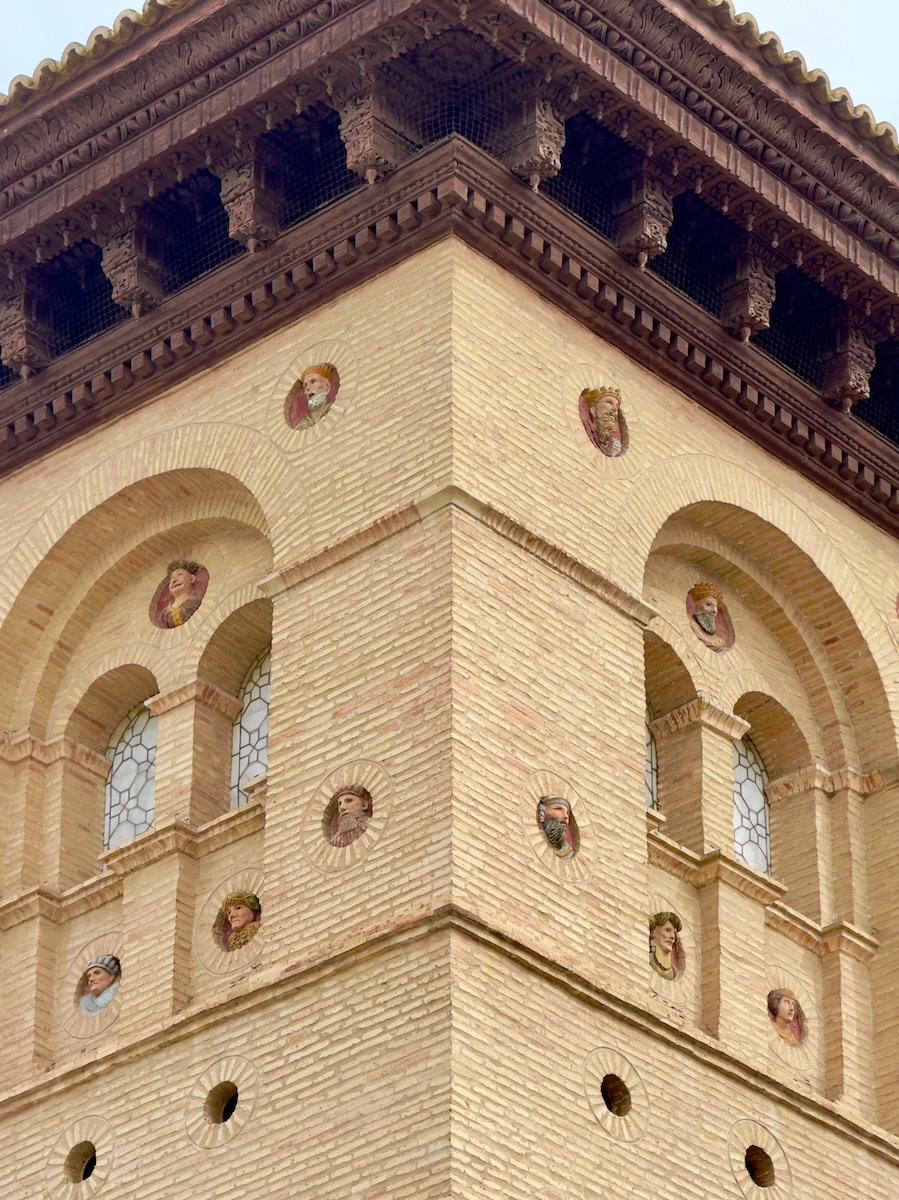
La Lonja is one of those buildings you might walk past a dozen times before you finally go in. It verges on unremarkable, all the more so because it sits between Zaragoza’s actually remarkable basilica and cathedral. There’s no heroic staircase or theatrical façade. Just a solid Renaissance block squatting calmly near the river, doing what it has done since the 16th century—minding its business.
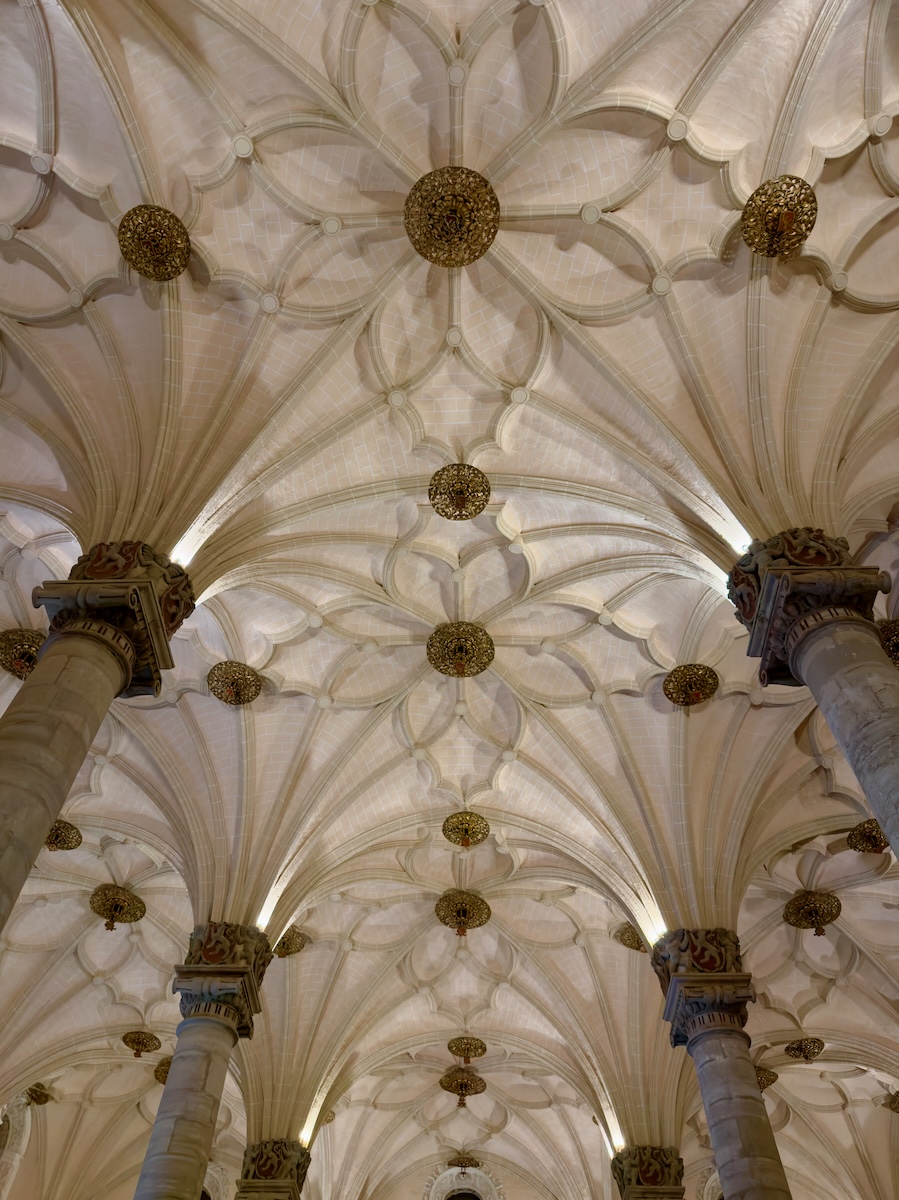
It was built in the 1540s as a merchant exchange—a civic room for contracts, negotiations, and the everyday business of buying and selling things. Which explains the proportions. The space is big but not indulgent. High ceilings and thick walls to ensure voices could carry without echoing. This was a working room, not a showpiece designed to inspire awe. Instead, it was designed to engender confidence—to host commerce, scrutiny, and bartering, preferably without anyone flipping a table. The architecture reflects that purpose. Big enough to matter. Restrained enough to keep everyone honest. It still feels that way.
Which is why it’s especially strange—and unexpectedly effective—to walk inside and find it filled with Asian art.
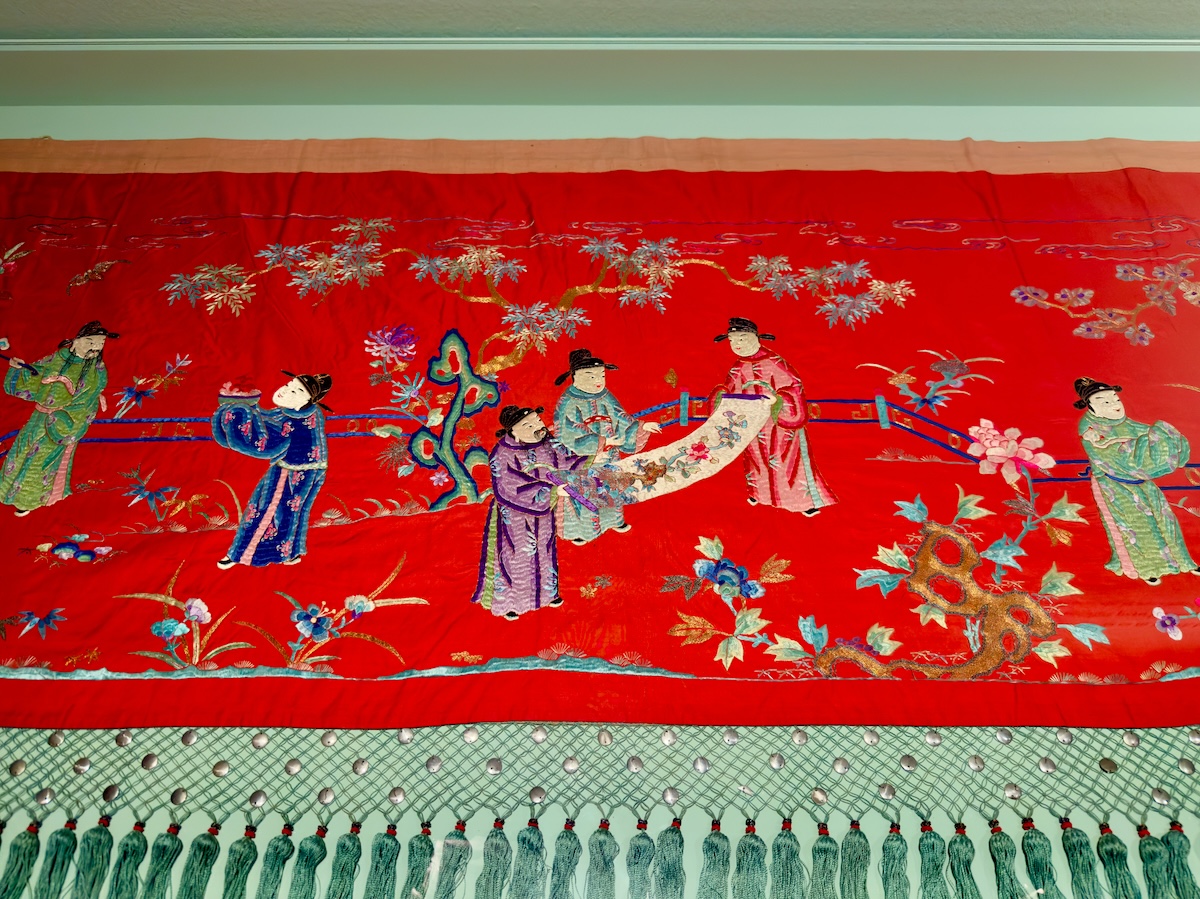
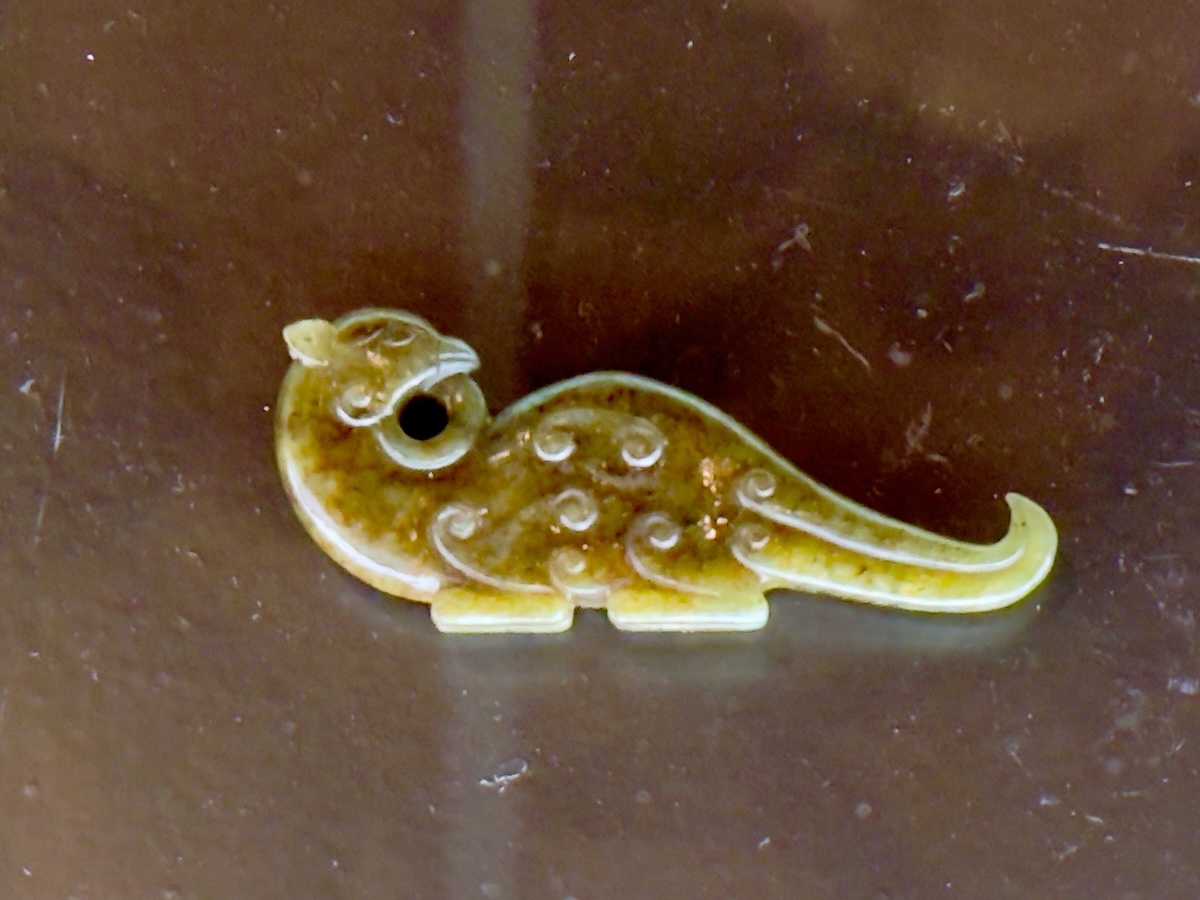
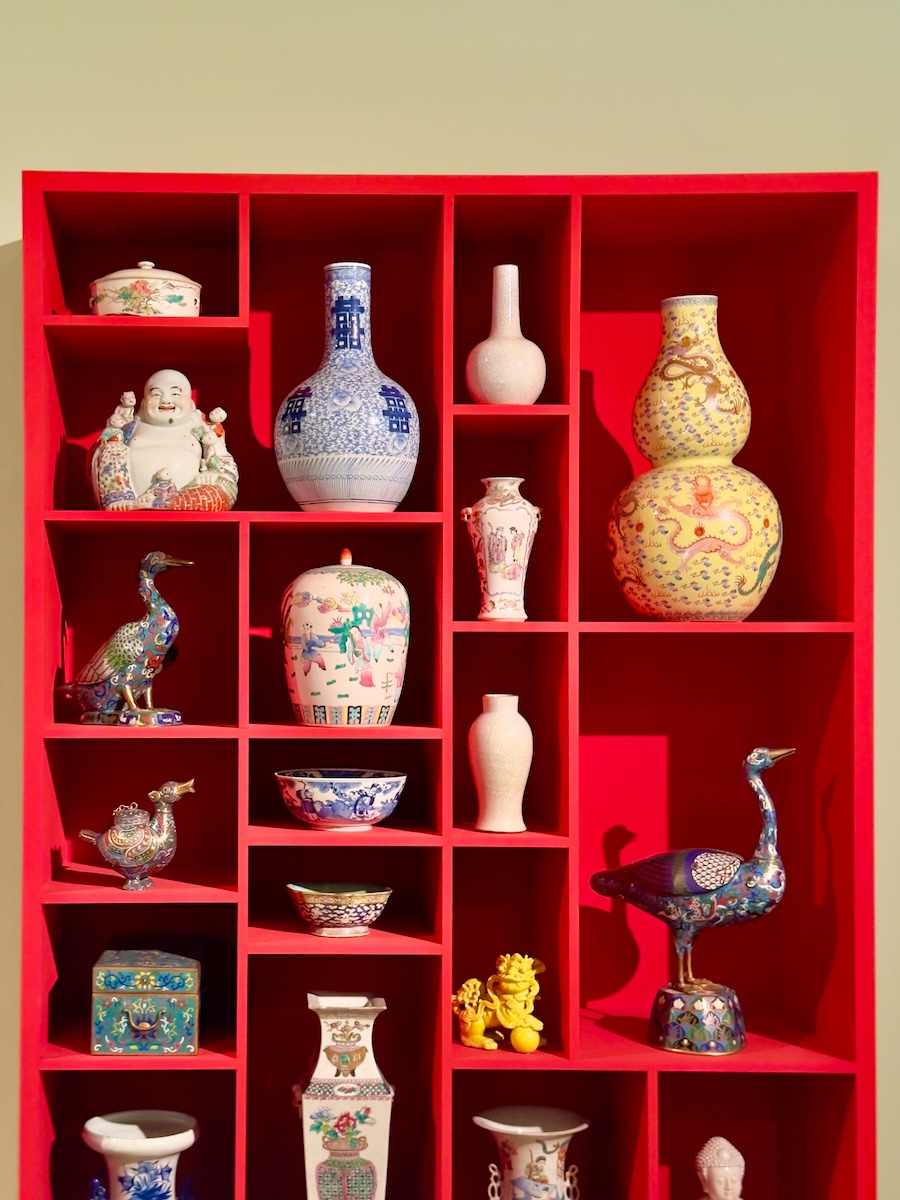
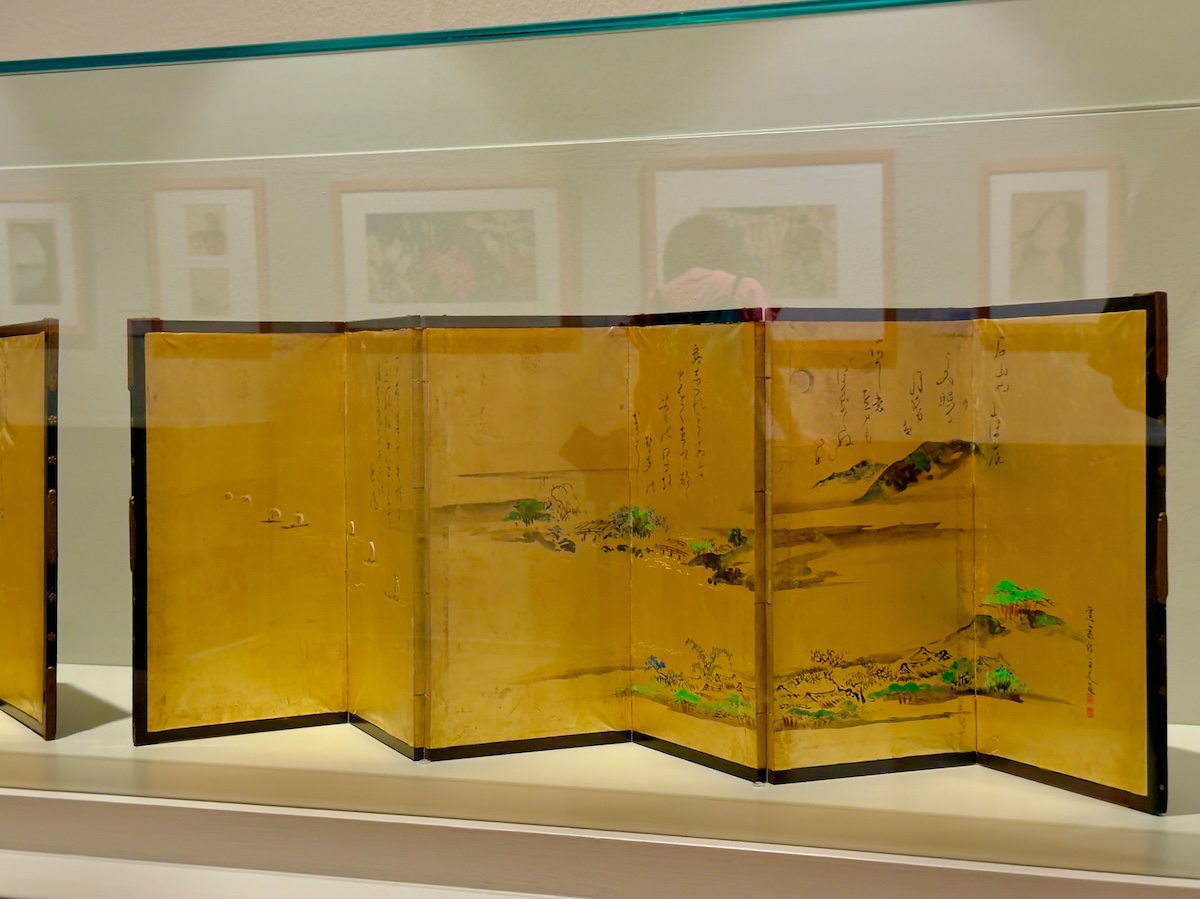
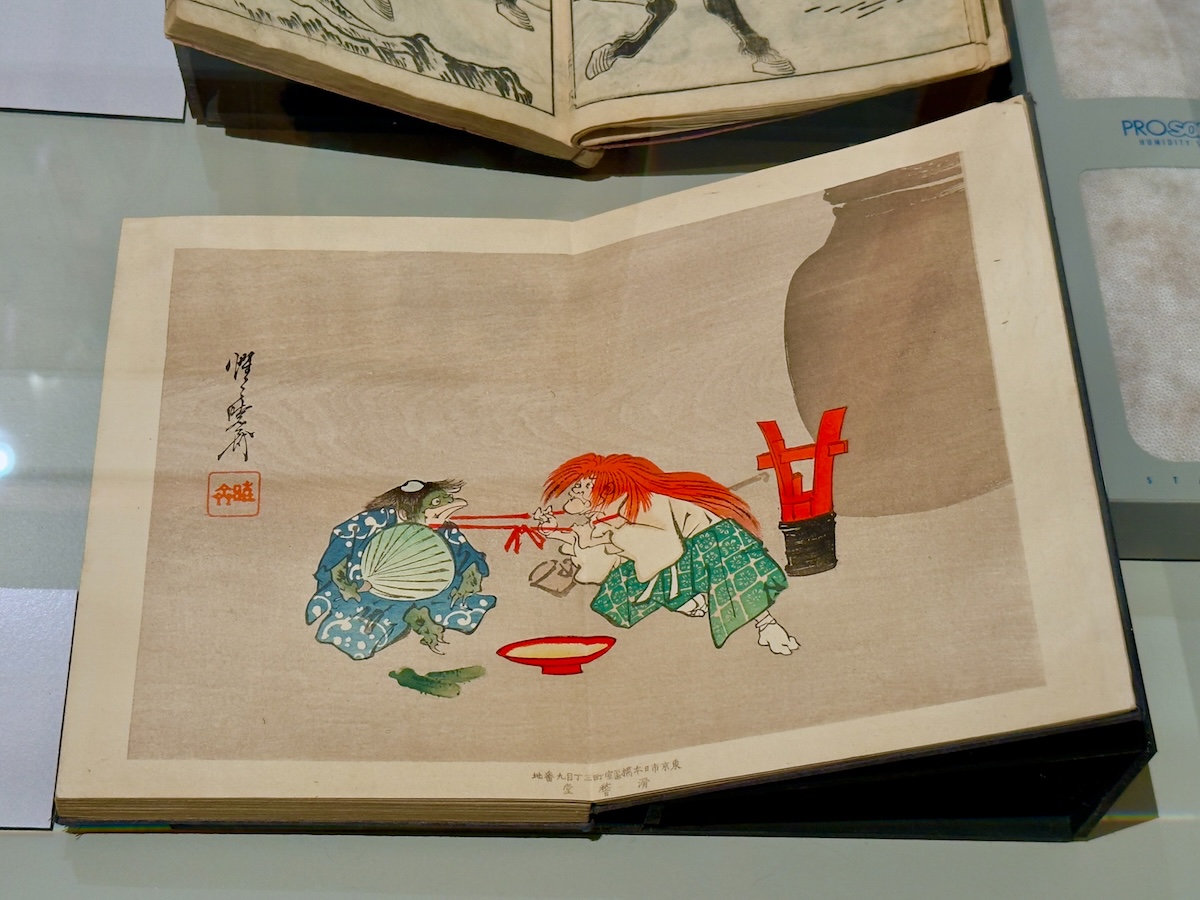
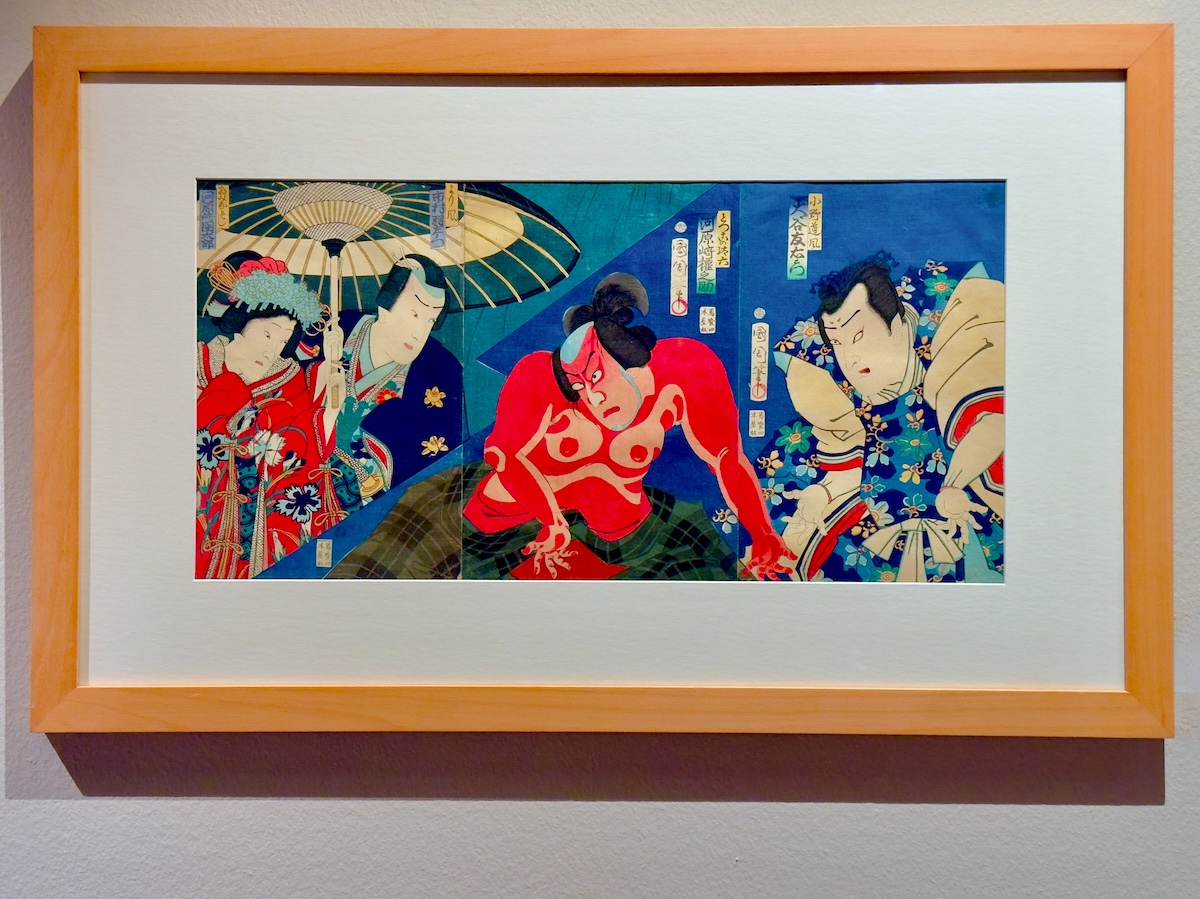
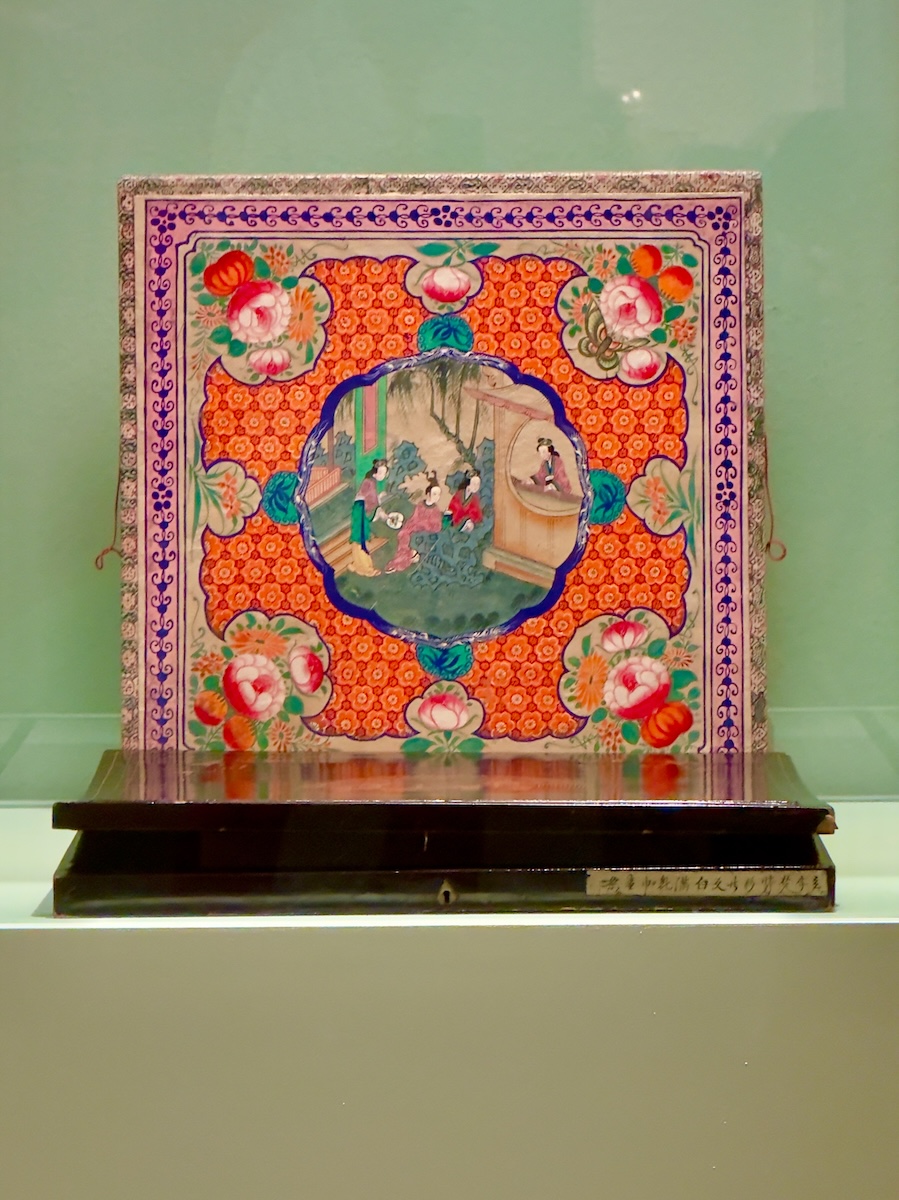
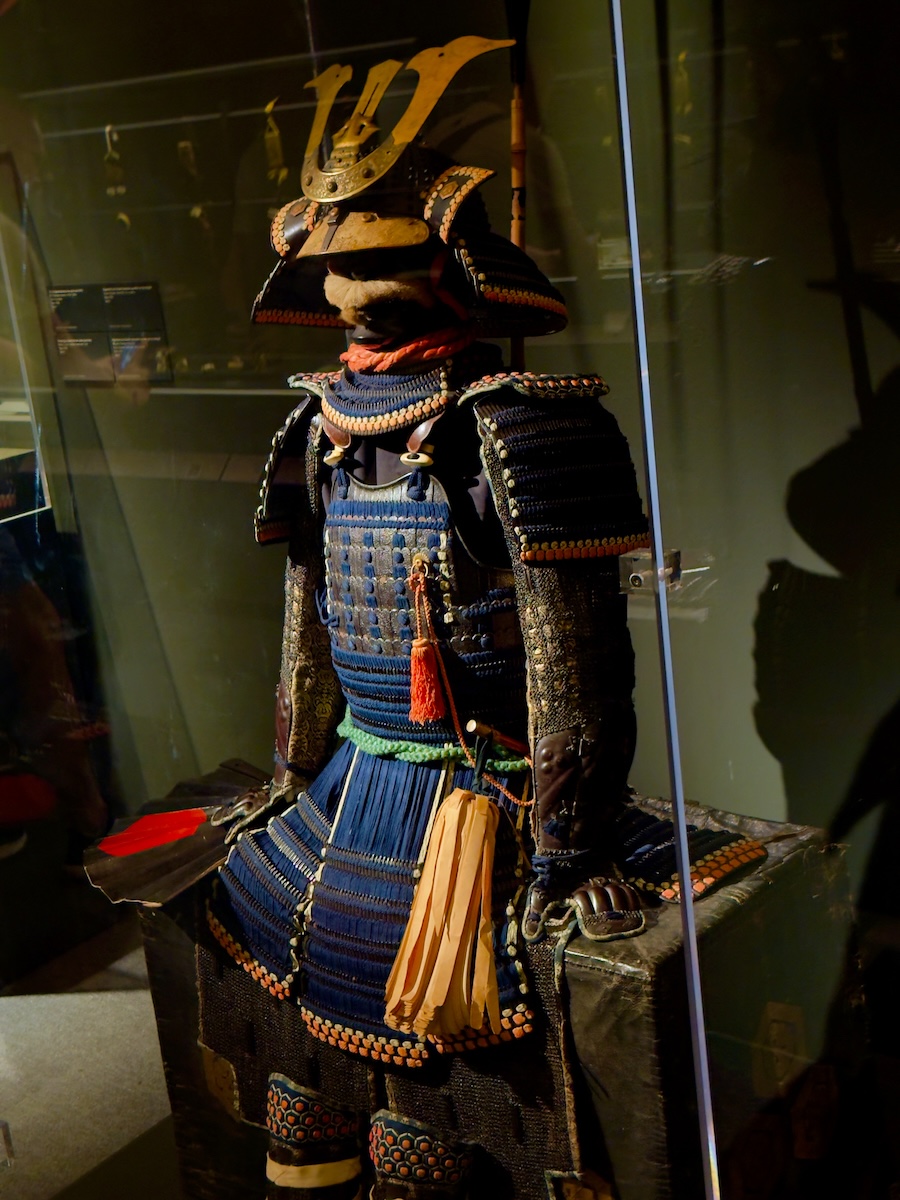
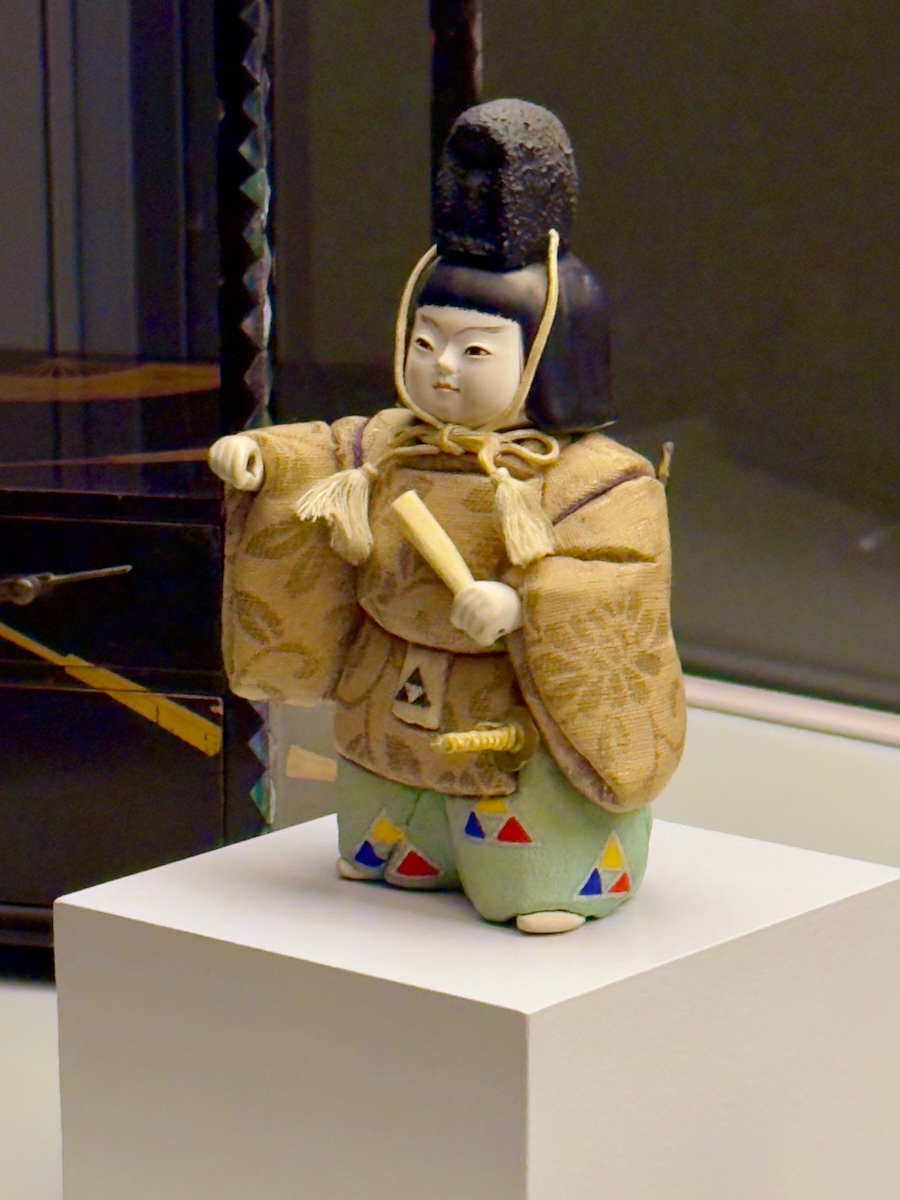
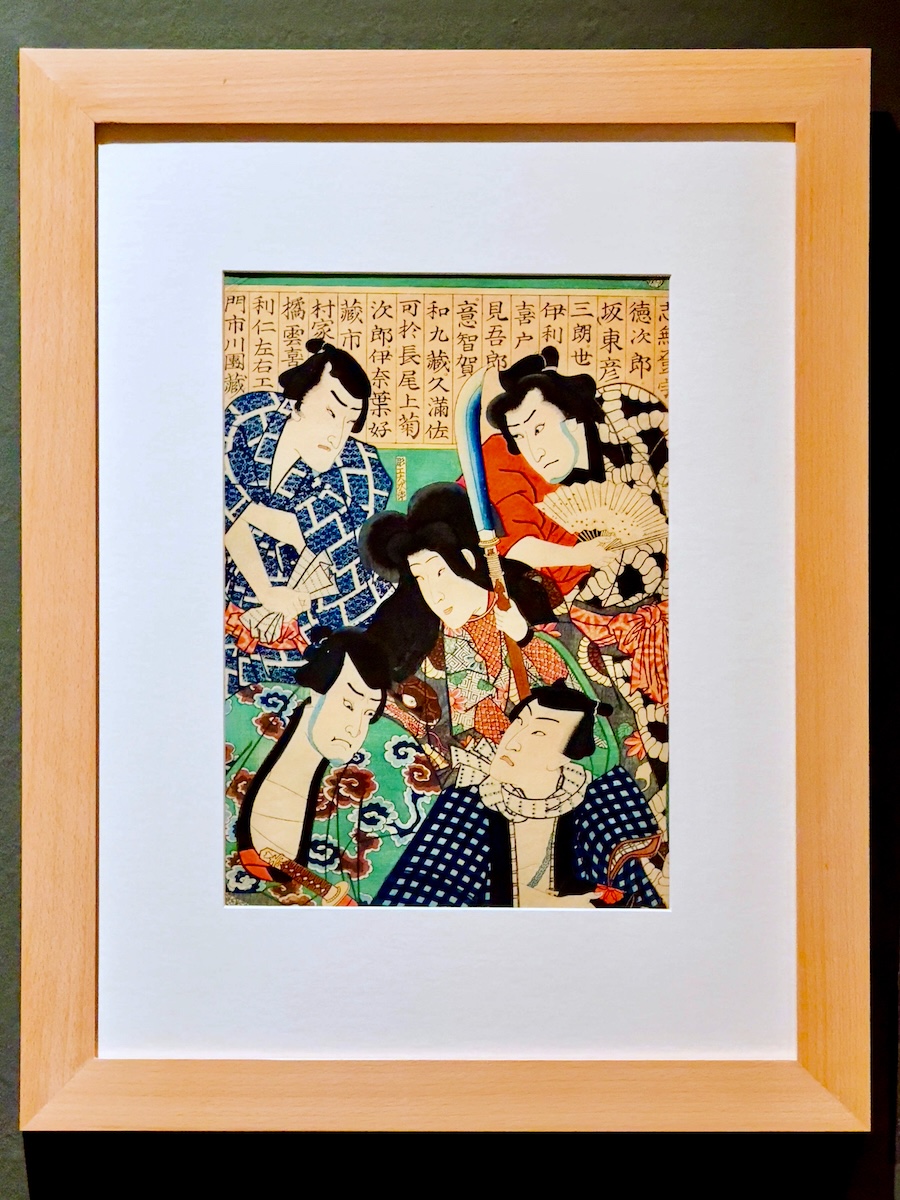
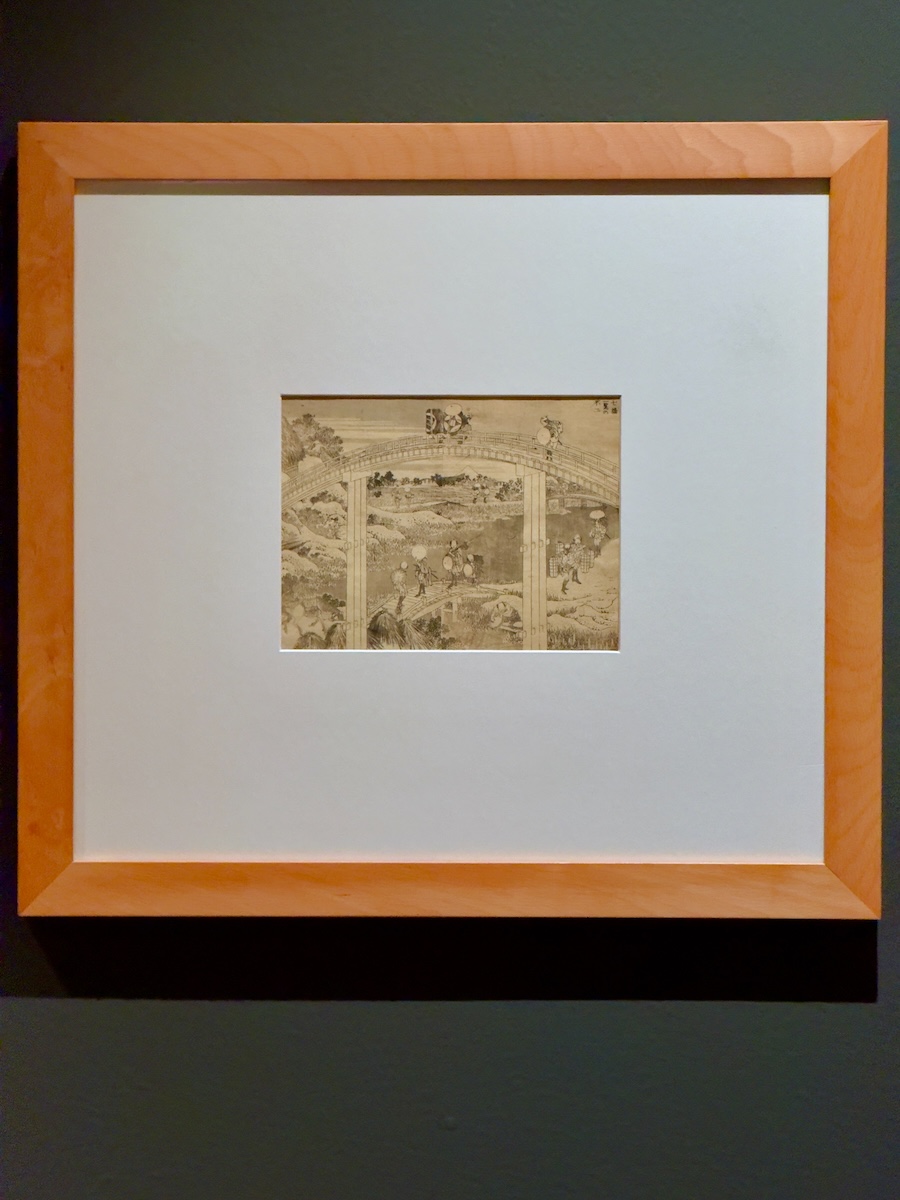
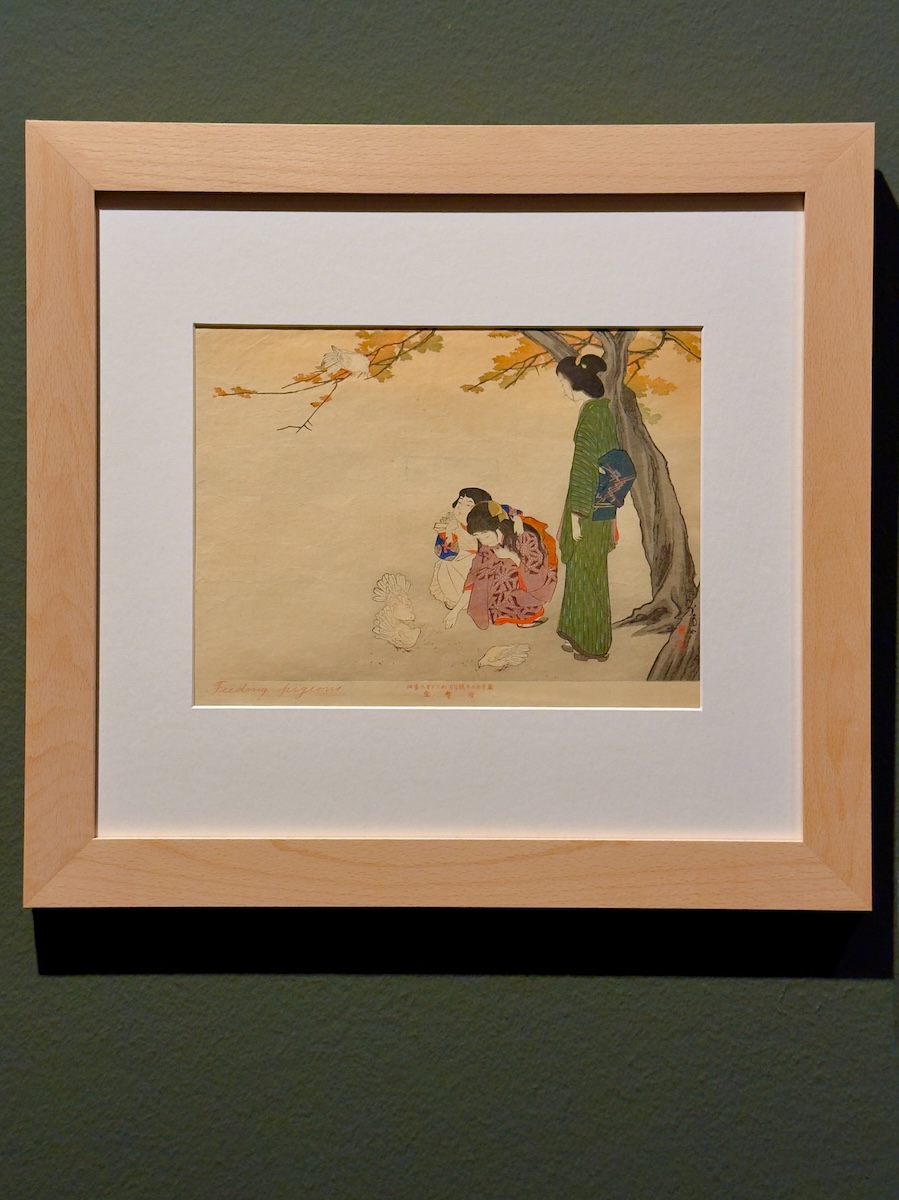
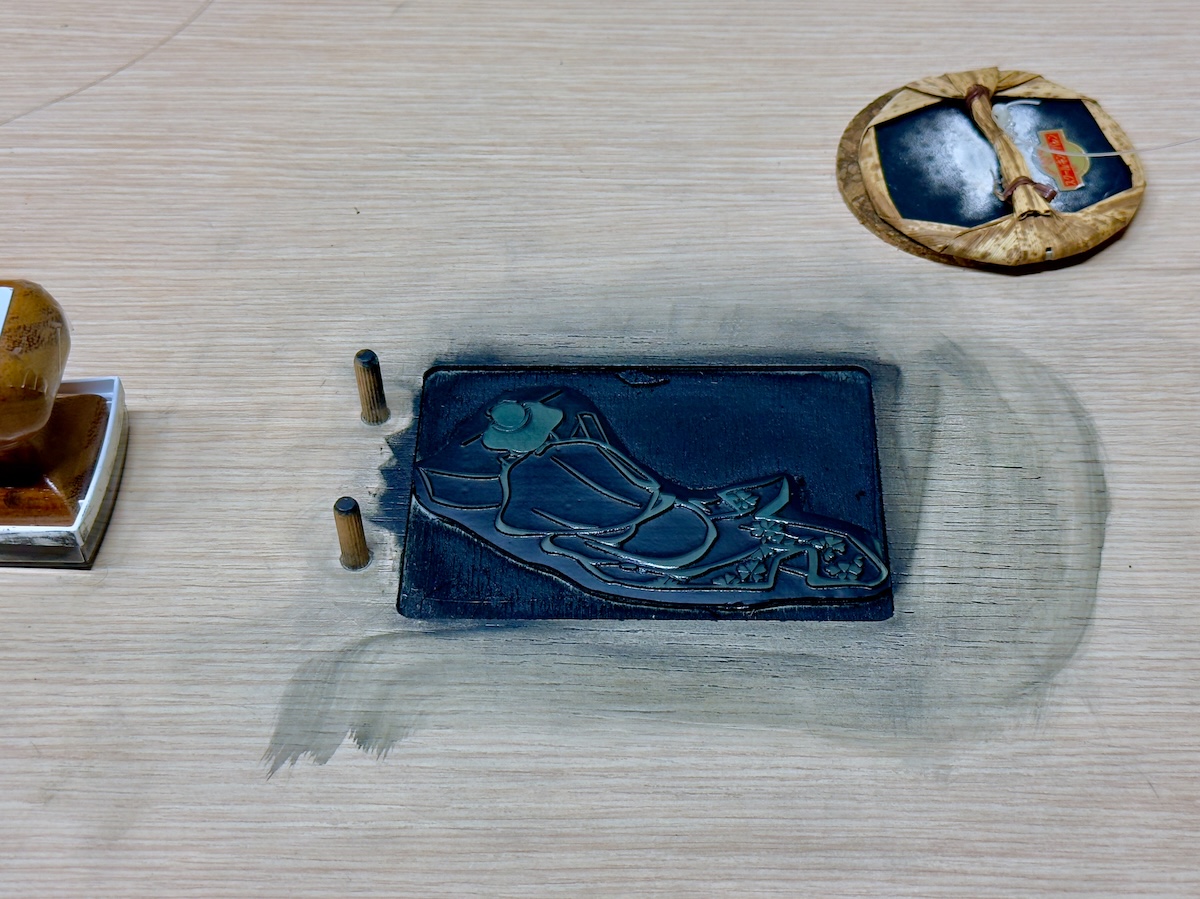
Last June, La Lonja hosted an exhibition from the Museo de Zaragoza’s Asian art collections—Japanese woodblocks, Chinese ceramics, Buddhist sculptures, small lacquered items, delicate paintings, and oversized textiles. None of it was Zaragoza-themed or framed as “East meets West.” Just a serious, well-curated collection inside a Renaissance mercantile hall that never anticipated hosting it.
On paper, this should have felt awkward. In practice, it didn’t. The collection exists because one man, Federico Torralba Soriano—Zaragozan, art historian, and indefatigable collector—devoted most of his 98 years paying close attention to Asian art. He amassed it slowly, deliberately. And because the collection wasn’t built to satisfy an institution, it reflects a person instead—patient, methodical, and more interested in traditions than trophies, which is not how museums usually acquire their holdings.
By the time it entered public hands, it had become something genuinely anomalous in Spain—a deep, coherent Asian art collection in a regional museum, unconnected to missionary work, colonial history, or cultural strategy. It exists here because one person spent a lifetime paying attention. Which goes a long way toward explaining why this didn’t feel like a novelty import or a seasonal experiment. The work wasn’t passing through. It had already been living here the whole time.
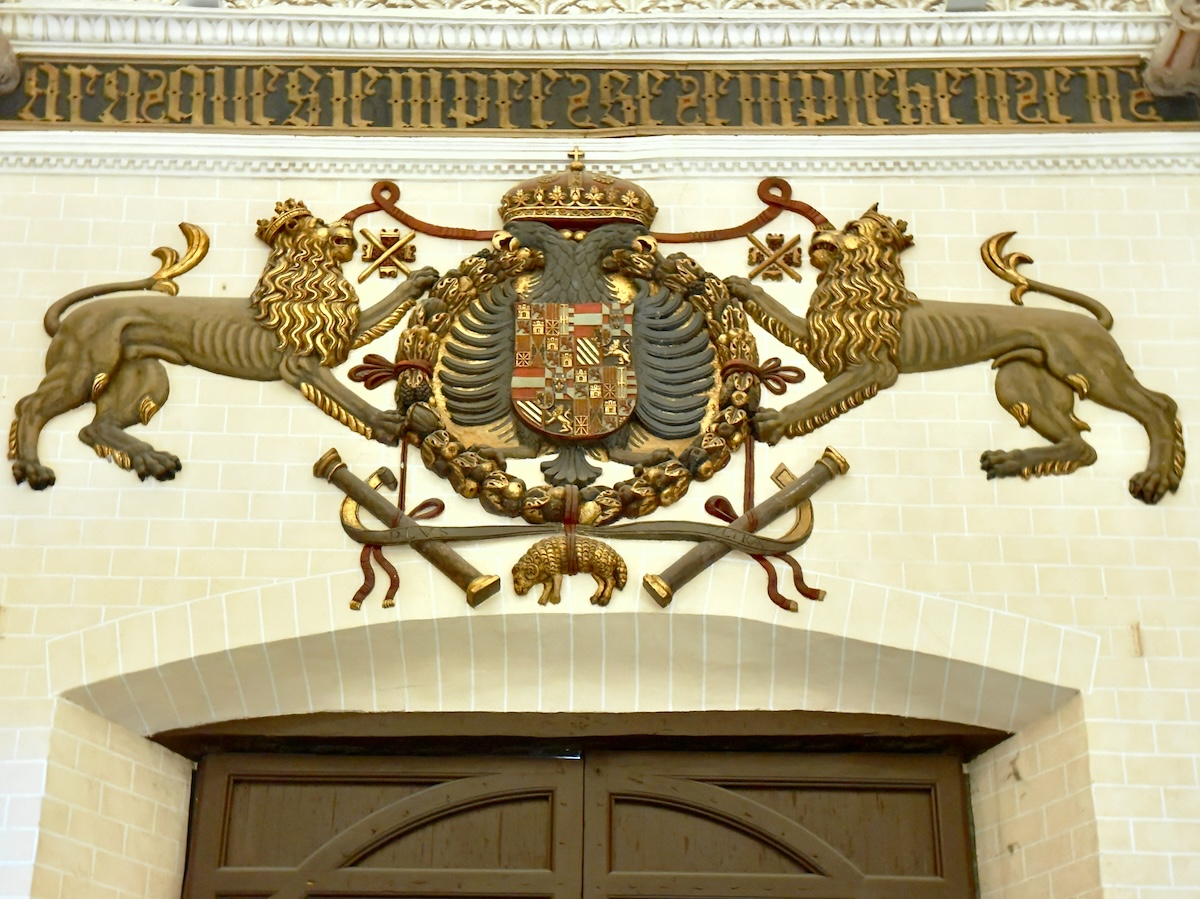
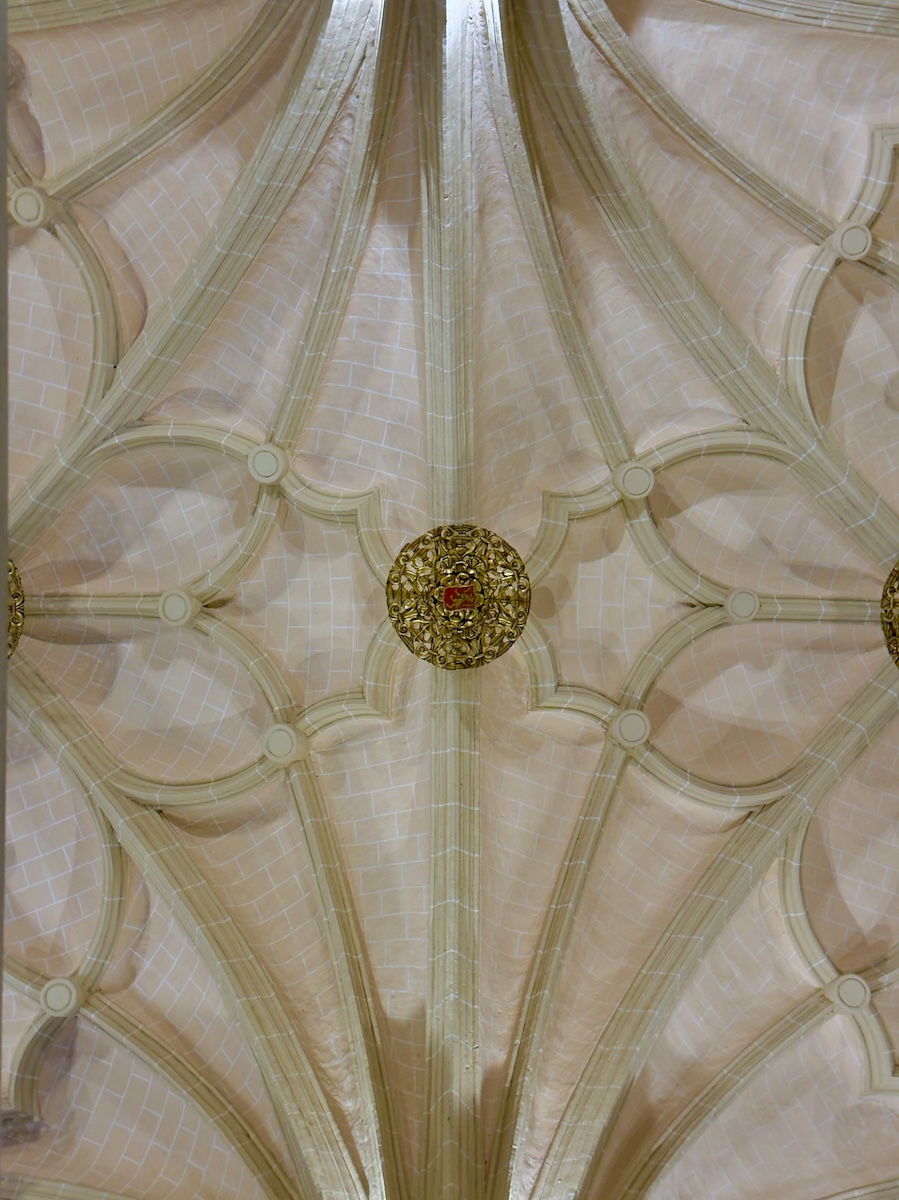
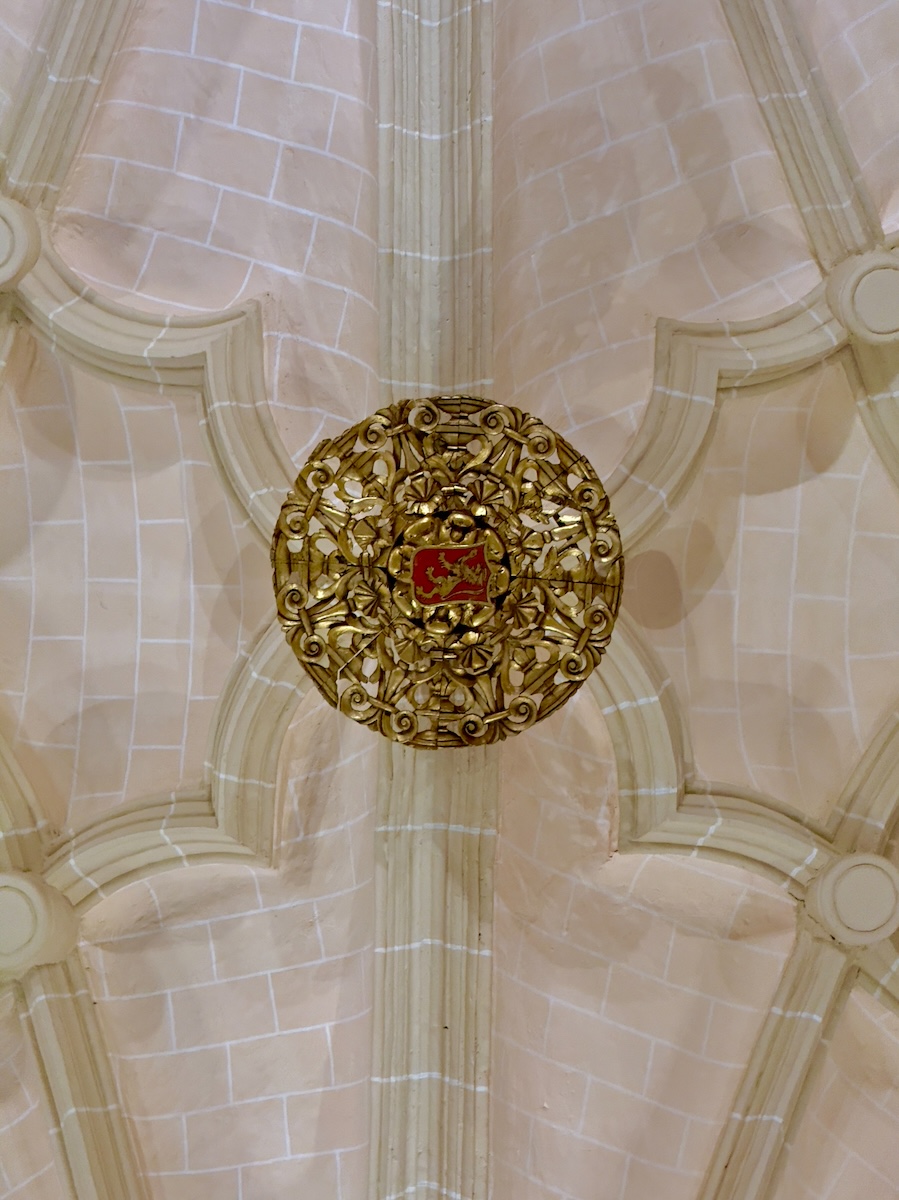
As a result, the building does nothing to contextualize the work—nor does it need to. The 16th-century stone stays stone. The columns remain stubbornly Spanish. Overhead, a royal coat of arms flexes—lions, shields, crowns. Below, Japanese prints and Buddhist figures sit, apparently unbothered by the mismatch. La Lonja simply contains exhibits—politely, competently, without commentary. Most of my photos are of the art, not the building, because once inside, the architecture recedes, as good civic architecture does. You notice it indirectly—in the way light behaves in the cavernous space, how the hall’s scale keeps objects from feeling precious, and in the absence of anything overproduced or digitally fussed with.
There’s a particular pleasure in seeing Japanese prints displayed in a room designed for contracts and commodities. Ukiyo-e were never meant to be rarefied objects. They were affordable, reproducible images—handled, traded, and circulated. Hung in tight grids, the prints read less like individual treasures than like inventory meant to be seen together. Seen here, in a space built for valuation and exchange, the pairing feels less like a collision and more like a quiet alignment.
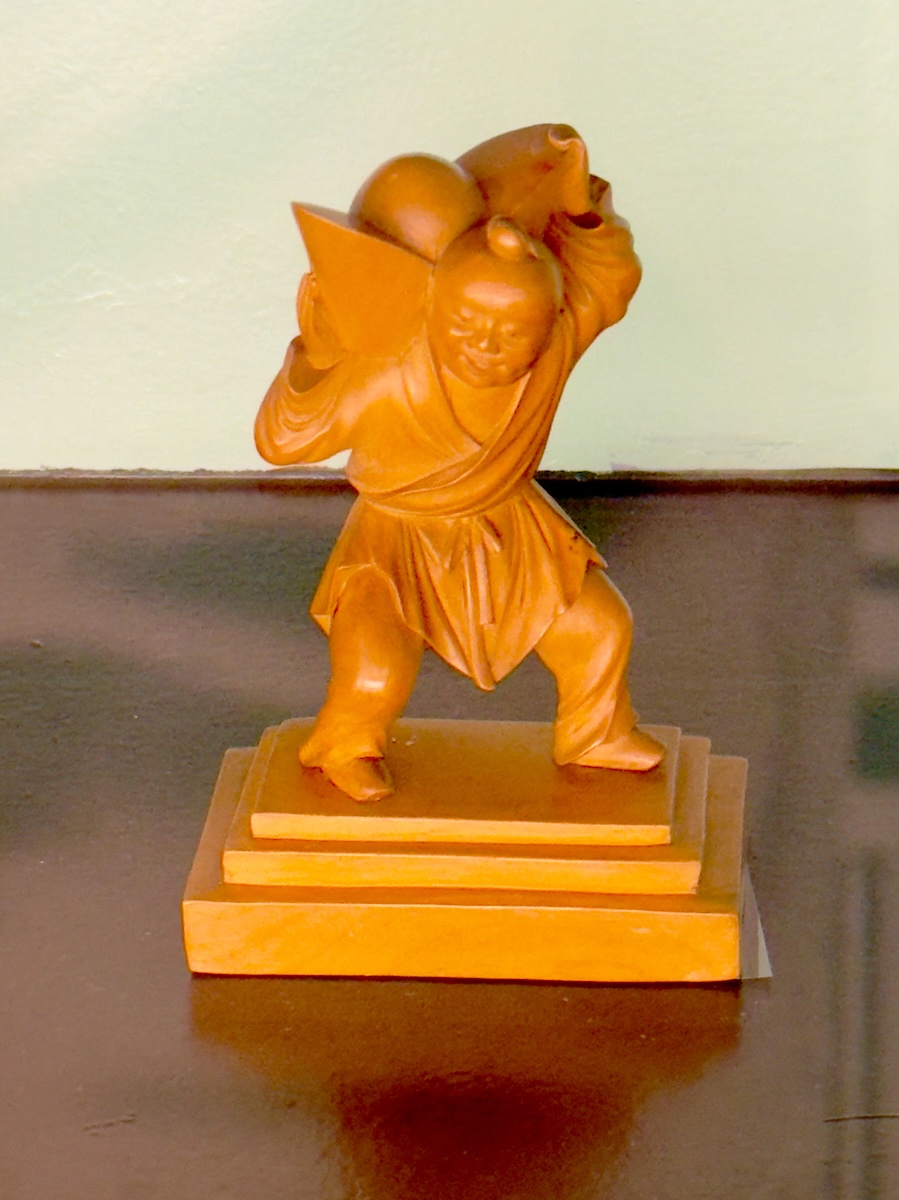
The Buddhist sculptures read differently in this space. In a white-cube museum, they can feel isolated, almost self-conscious. Here, surrounded by thick stone and civic seriousness, they take on weight. Not spirituality, exactly, but presence—the sense that these were objects meant to function within systems of use and belief, not hover above them. The feeling that they belonged to a world where objects mattered because people gathered around them and depended on them to hold meaning. One small carved figure, bent under its own burden, made that point more clearly than any label ever could.
La Lonja is an ideal venue for this kind of temporary occupation. Zaragoza uses it sparingly, and that restraint shows. The building isn’t over-programmed. There’s no attempt to make it into an “experience,” a word that tends to do more harm than good in rooms like this. You walk in, look around, figure it out, and leave. That’s part of what made this particular pairing succeed. The exhibition didn’t shout for relevance, and the building didn’t compete. No permanent identity crisis. No branding exercise. Just a civic space doing its job across centuries.
At one point, standing near a case of porcelain, I thought about how little had changed over the centuries here. Goods once arrived from elsewhere. They were examined, valued, and discussed. These days, they arrive with labels instead of invoices and curators instead of merchants. But it’s the same basic ritual, just with different stakes.
Zaragoza avoids romanticizing La Lonja’s past or overexplaining its present. The building endures by being intermittently useful. For a time, it holds ideas and exhibitions. Then they move on, leaving the room to wait—solid, competent, and unchanged. You leave understanding this is how the city approaches its best buildings.
The art moves on. The room stays put.





Write a comment