
I’m not entirely sure why I decided we needed to go to the Iglesia de San Pablo Apóstol. It was well outside our usual Zaragoza orbit, not especially convenient, and came with the uncertainty of whether it was even open to the public. But somewhere between breakfast and our second coffee, I decided finding it was Very Important. Or at least Important Adjacent. And sometimes Rick knows not to argue. So off we went.
San Pablo isn’t on any obvious or picturesque route. Getting there meant a longer walk through streets that don’t advertise themselves to visitors. In the Middle Ages, this area sat outside Zaragoza’s dense core—less a neighborhood than a fringe zone of workshops, open areas, and dry brush that still needed to be hacked back before religious processions could pass through. The tool used for that job was a hooked sickle, and over time it became the emblem of the parish and the district itself—El Gancho, or The Hook. It’s not symbolic so much as literal. It refers to a place that needed clearing, managing, and constant maintenance just to stay connected to the city. As civic branding goes, it’s blunt. Useful, even. If not especially reassuring.
San Pablo didn’t arrive after the neighborhood had settled into shape—it helped create it. After Zaragoza was retaken from Muslim rule in 1118 by Alfonso I of Aragon, Christian institutions began asserting themselves beyond the city’s established core, anchoring areas that were already occupied but loosely organized. A small chapel went up here first, serving an existing population that hadn’t yet cohered into a defined parish. As that population grew and stabilized, the building was enlarged—then enlarged again and again—growing as necessary but never rationalized. The result is an oddly elongated, irregular footprint that was never the plan, just a sequence of decisions. San Pablo wasn’t redesigned. It was kept up. Chapels were added. Aisles extended. Decisions were made locally and permanently. What survives isn’t a single architectural idea, but a structure shaped by centuries of continued use.
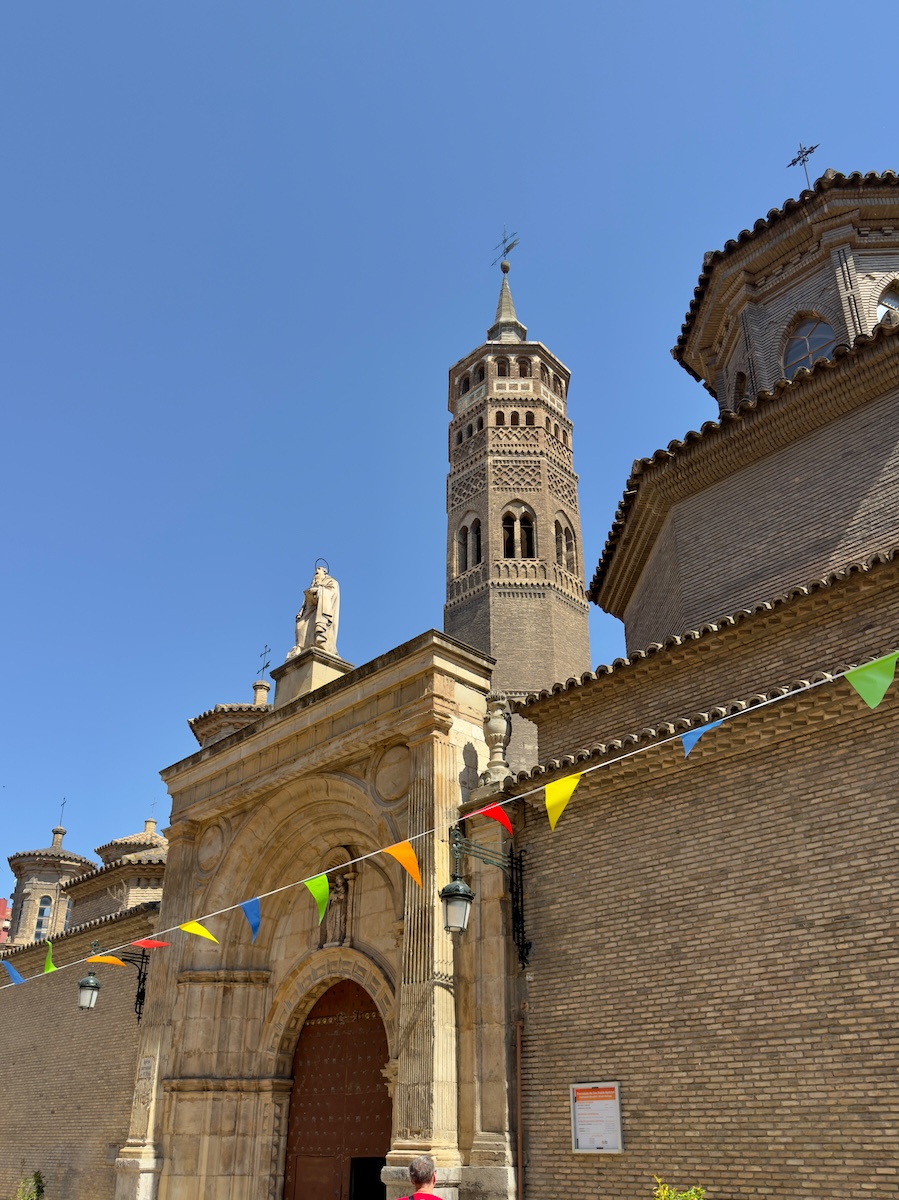
From the outside, it doesn’t look like much. A brick-walled church hemmed in by residential buildings. A tower that feels separate because it is separate. No grand plaza framing the view, no sense that you’re meant to pause dramatically before entering. Even knowing it’s there doesn’t help much—the building doesn’t convey importance in the usual ways.
That stand-alone tower is the giveaway—less an invitation than a marker you notice once you’re on top of it. Built in the Gothic-Mudéjar style, it’s all patterned brickwork and restrained geometry—Muslim craftsmanship adapted to Christian rule, less interested in stone grandeur than in repetition, proportion, and what can be done with brick when it’s taken seriously. Zaragoza does this particularly well, and San Pablo’s tower is one of the city’s strongest examples. Decorative without being precious, and structural without being blunt. UNESCO added San Pablo to its World Heritage list in 2001, which sounds like the end of the conversation until you realize it mostly means the building has survived because no one ever figured out a better use for it.
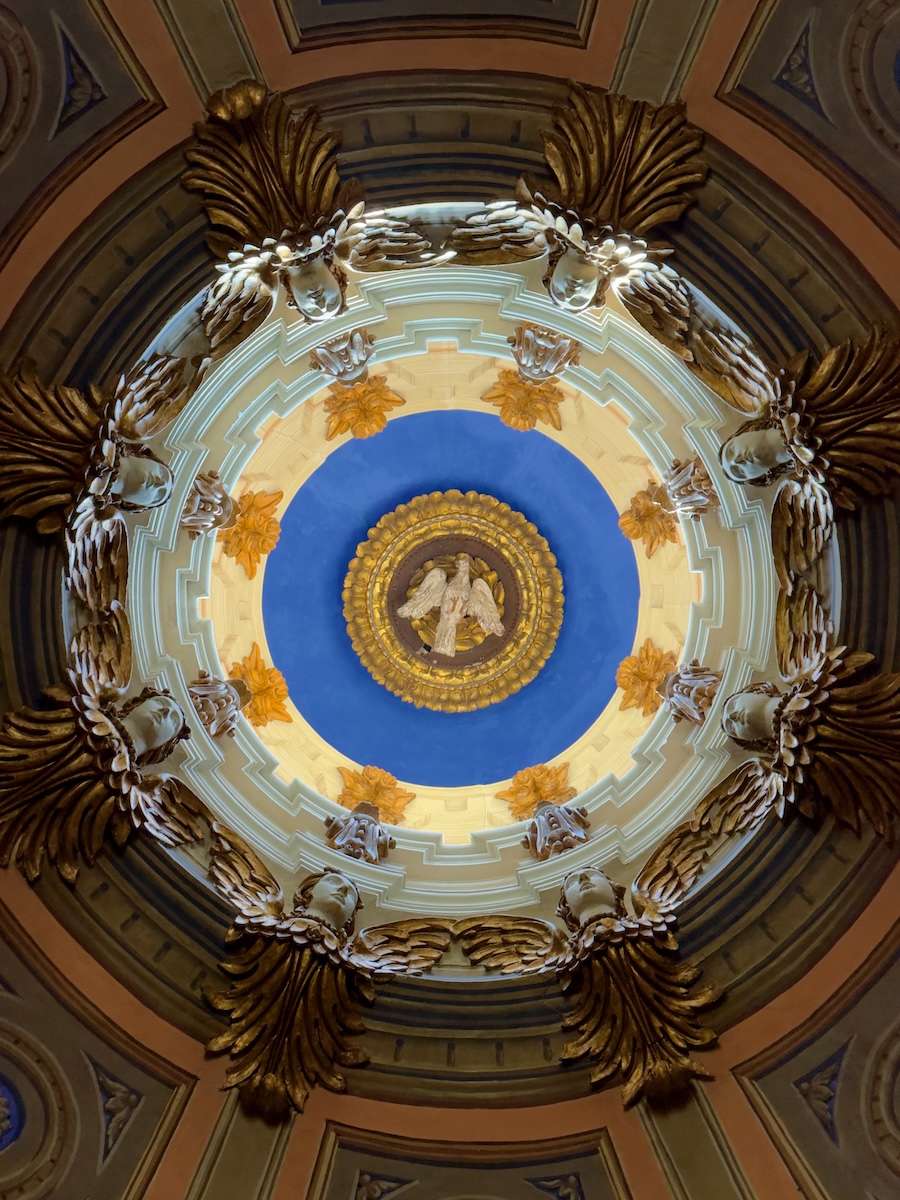
Just as the exterior expanded piece by piece, the interior reflects centuries of additions rather than a single architectural vision, having never been organized around a single moment or style.
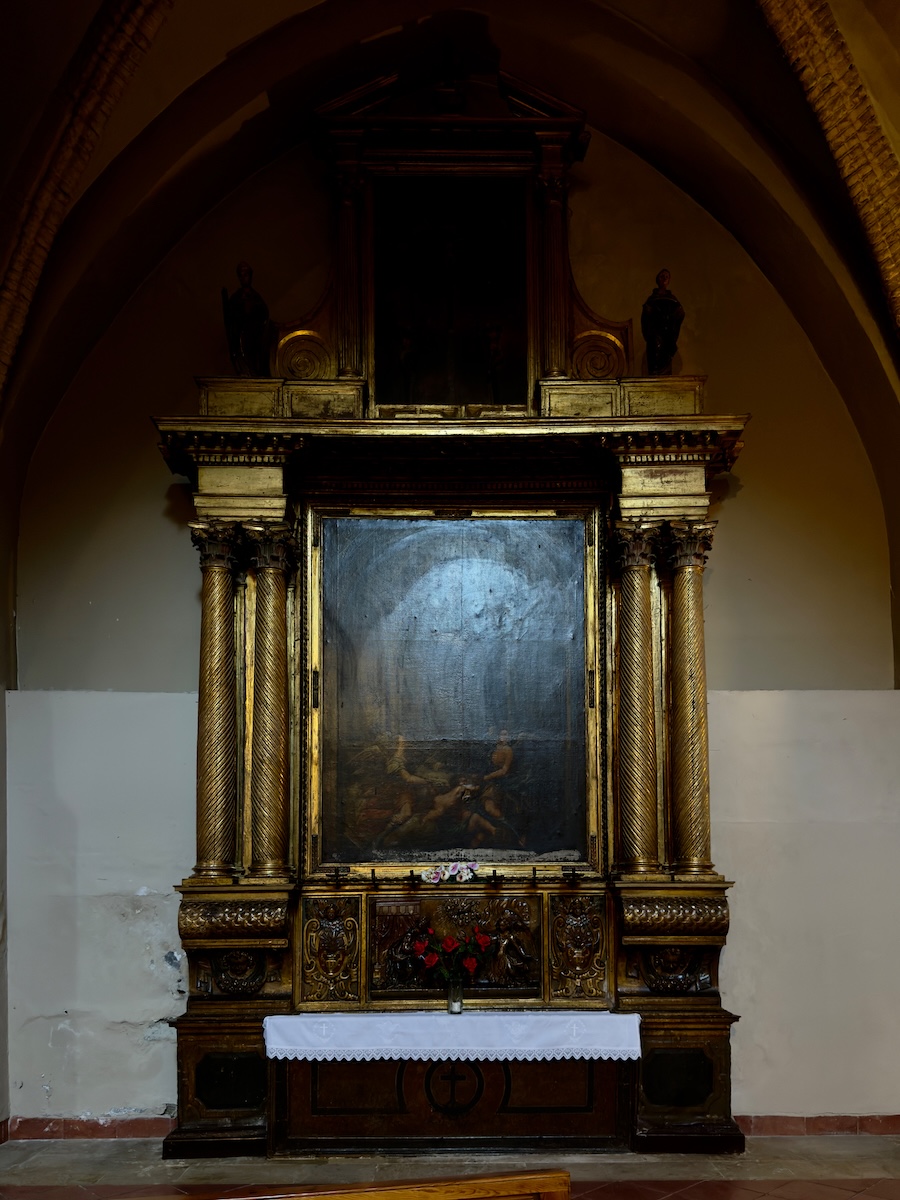
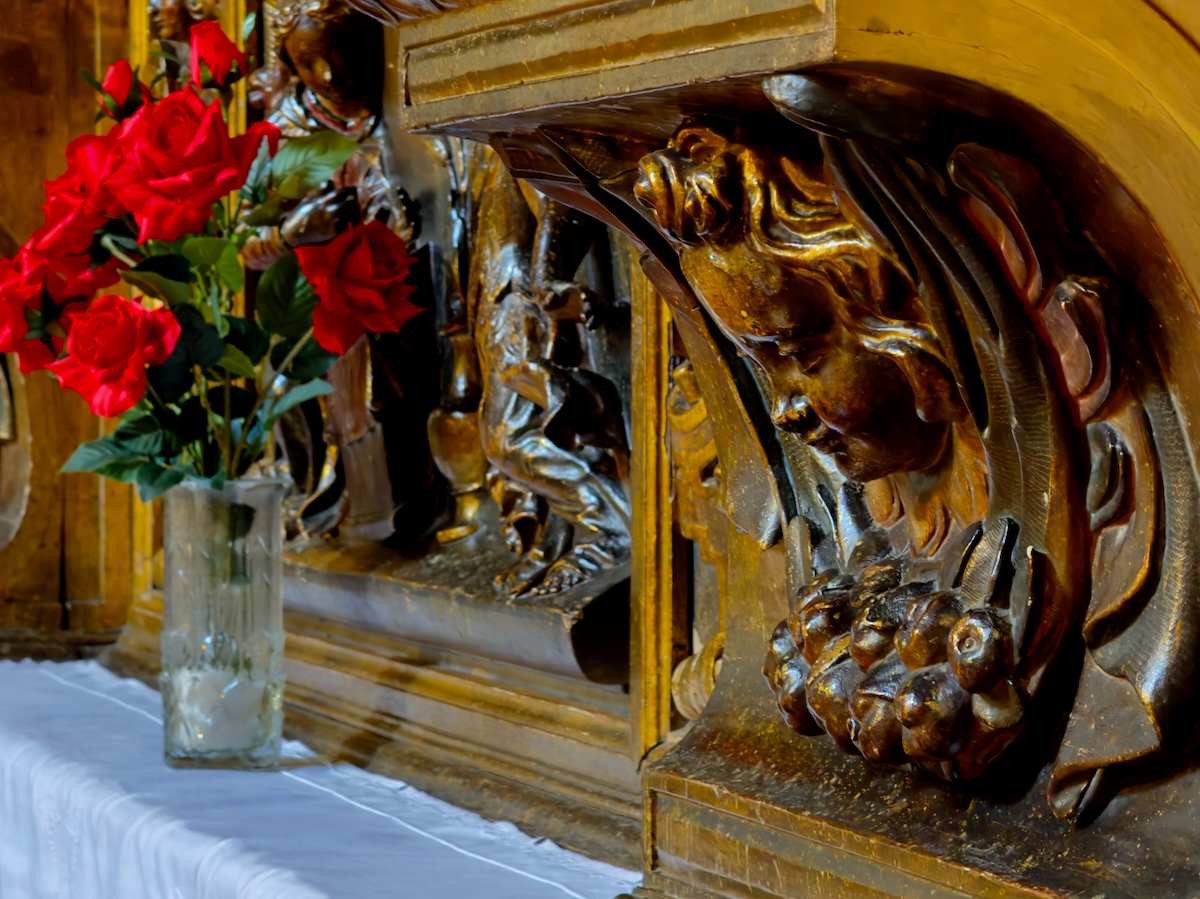
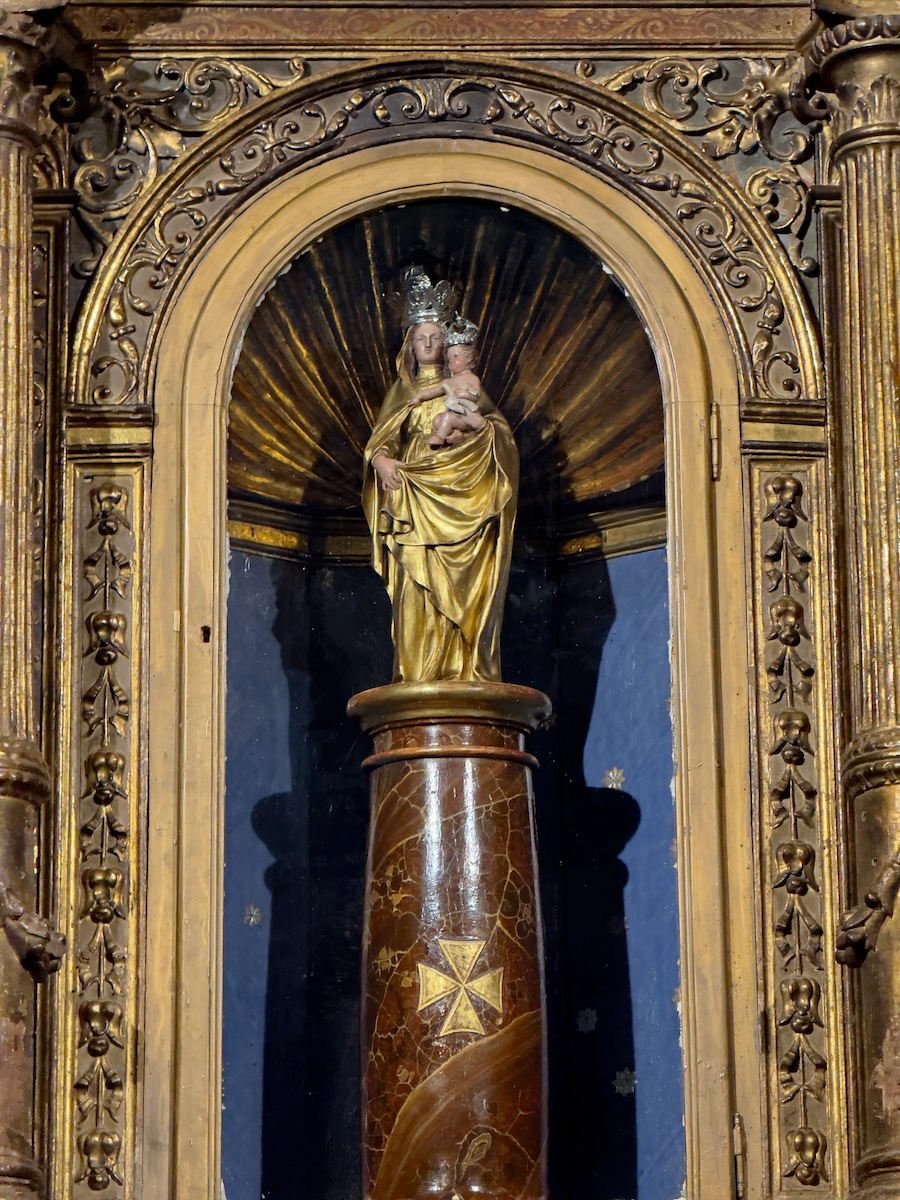
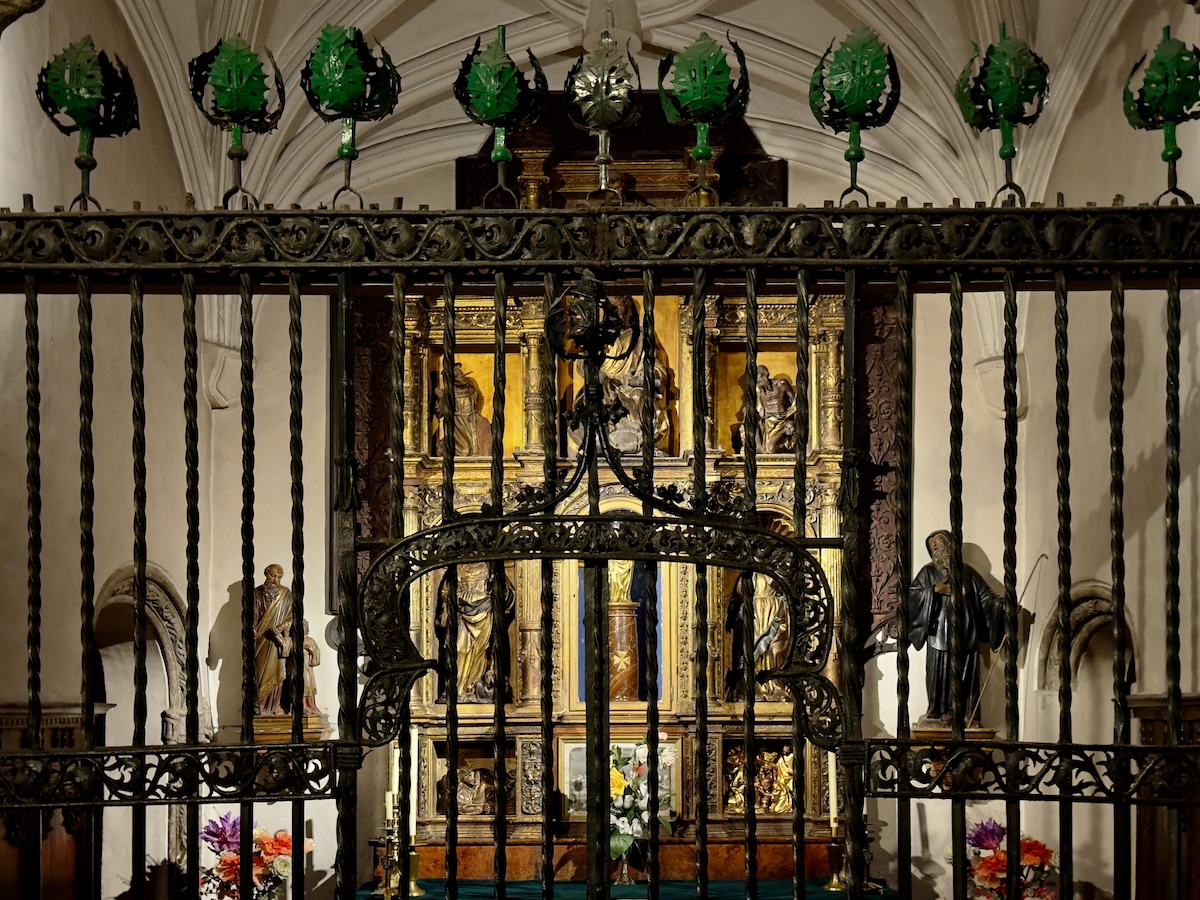
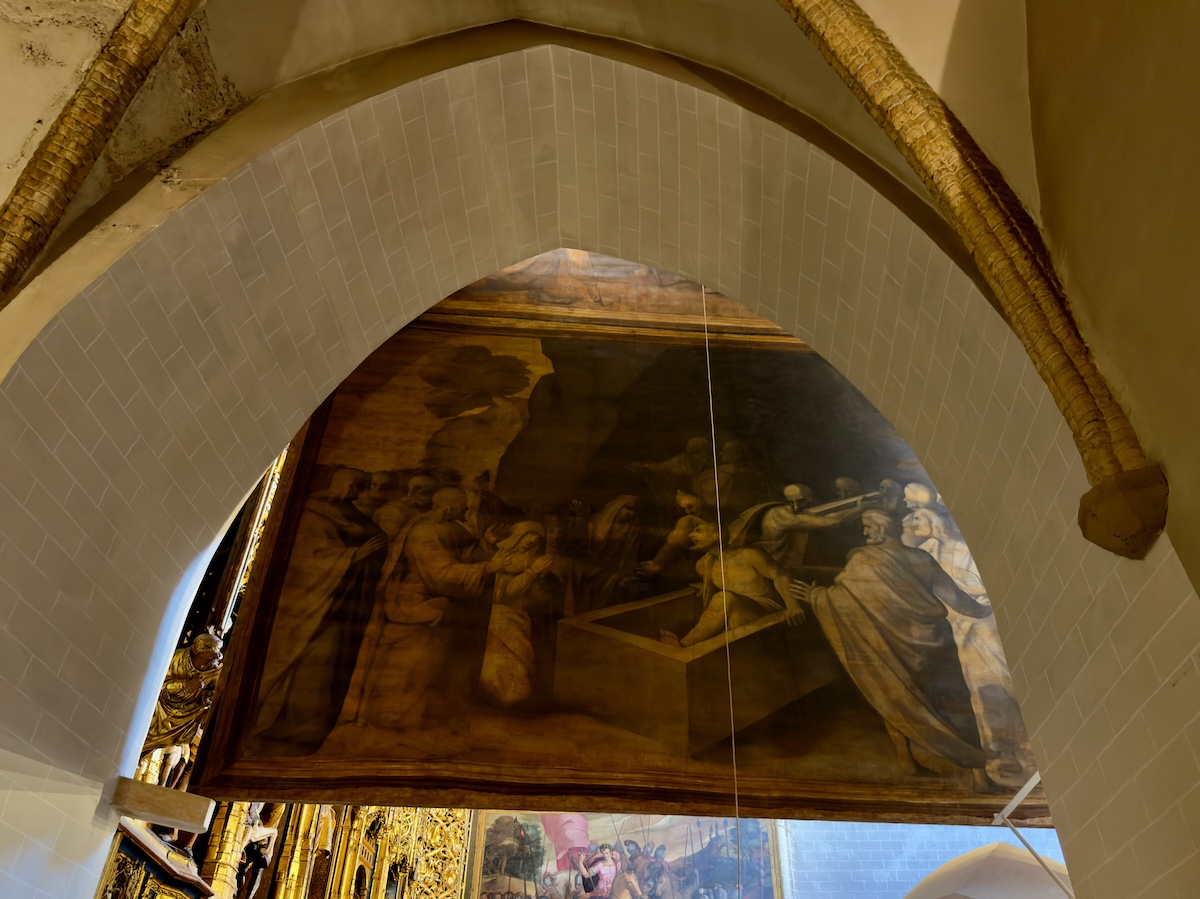
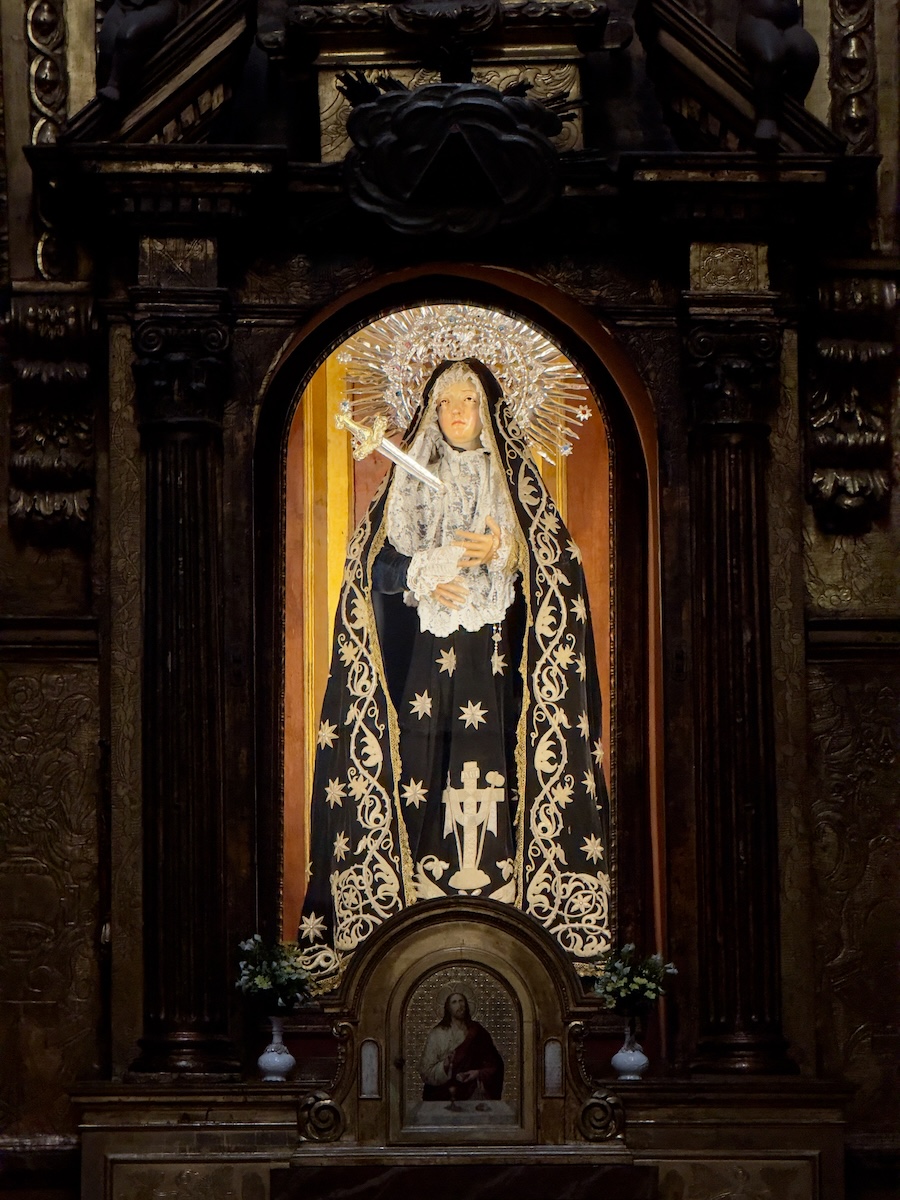
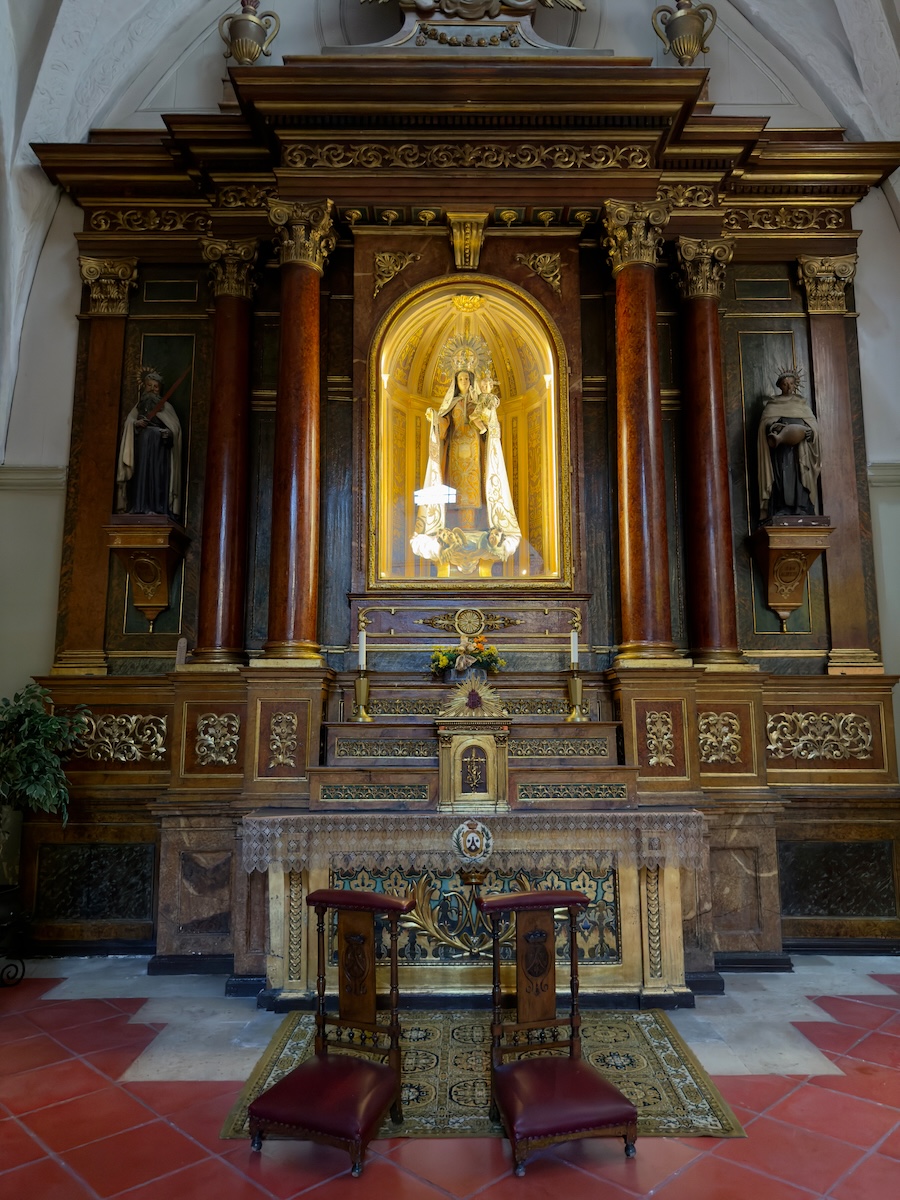
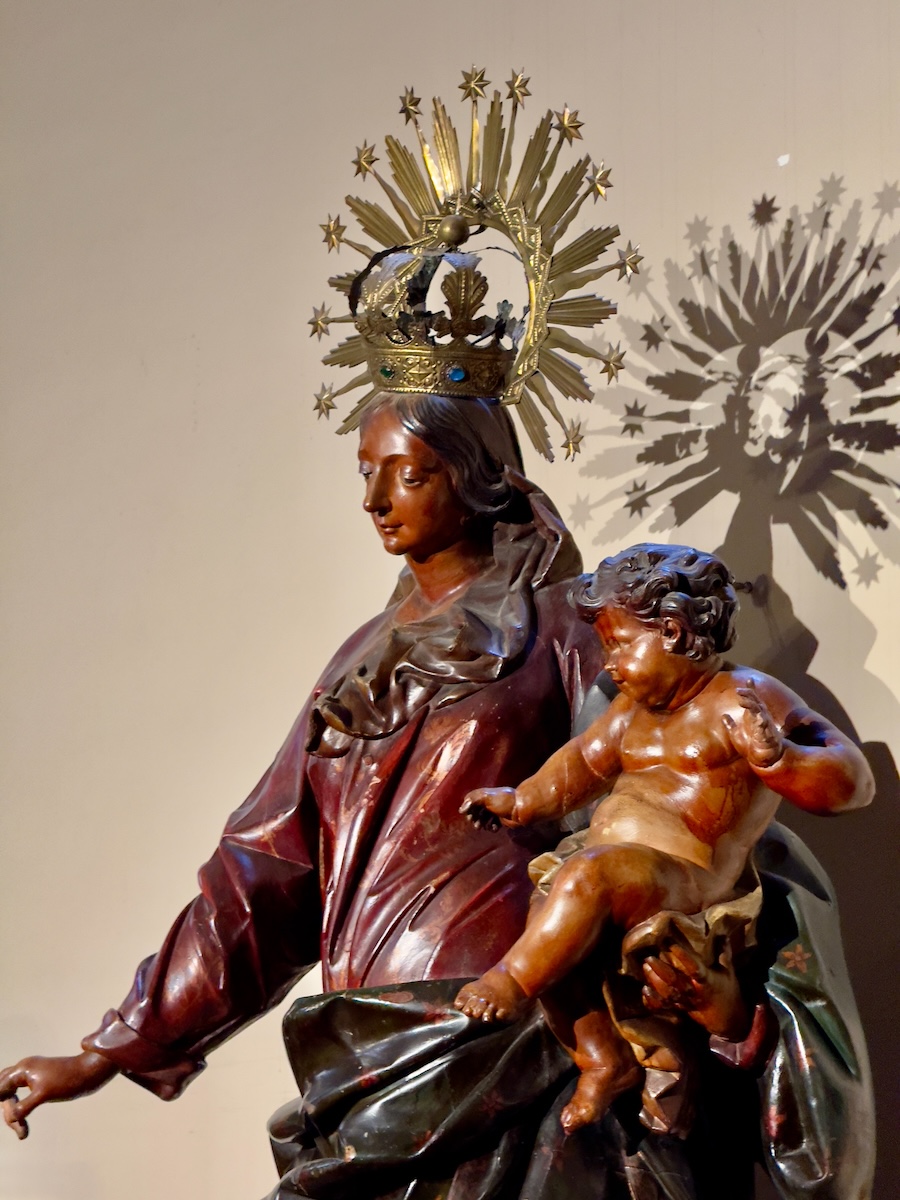
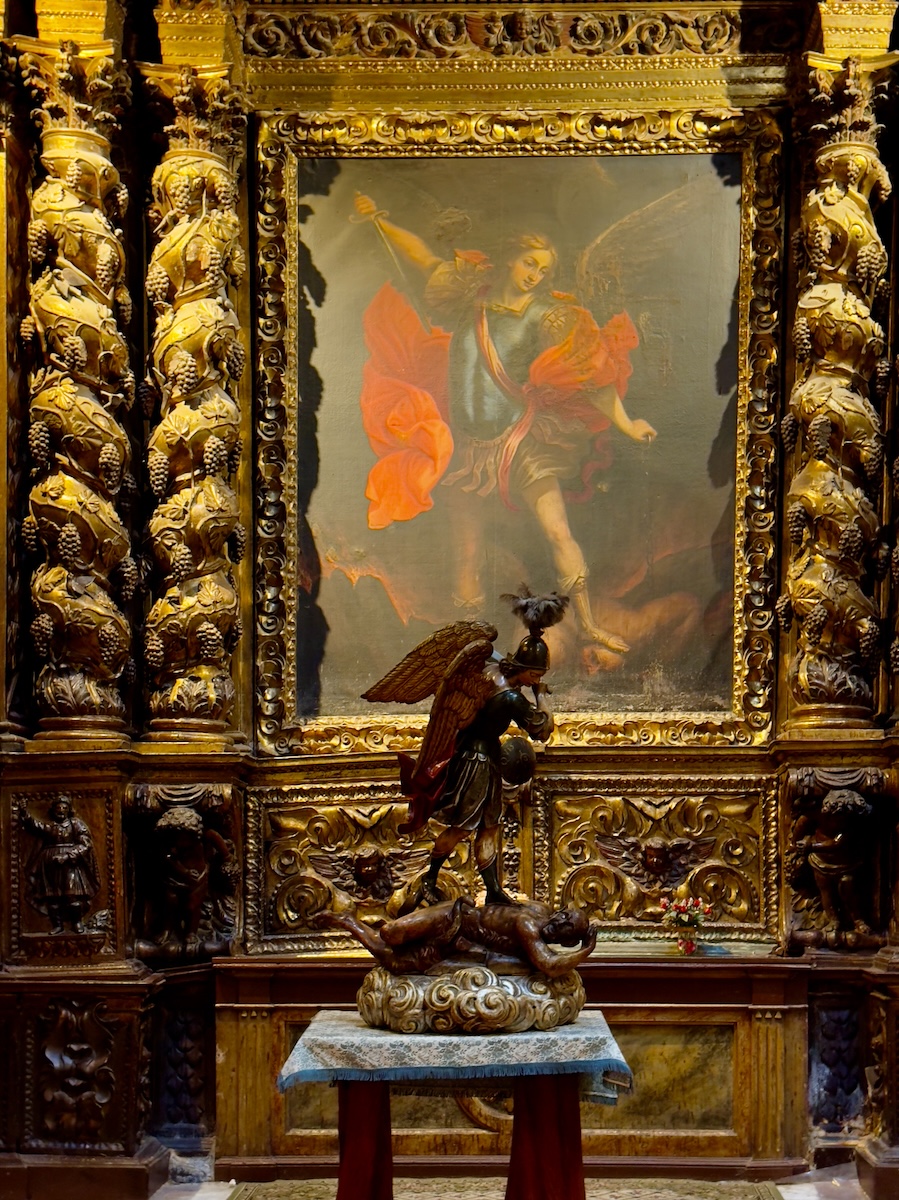
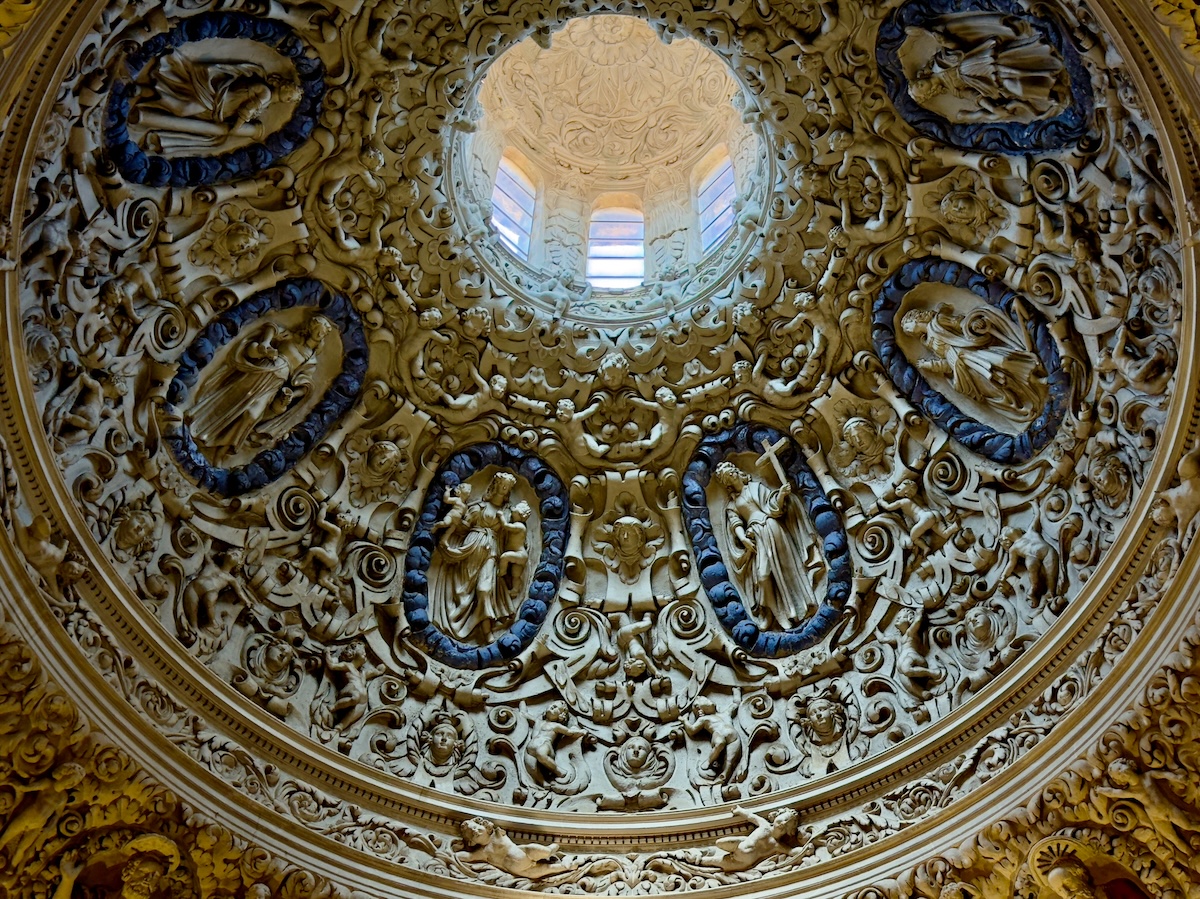
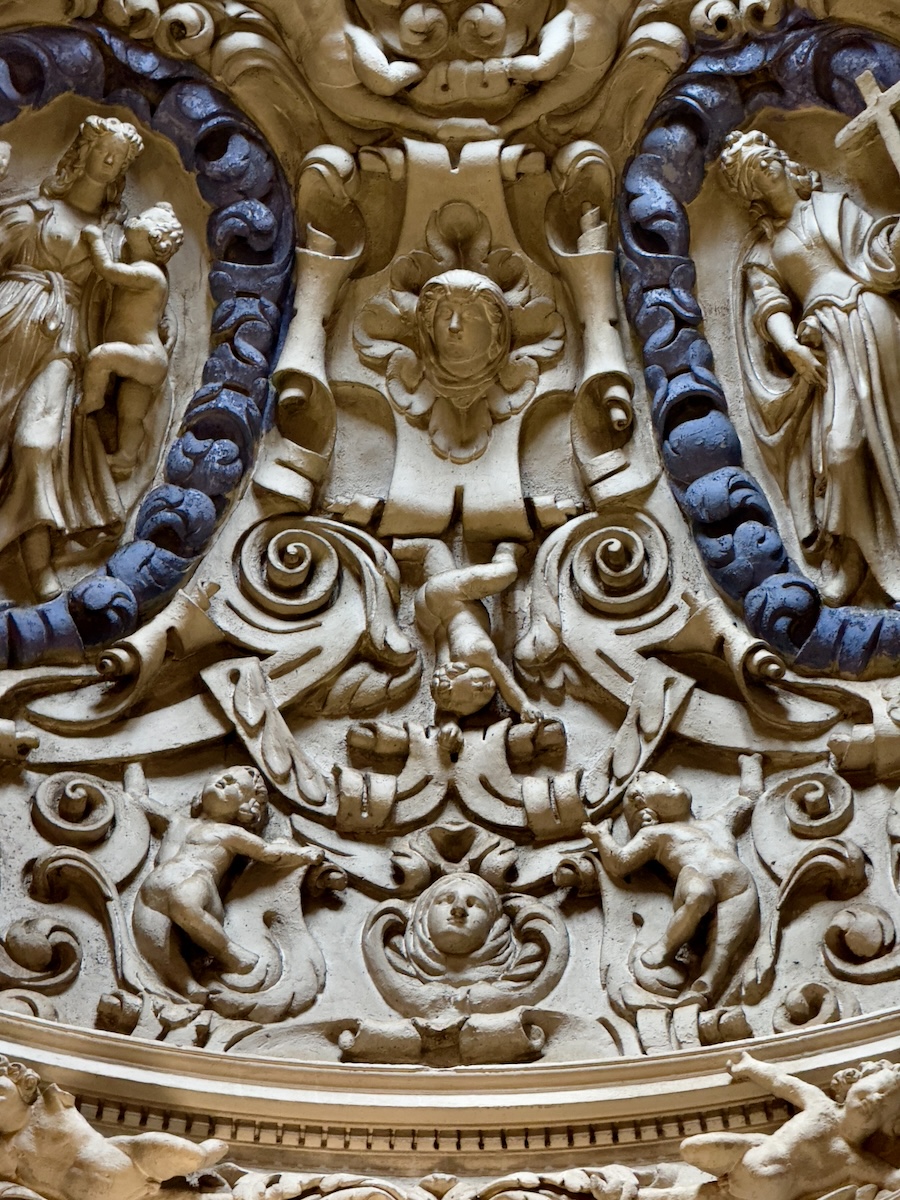
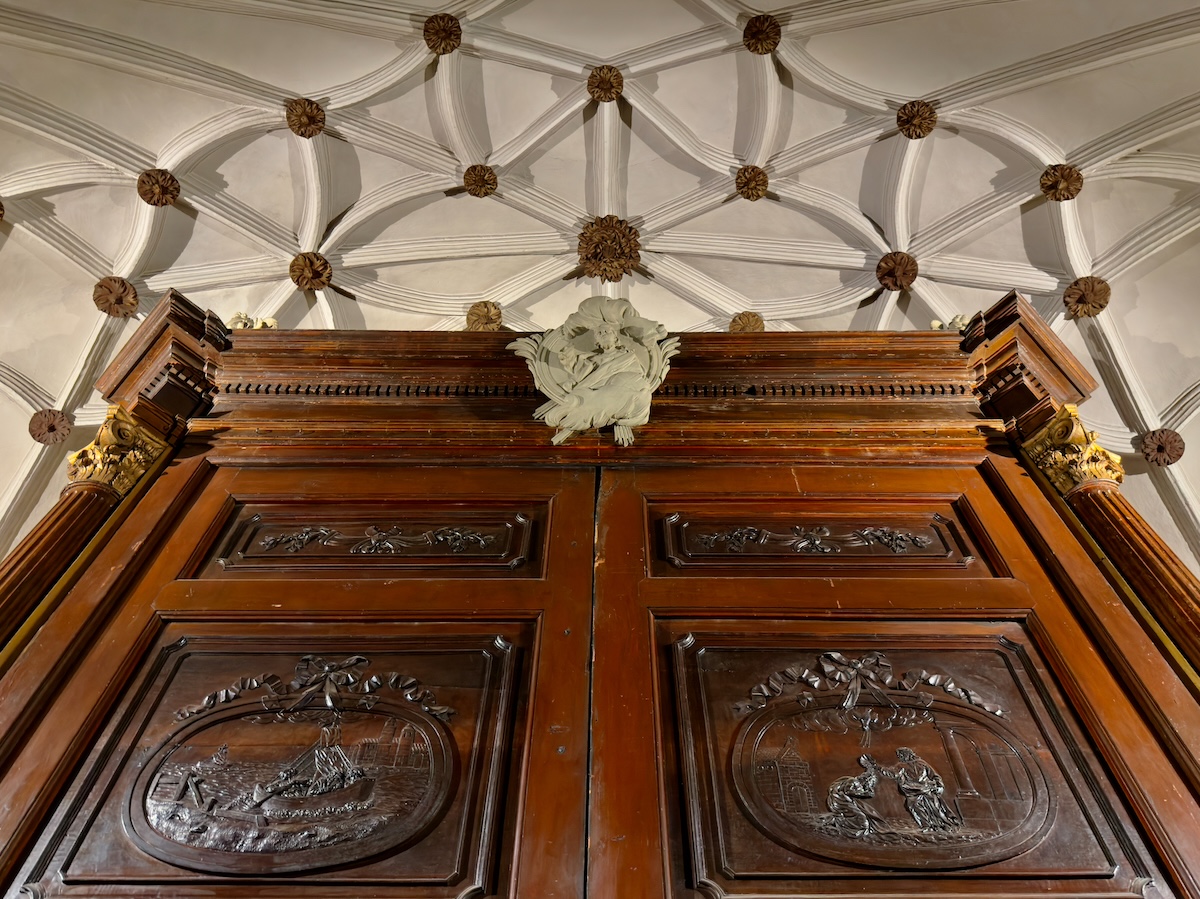
Side chapels press in from every available edge. Altarpieces change styles mid-sentence. Some feel wedged into place, as if the question wasn’t whether they belonged, but whether there was still room. Gothic gives way to Renaissance, then Baroque, then something quieter and later, with each layer answering a different need at a different time. Instead of a single visual argument, you get a long conversation about use and accommodation conducted over 700 years by people who didn’t feel obligated to agree with each other.
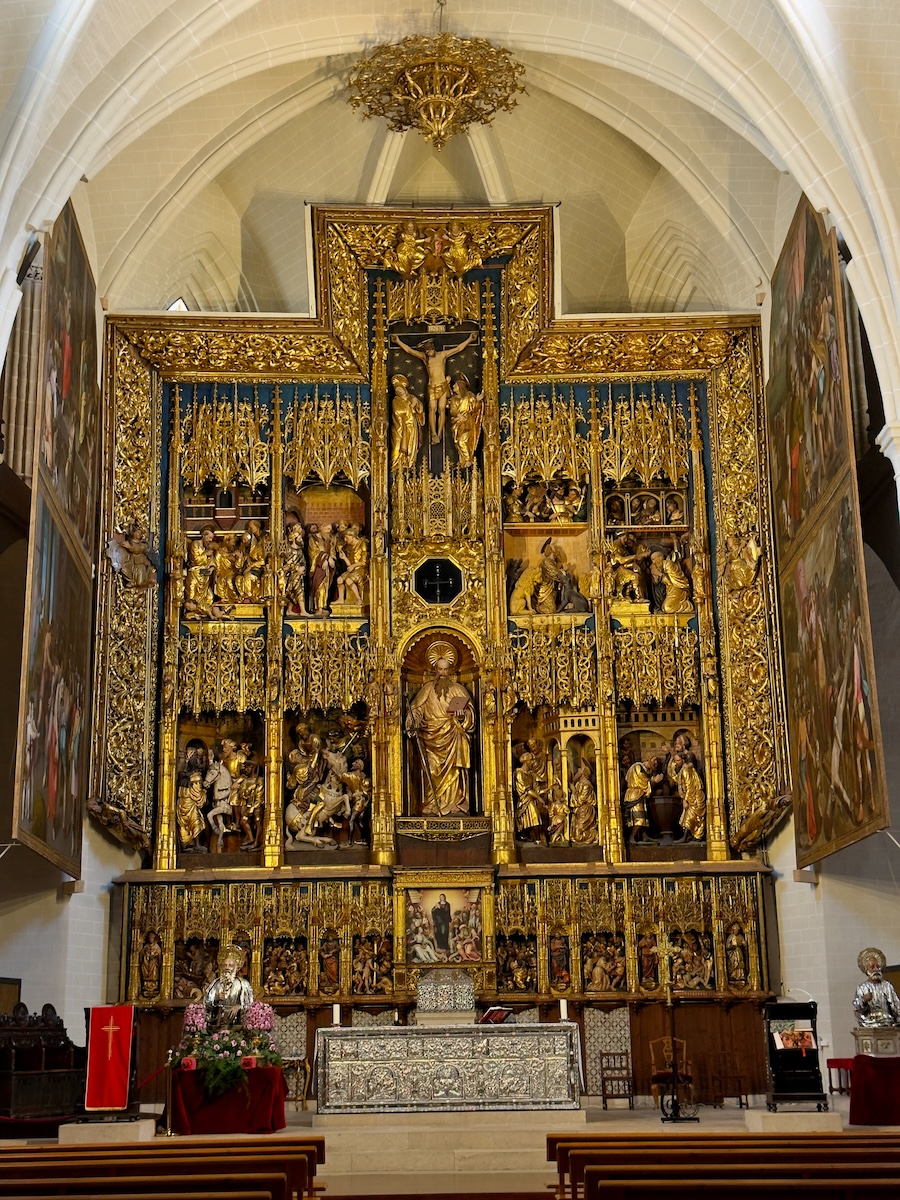
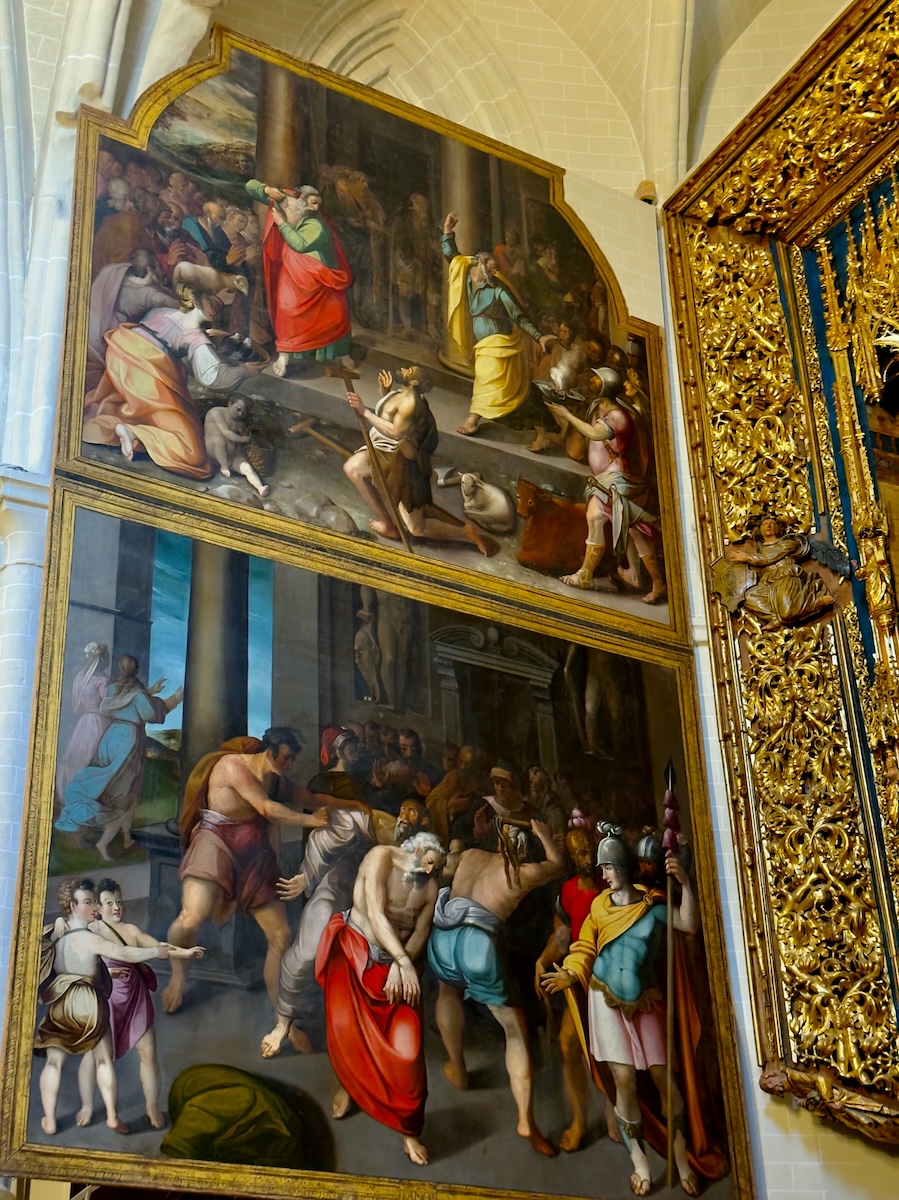
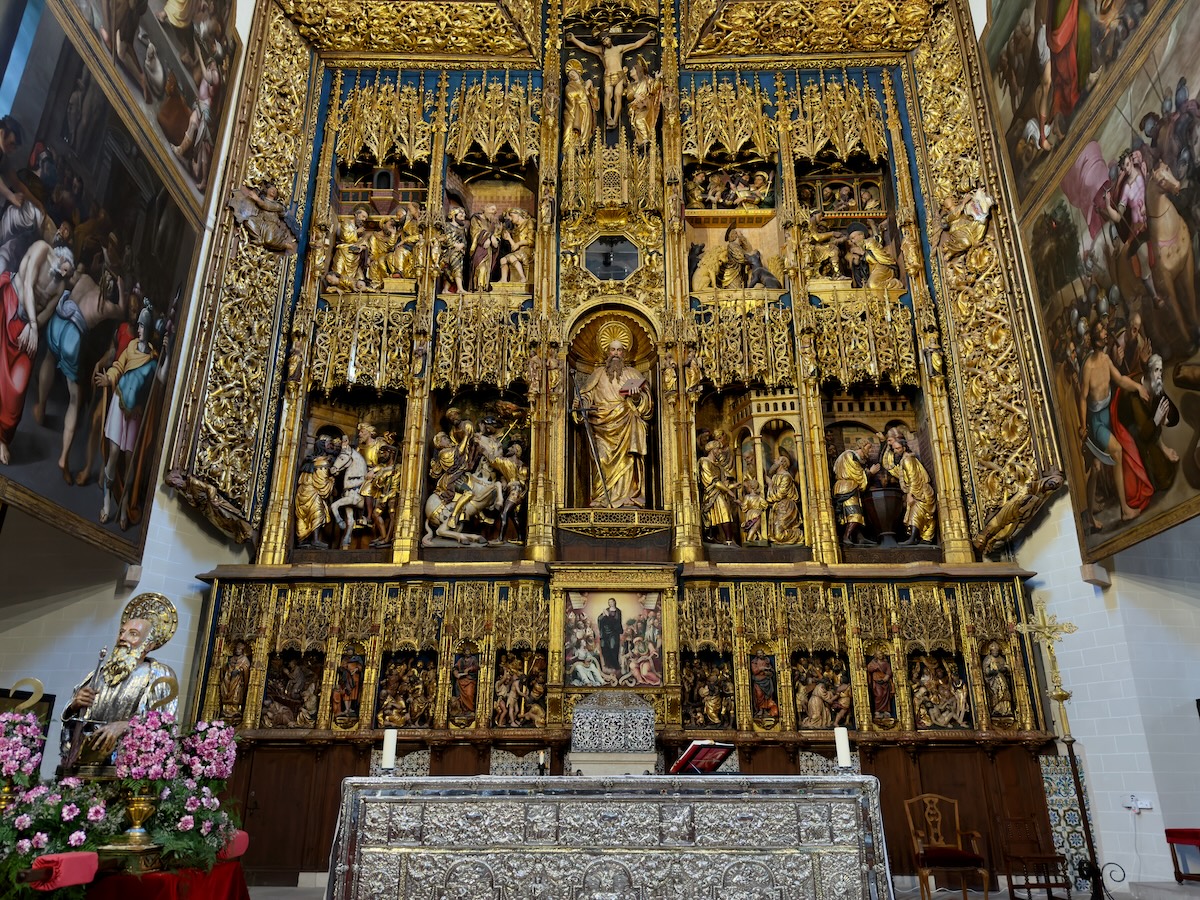
The main altarpiece, carved by Damián Forment in the early 16th century, sits at the center of it all. It’s enormous—combining Gothic intensity and Renaissance order—and narratively ambitious to the point of overconfidence. Scenes from the Passion of Christ share space with episodes from the life of St. Paul, as if the church decided early on that specialization was optional.
Some of those scenes are literally double-sided. The altarpiece has painted wings that open and close with the liturgical calendar, meaning certain images disappear for long stretches of the year. It’s less a fixed display than a working mechanism, adjusted as needed rather than curated for constant viewing. The craftsmanship is unmistakable, but what stuck with me was the scale of the expectation. This wasn’t meant to inspire quiet reflection. It was meant to compete—for attention, for memory, for relevance—in a crowded room full of people who already had other things on their minds.
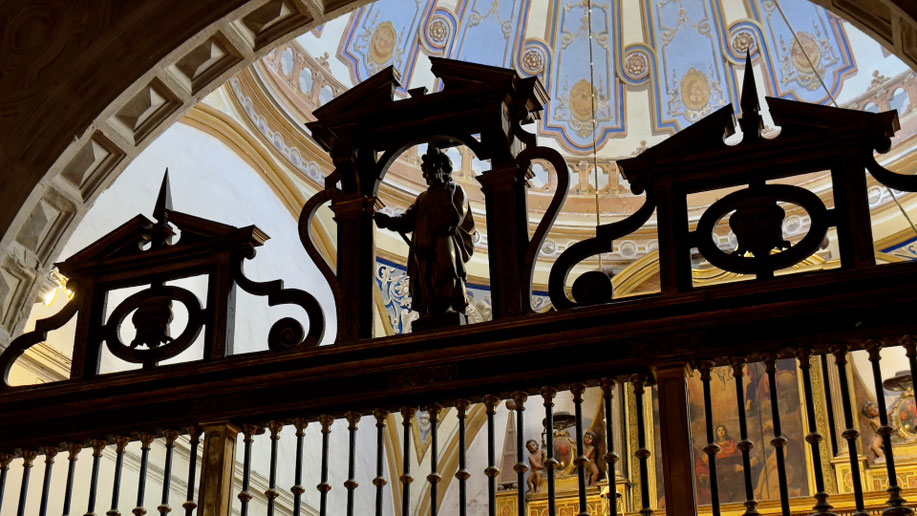
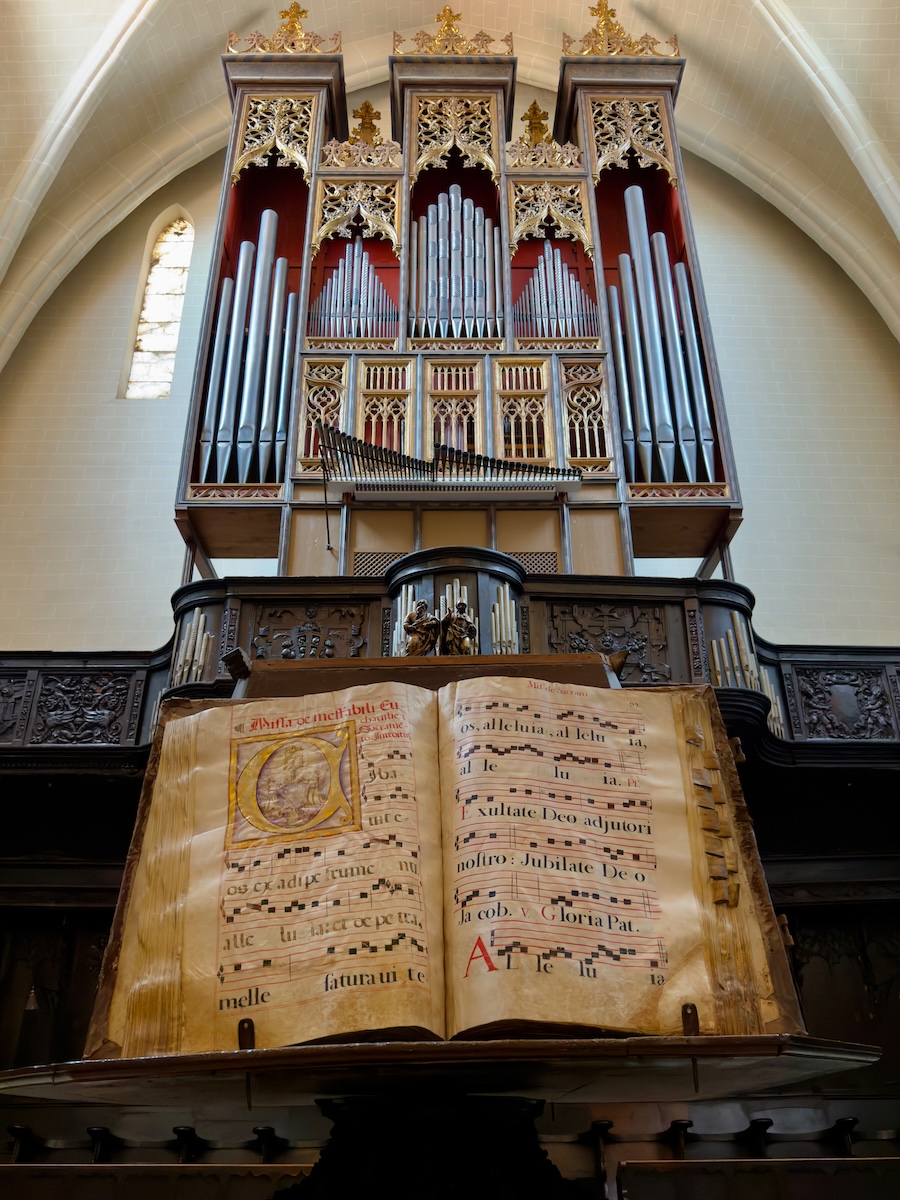
Quieter is the choir area. The grille was gilded by José de Goya—Francisco Goya’s father—an unremarked detail that feels almost unfair if you don’t notice it. Nearby, the organ dates back to the late 15th century and has been played continuously ever since. Never restored, never revived. Just played. That continuity illustrates the difference between preservation and use, and San Pablo is clear about which one it prefers.
Which brings up my question about whether this is still an active church. The answer is…sort of. It functions as a parish, hosts guided visits, manages its heritage responsibly, and still stages processions led by the hook. It’s neither frozen nor fully devotional, which makes it feel more honest than sites that try too hard to be one thing at a time. The hook still leads church processions through the streets today, even though it’s no longer technically necessary for clearing the path. Which is either a powerful act of continuity or simply a reminder that bureaucracy rarely changes once something is deemed to work “good enough.”
Stepping back outside, the building makes more sense after figuring out the interior. Walk around it, and the irregular footprint reveals itself—extensions grafted on, portals added when needed, the tower holding its ground. This isn’t a church that performs. It doesn’t frame itself for photos or beg for reverence. It’s here because it always has been, because people kept showing up, and because no one ever saw a good enough reason to replace it with something trendier.
San Pablo rewards effort, not attention. You don’t stumble across it. You choose it. And in a city that already has plenty to show you if you stay on the obvious paths, that choice feels quietly radical. We left with sore feet, fewer photos than usual, and the kind of satisfaction that comes from seeing something that didn’t need us—but let us in anyway.






Write a comment