
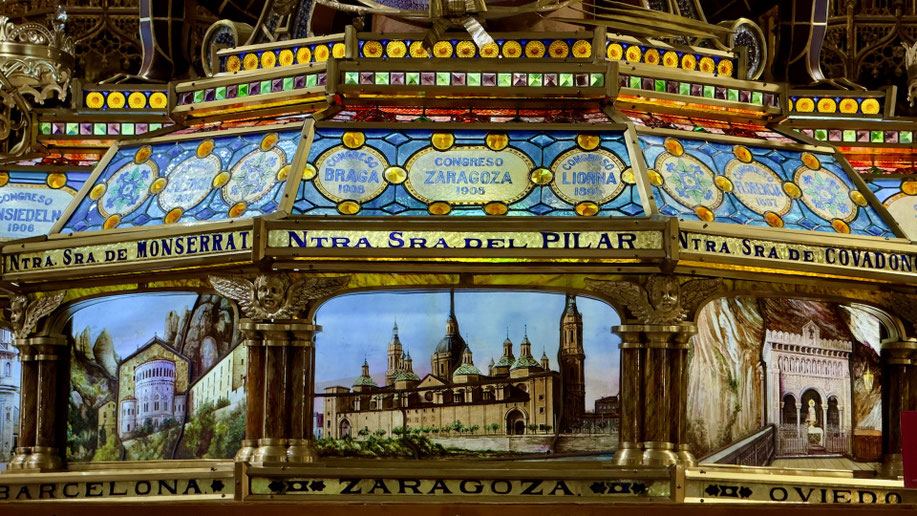
We expected a museum of stained glass. You know—windows, panels, the usual upright, immobile kind of stained glass.
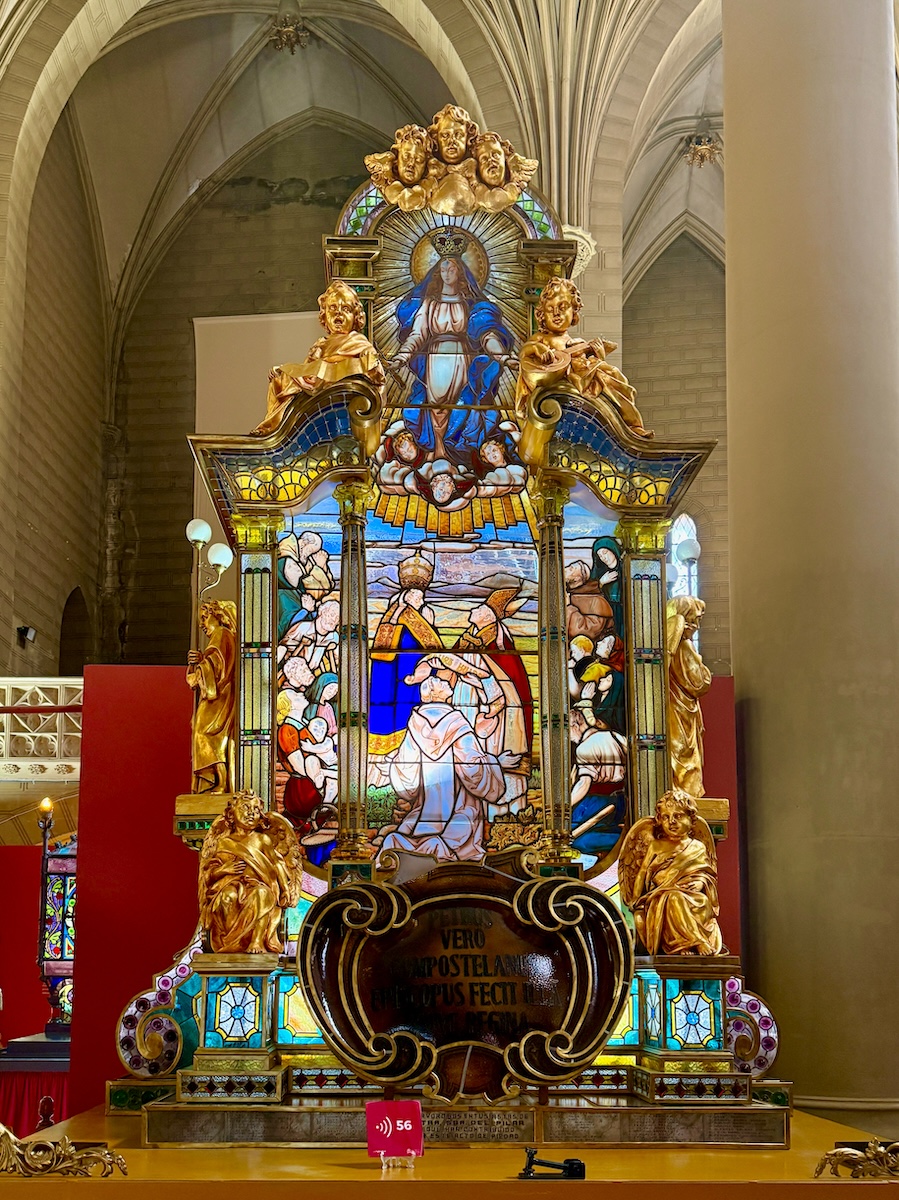
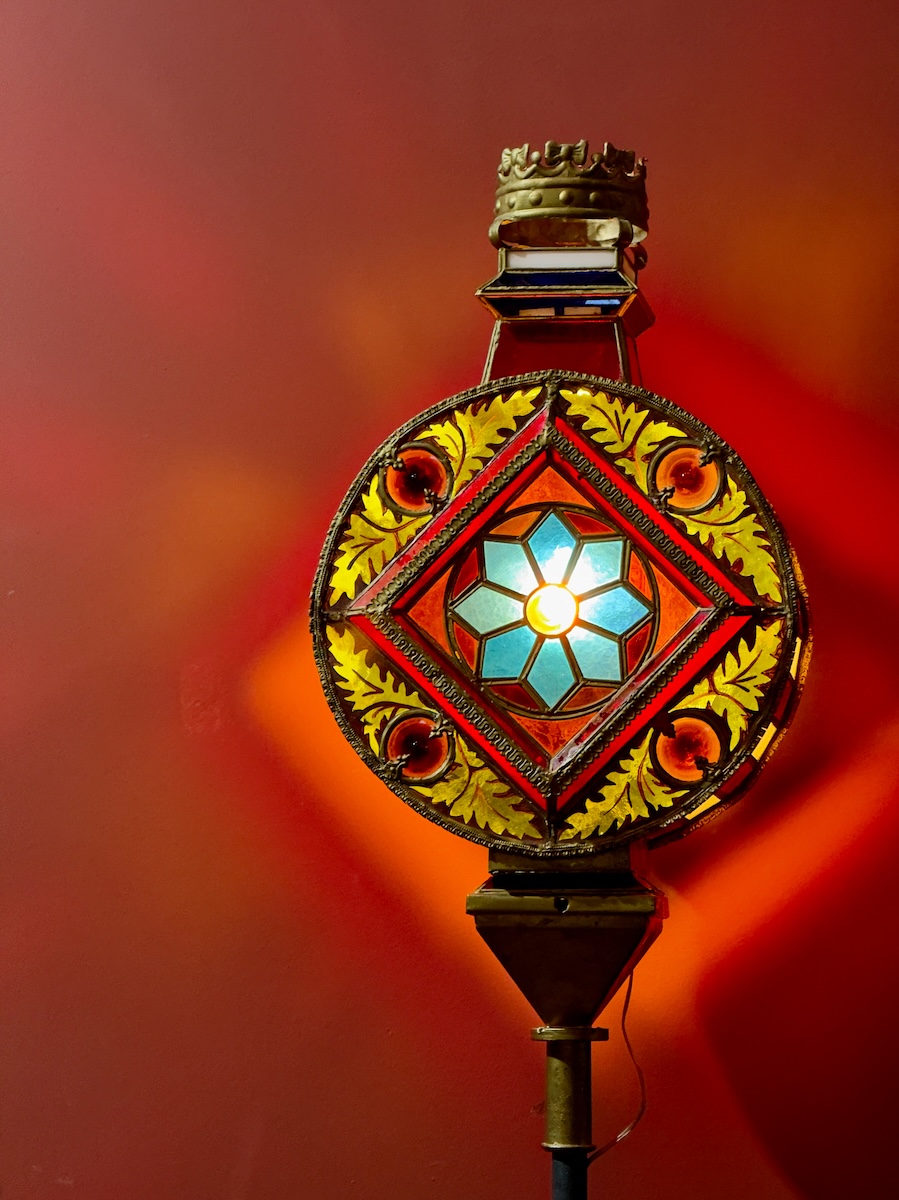
Instead, Zaragoza’s Museo de Faroles is home to hundreds of glass lanterns and floats that clearly have places to be and things to do—just not today. Lanterns arranged in ranks. Floats made of brightly colored glass, parked nose-to-tail.
The museum occupies a beautiful Gothic Revival church that has fallen out of the habit (pun intended). The Iglesia del Sagrado Corazón de Jesús, on Plaza de San Pedro Nolasco, isn’t abandoned or desacralized—just reassigned. The architecture still does all the expected church-y things: height, symmetry, seriousness. But inside, the pews have been removed and replaced by illuminated faroles waiting for their once-a-year moment—the Rosario de Cristal.
We hadn’t come expecting any of this. In June, without crowds or ceremony, the place reads less like a shrine and more like the world’s most exclusive storage unit. Everything is organized, wired, labeled, and ready. Not reverently displayed. Staged. As if someone is waiting for a very specific phone call and wants to be able to say, “Yeah, give me a minute—we’re already set.”
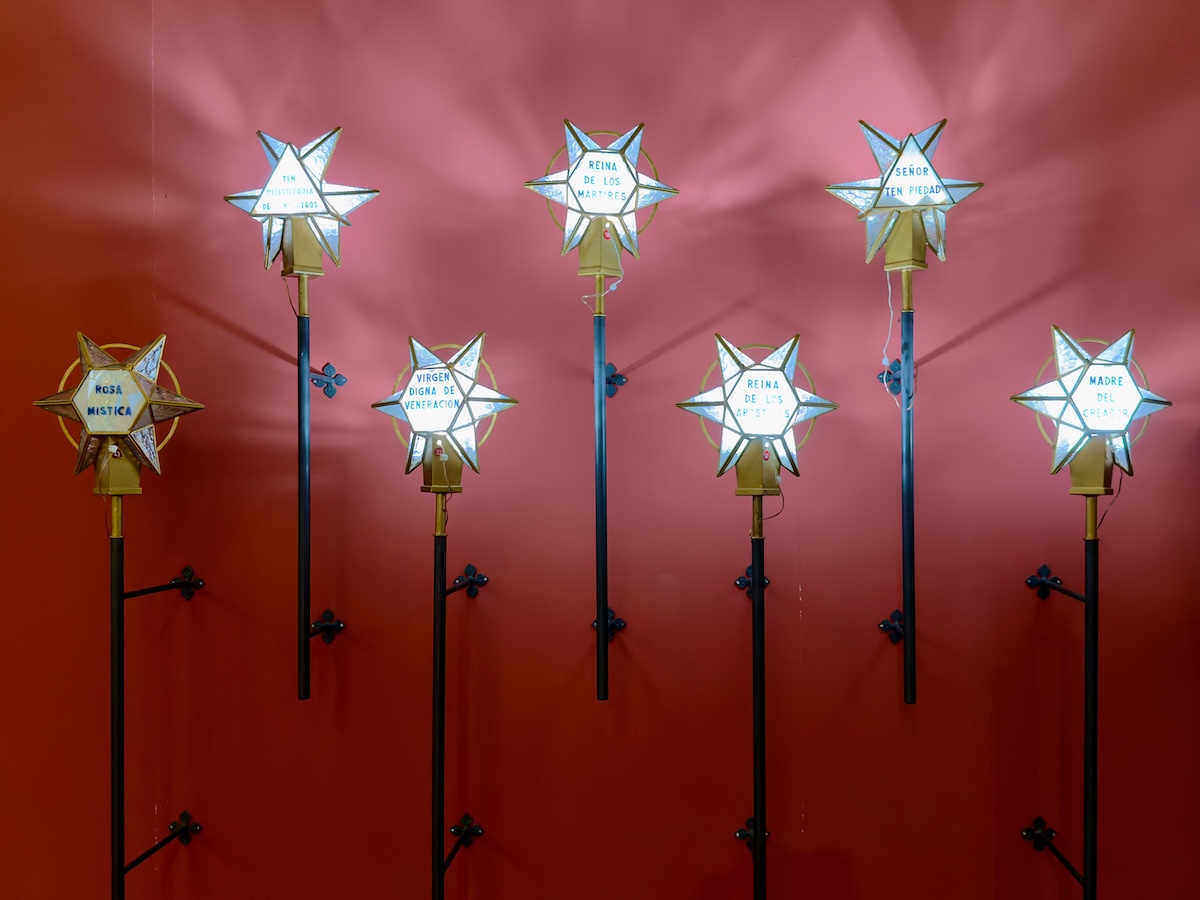
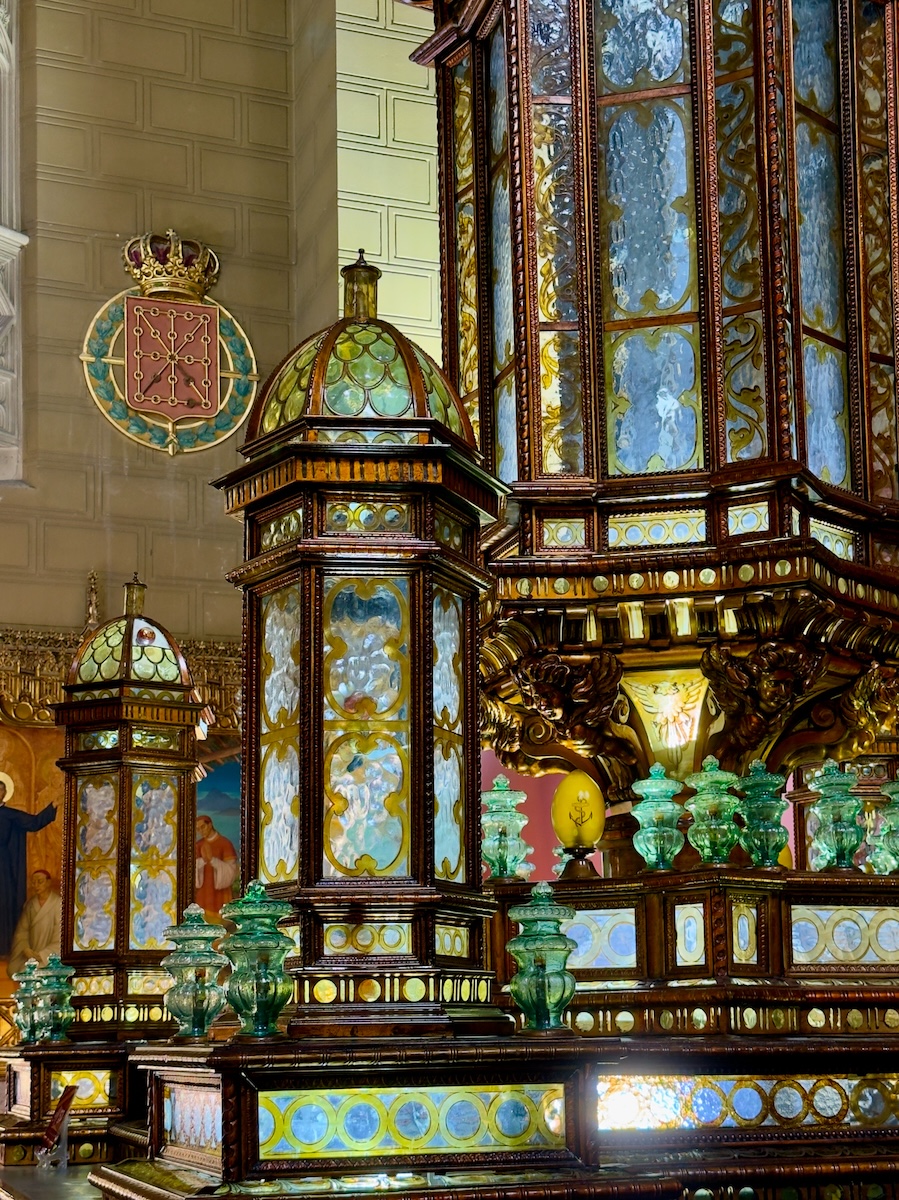
The faroles are arranged in processional order, and that detail matters. They’re not objects that were designed to be contemplated up close or admired in isolation. They were built to parade through narrow streets every year on the night of October 13, surrounded by Zaragozans who already know what each lantern represents.
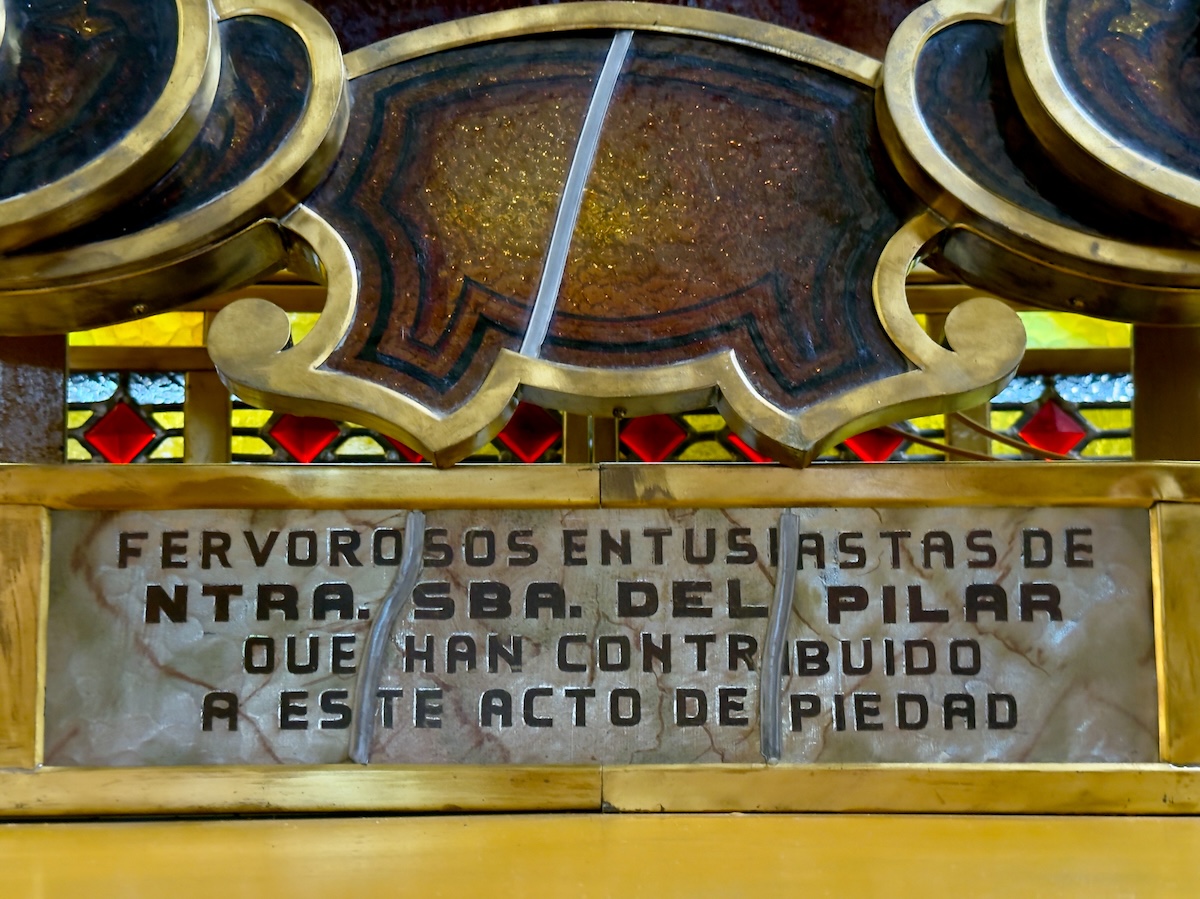
The Rosario de Cristal procession dates back to the end of the 19th century, when the city was feeling especially devout and ambitious. In 1889, the Brotherhood of the Blessed Rosary of Our Lady of the Pillar decided the standard rosary procession devoted to the Virgen del Pilar needed…more. More clarity. More spectacle. More glass. Just so much more.
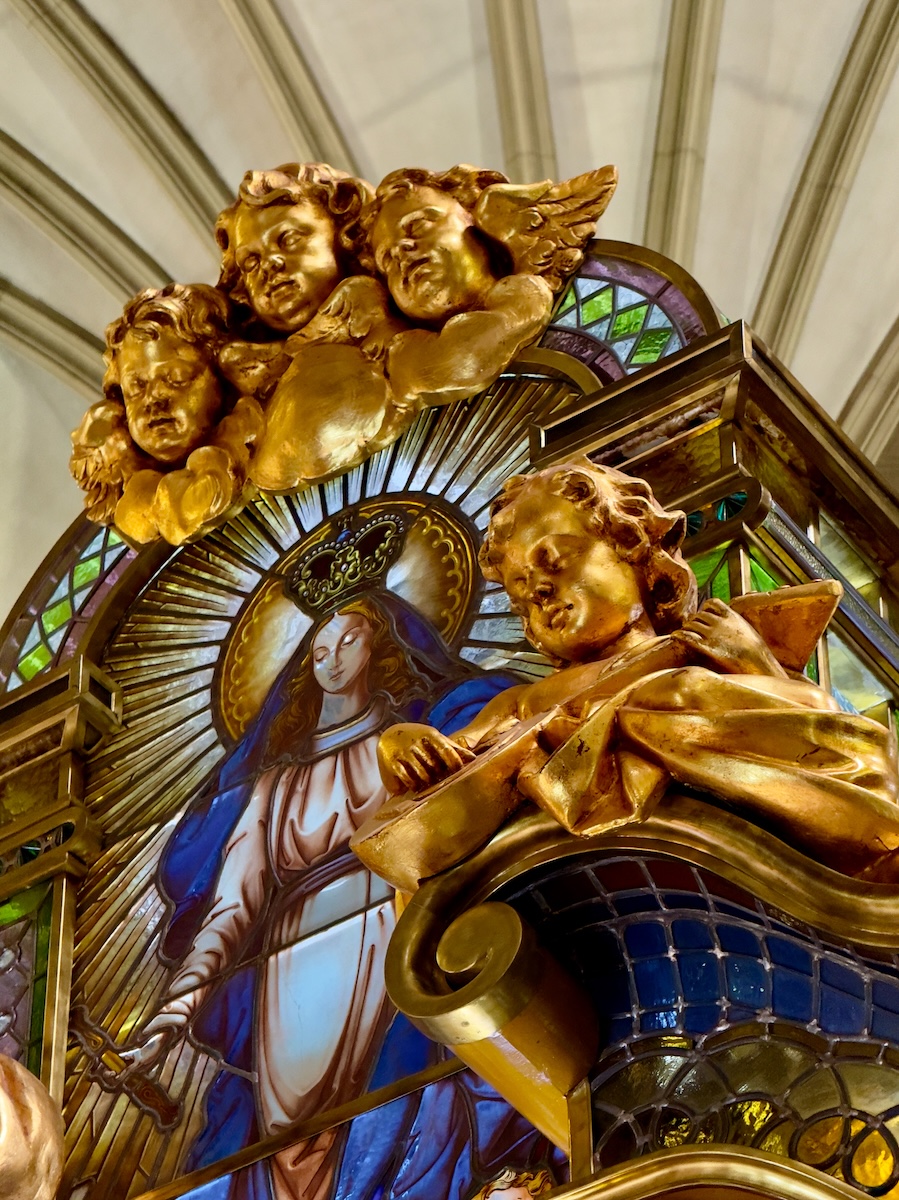
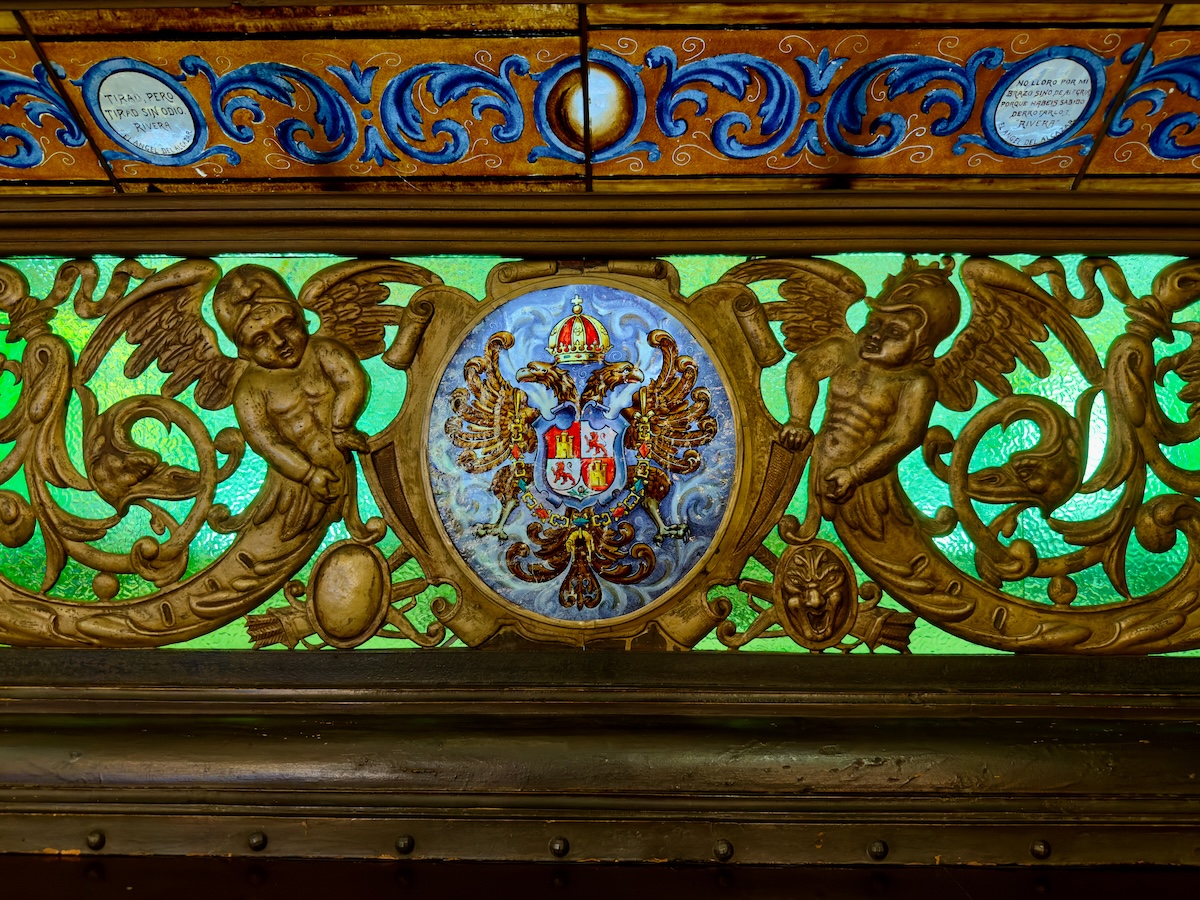
The faroles’ original designs were overseen by city architect Ricardo Magdalena, and they were constructed by master craftsman León Quintana. This was not folk art dashed off between festivals. It was a civic project, engineered and executed with confidence. The magnificent faroles gave the prayer units of the rosary physical, illuminated form.
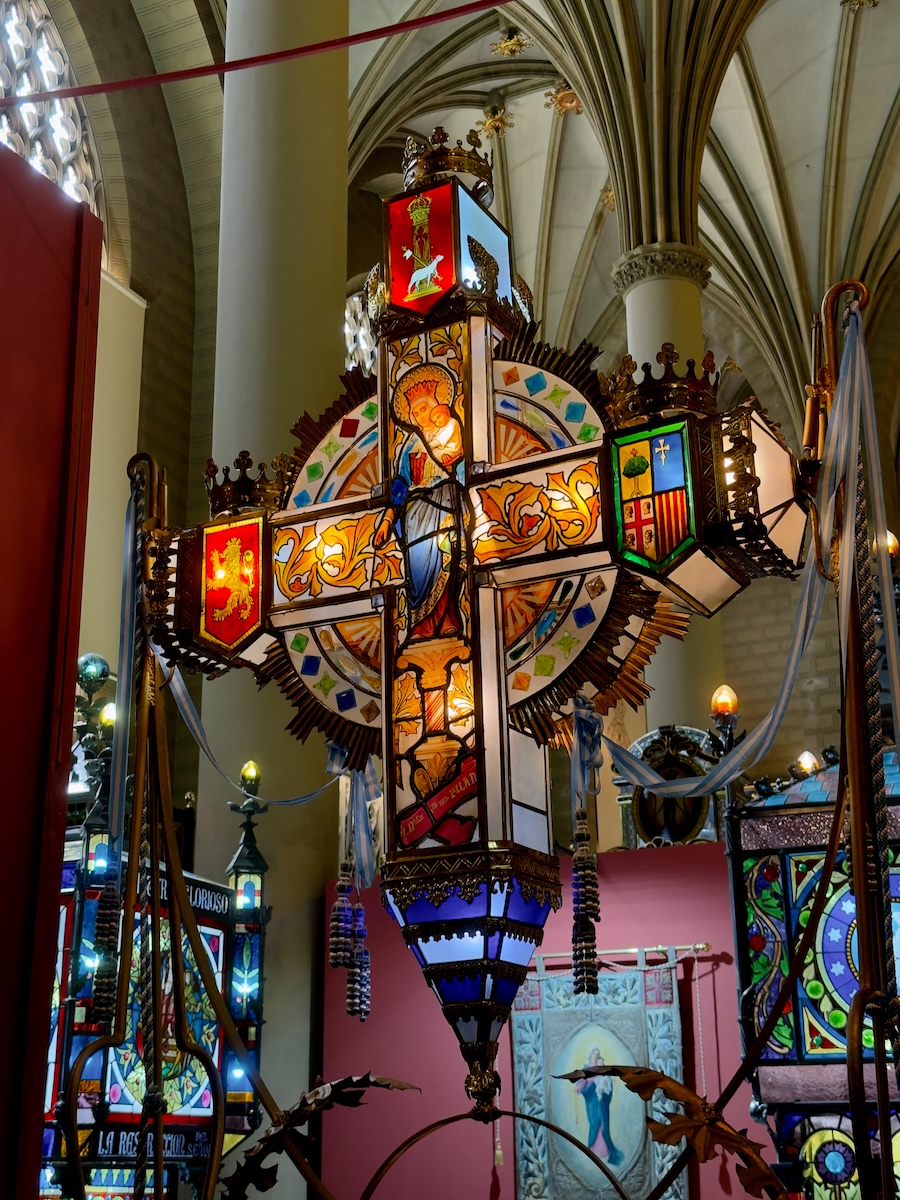
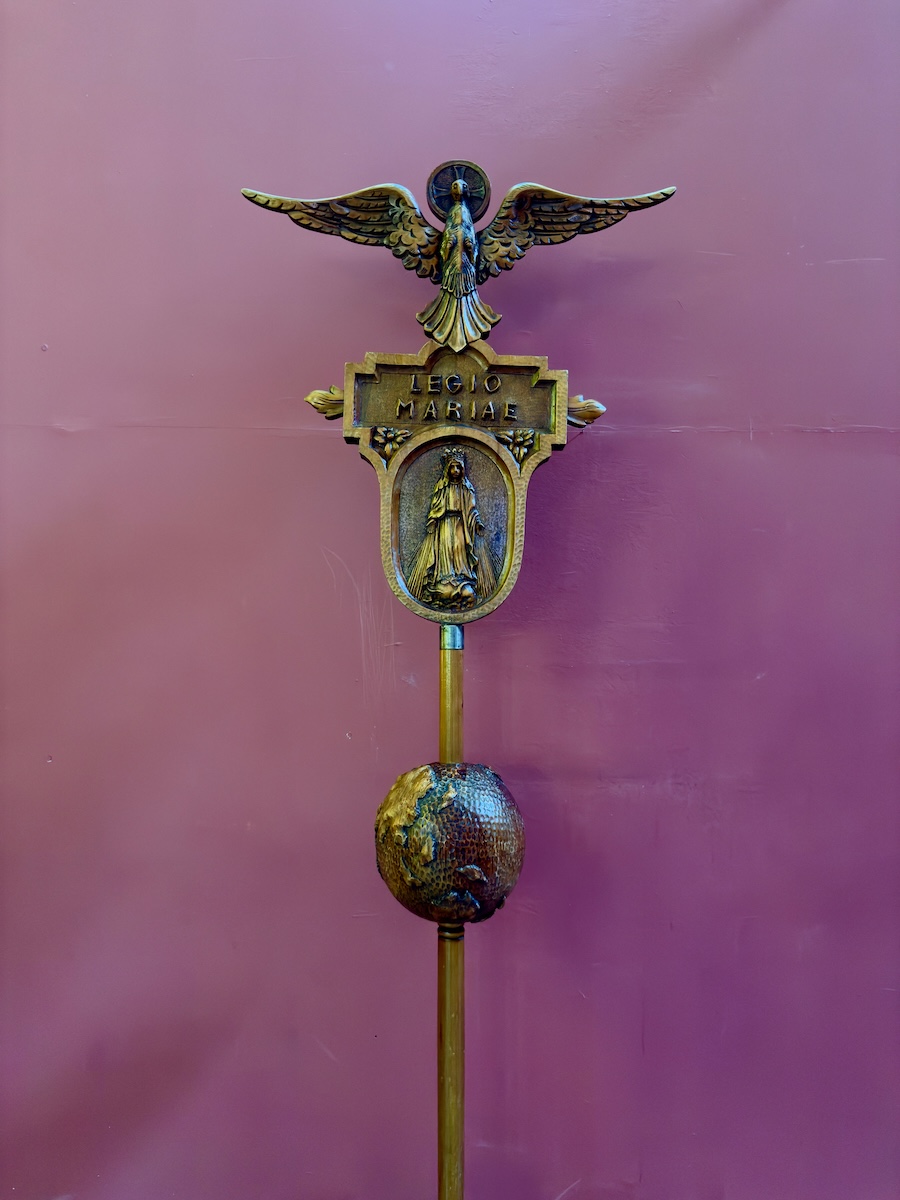
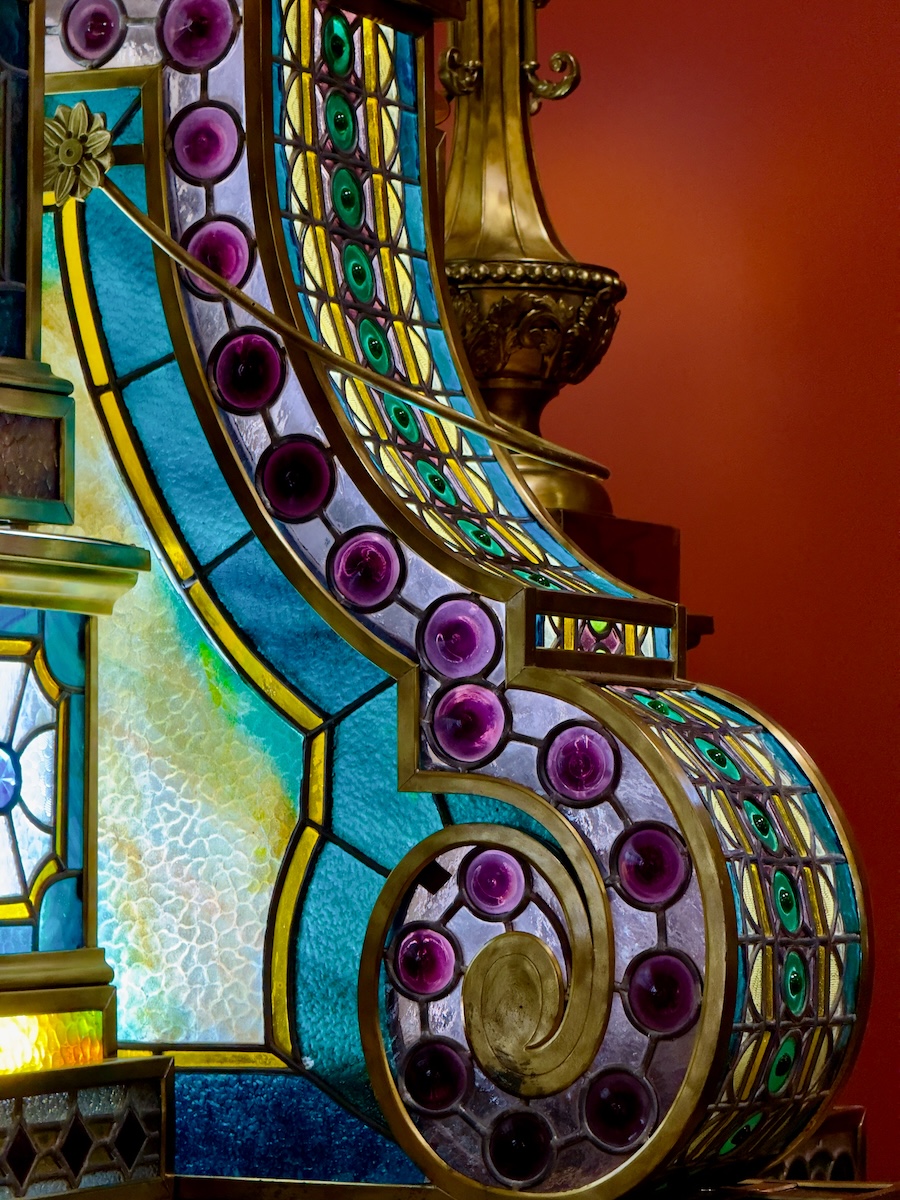
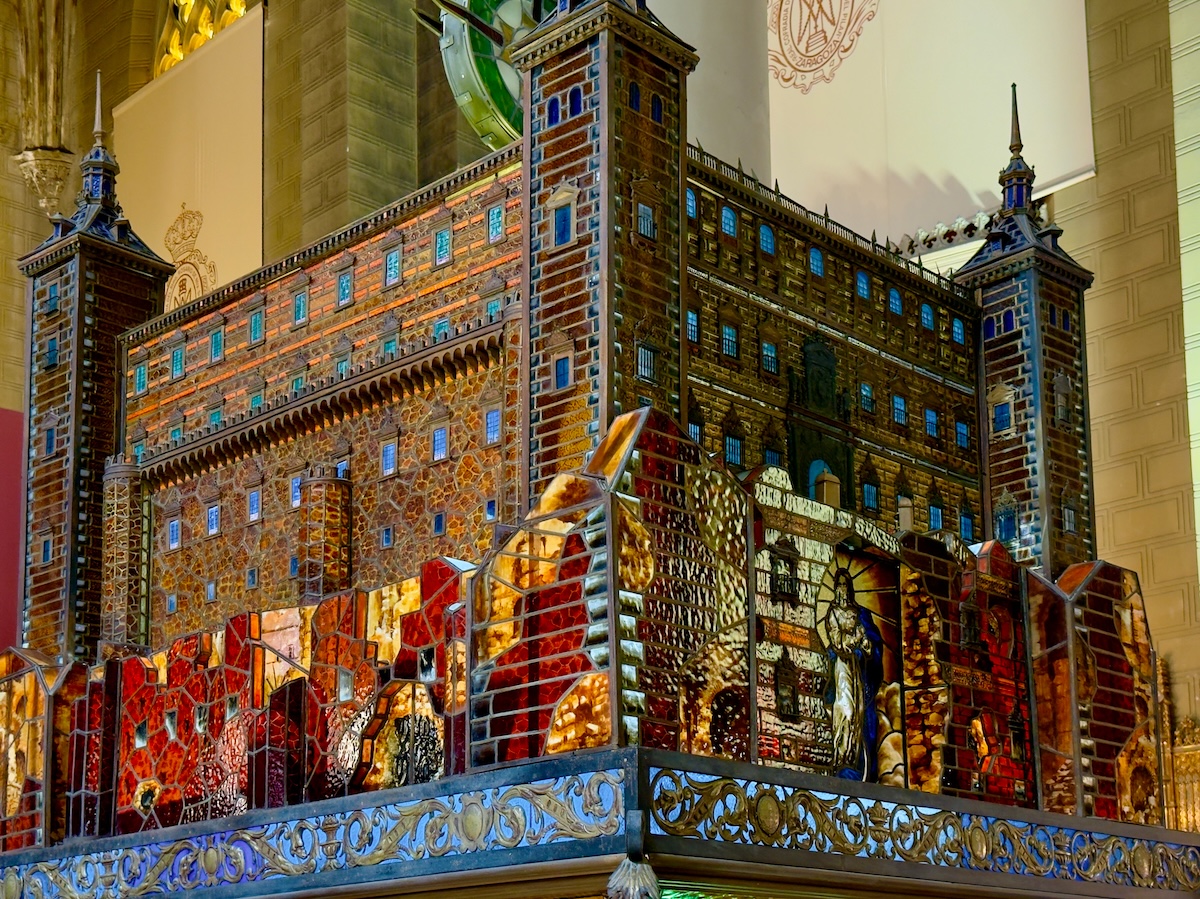
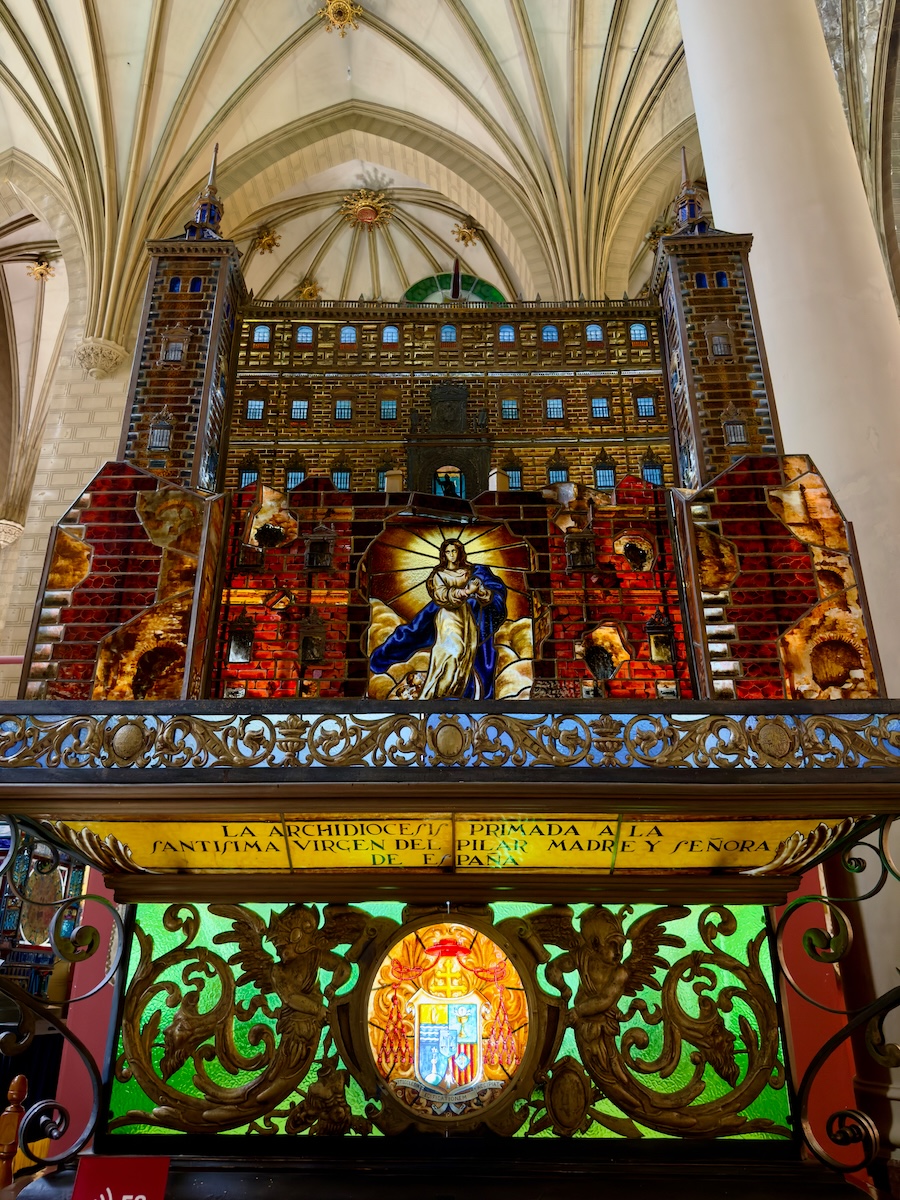
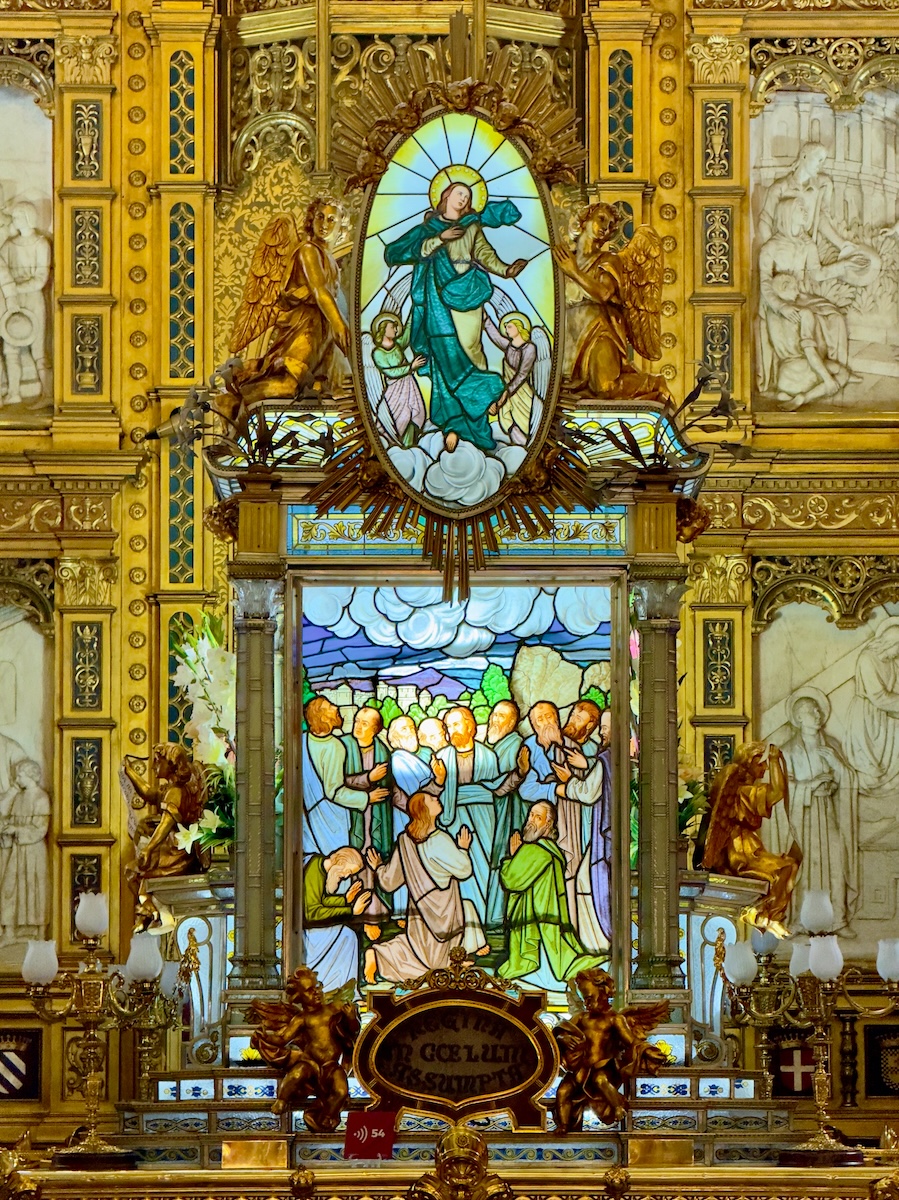
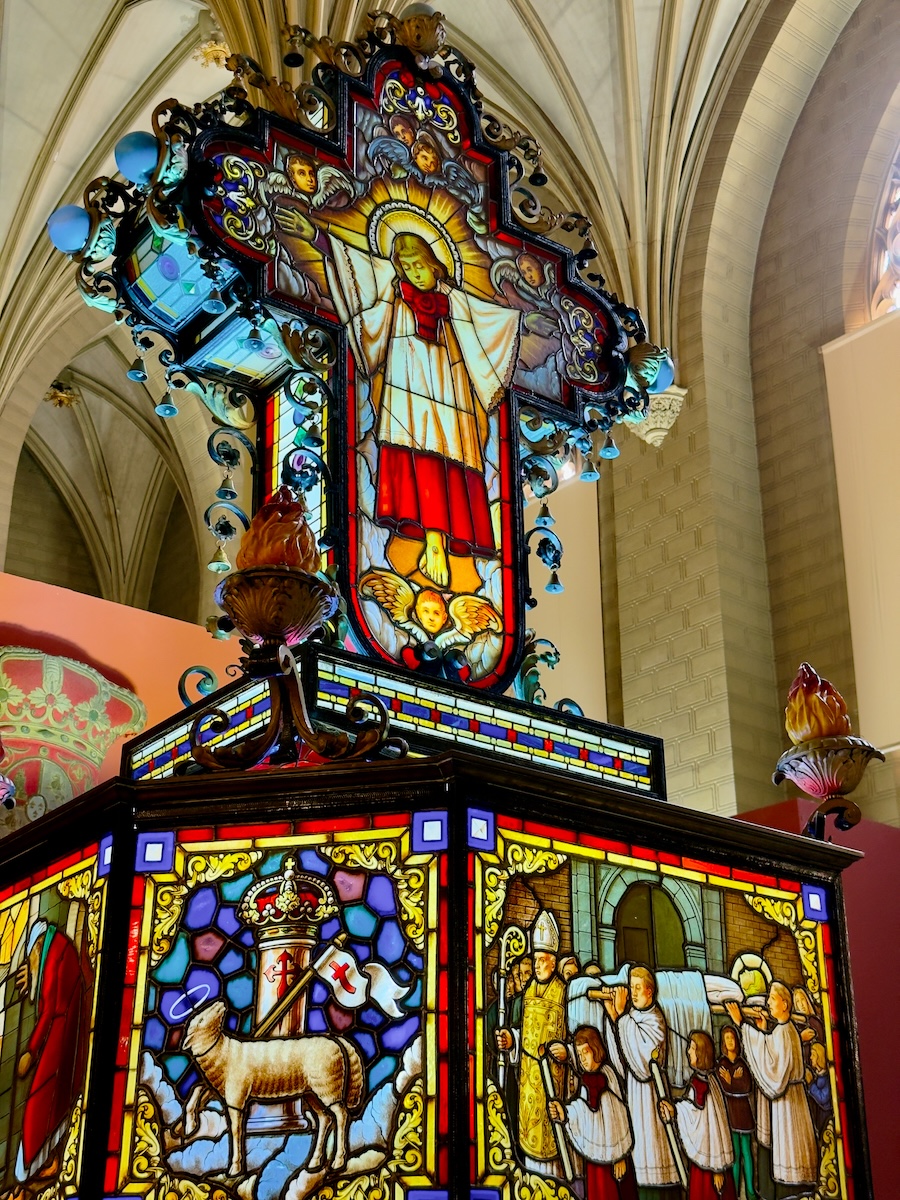
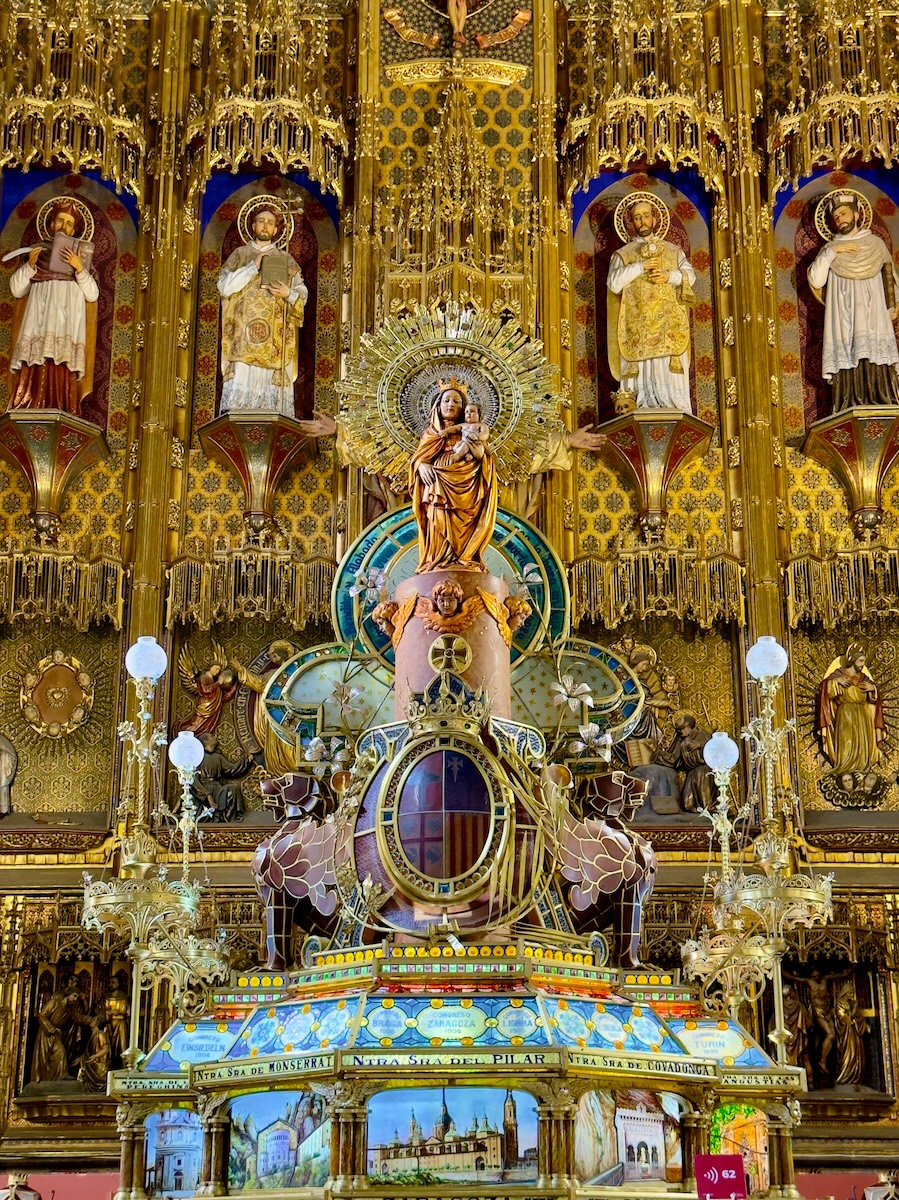
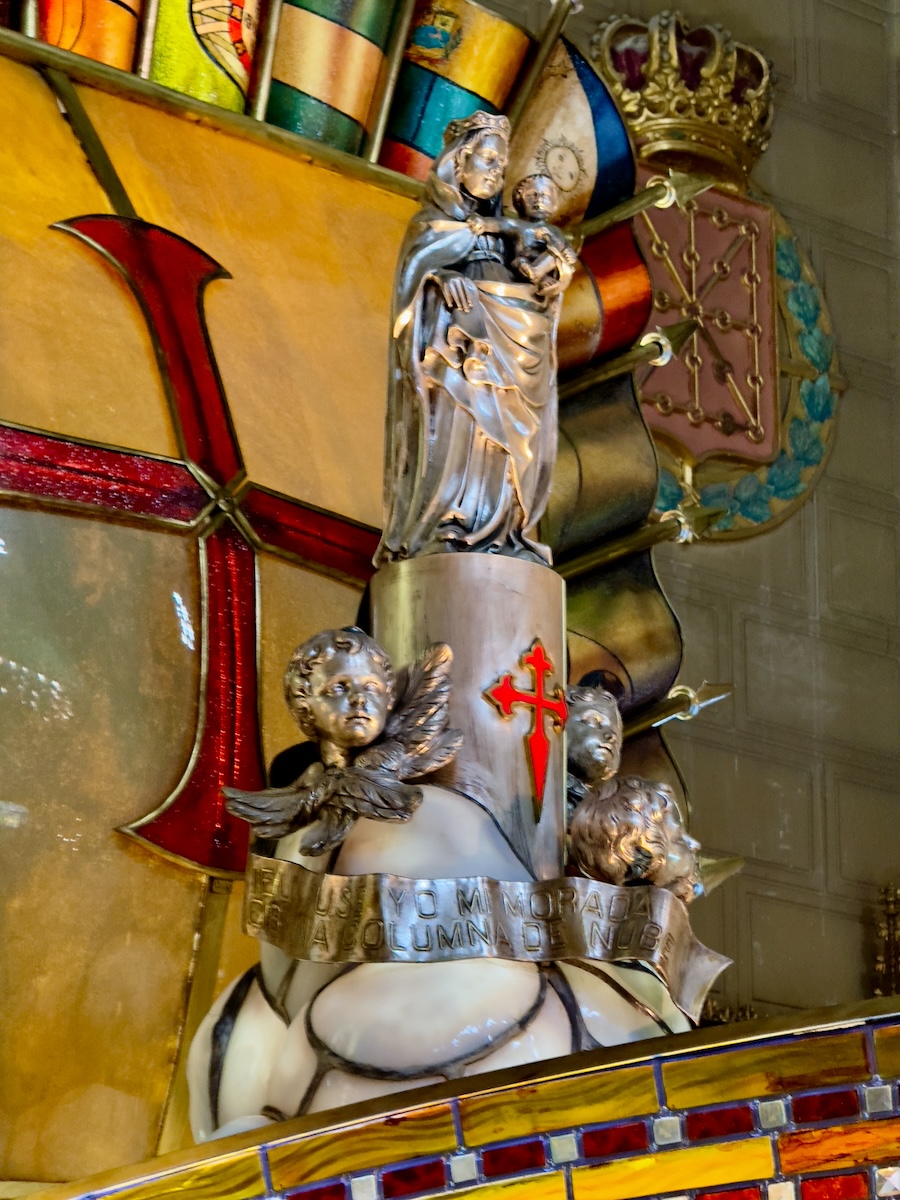
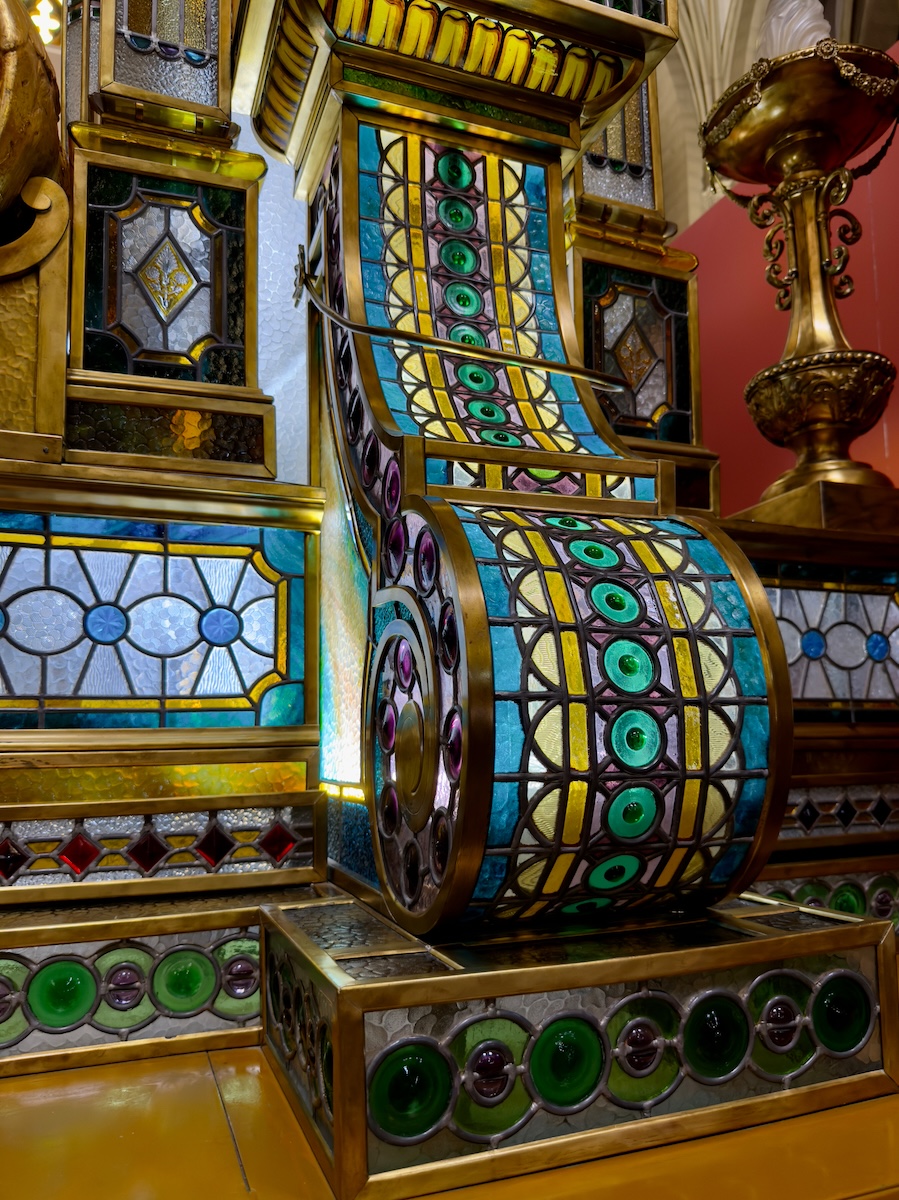
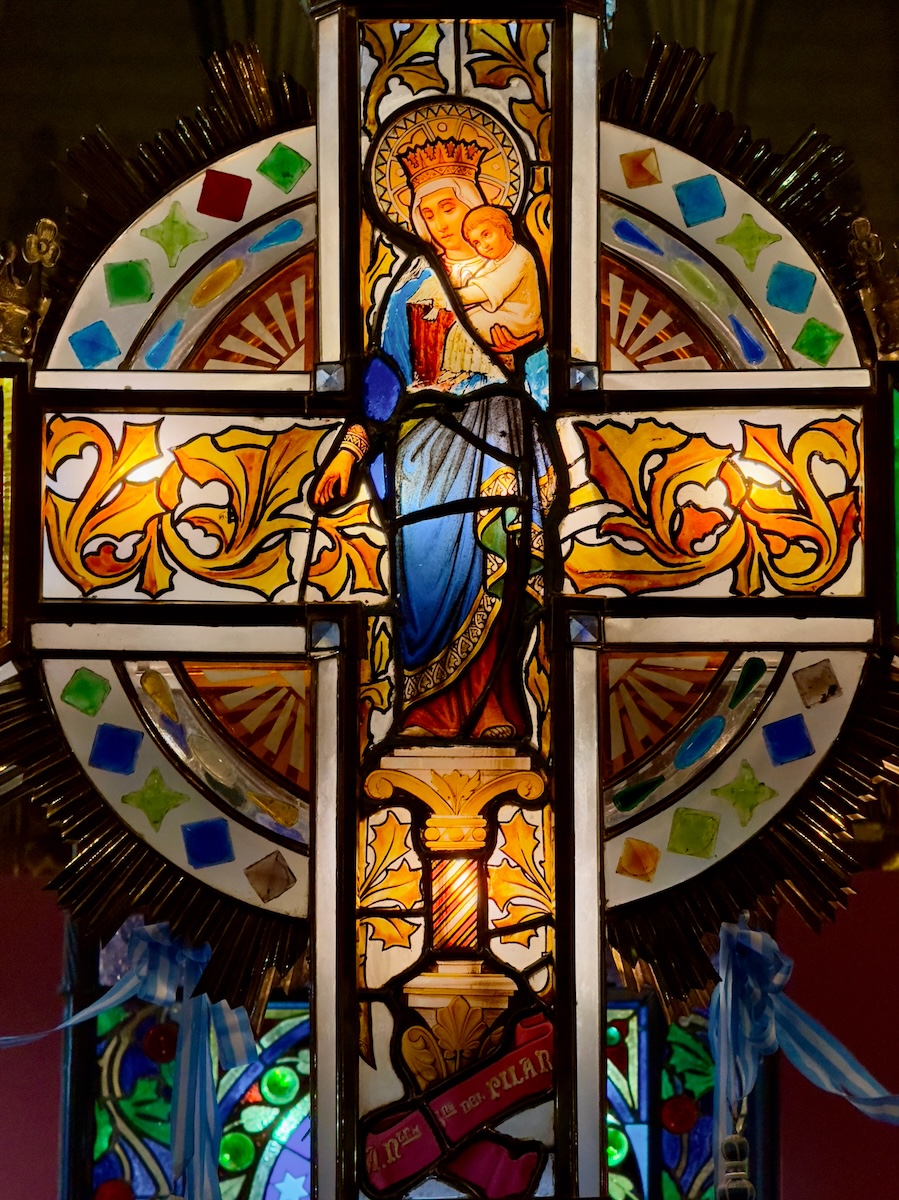
Some faroles correspond directly to elements of the rosary—Our Fathers, Hail Marys, Glorias, and litanies—while some larger glass floats depict the joyful, sorrowful, glorious, and luminous mysteries. Some are modest and portable, like the guide crosses and heraldic lanterns. Others are absolutely monumental, rising several meters high and assembled from tens of thousands of individual glass pieces. One reproduction of the Basílica del Pilar alone contains well over 100,000 components, which feels more like the answer to a double-dog dare than a design choice.
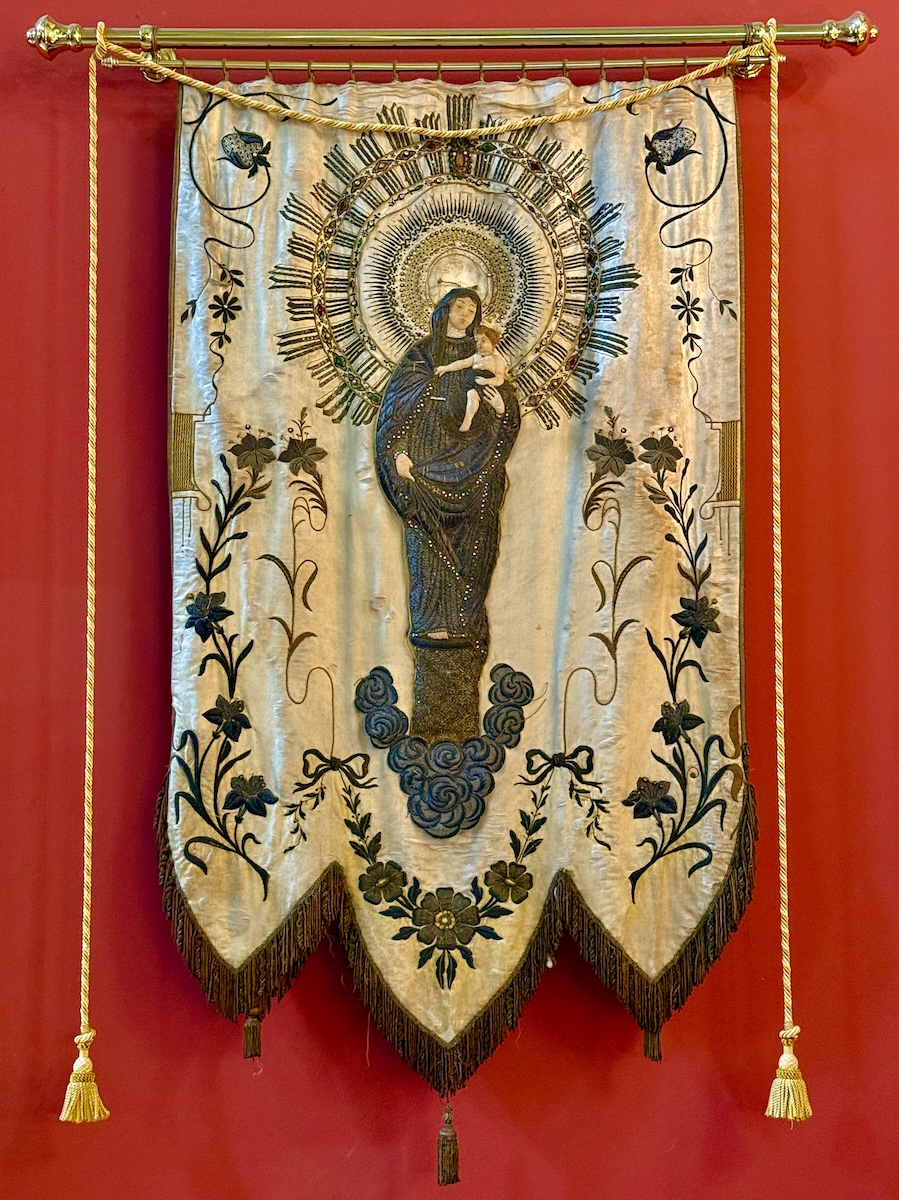
What makes this all so unusual is how far Zaragoza pushed the idea. Rosary processions in other cities remained verbal and symbolic—candles and prayers, with some modest banners that appeared once a year and vanished just as quickly. Zaragoza opted instead for permanently constructed glass fantasies, designed to last decades, not a single feast day.
That decision locked in everything that followed—storage, maintenance, and skilled craftsmen. Not to mention the enduring dedication to something that exists only one night a year—and the money required. It’s why the Rosario de Cristal was never really exported anywhere else—and why it’s so specifically, stubbornly Zaragozan. Meaning, this is what happens when a city turns prayer into a logistics problem and refuses to admit it was an expensive mistake.
The museum quietly underscores that these objects were built for use, not retirement. Originally lit by candles—a choice abandoned once common safety sense prevailed—they were later electrified. Glass breaks. Frames fatigue. Wiring ages. Some faroles date back to the earliest years of the procession, while others are newer, added as the rosary itself evolved (the luminous mysteries were introduced in the early 2000s). This isn’t a collection set in amber—it’s working inventory.
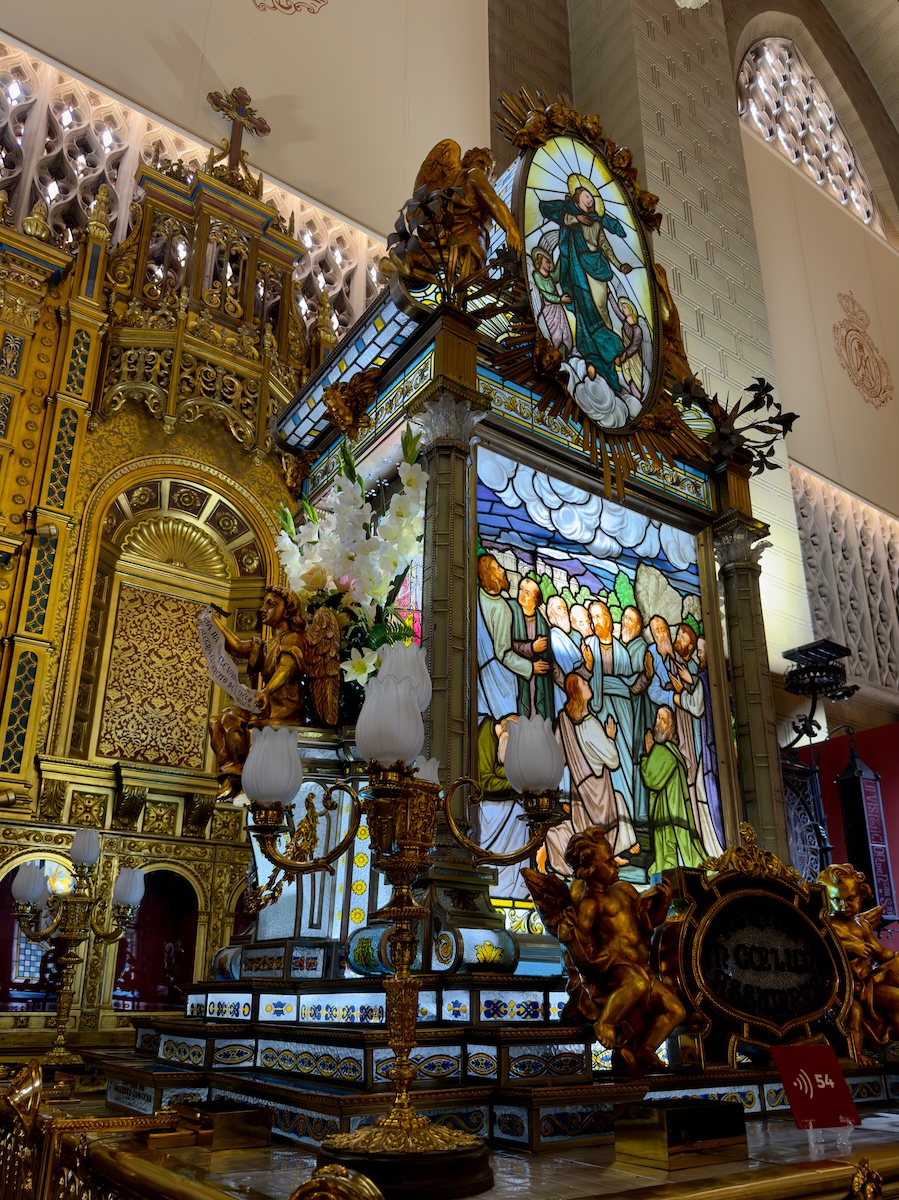
That’s where the craftsmanship comes in. Creating stained glass for a window is one thing. Creating a 3-D stained-glass structure meant to be carried on people’s shoulders through busy city streets at night, year after year, is something else entirely. Weight, balance, and most importantly, repairability matter. Glass pieces have to be removable, frames have to be flexible, and nothing can be too precious—even if it looks it.
The longer you look, the more that becomes clear. Glass panels don’t quite match anymore. Whole sections have clearly been replaced, repaired, or even reimagined, and no one’s lost any sleep over it. The goal behind these beauties was never purity or originality—it was survival. Their survival. These faroles were built to be carried, bumped, rewired, patched, and carried again. Nothing here is museum-sacred. It’s more like a pit crew—keep it working, shiny, and ready for next time.
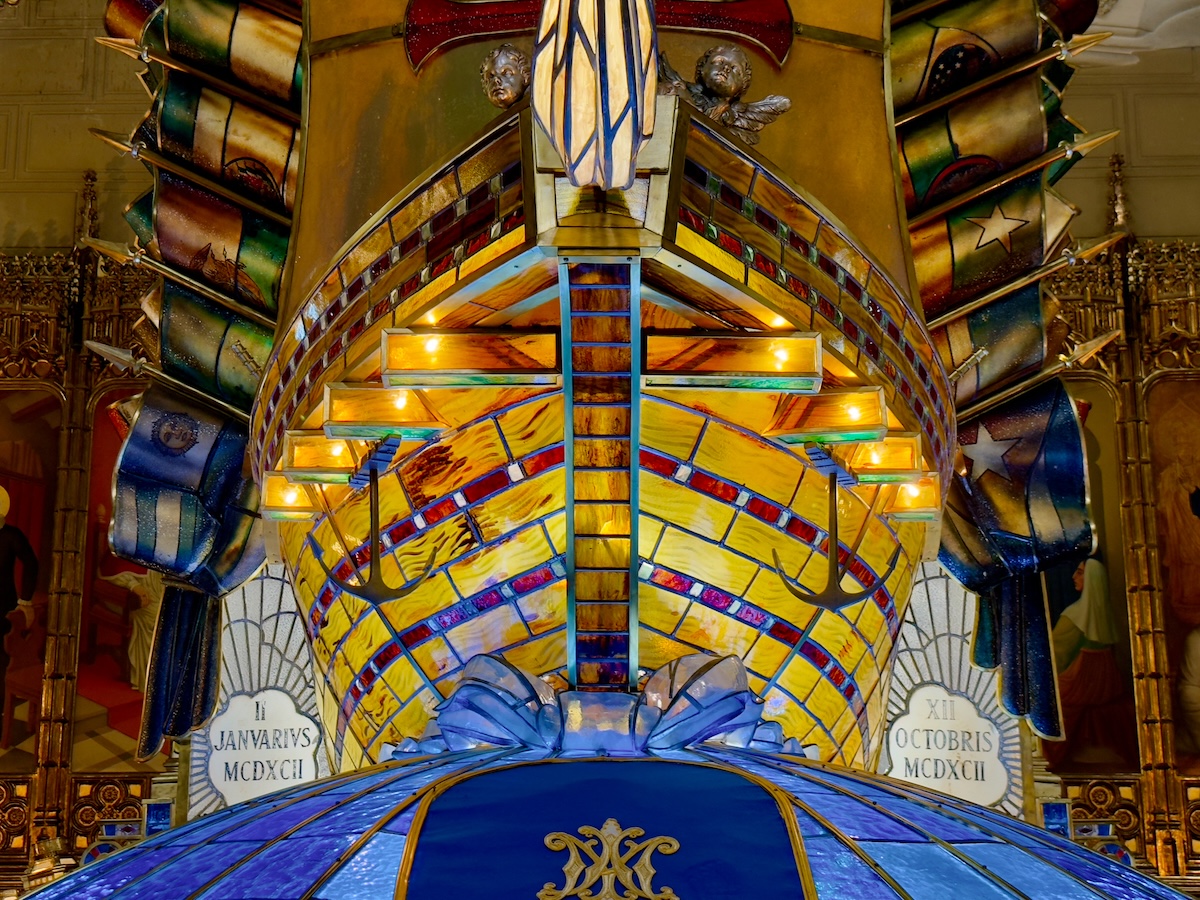
Some of the floats carry heavy historical freight, none more than the Hispanidad, a massive glass caravel ringed by Latin American flags with the Virgen del Pilar standing squarely at the prow. It’s one of the largest and most elaborate pieces in the procession, and it is not subtle.
The Hispanidad isn’t a real ship. It’s a physical metaphor—the idea of a shared cultural, religious, and linguistic world spanning the Atlantic, shaped by Spanish power. The caravel collapses exploration, colonization, migration, and devotion into a single illuminated form. It’s striking and discomforting at once—the Virgin Mary guiding an imperial vessel loaded with connotation.
The Hispanidad is presented completely devoid of interpretation. It’s lit, labeled, and left to stand on its own. The scale does the work. So does the symbolism. The result is impressive, unresolved, and difficult to simplify.
Standing there out of season, we were left looking at a collection designed almost entirely for absence. What makes this museum such an oddball delight is that, honestly, it’s barely a museum. Seen indoors and out of season, the faroles are calm and orderly—like costumed performers waiting in the wings for their cue.
In the meantime, the city gives them somewhere to live. Somewhere dry, wired, organized, and ready. A storage unit, yes—but an extravagant one dedicated to objects built for a single night of excess. Hundreds of glass lanterns made to move, light up a city for a night, and then disappear again for the rest of the year. Every October 13, all of this finally makes sense—and for one night, that’s apparently reason enough.


Write a comment