
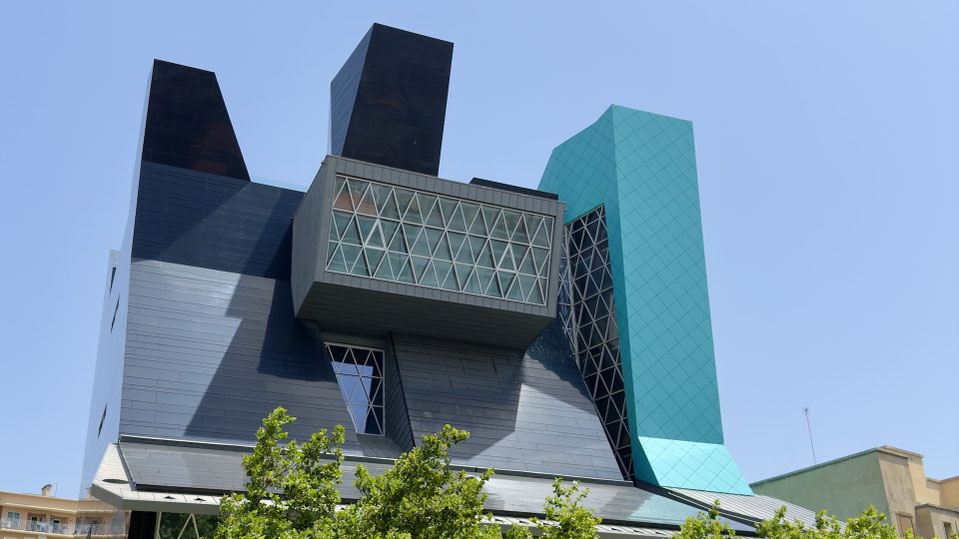
We didn’t put the IAACC (Instituto Aragonés de Arte y Cultura Contemporáneos) Pablo Serrano on our to-do list in Zaragoza because we knew anything about Serrano at all. We added it because the building it’s in is interesting—angular, stacked, and some might say, “architecturally opinionated.”
By the time the museum took shape, Serrano was already regarded as one of Aragón’s most important sculptors of the mid-20th century. Emerging in the 1950s, his work moved restlessly through iron, fractured bodies, voids, and architectural form, driven by a persistent interest in the human figure and the space it occupies. He worked between Spain and Latin America and never settled into a single style, preferring long sequences of investigation instead. When he donated the core of his life’s work to the regional government, it came with the clear expectation that this would not be merely a static monument.
That ambition found its physical home here, in a group of early-20th-century industrial carpentry workshops that once served a public welfare institution along this functional edge of the city. The site was expanded vertically in 2011 by architect José Manuel Pérez Latorre, layering steel, concrete, black metal, and an improbably calm turquoise skin onto the original structures. The old workshops are still there, but they’ve been pierced and overtopped by forms that behave more like sculpture than architecture—an apt preface to Serrano’s work.
The result is a museum that avoids both reverence and retrospection. It treats art as something still in motion, and space as something to be tested rather than quietly admired. Here are a few of the pieces that caught our eye.
Highlights
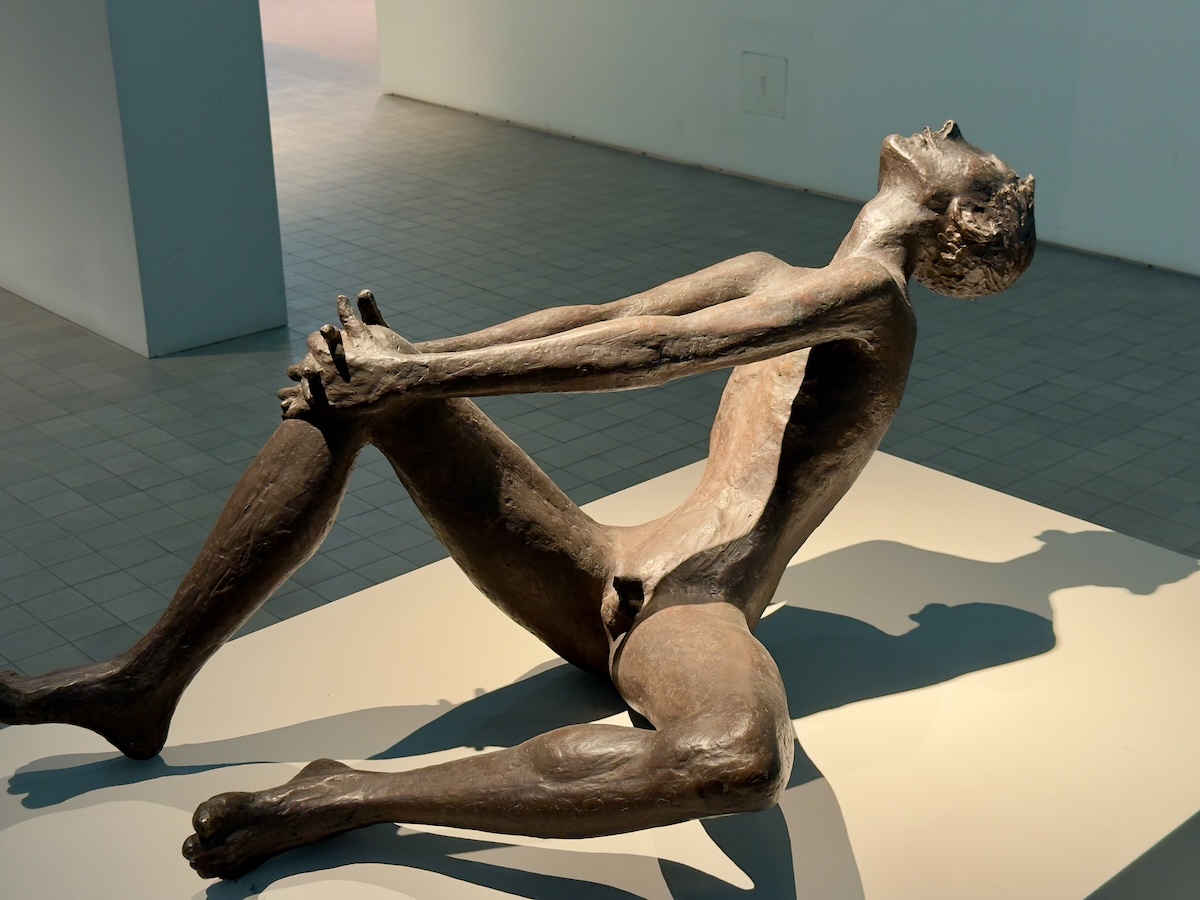
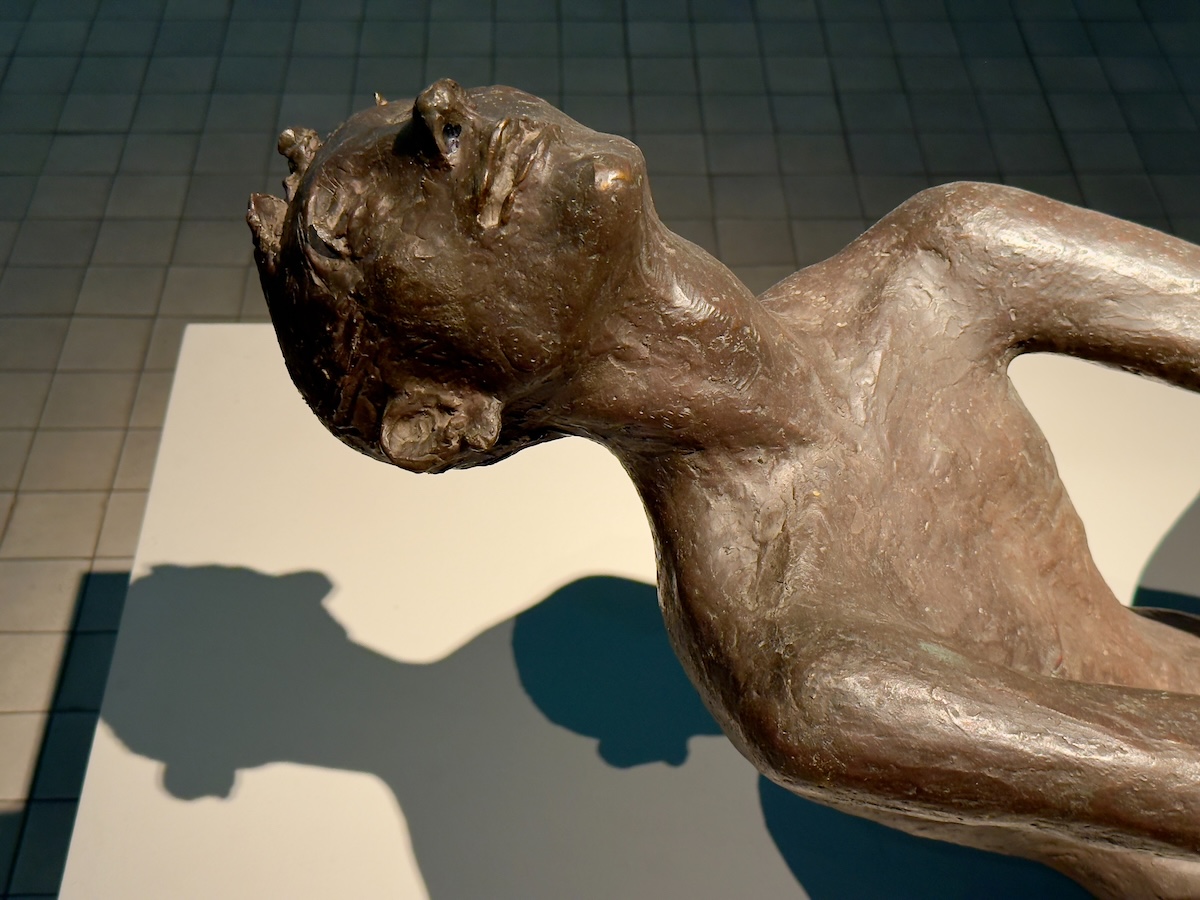
Muchacho al Sol, 1955 – Pablo Serrano
This is youth without sentimentality. The surface stays rough, the posture open but unprotected, as if the figure has wandered into the light before deciding whether that was a good idea. Serrano treats exposure—physical and emotional—as a condition, not a celebration.
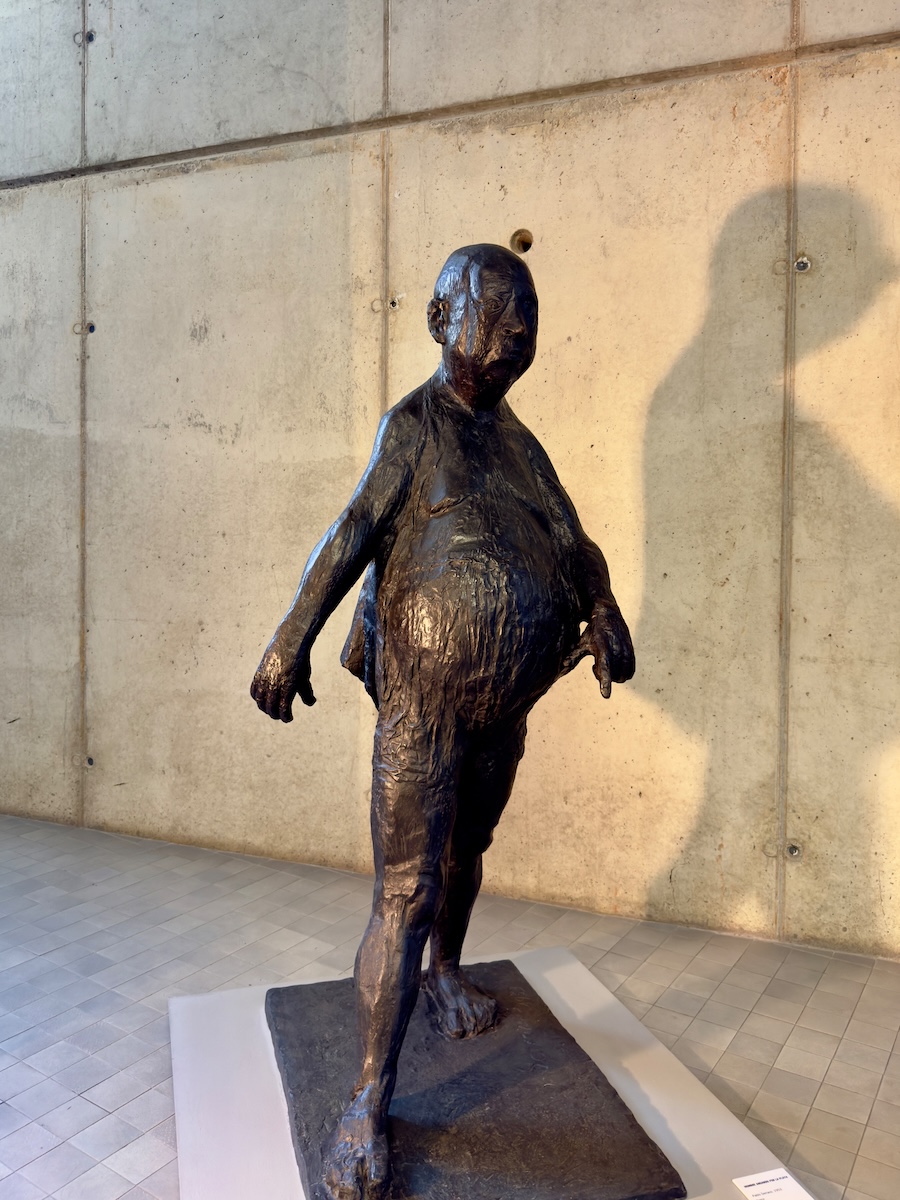
Hombre Andando por la Playa, 1953 – Pablo Serrano
An early figurative work made after Serrano’s return to Spain, this figure moves forward without much grace or certainty. Limbs stretch, balance wobbles, and progress looks effortful. It’s less a stroll along the beach than a study in how bodies get from one place to another at all.
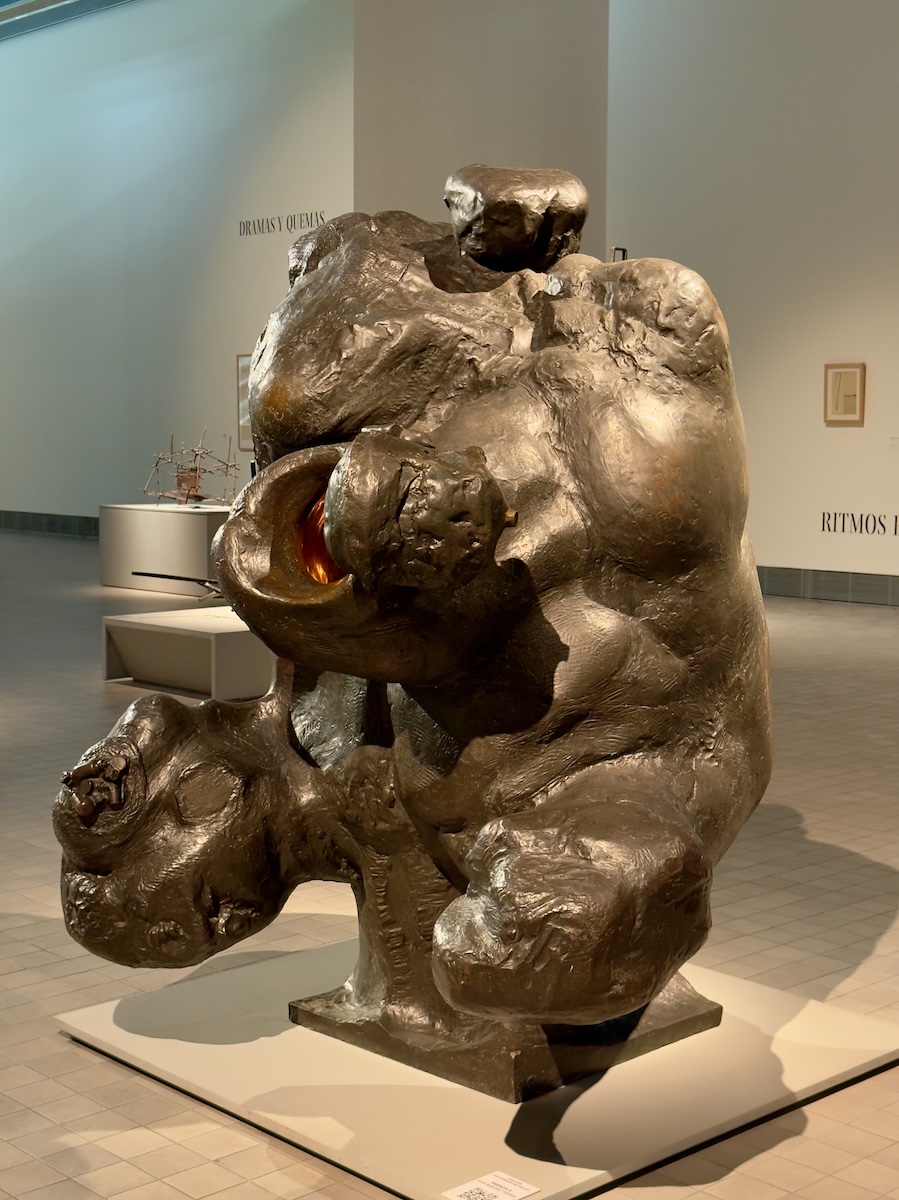
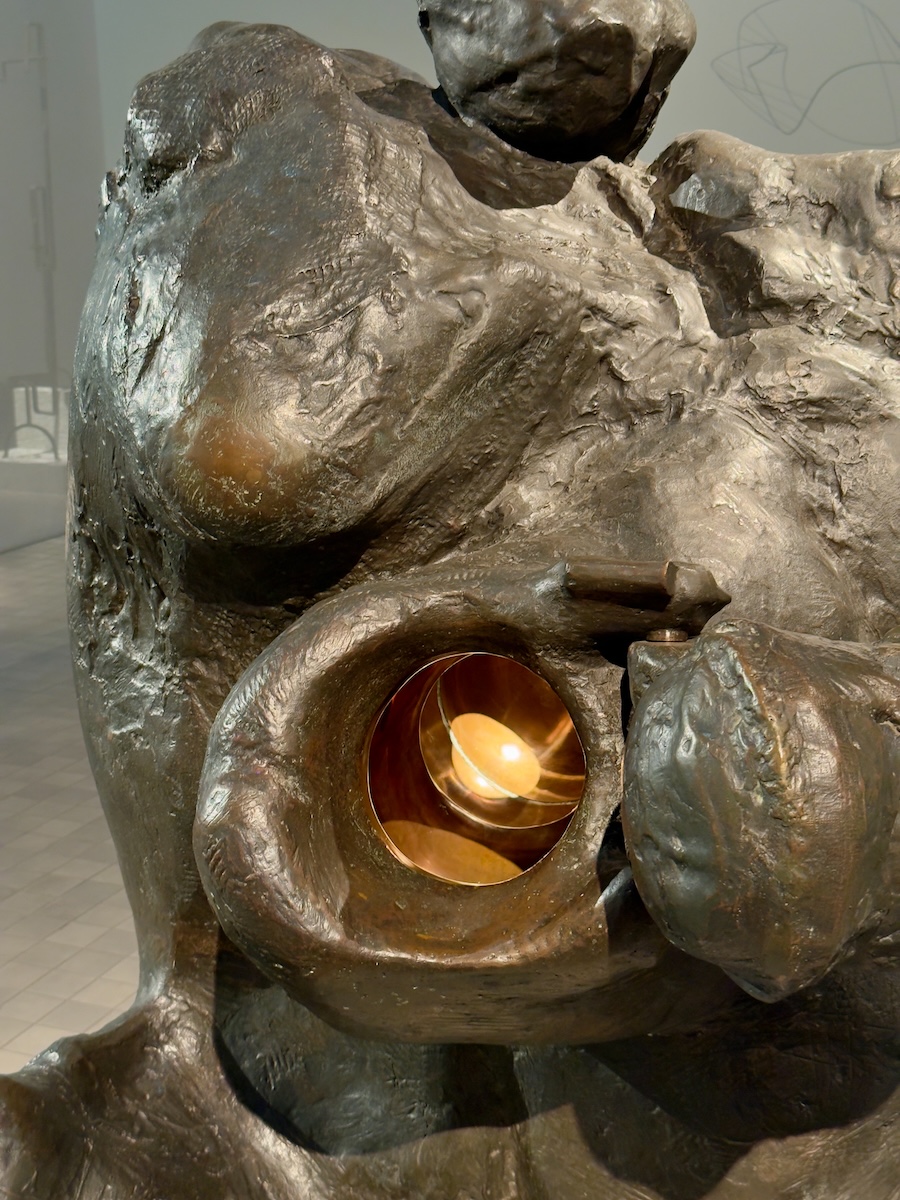
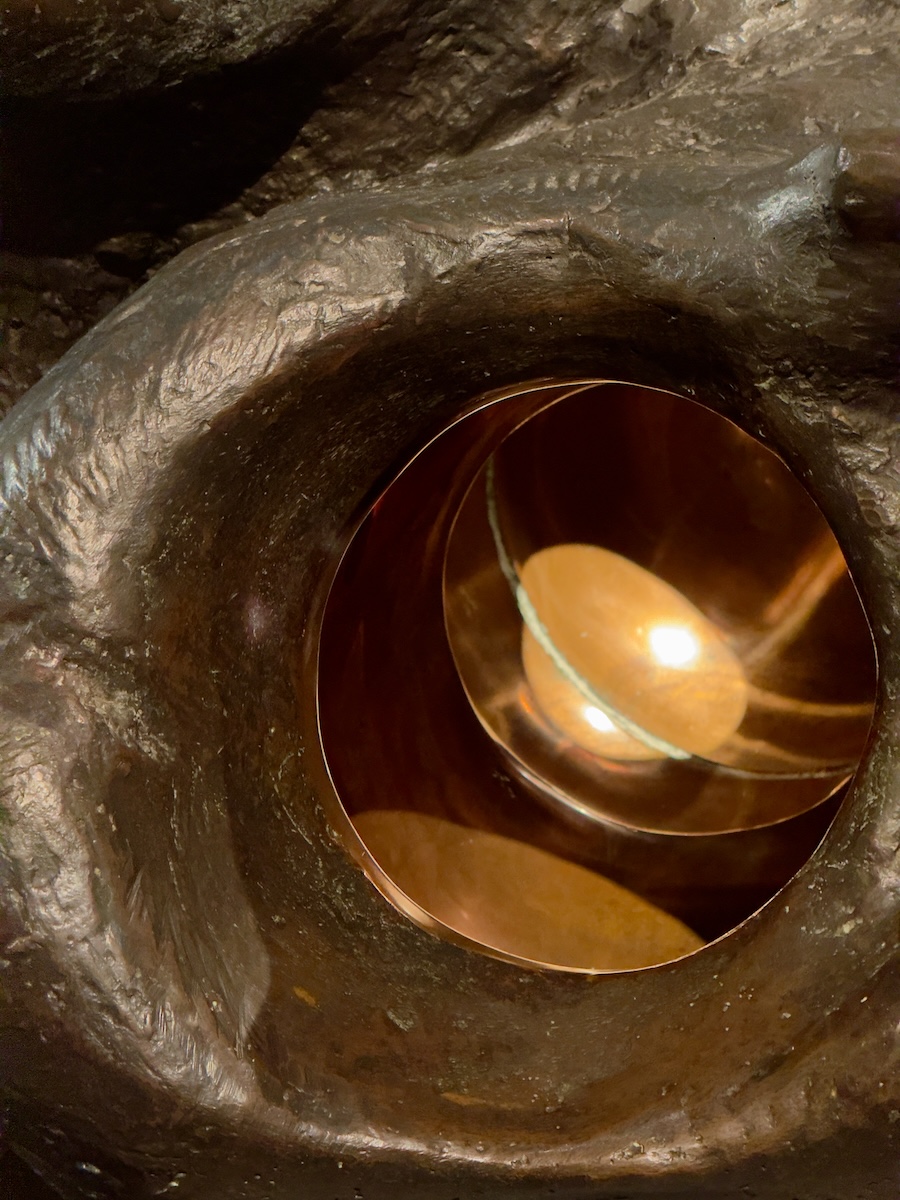
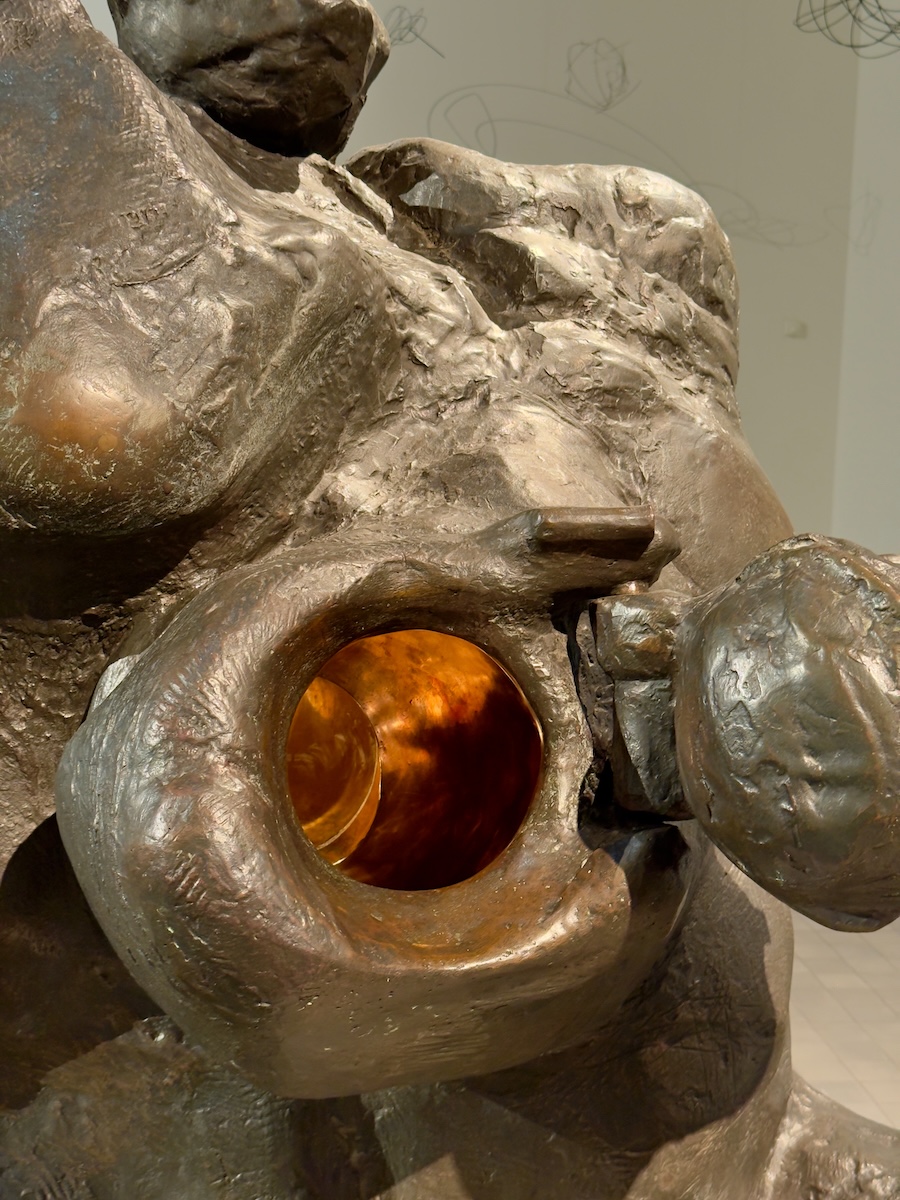
Eva Madre Tierra, 1965–1967 – Pablo Serrano
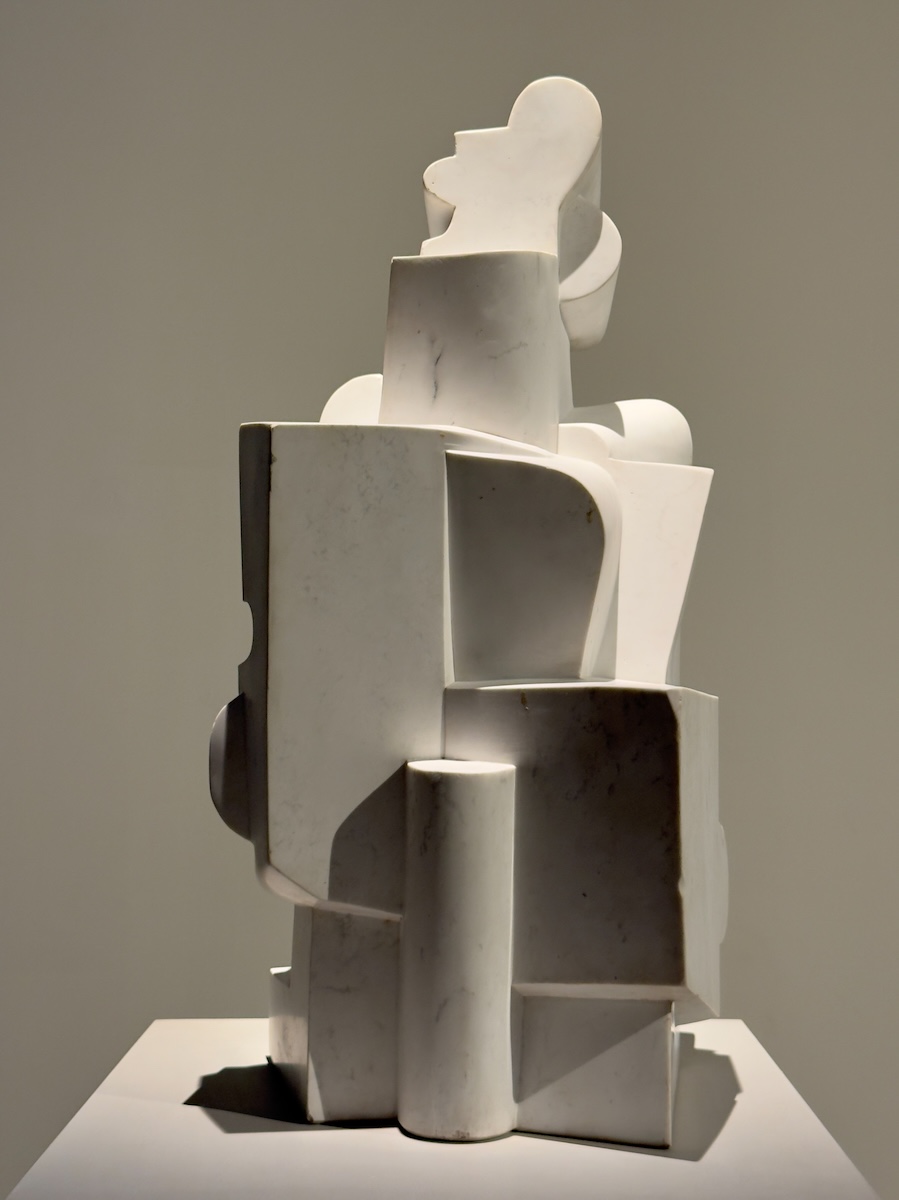
By the mid-1960s, Serrano’s figures had become denser, folded inward, and given up on easy anatomy. Eva Madre Tierra is all mass and containment—less a body to look at than a volume to reckon with. The human form here functions as shelter, weight, and origin all at once.
Guitarra No. 18, 1984 – Pablo Serrano
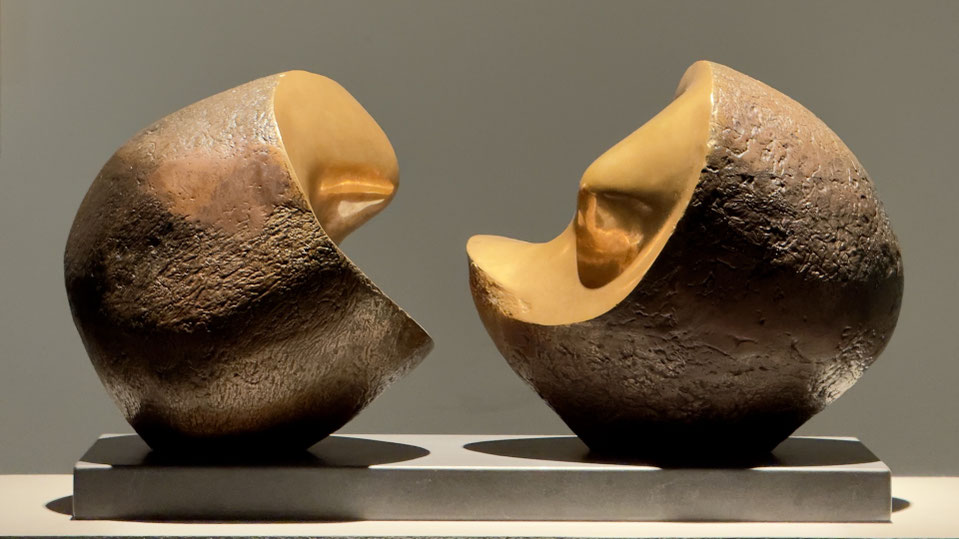
By the mid-1980s, Serrano had reduced the guitar to its barest essentials: a solid mass, a single circular opening, and a few incised lines standing in for strings. It’s recognizably an instrument, but only just. Sound is implied rather than produced, and the familiar form reads more like a sealed container than something meant to be played.
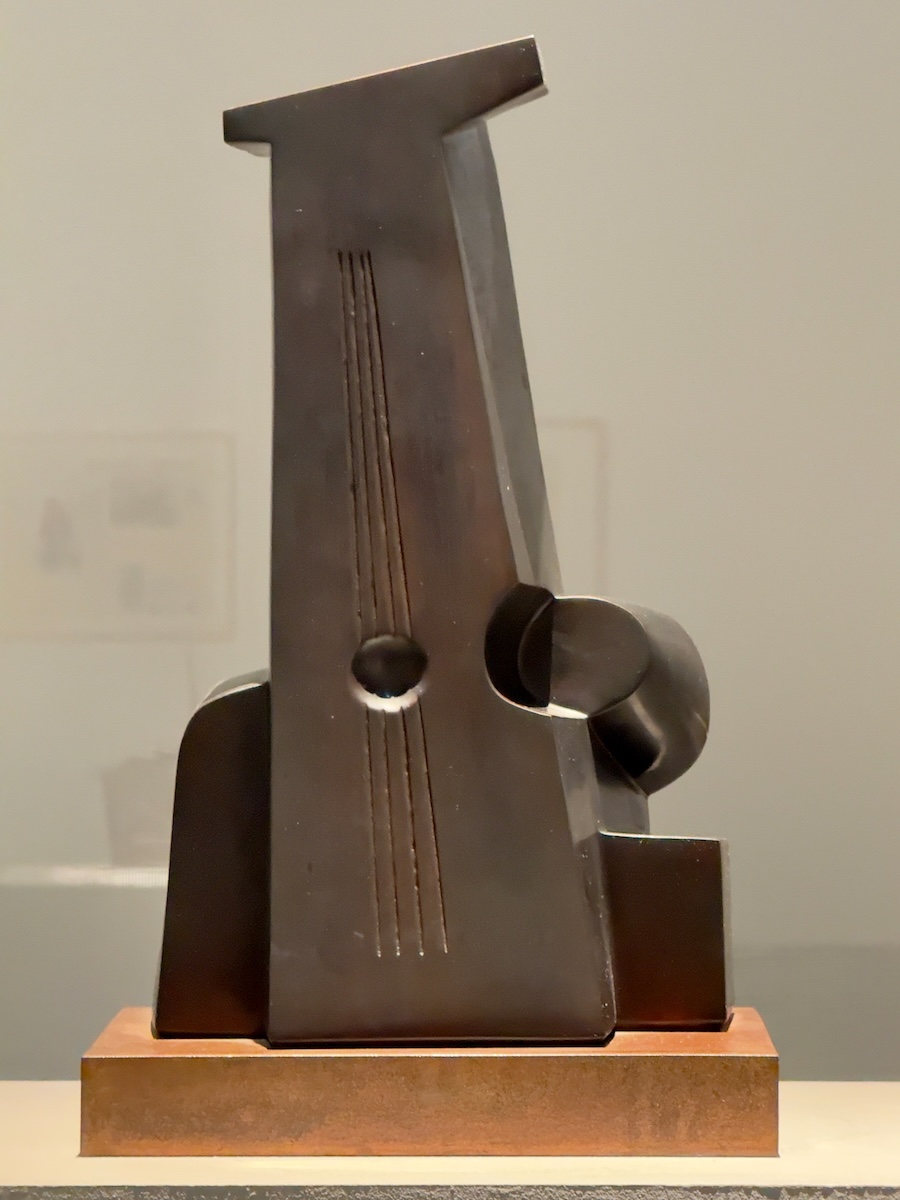
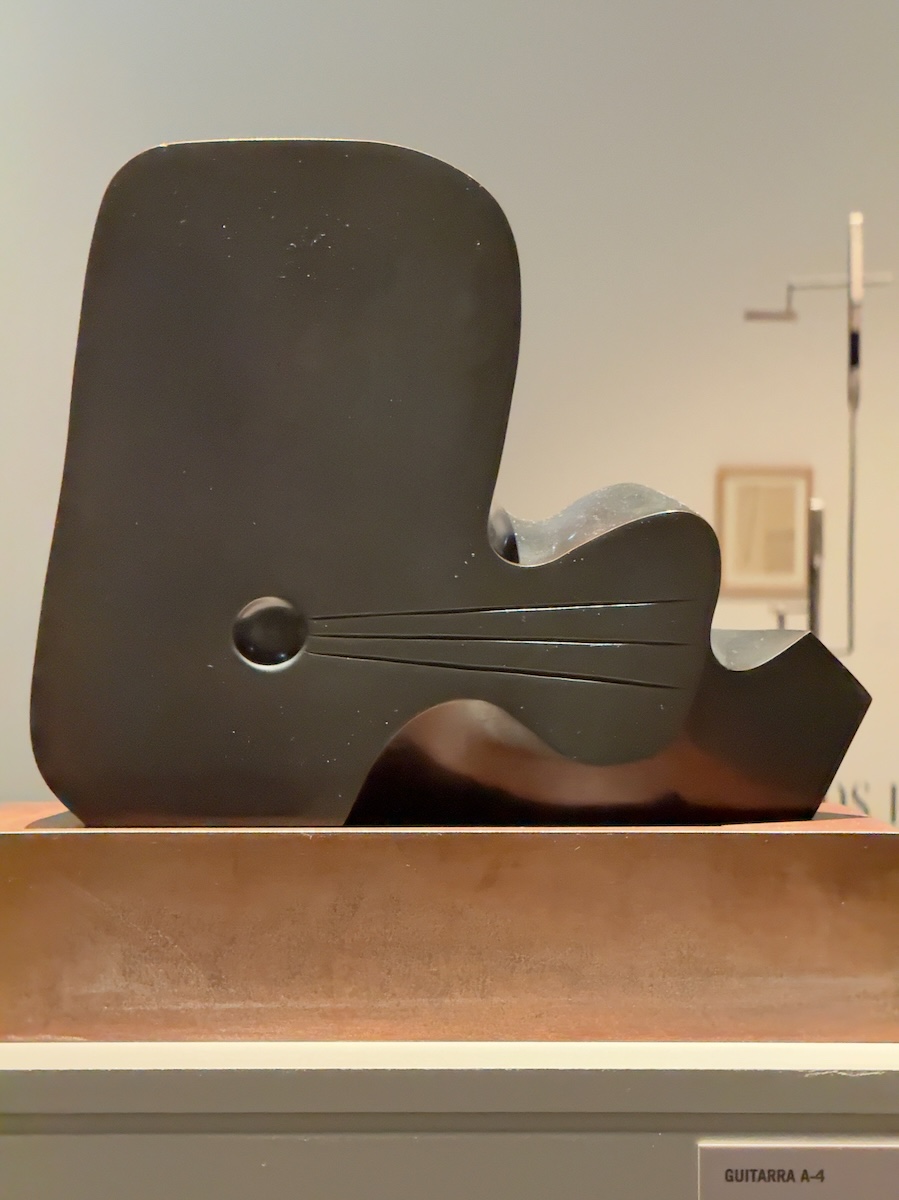
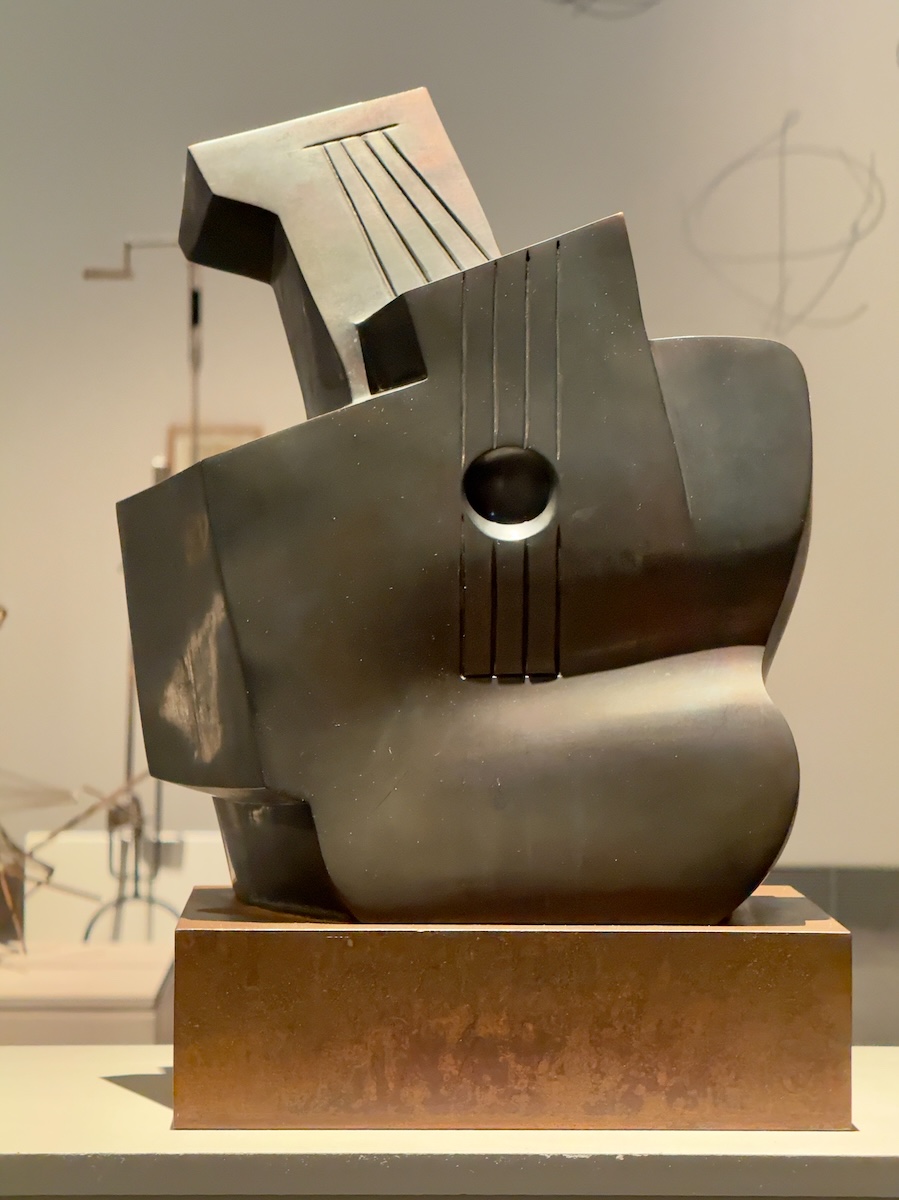
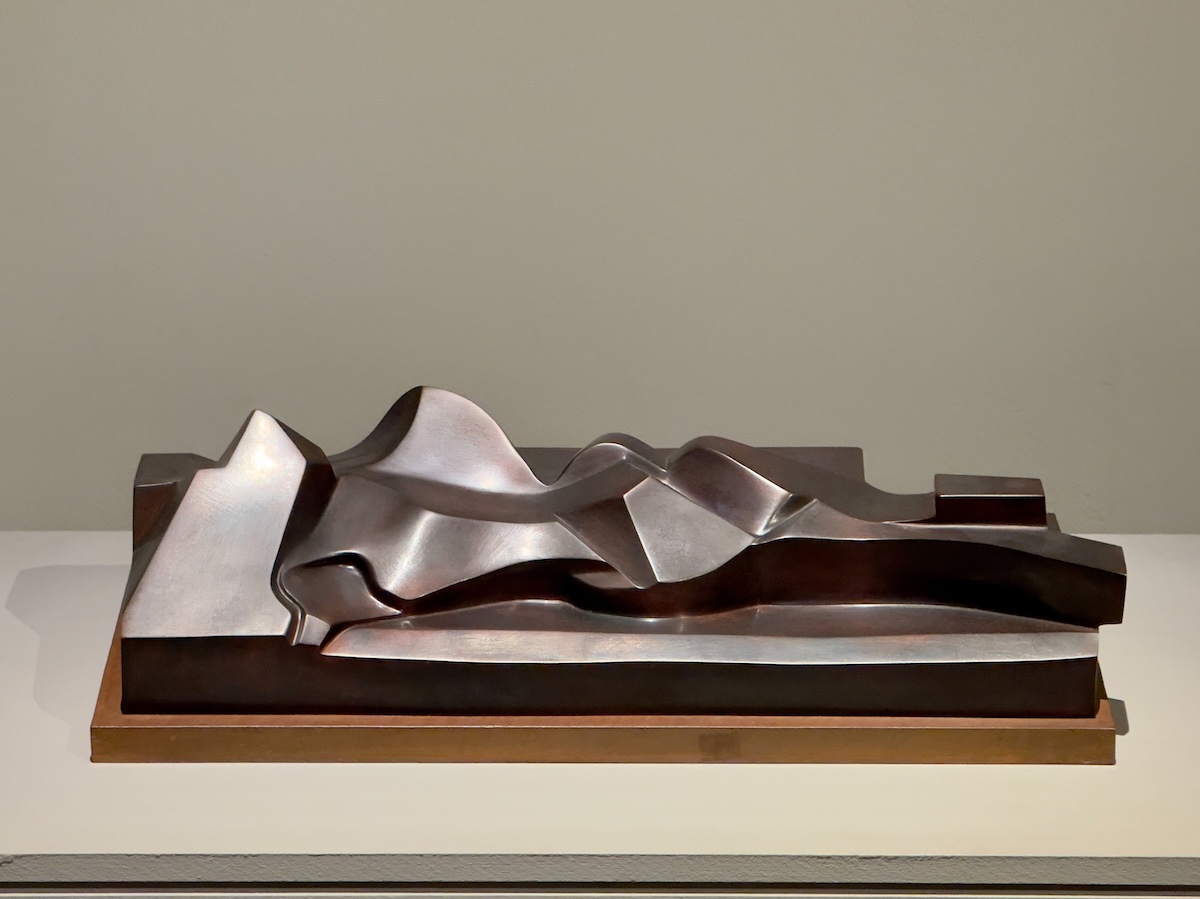
Guitarras A-2, A-3, A-4, and A-10, 1984 – Pablo Serrano
This late series treats the guitar less as an object than as a problem to be worried over from multiple angles. Some versions stand upright, others recline, their bodies thickened, folded, or flattened until music feels like a distant rumor. Serrano isn’t interested in melody here—only structure, tension, and how much you can remove before recognition finally gives up.
La reina María Luisa, 1974 – Pablo Serrano (after Francisco de Goya)
Goya never pretended affection for María Luisa, and Serrano doesn’t either. The royal figure thickens into something squat and resolute, authority expressed through mass rather than posture. If this is power, it’s immovable—but not especially graceful.
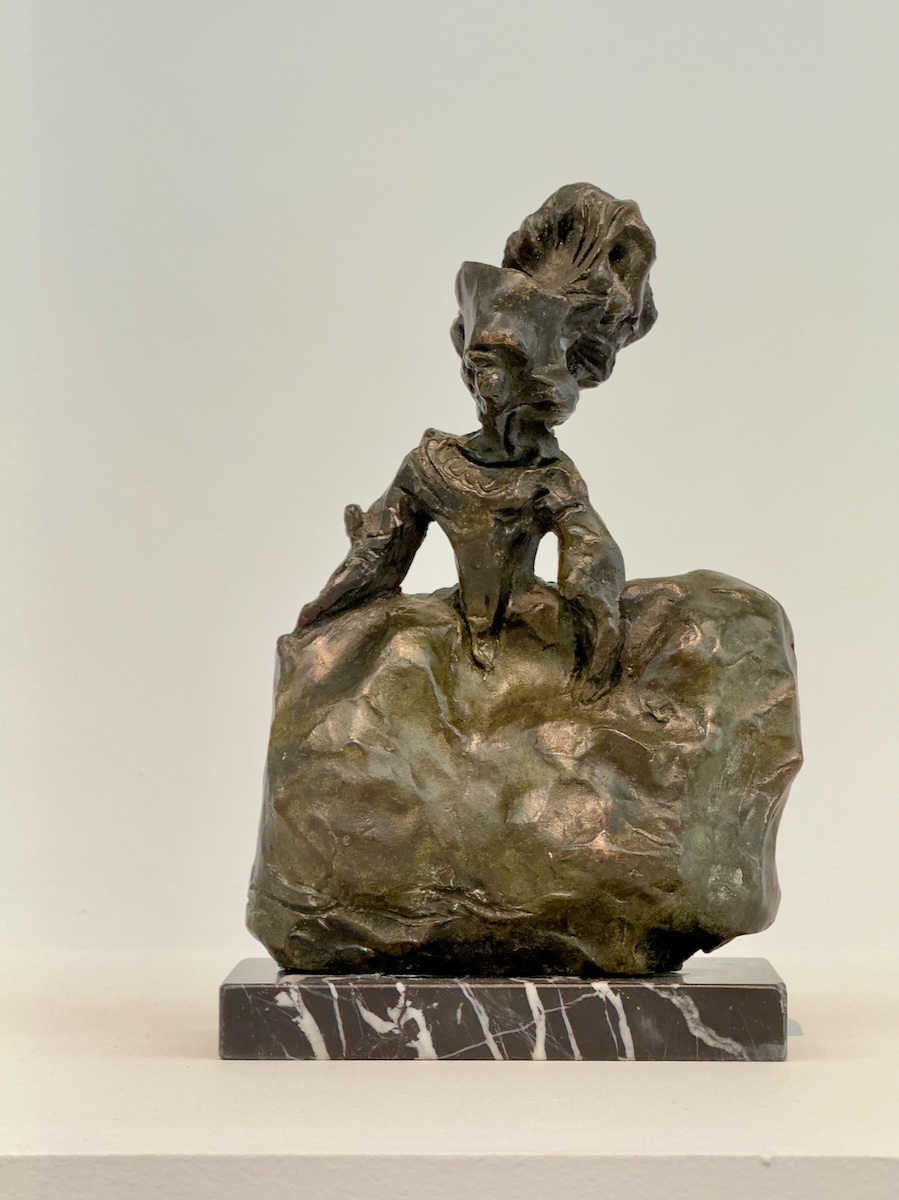

Los Duques de Osuna, 1974 – Pablo Serrano (after Francisco de Goya)
Serrano takes one of Goya’s most composed aristocratic portraits and roughs it up—literally. Faces slump, bodies compress, and the family unit reads less as social theater than shared gravity. Status remains, but it’s heavy, awkward, and no longer doing anyone any favors.
Perro Semihundido, 1974 – Pablo Serrano (after Francisco de Goya)
Serrano’s response to one of Goya’s most haunting images pares the subject down even further. The dog barely emerges from its block, reduced to a head and the suggestion of effort. It’s not narrative or allegory so much as persistence—still here, somehow.


Fernando VII, c. 1974–1979 – Pablo Serrano (after Francisco de Goya)
Few historical figures earned Goya’s contempt more thoroughly than Fernando VII, and Serrano leans into that inheritance. The body stiffens, the head hardens, and expression gives way to sheer presence. Authority here isn’t charismatic or persuasive—it’s simply lodged in place.
Circa XX Collection
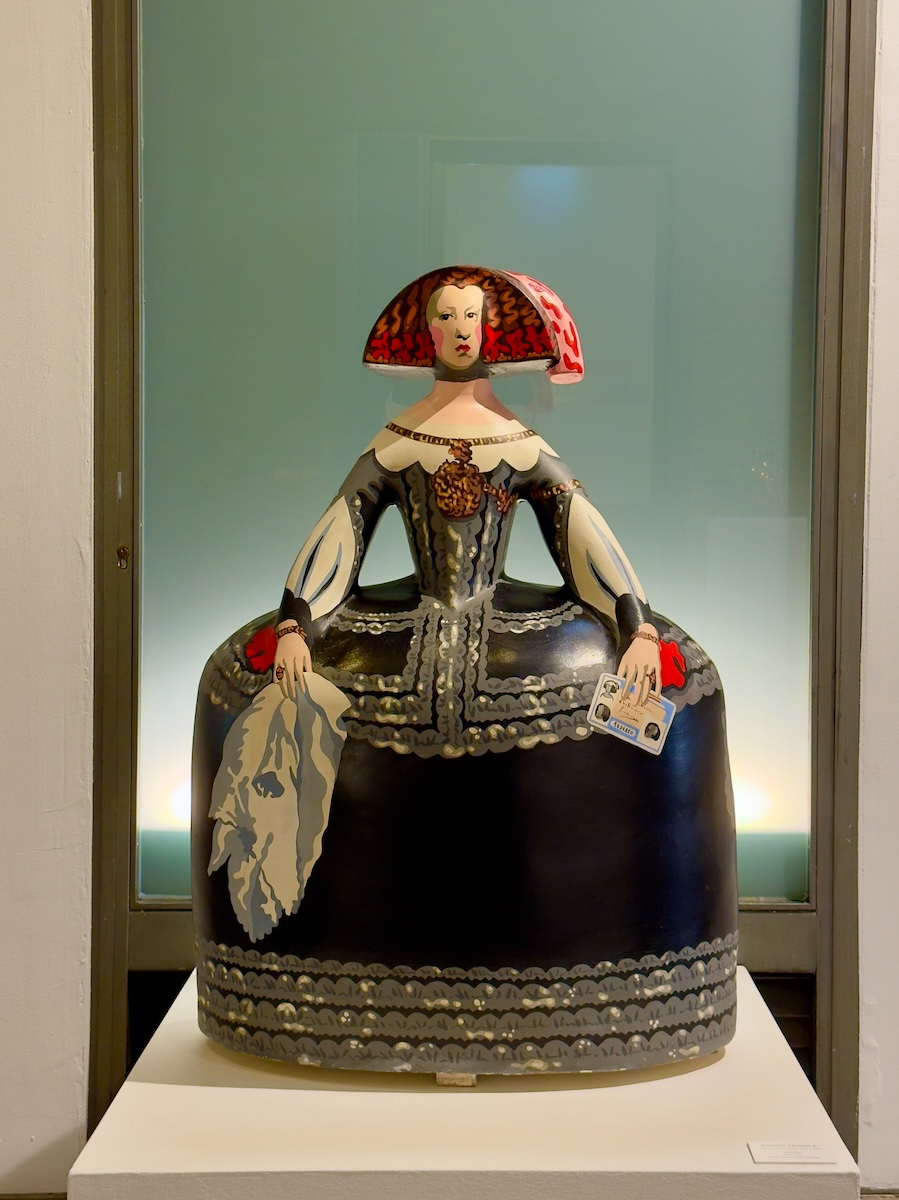
Menina, c. 1971 – Equipo Crónica
Equipo Crónica takes Velázquez’s most overinterpreted figure and turns her into an object—solid, decorative, and faintly ironic. The dress becomes architecture, the posture becomes branding. Reverence is not the point; repetition is. This is the Menina as a cultural unit, endlessly reproducible.
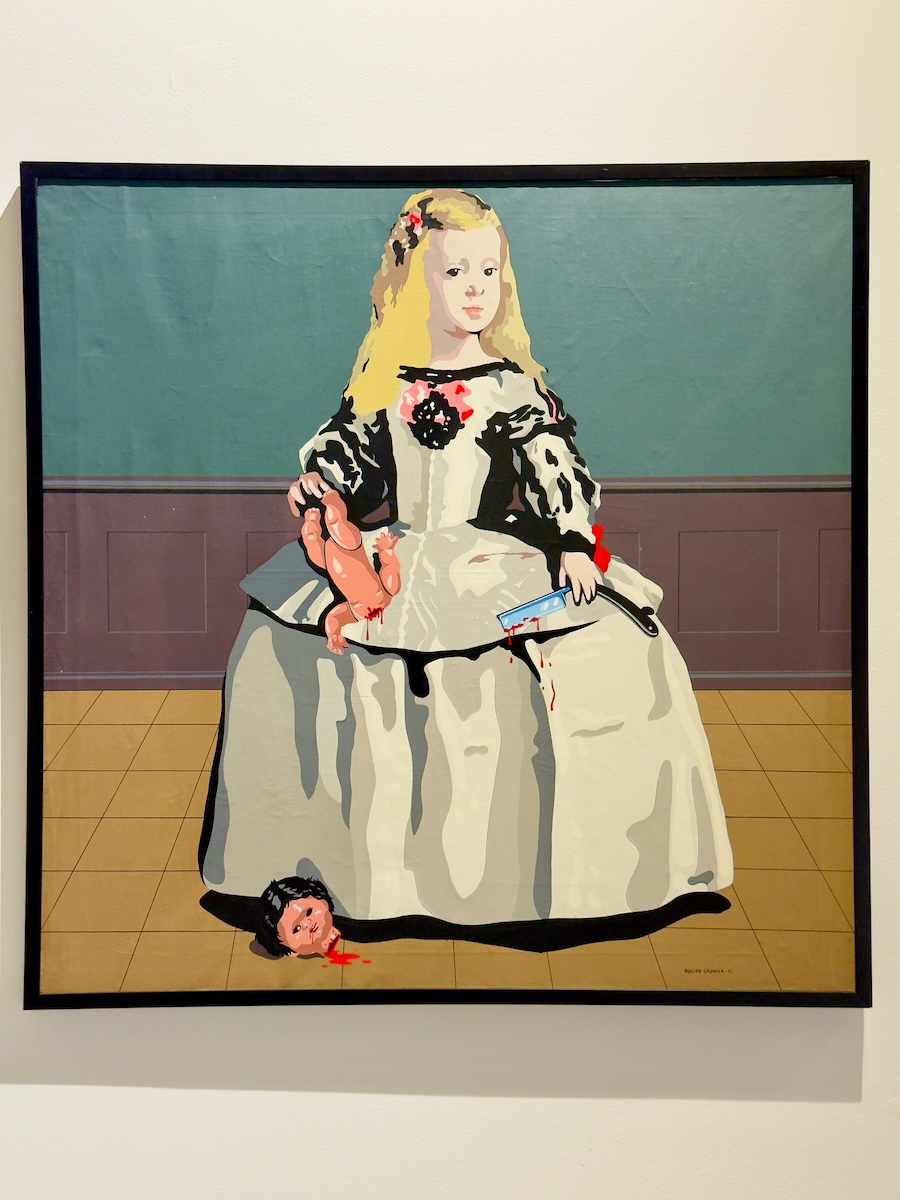
Menina, 1971 – Equipo Crónica
Here, the Menina becomes a Pop artifact, flattened into bold color blocks and clean outlines. Violence and playfulness coexist uncomfortably as history is quoted, sliced up, and re-presented for a modern audience. Equipo Crónica treats Spain’s greatest painting less as a sacred object than as raw material.
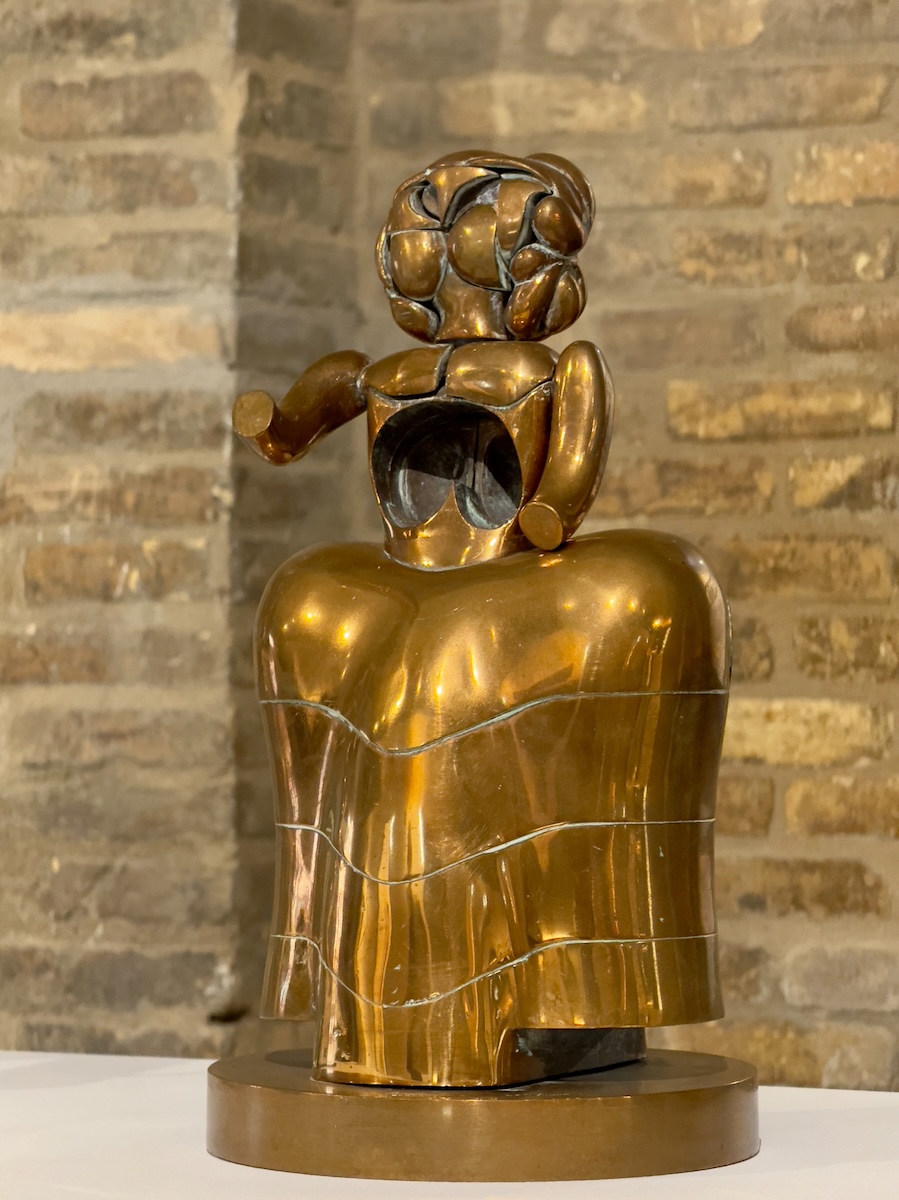
La Menina II (Homenaje a Rafael Alberti), 1973 – Miguel Berrocal
Berrocal’s Menina is neither image nor symbol so much as a puzzle. Built from interlocking pieces, it invites disassembly, insisting that form, meaning, and memory are never fixed. The homage is less to Velázquez than to the act of taking things apart—and seeing what still holds.
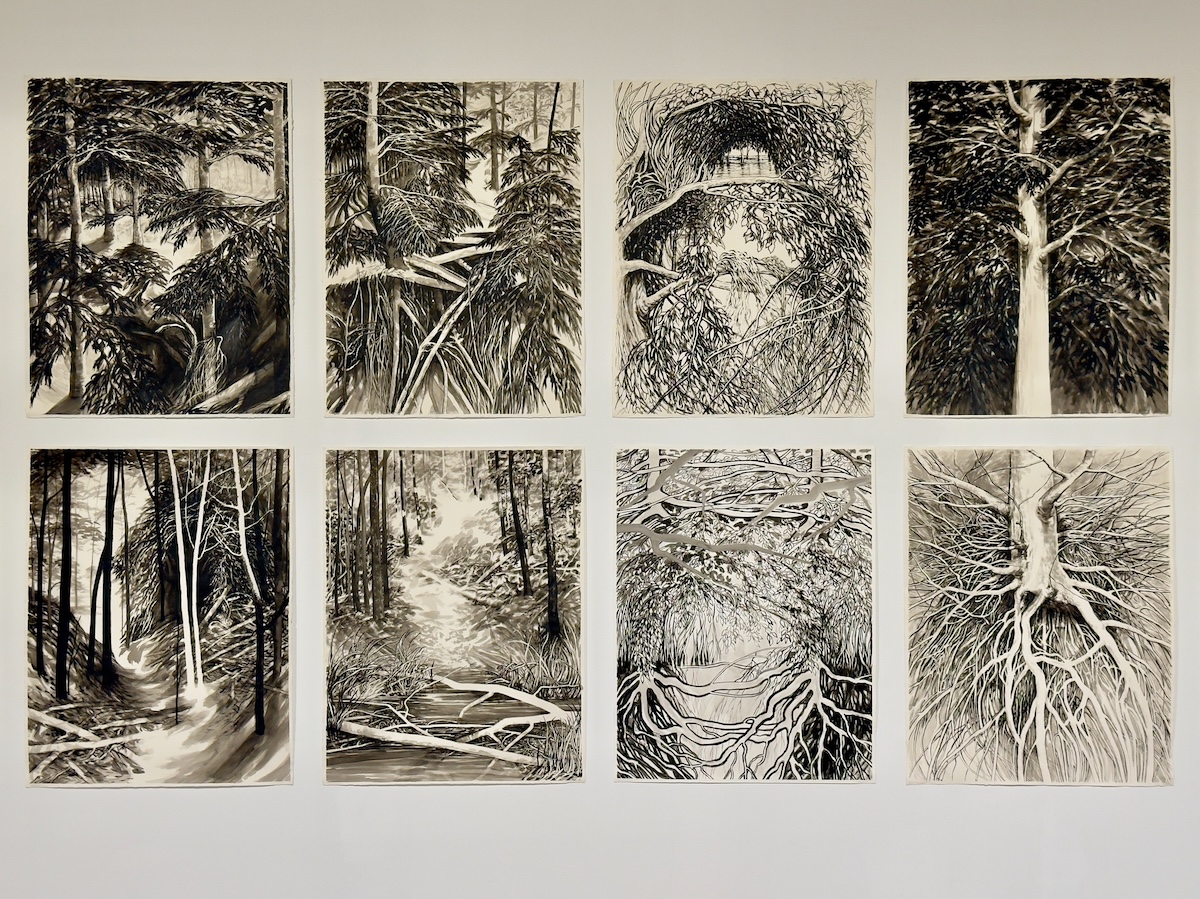
Temporary exhibition – Echar raíces (To Put Down Roots)
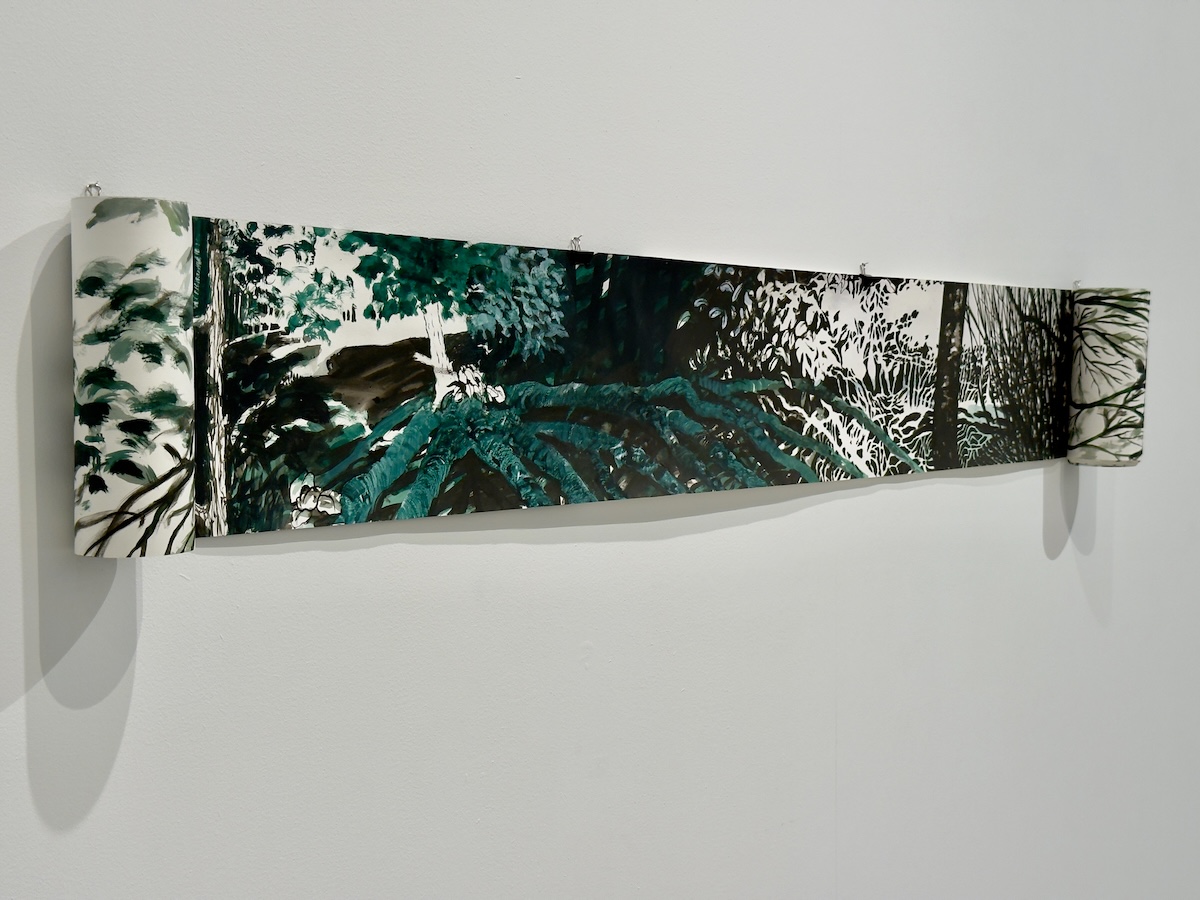
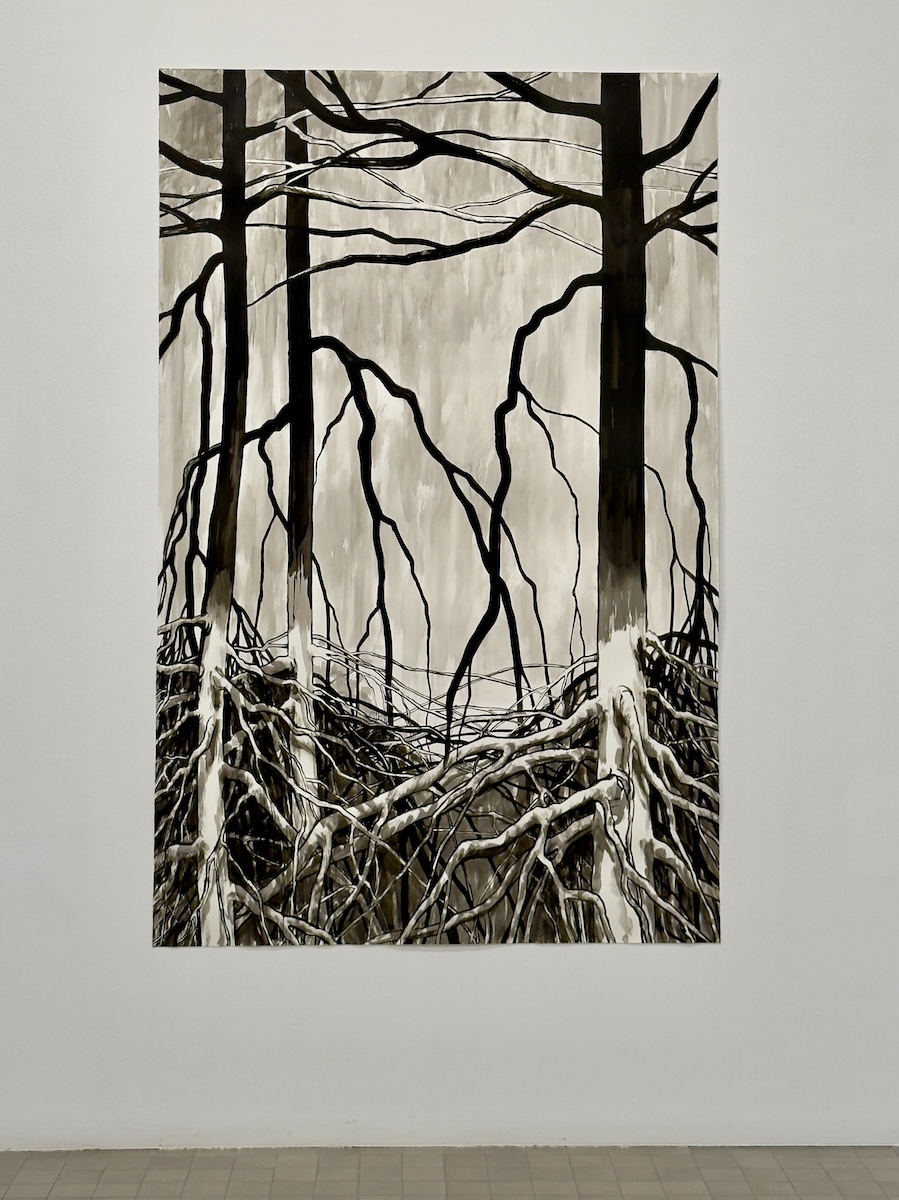
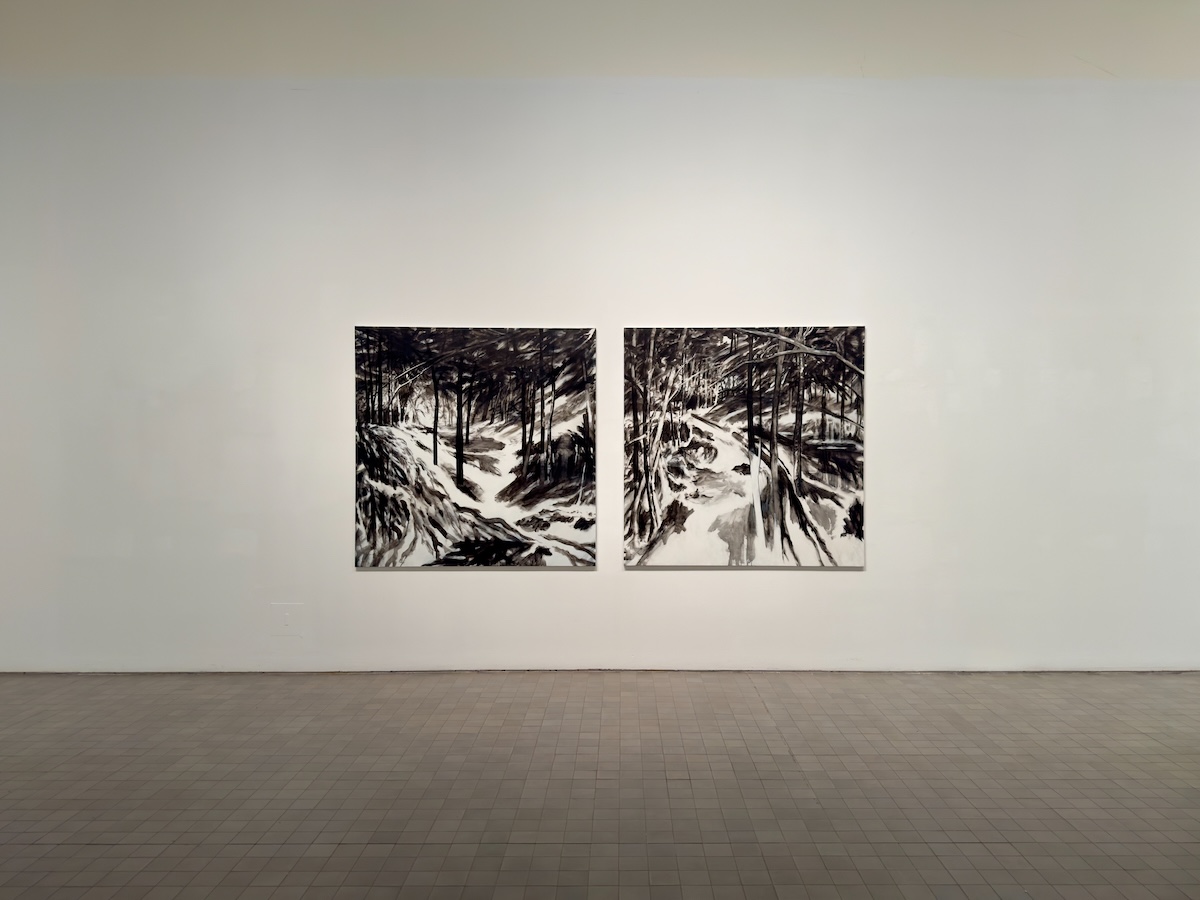
This temporary exhibition works best taken as a whole rather than as a lineup of individual hits. Artist Sylvia Pennings returns obsessively to forests, root systems, and paths that double back on themselves, rendering them in black, white, and dense greys that feel more excavated than painted. Trees invert, roots surface, and ground and canopy trade places until orientation starts to slip.
There’s nothing picturesque about these landscapes. They aren’t invitations so much as propositions—about time, repetition, and what it means to belong to a place that’s constantly rearranging itself. The longer you look, the less stable everything feels, which appears to be the point. Set against Serrano’s work downstairs, Pennings’ forests read less like an interruption than a reminder that investigation—whether of bodies or landscapes—rarely moves in straight lines.

In the end, the building turned out to be an honest promise. Nothing inside is polished for easy consumption. Serrano’s work pushes, revises, and doubles back, and the museum gives it room to do exactly that. We didn’t leave with any conclusions—just the sense that curiosity is still treated as a serious activity in some places.
Write a comment