
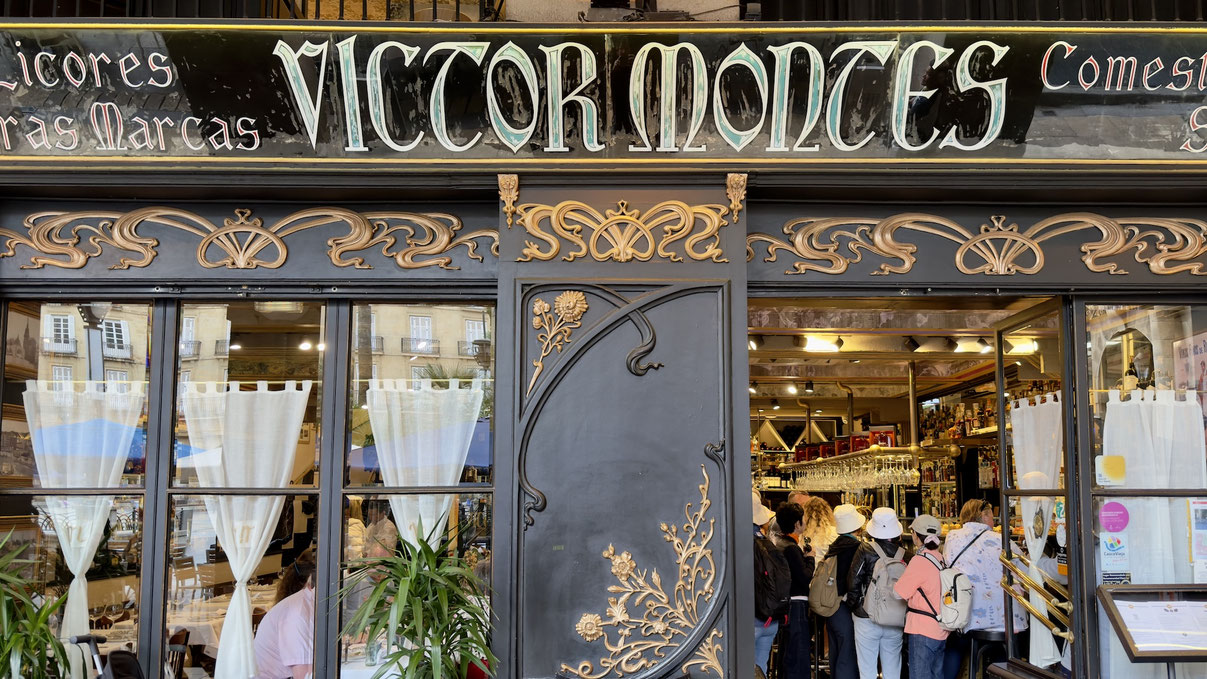
The first thing you notice in Bilbao is how much is happening that has nothing to do with you. People move with purpose. The river runs implacably between hills that rise sharply. Nothing seems stage-managed or arranged for effect. It’s not aloof or indifferent to visitors—it just seems unconcerned about reorganizing itself around them.
None of this feels hostile. It feels…normal. Productive. Refreshingly uninterested in performing a version of itself for applause. That feeling landed for us almost immediately, and it reminded us of a very different trip. Years ago, while staying with friends in Nice, we mentioned that our next stop would be Genoa. This was met with genuine concern. “Oh no, Genoa is a dirty city,” we were told. “You should go to Milan.”
Well, we didn’t have tickets to Milan, and we had people to meet in Genoa. And it turned out to be the emotional high point of a trip that also included Venice, which is saying something. What we found there was a working city—port first, beauty second—and never worried much about the order.
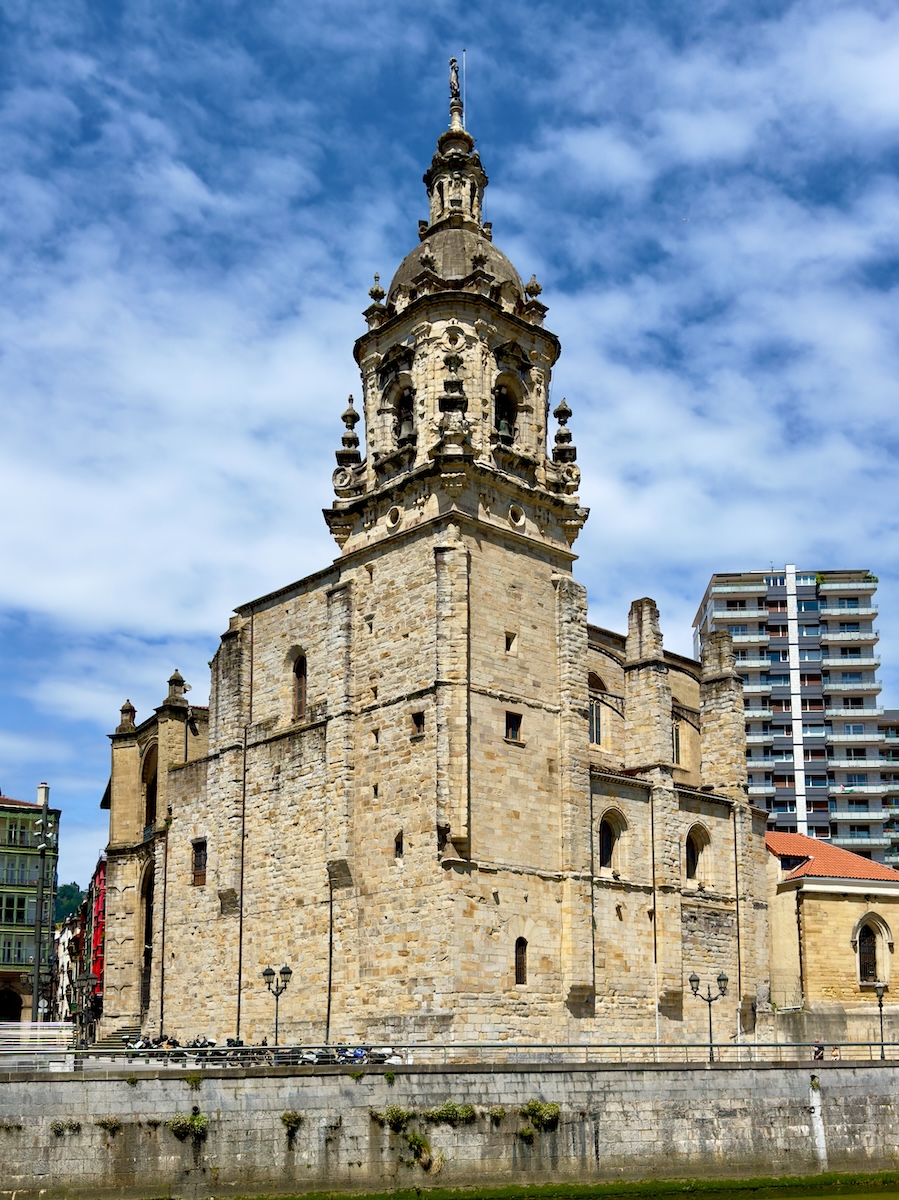
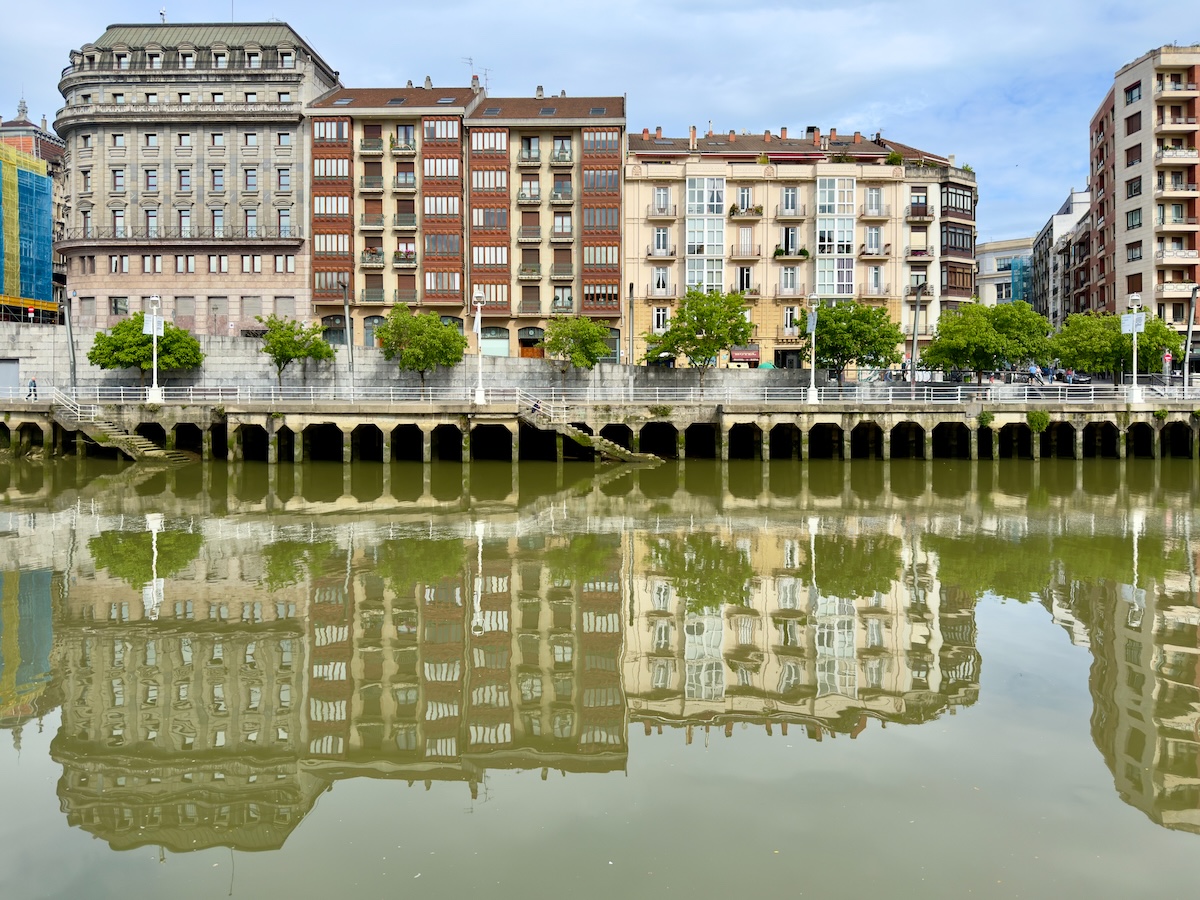
Bilbao feels cut from that same cloth. This is a city built to function. Its charm feels incidental rather than engineered. Its history is tied to shipbuilding, steel, banking, and trade. The river wasn’t a scenic flourish—it was an artery. The city grew around it with the efficiency of a place that understood exactly why it existed. Even now, after decades of reinvention, that backbone is still visible. Streets feel scaled for movement, not wandering. Buildings tend toward solidity over ornament. Design here absolutely entertains ideas, but it mostly solves problems.
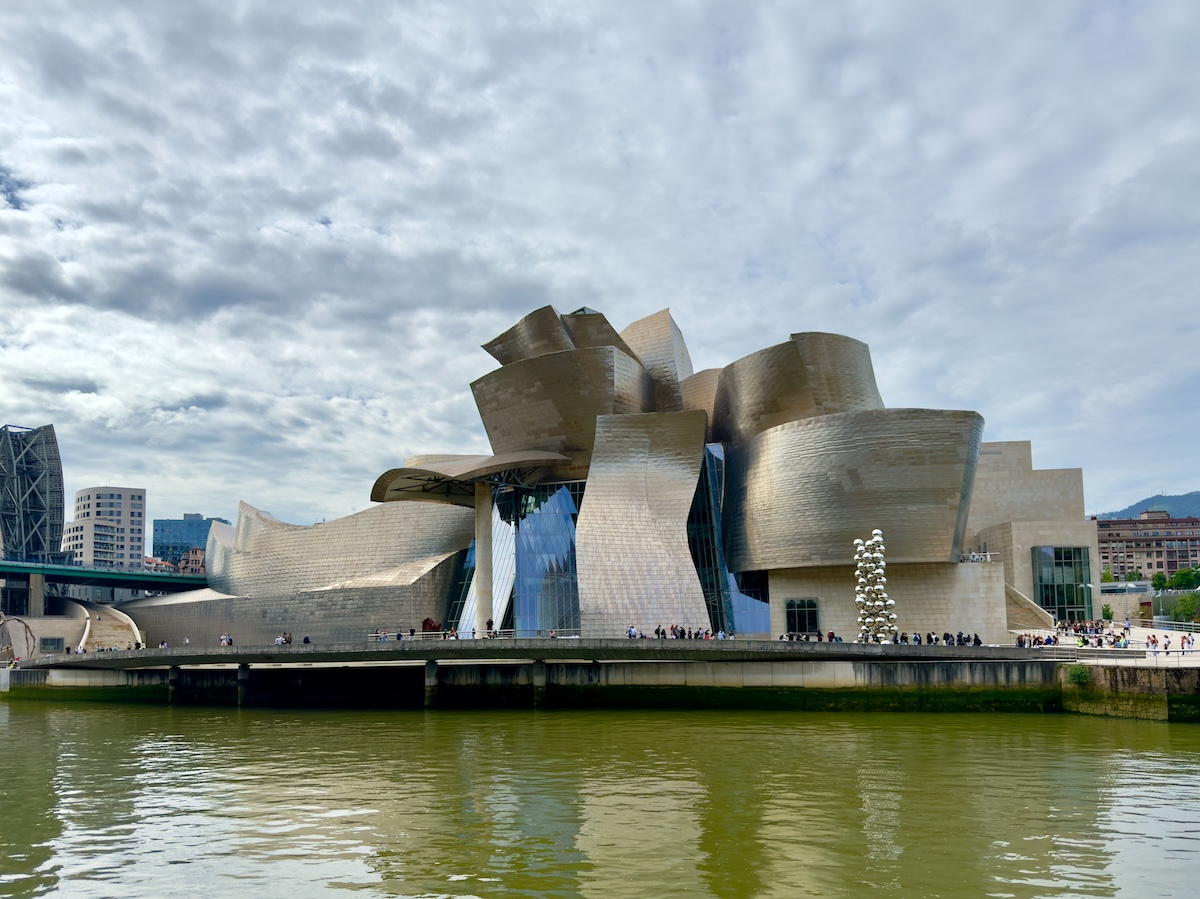
The context matters because Bilbao's recent history is often compressed into a single image. The museum gets the headline, and the rest of the story becomes a footnote. But the Guggenheim didn’t rescue Bilbao from irrelevance. It arrived in a city already doing the hard, unglamorous work of cleaning its river, modernizing its infrastructure, and rethinking how people moved through space. The building didn’t change the city’s personality so much as amplify it—bold, confident, and designed for longevity.
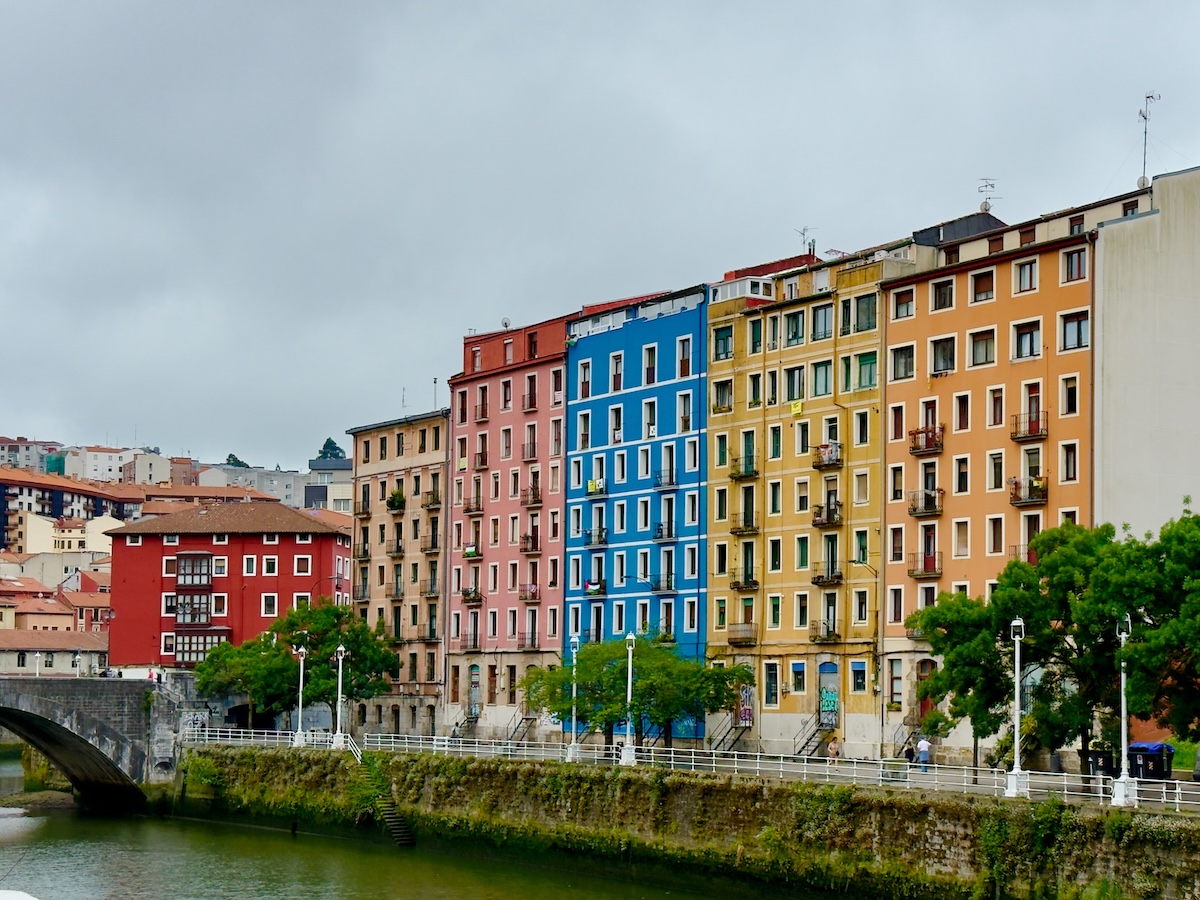
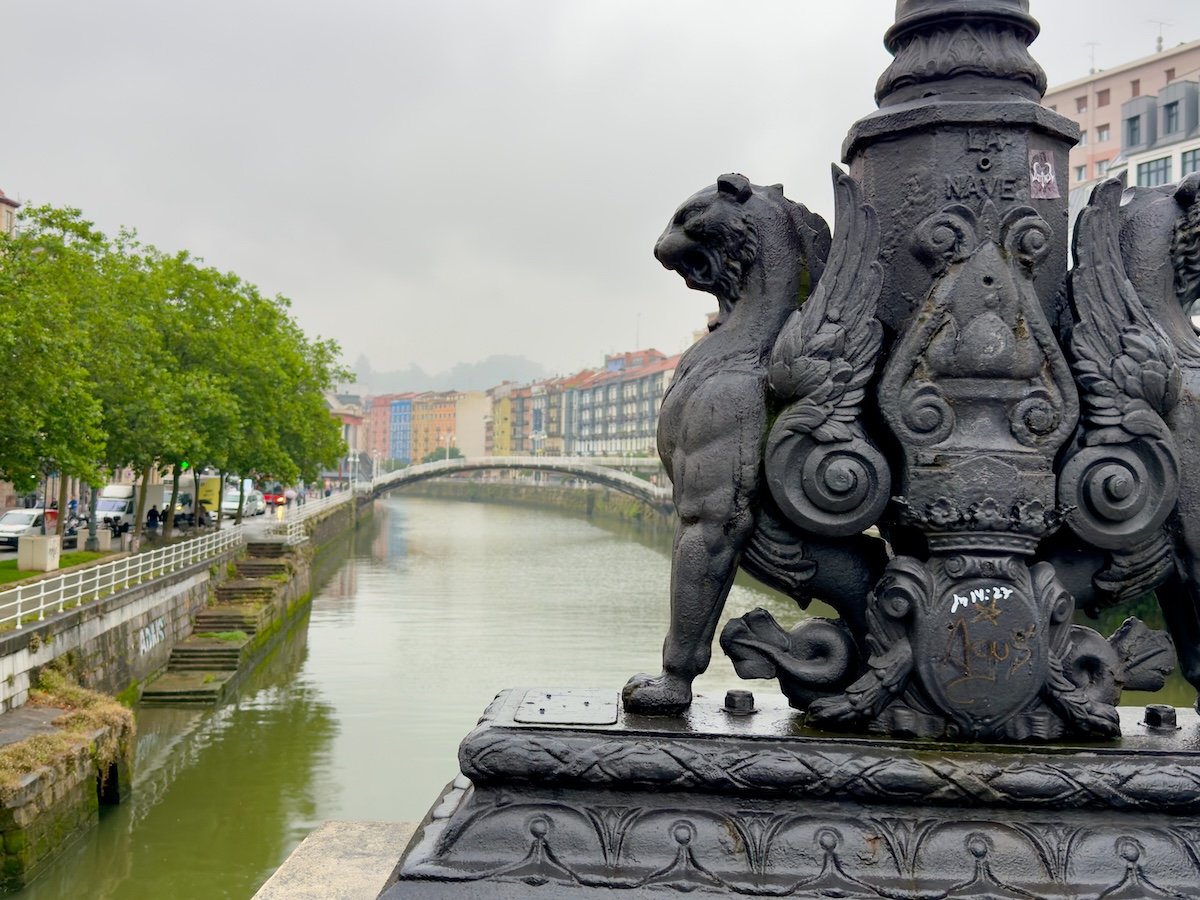
What’s striking is how little spectacle lingers once you step away from the postcard angles. The riverwalk works because it’s useful. The bridges connect neighborhoods before they pose for photographs. The metro is elegant in the way good tools are elegant—quiet, reliable, and efficient. This is civic design that assumes it will be used hard, often, and without ceremony.
What finally settled Bilbao for us, though, wasn’t a building or a plan but the way daily life unfolded at street level. Lunch was efficient rather than ceremonial. People ate well, paid attention to their food, and then got on with their day. Shops opened when they meant to and closed without apology. The weather—often gray, occasionally dramatic—was worked around, not complained about. There was very little effort spent narrating the city to anyone else. Bilbao seemed content to function as itself, assuming that if you stayed long enough, it would make sense.
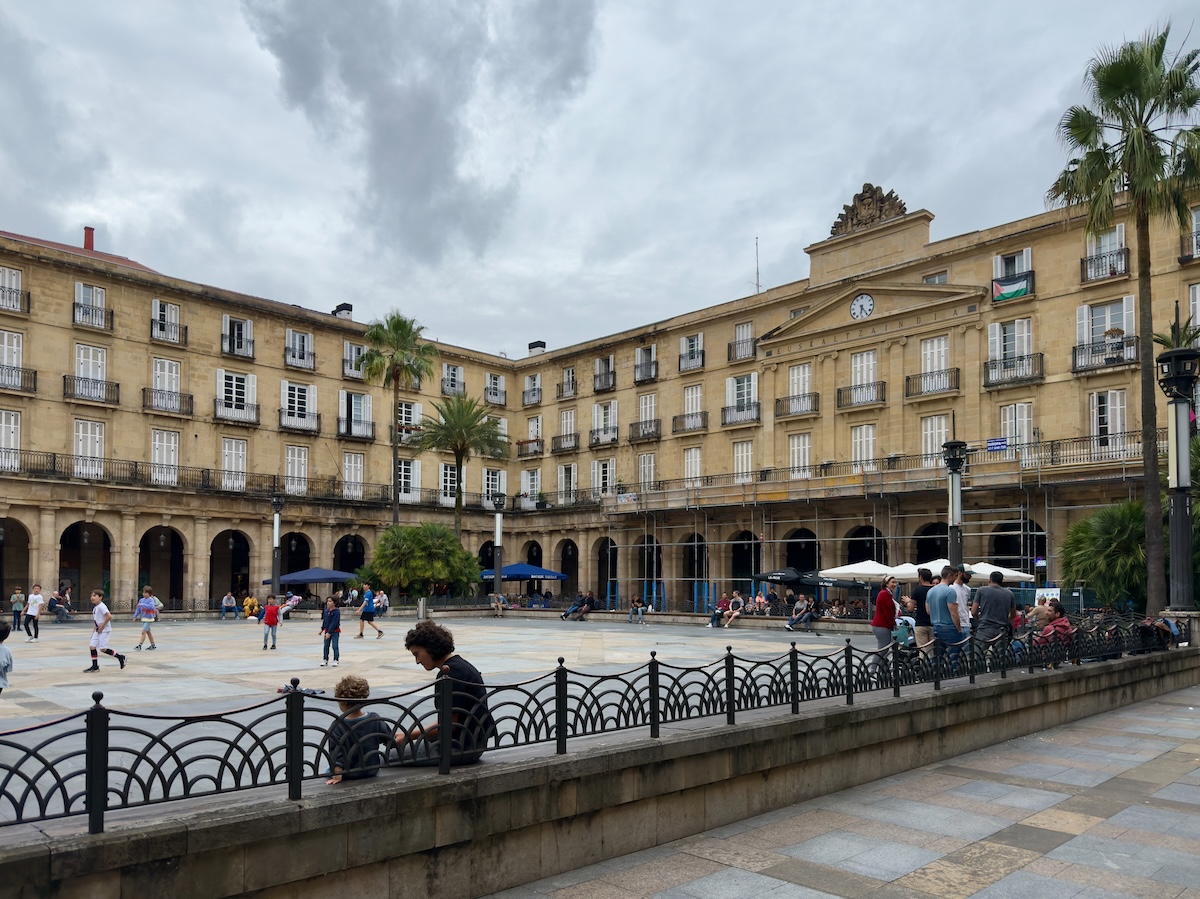
Bilbao’s deep Basque identity threads through all of this without overt pronouncements. The language is present, but naturally and unforced. The flag appears where it belongs, not where it will be noticed. Food here carries an expectation of seriousness—ingredients matter, technique matters, and shortcuts are treated with suspicion. It all feels settled and matter-of-fact, not defensive. As if Bilbao doesn’t feel compelled to explain itself because it already knows.
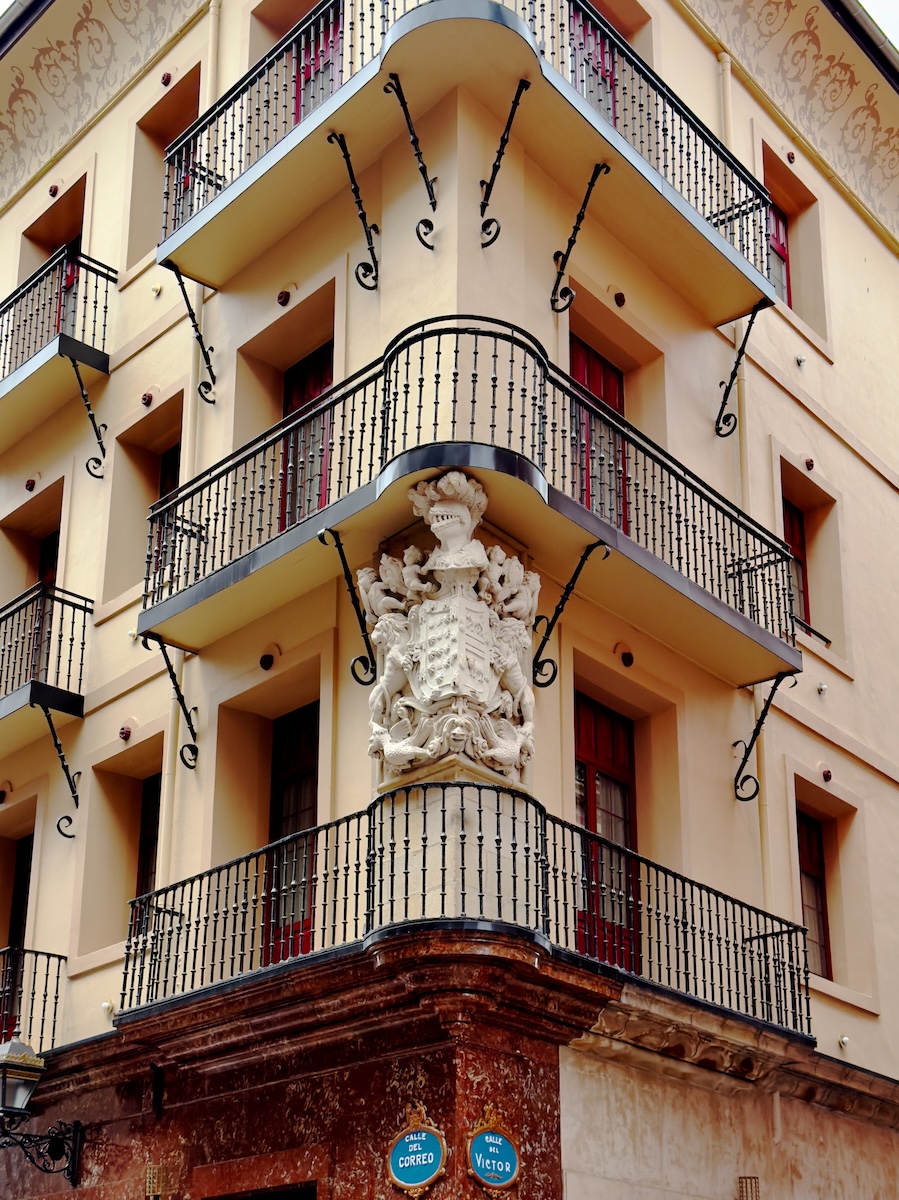
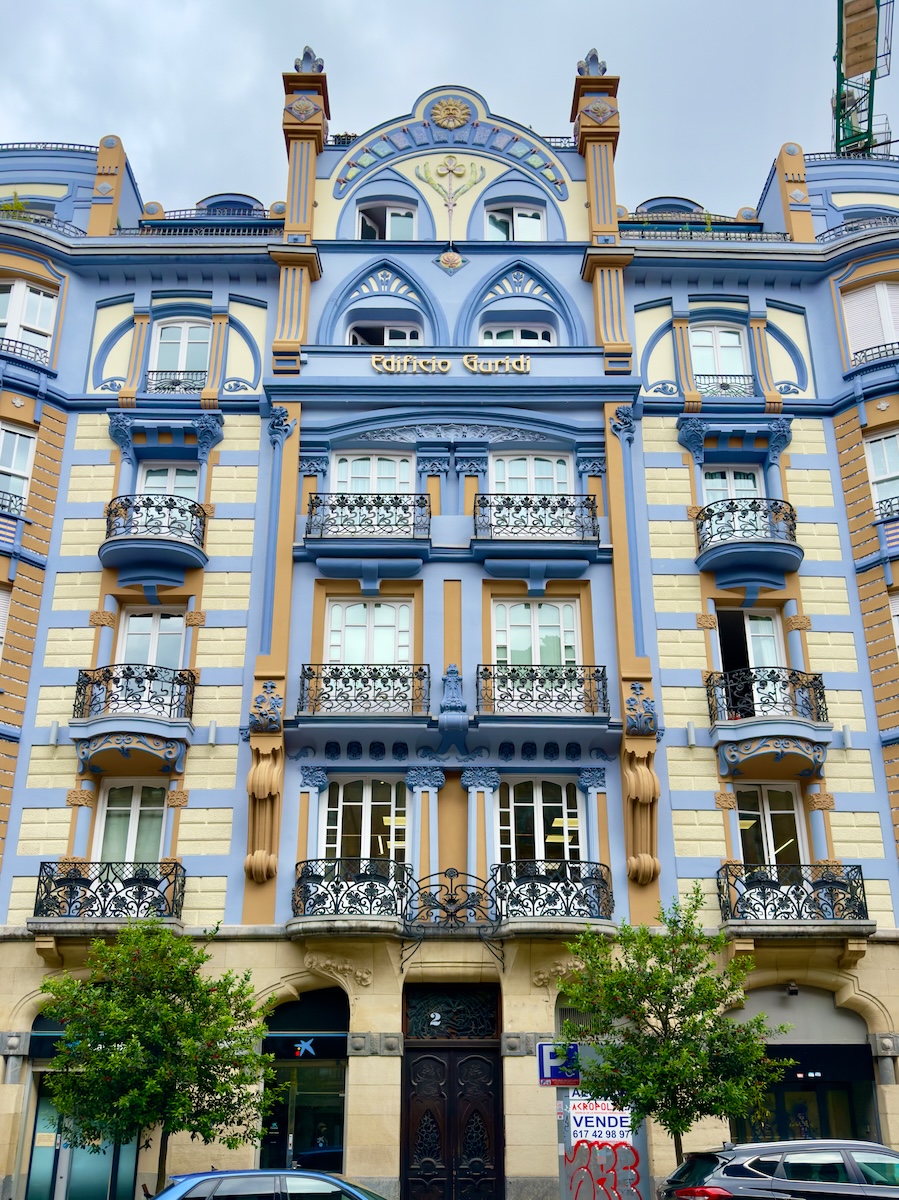
That self-possession shows up in small ways. Neighborhoods are lived-in rather than curated. Shops cater to locals first, visitors second. Even the city’s modern architecture, for the most part, resists flashiness—or at least treats it as an exception rather than a baseline. When Bilbao does indulge in spectacle, it does so decisively, then gets back to work. Most of what it builds looks like it expects to be standing for a long time. There’s a sense of durability everywhere, from materials to planning decisions. It’s clear that Bilbao, shaped by its own past, assumes the future will arrive eventually and intends to be ready for it.
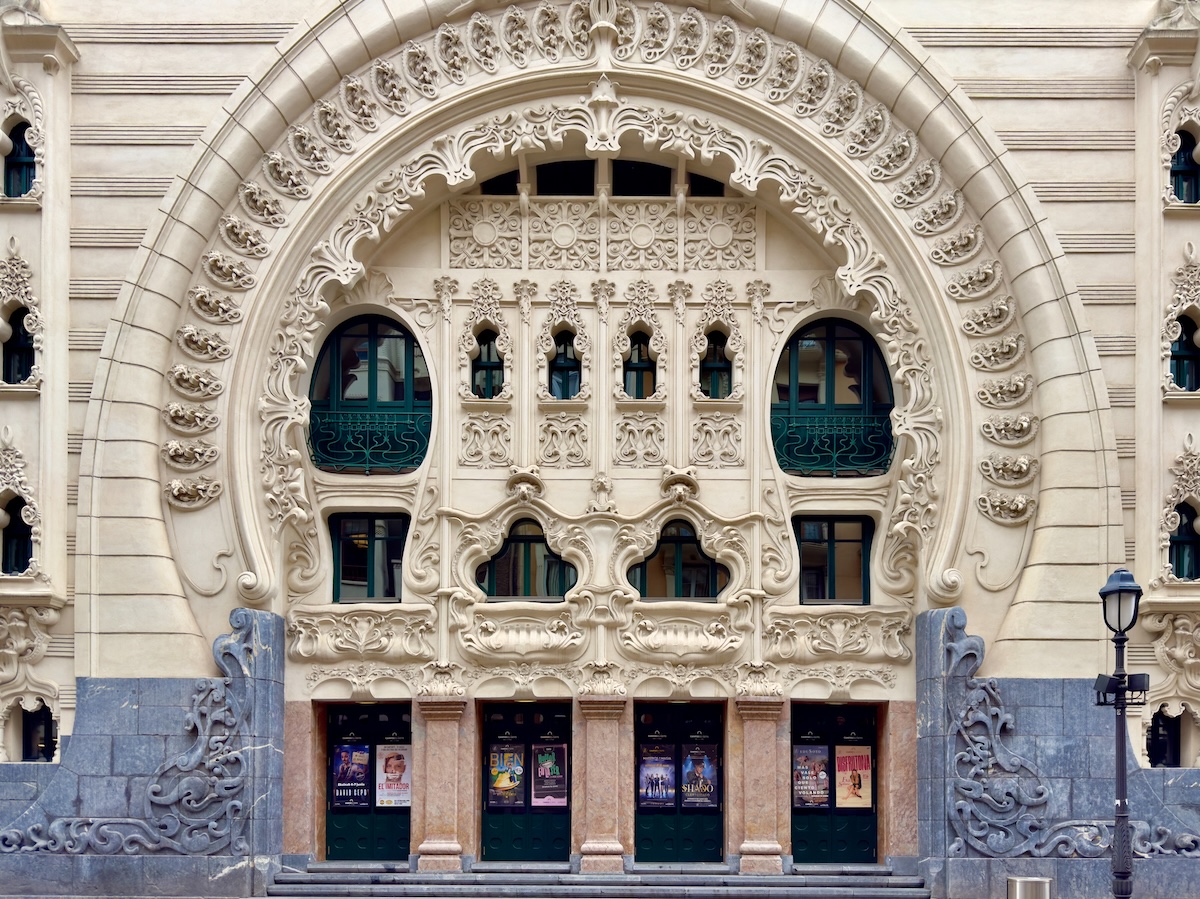
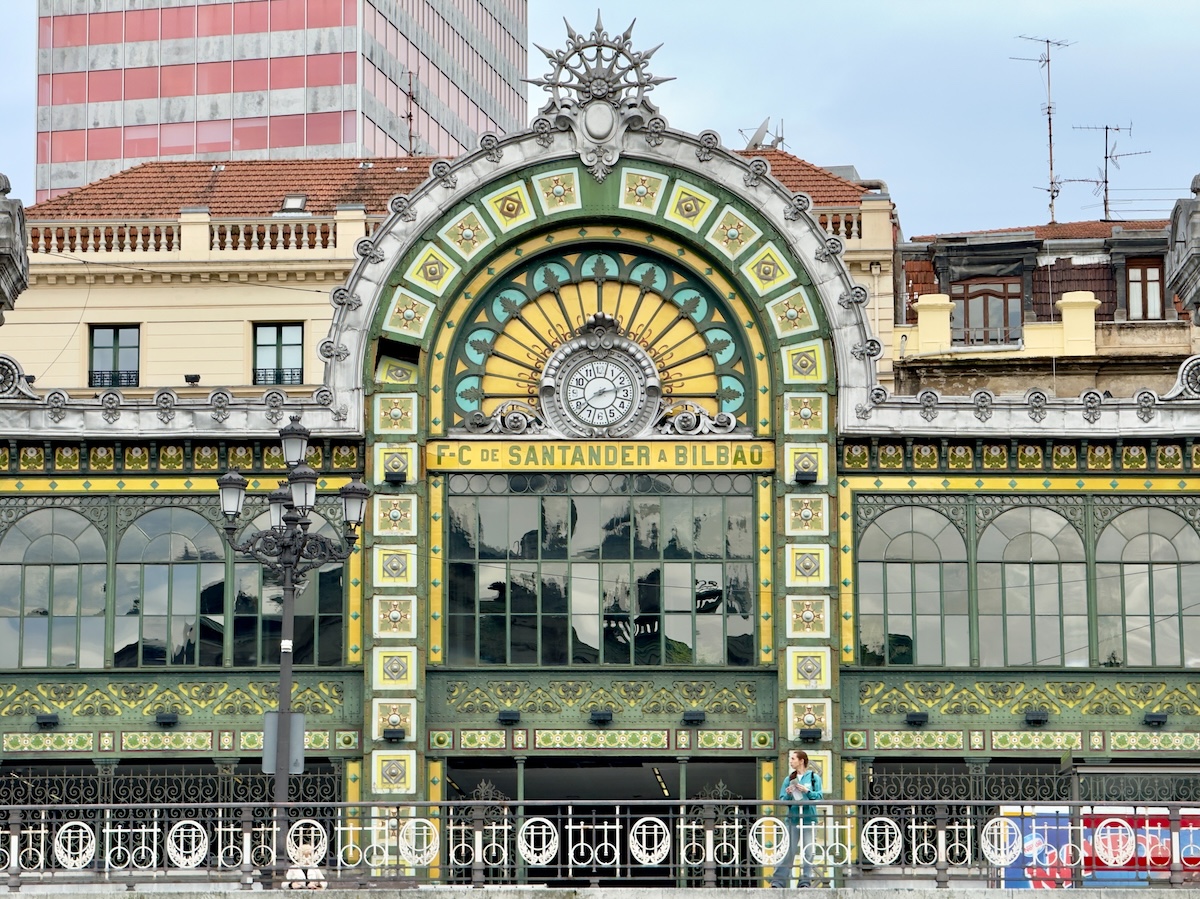
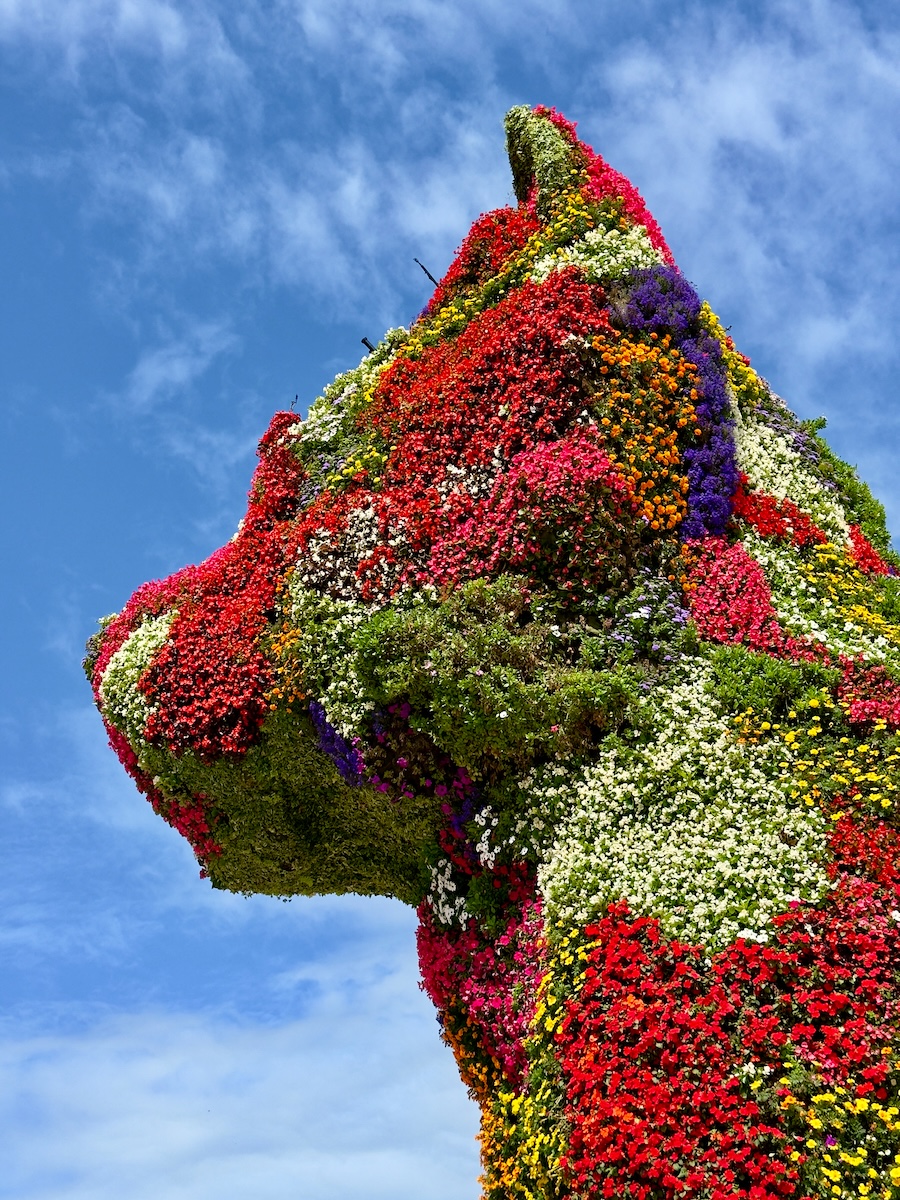
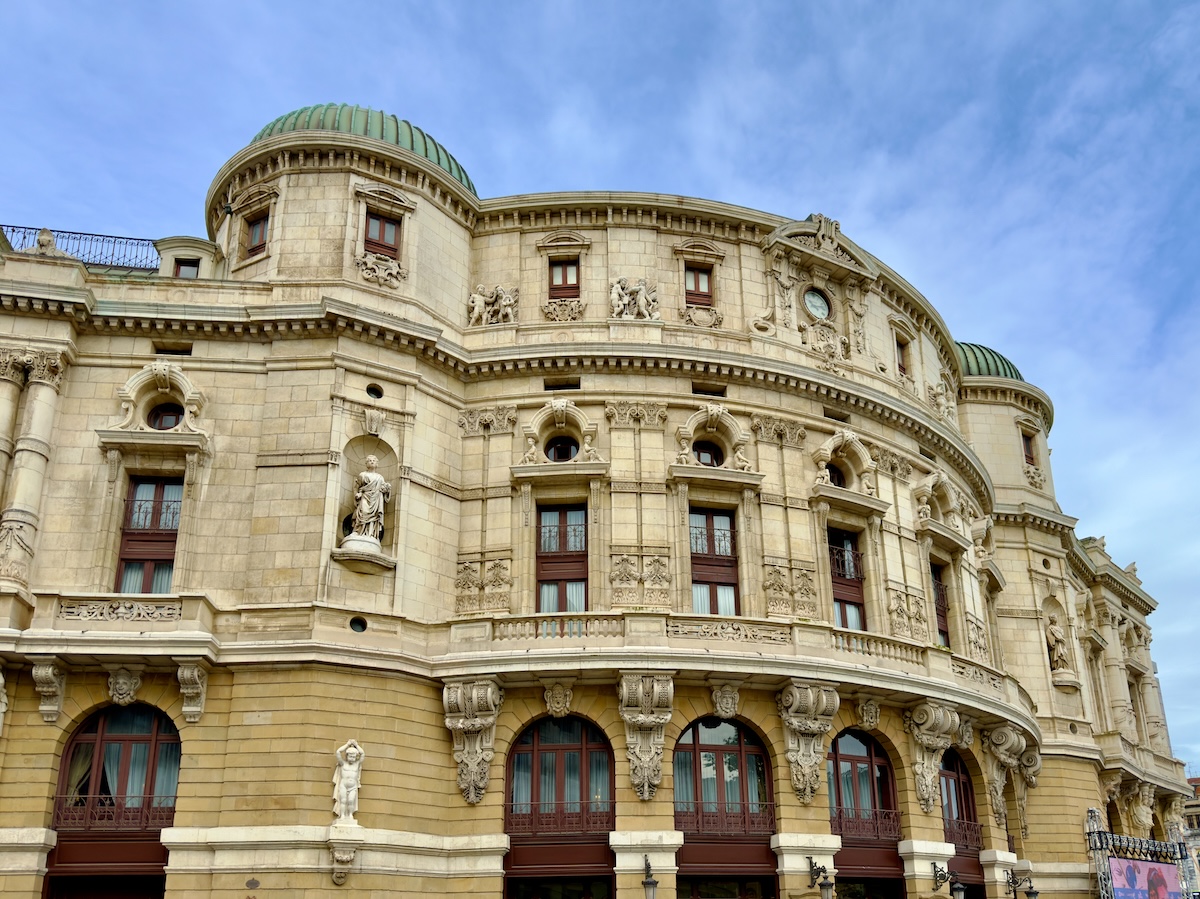
That doesn't mean Bilbao avoids spectacle entirely. It just deploys it selectively. The Guggenheim Museum Bilbao is the obvious outlier—a building so forceful it rewrote the city's international narrative almost overnight. Nearby bridges hold their own, and the Norman Foster metro entrances deliberately interrupt the downtown pavement. Michael Graves's reworking of the old wine warehouse into Azkuna Zentroa is unabashedly theatrical, as is the Osakidetza Headquarters, which is clearly not an afterthought of civic bureaucracy. These moments aren’t contradictions. They’re punctuation marks. Bilbao knows when to make a statement—and when to stop talking.
Conventional travel writing tends to reward cities that perform well on arrival—places that sparkle immediately and deliver their pitch in the first 15 minutes. Bilbao feels increasingly out of step with that economy and is better for it. Its appeal isn't front-loaded or rehearsed. It builds quietly with unhurried dinners, long walks that reveal the city’s logic, and a rhythm that finally clicks when you stop hunting for the obvious highlights.
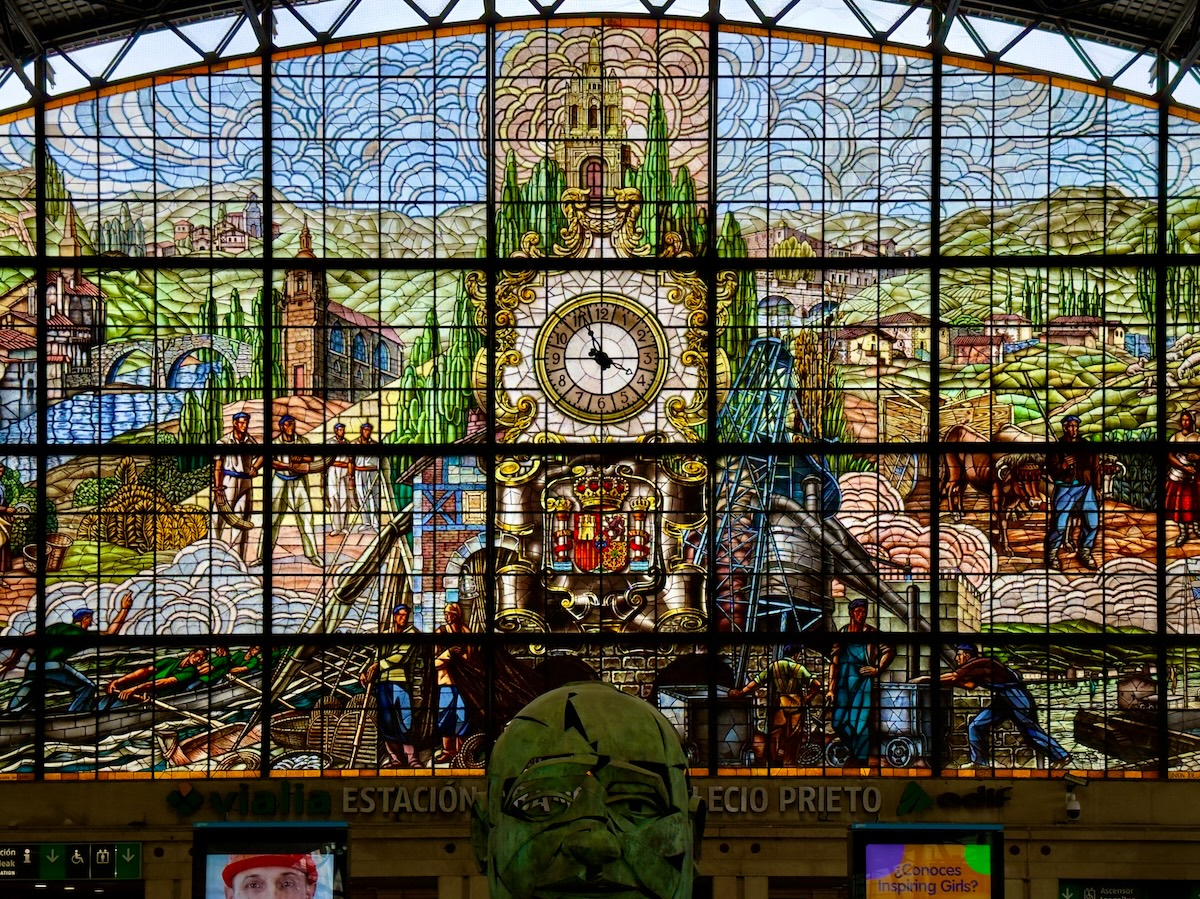
What will stay with you isn’t a single image or landmark so much as a feeling—of a city that understands its purpose and knows not to confuse reinvention with erasure. Its industrial past isn't hidden or prettied up but absorbed into the present.
In a world full of destinations competing for attention, there’s something grounding about a place that doesn’t center itself around it. The beauty of Bilbao is its deep confidence that cities can change without losing themselves. That function, care, and confidence can still count as beauty.
Write a comment