
The Georgetown Steam Plant sits in an industrial corner of south Seattle. Most of the time, the building is closed to the public, opening for tours only one Saturday each month. I'd been meaning to visit for years. But when we lived in Seattle, I had things. Now when we visit Seattle, though, my time is my own.
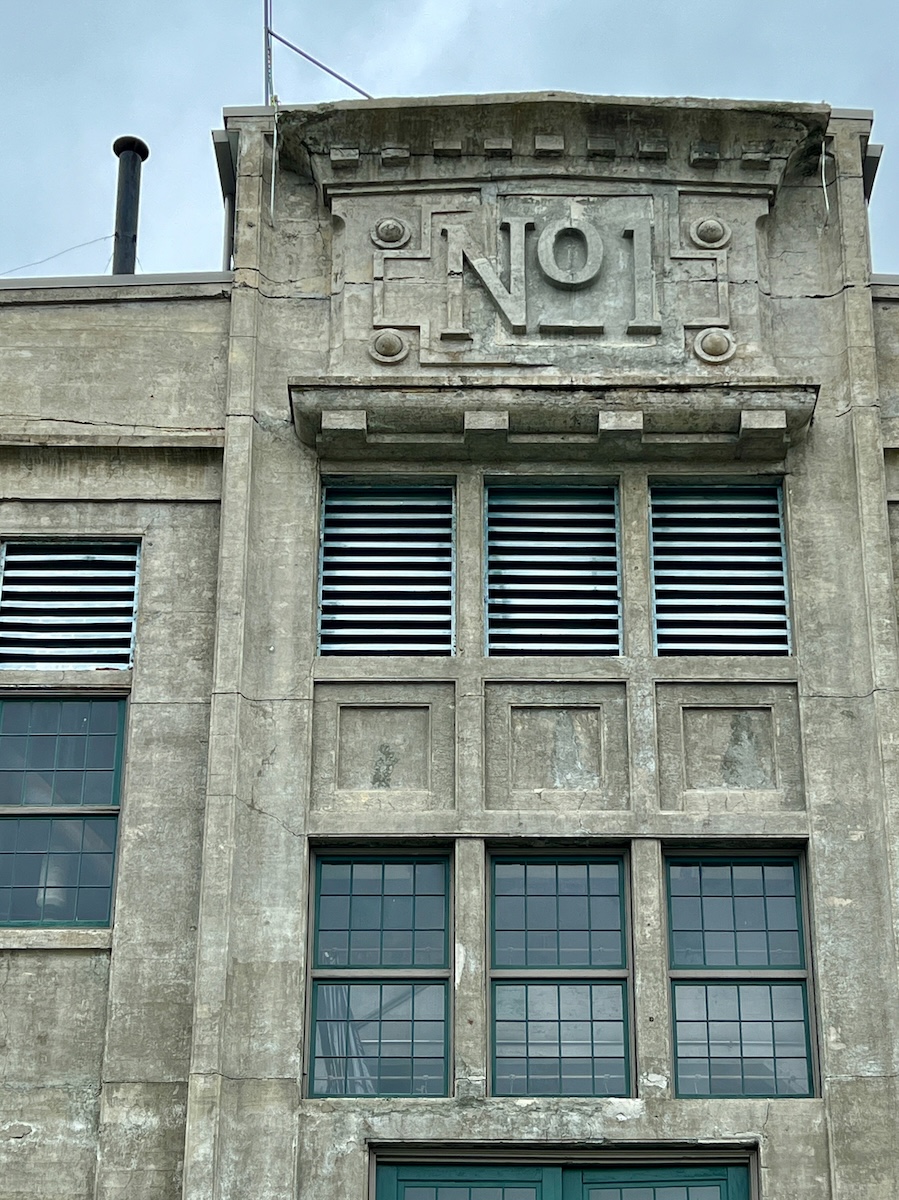
From the outside, the plant is impressive enough. The white concrete structure stands alone beside Boeing Field, looking like the last survivor of an earlier industrial age. Even so, after decades of visiting old or abandoned buildings, I’ve learned that the most interesting part usually waits inside.
That certainly proved true here.
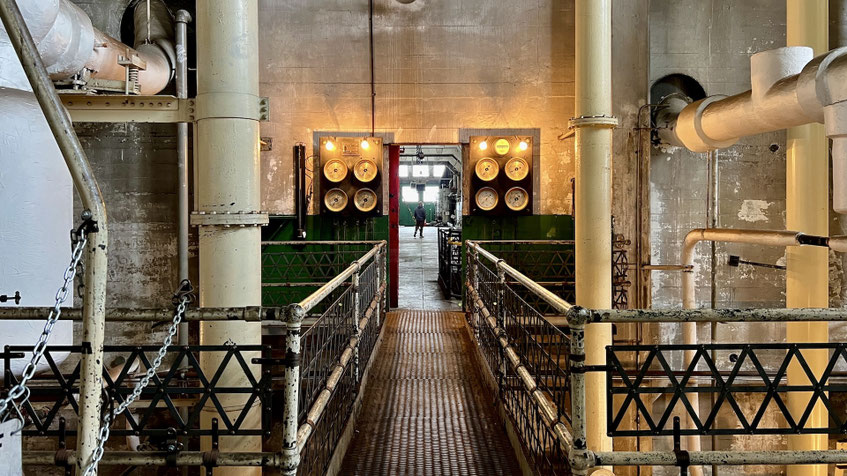
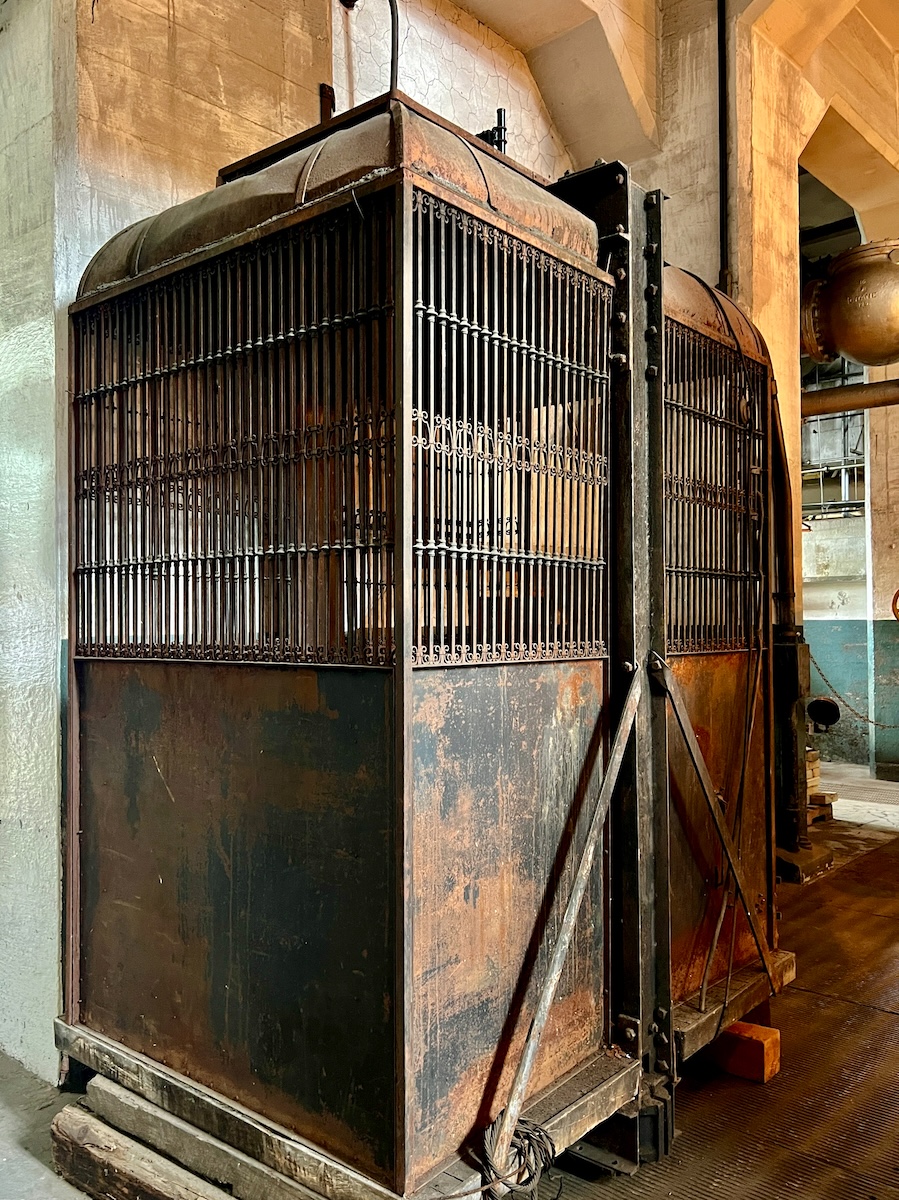
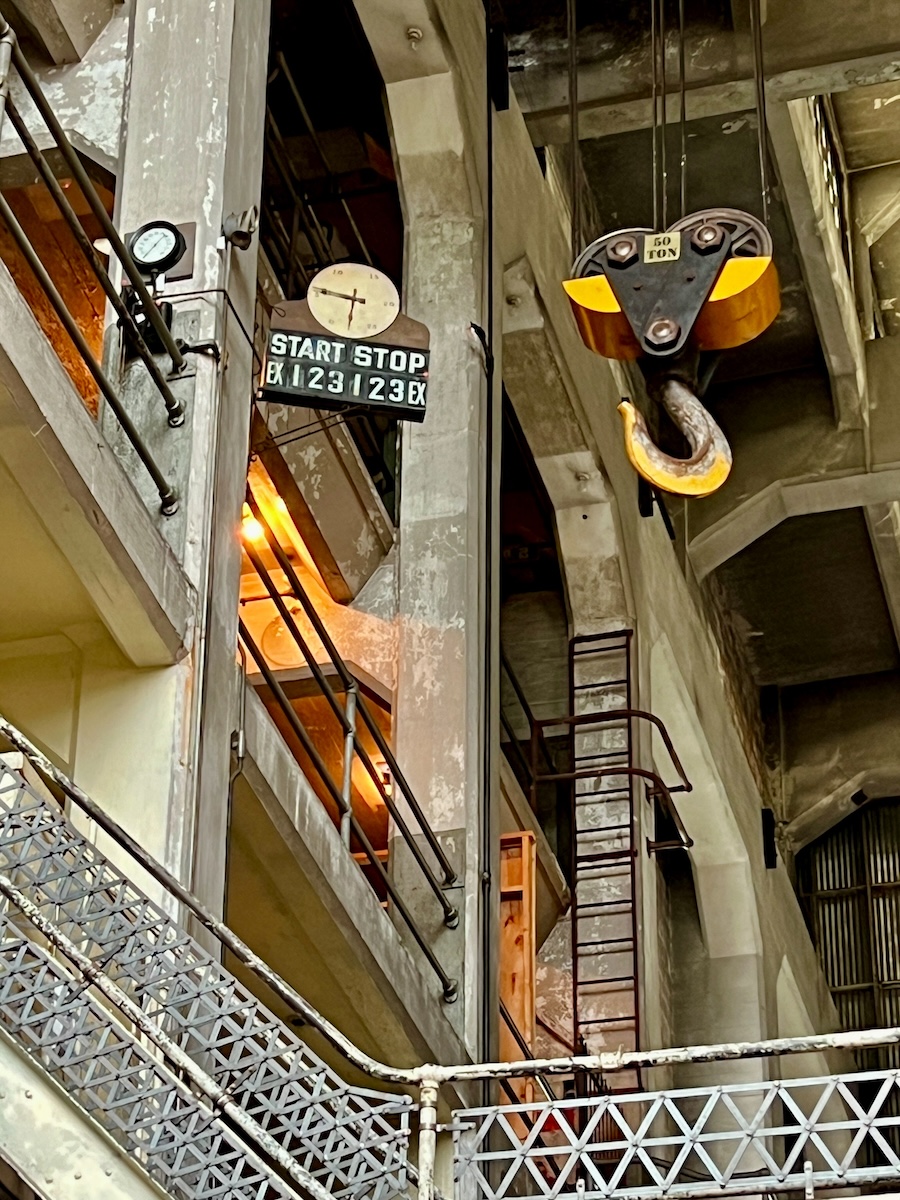
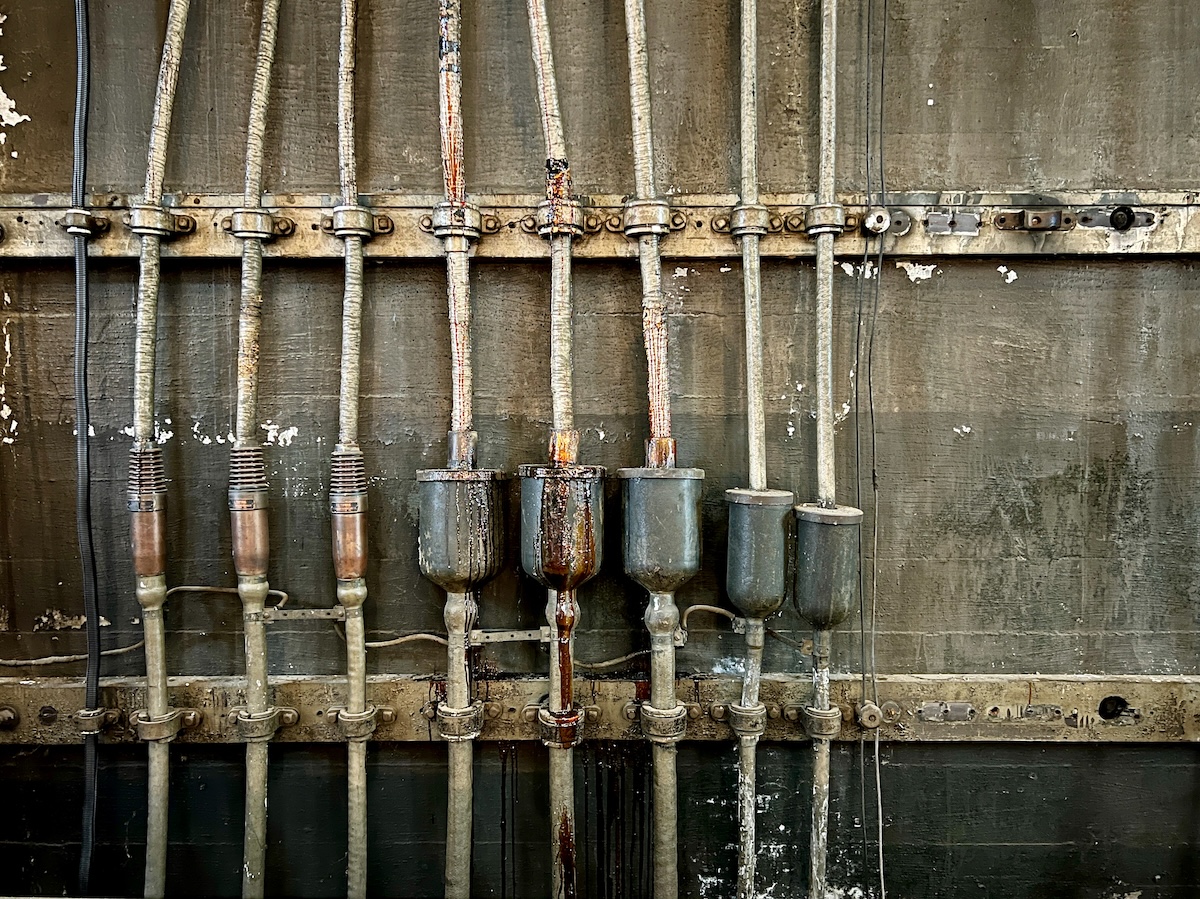
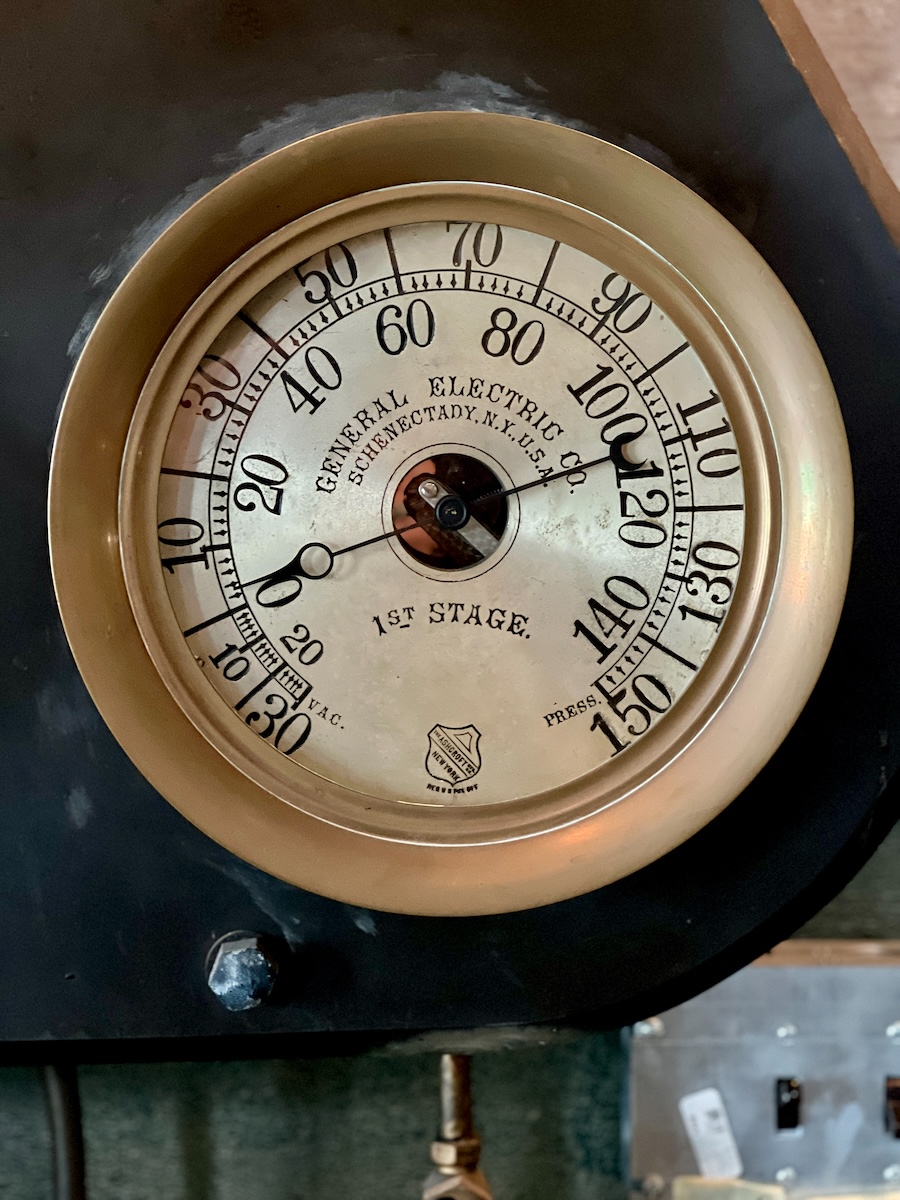
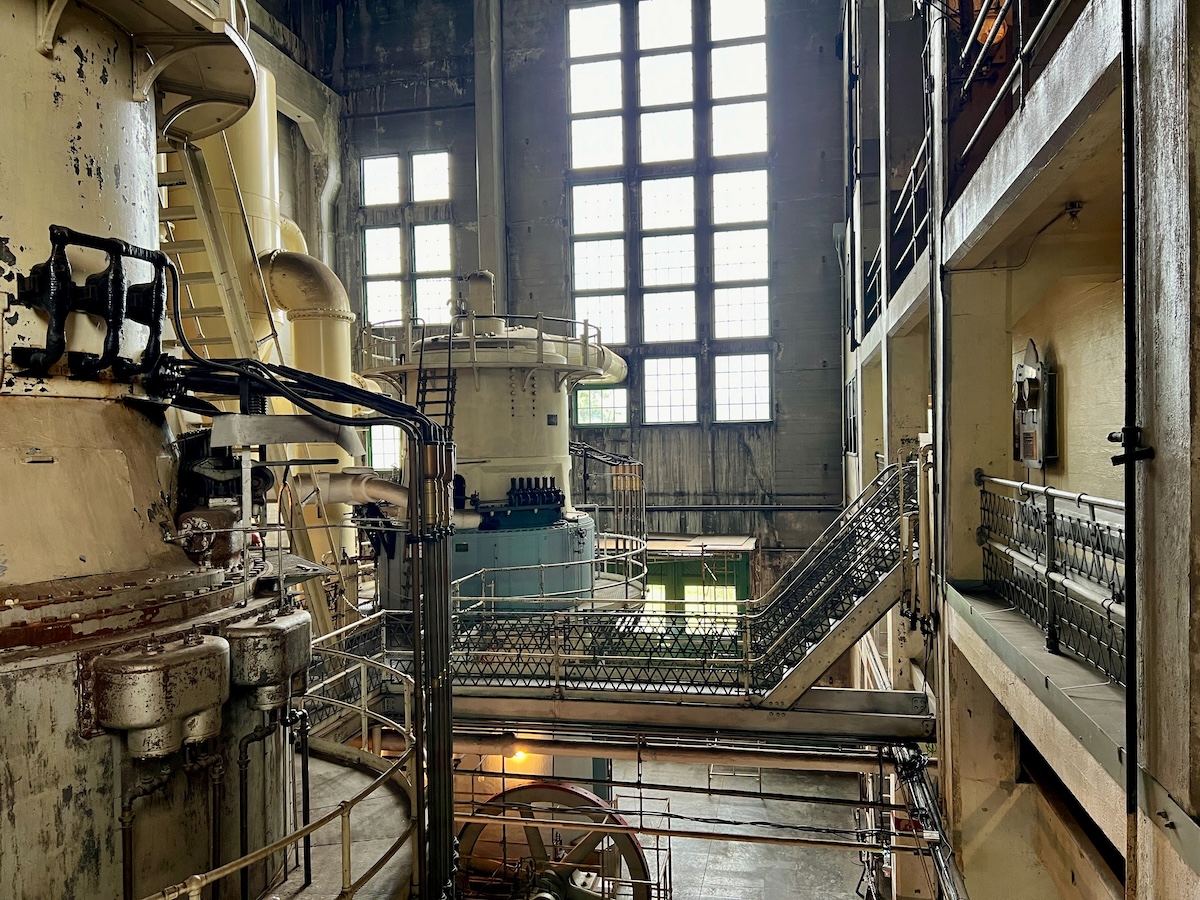
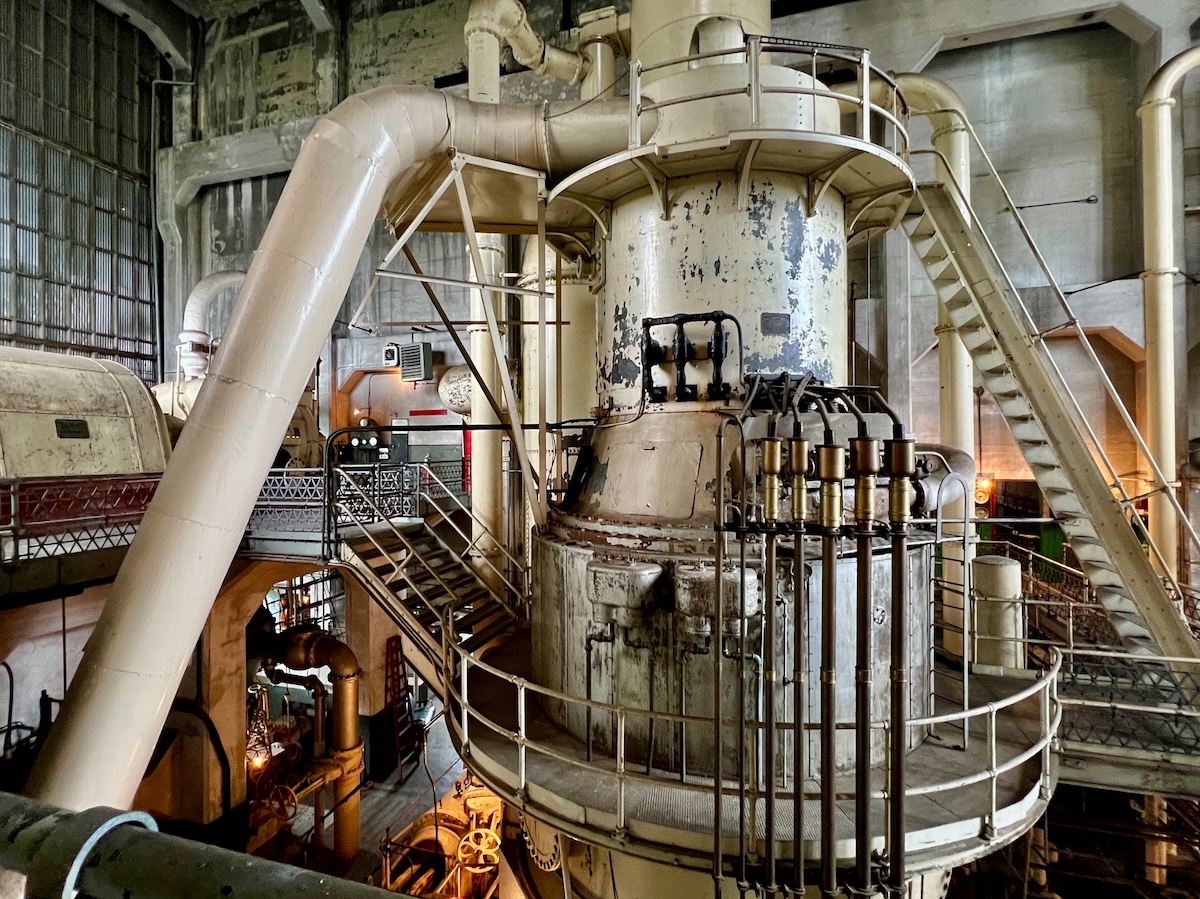
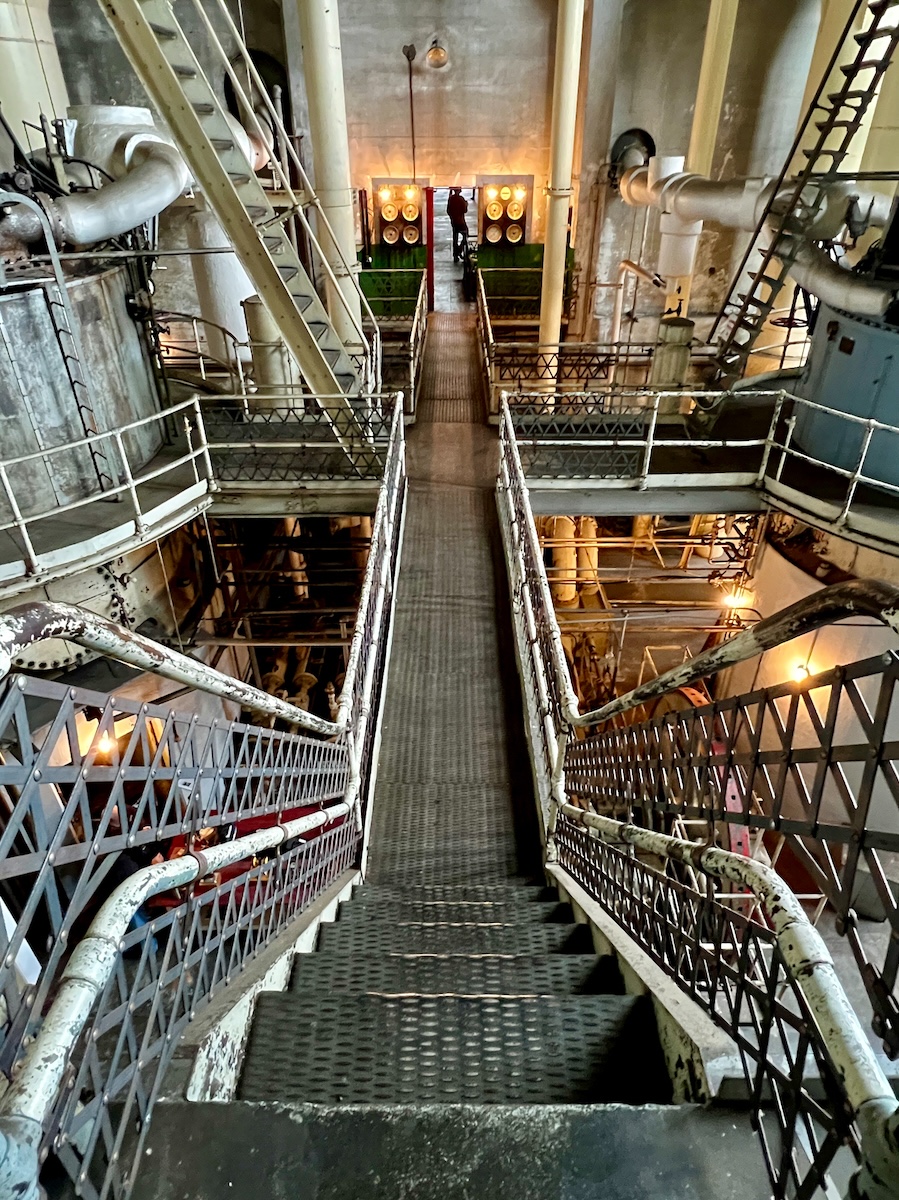
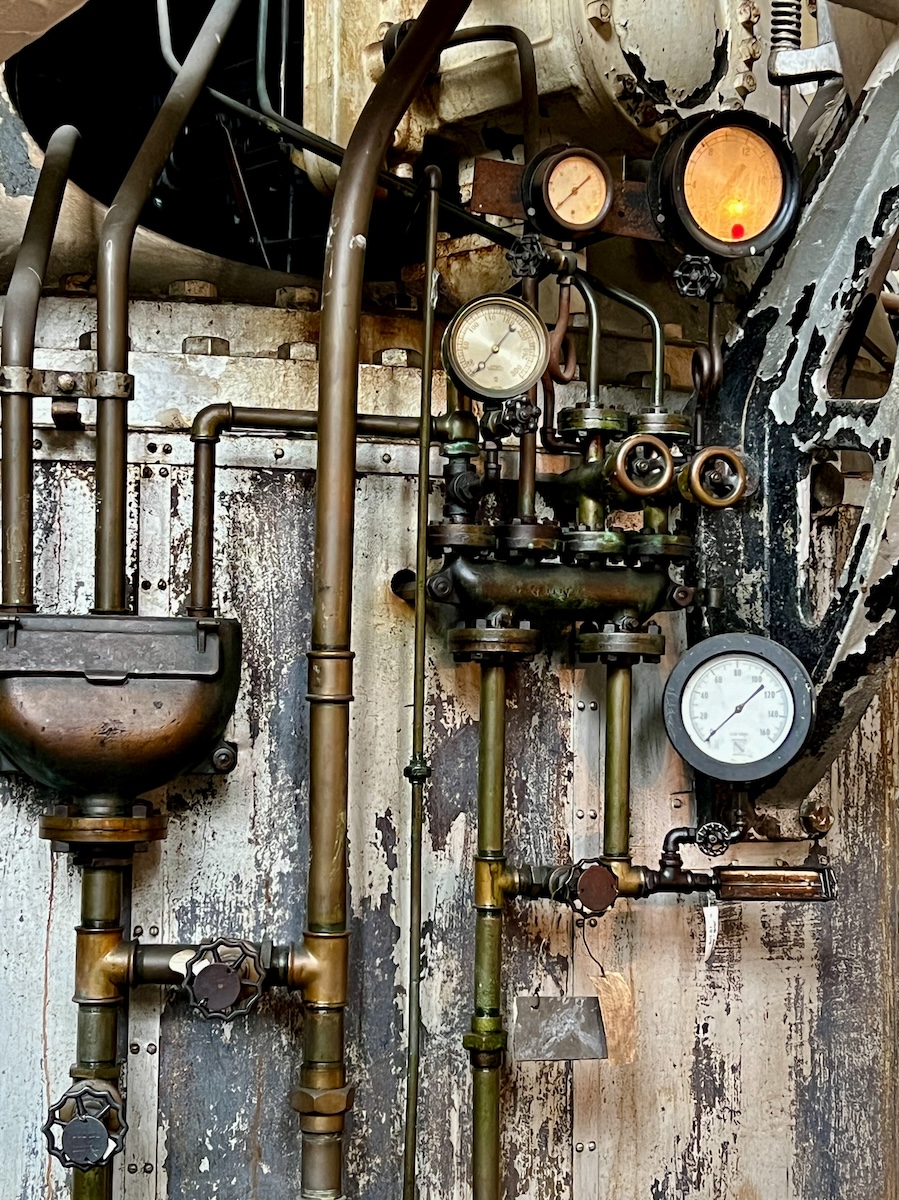
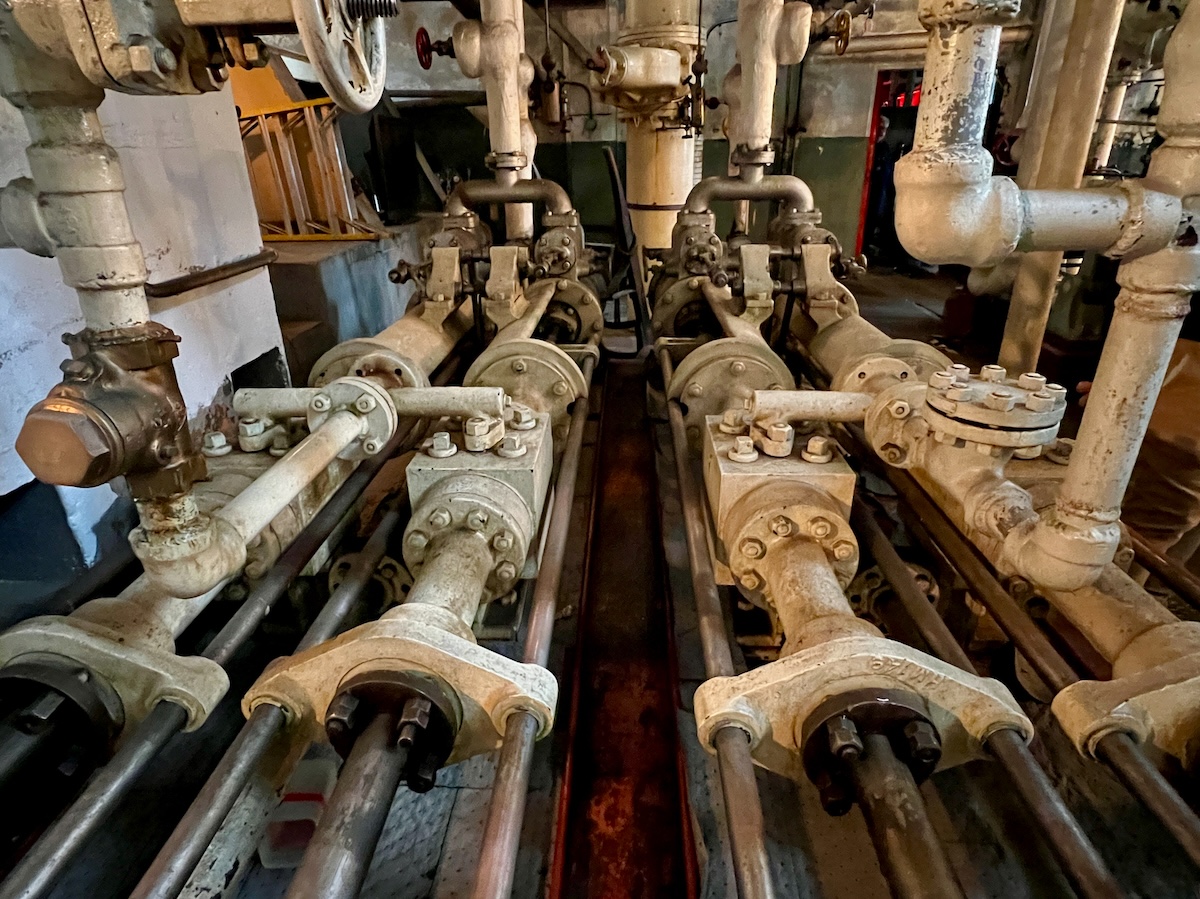
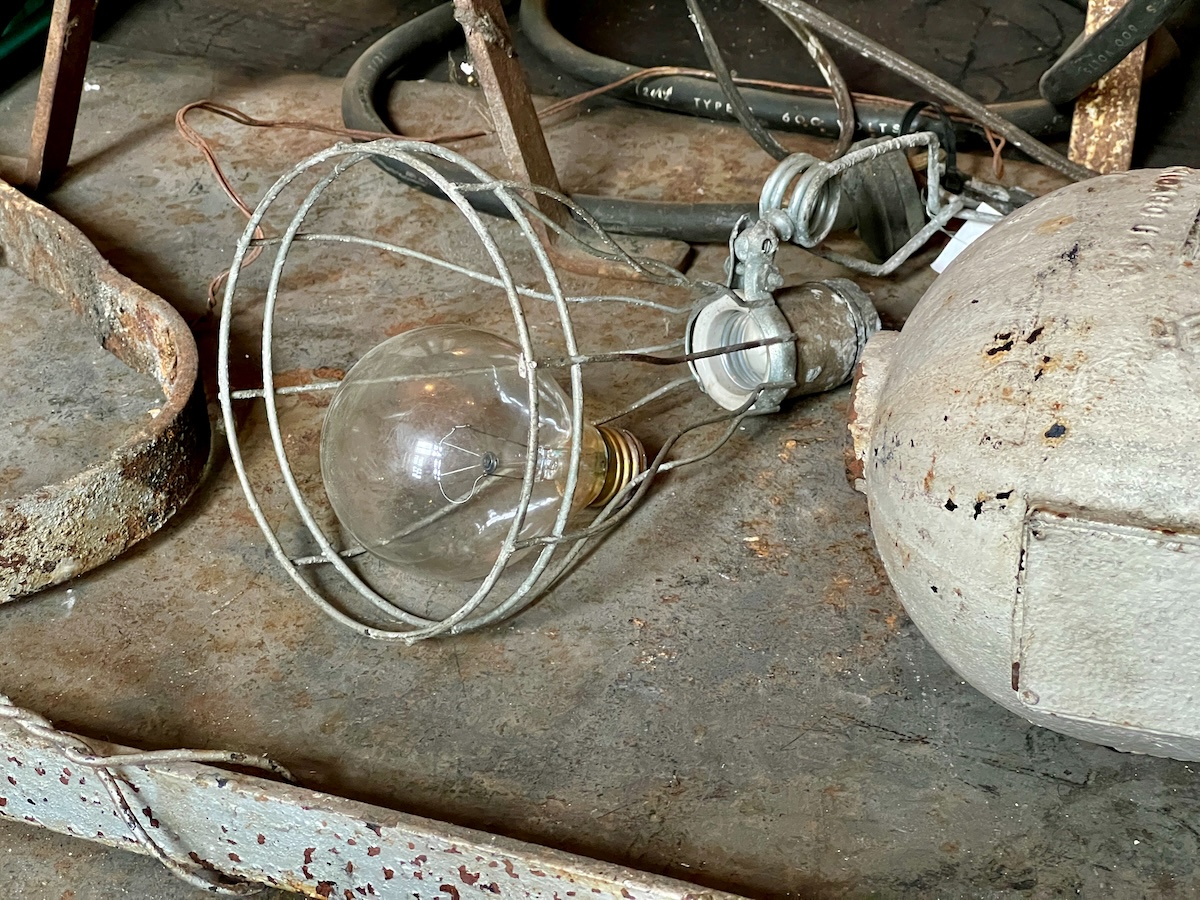
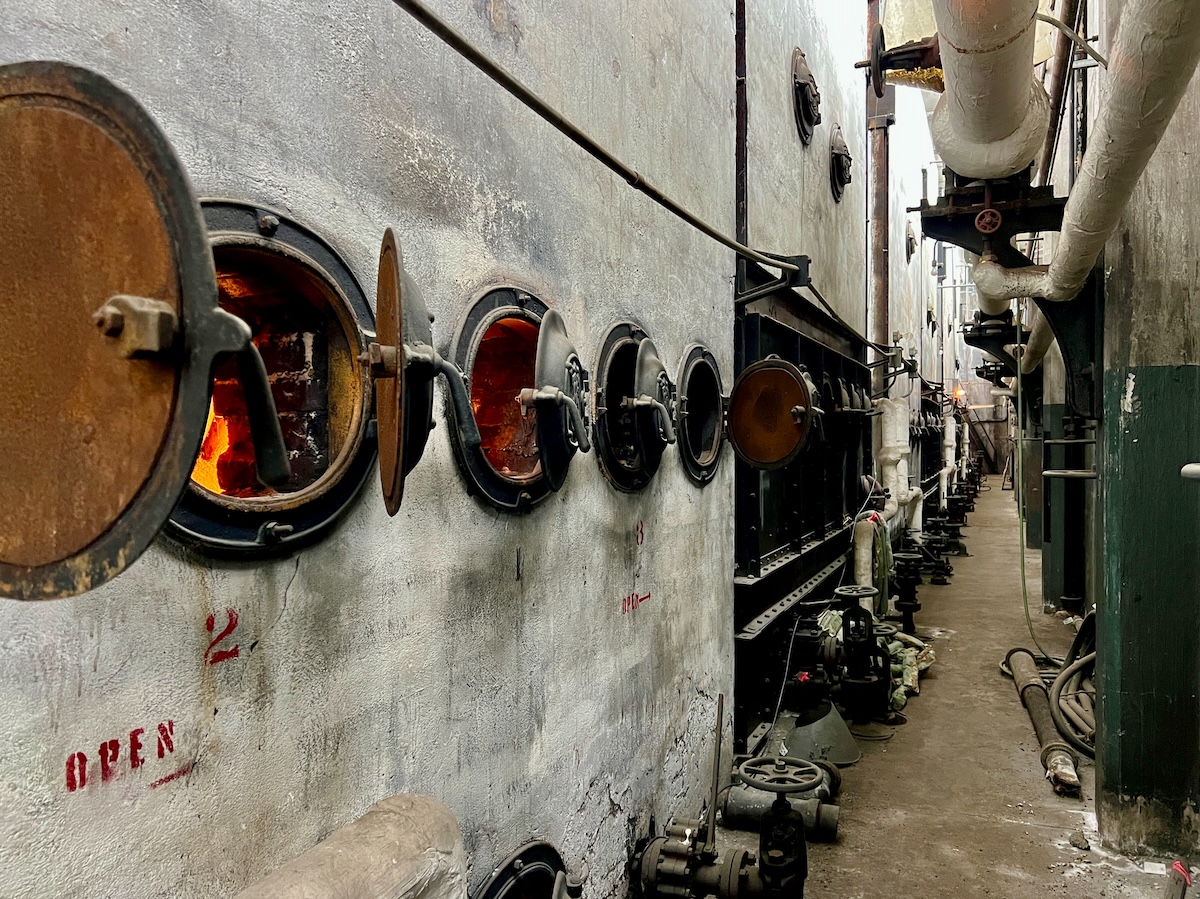
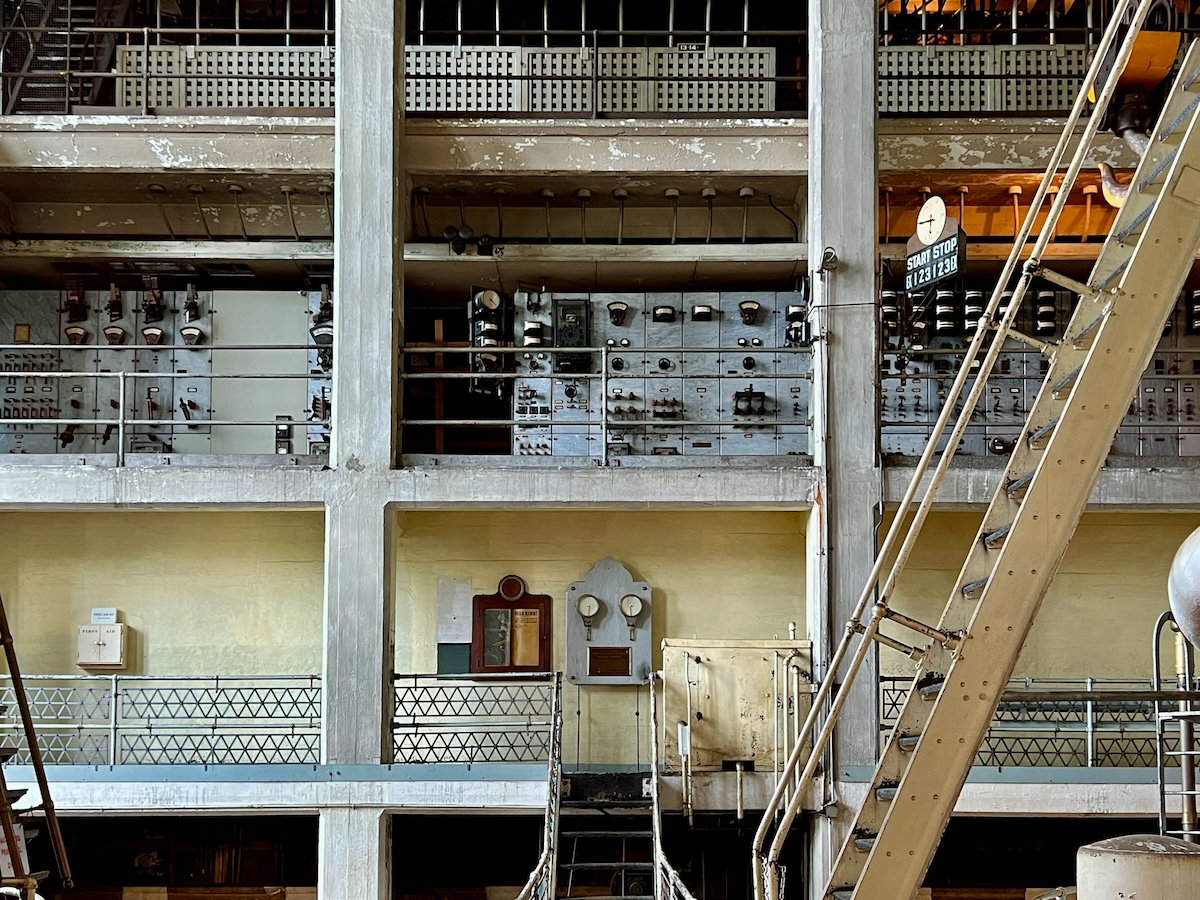
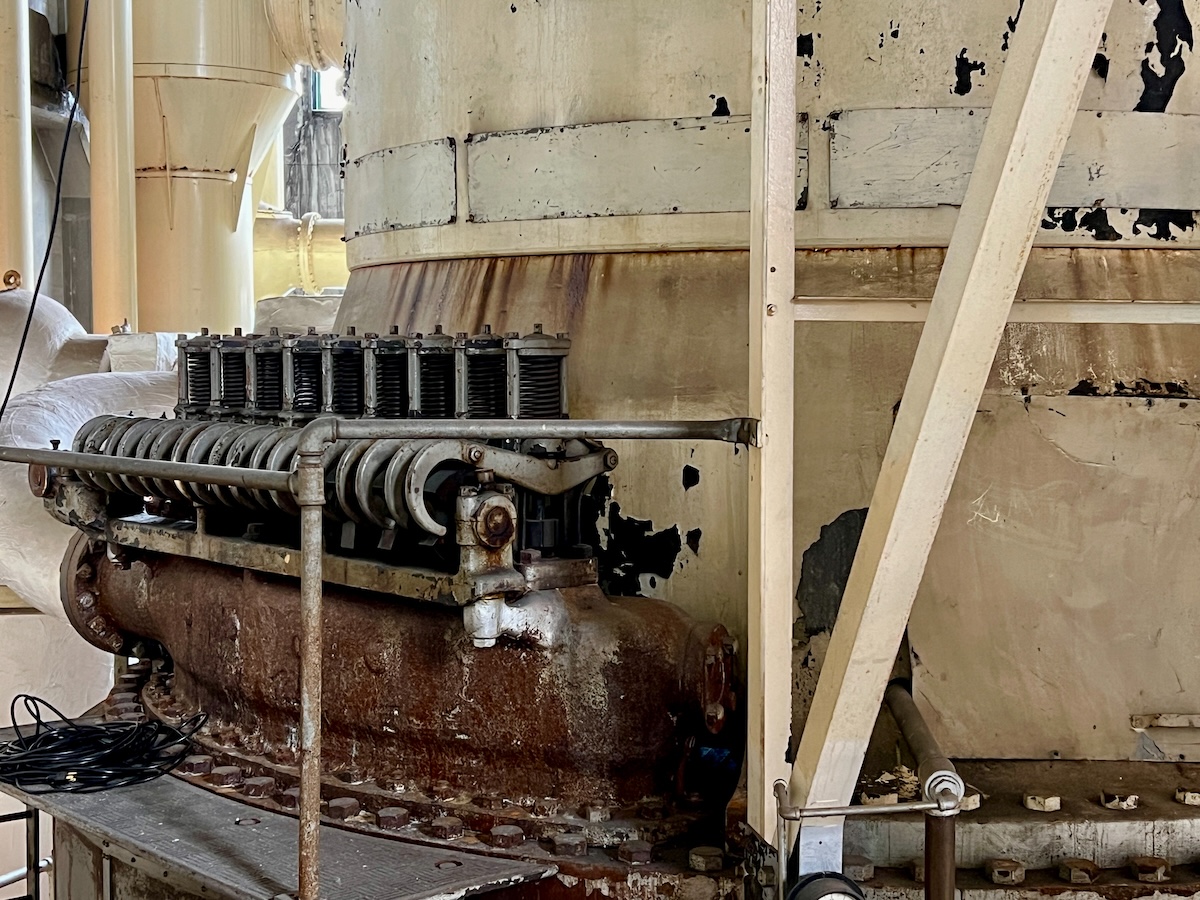
Inside, the plant opens into a cavernous turbine hall filled with generators, pipes, valves, gauges, catwalks, and enough heavy machinery to satisfy steampunk artists up and down the West Coast. The hall rises several stories overhead, with steep metal staircases climbing to the upper galleries, while silver Northwest light spills through impossibly tall industrial windows. Everywhere you look, there are pieces of equipment whose function, while probably obvious to an engineer, is completely mysterious to normal folk.
And the scale. The plant doesn’t feel like a collection of equipment. It feels like a machine in its own right—a giant mechanical organism built from steel, concrete, steam, and optimism.
The rational part of my brain knew that the facility had been retired decades ago, well before I was even born. But my gut wasn’t so sure. If somebody whispered in my ear that the turbines were still brought online during major storms, I’d have believed them.
I’ve never been much interested in tinkering with engines or building electric motors with doodads from Radio Shack. My father could spend hours under the hood of a car, but I inherited none of that talent. What I did inherit, though, was a deep appreciation for the beauty of complicated things built on a grand scale. And standing inside the Georgetown Steam Plant, it’s impossible not to admire the ambition.
Seattle in 1906 was nothing like the city we know and love today. The Klondike Gold Rush had transformed Seattle from a regional port into a booming commercial center. Prospectors chasing dreams of sudden wealth flooded the city on their last stop north. Seattle merchants quickly deduced there was good money to be made selling supplies to people chasing dreams of sudden wealth.
New residents arrived by the thousands, and new neighborhoods pushed farther out from downtown. Developers, business owners, and civic leaders were all convinced that the city was destined for the big time, and nobody paid too much attention to the logistics.
Electricity was still new enough that people hadn’t yet started taking it for granted. It powered new streetlights, homes, businesses, and even factories. The most important thing it powered was the exploding streetcar network that allowed Seattle to spread beyond easy walking distance of Pioneer Square. With streetcars, distant neighborhoods like Queen Anne, Ballard, and West Seattle, which once felt remote, suddenly became practical places to live and work. But it all required electricity. A lot of it.
The Georgetown Steam Plant was built to help meet that demand. The site offered easy rail access for fuel deliveries, water from the Duwamish for cooling, and enough industrial space to house a generating station whose builders might have gotten a little ahead of themselves. Much of the power generated here was earmarked for the streetcars that were busy dragging the city outward in every direction.
The city turned to Stone & Webster Engineering of Massachusetts to help bring its new power plant to life. The project was designed and supervised by industrial engineer Frank Gilbreth, who was famed for studying how people and machinery worked. He timed tasks, analyzed movements, and searched relentlessly for ways to do things quickly, safely, and efficiently. The Georgetown Steam Plant was one of many large projects that he led based on his findings.
Frank wasn’t working alone. His wife, Lillian, who would ultimately become a nationally famous proponent of efficiency engineering in her own right, was his partner in life and in business. She was a pioneering industrial psychologist who applied many of the same efficiency principles she championed with Frank to life at home. Her work influenced everything from kitchen layouts (the “magic triangle”) to refrigerator design (door shelves and egg compartments). She’s even credited with developing the foot-pedal trash can.
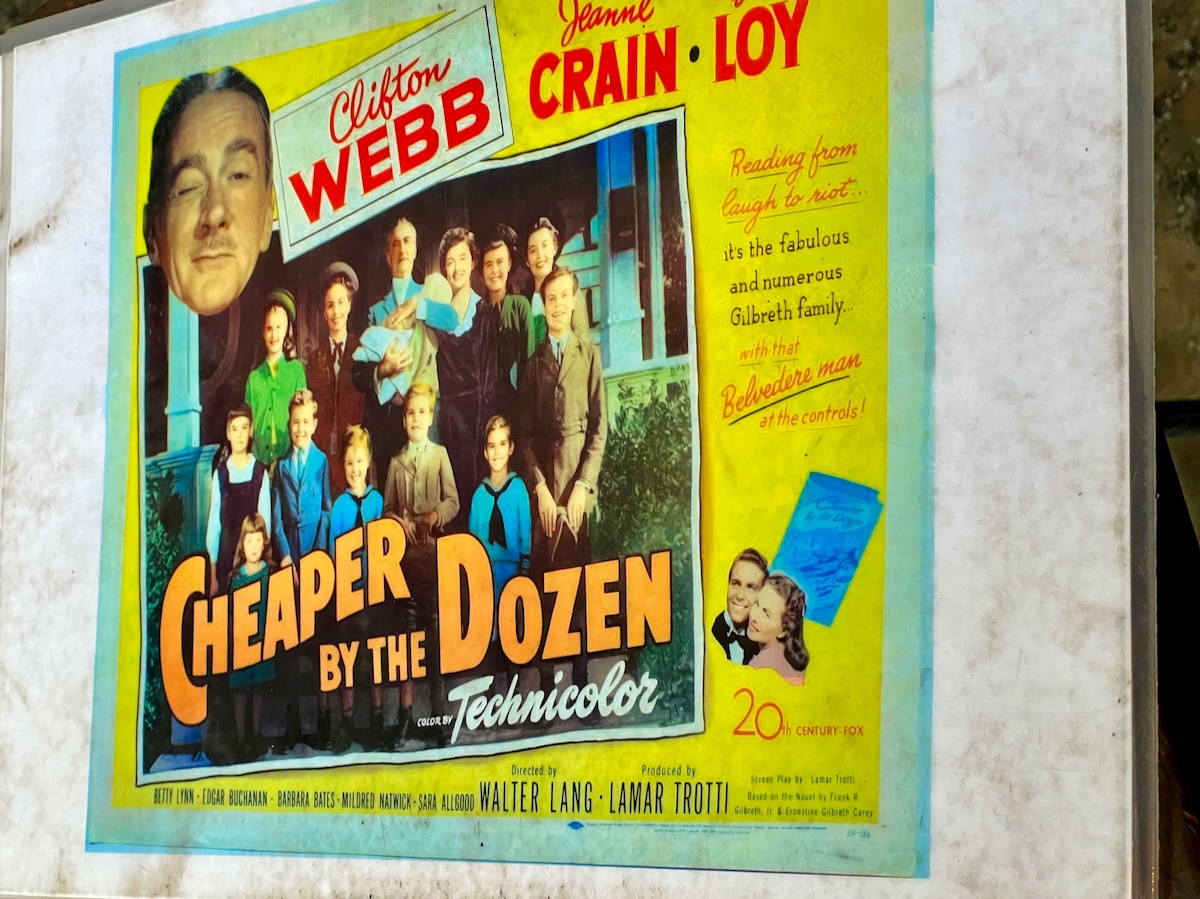
All while, astonishingly, raising the couple’s 13 children. Frank and Lillian became arguably more famous as the inspiration for Cheaper by the Dozen, a movie starring Clifton Webb and Myrna Loy. Though if you think about it, that makes sense. Who but parents of that many children would become efficiency experts? And there are worse things than being portrayed by Myrna Loy on the big screen.
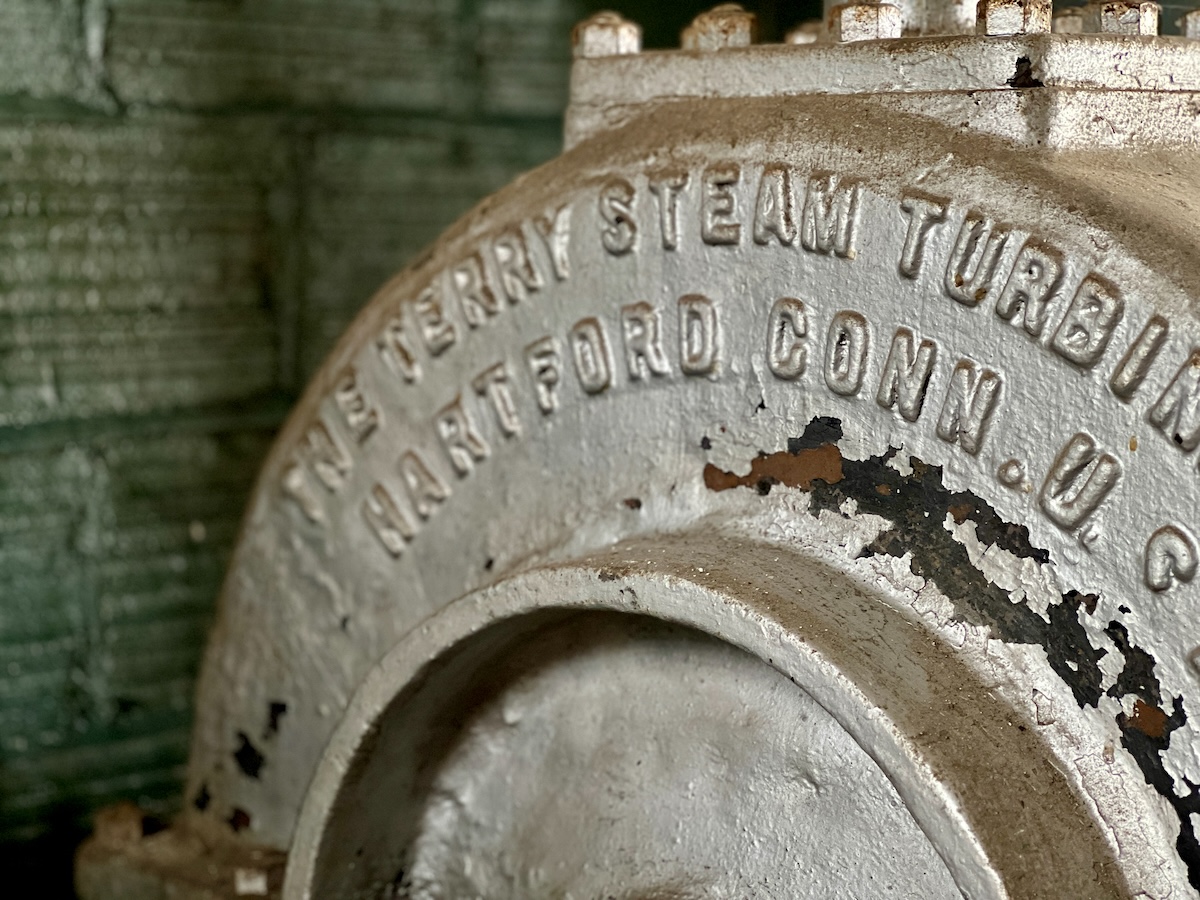
Of course, a steam plant is only as useful as the machinery inside it. And the Curtis steam turbines here represented some of the most advanced electrical generating equipment available anywhere in the world. Sure, they look like museum pieces today. In 1906, they looked like a glorious future.
For decades, generating electricity meant using massive reciprocating steam engines—machines so large and heavy that the power plants could literally shake the ground around them. The Curtis turbines promised more. They produced more power in less space, operated more smoothly and easily, and made large-scale electrical generation practical in ways earlier plants couldn’t hope to match.
Which was just what Seattle needed. City leaders weren’t interested in building a monument to industrial history—they were gambling on The Next Big Thing. They were trying to get to the future first.
But the future is fickle—and often arrives sooner than expected.
The Georgetown Steam Plant opened to great fanfare in 1906—and almost immediately, the technology that made it so impressive evolved beyond it. New, powerful hydroelectric dams completely changed the economics of power generation throughout the Pacific Northwest, creating more electricity for much less money. By 1912, Georgetown was already being used primarily as a backup plant rather than a primary source of power.
Adding insult to injury, the city embarked in 1913 on a project to straighten out the twisty Duwamish to create a more efficient industrial waterway. So the plant that had been carefully built right next to the river found itself sitting all alone in a wide, open, grassy field.
We often assume historic landmarks represent the pinnacles of their era—that they’re the final, perfected version of whatever they were built to be. The Georgetown Steam Plant tells us a different story. Here was a plant built around the most advanced technology available, backed by an ambitious city convinced its future had arrived. Within just a few short years, that future was already being replaced by something newer, cheaper, and more efficient.
Normally, this is where the story ends. Infrastructure becomes obsolete, spends a few years hanging around as a backup system, and eventually disappears beneath a parking lot, warehouse, or condominium development when someone decides the land is worth more than the machinery sitting on it.
Which almost happened here, too.
As newer technologies took over, Georgetown settled into life as a standby generating station. It was reliably available for emergencies and peak demand, but its days as a cutting-edge power plant were long behind it. Eventually, the boilers went cold for good. The plant lingered for decades as a standby facility before finally being retired in the 1970s.
But instead of stripping the plant for parts, Seattle City Light continued to maintain the equipment—rotating shafts, lubricating engines, and monitoring the building. Long after the plant stopped generating power, people were still making sure it could be brought back online if necessary. Nobody could have known then that the Georgetown Steam Plant would eventually become the last surviving example of its kind. They were keeping things oiled up and ready, just in case.
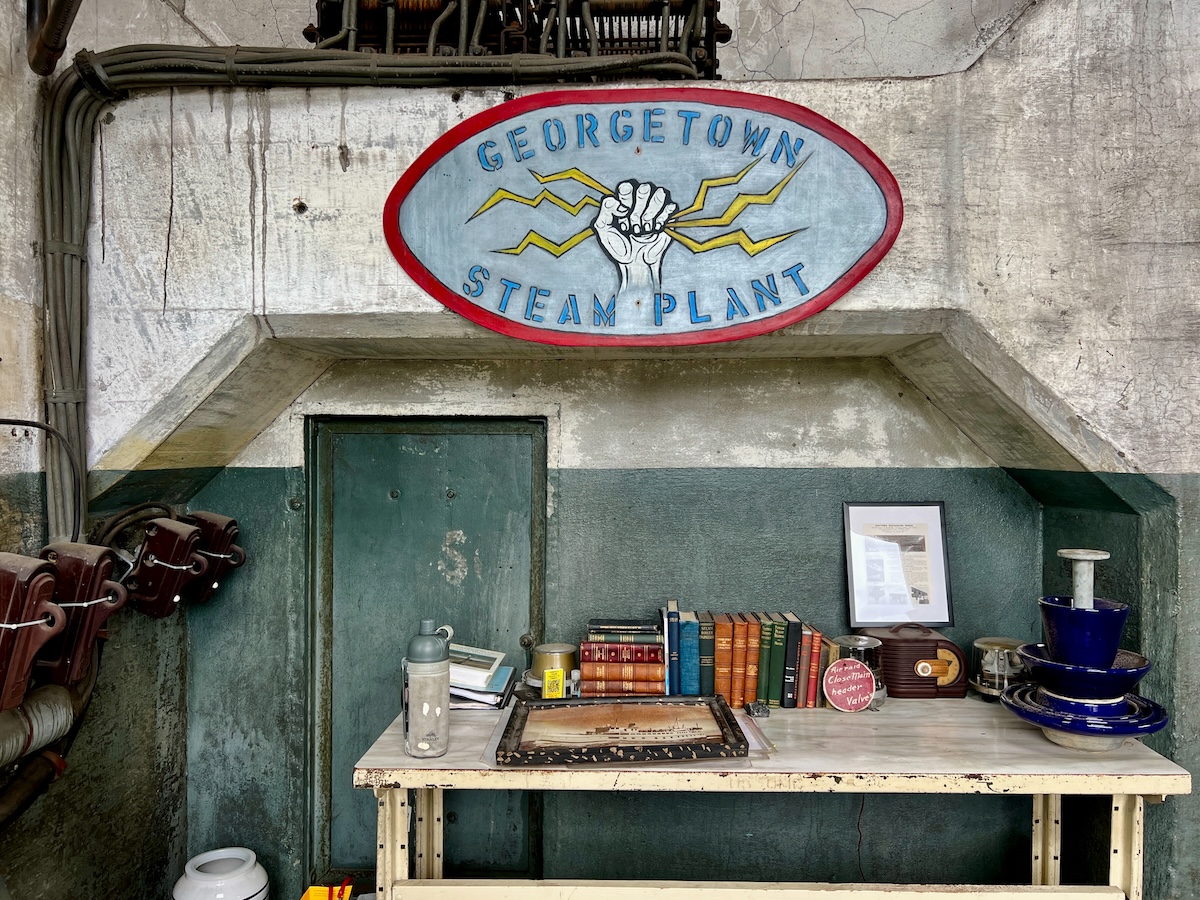
And thank goodness they did. Now we’ve got this amazing accidental museum that you get to walk through instead of peering into glass cases and reading book-length information cards. Most museums preserve pieces of history. Georgetown preserves the whole thing. Here, you climb the stairs, walk the catwalks, and stand under engines that once powered a growing city.






Write a comment