
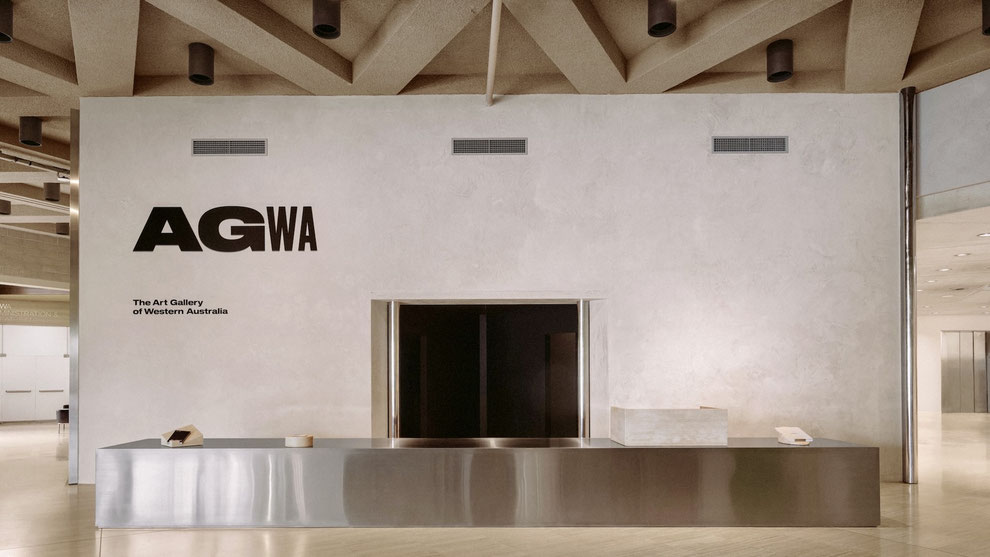
Australian state galleries punch above their weight. They’re rarely stuffy, often surprising, and—most importantly—nearly always come with a decent café. And Perth’s Art Gallery of Western Australia, or AGWA, might be the most surprising of all.
Anchoring the city’s Cultural Precinct, AGWA sits among the library, the contemporary art museum, and the state theater complex, just steps from the central train station. The building, a 1970s modernist structure inspired by Mexico City’s National Museum of Anthropology, looks a little severe from the outside. Inside, though, it opens into bright galleries filled with work that tells a story far larger than the city’s footprint.
Highlights
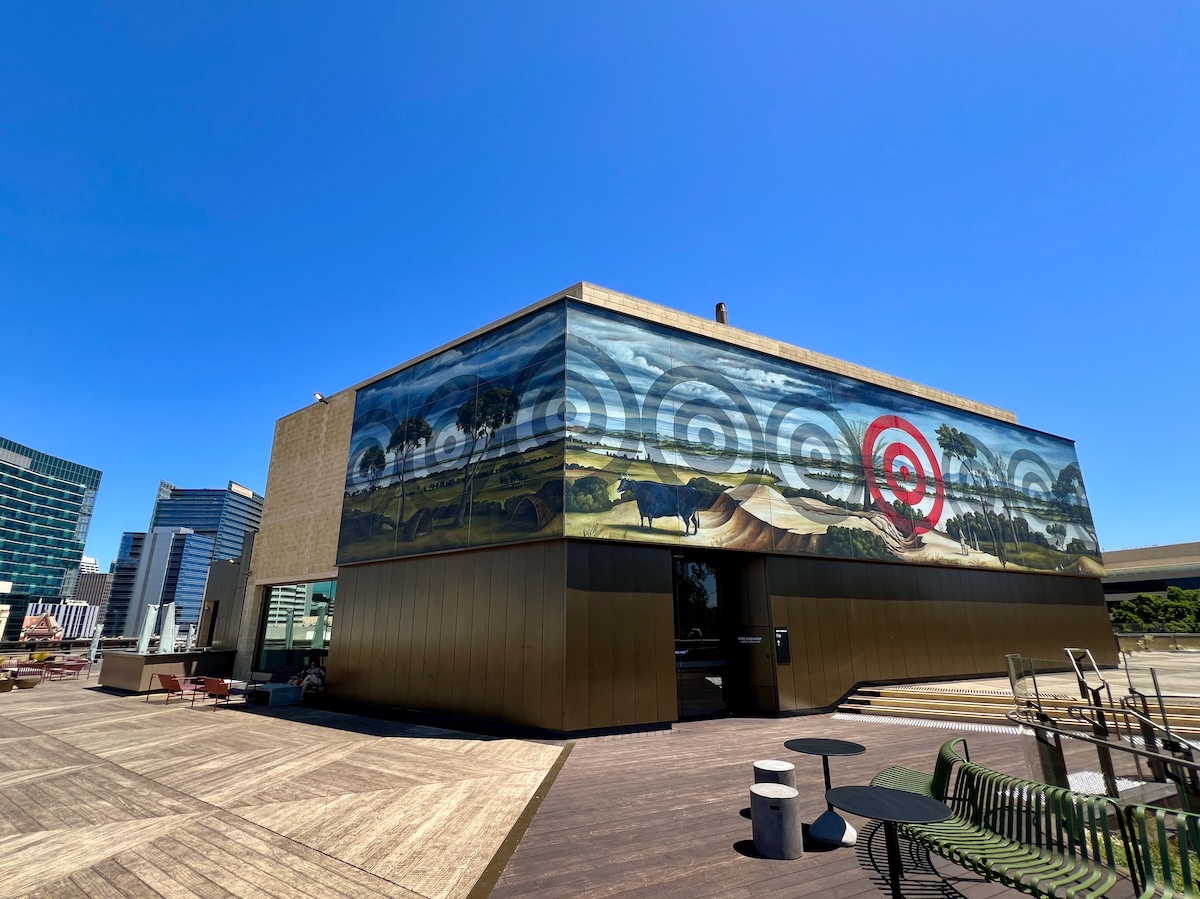
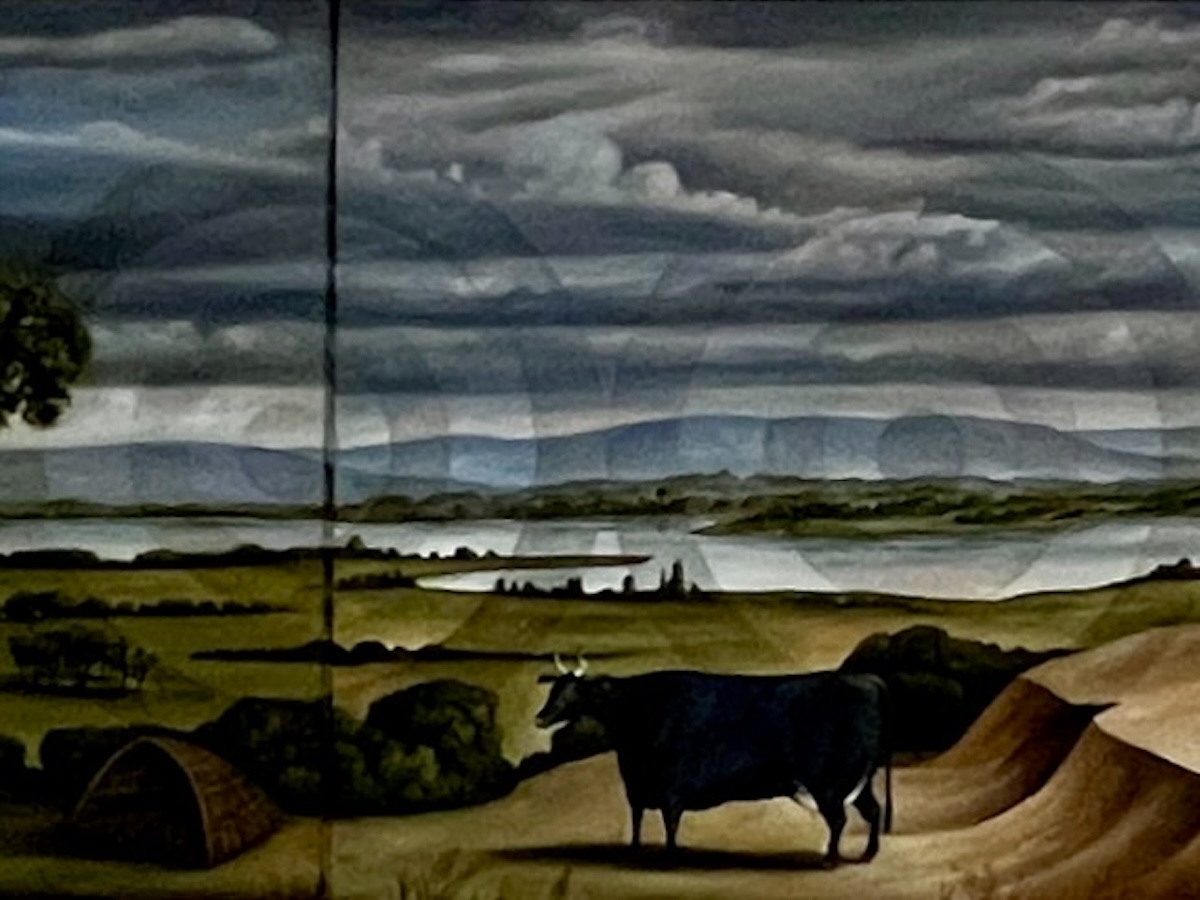
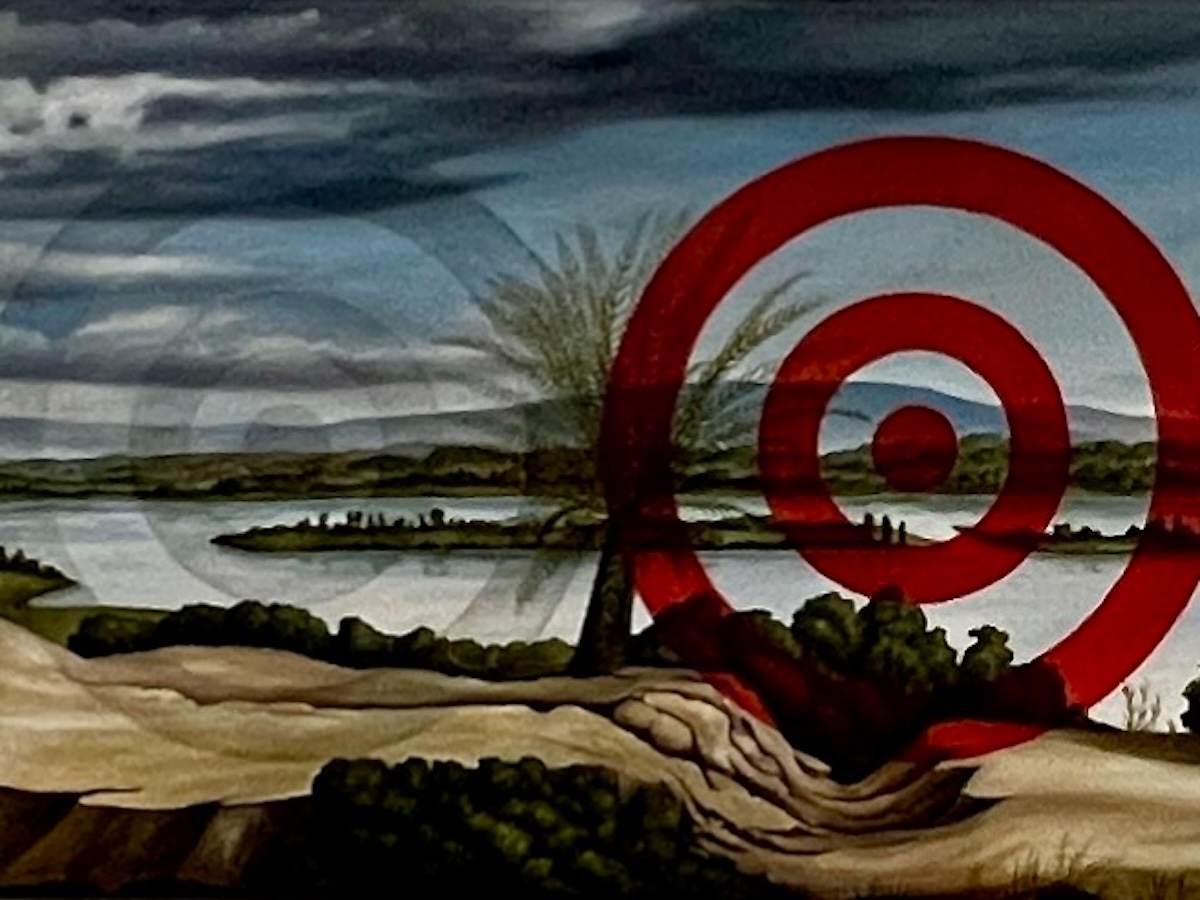
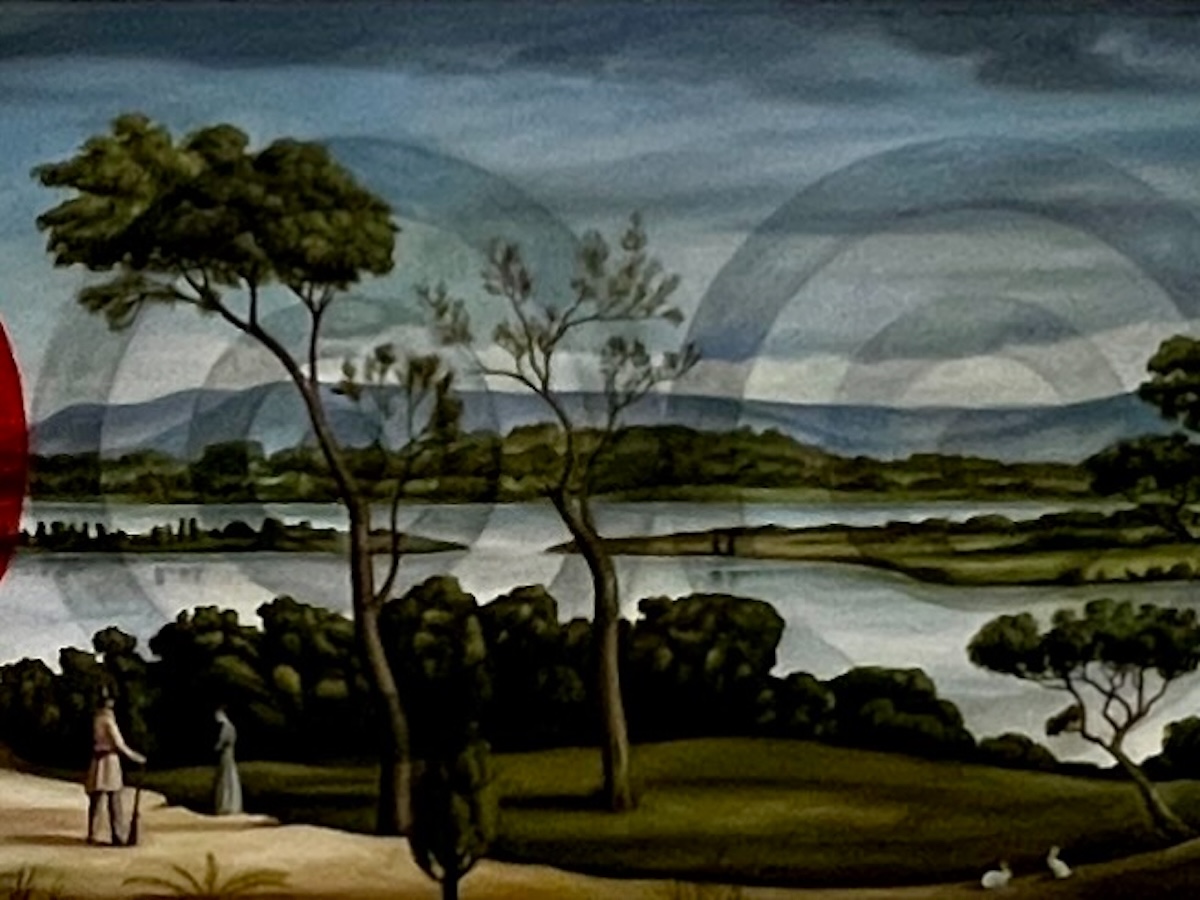
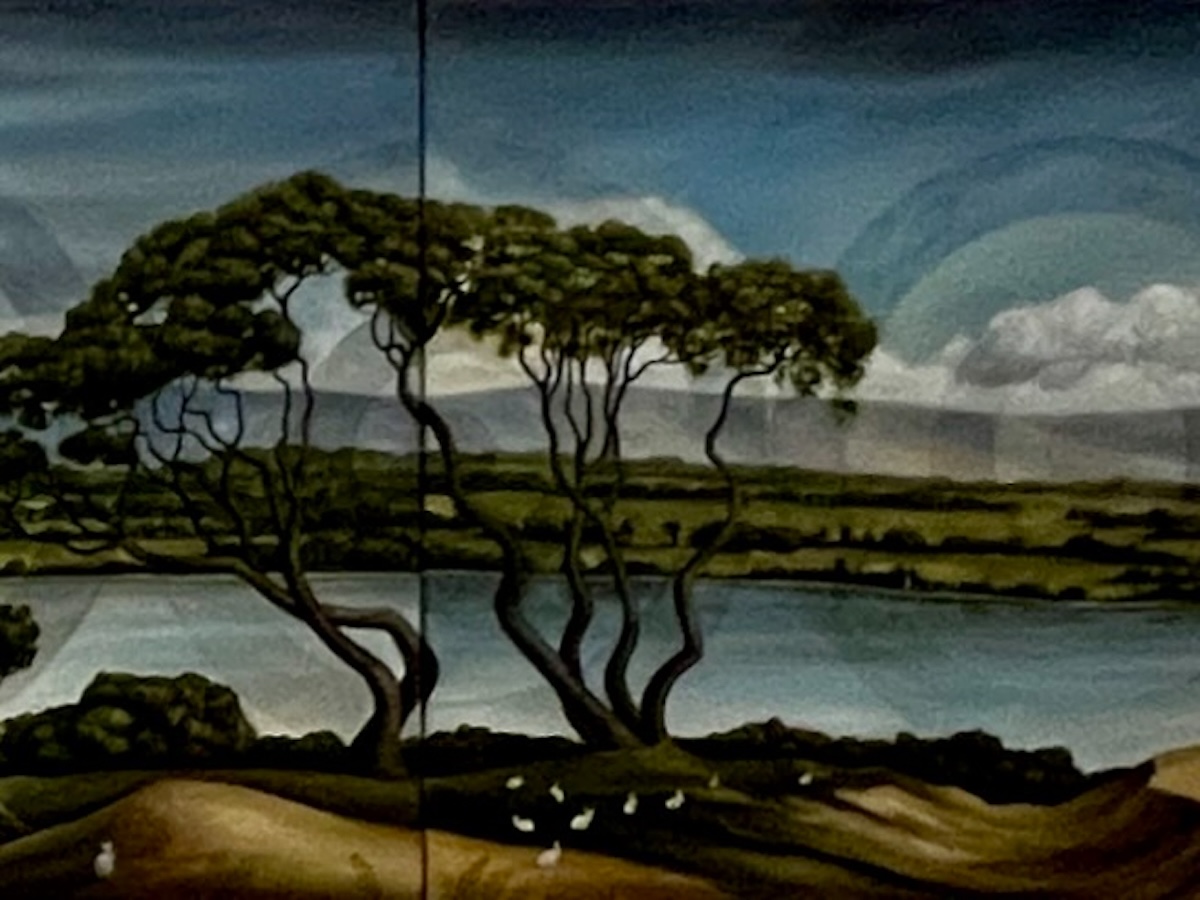
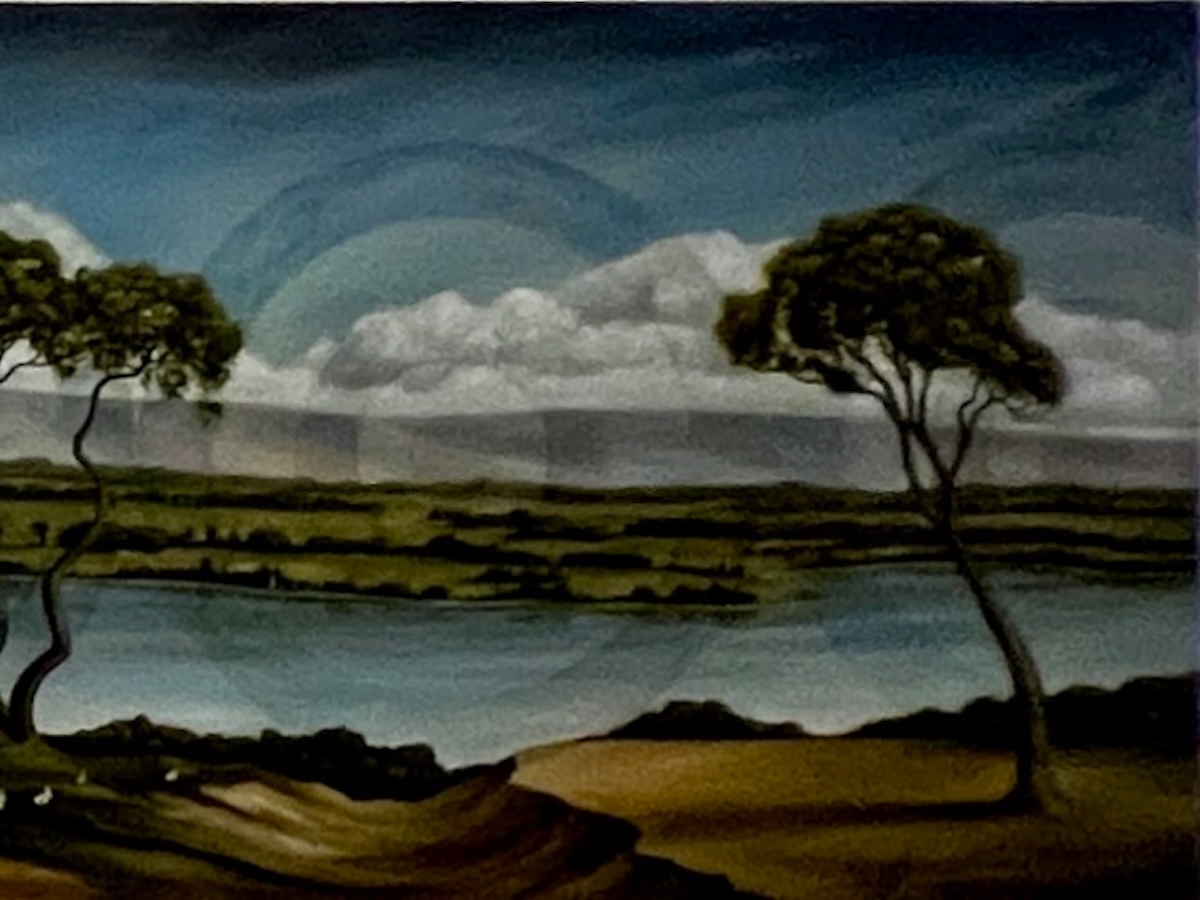
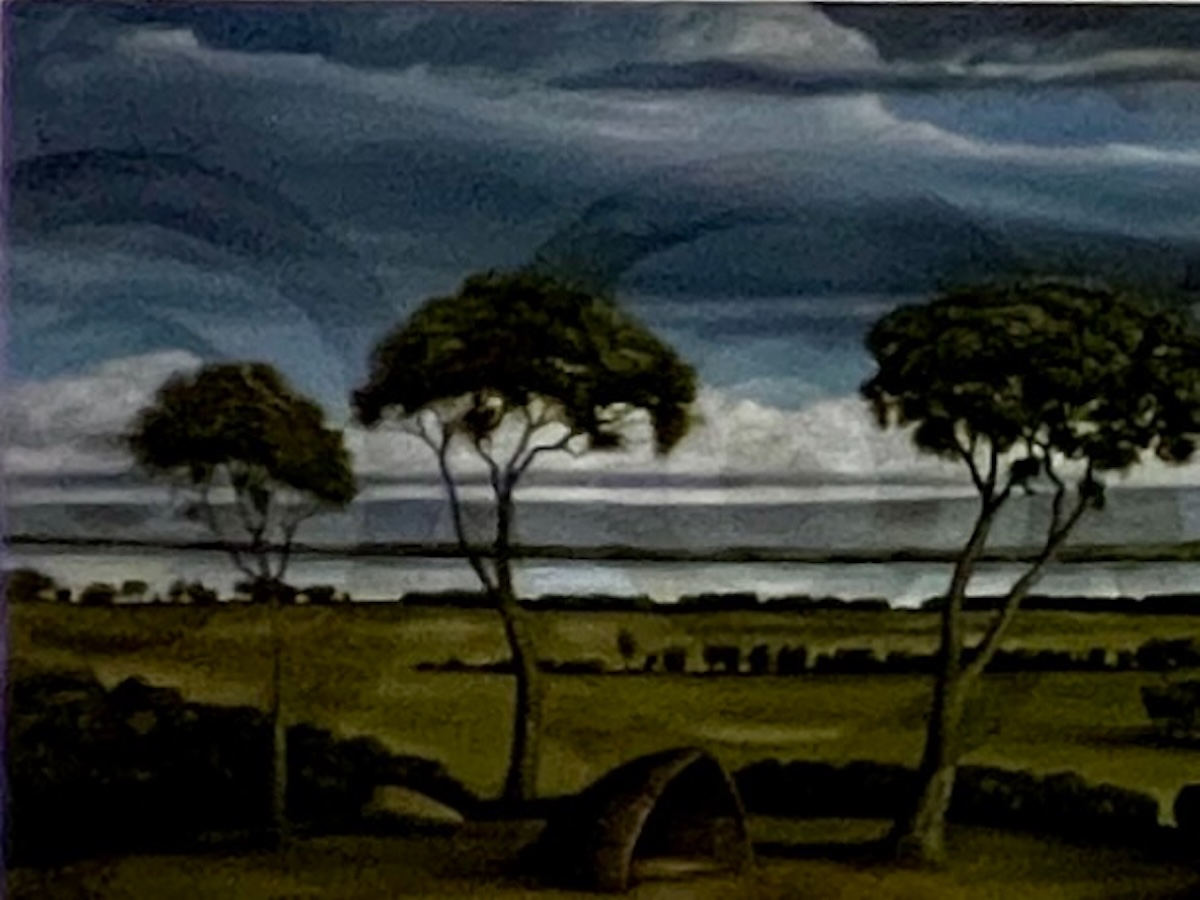
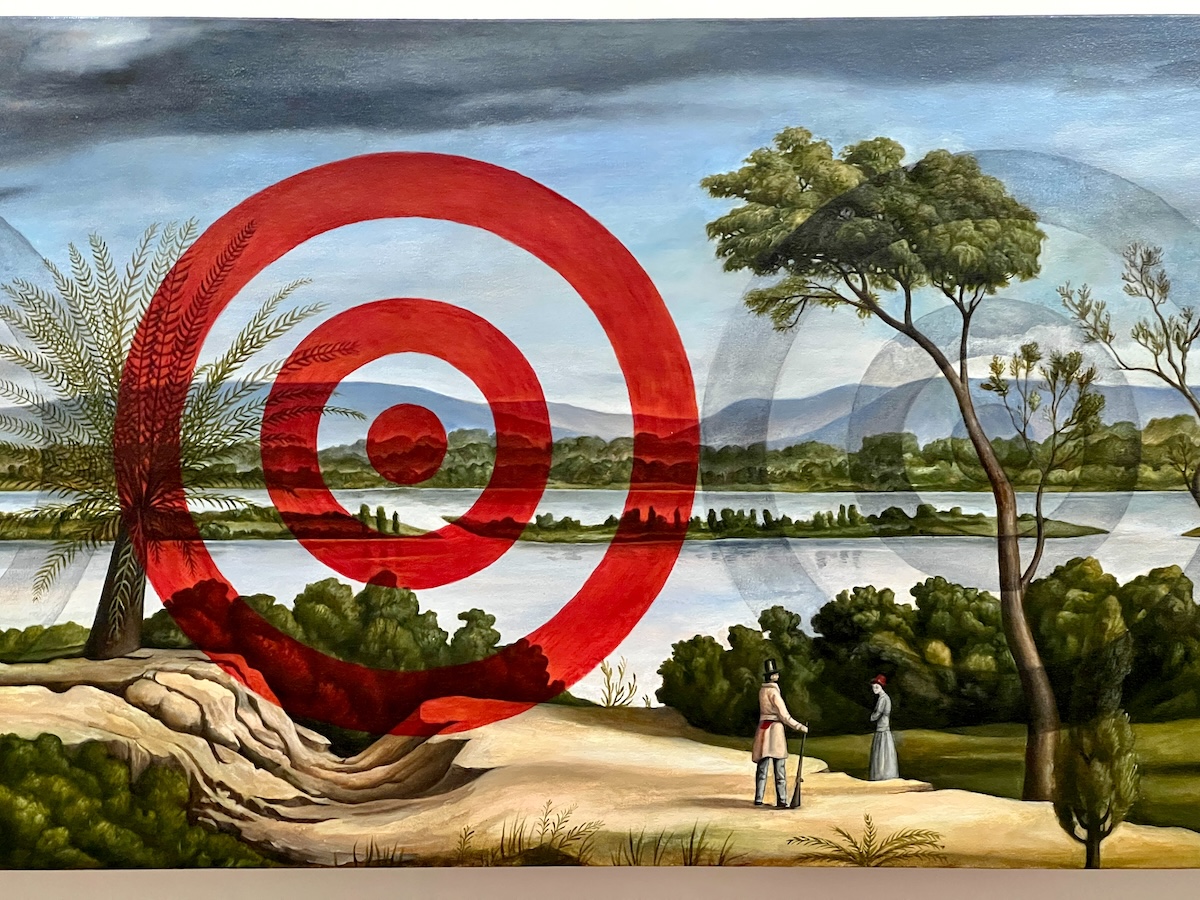
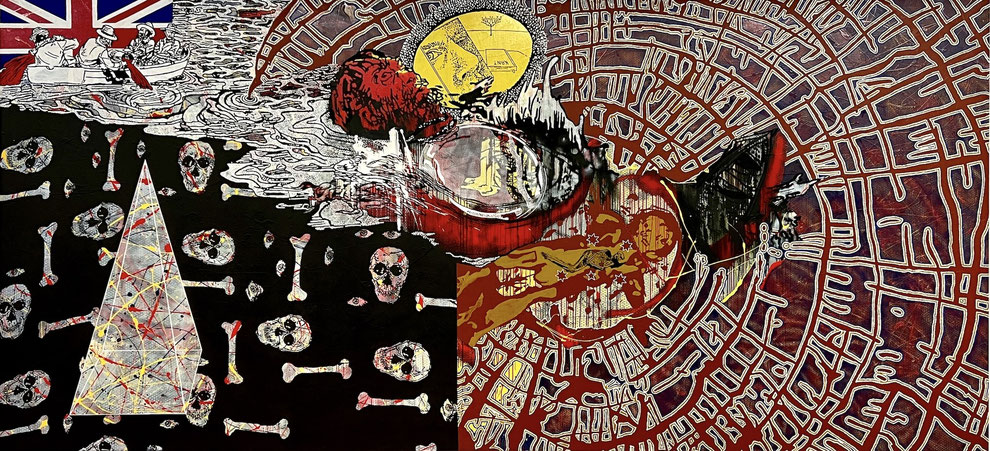
Targets, 2020–21 – Christopher Pease
Pease reinterprets colonial maps of Western Australia with Indigenous iconography, embedding Noongar figures and symbols into the language of European cartography. It’s subversion rendered in perfect symmetry.
The bathers, 1989 – Mark Tansey
People float, pose, and point—but Tansey quietly flips the script. The swim-scene is a stage, the stage is the pool of representation, and the swimmers are both subject and spectator.
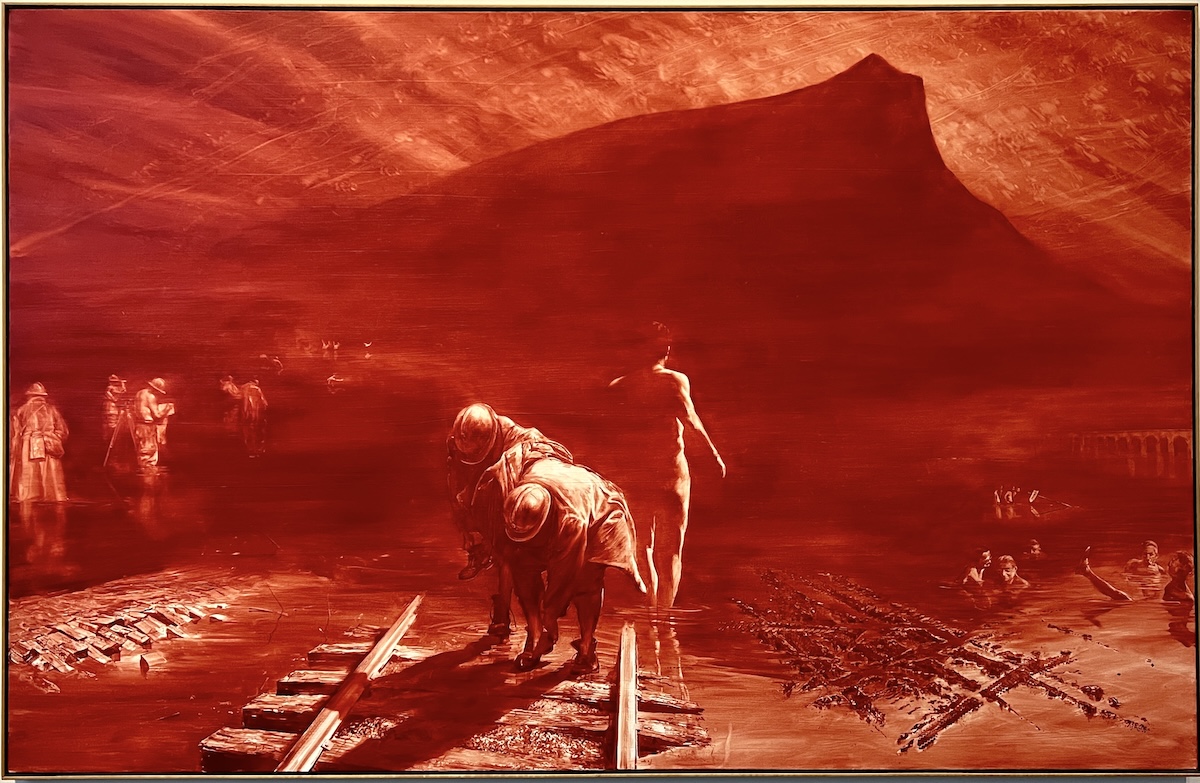
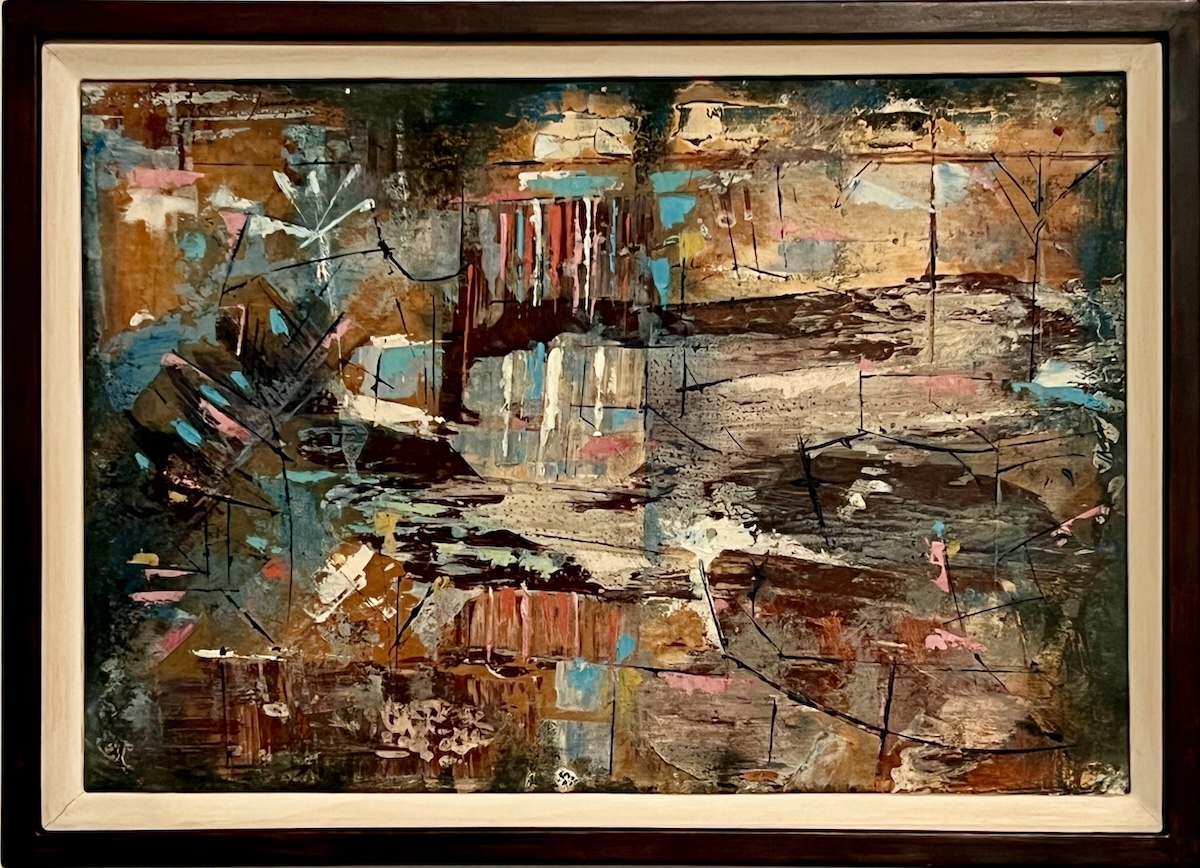
A Rock, a Pool, 1959 – Robert Juniper
Juniper paints the West Australian landscape as something mythic and spare—land, water, and silence bound together in a language older than the colony that claimed it.
Little Mermaid and Intimate Friends, 2021 – Luisa Hansal
Paired figurative canvases where soft color fields carry a pulse of melancholy. Hansal’s work feels domestic and emotional at once, an interior diary rendered on canvas.
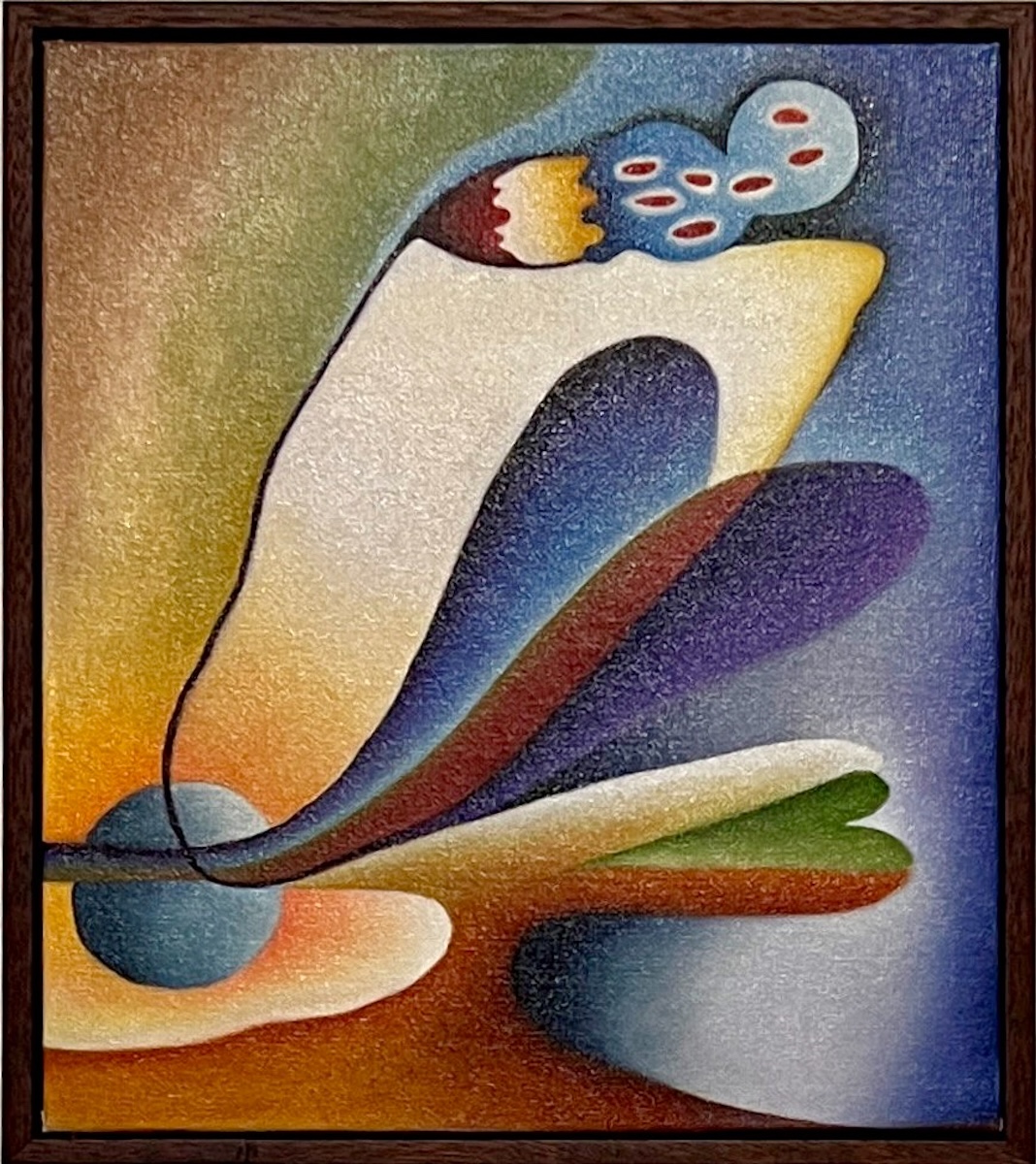
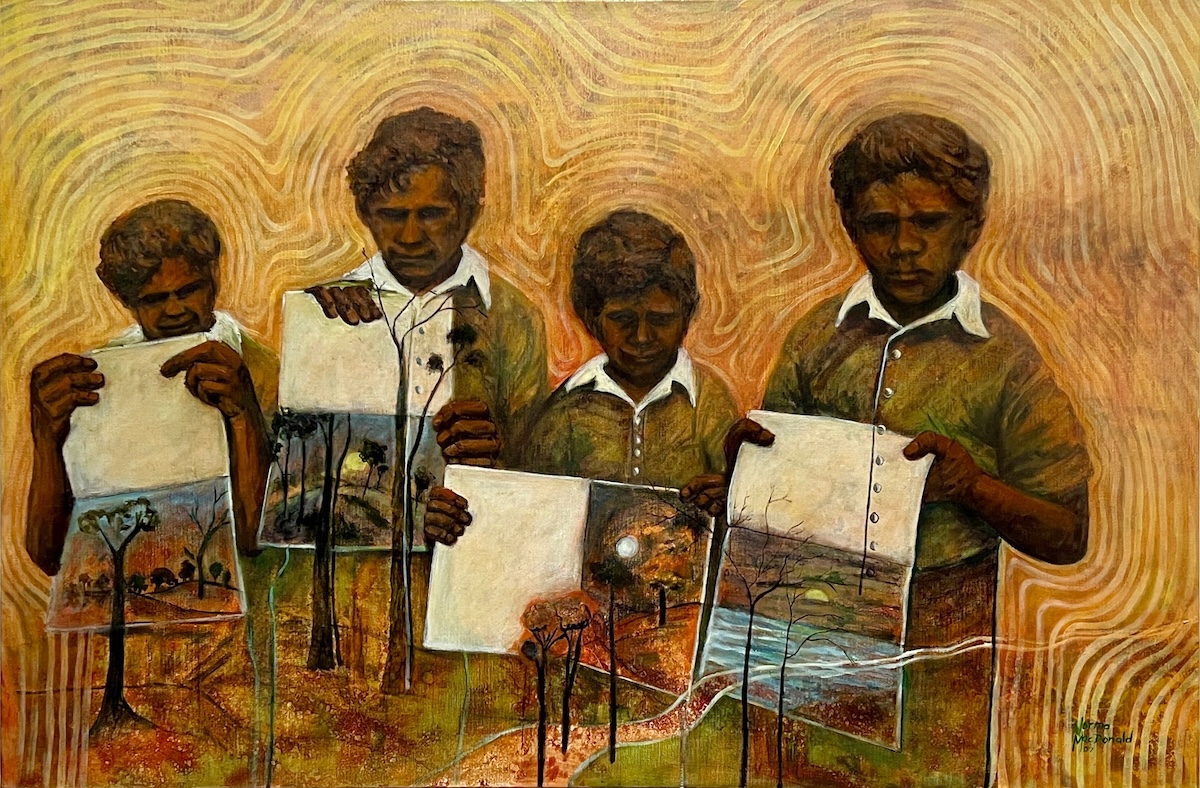
Spirit drawn, 2008 – Norma Macdonald
Four Noongar boys hold sketches of their land—MacDonald blends their drawings and their bodies into a single landscape. Memory, place and youth converge in one dense, luminous painting.
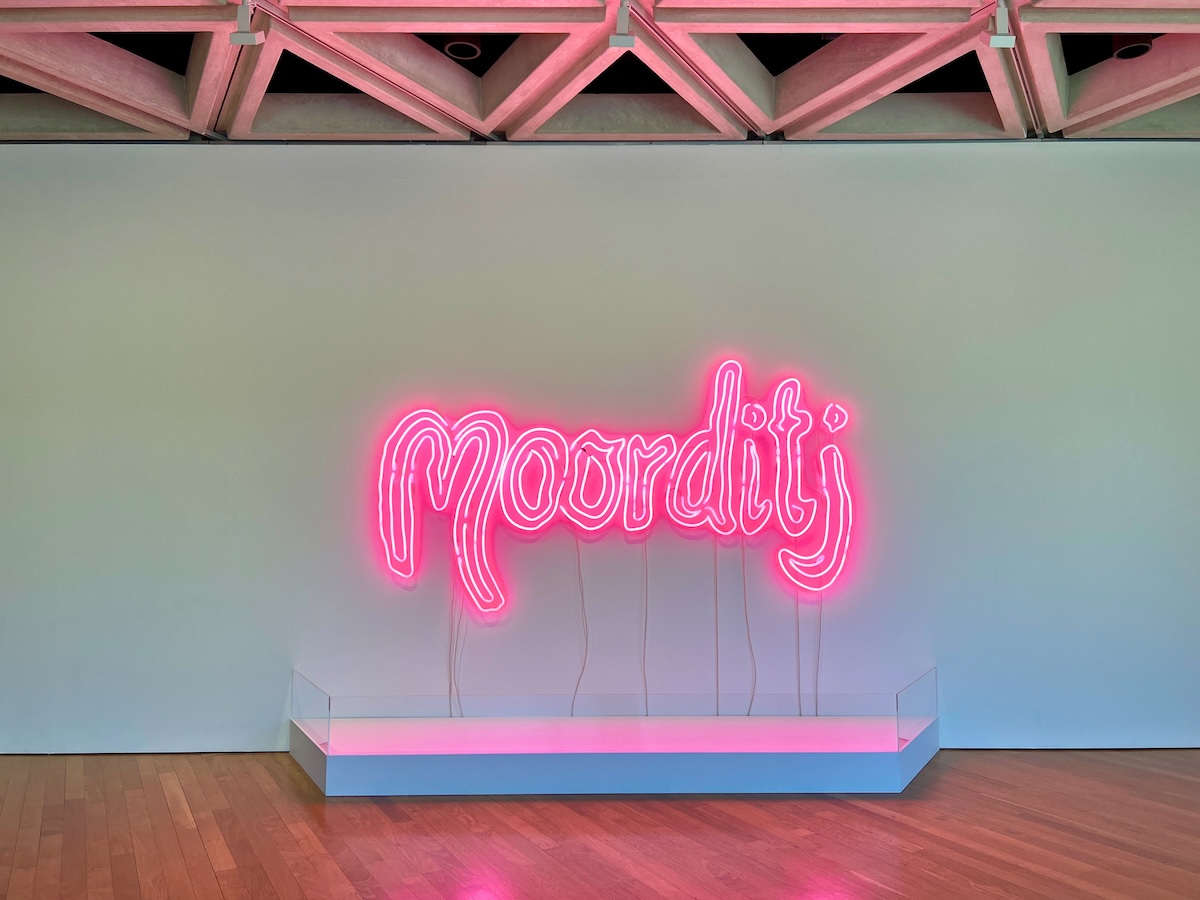
From Our Lip, Mouths, Throats and Belly, 2021 – Amanda Bell
Bell, a Badimia and Yued artist, turns the Noongar word moorditj—meaning “good” or “strong”—into a conceptual installation about voice, lineage, and connection across generations.
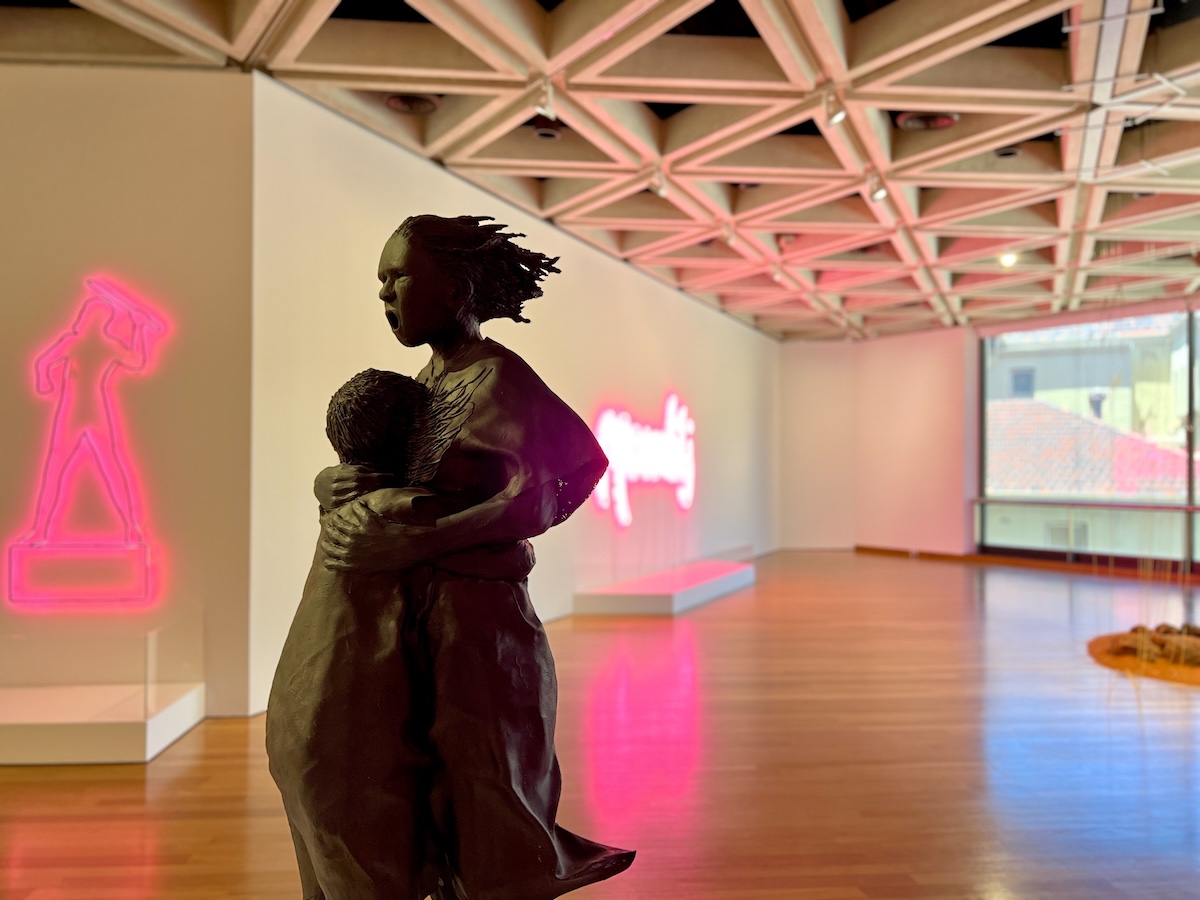
Maralinga, 1990 – Lin Onus
A deceptively calm desert landscape marking the site of British nuclear tests in the 1950s. The beauty feels radioactive once you know what you’re looking at.
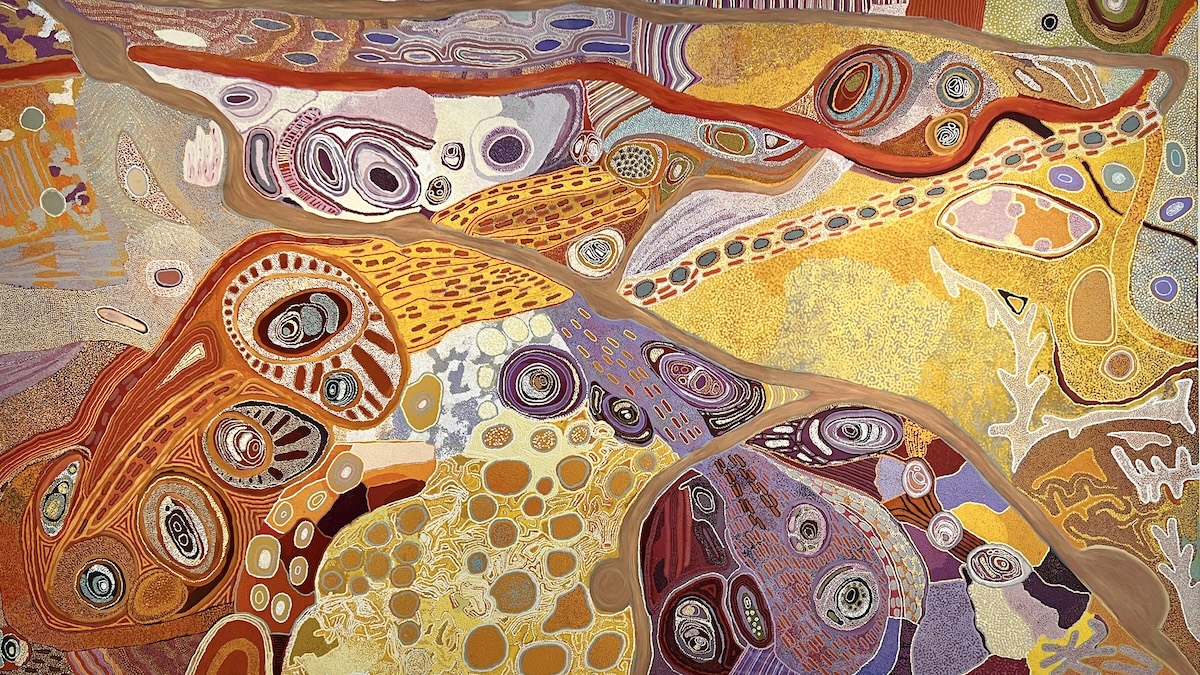
Kintyre, 2021 – multiple artists
A collaborative canvas from Martu artists who paint the remote Kintyre region of Western Australia’s Western Desert. The shared work maps Country through color and gesture—songlines and waterholes rendered as shifting fields of movement and memory.
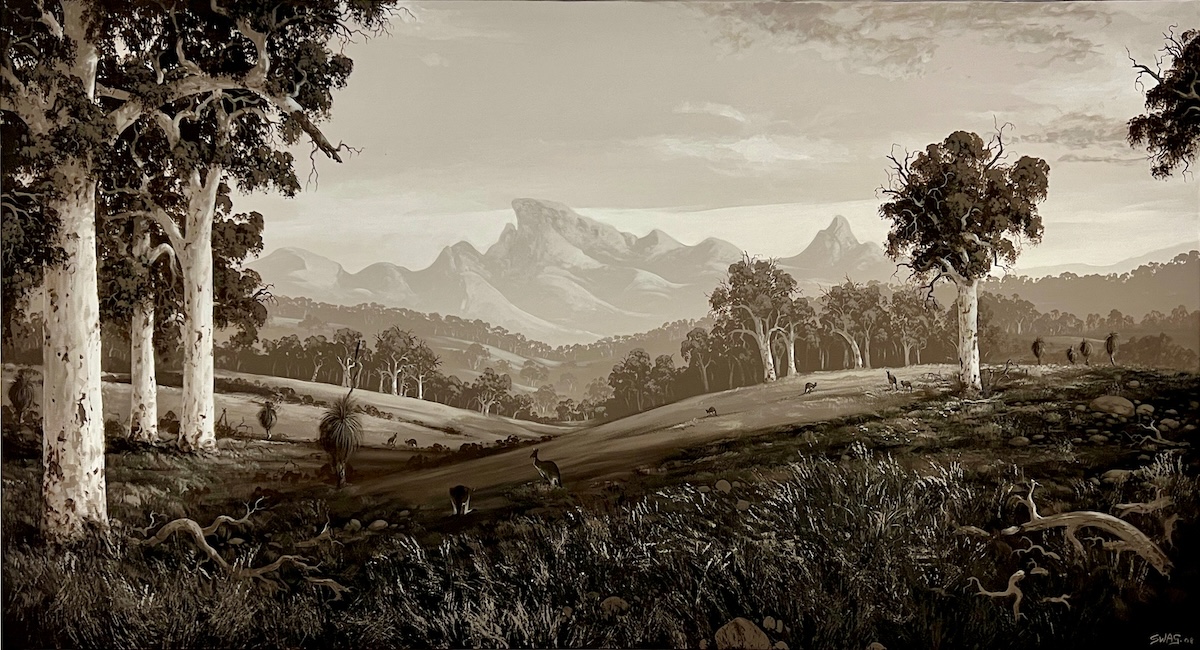
My Heartland, no date – “Swag” Graham Taylor
Taylor’s paintings carry a rough lyricism, somewhere between documentary and dream. My Heartland turns everyday bush life into a quiet statement of belonging—work, weather, and country folded into the same horizon.
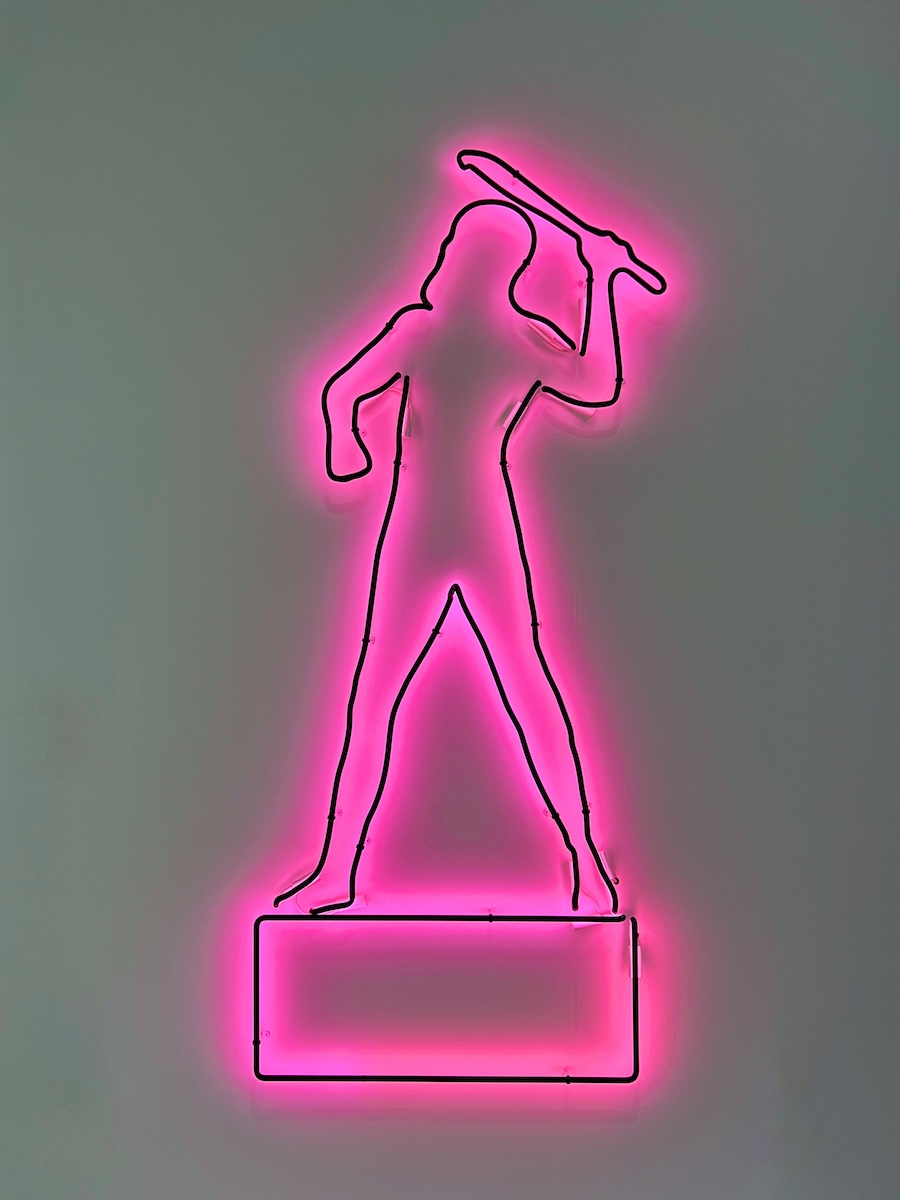
Oa Warrior II (Pink), 2020 – Reko Rennie
Rennie reclaims pop color and geometric pattern for his Kamilaroi heritage. The bright pink warrior is part myth, part mirror—a figure standing in defiance of both history and stereotype.
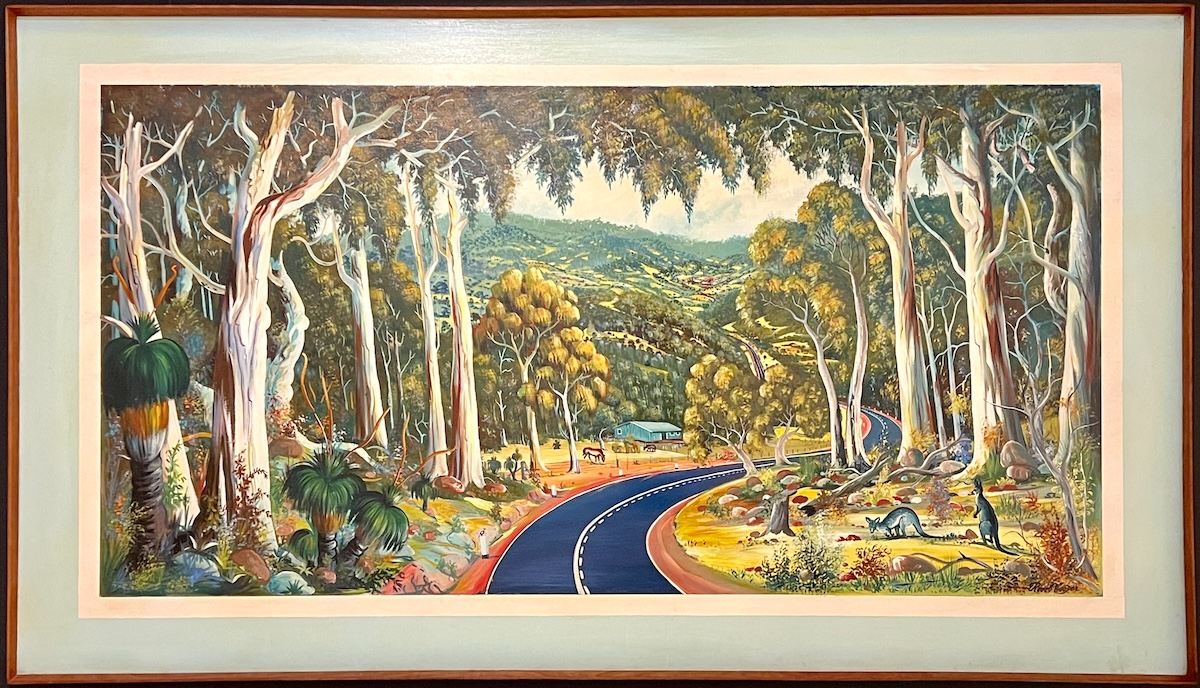
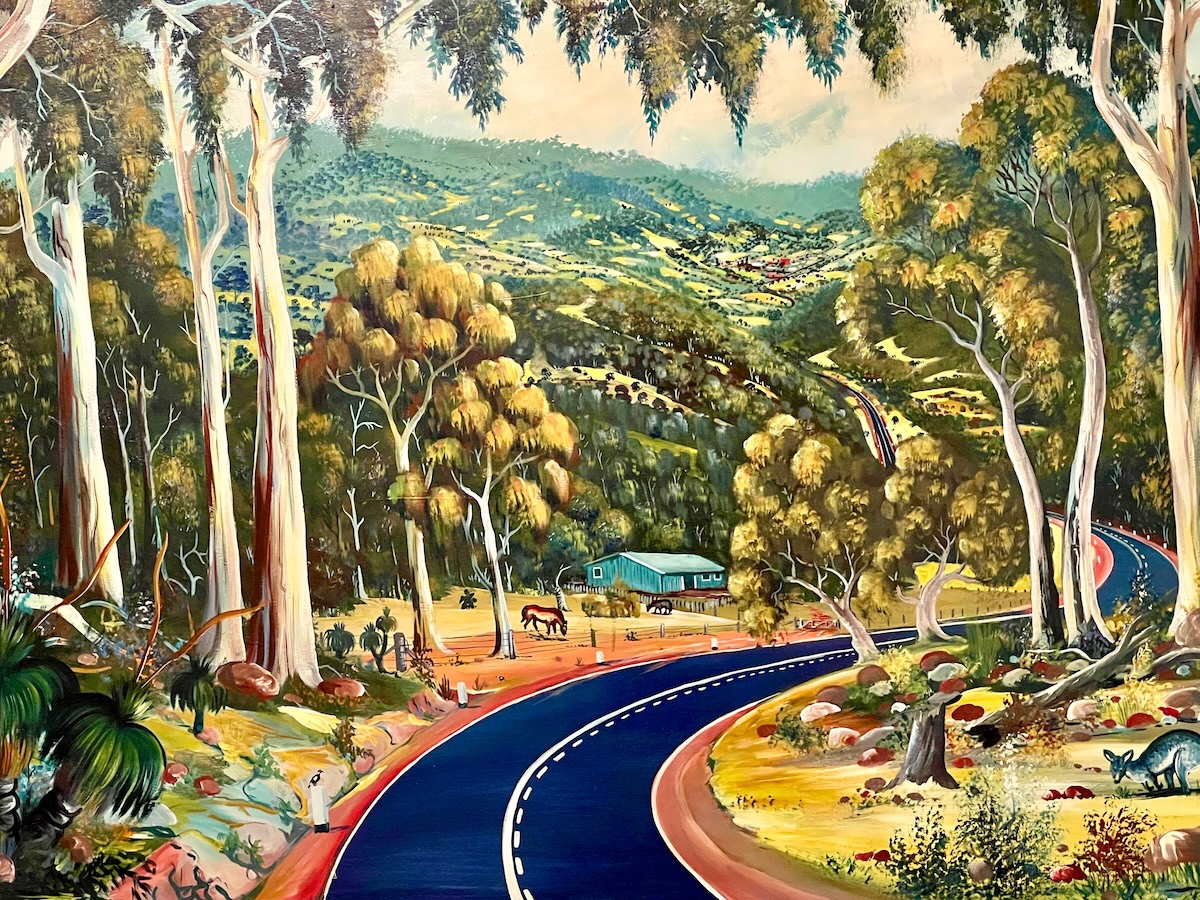
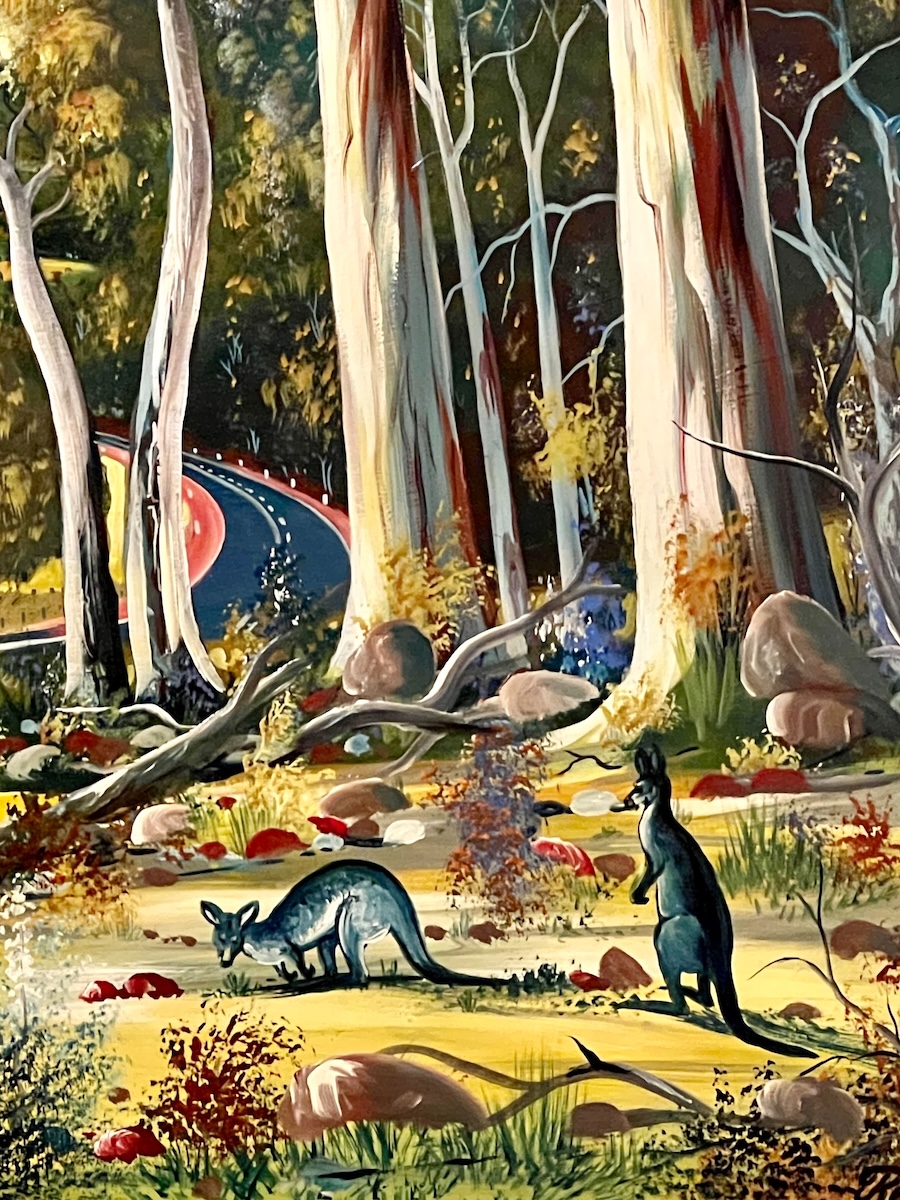
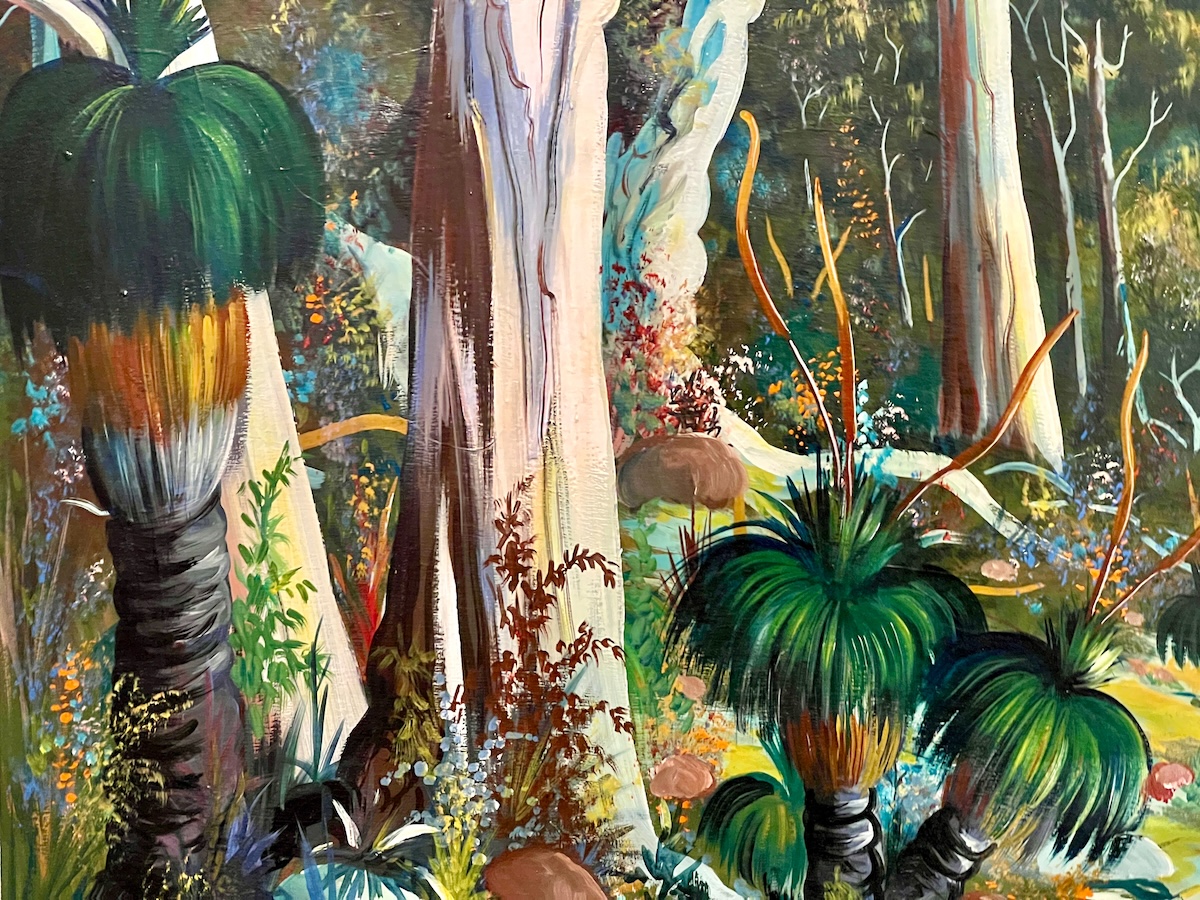
South-West Landscape near Pemberton, c1962 – Revel Cooper
Cooper’s view of Pemberton sits at the intersection of nostalgia and protest. His rolling greens and thick skies suggest peace, but the story underneath—displacement, resilience, and return—gives the painting its weight.
Feature Exhibition – The Light of Day by Yhonnie Scarce
Scarce, a Kokatha and Nukunu artist, builds memorials from air and glass. Her work moves between the intimate and the monumental without tipping into sentimentality. Installed across three galleries, The Light of Day was the most technically complex exhibition AGWA had ever staged, but what lingers isn’t the logistics—it’s the quiet gravity of the pieces themselves.
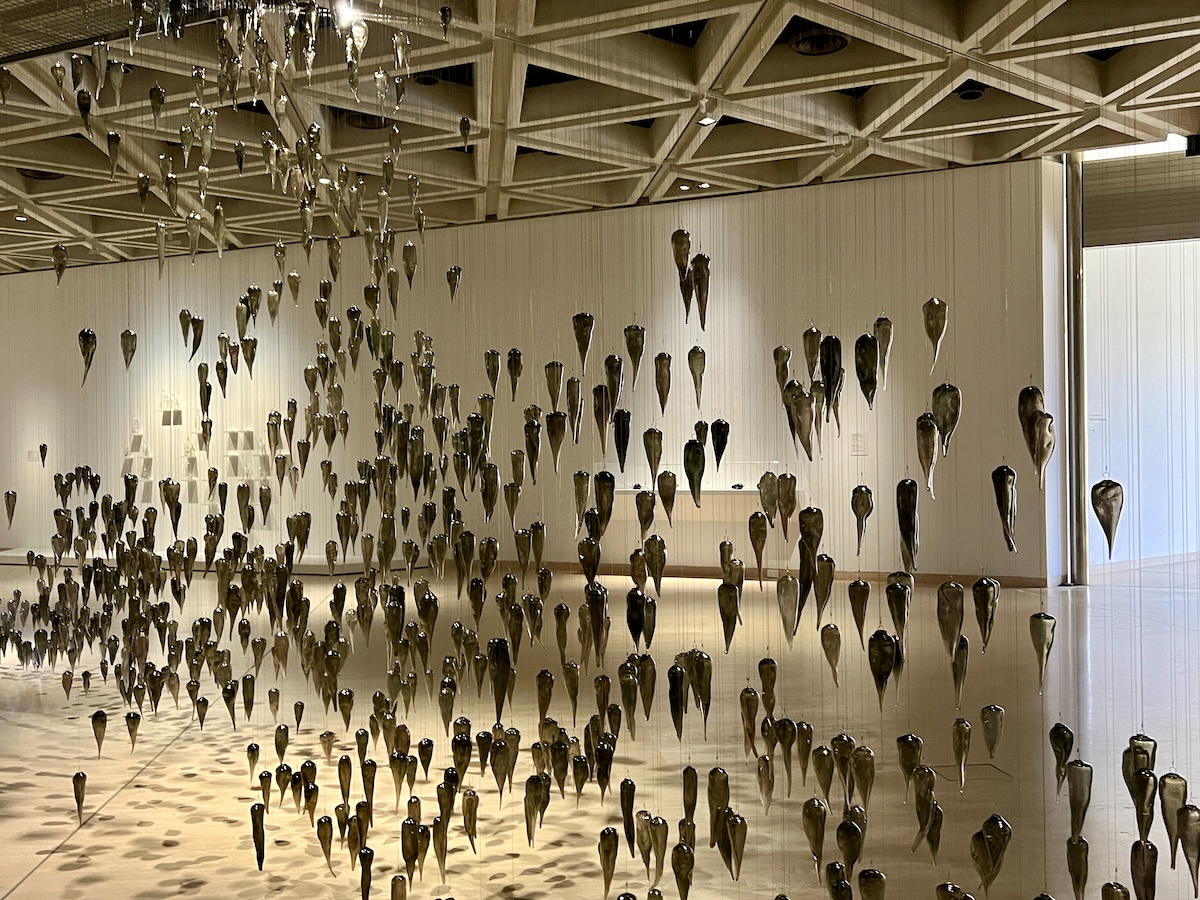
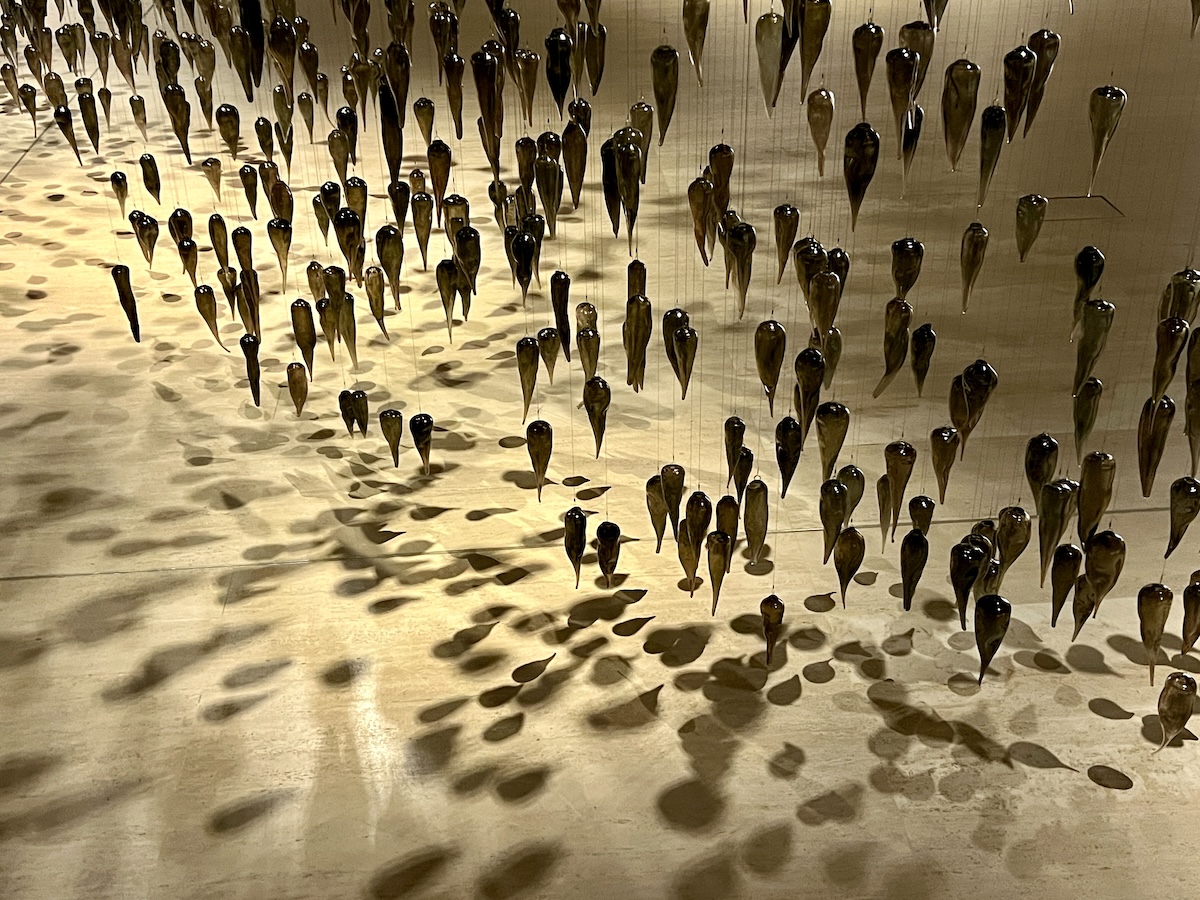
Death Zephyr, 2017 – Yhonnie Scarce
Hundreds of hand-blown glass forms suspended in air, each one the color of fallout. The work recalls nuclear testing at Maralinga in the 1950s. Beautiful, chilling, and impossibly fragile.
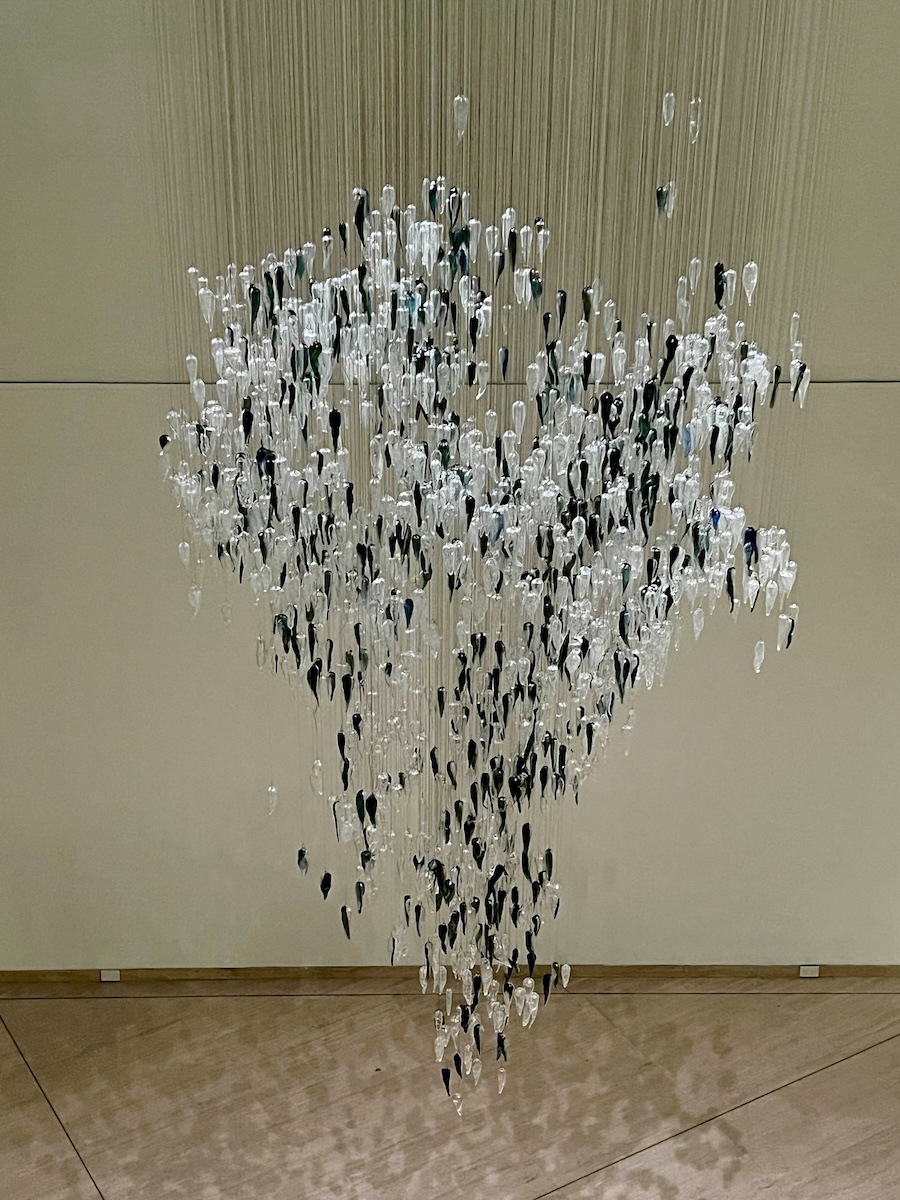
Thunder Raining Poison, 2015 – Yhonnie Scarce
Another glass-cloud installation, this one darker, heavier, and lower to the floor. The title does all the work. Scarce turns weather itself into witness.
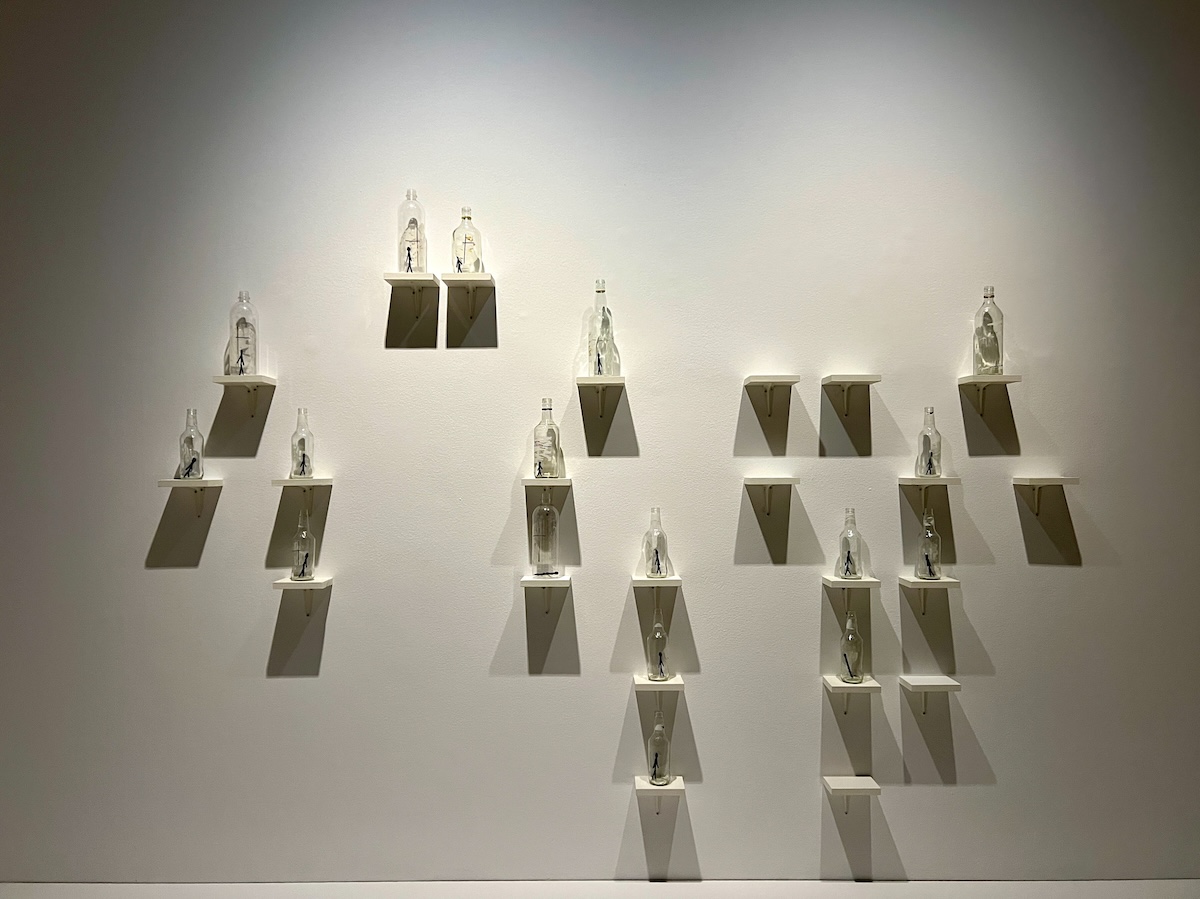
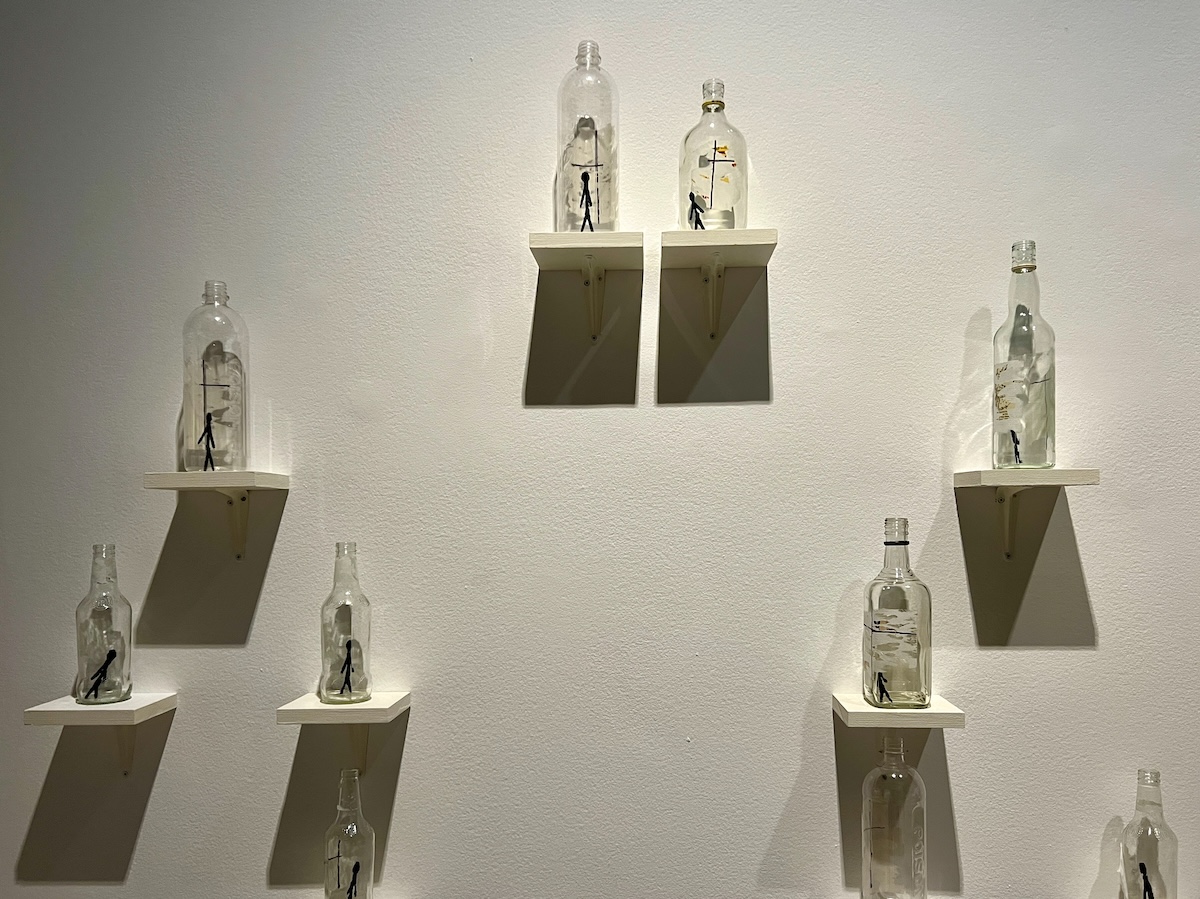
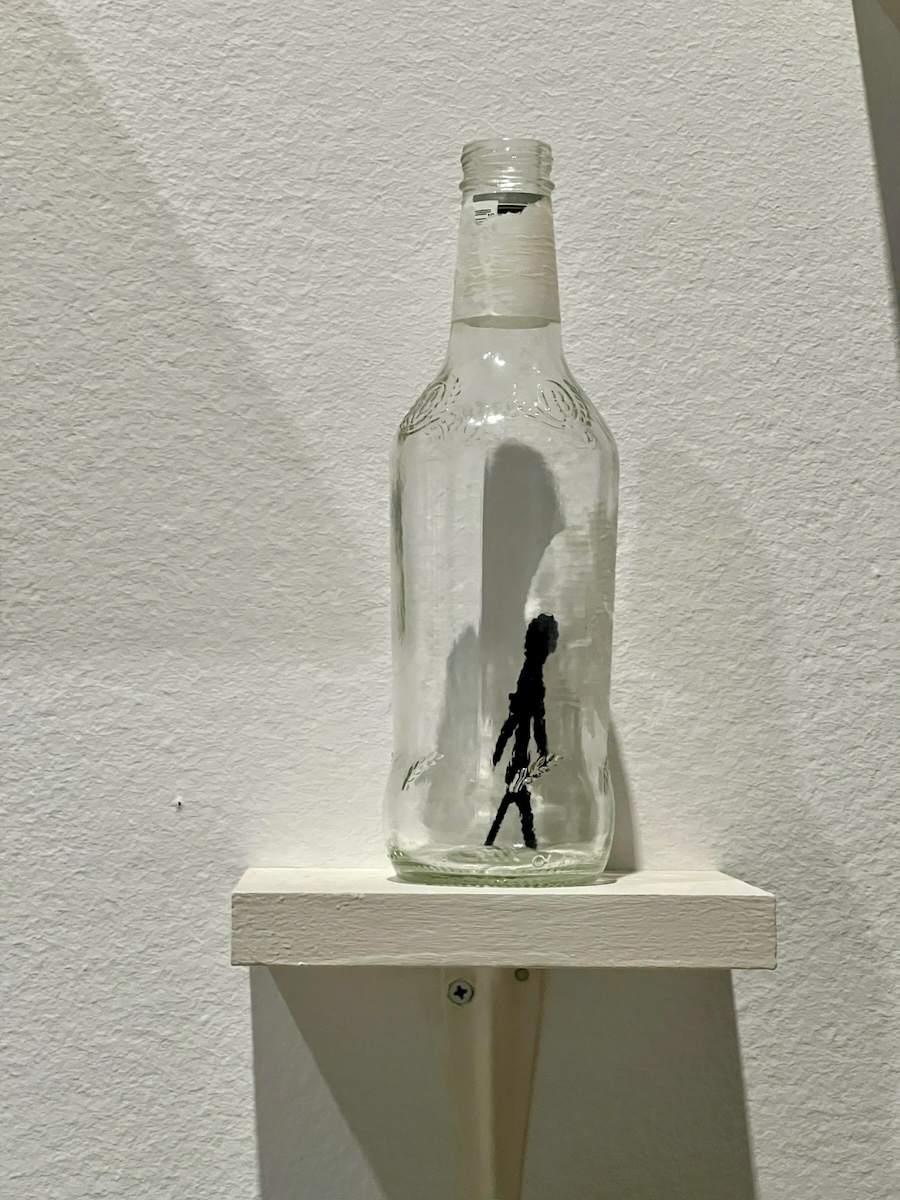
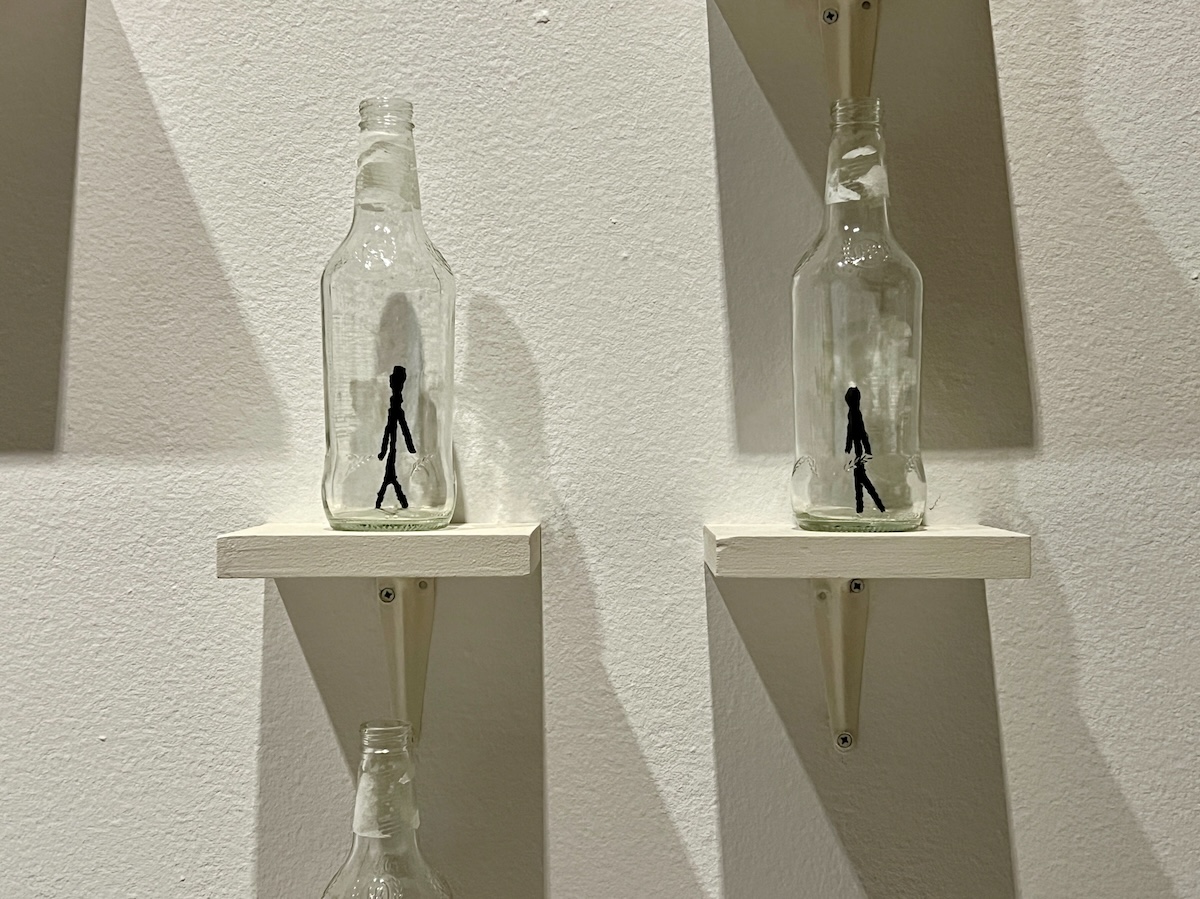
Oppression, Repression (Family Portrait), 2008 – Yhonnie Scarce
A smaller mixed-media piece that grounds the larger installations in personal history. It’s less spectacle, more confession—family memory rendered in glass and shadow.
We went in expecting something parochial, maybe a “cowboy museum.” Instead, we found a world-class gallery rooted in place yet expansive in reach. AGWA doesn’t trade in clichés of the West; it reclaims them.
By the time we left, the sun had dropped over Perth’s skyline and the rooftop sculptures were glowing in the last light. Like the city itself, the gallery is both remote and cosmopolitan—a reminder that Western Australia isn’t the edge of anywhere. It’s its own center.
Write a comment